Discover how to choose an office chair that complements your interior design while balancing ergonomic support, comfort, functionality, and personal style.
The contemporary home office has exceeded its traditional role of merely being a functional working area to become an aesthetically designed addition to the house. Choosing the right office chair involves ensuring that it is both ergonomic and compatible with the interior design of the rest of the home.
Sculptural Design and Material Compatibility
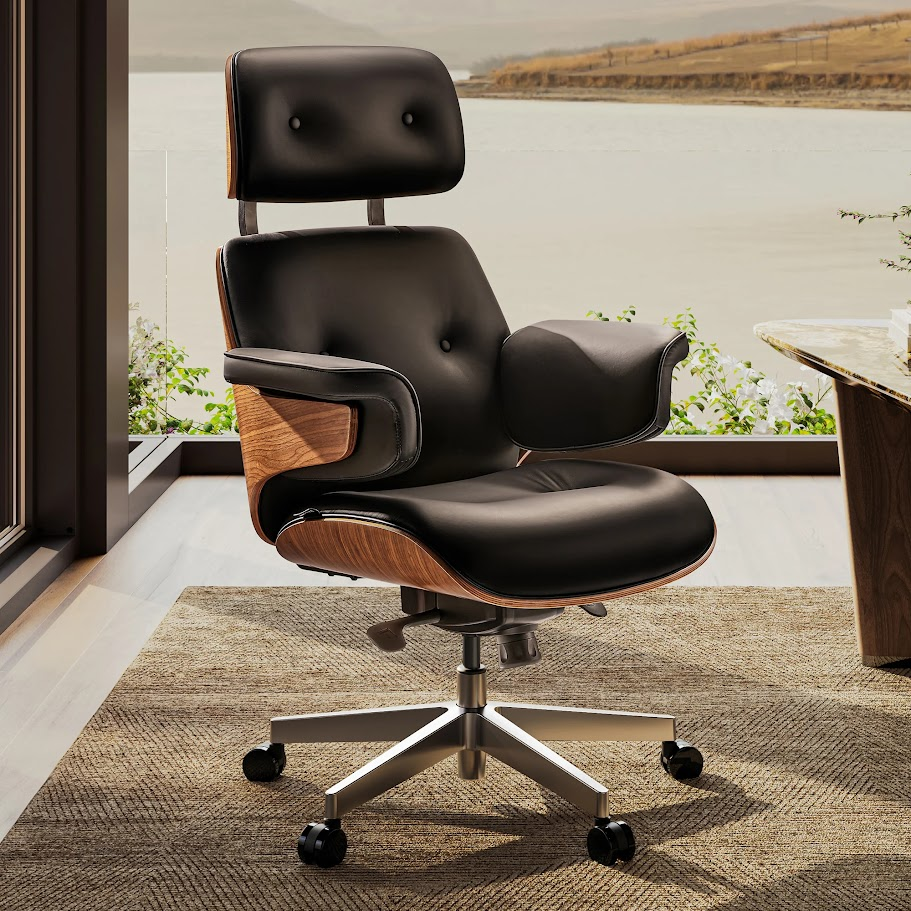
The shape of the chair will define how it fits within the architecture of the office. Rather than choosing chairs that feature heavy, mechanical structures that dominate the office space, select chairs that have a lounge style with cushions and soft curves.
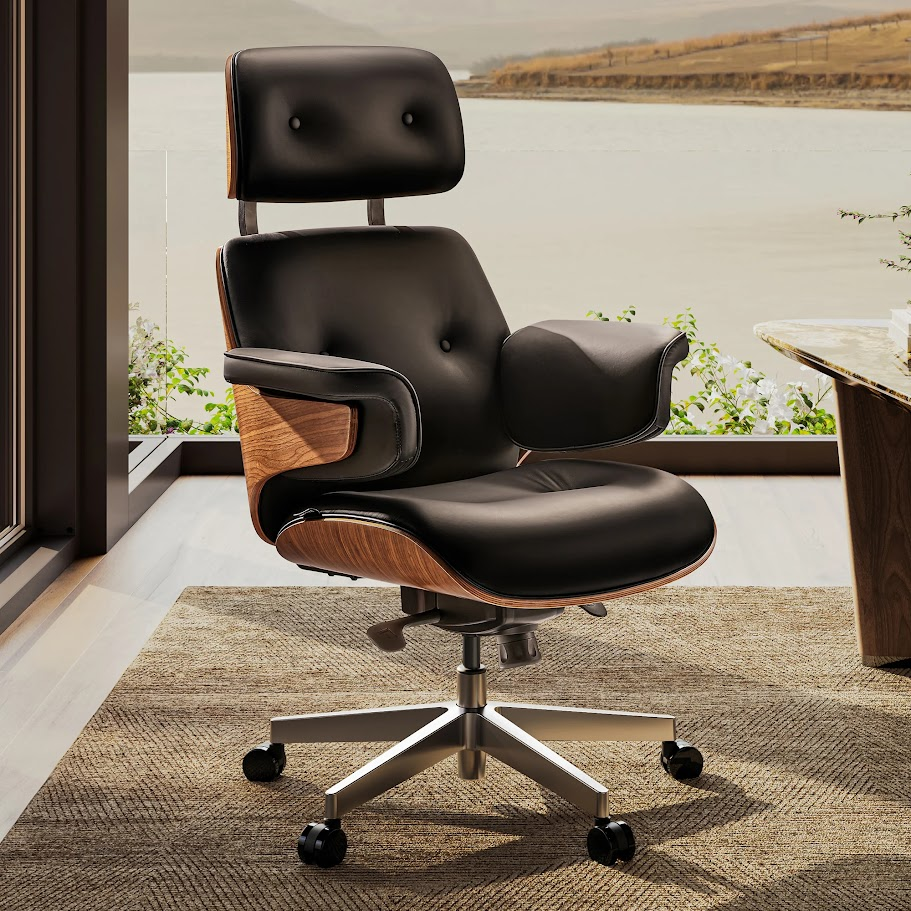
The Mathias Executive chair, currently reduced from $839 to $739, is a good example, featuring a curved wood shell to provide an enveloping design. This allows the chair to fit into the space without dominating it by blending in with other wooden materials in the room, such as bookshelves or the floor. The chair is also available during Eureka Ergonomic’s Black Friday and Cyber Monday event, running November 19 through December 6, 2026, with up to 40% off select chairs.
The selection of material further strengthens this relationship with interior elements. Premium touches at important junctions, such as the use of Napa leather, introduce a sense of luxury. These details enhance the tactile experience without overwhelming the senses.
Perfect stitching and completed edge lines of the shell illustrate craft, and metal-to-wood joints bring in the industrial element. Choosing materials that complement the textures of already existing elements in the room, such as walnut and brushed steel, makes the piece feel native to the setting.
Proportion and Room Composition
The scale of a room can frequently be disregarded when choosing the furniture items to include in it. However, it plays an important role in the general flow and balance of a room. The space will feel crowded if you put a huge chair in a tiny home office. On the other hand, a small seat might look totally out of place in a big study.
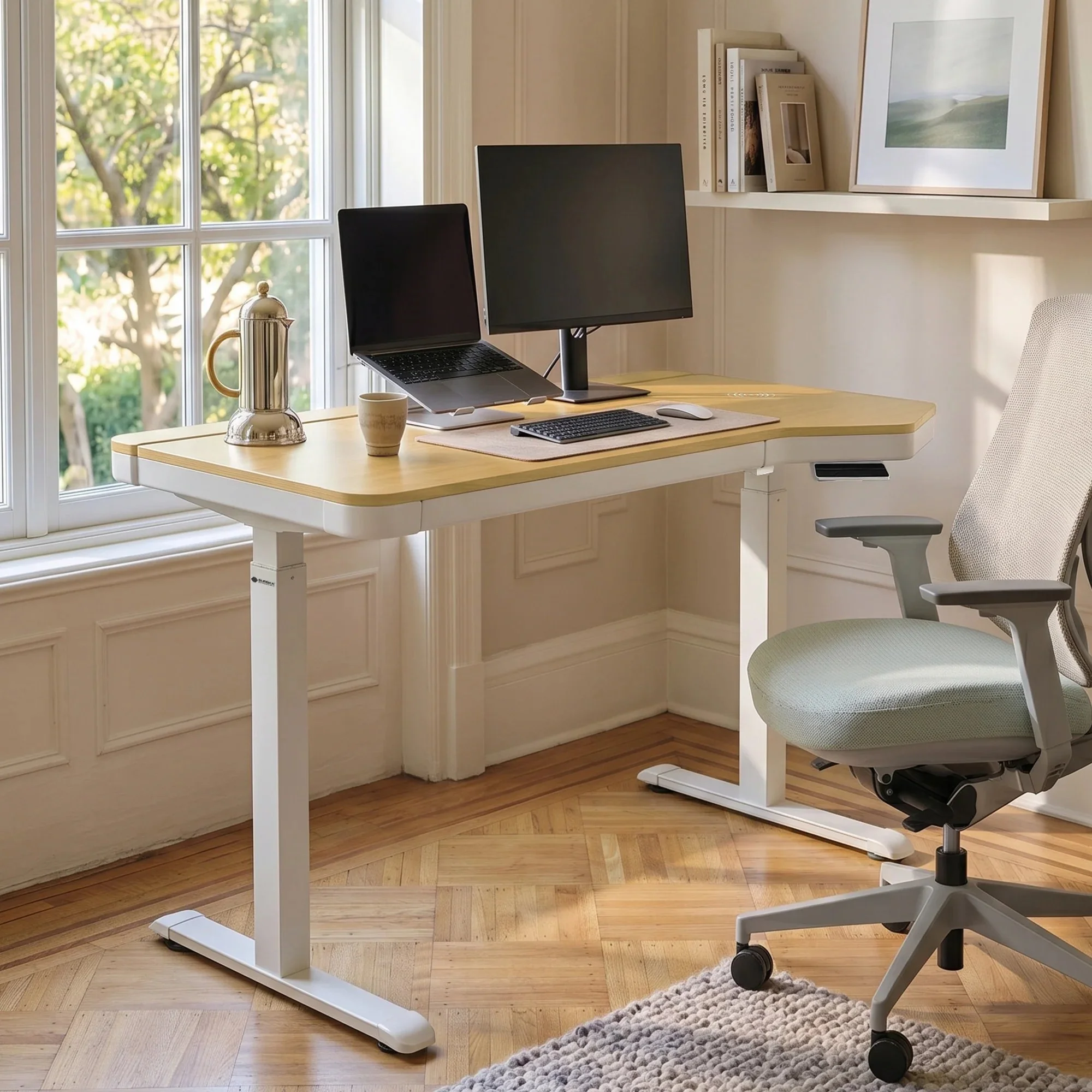
Pay attention to the proportions of the chair in regard to the desk, the windows, and traffic pathways. The chair’s visual weight should complement other substantial items in the room. Depending on the rest of the furniture items in the room, a chair should either have a similar scale to those larger pieces or be the opposite for contrast; for example, a lighter frame against heavy, dark furniture.
In addition to the spatial dimensions of the chair, think about the vertical and horizontal lines of the room and how the chair interacts with them. The high back of a chair can complement the vertical lines in the room, such as high bookshelves or high doorways. In contrast, a lower seat can complement the horizontal lines in the room, such as low desks from the mid-century style or large windows. The key here is creating a balanced composition where everything fits together.
Harmonizing Finishes With Room Composition
Good interior composition is achieved through harmonization of finishes across the space. When looking for the chair, pay attention to the tone of the wood and metallic finishes, as well as the texture and overall colors in the room.
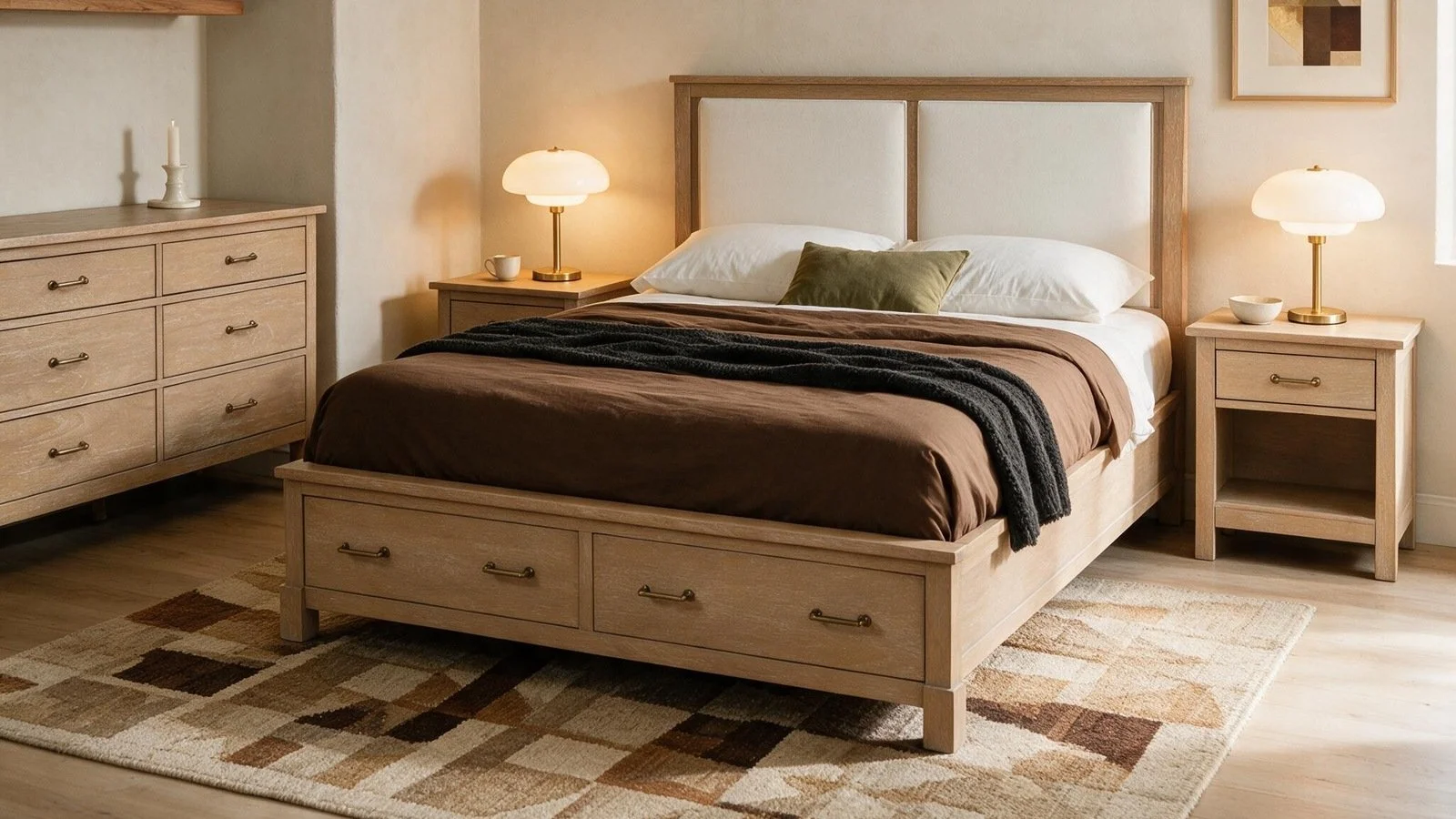
Matching or contrasting the chair’s rounded wooden shell with the shelving and flooring will lend harmony to the composition. Matching the metallic base of the chair with other lighting or cabinet hardware will also connect the workspace to the overall home design.
Color and texture have to fit in well with natural lighting and the general mood you want to create. Deep and natural leather colors and warm woods complement minimalist and traditional designs. However, lighter colors help reflect light in cramped spaces. More importantly, the furniture finish should be examined both in daylight and at dusk because a color that is pleasing in daylight might appear dull and uninteresting once lamps are switched on.
Endnote
It’s easy to forget that an office chair can make or break a room’s overall style, which is why you want to carefully choose one that complements the architecture and color scheme, as well as the lighting of the space. You can make sure that your workspace harmonizes with the rest of the home by paying attention to details like scale and proportion.
Stay up to date with our latest ideas!