Creating a Refined Home Office Around One Statement Piece
Learn how to create a refined home office around one statement piece, balancing furniture, lighting, colors, and décor for a polished, cohesive workspace.

A refined home office begins with deciding what deserves attention and not just about filling the room. One distinctive piece can set the visual direction for everything around it, and an executive chair is particularly effective because it sits at the center of the workspace. The Eureka Ergonomic Mathias makes a strong starting point, with a substantial silhouette, rich materials, and the kind of tailored finish that can shape an entire room.
Let the Chair Set the Tone
The Mathias Executive Office Chair has a presence that is more than just basic office furniture. Its design brings together leather, wood, and steel in a balanced form, with a solid wood frame and walnut veneer adding warmth to the upholstered structure. The result is polished without feeling overly formal.
Its full-grain Nappa leather is selected for its refined texture and breathable quality, while the hand-finished leather trim adds another layer of detail. The 5.9-inch cushion gives the chair visual weight as well as a generously padded appearance. These details make the chair more than a place to sit. They establish a material language for the room.
Repeat the Materials, Not the Entire Look
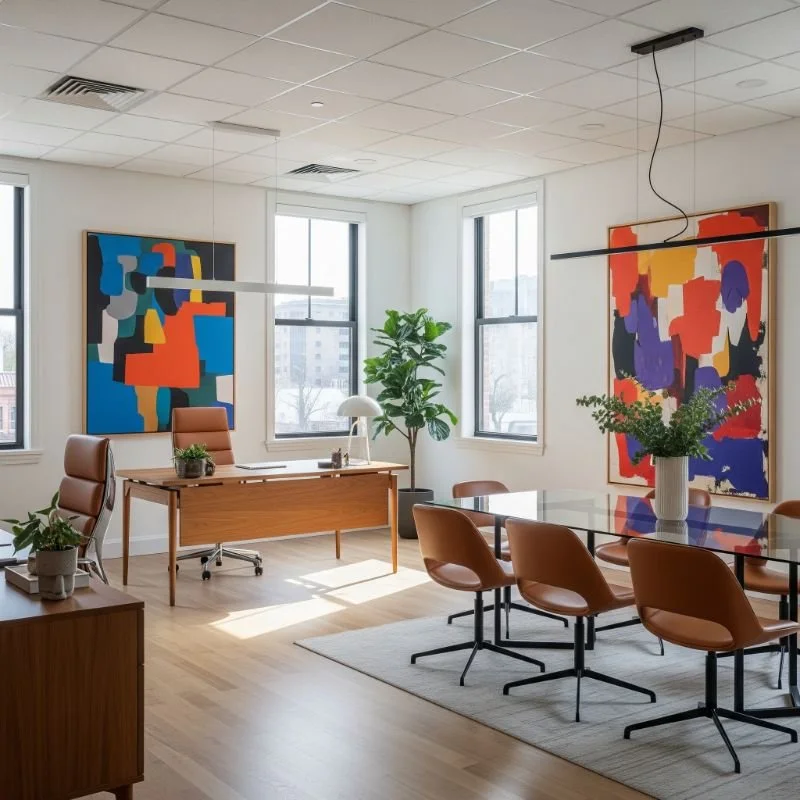
Once the chair is the focal point, let its materials appear elsewhere in smaller doses. A walnut desk can pick up the warmth of the veneer without matching the chair exactly. A black steel lamp or shelving detail can echo the frame. Linen curtains, a wool rug, or textured accessories can soften the harder surfaces. Aim for repetition with restraint; repeated materials make the room feel visually connected and cohesive overall.
Keep the Color Palette Under Control
Mathias is available in six color variants, to suit different interiors. A dark finish can anchor a room with cream or taupe walls, while a lighter upholstery choice can work against deeper wood tones. Fabric options also offer another way to introduce texture without relying on leather throughout the space.
Keep the surrounding palette relatively quiet. Two or three main colors are usually enough. The chair should remain the strongest visual note rather than competing with bold walls, patterned rugs, and decorative objects.
Use Lighting to Reveal Texture
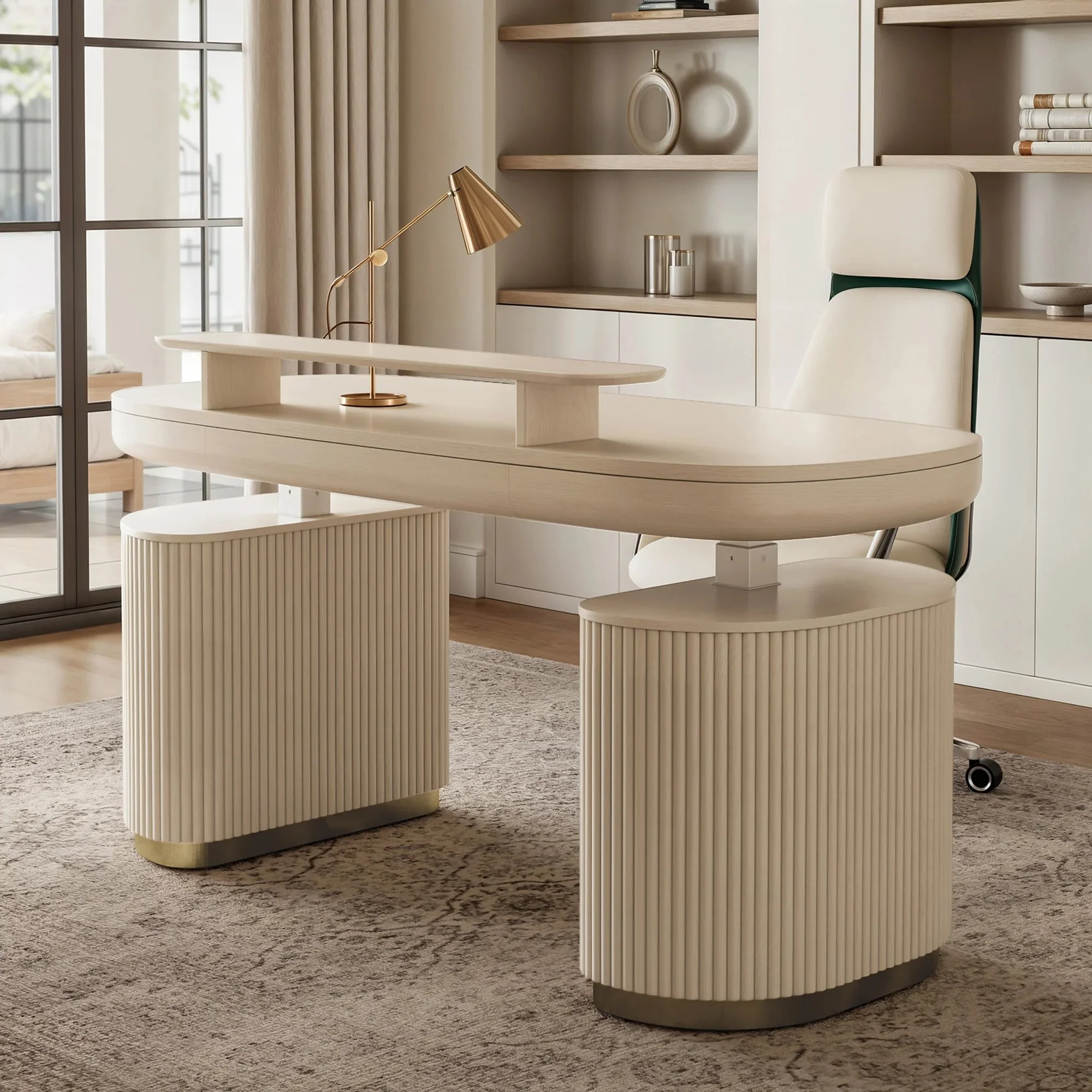
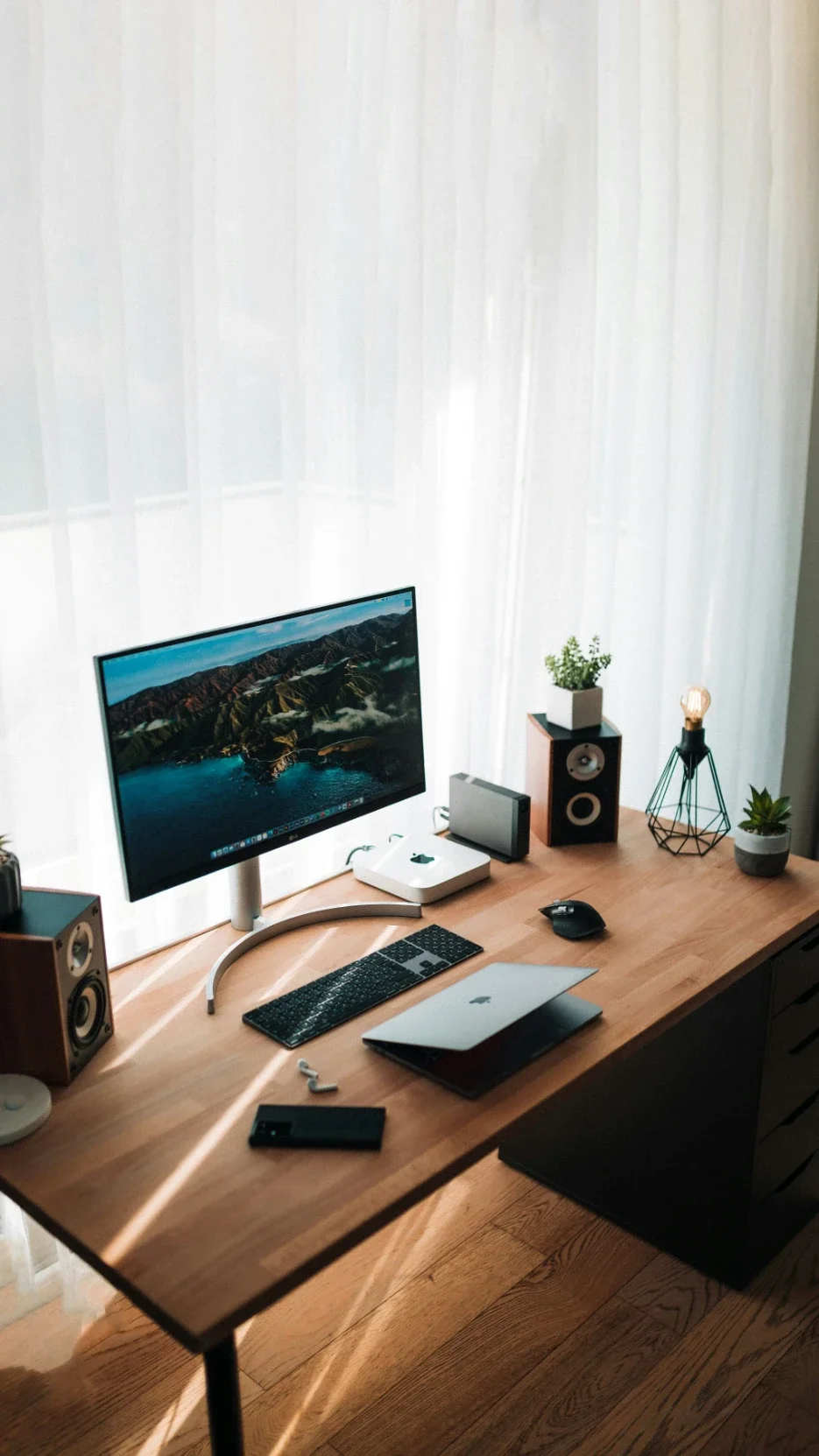
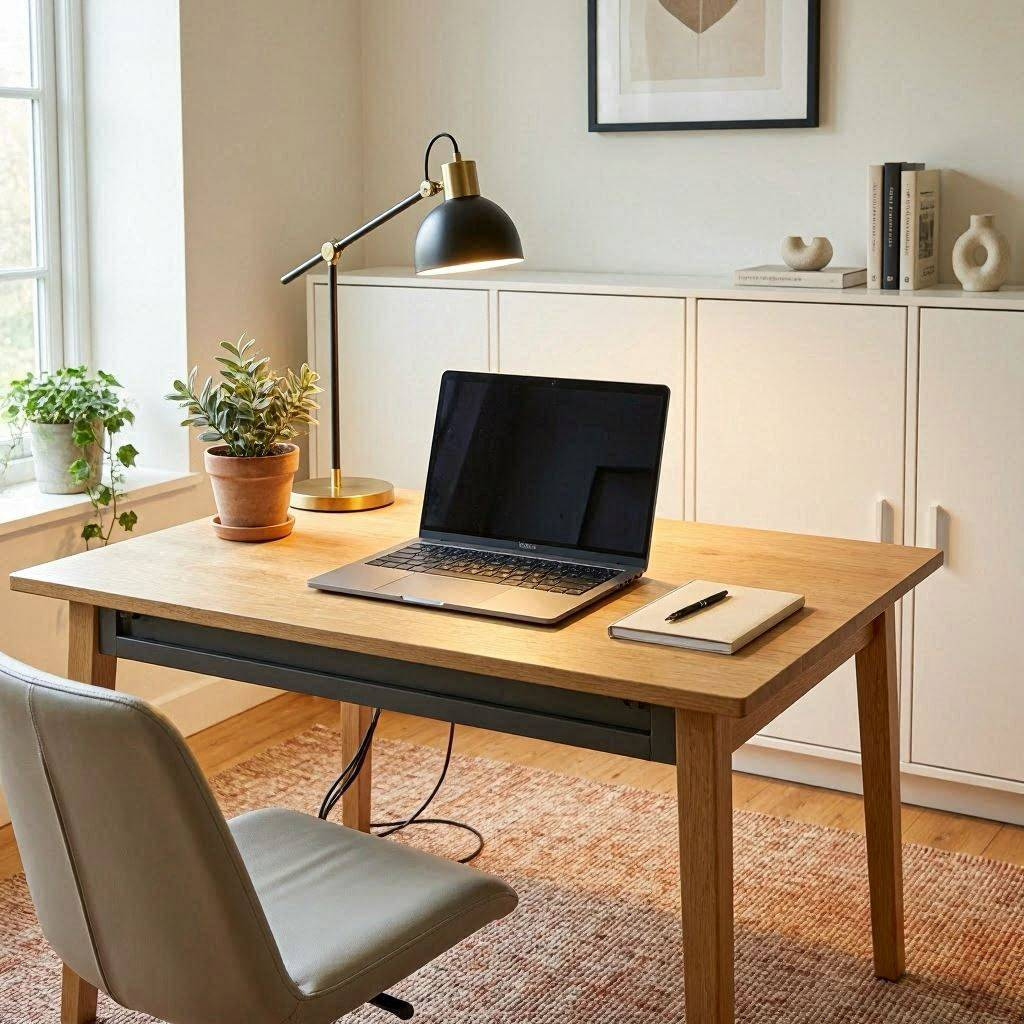
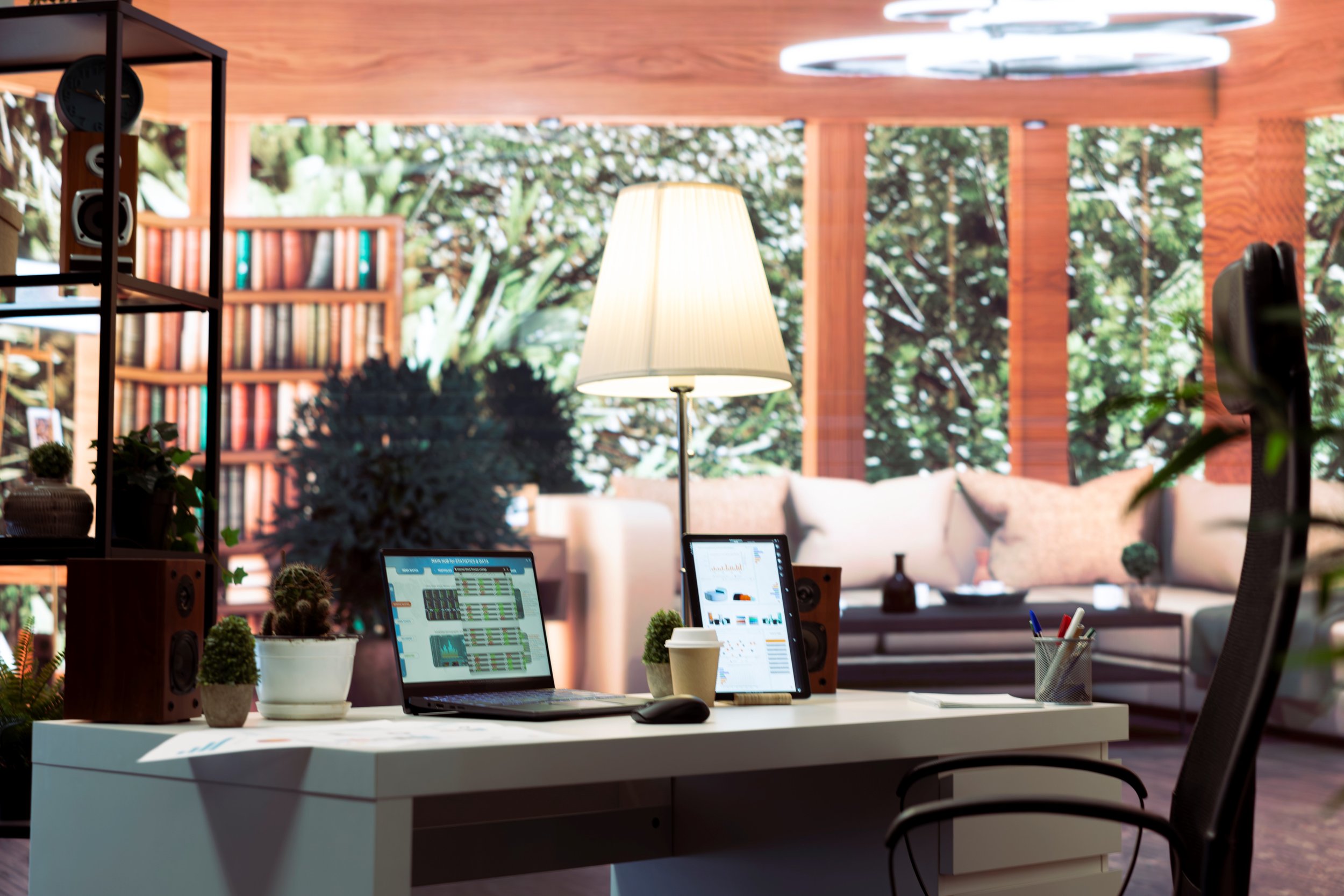
Good lighting can make the materials of a statement chair feel even richer. Position the desk to take advantage of natural light while avoiding glare on the computer screen. Then add a desk lamp or floor lamp for evening use. Warm, layered illumination can bring out the grain of walnut veneer and the surface character of leather. A sculptural lamp can introduce a form that complements the chair.
Choose Supporting Furniture Carefully
The rest of the office should play a supporting role. Look for a clean-profile desk, containing storage, and shelving that leaves visual space around the chair. A simple rug can define the workstation, while artwork or greenery can add personality.
Mathias also comes in Standard and XL versions, giving the chair two size options. Its padded construction and reclining range add practical value, but design remains the reason to build the room around it.
A refined home office is ultimately about editing. Choose one piece with enough character to lead, then let materials, color, lighting, and furniture follow its cues. With Mathias at the center, the office can feel considered, warm, and polished without becoming overly decorated. Learn more about Mathias here.
Stay up to date with our latest ideas!