Invisible Design How Modern Workspaces Blend Seamlessly into Interior Spaces
Find out how smart layouts, sound control, and built-in furniture are making modern workspaces blend in with their surroundings.
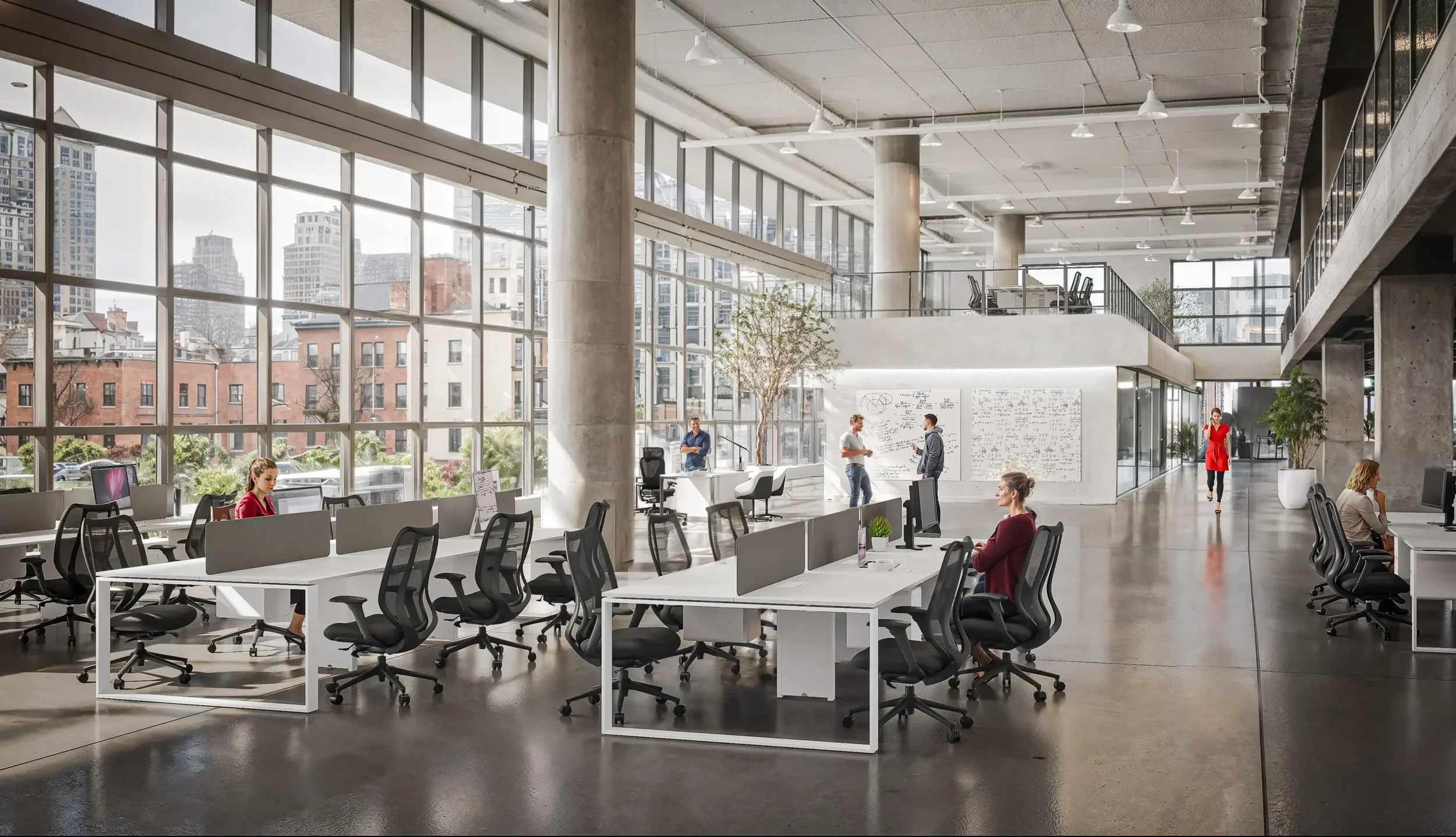
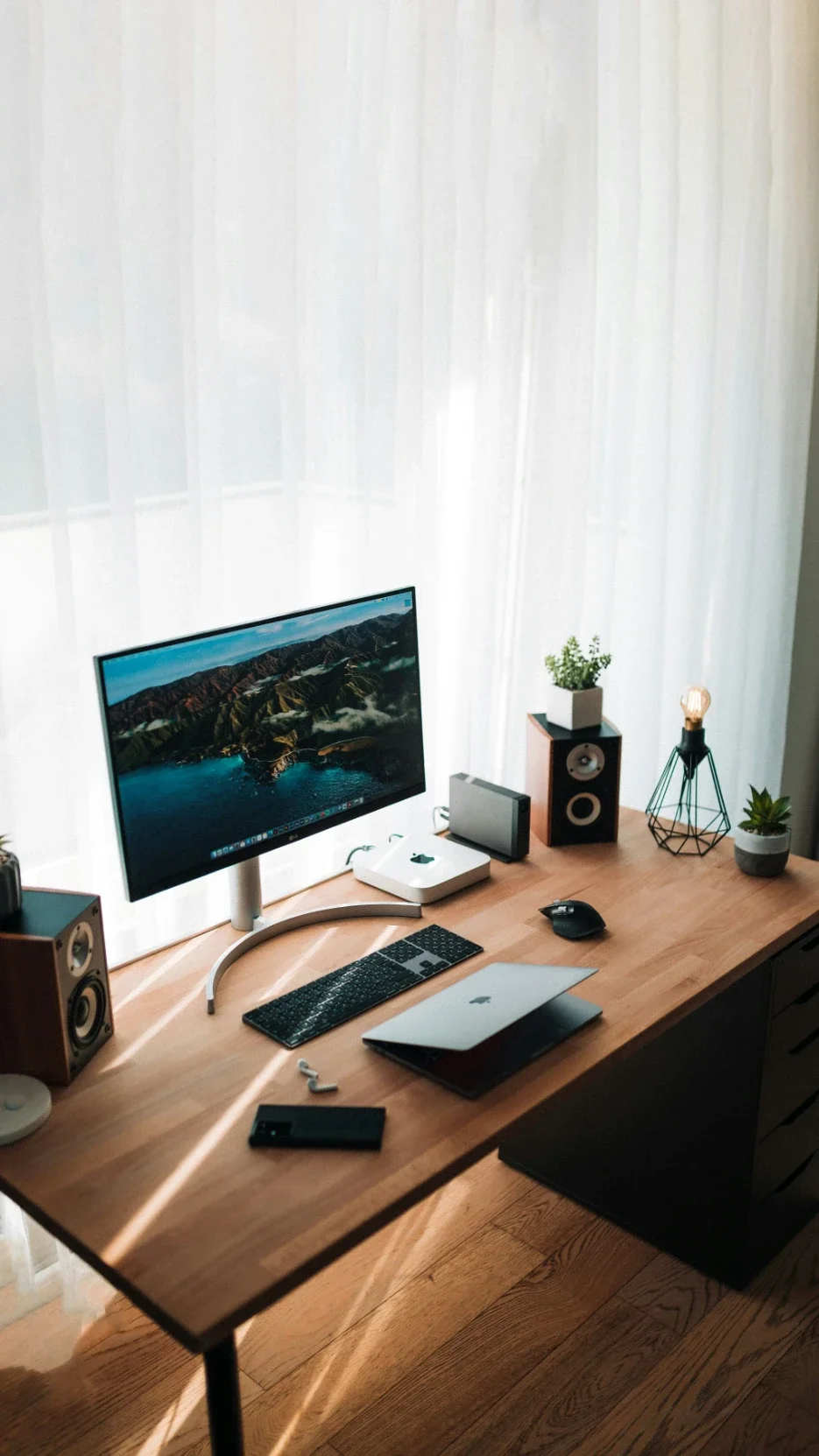
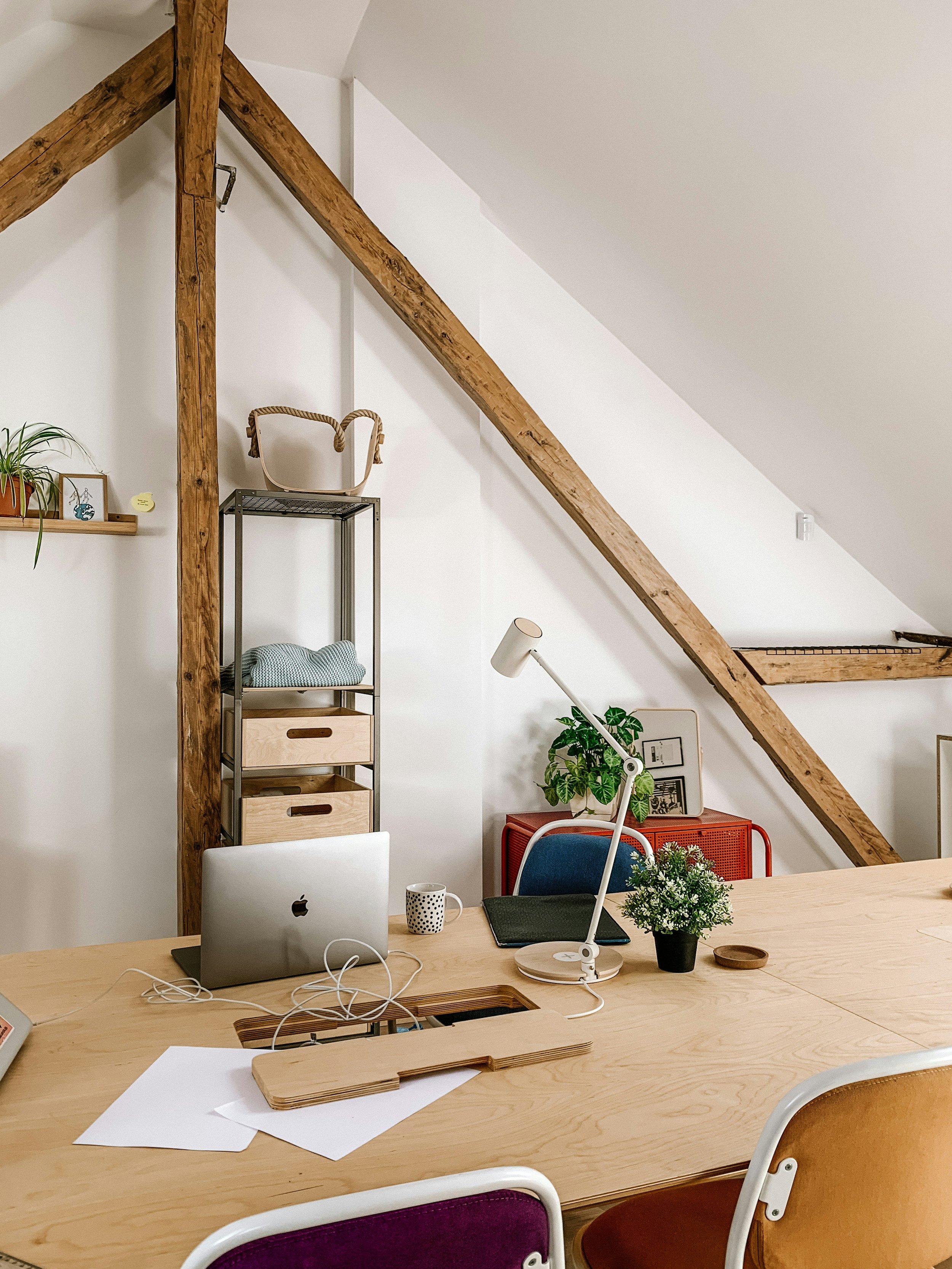
There was a time when workstations were easy to spot. Desks were pushed against walls, chairs got in the way of the flow of the room, and storage cabinets felt like they were only for show. The most elegant interiors today have a very different idea: the workspace shouldn't take over the room; it should blend in with it.
The idea of "invisible design" is becoming very popular in both homes and businesses. Instead of keeping work and living spaces separate, designers are combining them so well that they don't get in the way of each other.
It's interesting that changing furniture systems are also helping this change happen. Many suppliers that focus on workspaces, like Urban 411 office furniture, are going toward designs that value integration over presence. This means that workstations should seem like they are part of the building rather than an addition to it.

When Function Becomes Part of the Architecture
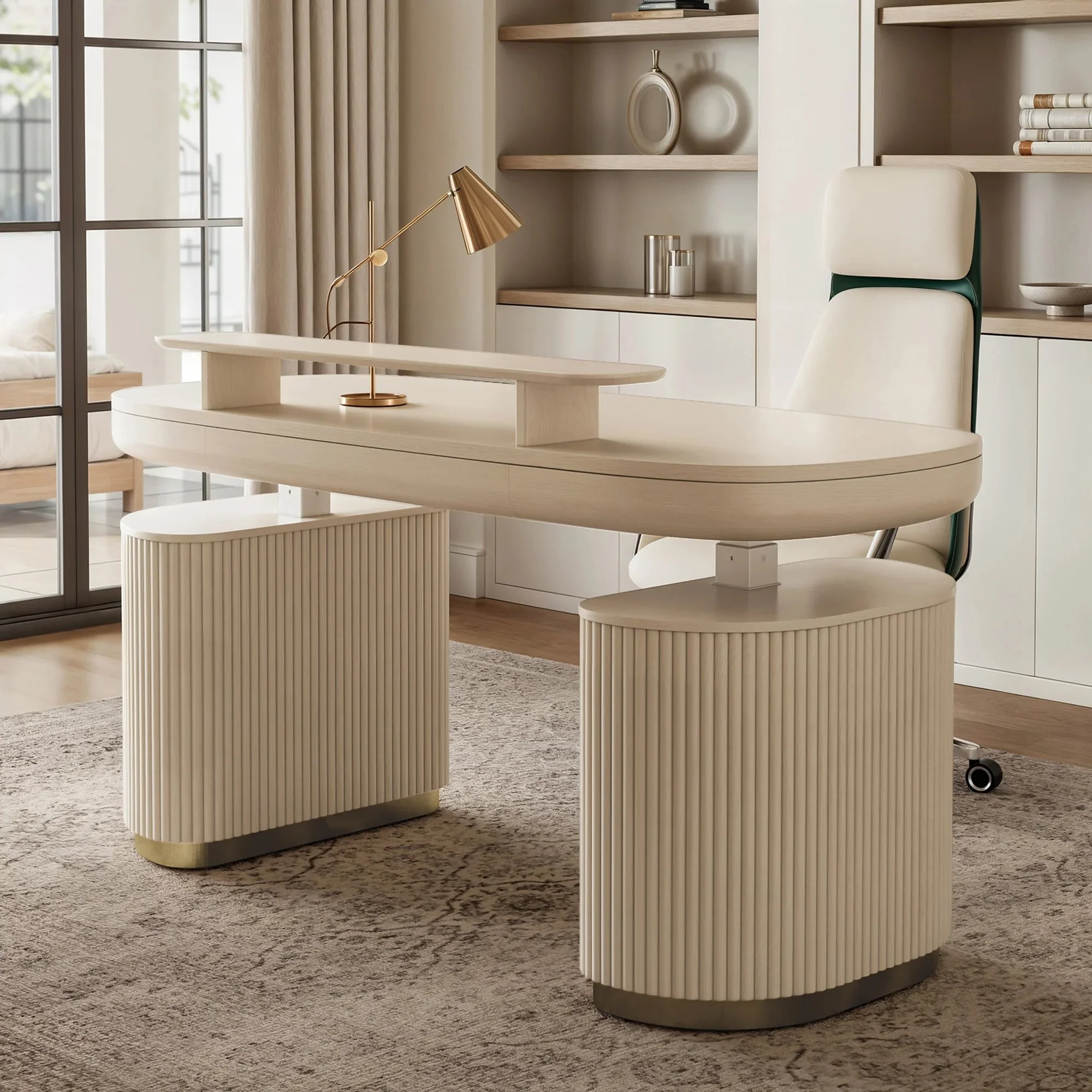
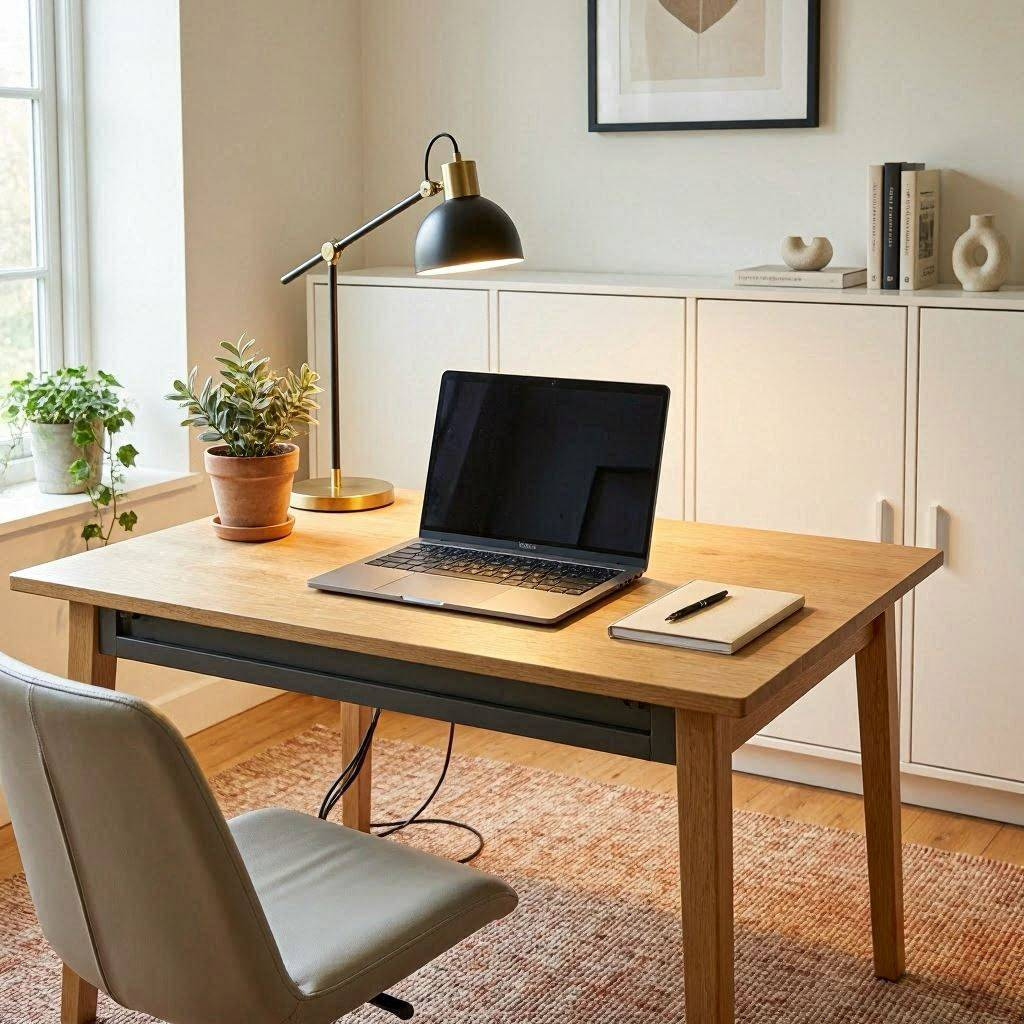
One of the biggest differences in modern interiors is that workplaces are now built right into the architecture. Desks are no longer just pieces of furniture; they are now commonly built into cabinets, walls, or other bigger design elements.
This method depends on careful planning. Wall-mounted surfaces, recessed shelving, and built-in storage units all make a continuous visual line, which makes the room feel less broken up. The idea is to keep the design consistent while yet making sure it works fully.
From a technical point of view, this needs careful planning of the dimensions, load-bearing capacity, and material compatibility. Surfaces need to be sturdy enough to handle regular use while still looking light.
Acoustic Design: The Hidden Layer of Productivity
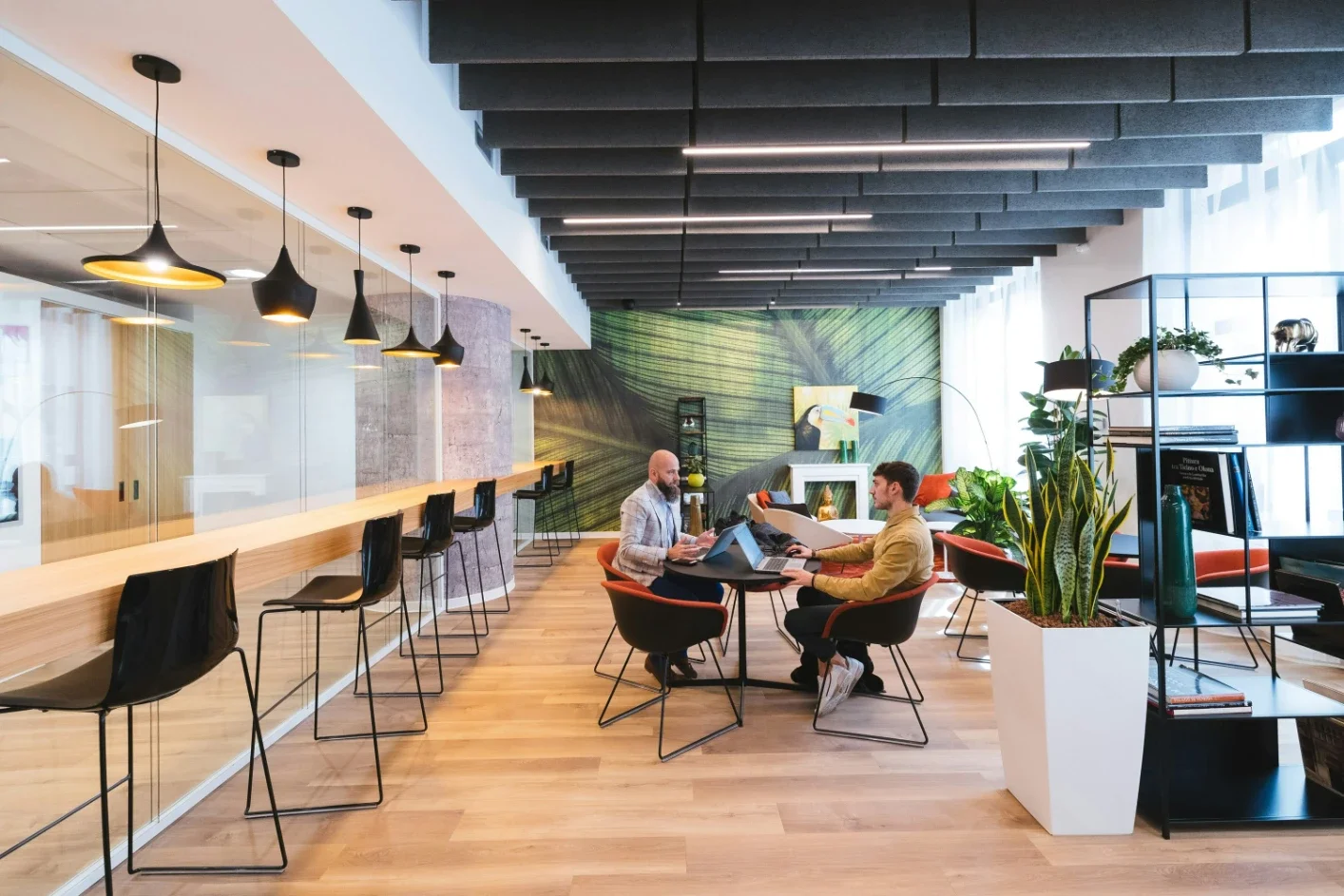
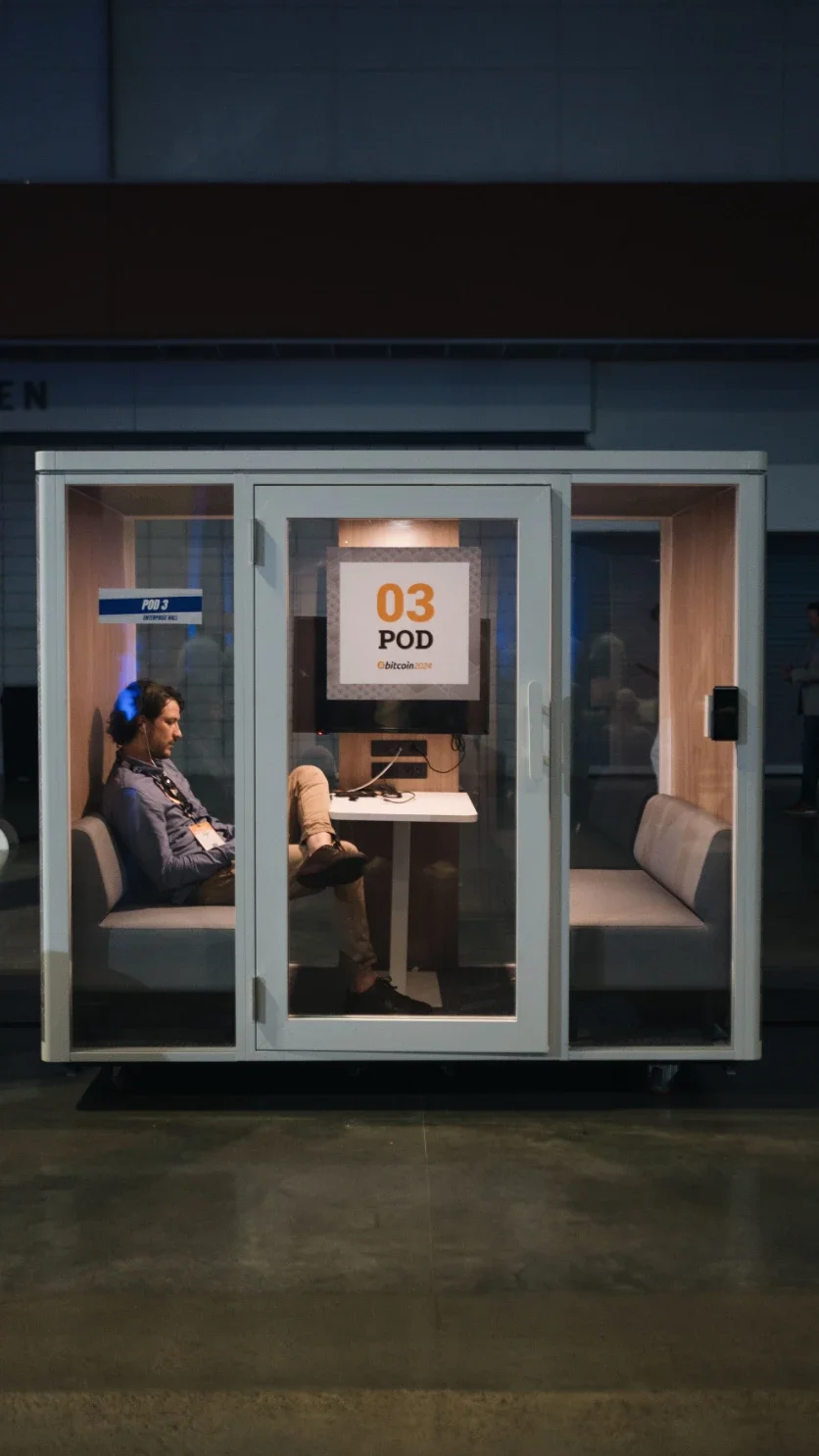
As workspaces merge into living and shared environments, acoustics have become a critical but often overlooked factor. Noise control is no longer limited to conference rooms or offices—it is now essential even in hybrid interiors.
Modern solutions include:
Soft material layering to absorb sound
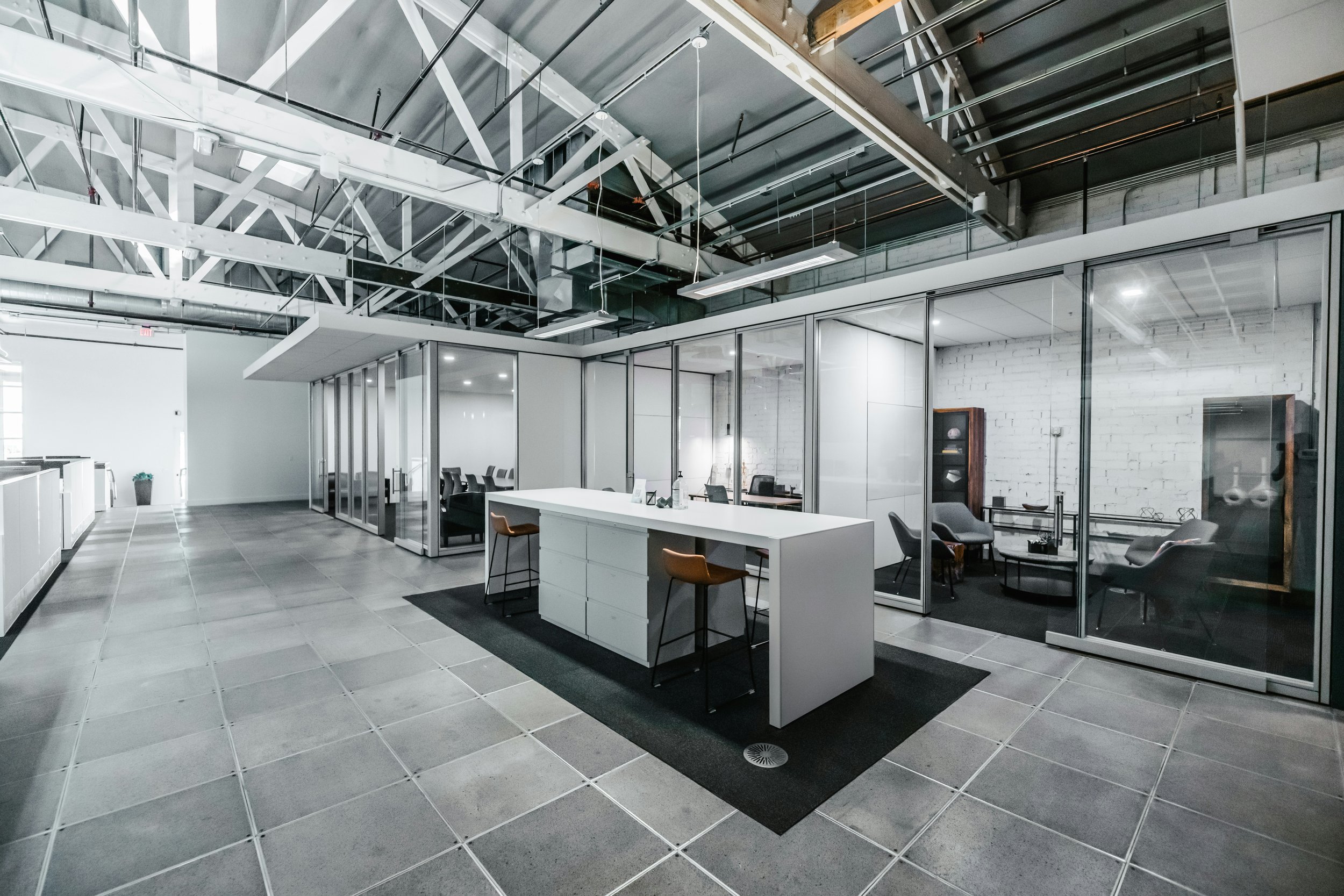
Partition elements that reduce noise without blocking light
Upholstered panels integrated into walls or furniture
These strategies allow spaces to remain open while still supporting focused work. Acoustic balance ensures that the workspace functions effectively without disrupting the overall environment.
Lighting Without Disruption
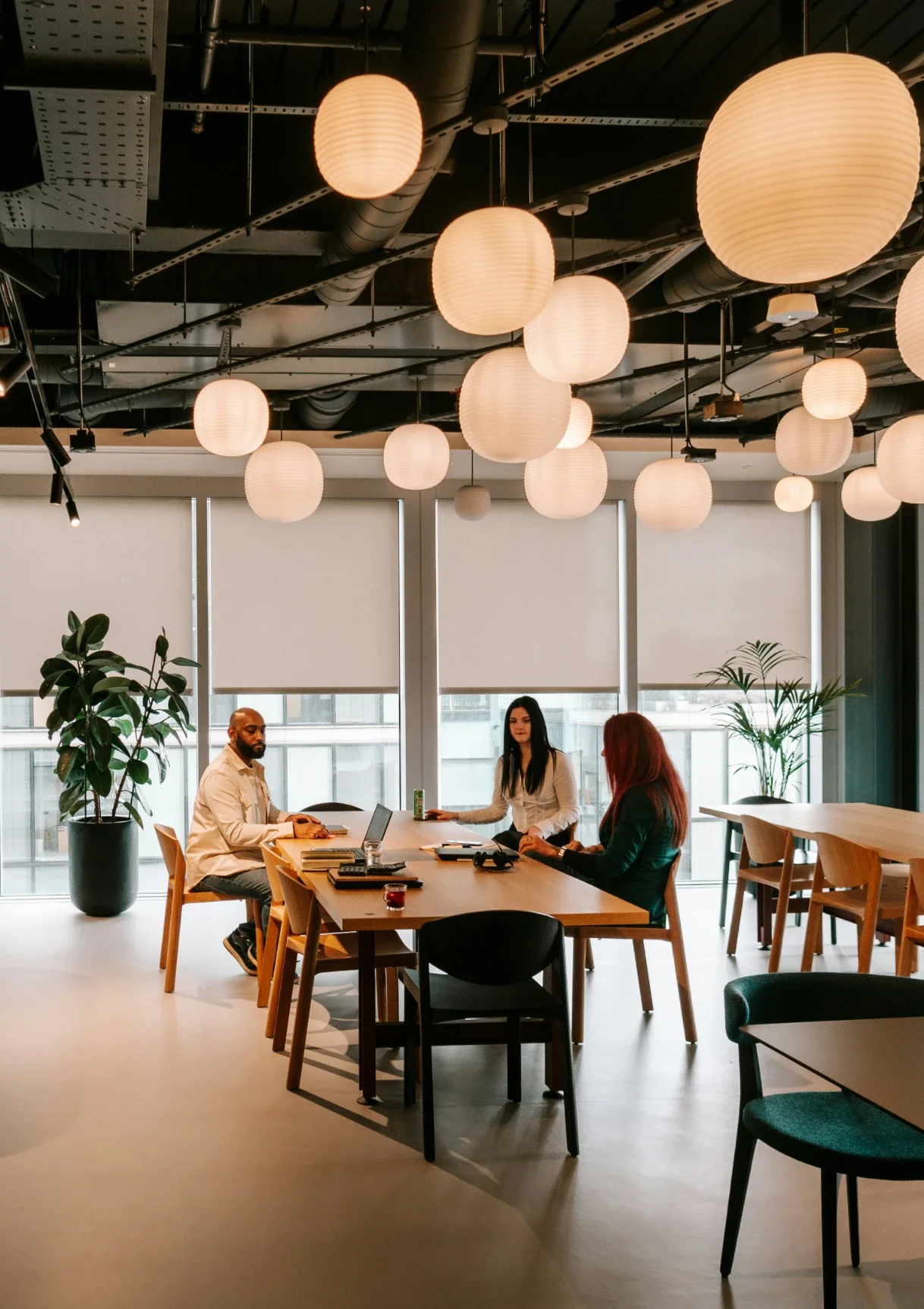
Lighting design in integrated workspaces is shifting toward subtlety. Instead of relying on prominent desk lamps or harsh overhead lighting, designers are using layered lighting techniques that blend into the interior.
Indirect lighting, such as LED strips within shelving or under surfaces, provides illumination without visual clutter. Task lighting is often built into the structure itself, maintaining both functionality and aesthetic consistency.
Technically, the placement of lighting must consider shadow angles, reflection points, and brightness levels to avoid glare—especially when working with screens. The result is a workspace that feels naturally lit rather than artificially enhanced.
Material Continuity and Visual Flow
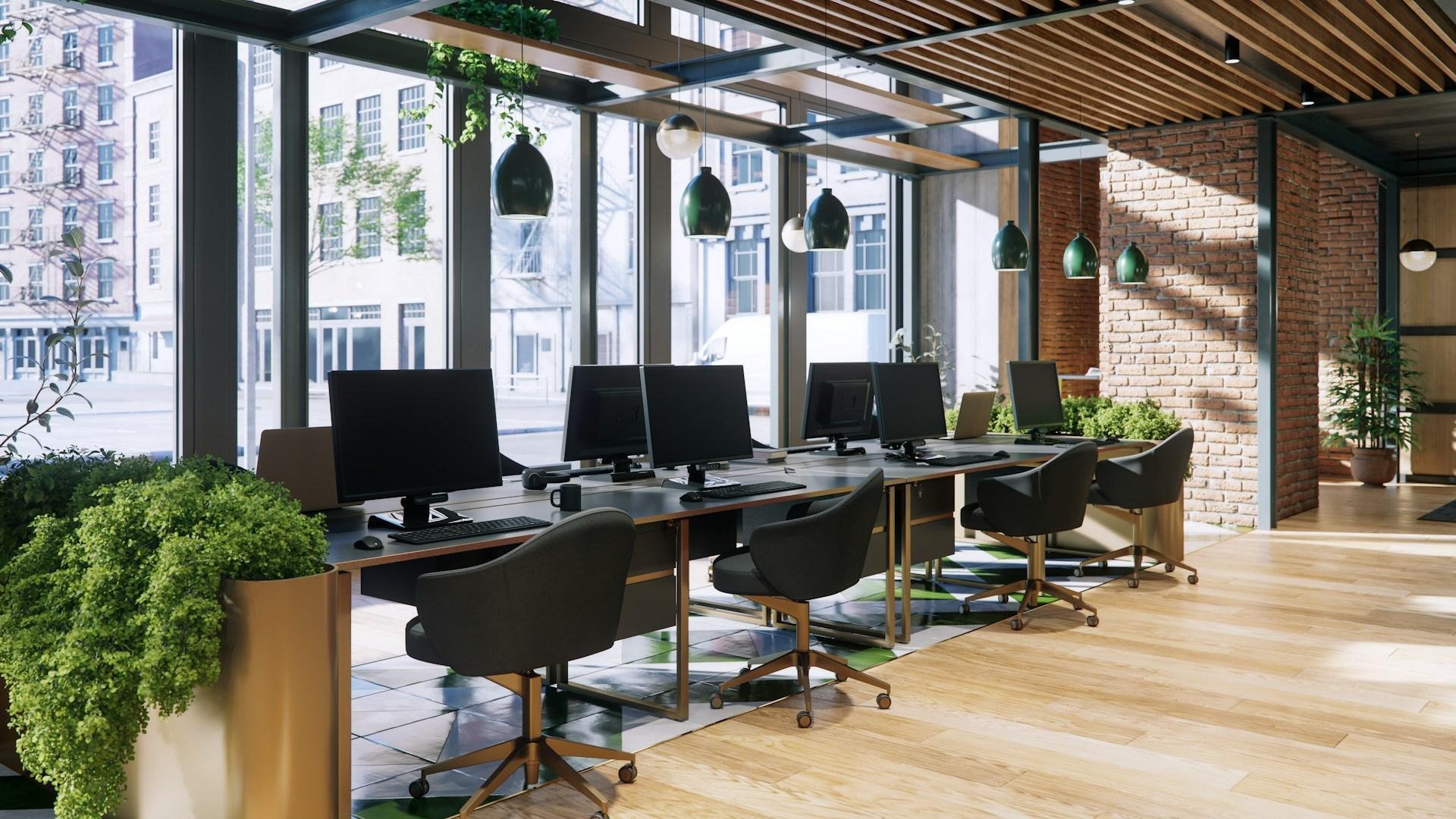
One of the core principles of invisible workspace design is material continuity. When the same finishes extend across walls, furniture, and work surfaces, the workspace becomes part of a unified design language.
For example, a desk surface that matches surrounding cabinetry creates a seamless transition, while consistent textures reduce visual noise. Matte finishes are often preferred because they minimize reflections and maintain a calm visual environment.
Durability remains a key technical factor. Materials must withstand daily wear while maintaining their appearance over time. Engineered surfaces, treated wood, and coated metals are commonly used to achieve this balance.
Flexibility Without Complexity
Integration is crucial, but flexibility is just as important. Modern workspaces need to be able to handle varied uses without having to adjust the arrangement a lot.
This is where modular thinking enters in. The design itself is flexible, with sliding panels, foldable surfaces, and components that can be rearranged. This lets the workspace change without anyone noticing.
The hard part is making this adaptable without making things look more complicated. The best designs are those that have some flexibility but don't show it right away.

A Shift Toward Experience-Driven Design
In the end, the growth of workspace design isn't just about how well it functions; it's also about how it feels. A workspace that is well-integrated should feel natural, comfortable, and visually pleasing.
People shouldn't feel like they're entering a workspace. Instead, the change from living to working to relaxing should be smooth and natural. This change is part of a larger trend in interior design toward spaces that support many parts of daily life without strict rules.
Final Thoughts
The future of workspace design is in its capacity to blend in with other spaces instead of standing out. As interiors become more polished, the focus is turning to subtlety, where functionality is there but doesn't take over the visual area.
This method needs a careful balance of choosing materials, designing, and engineering. As companies like Urban 411 office furniture come out with new solutions that support this orientation, designers now have access to systems that meet both aesthetic and functional needs.
In the end, the best workstations aren't the ones that stick out; they're the ones that fit in so well that they become an important but unseen aspect of the environment.
Stay up to date with our latest ideas!