Can A Sealed Concrete Surface Resist Wine And Oil Stains?
Learn whether sealed concrete can resist wine and oil stains, plus how sealing affects durability, maintenance, stain protection, and long-term surface care.

Can A Sealed Concrete Surface Resist Wine And Oil Stains?
Concrete looks solid, but it is actually porous enough to absorb spilled liquids easily. Wine and cooking oil can soak in quickly and leave stubborn, deeply set stains. Many sealer options exist, yet TSS Pro Concrete Sealants offers noticeably stronger stain resistance. Its formula fills tiny pores before any spills ever get the chance to settle. This kind of protection matters most in busy kitchens, patios, and outdoor entertaining spaces. After treating limestone with a protective sealer coating, spills sit on the surface longer before soaking in.
Why Concrete Absorbs Stains Easily
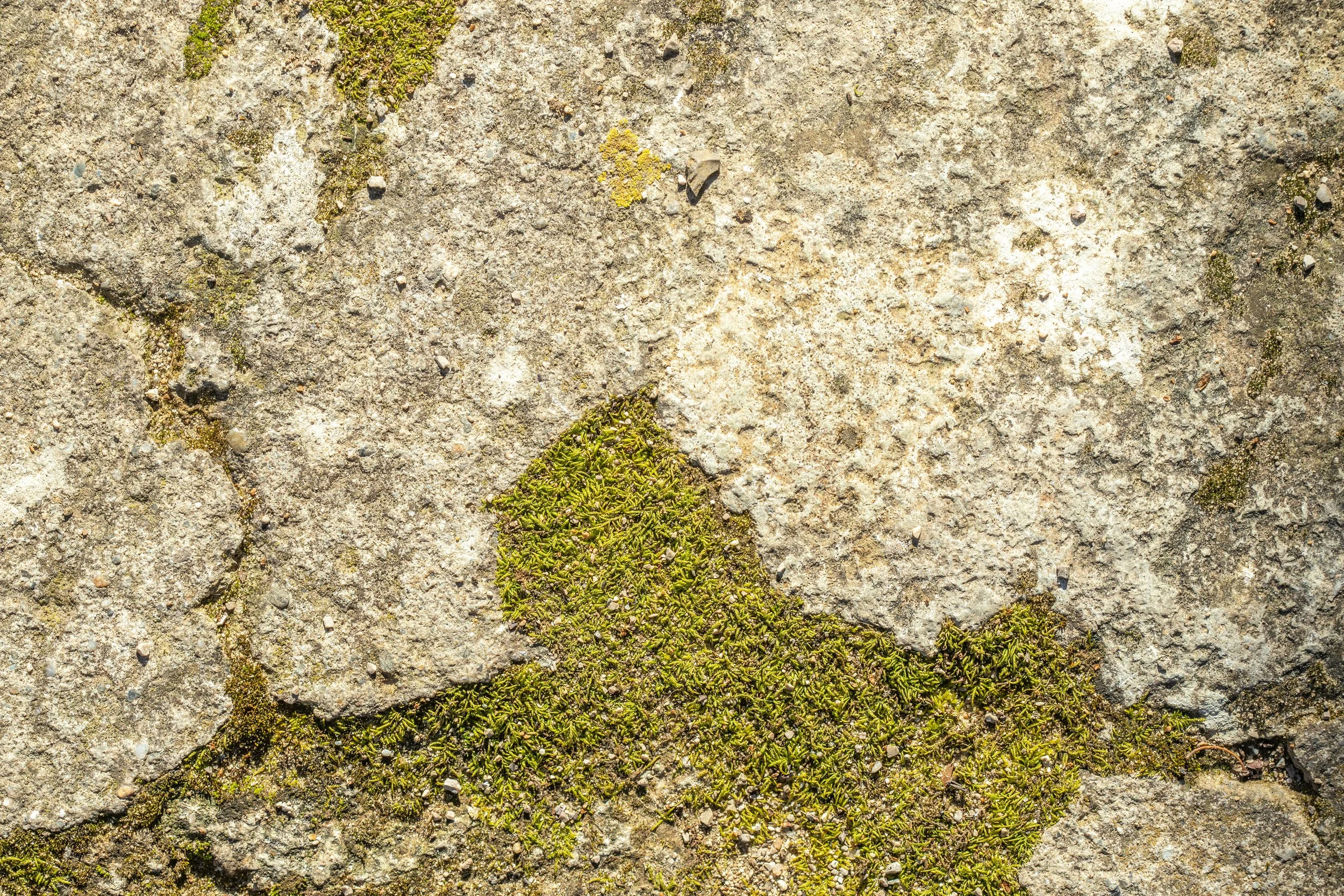
Concrete forms through a careful mix of cement, sand, water, and fine aggregate materials. As it slowly cures, tiny air pockets and capillary channels form throughout the surface. These tiny openings act just like tiny sponges, pulling in any nearby liquid quickly. Darker liquids like wine and coffee tend to stain especially fast on unsealed concrete. Oils behave quite differently, spreading slowly but still penetrating just as deep over time. If you skip sealing your concrete, tough stains soak in deep and become nearly impossible to remove.
How Sealers Block Stain Penetration
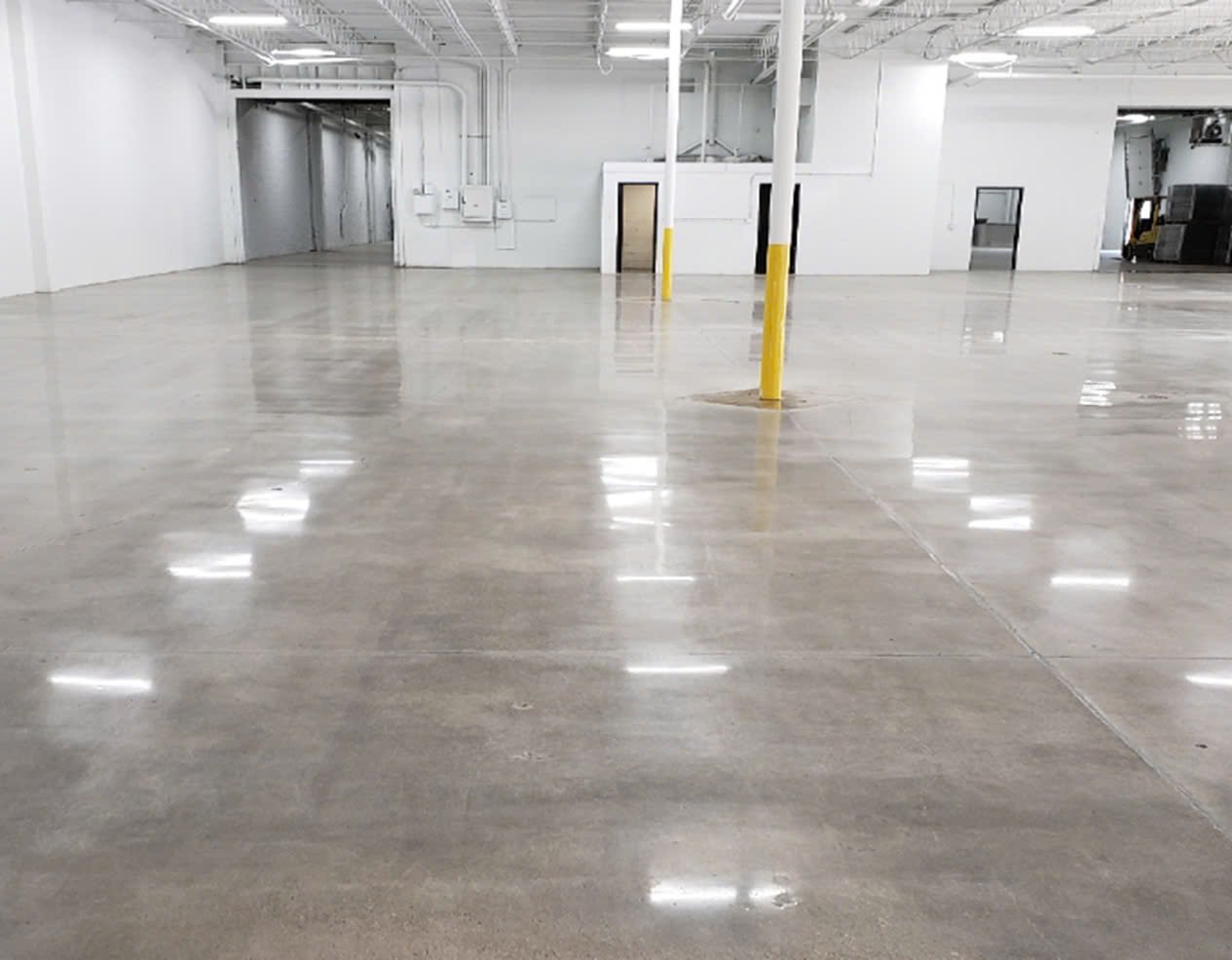
Penetrating sealers work well below the surface, filling pores long before stains ever arrive. Topical sealers instead form a thin protective film directly on top of the concrete. Both approaches create a solid barrier that keeps liquids from ever reaching porous material. Spills simply sit on the treated surface long enough to be wiped away easily. Sealing your concrete gives wine and oil extra minutes before they set into permanent stains. Skip the sealer, and those same spills start soaking in almost right away.
Wine Versus Oil Stain Behavior
Wine spills tend to spread quite quickly across a surface before anyone can react. Its natural pigments can leave a deep purple or reddish tint on porous stone. Oil stains, by contrast, tend to spread more slowly but sink in much deeper. Grease based oils often leave dark, greasy shadows that strongly resist most normal cleaning. Both stain types respond quite well to properly sealed surfaces that limit their absorption. Even with a strong sealer, wipe up spills right away to keep stains from setting in.
Choosing The Right Concrete Sealer
Not all sealers offer quite the same level of protection against common everyday stains. Choose a sealer rated for tough spots like kitchens and patios where spills happen often. Natural stone look sealers keep the original color intact while still guarding against tough stains. Breathability remains especially important, so trapped moisture vapor can still escape from below easily. Reading real user reviews often reveals how well a sealer truly performs in practice. When you pick the right sealer from the start, you avoid costly repairs and frustrating do-overs later.
Cleaning And Maintaining Sealed Concrete
Sealed concrete still benefits from regular sweeping and occasional gentle mopping with mild water. Mild soap and warm water can handle most everyday spills without damaging the sealer. Harsh chemical cleaners can slowly break down protective coatings after many repeated uses. Wiping spills up quickly always helps a great deal, even on properly sealed concrete. Reapplying sealer every few years keeps this protection quite strong against wine and oil. Stick with these simple habits, and your sealed concrete stays great looking for years to come.
Wine and oil spills happen often around the house. Seal your concrete, and most stains won't have a chance to soak in deeply. Wipe up spills fast so nothing has time to set into the surface. How long that protection lasts depends on your home and daily habits. Weather and foot traffic wear down protection at different rates from house to house. Reapply sealer every couple of years to keep stains from taking hold again. Between sealing and quick cleanup, your concrete stays looking good for a long time.
Stay up to date with our latest ideas!