How Aluminium Door Design Influences Property Value & Architectural Appeal
Discover how aluminium door design influences property value and architectural appeal by enhancing style, durability, security, and curb appeal.
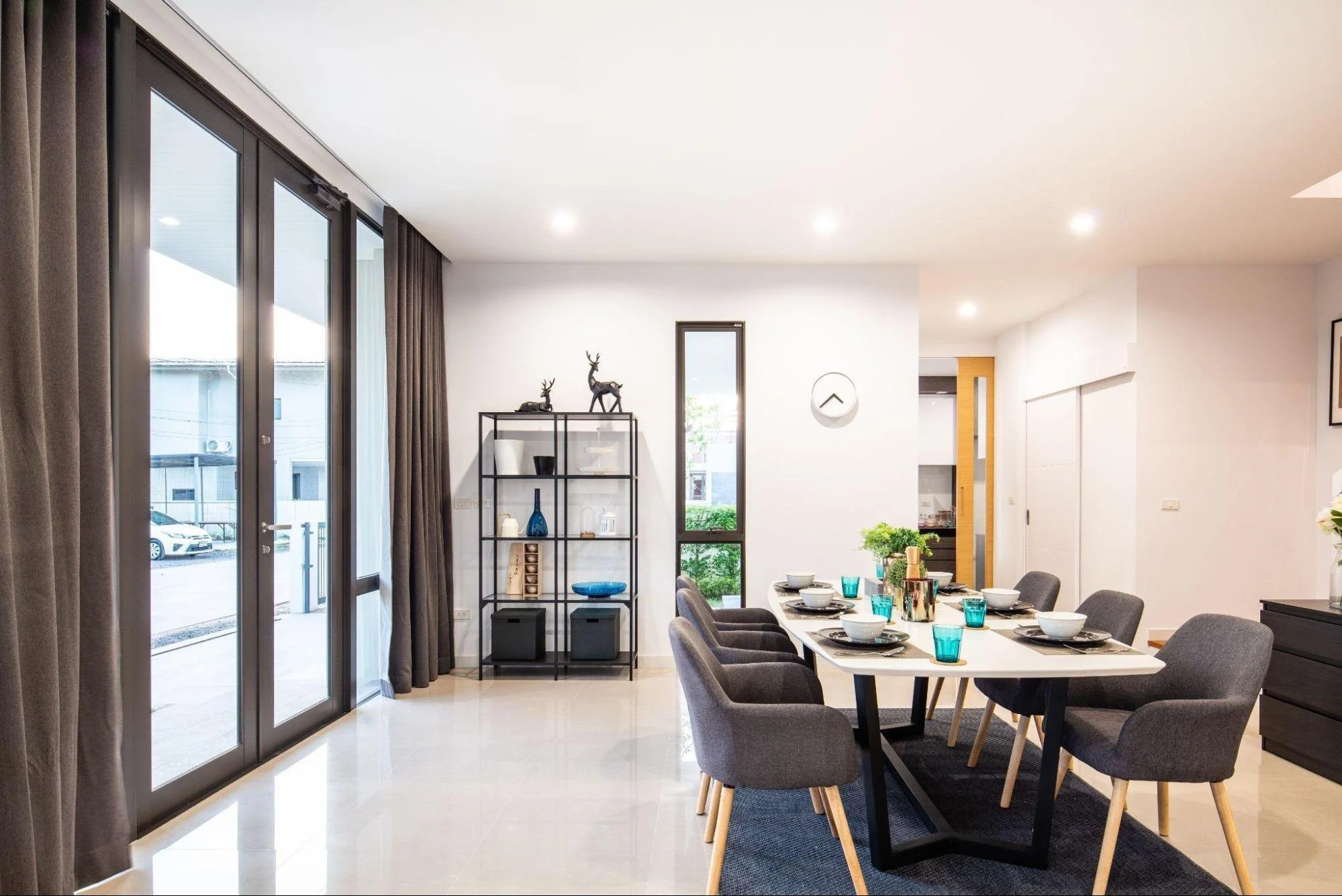
Architectural appeal is shaped by the details that bring a property together, and doors are among the most influential. Beyond serving as functional entryways, doors contribute to aesthetics, usability, and the overall experience of a space. A thoughtfully selected aluminium door design can improve visual appeal, support functionality, and strengthen the perceived value of residential and commercial properties. As modern architecture increasingly favours sleek, durable, and low-maintenance solutions, aluminium doors continue to gain popularity across a wide range of projects.
Why does door design matter in modern architecture?
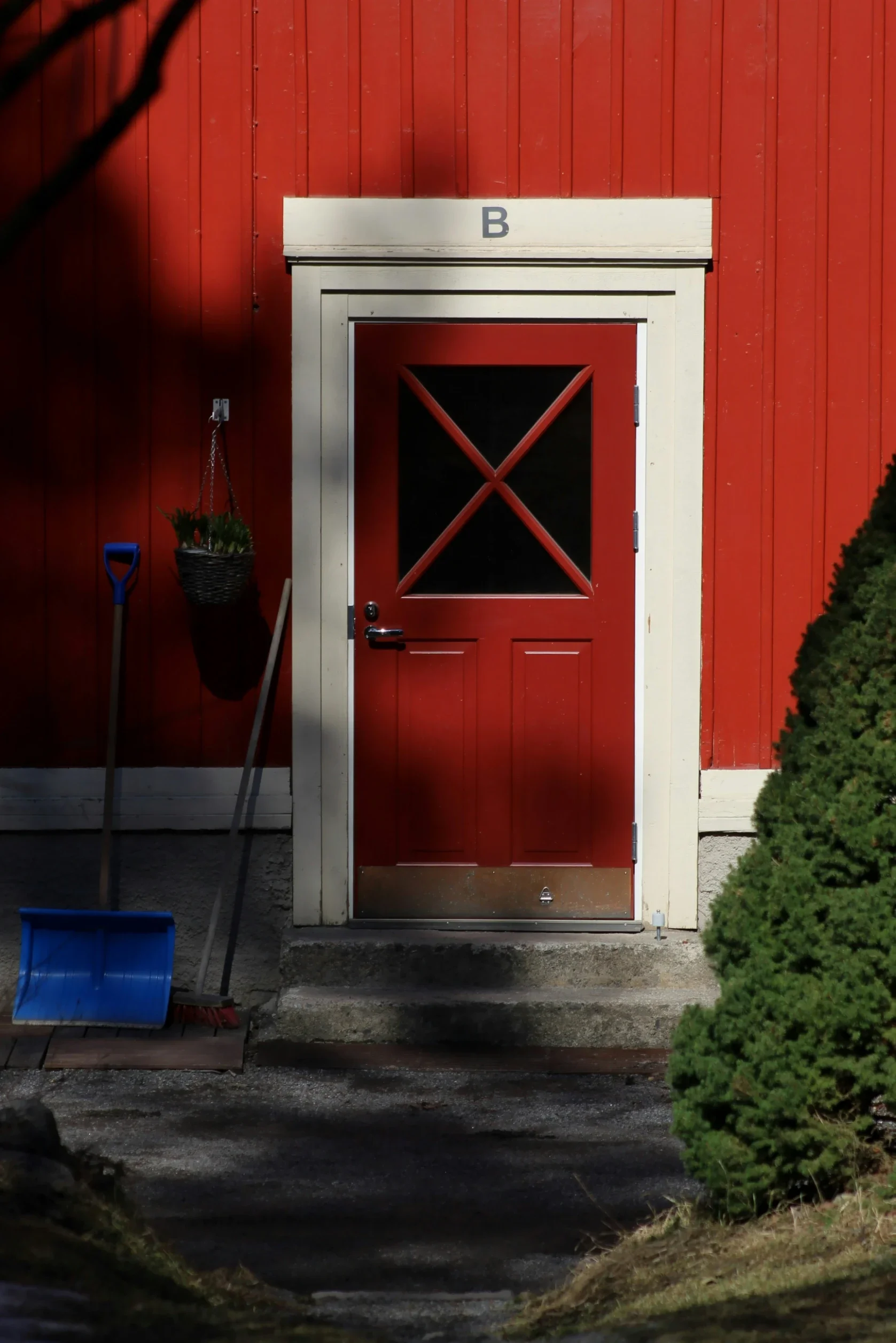
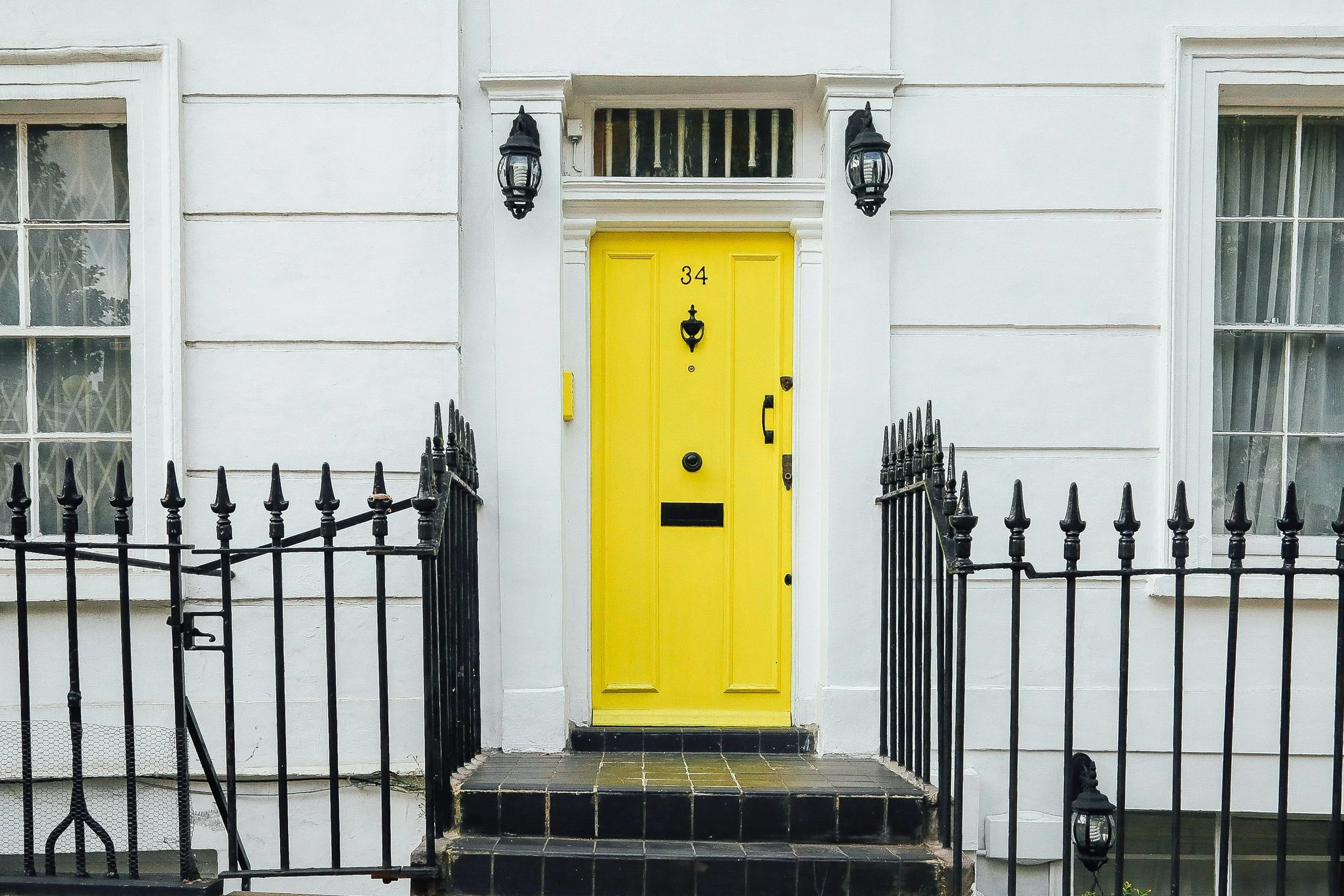
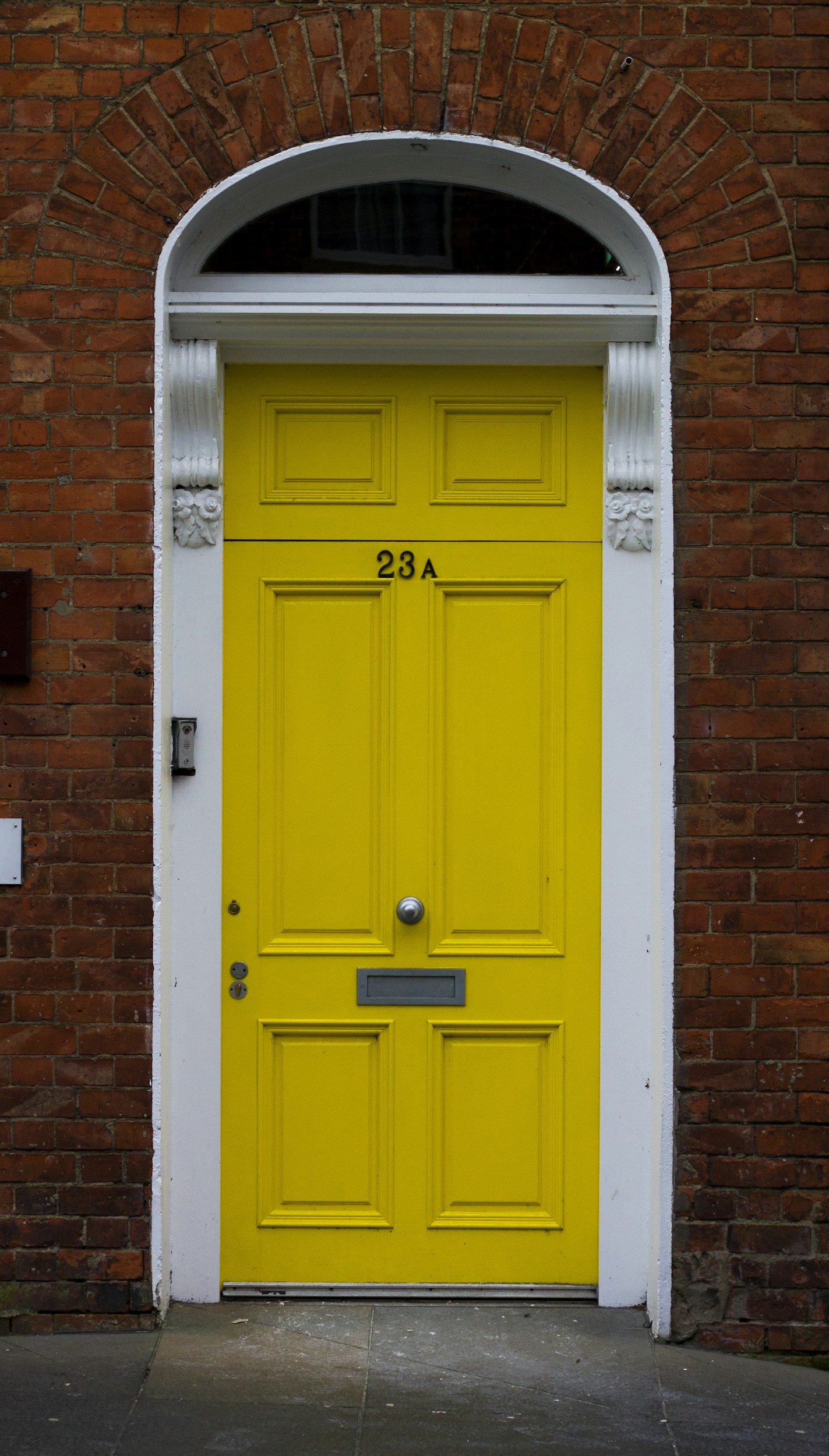
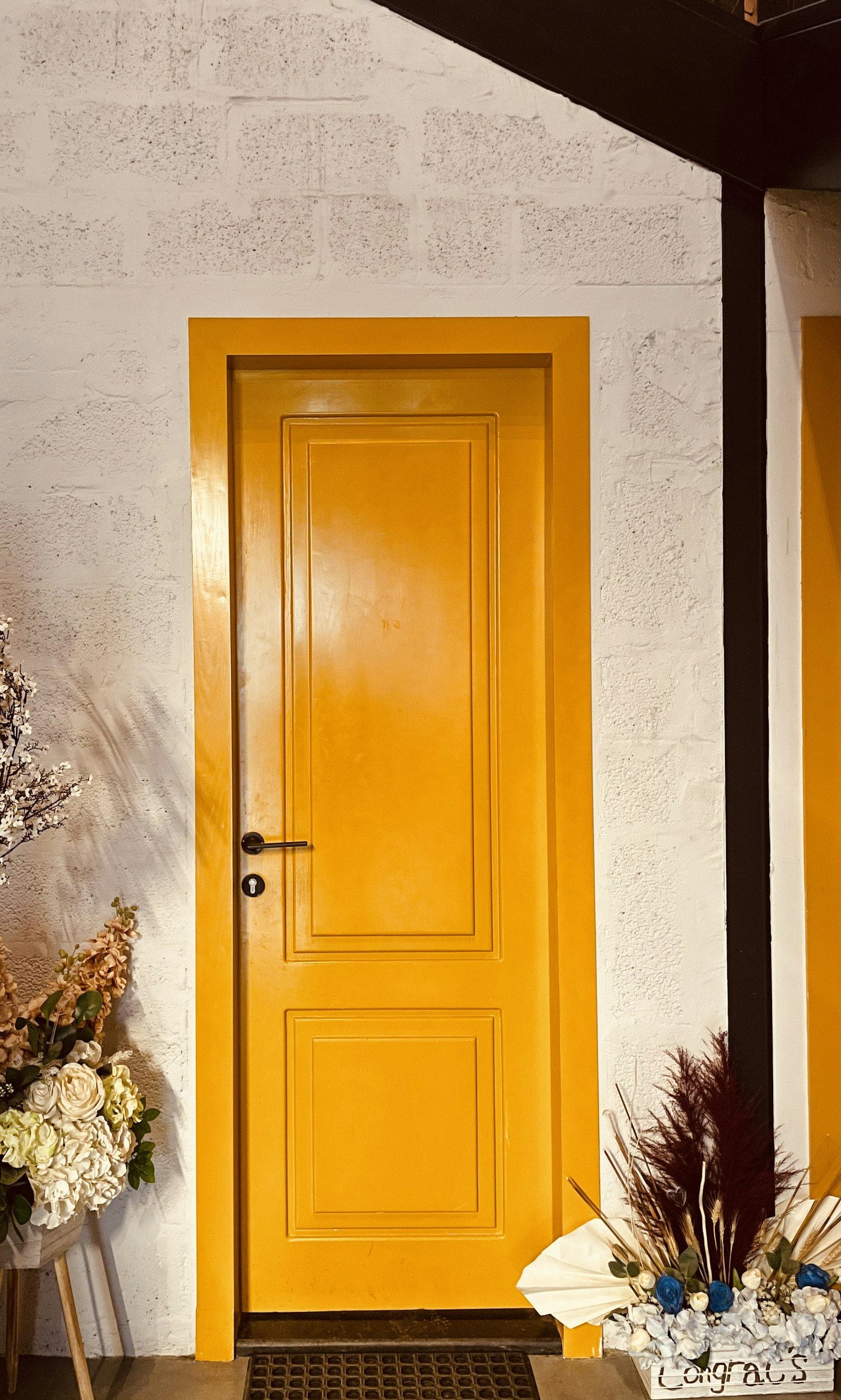
Doors are one of the first design elements people notice when approaching or entering a property. Their appearance can influence first impressions and shape how premium or thoughtfully designed a building feels. A well-selected aluminium door design can contribute to:
Better architectural balance
Stronger visual identity
Enhanced kerb appeal
Improved design consistency across interiors and exteriors
Modern architecture often prioritises minimalism and uncluttered aesthetics. Aluminium naturally supports this style through sleek finishes and slim profiles that blend effortlessly with contemporary spaces.
How Does Aluminium Door Design Influence Property Value?
Property value is often shaped by perception as much as practicality. Buyers and tenants tend to favour spaces that feel modern, durable, and visually refined.
Stronger First Impressions
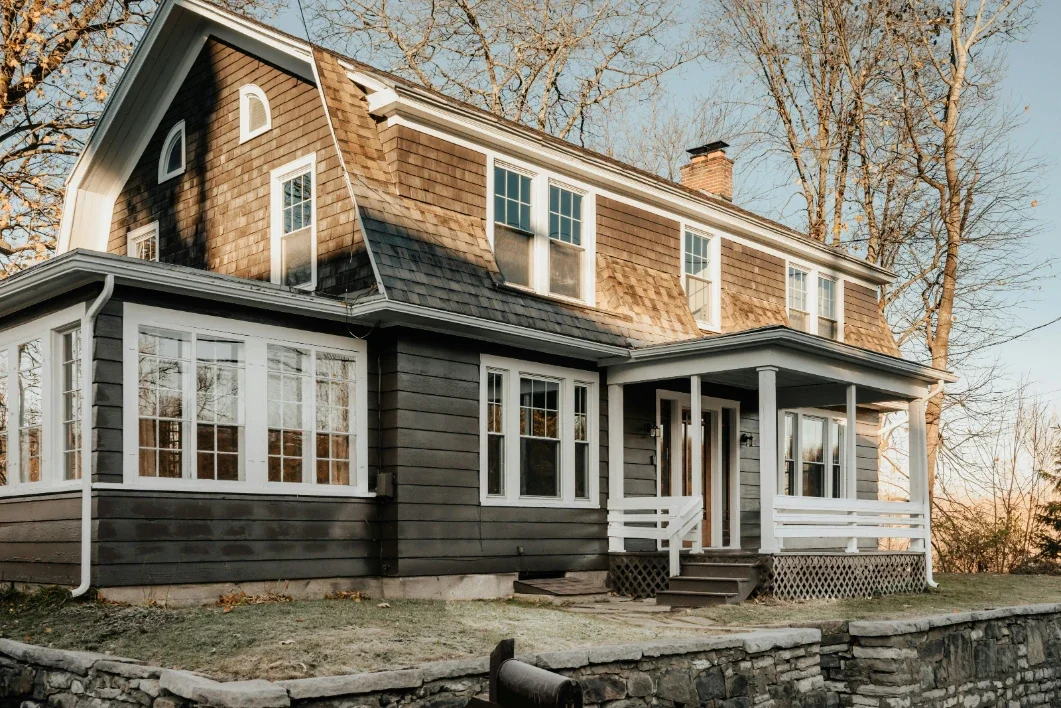
The entrance of a property can influence how valuable a space appears. Clean, contemporary door systems often create an impression of quality and attention to detail.
Aluminium doors can improve perceived appeal through:
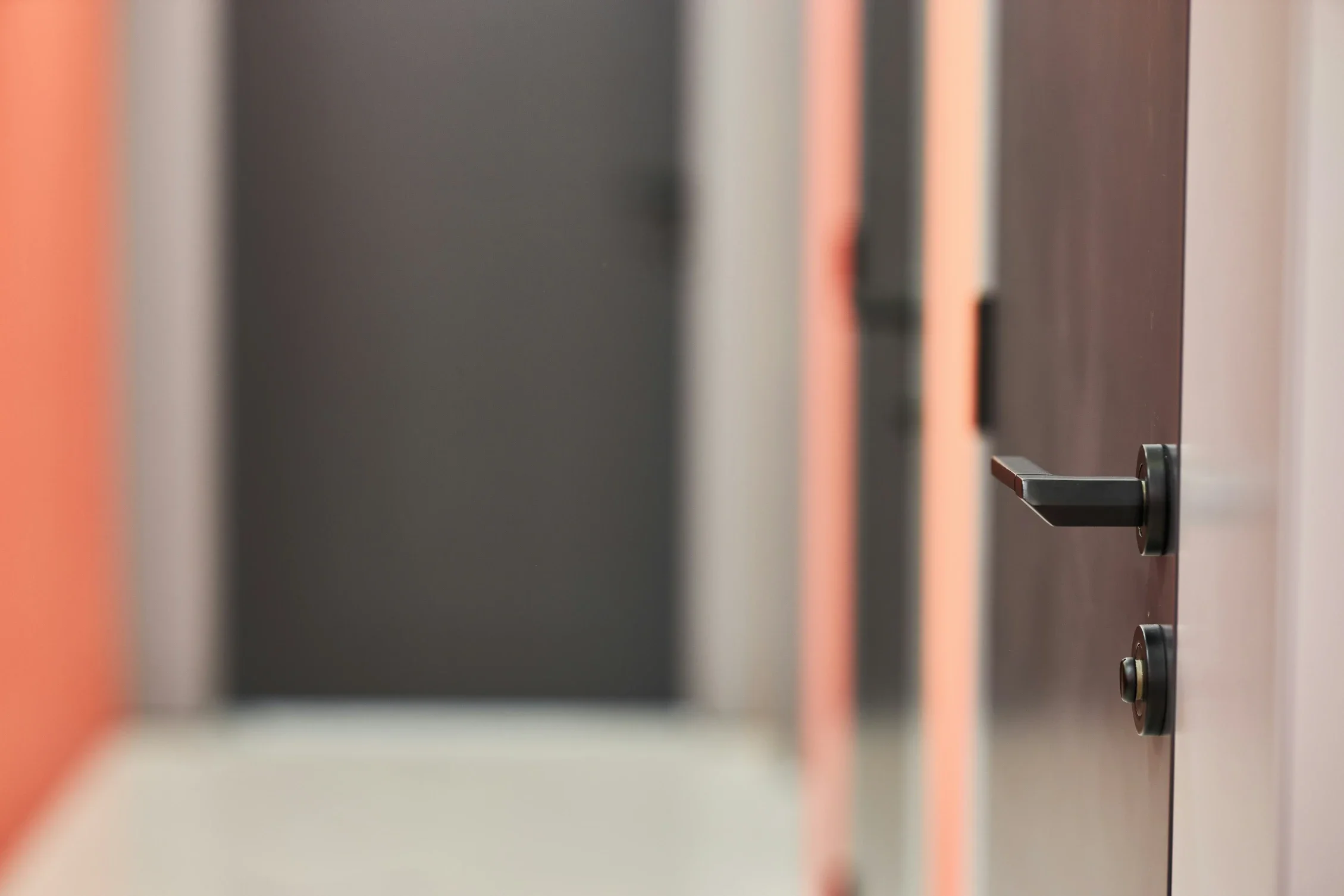
Sleek framing profiles
Contemporary finishes
Cleaner architectural lines
Better façade integration
A visually polished entrance can make both residential and commercial properties appear more premium.
Durability and Long-Term Appeal
Practicality plays a major role in influencing property value. Materials that remain visually appealing and functional over time are often viewed as stronger investments. Aluminium remains a preferred choice because it offers:
Resistance to warping or cracking
Suitability for varying weather conditions
Minimal maintenance requirements
Long-term structural reliability
Many premium aluminium systems are also tested for durability and weather performance. For example, brands like TOSTEM follow rigorous Japanese Industrial Standards (JIS) and American Standard Testing (ASTM) to help ensure high wind pressure resistance and protection against water leakage. This added reliability can improve long-term performance, especially in regions with changing weather conditions.
Improved Everyday Functionality
Design choices that simplify movement and improve usability often increase a property's appeal. The right aluminium door system can support:
Smoother transitions between spaces
Better accessibility
Flexible layouts in compact areas
Improved indoor-outdoor convenience
Functional spaces tend to create a better user experience, which can positively influence long-term perception.
The Architectural Advantages of Aluminium Doors
In commercial settings such as offices, cafés, and retail spaces, brighter interiors can also contribute to a more welcoming environment. Similarly, residential spaces often feel larger and more comfortable when natural light is prioritised through thoughtful architectural planning.
Contemporary Aesthetic Appeal
Modern spaces increasingly favour clean, elegant designs. Aluminium doors complement this style because of their streamlined appearance and ability to integrate with different architectural themes.
Their visual benefits include:
Minimalist design compatibility
Slim and refined framing
A more contemporary appearance
Greater architectural flexibility
Whether used in homes or commercial spaces, aluminium systems often help create a cleaner visual finish.
Better Natural Light and Openness
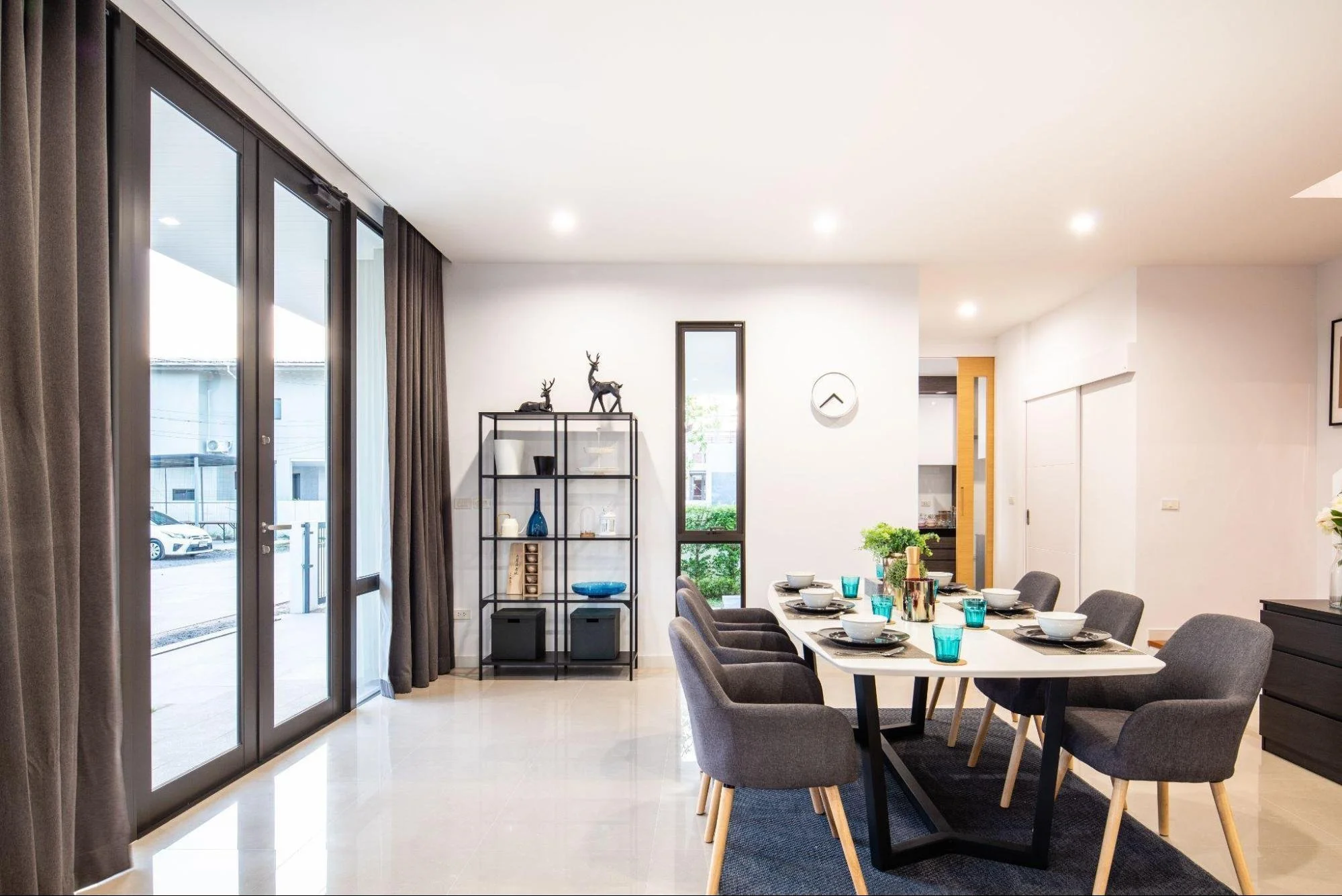
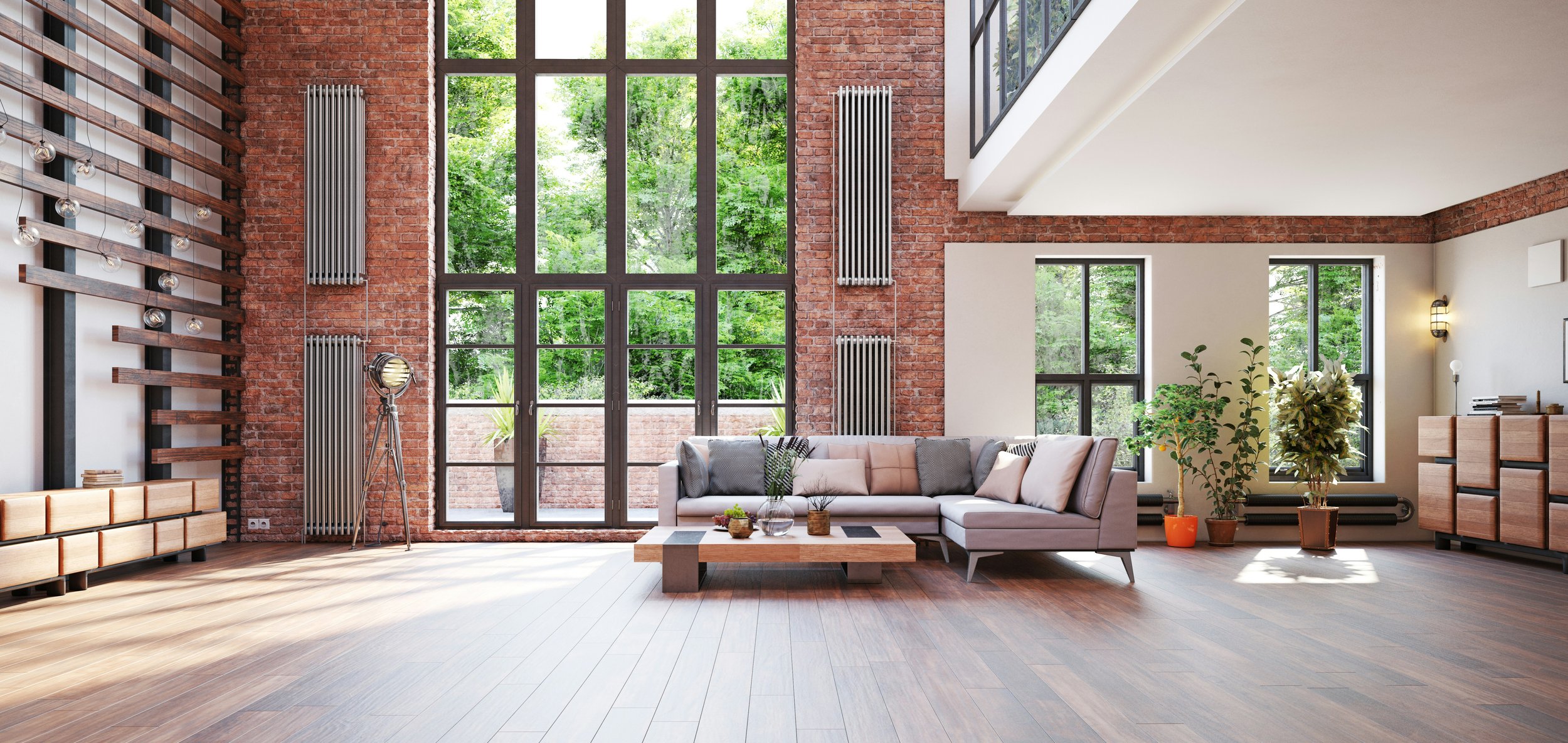
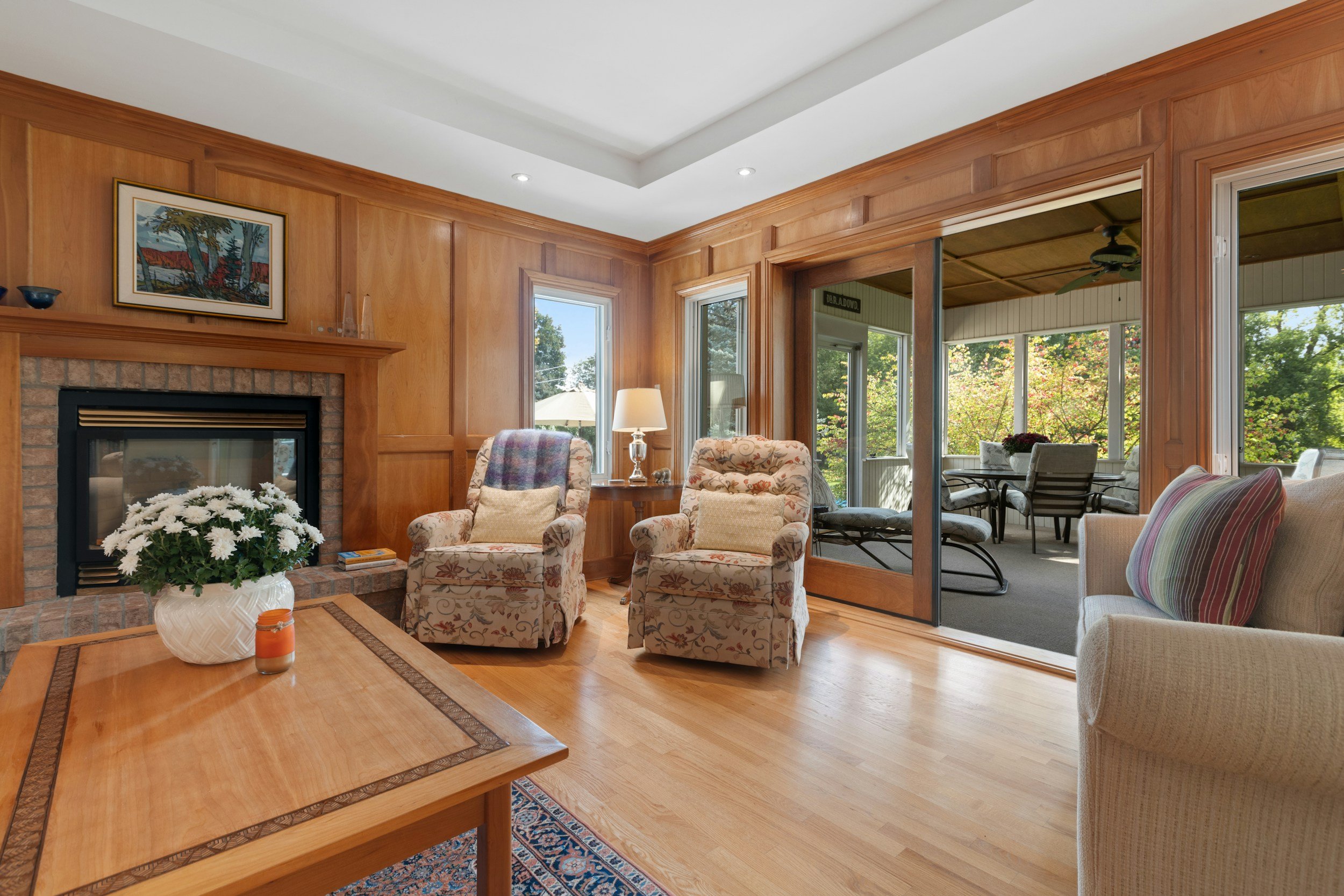
Natural light has become a major consideration in architectural planning. Aluminium frames can support larger glazed sections without appearing bulky, helping interiors feel brighter and more open.
This can contribute to:
Better daylight penetration
A more spacious visual atmosphere
Improved indoor comfort
Reduced reliance on artificial lighting during daytime
Bright interiors often feel more inviting and visually appealing.
The Role of Complementary Design Features
A property usually feels more cohesive when architectural elements work together. Aluminium doors often create a stronger visual impact when paired with complementary features.
For example, French windows can enhance overall architectural appeal by offering:
Better visual symmetry
Increased natural light flow
Stronger indoor-outdoor connectivity
A more elegant design language
This combination works particularly well in living areas, patios, balconies, hospitality spaces, and premium commercial environments.
Choosing the Right Aluminium Door Design
Selecting the right door system involves balancing aesthetics with practical requirements. Before making a decision, property owners should assess:
The architectural style of the property
Desired level of natural light
Space functionality requirements
Long-term maintenance expectations
Compatibility with windows and façades
A thoughtful selection process helps ensure that the door design complements both appearance and performance.
Conclusion
The impact of aluminium door design goes beyond aesthetics alone. From enhancing kerb appeal and supporting durability to improving functionality and openness, the right system can contribute significantly to both property value and architectural appeal. When paired thoughtfully with complementary features such as French windows, aluminium doors can help create spaces that feel cohesive, modern, and visually refined.
Stay up to date with our latest ideas!