Discover how a home pressure tank maintains consistent water flow, regulates system pressure, reduces pump wear, and improves everyday water reliability.

Stable water pressure affects showers, faucets, toilets, and appliances throughout a house. A pressure tank stores water under controlled pressure, then releases it when a fixture opens. That reserve reduces pump cycling, limits sudden pressure changes, and helps the plumbing system work predictably. The right tank type depends on whether a home uses a private well or a water heater with closed plumbing. Understanding that difference makes selection, installation, and maintenance more practical.
How the Tank Controls Pressure
Homeowners comparing pressure-tank options can review www.hotwater.com/residential/pressure-tanks/ to distinguish expansion tanks from pump tanks and see where each type fits. A pump tank works with a well pump, while an expansion tank protects a water heater and plumbing system from pressure caused by heated water. That difference guides decisions on sizing, placement, and replacement.
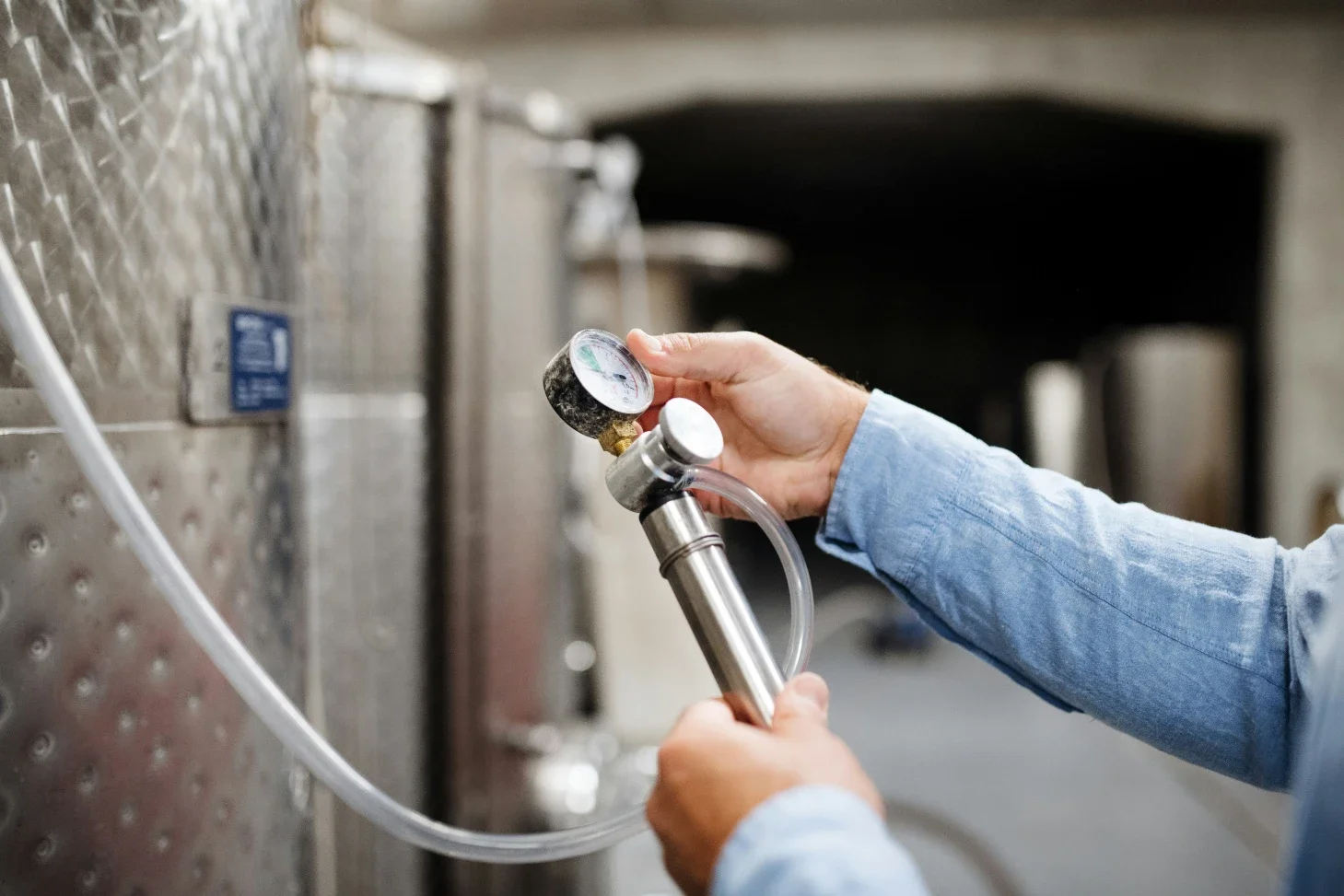
Inside a pump tank, compressed air pushes stored water toward the home when a faucet opens. The pump does not start for every small demand because the tank supplies water between the pump’s cut-in and cut-out settings. Fewer starts reduce motor wear and keep pressure steadier during household use.
When demand exceeds the stored supply, the pressure switch starts the pump. The pump refills the tank until it reaches the upper pressure setting. A properly charged tank creates a pressure range, while an incorrect air charge reduces drawdown and causes shorter cycling intervals. A plumber should confirm settings during service.
Expansion Tanks Protect Closed Systems
An expansion tank serves a different purpose. When water heats inside a storage water heater, its volume increases. If a check valve or backflow preventer closes the plumbing system, that expanding water has nowhere to go. Pressure then rises inside the pipes and connected equipment.
An expansion tank provides an air cushion beside the water heater. Heated water moves into the tank instead of forcing pressure higher throughout the system. The tank must match the water heater application and connect correctly to the cold-water line. Installation instructions also specify the orientation, support, and air-charge procedure.
Choosing the Right Tank
The water source determines the decision. A private-well system needs a pump tank sized for the pump, household demand, and well flow. A home supplied by a municipal water main may need an expansion tank in a closed system to protect against thermal expansion. A plumber can identify pressure controls and valves before recommending a replacement.
Tank capacity matters, but usable water volume matters more than the shell’s labeled size. Pump-tank selection should account for the pump’s flow rate and pressure-switch range. A tank that is too small causes frequent starts, while an oversized or poorly adjusted tank can create installation problems. Manufacturer instructions provide correct specifications.
Installation Details That Affect Performance
Location and connection details affect how a pressure tank works. A pump tank should sit near the well-system controls, with piping that supports the tank and limits restriction. An expansion tank needs a secure connection on the cold-water supply and clearance for inspection. The installer must follow plumbing requirements and the product manual.
Incorrect air pressure can change the tank’s usable capacity and cause rapid cycling. Before adjusting it, a technician should shut off the pump or water supply and release pressure according to the manual. A gauge reading does not confirm a failed tank because the pressure switch, check valve, and pump can cause similar symptoms.
Signs of a Pressure-Tank Problem
Rapid pump cycling is a warning sign on a well system. Other symptoms include fluctuating pressure, a pump that starts whenever a small fixture opens, or waterlogged behavior inside the tank. Changes after plumbing work point to a valve, setting, or connection problem. Prompt diagnosis helps prevent unnecessary pump operation and damage.
An expansion-tank problem often appears as repeated pressure relief valve discharge, dripping connections, or pressure swings during water heating. A plumber should inspect the tank’s air charge, mounting, and connections before replacing it. A water heater with pressure symptoms also needs attention, because repeated expansion can strain valves and fittings.
Maintenance That Supports Steady Flow
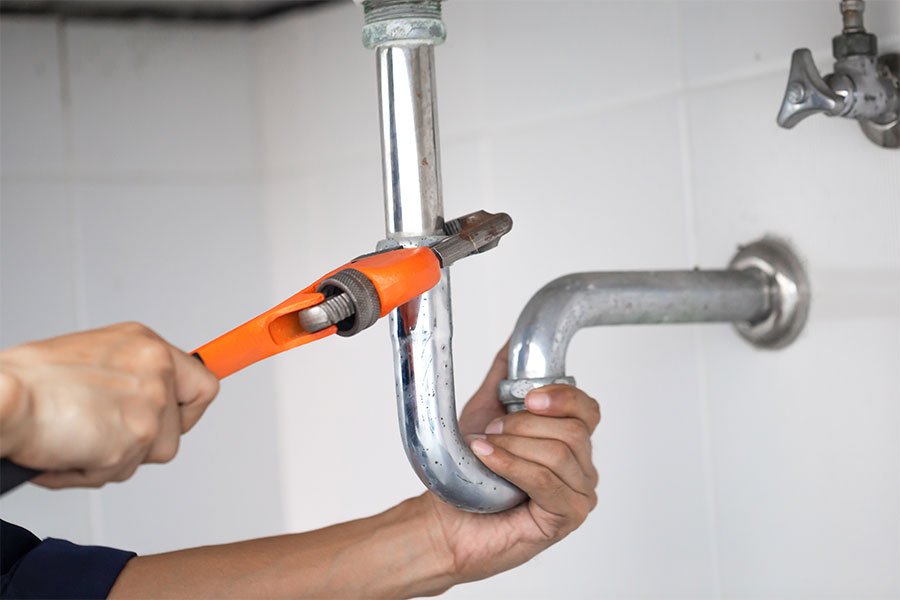
Homeowners should keep the area around the tank accessible and watch for leaks or unusual cycling. They should never remove a pressure-relief valve or block its discharge path. A licensed professional should handle work involving electrical controls, pressurized plumbing, well pumps, or water-heater connections.
Conclusion
Pressure tanks keep household water systems predictable by storing water, absorbing thermal expansion, or reducing pump starts, depending on the application. Performance depends on the correct type, sizing, air charge, connections, and service. If a homeowner notices cycling, pressure swings, relief-valve discharge, or leaks, theyshould record the symptoms and arrange a professional inspection. Reviewing the product manual and confirming the water source gives the installer useful information before replacement or adjustment work begins.
Stay up to date with our latest ideas!