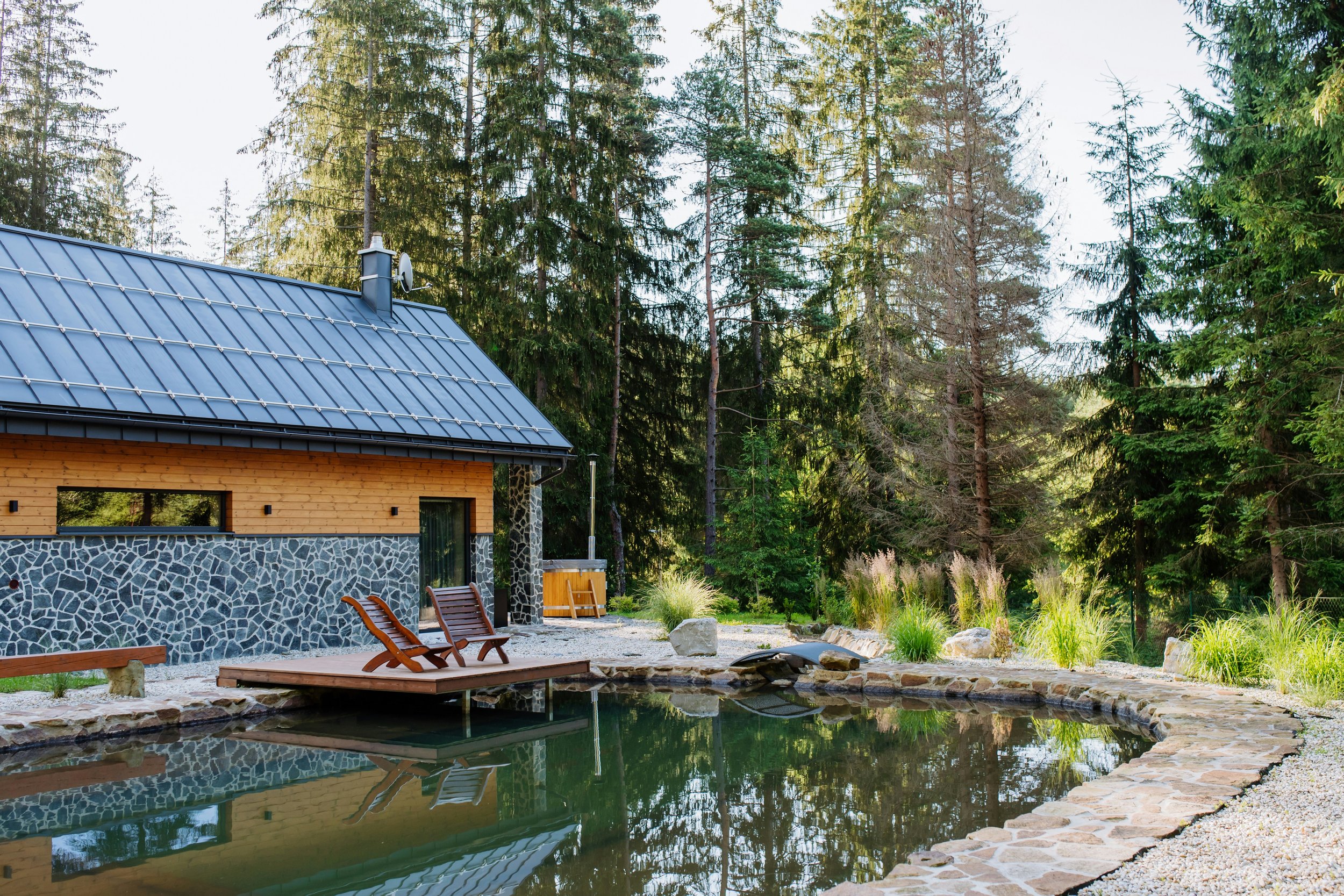
Top 7 Ways Agencies Can Streamline Landscaping Projects with Bulk Mulch Delivery
Discover 7 ways agencies can streamline landscaping projects with bulk mulch delivery, from reducing costs and delays to improving efficiency and project coordination.
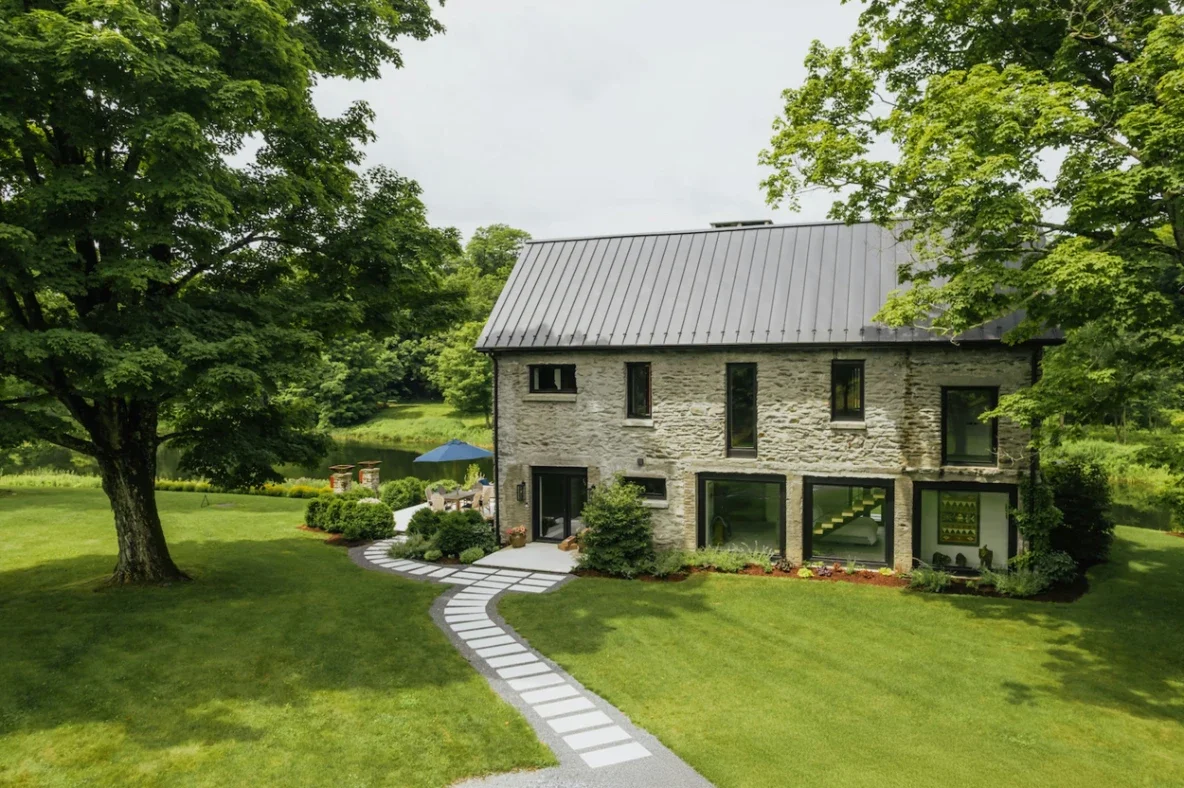
Landscaping projects often involve more than choosing attractive plants and arranging outdoor spaces. For agencies managing residential communities, commercial properties, or large garden installations, sourcing and distributing materials efficiently can have a major impact on project timelines and budgets.
Mulch is one of those essential materials that can quickly become a logistical challenge when projects cover large areas. Coordinating multiple small purchases, arranging transportation, and ensuring enough material is available at the right time can create unnecessary delays. A well-planned mulch delivery strategy can simplify these challenges while helping landscaping teams work more efficiently.
Here are seven practical ways agencies can streamline landscaping projects through smarter mulch procurement and delivery.
1. Plan Material Requirements Before Work Begins
Effective landscaping starts with accurate planning. Before placing an order, agencies should determine the total area that needs mulch and calculate the approximate volume required.
Factors such as mulch depth, bed dimensions, and the type of landscape should all be considered. Creating a material estimate early gives project managers a clearer idea of costs and prevents last-minute sourcing problems.
A detailed plan also makes it easier to coordinate mulch delivery with planting, edging, and other landscaping tasks.
2. Consolidate Orders for Large Projects
Ordering materials in smaller quantities can create additional administrative work. Multiple orders may mean repeated deliveries, more scheduling coordination, and inconsistent material availability.
For larger landscaping projects, consolidating requirements into a single order can simplify logistics. Agencies can coordinate the quantity and delivery schedule around the project timeline instead of repeatedly arranging smaller purchases.
This approach can be especially useful when several landscape areas are being completed within the same project.
3. Schedule Delivery Around the Worksite
Timing matters when managing landscape materials. Mulch delivered too early can occupy valuable space, while a late delivery may leave crews waiting to complete their work.
Agencies should coordinate delivery with the project's installation schedule. For example, if planting and bed preparation are scheduled for a particular week, mulch can be arranged to arrive shortly before crews are ready to spread it.
Using Bulk Mulch Delivery as part of a coordinated project schedule can help agencies reduce unnecessary handling and keep materials moving from the supplier to the areas where they are needed.
4. Choose the Right Mulch for the Landscape
Efficiency isn't only about quantity and delivery. Selecting the appropriate mulch can also make a project easier to manage.
Organic options such as shredded wood, bark, and wood chips can complement natural garden designs, while other varieties may be selected based on durability, appearance, or maintenance requirements.
Agencies should consider the property's existing landscape, plant requirements, desired appearance, and maintenance schedule before choosing a material. Matching the mulch to the project reduces the likelihood of needing replacements or adjustments later.
5. Reduce Unnecessary Material Handling
Every additional movement of landscape materials requires labor. When mulch is unloaded in an inconvenient location, crews may need to transport it across the property before installation can begin.
Project managers can reduce this problem by identifying practical unloading areas in advance. Delivery access, pathways, property boundaries, and equipment movement should all be considered when selecting a drop-off point.
Thoughtful placement can save significant time, particularly on larger commercial or multi-property projects.
6. Coordinate Multiple Landscaping Crews
Agencies frequently manage projects involving several teams, including landscape designers, installers, gardeners, and maintenance personnel. Poor coordination between these groups can result in crews arriving before materials are available or working around unnecessary piles of supplies.
A shared project schedule can help everyone understand when mulch will arrive and which areas should be completed first. Clear communication also allows teams to prepare beds and organize equipment before delivery.
For projects involving multiple properties, agencies can establish delivery windows for each location to create a more predictable workflow.
7. Track Quantities and Project Costs
Good recordkeeping helps agencies improve future landscaping projects. Managers should document how much mulch was ordered, where it was used, the delivery schedule, and any material that remained unused.
These records can provide useful benchmarks for similar projects. If a particular landscape consistently requires more or less mulch than expected, future estimates can be adjusted accordingly.
Tracking costs alongside quantities also makes it easier to identify opportunities for better purchasing and resource management.
Make Mulch Logistics Part of the Design Process
Mulch may seem like a finishing detail, but it plays an important role in both landscape appearance and project logistics. When agencies account for material quantities, delivery timing, storage, and crew coordination from the beginning, they can reduce avoidable disruptions.
The best results come from treating mulch procurement as part of the overall landscape plan rather than as an afterthought. With accurate measurements, coordinated scheduling, appropriate material selection, and efficient delivery arrangements, agencies can keep projects organized while creating polished outdoor spaces.
Conclusion
Large landscaping projects require careful coordination from the initial design through final installation. Efficient mulch planning can help agencies control costs, reduce labor-intensive handling, and keep crews working according to schedule.
By estimating requirements early, consolidating orders, coordinating delivery times, selecting suitable materials, and tracking project performance, landscaping agencies can make mulch management a seamless part of the process. The result is a smoother workflow and outdoor spaces that look thoughtfully designed from the ground up.
Stay up to date with our latest ideas!