Where Does the Rain Go After It Leaves Your Roof?
Learn where rainwater goes after leaving your roof, including gutters, downspouts, drainage systems, runoff, and ways to prevent water damage around your home.
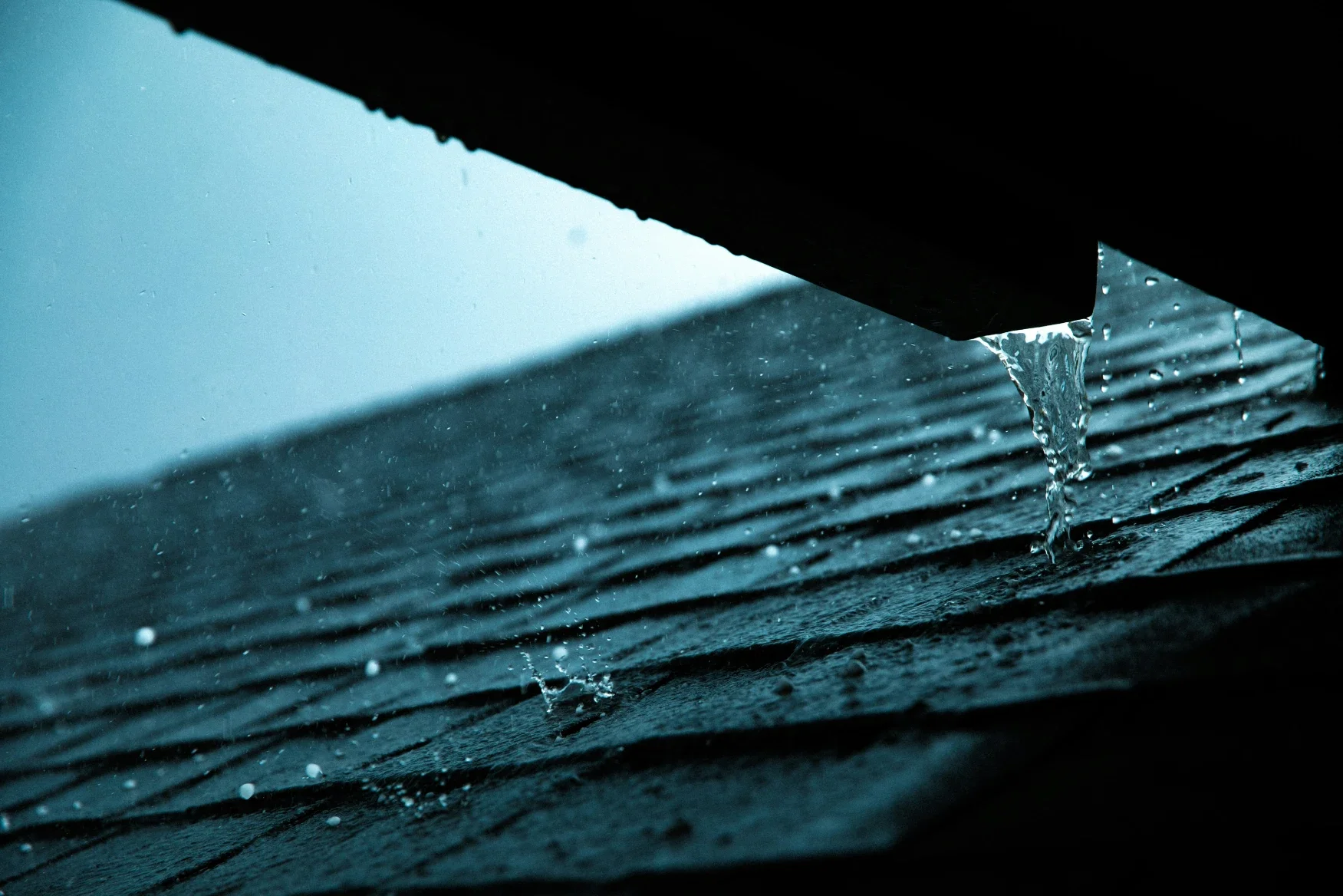
A roof does not really finish handling rain when water reaches the gutter.
That is only the handoff.
From there, the same water moves through downspouts, across grading, beside foundations, through planting beds, over patios, and toward lower parts of the property. If any one of those steps works poorly, a homeowner may notice erosion, standing water, washed-out mulch, damaged plants, or moisture collecting where it should not.
Thinking about runoff as one continuous journey makes it easier to understand why roofing and landscaping problems sometimes appear connected even though they occur in very different parts of the property.
Roof Shape Determines Where Water Concentrates
Rain does not leave every part of a roof in equal amounts.
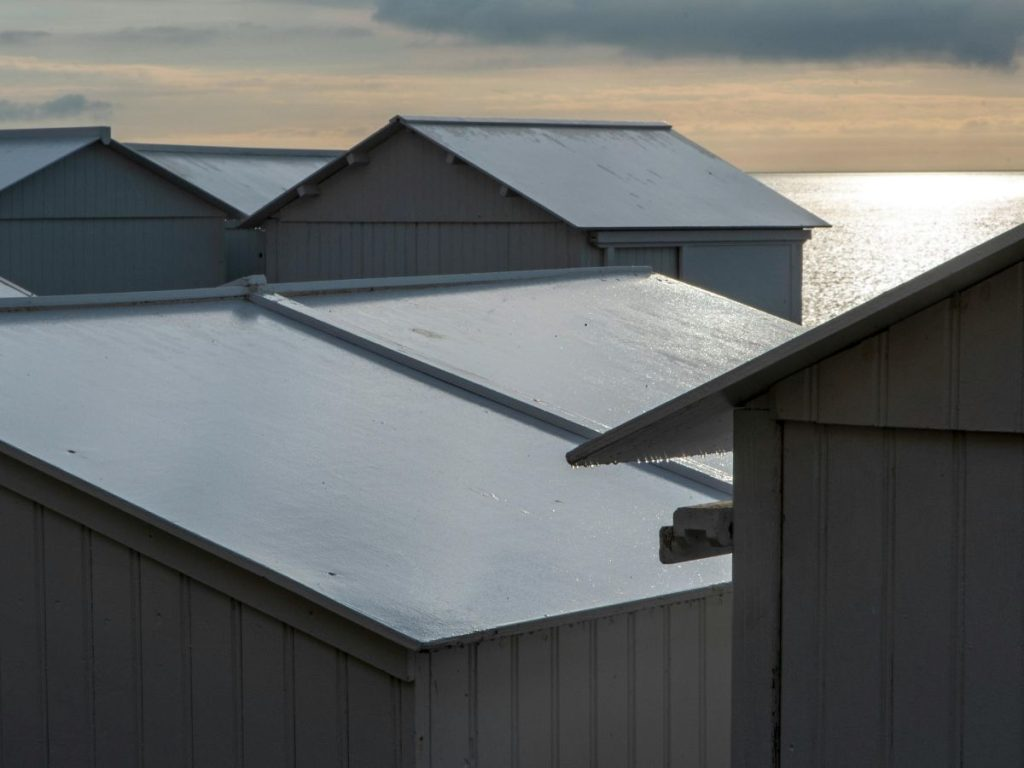
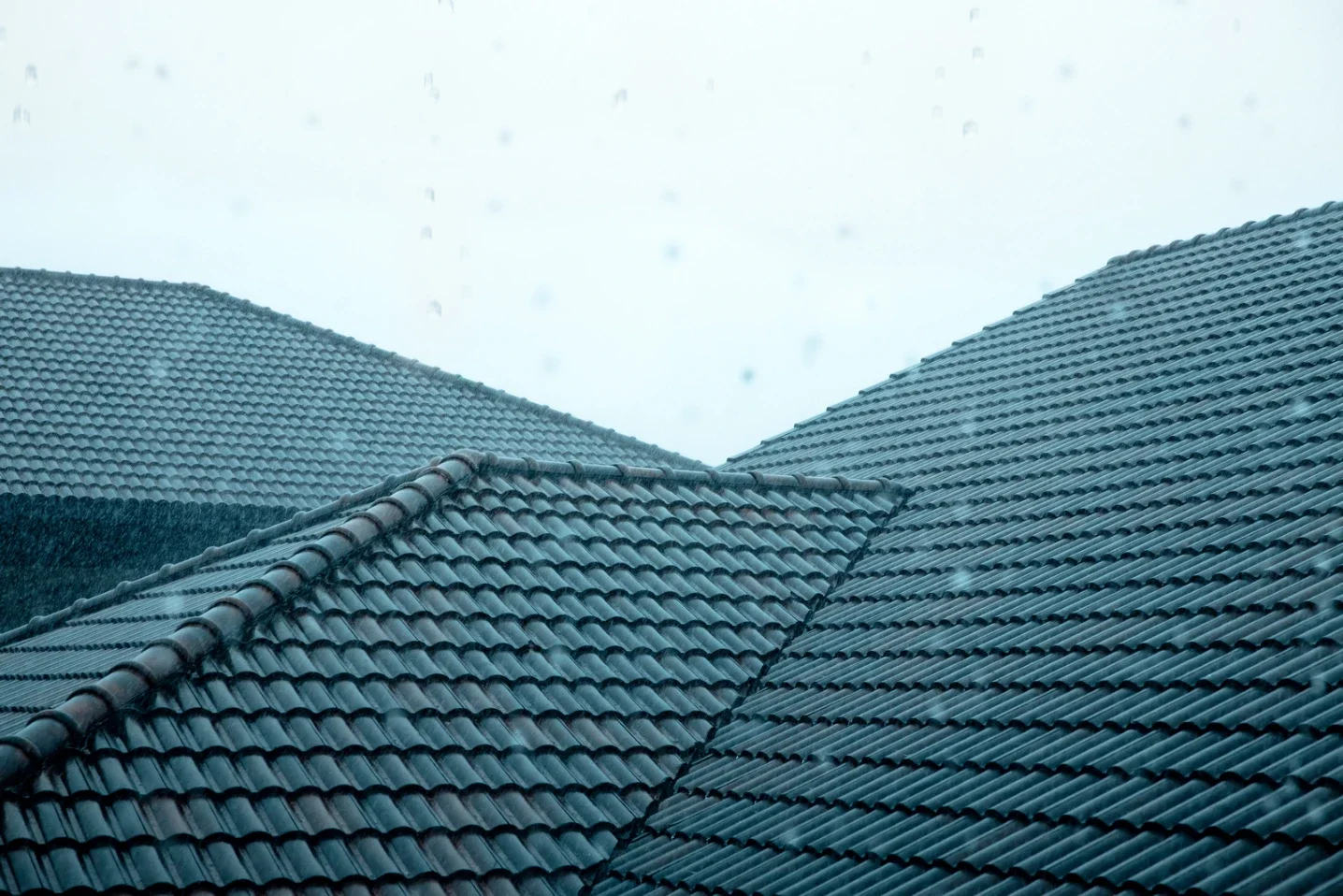
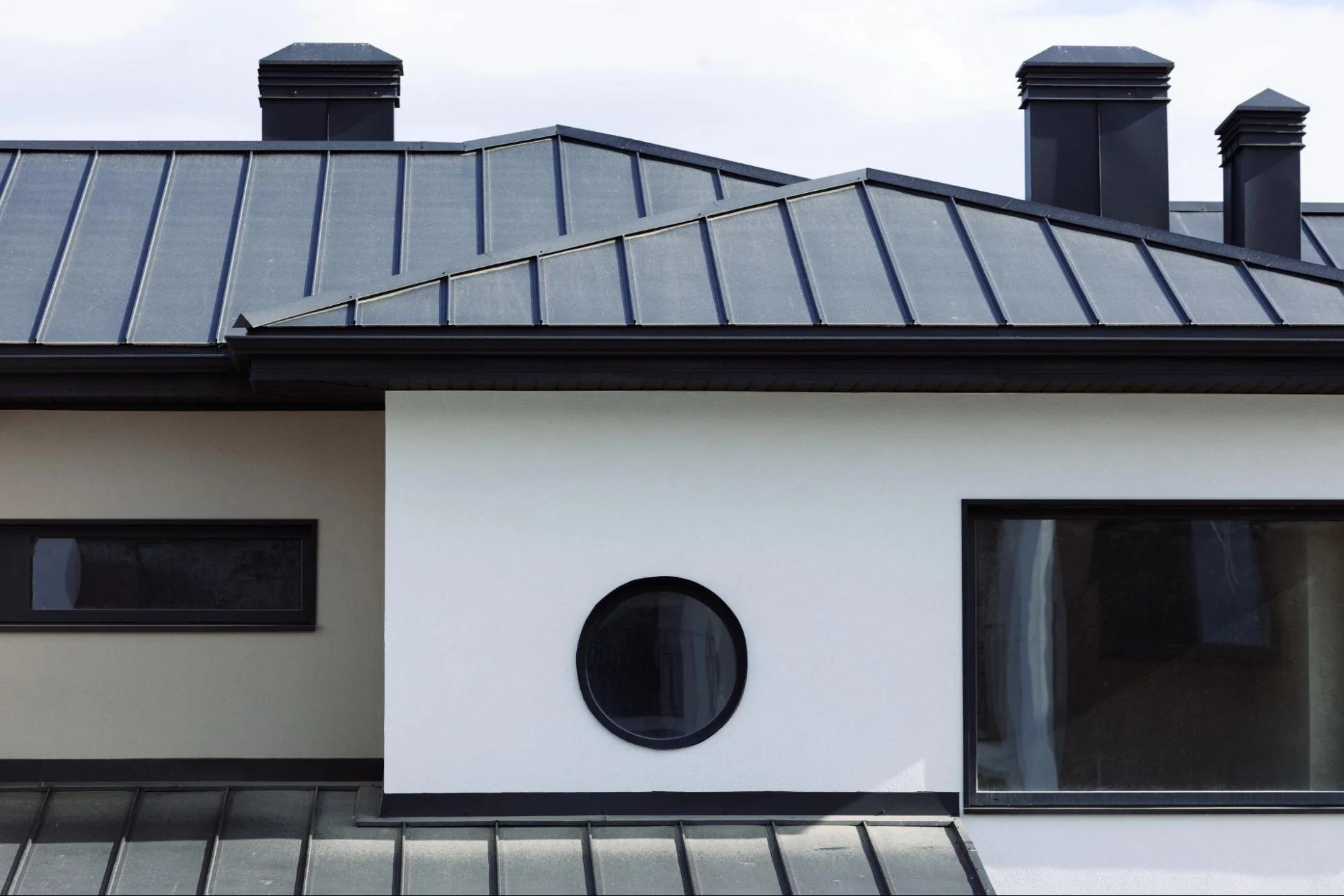
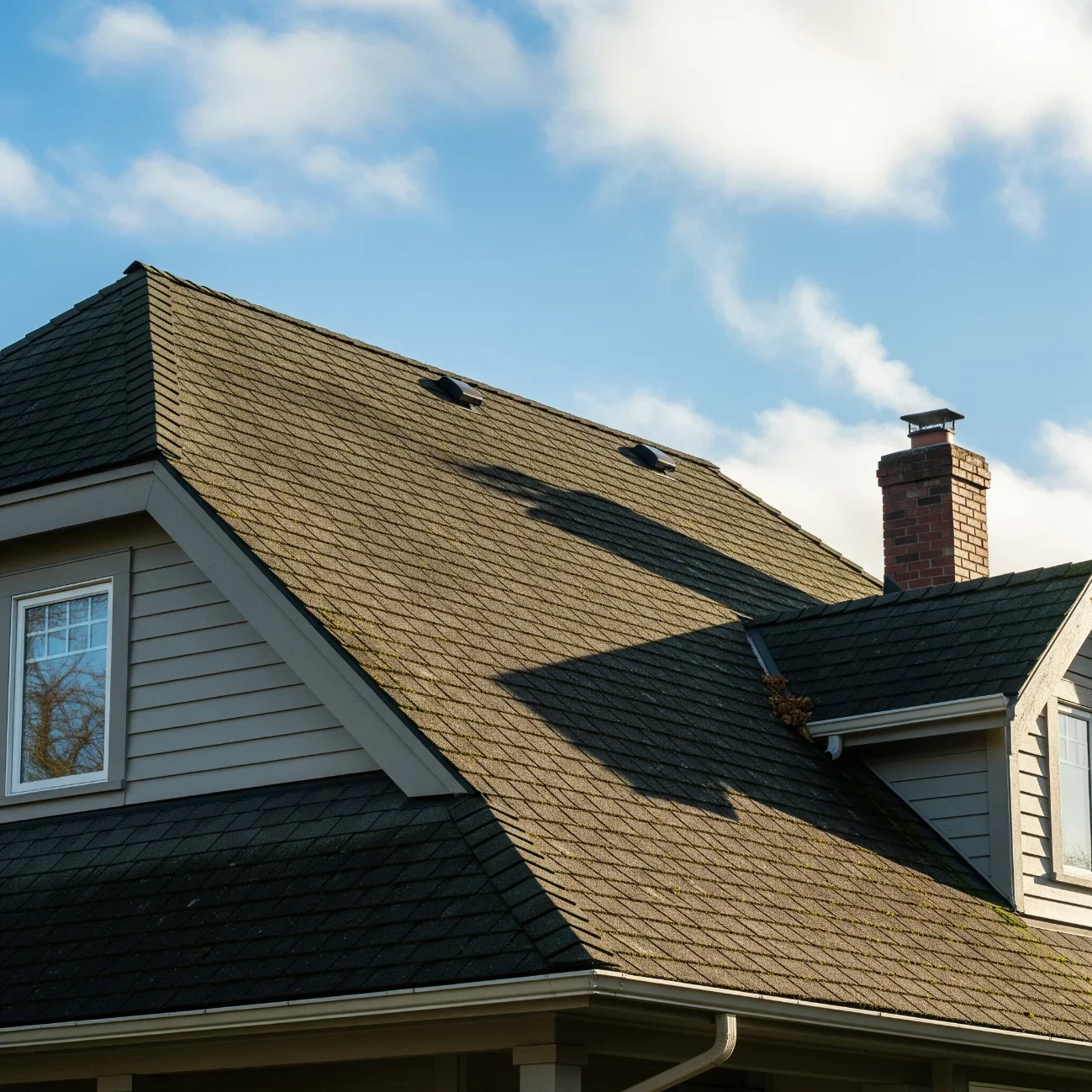
A broad open slope sheds the water that falls directly onto it. Valleys collect runoff from two adjoining roof planes and concentrate it into a narrower path.
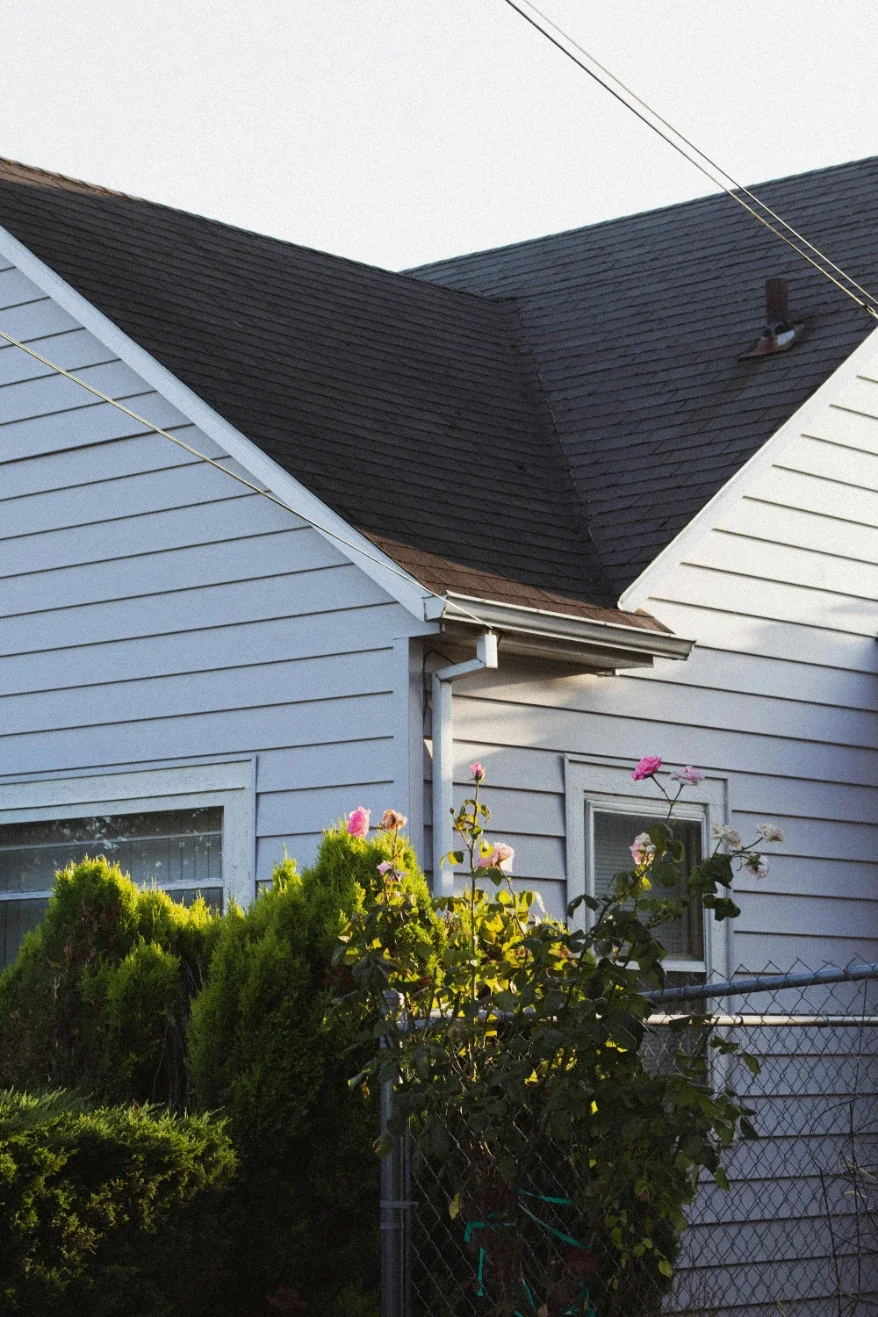
Dormers, intersecting rooflines, and additions can create similar high-flow areas.
That means one section of gutter may receive considerably more water than another section on the same house.
Homeowners who see repeated overflow in one location should therefore look beyond the gutter itself.
The roof geometry above it may be directing more runoff toward that point than the surrounding sections receive.
Gutters Are Transfer Channels, Not Storage
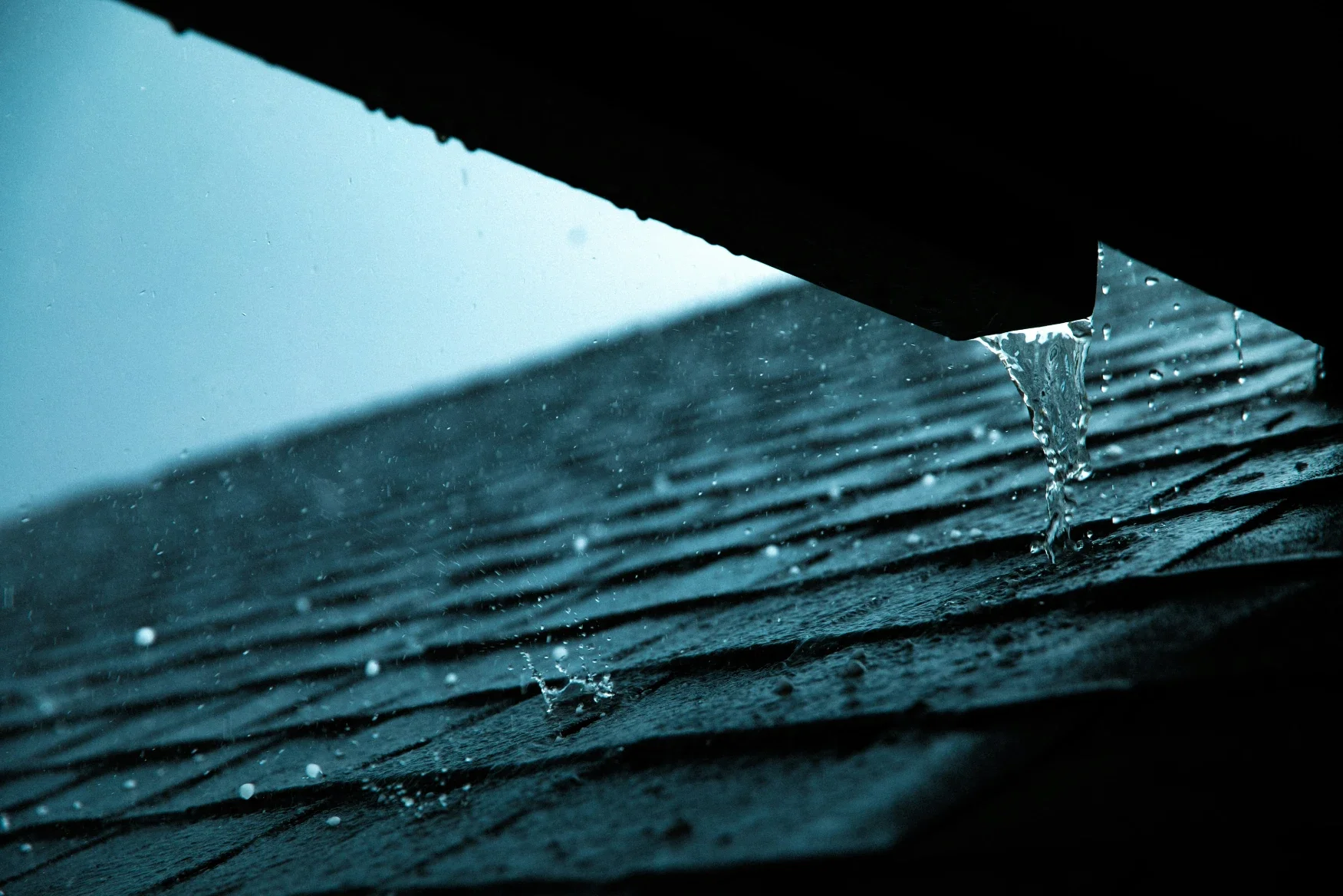
A gutter has one basic job: receive roof runoff and keep it moving.
Problems begin when water cannot leave as quickly as it arrives.
Leaves, roof debris, poor slope, damaged sections, or restricted outlets can slow the flow. Once water backs up, it may spill over the front edge, run behind the gutter, or repeatedly soak the area directly below.
Watching the system during rainfall can reveal more than inspecting it on a dry afternoon.
Look for overflowing corners, sections that hold water, or unusually heavy discharge from one downspout.
Those observations show where the roof-to-ground drainage chain may be struggling.
The Roof Edge Deserves Attention Too
Water should move cleanly from roofing material into the drainage system.
If it does not, repeated wetting can affect fascia, soffits, or other components around the edge.
This is why a drainage complaint may sometimes begin higher than the yard.
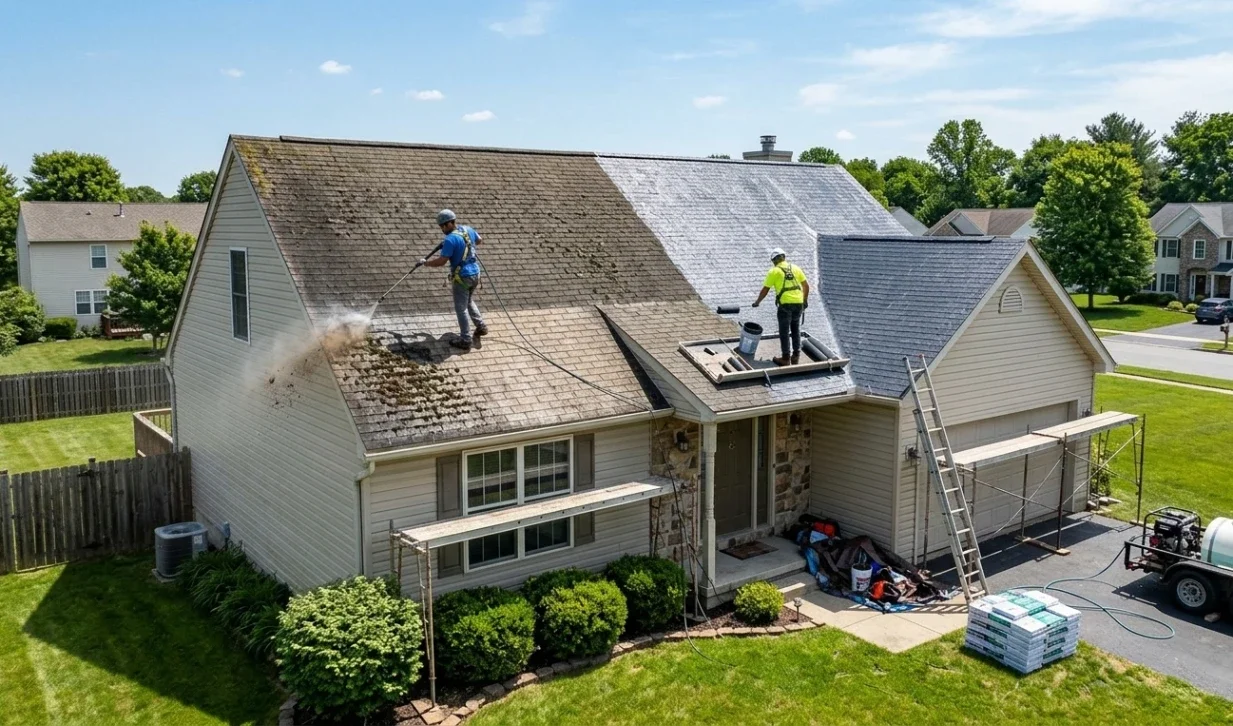
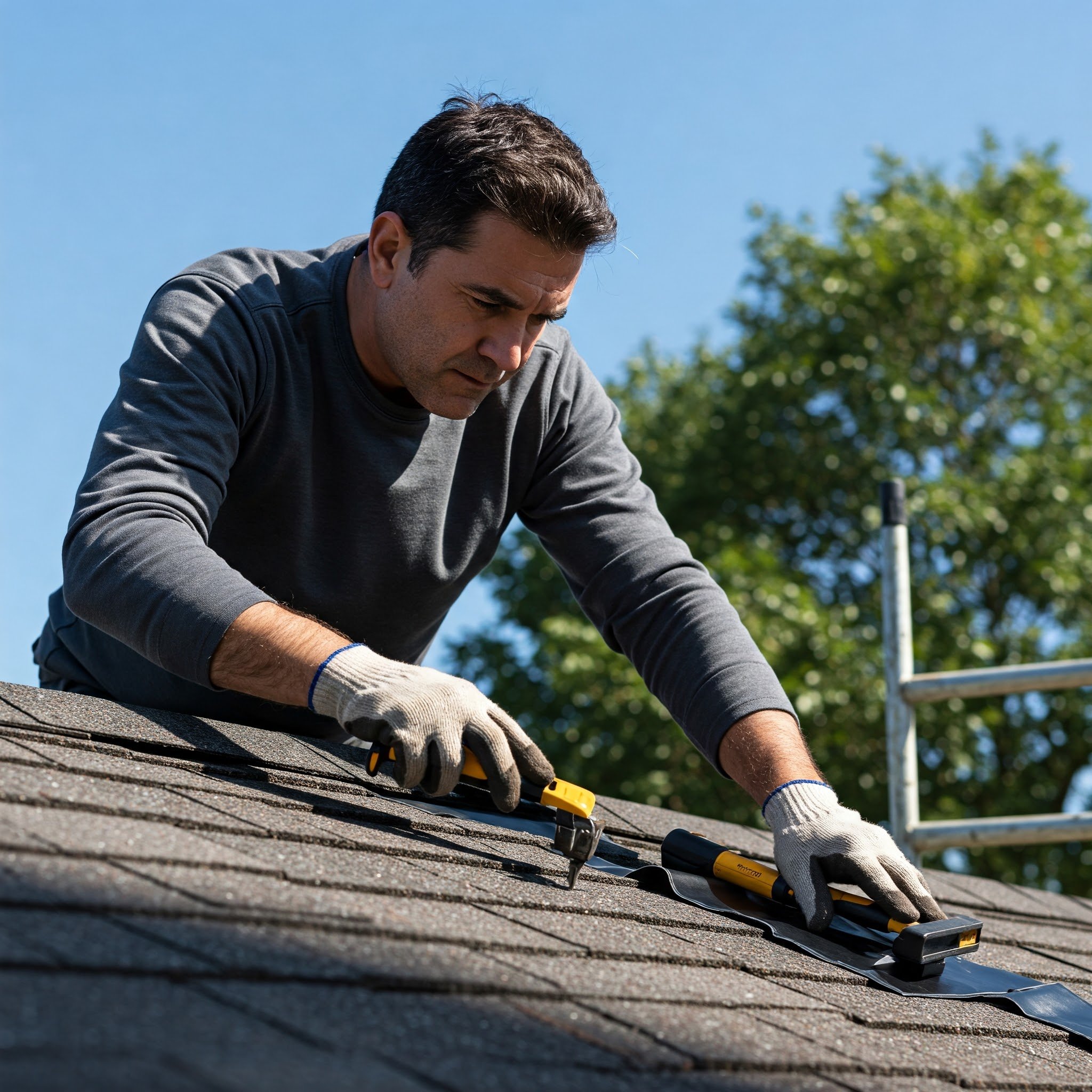
Homeowners considering Roofing services can ask that the investigation include the roof edge, valleys, flashing areas, and gutter interface rather than assuming every puddle below the eaves begins with a landscaping problem.
The objective is to identify where runoff first stops following the intended route.
Fixing a downstream symptom without checking the upstream source can leave the same water returning after the next heavy rain.
Downspouts Decide Where Roof Water Enters the Landscape
Once water reaches the downspout, the roof has largely completed its part of the job.
The property now has to absorb, redirect, or carry that water somewhere safer.
Where a downspout ends matters.
If it releases large volumes immediately beside a foundation, the surrounding soil can remain wetter than intended. If it empties onto a steep bare area, erosion may develop.
A discharge point beside a walkway can also create persistent wet spots or allow runoff to cross a frequently used path.
The best location depends on the shape and drainage pattern of the property rather than on whichever spot is closest to the downspout.
Erosion Can Point Toward a Problem Upstream
A washed-out planting bed may look like a garden problem.
Sometimes it is actually a water-volume problem.
Notice whether erosion appears directly beneath a roof valley, downspout, or gutter corner.
Mulch that repeatedly moves in the same direction is another clue.
Replacing the mulch may restore the appearance temporarily, but it will not change where the water is coming from.
The same principle applies to exposed soil beside patios or walkways.
Repeated patterns are useful because they show how water behaves during storms even when the yard is dry during an inspection.
Hard Surfaces Change the Route
Roofs are not the only surfaces that shed water quickly.
Patios, driveways, walkways, and other hard materials absorb little compared with planted soil.
Adding hardscape can therefore alter how runoff moves through a yard.
A patio that slopes toward a planting bed may send more water into that bed than the original landscape did. A new walkway can interrupt a route that previously allowed water to spread across soil.
This does not make hardscape a drainage problem by itself.
It means the direction of water should be considered whenever a significant surface is added or changed.
The property needs a route that still works after those surfaces are installed.
Planting Beds Can Receive Too Much Water in One Spot
Plants have different moisture needs, but even moisture-loving landscaping can struggle when concentrated roof runoff repeatedly hits the same small area.
One downspout may release water from a large roof section into a bed only a few feet wide.
The soil there behaves differently from the rest of the garden.
Some locations stay saturated while nearby areas remain relatively dry.
Homeowners may respond by changing plants when the underlying issue is actually uneven water distribution.
Before replacing landscaping in a repeatedly wet location, look at the roof and hard surfaces contributing runoff to that point.
Grading Quietly Controls the Next Step
Once water reaches the ground, gravity still controls the route.
Small changes in elevation can determine whether runoff travels away from the house, pools near a walkway, or moves toward a neighboring bed.
Grading is easy to overlook because the differences may not be dramatic enough to notice visually.
Rain makes them obvious.
After a storm, observe where shallow puddles remain and where small channels form through mulch or soil.
Those patterns can show whether the landscape is guiding water toward an appropriate lower area or repeatedly directing it into places that stay wet.
Landscaping Plans Should Include Water Movement
A yard can look excellent on a design drawing while ignoring where stormwater actually travels.
Patios, retaining walls, beds, pathways, lawns, and other features all change the way the ground receives or redirects runoff.
This is where working with Ottawa landscapers becomes relevant: landscape design can account for grades, planting areas, hard surfaces, and existing discharge points together instead of treating drainage as something to solve only after the finished yard develops wet spots.
The goal is not to turn every landscape project into a drainage project.
It is to understand how the proposed design will interact with water that already arrives from the house.
Watch What Happens Where Systems Meet
The most revealing places are often the boundaries.
Look where the roof meets the gutter.
Then where the gutter meets the downspout.
Then where the downspout meets the ground.
Finally, follow what happens as that water reaches planting beds, patios, lawn, and lower portions of the property.
Each transition can work correctly by itself yet still create a poor overall result if the next system has nowhere useful to send the water.
A large downspout, for example, can move roof water quickly but still create erosion if its discharge point is poorly chosen.
Good drainage depends on the whole chain.
Fix the First Failure, Not Just the Most Visible One
Water problems frequently show up far from where they begin.
An eroded bed may start with gutter overflow. A persistent wet patch may be fed by a downspout. A stained fascia board may appear before anyone notices that the gutter is backing up.
That is why diagnosis should move backward through the system.
Start with the visible symptom and trace the water toward its source.
Doing so can prevent unnecessary work.
There is little value in rebuilding a planting bed if the same concentrated flow will wash through it again, just as there is little value in changing roof drainage if poor grading still sends water back toward the house.
Think of Rainwater as a Route Through the Property
Roofing, gutters, grading, hardscape, and landscaping are often discussed as separate projects.
Rain does not recognize those boundaries.
It simply follows slope, volume, and the easiest available path.
A well-performing property gives that water a clear sequence: off the roof, into the drainage system, away from vulnerable areas, and through the landscape without creating avoidable erosion or standing water.
The next time it rains, do more than look for leaks.
Follow the water.
Where it speeds up, slows down, overflows, pools, or cuts through the landscape can tell you which part of the route deserves attention.
Stay up to date with our latest ideas!