The Matching Problem: Why Repairing a Small Area of an Older Roof Can Become a Material Puzzle
Learn why repairing a small area of an older roof can be difficult, from finding matching materials to preserving its appearance and performance.

A roof repair can look simple from the ground.
A few shingles are damaged, one flashing detail has failed, or a small section needs to be opened after a leak. It seems reasonable to assume that the damaged material can simply be removed and replaced with something identical.
Older roofs often make that harder than expected.
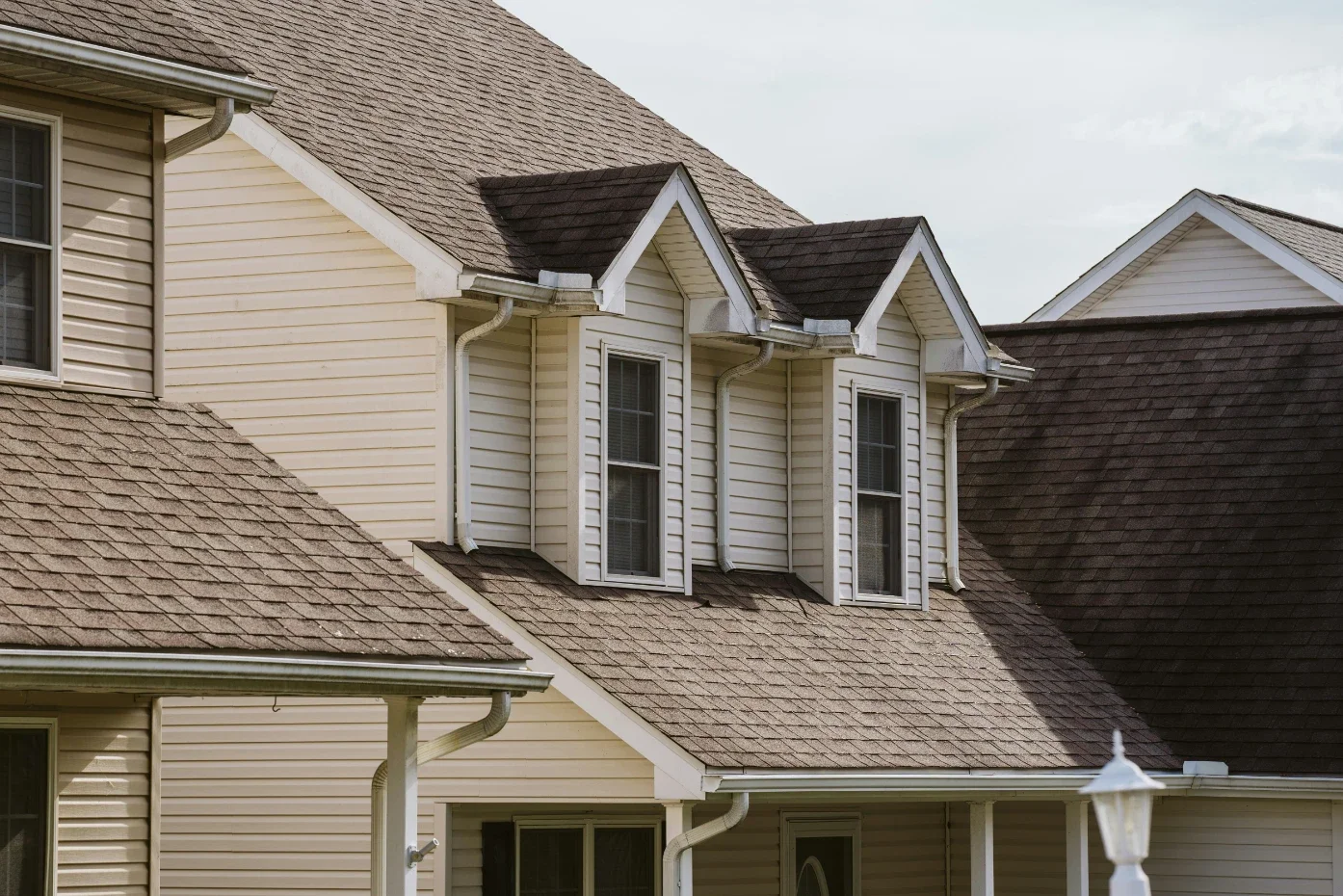
Roofing products change over time. Colors weather. Manufacturers update product lines. Dimensions and profiles can shift. Previous repairs may introduce materials that are different from the original installation. Even when a visually similar product can be found, it still has to integrate properly with the surrounding roof.
That is why a small repair can become a matching problem long before it becomes an installation problem.
The Existing Roof Has Changed Since Installation Day
New roofing material begins aging as soon as it is exposed to the weather.
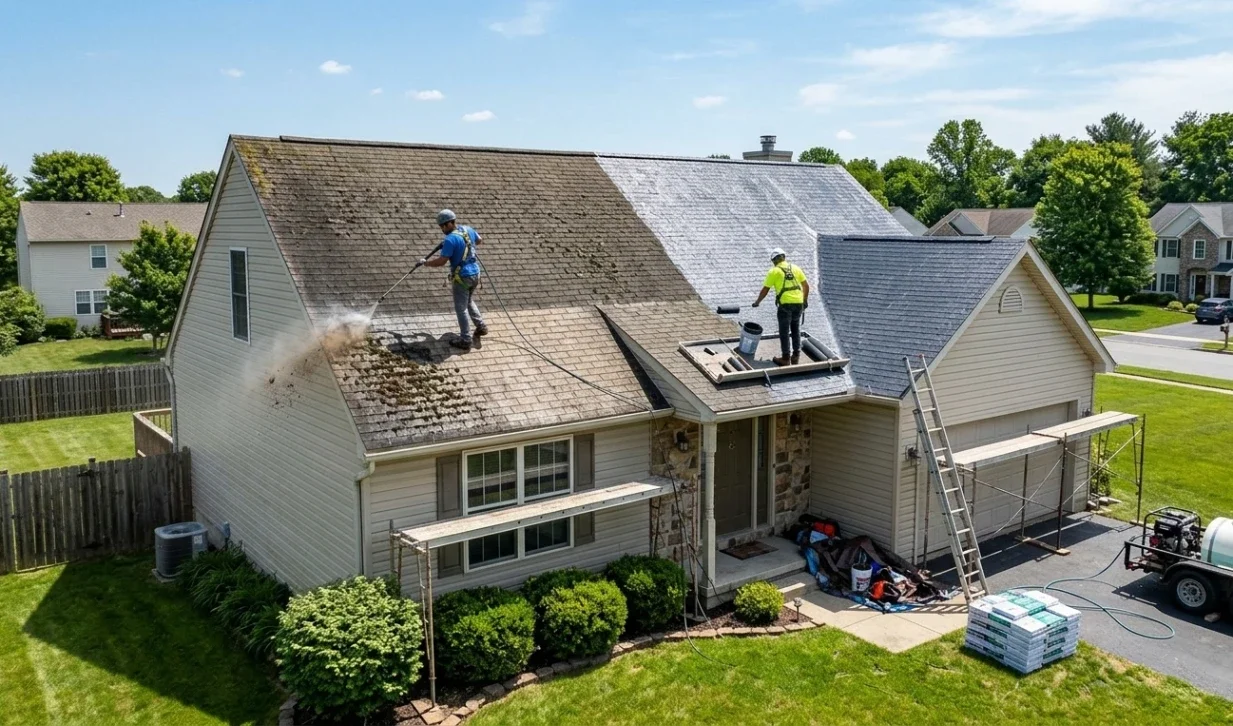
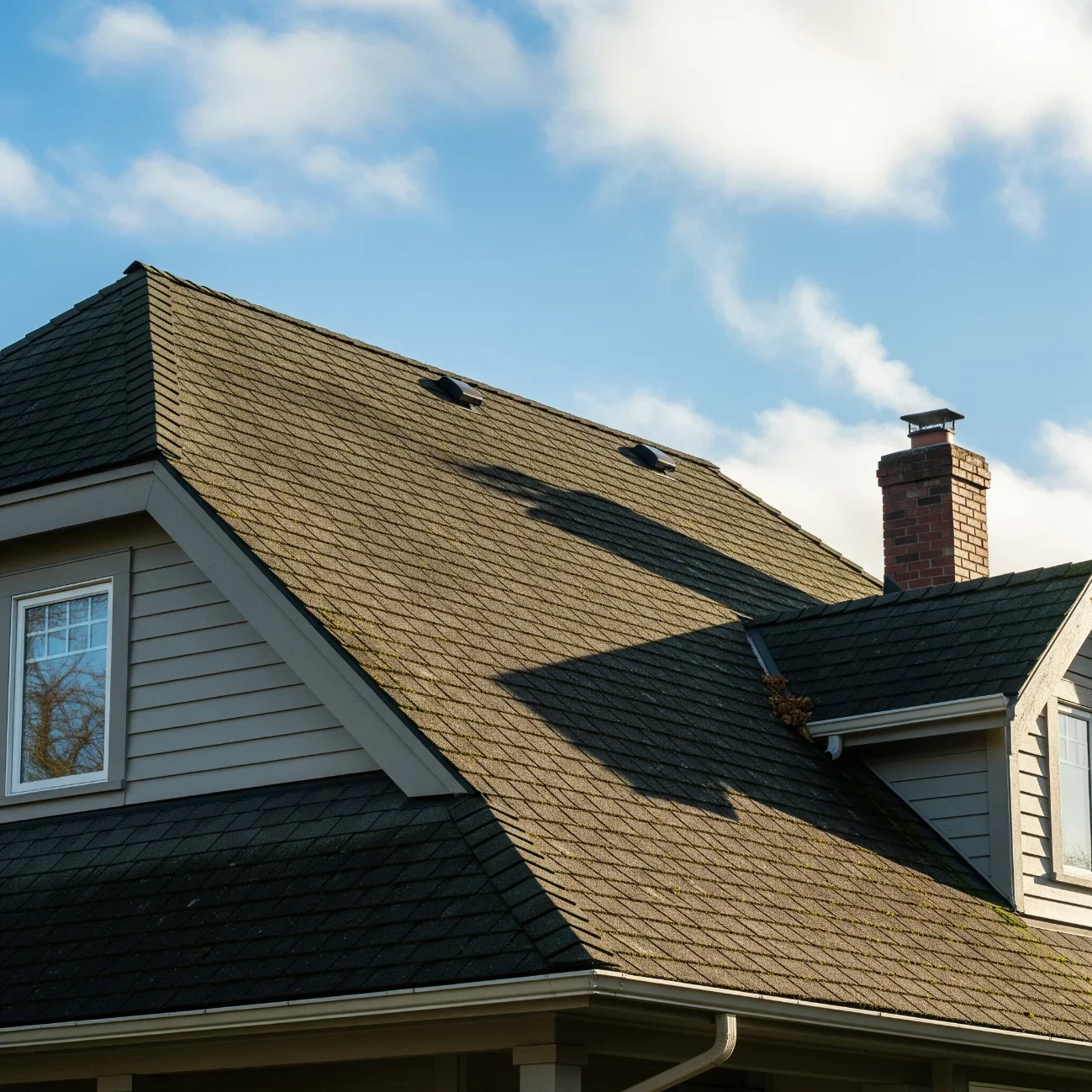
Sunlight can alter color. Granule appearance may change. Dirt, shade, moisture, and normal weather exposure can make one roof plane look different from another.
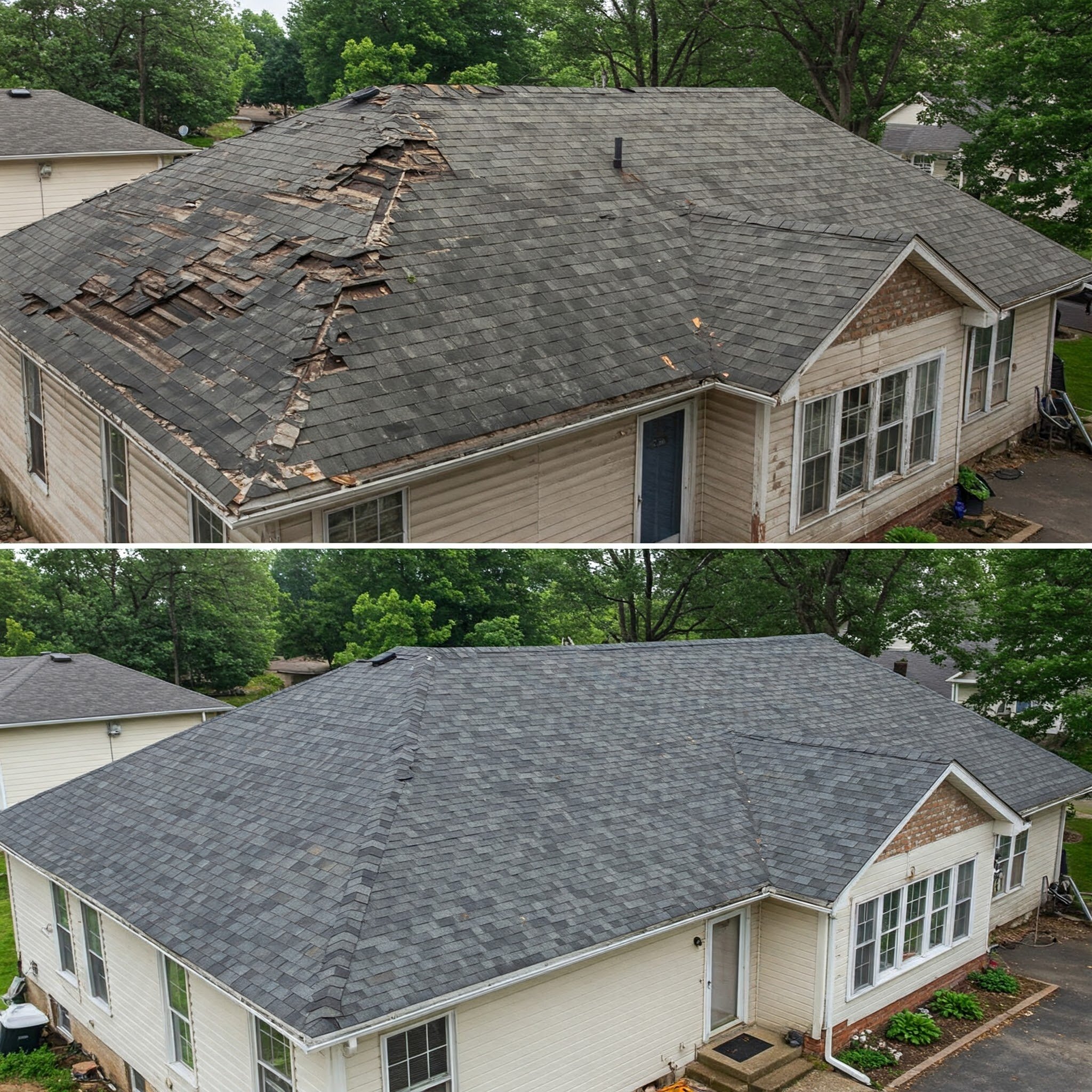
This means a replacement shingle taken directly from a new bundle may not visually match roofing that has been on the house for years, even if it comes from the same original color family.
That difference does not automatically mean the repair is wrong.
Aesthetic matching and functional compatibility are two separate questions.
The first asks whether the repaired area blends visually. The second asks whether the new material can be installed correctly with the existing roof system.
Both matter, but they are not always equally achievable.
Product Lines Do Not Stay Frozen Forever
Roofing manufacturers update products for many reasons.
Colors may be renamed, reformulated, or discontinued. Shingle lines can change dimensions, exposure, thickness, or construction. Packaging may look similar even when the product itself is not an exact match for something installed years earlier.
This becomes especially relevant on older roofs.
A homeowner may know the original color but not the manufacturer. Another may know the brand but not the exact product line.
Without records, identifying the existing material may require closer inspection.
Even then, finding a current product that matches both appearance and installation characteristics may take more effort than simply selecting the closest color from a sample board.
A Roofing Supplier Can Be Part of the Matching Process
Material availability can shape the repair plan before any damaged roofing is removed.
Contractors may need to compare current shingle dimensions, profiles, accessories, underlayments, ventilation products, or flashing materials against what is already installed.
This is where a roofing supplier can be relevant to the repair process, particularly when the question is not merely “What color is closest?” but “Which current materials can work properly with the existing assembly?”
The distinction matters.
A visually similar product is not useful if its dimensions or installation requirements make it unsuitable for the surrounding roof.
Material sourcing is therefore part of the technical planning, not just a shopping step.
Color Matching Is Only One Part of Compatibility
Homeowners naturally notice color first.
That is what can be seen from the driveway.
Roofing repairs, however, depend on details that are less obvious from the ground.
The exposure of each shingle course matters. So does the nailing area. Thickness can influence how the replacement section sits beside older material. Edge profiles and sealing strips may also differ among products.
A good repair has to integrate with the roof physically.
If a new material cannot be installed without forcing awkward overlaps or leaving unusual transitions, an exact color match would not solve the underlying problem.
Appearance matters most after compatibility has already been established.
Weathering Can Make a Perfect Match Impossible
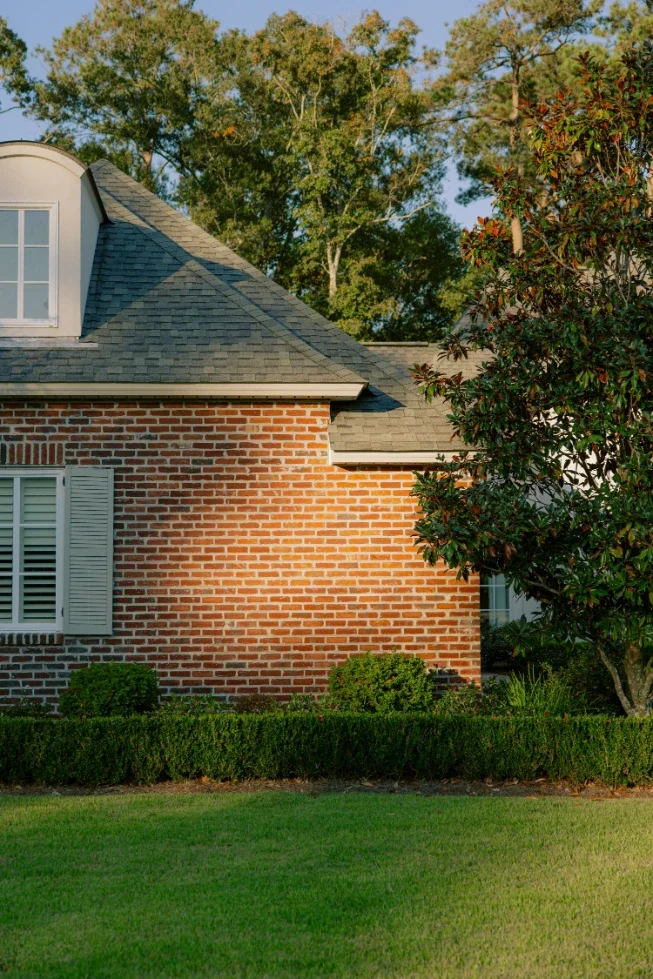
Even if the original product is still manufactured, the roof may no longer look the way it did when it was new.
Several years of exposure can change the visual appearance enough that fresh shingles stand out temporarily.
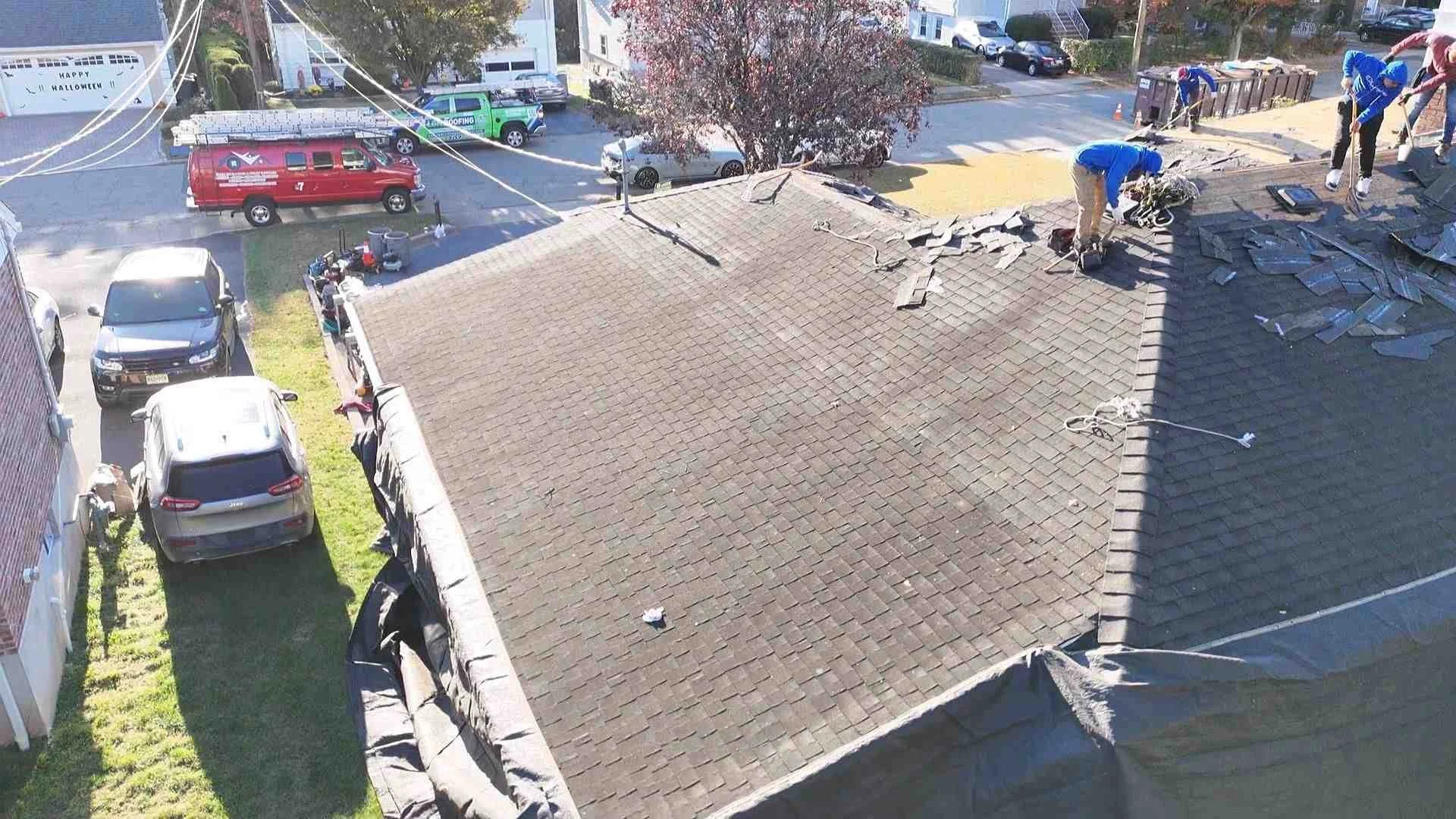
This is particularly noticeable when only a small patch is replaced in an otherwise uniform roof plane.
The repaired area may appear darker, cleaner, or more saturated.
Homeowners should discuss this possibility before work begins rather than discovering it afterward.
In some cases, the contrast may soften over time as the new material weathers. In others, a visible difference may remain.
The important point is to separate a cosmetic mismatch from a functional repair problem.
Flashing Can Turn a Shingle Repair Into a Larger Job
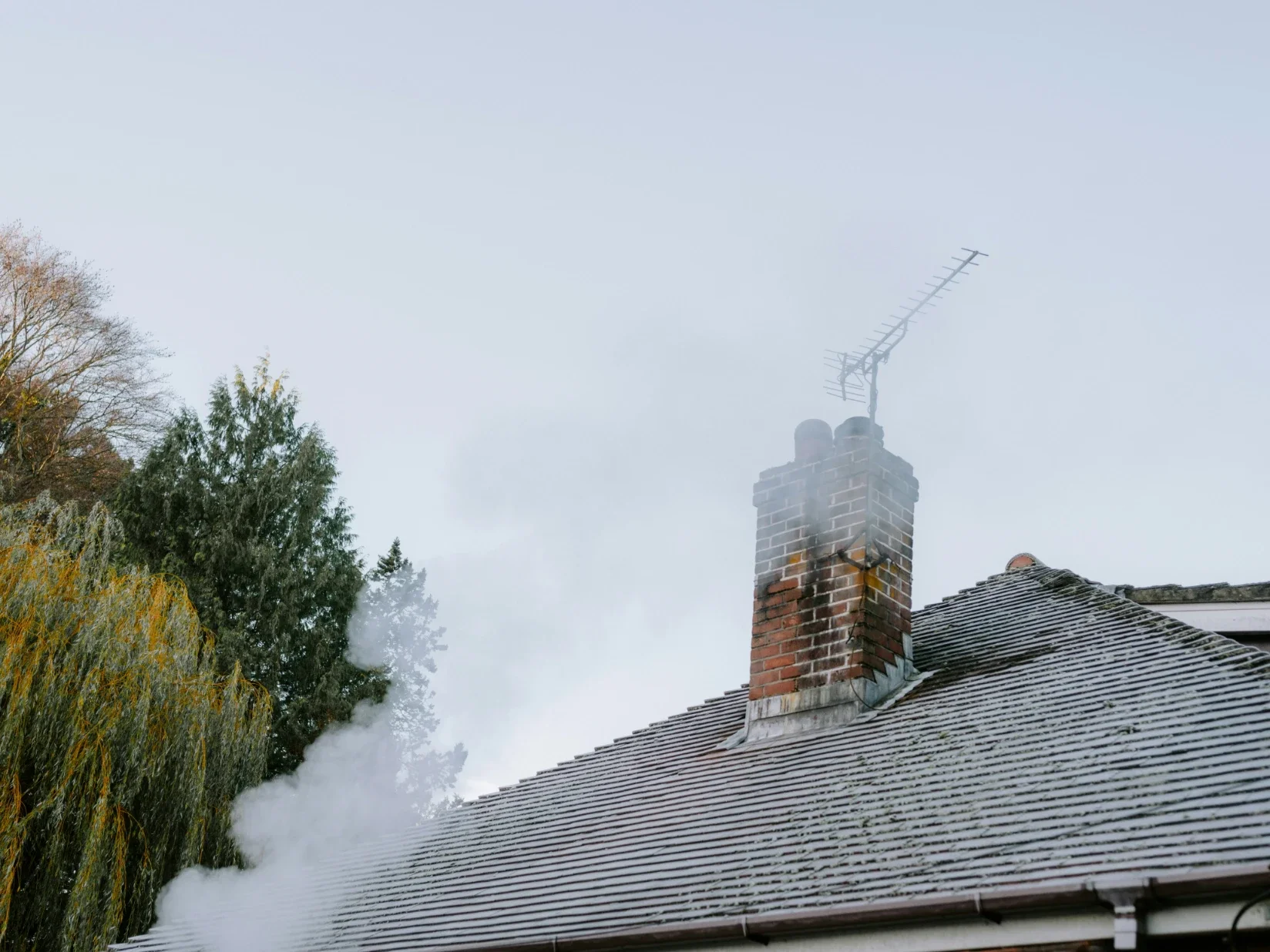
A repair near a chimney, wall, skylight, vent, or roof intersection is rarely about shingles alone.
These areas depend on flashing and overlapping layers to direct water correctly.
If damage sits beside one of these transitions, the contractor may need to remove more roofing than the visible problem suggests.
The existing flashing may need to be examined or replaced. Adjacent materials may have to be lifted to rebuild the water-shedding sequence in the correct order.
That is why a five-shingle problem does not always produce a five-shingle repair.
Location can matter more than visible size.
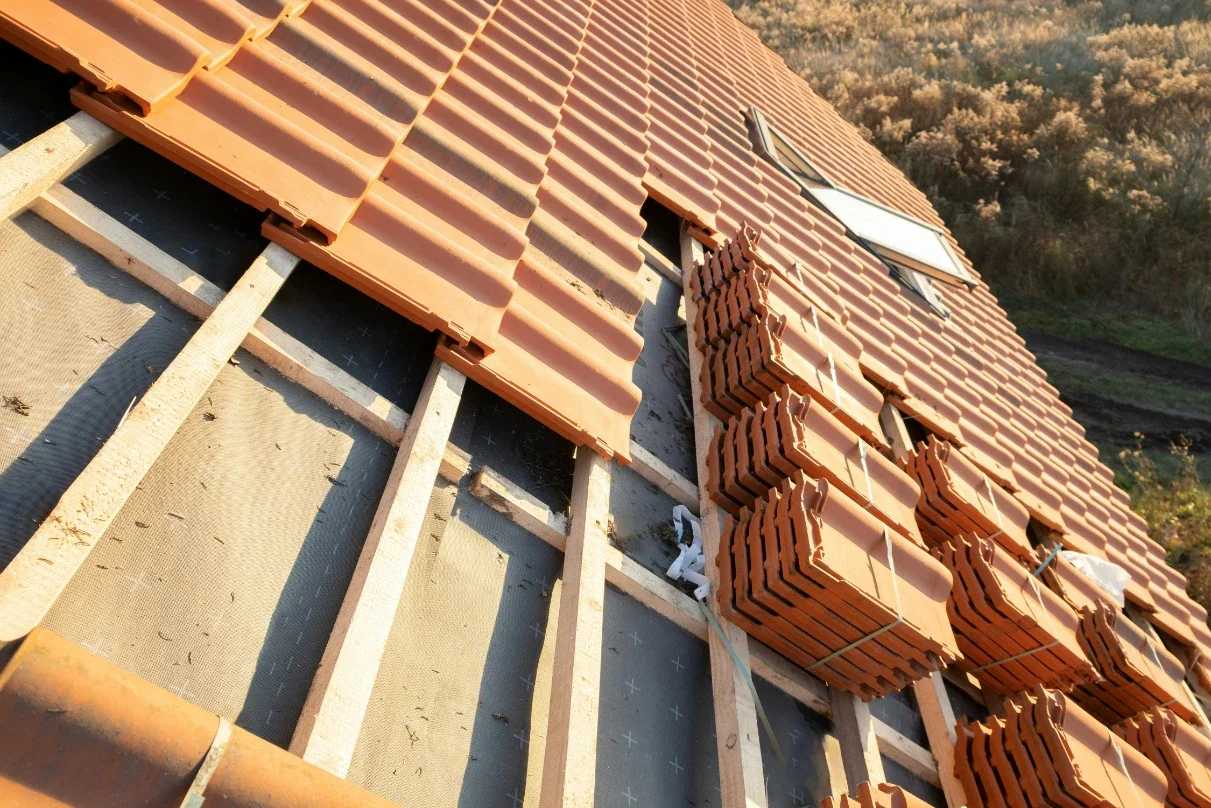
Underlayment Is Hidden but Still Part of the Repair
The roofing surface is only the top layer of the assembly.
If water has entered beneath the shingles, the condition of underlayment and roof decking may become relevant.
A localized surface defect may have caused little or no damage below.
Another problem that looks equally small from outside may have allowed moisture to reach deeper materials.
The actual repair scope cannot always be confirmed until the affected section is opened.
This uncertainty is one reason precise diagnosis matters before the work is reduced to a simple price-per-shingle calculation.
The roof has to be repaired according to what is found, not just what was visible before removal.
Previous Repairs Can Make Matching Harder
Older roofs sometimes contain several generations of repair work.
A previous contractor may have used a slightly different shingle. Another repair may include sealant, replacement flashing, or fasteners positioned differently from the original installation.
These changes become part of the next repair.
A section that looks original from the ground may already contain substituted material.
Heavy patching can also conceal how the underlying detail was originally assembled.
This is where repairability becomes important.
Each repair should solve the current problem without making the next repair unnecessarily difficult to understand.
The Original Installation Method Matters
Roofing materials are designed to work as part of a system.
How they were installed affects what can be done later.
Shingle exposure, fastening patterns, flashing sequence, ventilation details, and the relationship between adjacent roof sections all influence repair choices.
A replacement material that seems similar may not fit cleanly if the surrounding roof was installed with different dimensions or methods.
This is why a careful repair begins by studying what is already there.
The existing roof is not merely the background for new material. It defines many of the constraints the repair has to respect.
Professional Repair Means Deciding How Far to Open the Roof
Once compatible materials have been identified, another question remains: how much of the existing roof should be disturbed?
Opening too little can leave damaged flashing, underlayment, or decking hidden beneath a cosmetic patch. Opening too much can create unnecessary disruption to otherwise sound roofing.
Homeowners discussing Professional roof repair can ask how the proposed repair area was determined, what surrounding components may need inspection, and what would cause the scope to expand once the damaged section is opened.
That conversation is more useful than focusing only on the number of visible damaged shingles.
The goal is to repair enough of the assembly to restore the water-shedding path without rebuilding sound areas without reason.
Keeping Roofing Records Has More Value Than It Seems
A folder containing old roofing information may seem unimportant until a small repair is needed years later.
Useful records can include:
Manufacturer and product name
Color
Installation date
Contractor invoices
Warranty documents
Photos taken during installation
Records of later repairs
Leftover material labels, if available
These details can make identifying the existing roof much easier.
Photos are especially helpful around flashing, valleys, penetrations, and other areas that become hidden once the installation is complete.
The more clearly the roof's history is documented, the less guesswork may be needed later.
A Small Repair Should Still Respect the Whole Roof
A localized repair should not be treated as an isolated patch floating on top of an unrelated roof.
The replacement material has to connect with existing courses. Flashing has to remain correctly layered. Water must continue moving in the intended direction.
Visual integration matters too, especially on highly visible roof slopes.
But the best repair is not necessarily the one that disappears completely from the street.
It is the one that restores the roof correctly while using the closest reasonable material match available.
That may sometimes require explaining why a perfect cosmetic match is not realistic on an older roof.
The Real Puzzle Is Making New Material Work With Old Material
Small roof repairs become complicated because the roof already has a history.
Its materials have weathered. Product lines may have changed. Previous repairs may have altered individual sections. Flashing and underlayment may be involved even when the visible damage appears limited.
Finding a matching shingle is therefore only one part of the job.
The larger question is whether new material can be integrated cleanly with an existing system that may be many years old.
That is why a good repair begins with identification, compatibility, and diagnosis before installation.
The damaged area may be small, but the decisions needed to repair it correctly can extend well beyond the few shingles visible from the ground.
Stay up to date with our latest ideas!