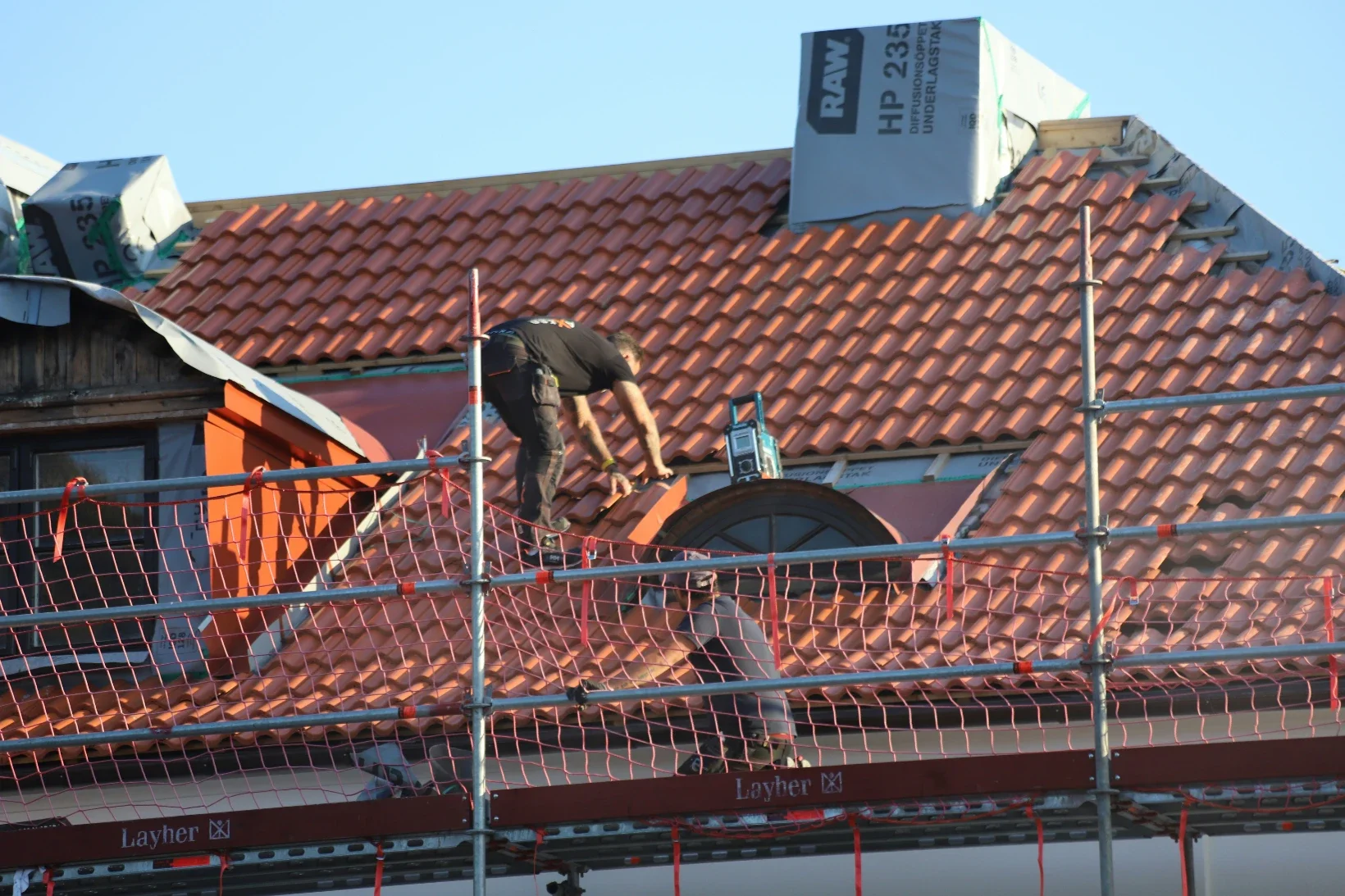
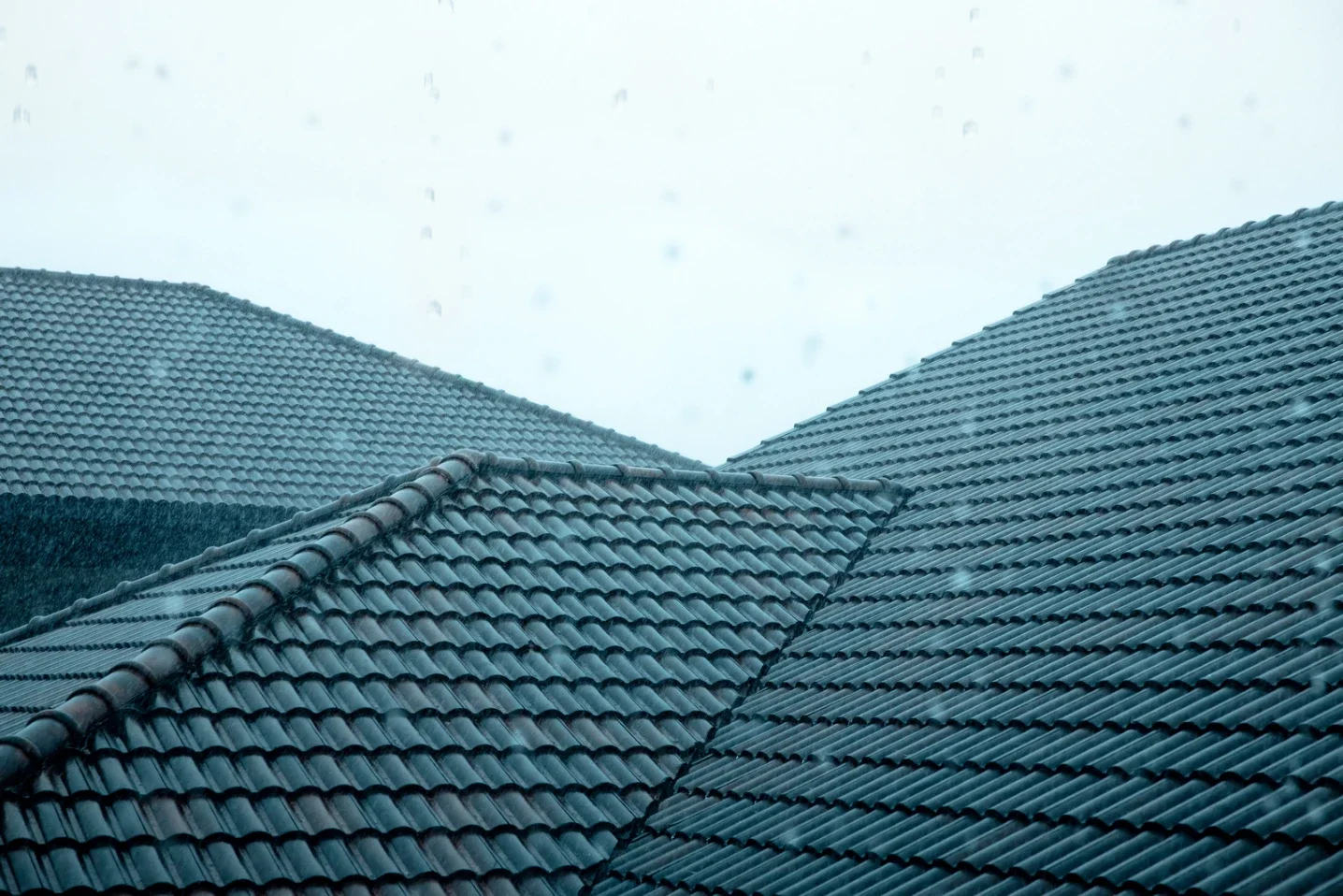
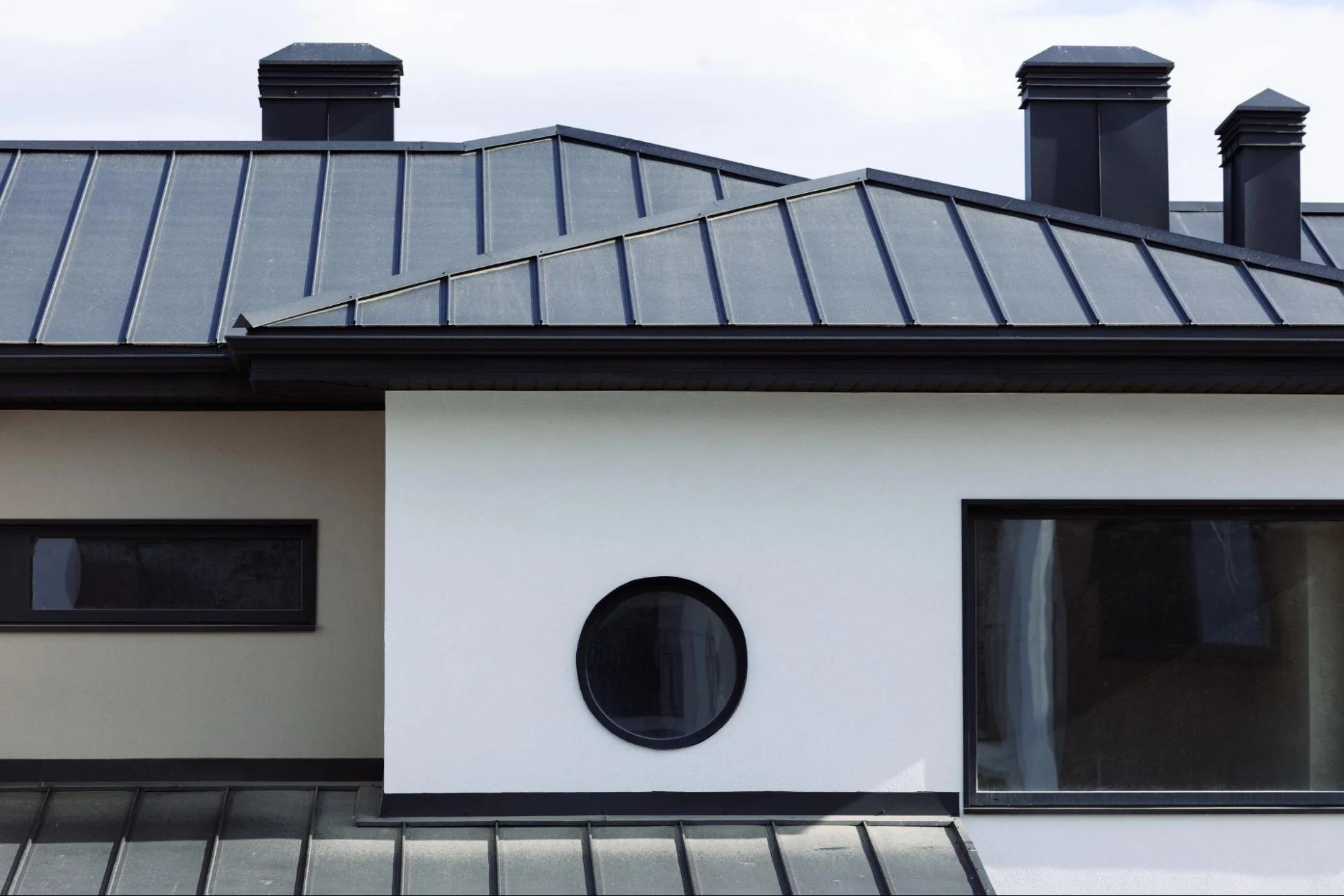
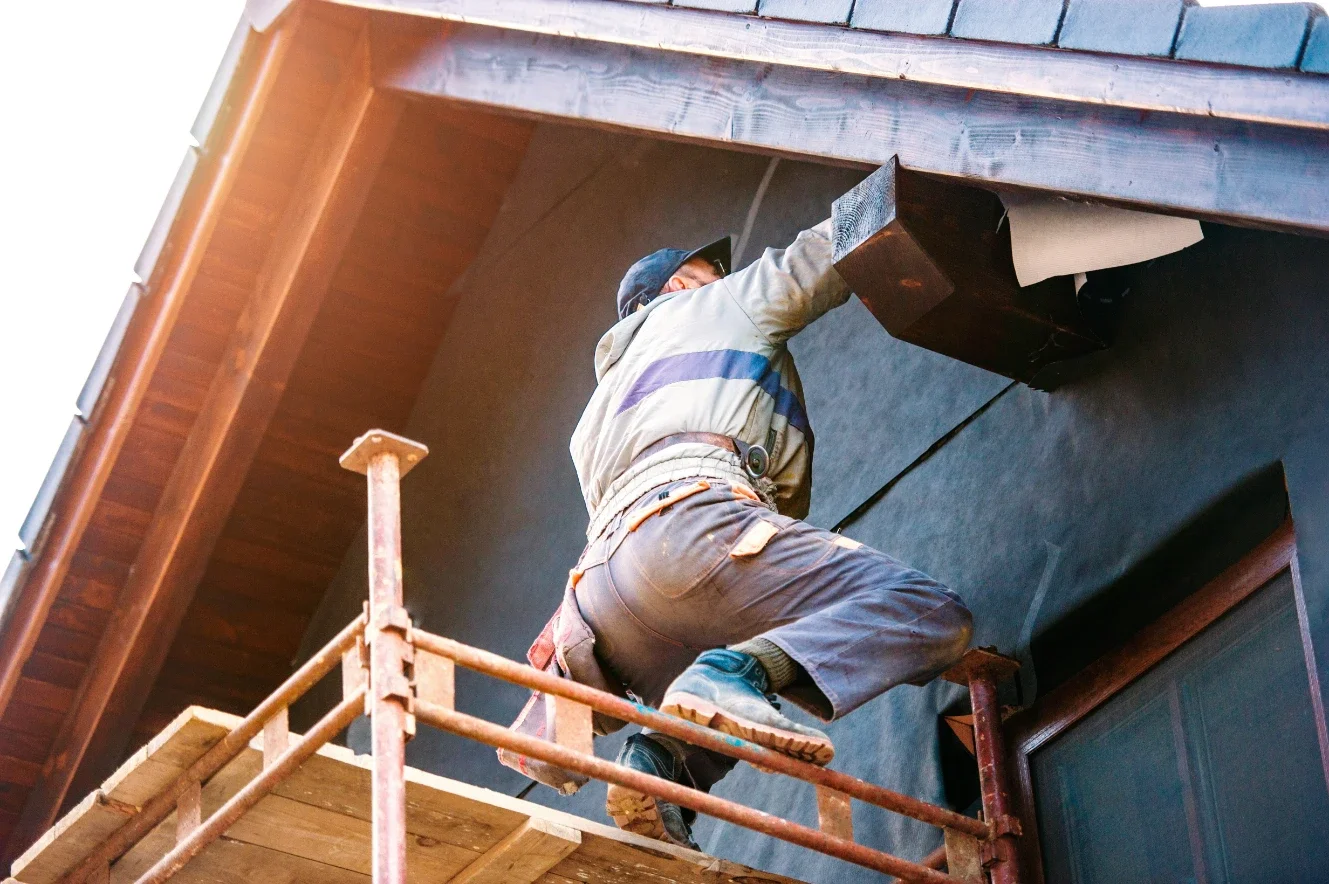
How to Know When It’s Time to Replace Your Roof
Learn how to know when it’s time to replace your roof, with key warning signs involving age, leaks, damage, shingles, insulation, and energy efficiency.
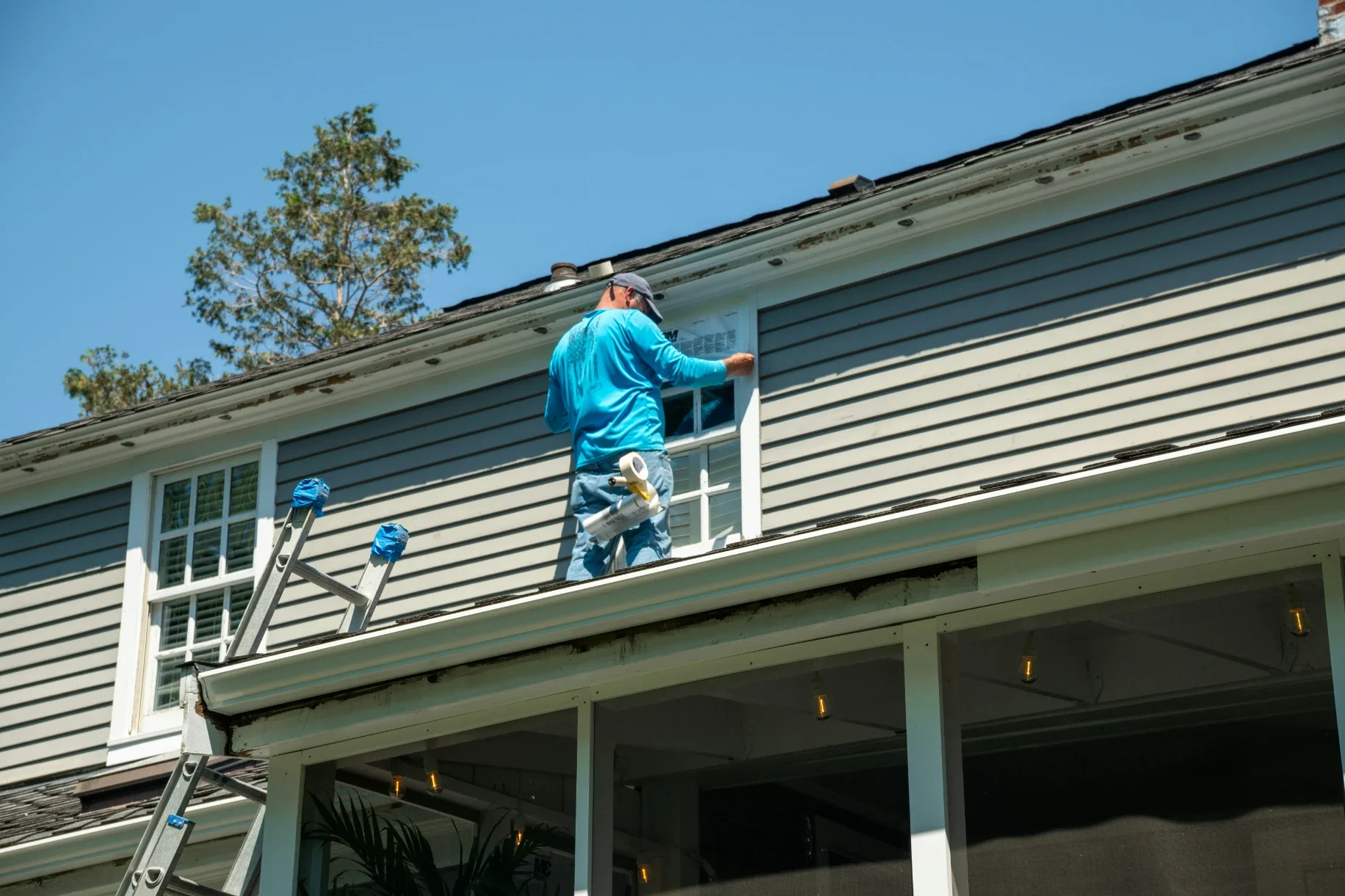
Your roof may look fine from the ground, yet develop major problems that affect your home over time. One major issue most homeowners face is knowing when to replace their roof rather than patch another leak.
Signs such as aging materials, sagging areas, water stains, and damaged shingles can indicate your roof is nearing the end of its life. Consider all of these, along with your roof's age, when deciding. This updated September 2026 guide helps you understand when it's time to replace.
Watch Out for Warning Signs
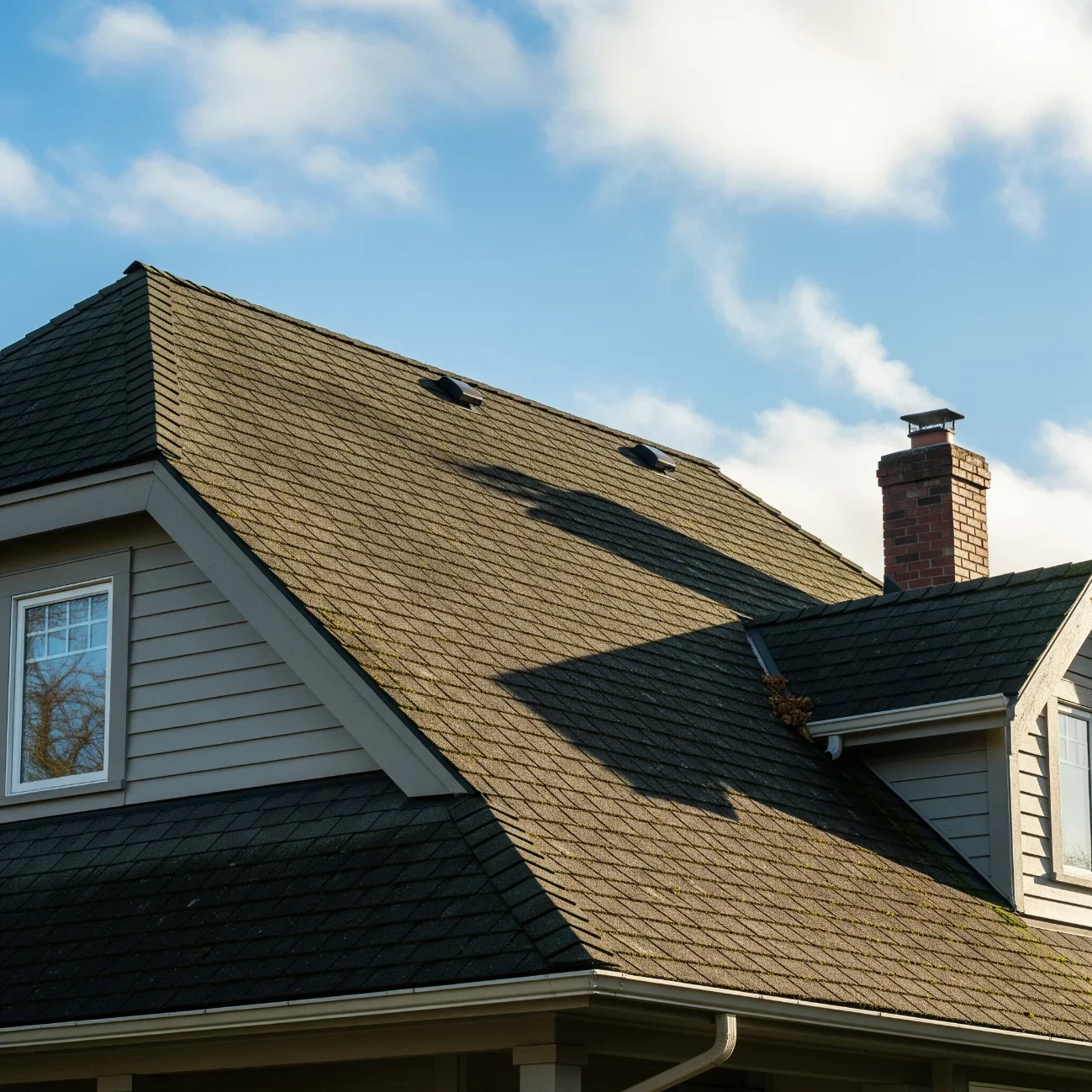
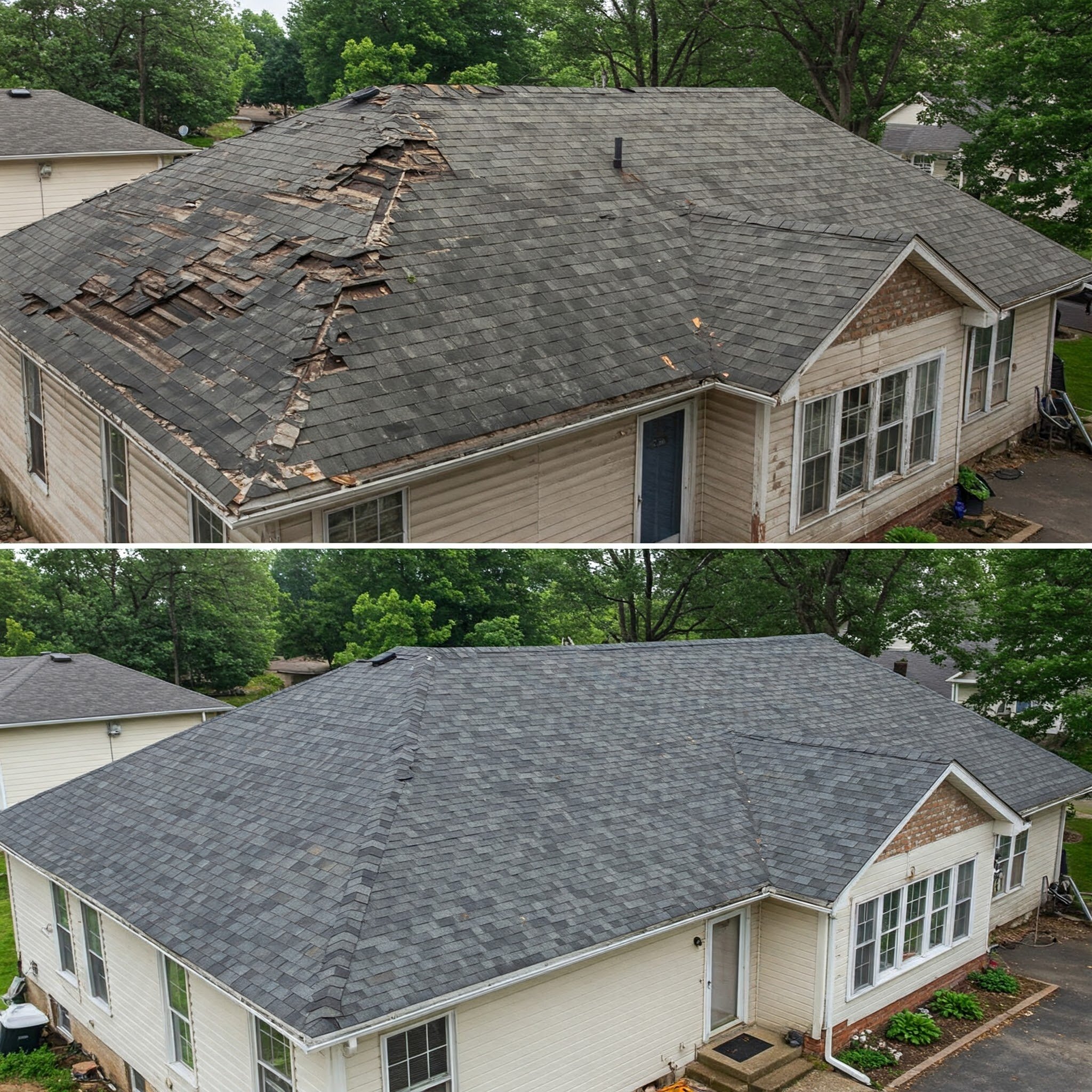
Since your roof is your home’s primary line of defense, you must catch warning signs early before they turn into costly structural damage. Careful monitoring helps you plan for a replacement well in advance. Certain signs show that it’s time to replace; these include:
Curling or buckling shingles
Missing shingles
Dark streaks
Moss growth
Frequent leaks or water stains
Why this step matters: Delaying a necessary replacement might save money upfront. However, it can lead to severe, hidden financial consequences over time.
Best practices:
Conduct biannual inspections
Safely inspect with binoculars or a camera zoom lens
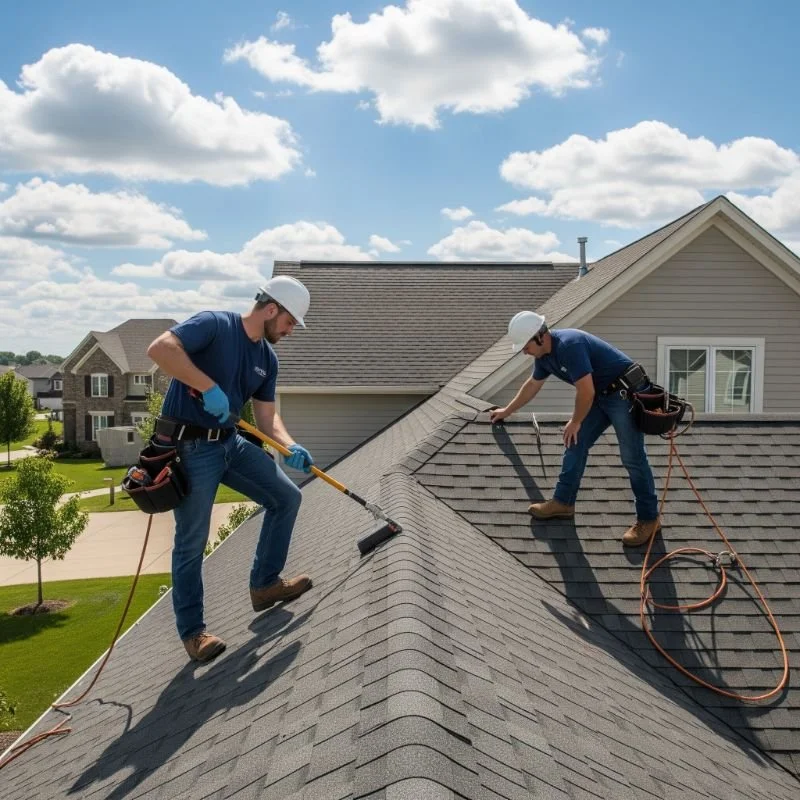
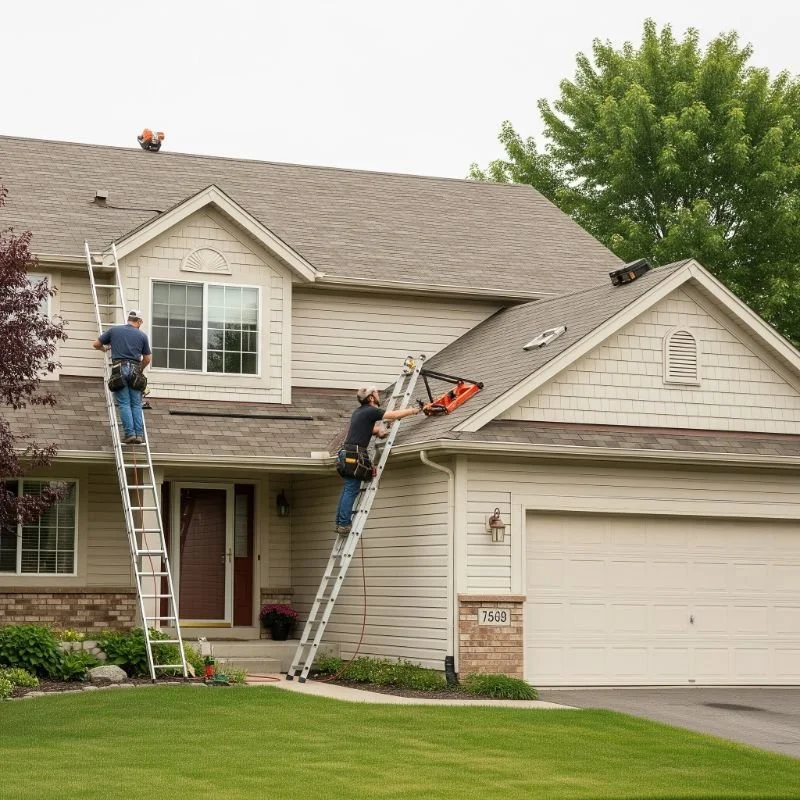
Hire a certified professional
Common mistakes to avoid:
Ignoring the flashing
Waiting for a catastrophic failure
Layering new shingles over old ones
Check the Age of Your Roof
Your roof's age serves as the most reliable baseline for predicting material degradation. Because roof materials degrade predictably, knowing the roof’s age lets you replace it before it causes active leaks or structural wood rot. You can use paperwork audits, public building permit records, or inquiries to previous owners to determine your roof's age.
Why this step matters: All roofing materials have a fixed lifespan. Even if a roof looks perfect from the ground, the underlying layers degrade over time.
Best practices:
Look for official documentation
Figure out the material lifespan
Match the age with physical signs of wear
Common mistakes to avoid:
Believing a roof is healthy because there are no leaks
Depending solely on visual inspection
Ignoring local climate factors
Inspect the Roof After Weather Events
You can often tell it is time to replace your roof after a severe weather event. These events make widespread structural compromises, heavy granule loss, or multiple major leaks more obvious. This signals that the material can no longer protect your home.
Why this step matters: Identifying sagging lines or rotted decking right after a storm lets you prevent minor moisture issues from rotting your home's framing.
Best practices:
Check the gutters and valleys
Inspect the attic and interior
Inspect from the ground
Common mistakes to avoid:
Climbing onto a wet roof
Doing endless patch jobs
Waiting for an obvious indoor leak
Pay Attention to the Frequency of Repairs
The frequency of your roof repairs is one of the most reliable ways to know when to stop patching and start replacing. When you constantly repair a roof, you are often just treating symptoms of widespread, systemic failure. Instead, focus on solving the underlying issue.
Why this step matters: A roof that needs frequent attention likely has slow, undetected leaks. Over time, these leaks rot your wooden decking, ruin insulation, and damage your home.
Best practices:
Document and map every repair
Weigh the frequency of repairs against the roof's age
After a repair, assess how much useful life the rest of the roof has left
Common mistakes to avoid:
Waiting for a major leak to act
Chasing the cheapest estimate
Treating random leaks as separate incidents
Top Companies Offering Roof Replacements
If you’ve determined that your home needs a new roof, the next important step is to find a reliable contractor. Given that there are over 114,000 roofing companies in the United States, according to LeadsMunch, you must choose one that matches your needs. Here are some options for you:
Armour Roofing and Construction
Roof replacement process and timeline: The process begins with a comprehensive, no-obligation roof assessment or storm damage evaluation. For an average residential home, the process takes one to three days.
Roofing materials: Asphalt shingles, engineered wood, composite, metal, and custom components.
Roof color/style matching to the home exterior: The company matches new roofs to the home's existing style, including weathered wood, charcoal, and slate.
Solar panel integration and aesthetics: New roof profiles are laid out to maximize structural uniformity, creating flat planes for post-roofing solar mounts if the homeowner chooses.
Curb appeal and home resale value: A complete system replacement addresses visible wear such as curling, bald granule loss, and staining, contributing to a home's curb appeal and resale value.
Cost/pricing ranges and financing options: Roof replacements can cost up to $20,000, depending on square footage, pitch, and material selection. So, the company provides 100% financing plans with monthly payments.
Energy efficiency and sustainability: The company uses modern shingles and advanced attic ventilation systems to improve energy efficiency.
Maintenance and lifespan by material type: Asphalt shingles generally last 15 to 30 years, while upgraded metal roof installations last up to 50 years. The company recommends clearing out gutter tracks, trimming low-hanging tree branches, and scheduling annual professional inspections.
Local climate considerations: The company builds roofs to withstand the state's heavy winter snow loads, rapid temperature swings, high-plains winds, and severe summer hail.
Landscaping/exterior design pairing: The company pairs roof tones with custom-selected trim, gutters, and downspouts while preserving existing yard features during projects.
Armour Roofing and Construction is a licensed exterior contractor in South Dakota. Given that South Dakota had an estimated 429,698 housing units as of July 2025, this company specializes in residential and commercial roofing, storm damage restoration, siding, windows, and gutters. Its services cover locations like Spearfish, Rapid City, Sturgis, and Tea/Sioux Falls.
Pros
Familiar with South Dakota building codes and climate
Uses yard-protection protocols during projects
Cons
Options like copper gutters can be costly
Balmer Roofing and Solar
Roof replacement process and timeline: Projects start with a photo-documented roof inspection and damage assessment. Standard residential roof replacements or combined roof and solar installations typically take one to two days on-site.
Roofing materials: Asphalt shingles, metal roofing, Thermoplastic Polyolefin (TPO), and modified bitumen flat roofing systems.
Roof color/style matching to home exterior: The company offers several designer shingles that match various home styles, from traditional Craftsman to modern farmhouses.
Solar panel integration and aesthetics: The company mounts solar panels at the exact same time the roof is replaced.
Curb appeal and home resale value: A new roof increases immediate property value and comes with a transferable product-and-labor warranty of up to 50 years.
Cost/pricing ranges and financing options: Average roof replacements generally range from $8,000 to $20,000, depending on size and design. Balmer hosts an in-house Consumer Credit Center that offers promotional financing, short and long-term loans, and unsecured loan products.
Energy efficiency and sustainability: The company uses cool-roof shingle lines and high-performance TPO membranes that reflect solar radiation. They also integrate solar arrays for people looking to cut their monthly utility bills.
Maintenance and lifespan by material type: Asphalt shingles last 20 to 30 years and require minor periodic checks for localized wind damage from storms. Metal and low-slope systems offer lifetimes extending beyond 50 years but require minimal recurring lifecycle maintenance.
Local climate considerations: Systems are designed for sudden windstorms, heavy snowfall, and heavy seasonal hail characteristic of Eastern Kansas and Western Missouri.
Landscaping/exterior design pairing: Beyond roofing, they install fiber-cement siding and custom gutter systems.
Balmer Roofing and Solar offers roof replacement Kansas City. It is a locally owned and operated exterior contractor based in Tonganoxie. Based on their LinkedIn profile, the company offers residential and commercial roof replacements, storm-damage restoration, and advanced solar integrations. Given that Kansas City has experienced extreme weather, including 62 hail events so far in 2026, this company offers roof replacements for residents.
Pros
Certified as a GAF Master Elite Contractor
Offers a 50-year combined product and labor warranty
Cons
Services are restricted to Eastern Kansas and Western Missouri
Buck Roofing
Roof replacement process and timeline: Every project begins with an on-site inspection, followed by preparation, tear-off, installation, and cleanup. The installation timeline for a standard home typically spans one to three days.
Roofing materials: Asphalt shingles, metal roofing systems, Thermoplastic Olefin (TPO), EPDM rubber, PVC, and custom sheet metal fabrication.
Roof color/style matching to home exterior: The company evaluates your home's exterior palette to pair shingle profiles or metal tones with the existing architectural style.
Solar panel integration and aesthetics: The company evaluates the underlying structural loads and coordinates roof preparation if you intend to mount solar equipment later.
Curb appeal and home resale value: Since Buck Roofing also offers Siding Installation and gutter/downspout replacement, homeowners can enjoy higher property market values.
Cost/pricing ranges and financing options: Projects require an on-site evaluation for pricing. To determine upfront costs, the company provides roof financing options.
Energy efficiency and sustainability: They install reflective roofs that keep interior spaces insulated and lower month-to-month operational utility costs.
Maintenance and lifespan by material type: Shingle options have a 15 to 30-year lifespan, while metal and advanced commercial applications last 15 to 50 years. A biannual professional roofing inspection helps to identify and fix issues early.
Local climate considerations: Their roofs are built to withstand local climate shifts, including heavy snow loads, rapid freezing/thawing cycles, and severe spring storm hail damage.
Landscaping/exterior design pairing: The company protects ground landscaping, perimeter shrubs, and delicate garden zones from stray falling construction debris during roof replacement projects.
Buck Roofing and Construction is a full-service residential and commercial contractor. The company specializes in residential and commercial roofing solutions primarily across Kansas City, Lawrence, and Manhattan. In addition to roof replacements, they offer emergency services, especially given that Kansas recorded 82,498 reported storm insurance claims in 2025 alone.
Pros
Features a seven-year workmanship warranty
Has dedicated 24-hour emergency response repair crews
Cons
Does not provide final pricing unless after evaluations
Easton Roofing
Roof replacement process and timeline: Residential replacements take one to two days to complete, depending on the size and complexity. These projects start with an assessment to evaluate the current roof structure, insulation, and drainage.
Roofing materials: Asphalt shingles, impact-resistant shingles, metal roofing, TPO, PVC, and modified bitumen.
Roof color/style matching to home exterior: Integrates roof tones to blend with existing trim and materials.
Solar panel integration and aesthetics: During roofing projects, they provide a foundation and lifespan to match a solar array.
Curb appeal and home resale value: A new roof provides a huge return on investment. Clean architectural shingles give an appearance that buyers expect.
Cost/pricing ranges and financing options: Estimates range up to $100,000, depending on roof square footage, pitch, and material. The company also offers three-tier financing options.
Energy efficiency and sustainability: The company combines full roof replacements with attic insulation to improve efficiency.
Maintenance and lifespan by material type: Traditional shingles have a standard lifespan of roughly 20–25 years. Premium metal roofing has a lifespan of up to 70 years and requires less mid-life maintenance.
Local climate considerations: The company designs roofs for the Midwest's weather conditions, including heavy seasonal winds, freeze-thaw cycles, river-valley moisture, and severe hailstorms in Kansas City.
Landscaping/exterior design pairing: Easton Roofing installs gutters, downspouts, and siding options. They also deploy site-preparation safety tarps to protect existing landscaping.
Easton Roofing is a residential and commercial roofing contractor serving the Kansas City metro area, Lawrence, and surrounding communities. Given that 50% of housing units in the Kansas City metro were built before 1980, this company provides full roof replacements. Easton Roofing also offers attic insulation, waterproofing, siding, and custom-fit gutter systems.
Pros
Flexible financing options
The company works with insurance carriers
Cons
Potential timeline fluctuations
Comparing Roofing Companies
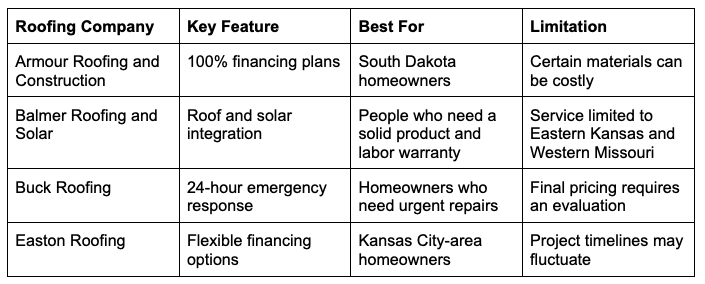
The outcome of your roof replacement project depends largely on the contractor you work with. While most offer similar services, it is important to consider factors such as the materials they use and their commitment to sustainability. Here is how they compare:
Conclusion
You now know when it’s time to replace your roof. You should be able to recognize warning signs, check your roof’s age, inspect it after severe weather, and keep track of how often it needs repairs. Also, you should consider the roof’s condition, material lifespan, repair history, climate, and contractor options before deciding on a replacement.
Next Steps
Check for curling, missing, or damaged shingles
Determine your roof’s age and material lifespan
Review the frequency and cost of past repairs
Compare roofing contractors, materials, warranties, and financing options
Choose a contractor that fits your home within your location
FAQ
What roofing materials can homeowners choose from?
Common options include asphalt shingles, metal roofing, TPO, PVC, and EPDM rubber. Homeowners can also go for modified bitumen, composite materials, and engineered wood for different applications and climates.
Can a new roof improve my home’s energy efficiency?
Modern shingles, reflective roofing systems, and improved attic ventilation can help regulate indoor temperatures. This means that they potentially reduce energy consumption throughout your home.
What should I check before hiring a roofing contractor?
Verify licensing, insurance, warranties, references, financing terms, and service areas. Also, check their experience with your roof type and local weather conditions before hiring.
Stay up to date with our latest ideas!