Winter Roof Maintenance Tips Every Homeowner Should Know
Learn essential winter roof maintenance tips every homeowner should know to prevent leaks, reduce damage, and protect their home during cold weather.
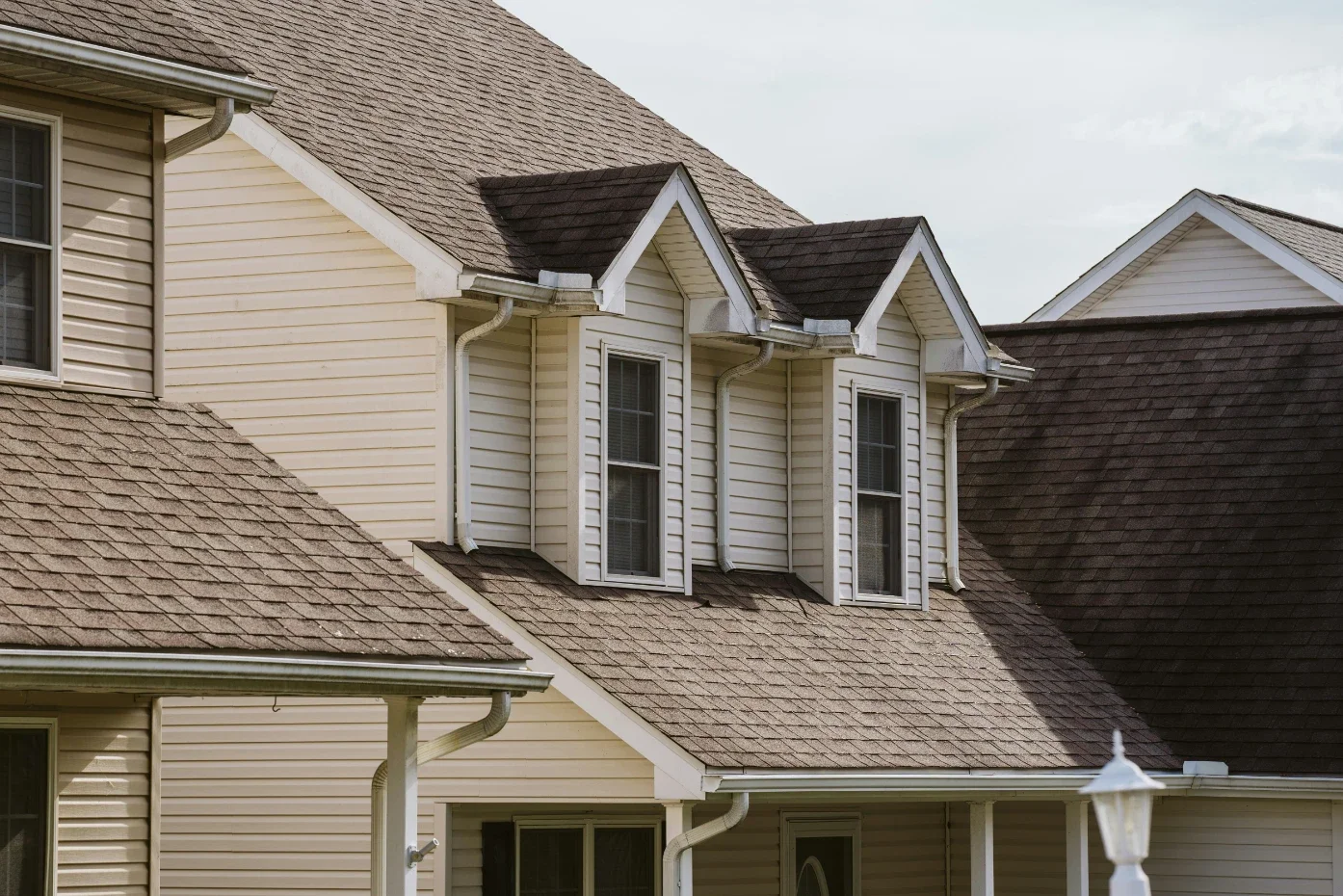
Your roof takes a beating during winter. You have snow piling up, ice forming in weird places, and temperature swings that go from 15 degrees to 40 and back again. Most people don't give their roof a second thought until water starts dripping through the ceiling. By then, you're looking at a mess.
But a little attention before and during winter can save you from those 2 a.m. panic calls to emergency roofing services. Here are actions you can take.
Get Your Roof Checked Before the First Snowfall
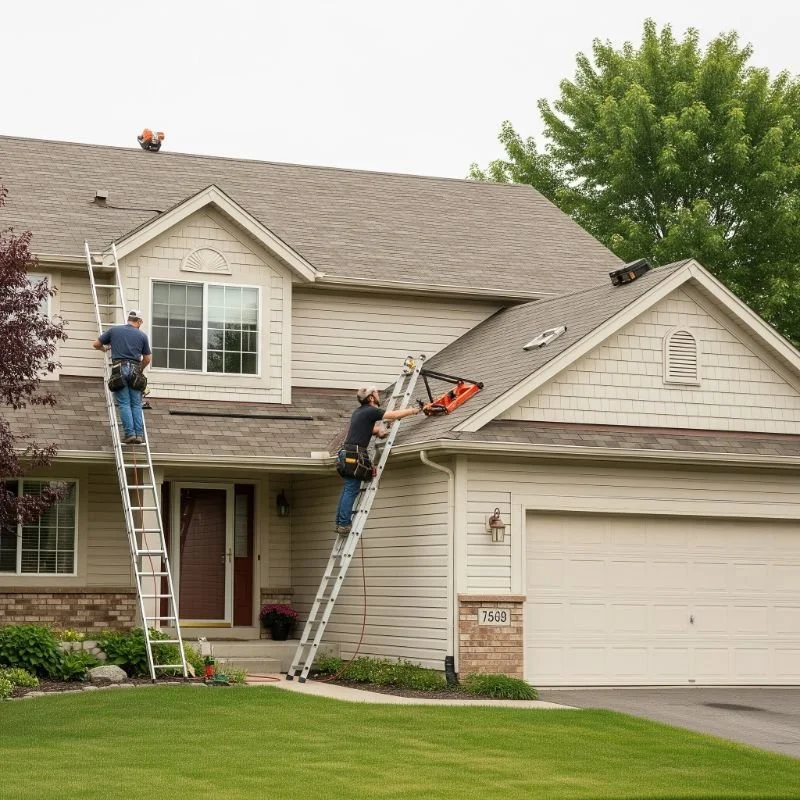
You need a professional roof inspection before winter hits. Yes, you can climb up a ladder and look around yourself, but you're probably going to miss stuff. Roofing experts know where problems hide.
If you're in the Midwest or anywhere that gets hammered by winter weather, find someone local who knows what they're dealing with. A Madison roofing contractor, for example, understands lake-effect snow and the specific problems it creates. They've seen what happens when 4-5 feet of snow sits on a roof for weeks. That knowledge matters.
Schedule this inspection in October or early November. Waiting until December means you're competing with everyone else who put it off, and good roofing contractors get booked solid.
Clean Your Gutters
Nobody likes cleaning gutters. It's cold, it's messy, and there's always more gunk up there than you expected. Do it anyway.
When gutters clog up with leaves and that weird decomposed sludge, water can't drain properly. It pools, freezes, and creates problems. Some of that water sneaks back under your shingles. Some of it just sits there and turns into a solid block of ice.
Gutter guards help, but they're not magic. You still need to check them. And if you're getting lots of snow, keep an eye on your gutters throughout winter. Those pretty icicles hanging down are a warning sign that something's not draining right.
Ice Dams Are Sneaky and Destructive
Heat escapes from your attic and warms up the roof. Snow melts, runs down, then hits the cold overhang and freezes solid. More water backs up behind that ice, and eventually it finds its way under your shingles and into your house.
The solution isn't really about the ice itself. If your attic insulation isn't doing its job, or if your attic ventilation is inadequate, heat escapes through your roof deck. That's what starts the whole cycle.
Go up to your attic on a cold day. It should feel nearly as cold as it is outside. If it's noticeably warmer, you've got a problem. That heat loss is costing you money on your energy bill and setting you up for ice damming.
Your ventilation system needs to let cold air flow through the attic. Soffit vents at the bottom, ridge vents at the top because this creates airflow that keeps temperatures consistent.
Know When to Remove Snow
Fresh snow powder runs about 7 pounds per cubic foot. But when wet, heavy snow can hit 20 pounds or more. When you're looking at several feet of accumulation, that's serious weight on your roofing system.
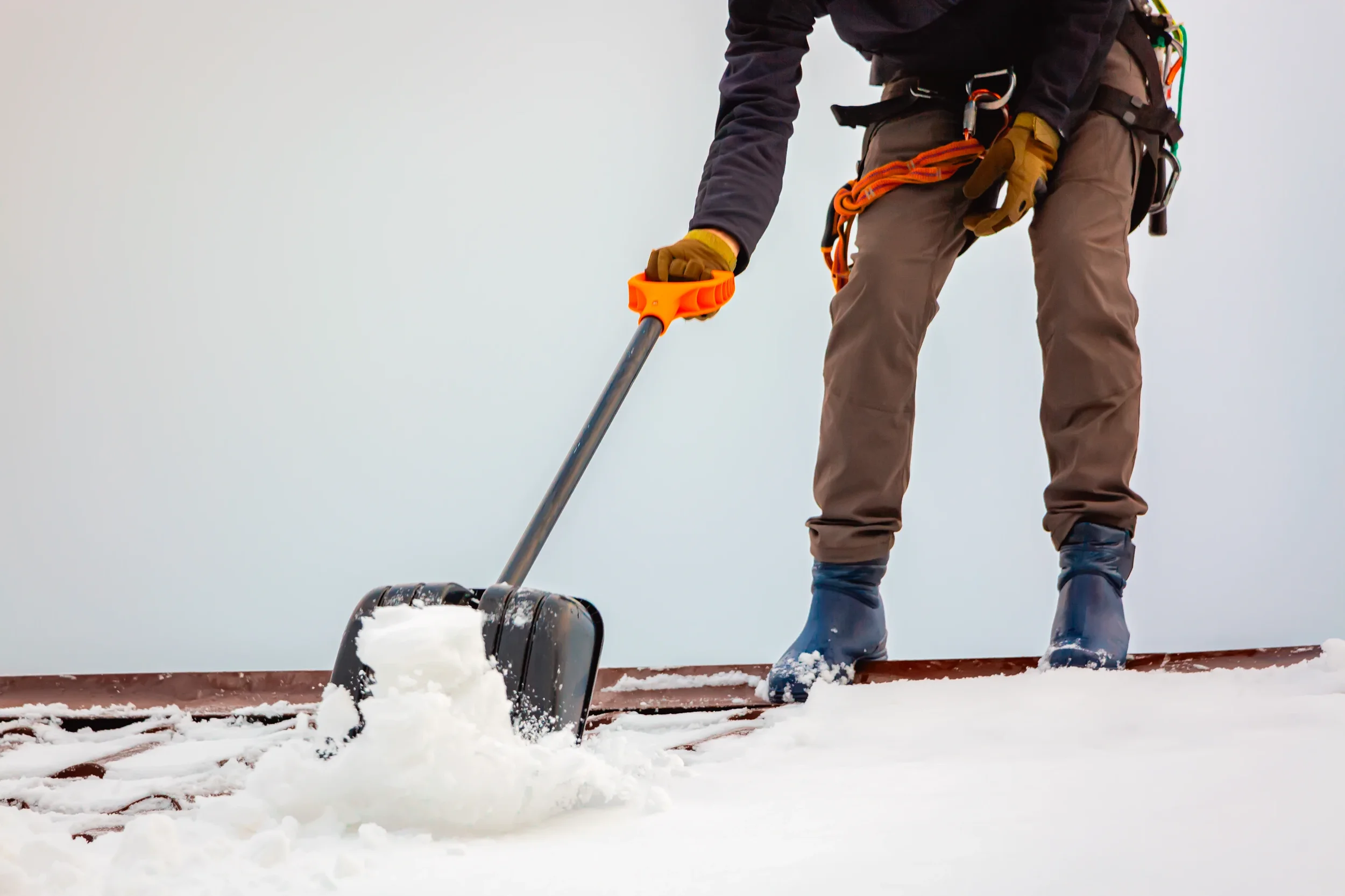
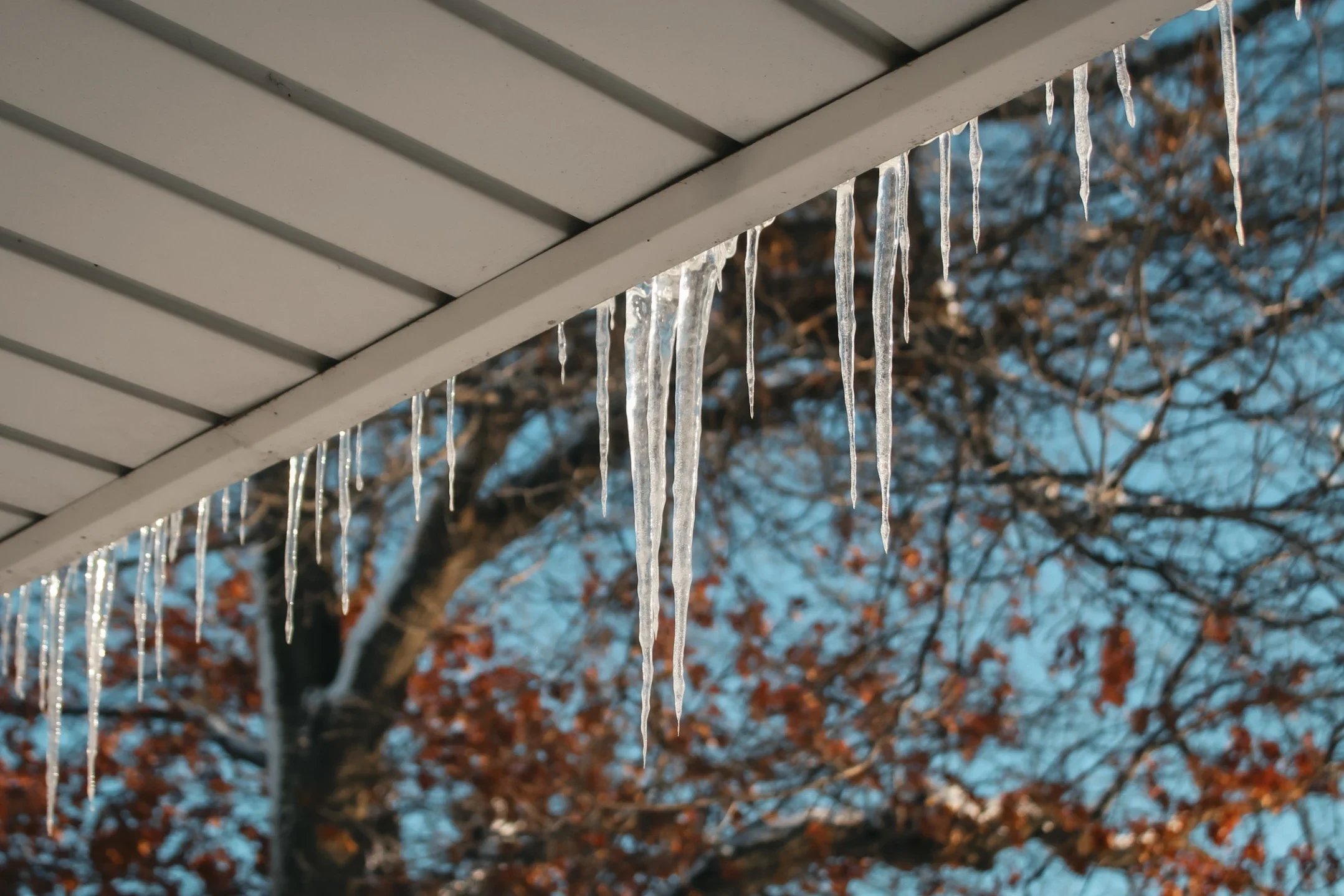
When snow loads start looking heavy, it's time to act. Use a roof rake with an extended handle so you can work from the ground. Never get up on a snow-covered roof yourself, as it is a safety hazard.
Focus on the bottom few feet of snow along the edges. This reduces the weight and stops ice formations from building up. Just be gentle about it. You can tear off roof shingles or damage things if you're too aggressive with the rake.
If you've got loads in excess of what seems manageable, call in the pros. This isn't the time to be a hero. Professional roof repair services deal with this all winter long.
Watch for Problems While Winter Drags On
Even if you did everything right in the fall, issues can pop up. Keep your eyes open.
Long rows of icicles forming along your roof edge usually mean ice dams are developing. Water stains on your ceiling or walls mean moisture is getting in somewhere. If any part of your roof starts to sag, you've got too much weight up there.
Don't wait on these things. What seems like a minor leak can turn into major water damage when temperatures keep bouncing around. Get a service technician out to look at it. Most roofing companies have emergency services for exactly these situations.
Fix the Little Stuff Now
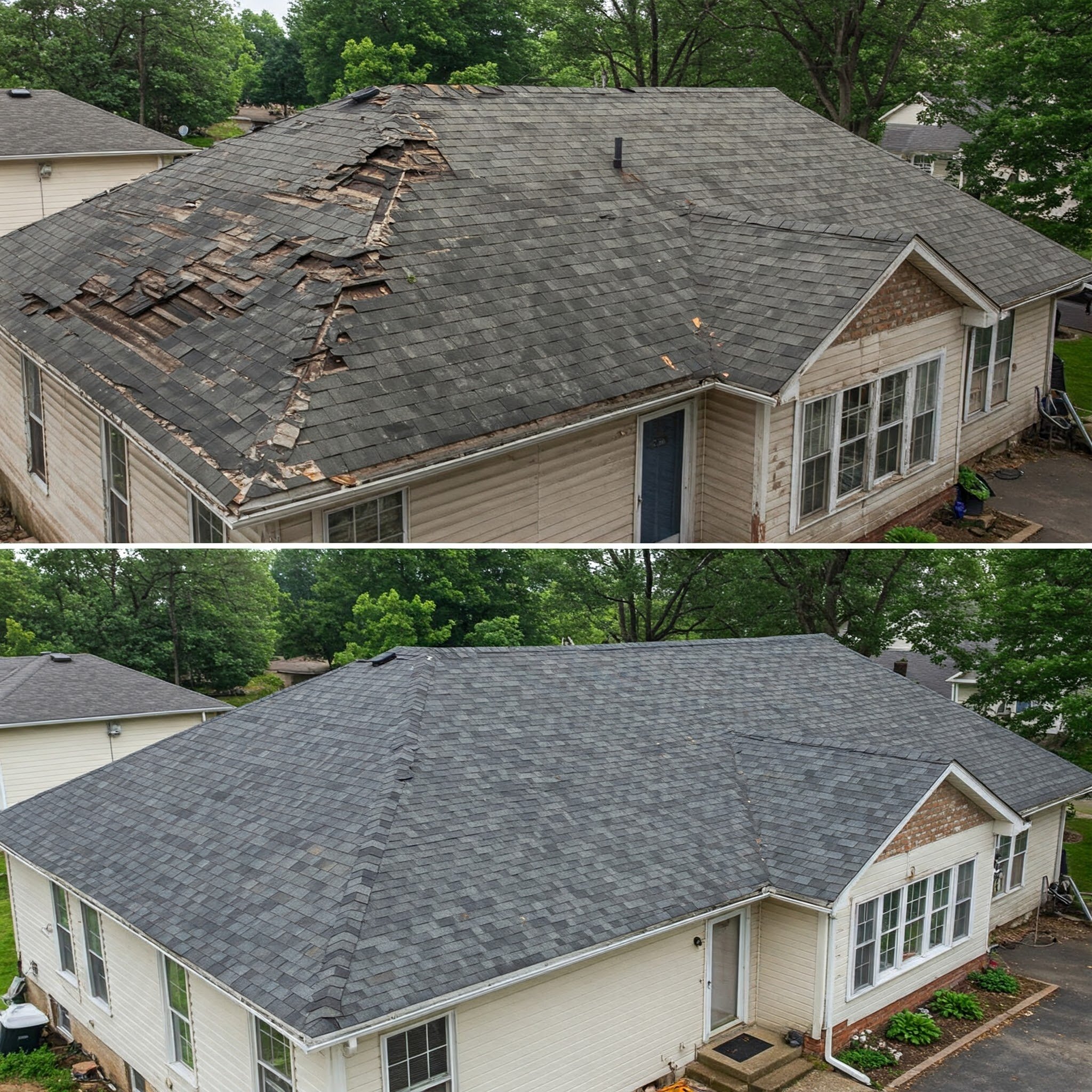
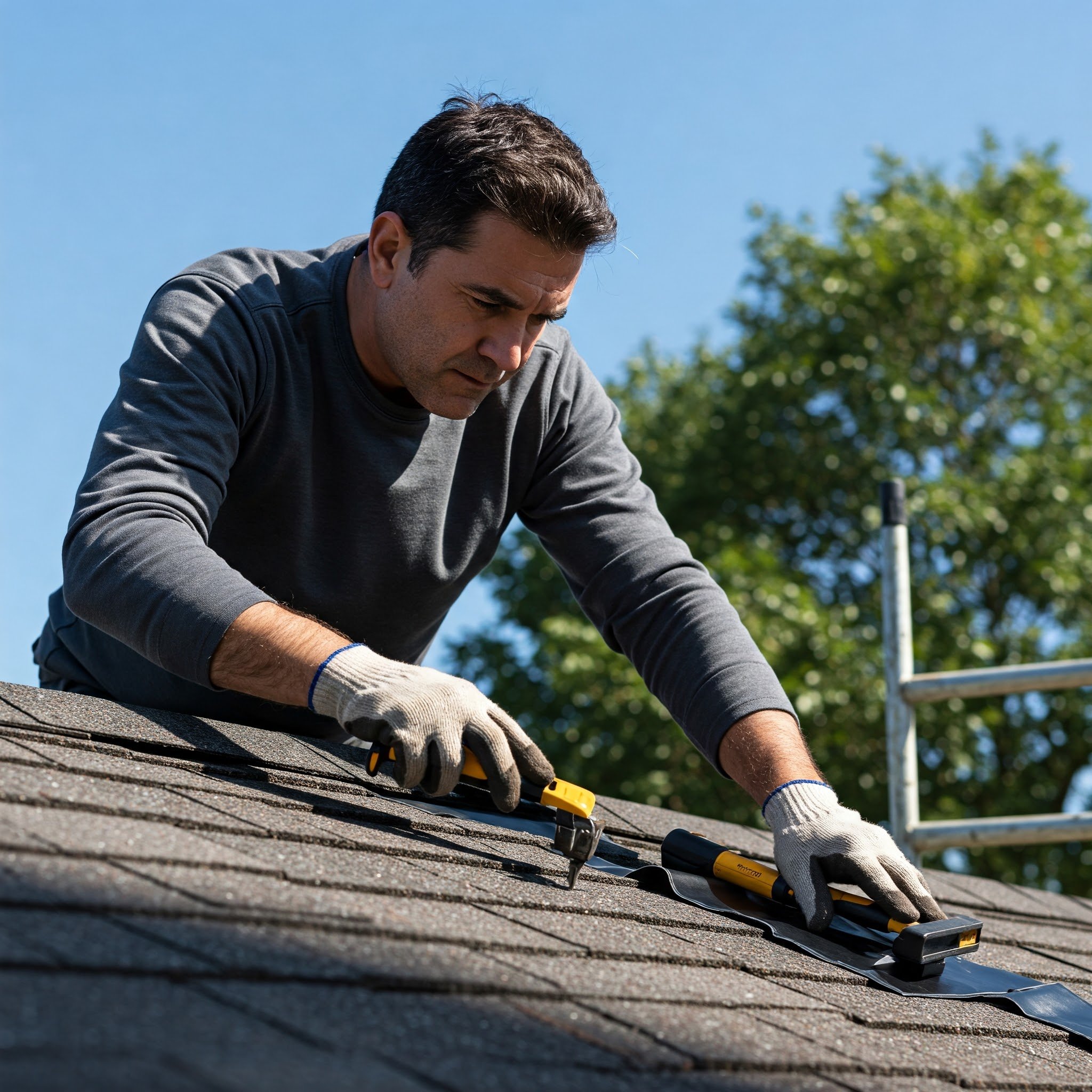
During your pre-winter inspection, maybe the contractor found a couple of loose shingles or some worn flashing. Get that fixed before winter really settles in.
Winter conditions are hard on vulnerabilities. A small gap becomes an entry point for wind-driven snow. Ice gets in there and expands when it freezes. By the time you get to spring thaw, you might be dealing with structural damage to your roof deck instead of a simple repair.
A lot of roofing companies offer maintenance plans that include minor roof repairs and seasonal check-ups. It costs something upfront, but it's a fraction of what you'd pay for major roofing concerns down the line.
Be Careful With Ice Melt Products
You'll see roof melt tablets and ice melt products advertised as quick fixes for ice dams. They can help in a pinch, but use them carefully. Some of these products contain chemicals that can damage roofing materials or kill the plants underneath your roof line.
If you go this route, buy products specifically made for roofs and follow the directions exactly. But honestly, fixing your insulation and ventilation problems is the real answer. Then you won't need to throw chemicals at the problem every winter.
Conclusion
Your roof is probably the most expensive part of your house to replace. While taking care of it during the winter months requires work, it beats dealing with water pouring through your living room ceiling. A little maintenance goes a long way toward keeping your roof doing its job for years to come.
Stay up to date with our latest ideas!