Exactly How Does Roof Age Affect An Insurance Claim?
Learn how roof age can affect an insurance claim, including coverage considerations, inspection requirements, replacement costs, depreciation, and common policy concerns.
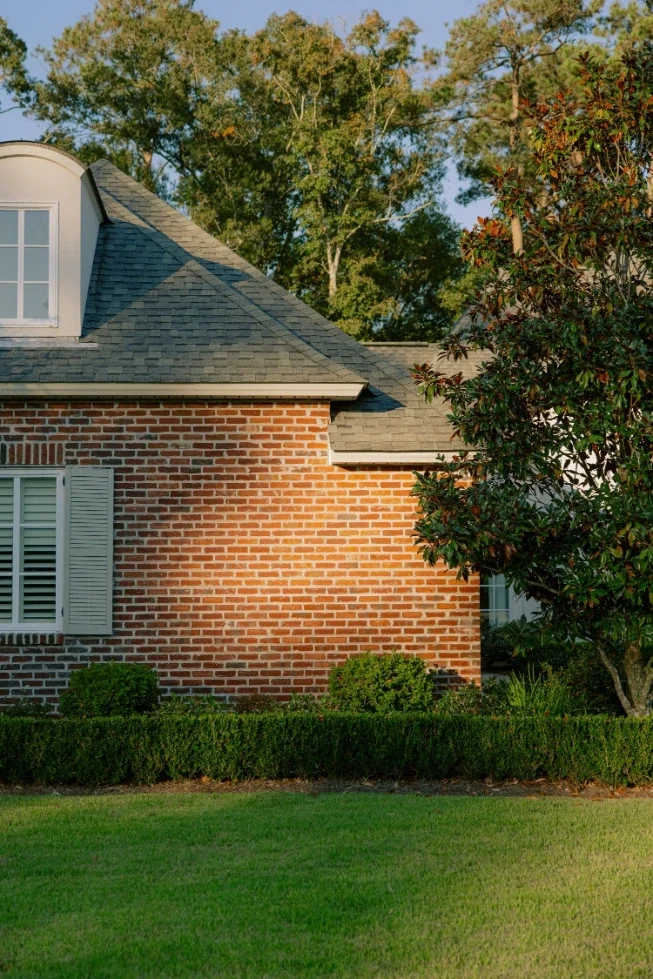
If your roof is 10, 15, or 20 years old and a storm damages it, the age of the roof can affect what your insurance company pays. The biggest difference usually comes down to the type of coverage you have, especially whether the roof is covered at replacement cost or actual cash value.
That distinction can change the payout quite a bit! It is also why homeowners sometimes get very different claim results even when the roof damage looks similar from one house to another.
Roof Age Can Affect The Claim Value
Actual cash value coverage takes depreciation into account. In plain English, the older the roof is, the less value the insurance company may assign to it at the time of the loss.
The Texas Department of Insurance gives a useful example. It shows a roof that would cost $10,000 to replace after a covered storm. Under actual cash value coverage, a 5-year-old roof is valued at $8,500, a 10-year-old roof at $7,000, and a 20-year-old roof at $4,000 before the deductible is applied. That is a pretty dramatic difference, and it shows exactly why roof age can matter so much under this type of policy.
Replacement Cost Coverage Works Differently
Replacement cost coverage is generally more favorable to the homeowner because it is based on what it costs to repair or replace the damaged property with materials of similar kind and quality, without subtracting depreciation in the same way.
The Wisconsin Office of the Commissioner of Insurance explains that actual cash value is usually calculated by taking replacement cost and subtracting depreciation, while replacement cost coverage is tied to the cost of repair or replacement with comparable materials.
That does not mean every replacement cost claim works the same way. Policy limits, deductibles, endorsements, and specific roof provisions still matter. Your declarations page and the loss settlement section are worth reading closely.
An Older Roof Can Still Have Legitimate Storm Damage
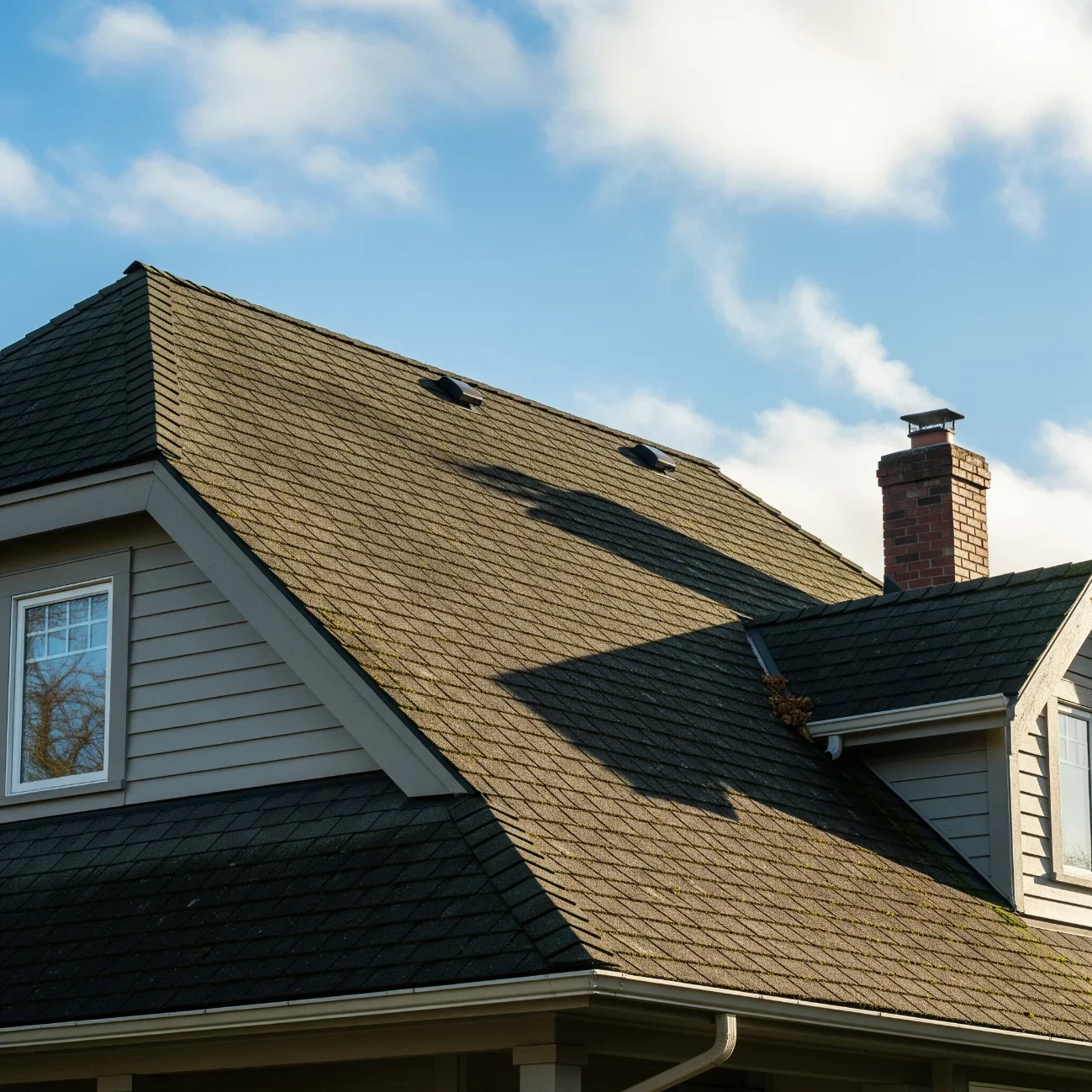
A 17-year-old roof can be old and storm-damaged at the same time.
This is where homeowners sometimes get confused. If the roof is worn out simply because of age and normal deterioration, homeowners insurance generally is not there to replace it. The Wisconsin OCI is clear on this point: if a roof needs replacement because of normal wear, the homeowner is responsible for it. If the roof is damaged by a covered storm or another covered loss, the damaged portion may be covered subject to the policy and deductible.
So the real question is not just, “How old is the roof?” It is also, “What caused the damage?” That distinction is often what the insurance company, adjuster, and roofing company are trying to sort out after a claim.
Some Policies Change As The Roof Gets Older
This is another area homeowners sometimes miss.
The Texas Department of Insurance notes that some companies may switch an older roof from replacement cost coverage to actual cash value coverage as it ages. It also notes that a roof in poor condition may have more limited coverage.
That is a very good reason to talk with your insurance agency before a loss happens. Ask how your roof is currently covered, whether there is an age threshold, and whether the policy has a separate wind or hail deductible.
You do not want to learn for the first time after a storm that the roof has been moved to a less generous settlement method.
Roof Condition Matters Along With Age
Two roofs can be the same age and still look very different to an insurer. One may have been maintained carefully, repaired when needed, and kept in solid condition. Another may have missing shingles, old leaks, deteriorated flashing, or obvious deferred maintenance.
That difference matters because insurers are trying to separate sudden covered damage from long-term wear.
If your roof has been maintained over the years, keep records when you can. Photos, repair invoices, inspection reports, and documentation from prior work can help show the condition of the roof before the storm.
What Should You Do After Storm Damage?
Start by documenting what you can safely see. Take photos from the ground, note when the storm happened, and write down any interior signs such as water stains or dripping.
Then have the roof inspected. A local roofing company can look for missing shingles, hail impact, flashing damage, damaged ridge caps, and other storm-related problems that are hard to judge from the driveway.
Once the insurance estimate arrives, read it carefully. Look for terms like actual cash value, replacement cost, deductible, depreciation, and recoverable depreciation. Those terms can explain why the first payment may be lower than the full replacement price.
If something does not make sense, ask questions. Your insurance agency can explain the policy language, and your contractor can explain the roofing scope.
Will Your Roof Repair Be Covered By Insurance?
Roof age can have a real effect on an insurance claim, especially when the policy uses actual cash value. The older the roof, the more depreciation may reduce the claim payment.
At the same time, age does not automatically erase coverage. A covered storm can still damage an older roof. What matters is the cause of loss, the condition of the roof, the type of coverage, the deductible, and the specific language in the policy.
The smartest move is to know how your roof is covered before the next storm gives you a reason to find out.
Stay up to date with our latest ideas!