Your Roof Does Not Age at One Speed: What a Roofing Company Looks for Across Different Roof Zones
Discover how roofing companies assess different roof zones to identify uneven aging, hidden damage, maintenance needs, and signs that repairs or replacement may be necessary.
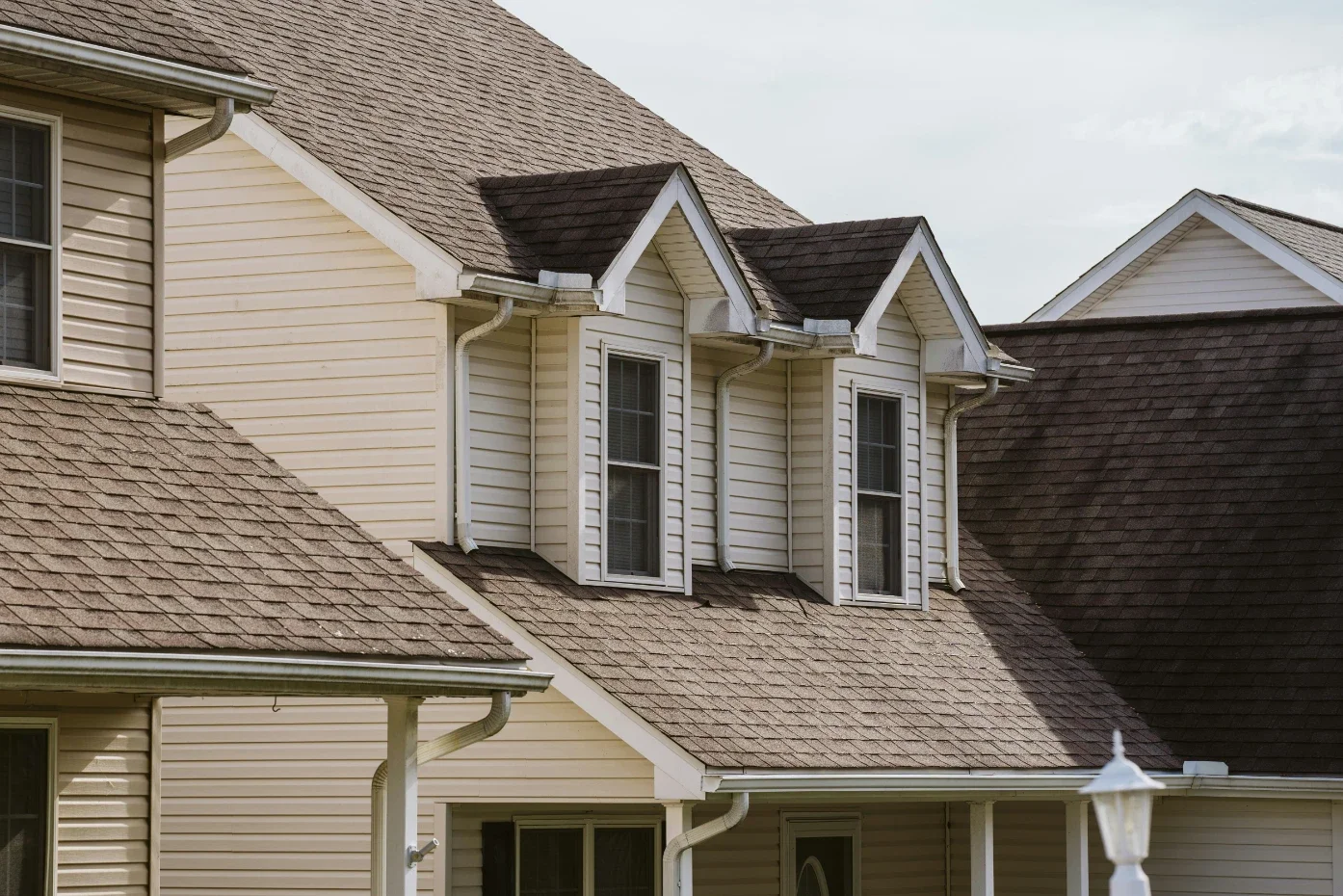
Homeowners often talk about a roof as though every part of it shares the same condition. The roof was installed in one year, so it has one age. If most of the shingles still look good, the assumption is that the entire system is aging evenly.
Roofs rarely behave that neatly.
Different sections of the same roof face different combinations of sunlight, shade, runoff, debris, ventilation, wind exposure, and architectural complexity. A wide open slope may remain relatively clean and dry, while a valley only a few feet away handles concentrated water and catches leaves. A porch roof may have a lower pitch than the main structure. The area around a chimney has flashing and joints that do not exist across an uninterrupted field of shingles.
For that reason, understanding roof condition often means looking at the property as a collection of smaller roofing environments rather than one uniform surface.
One Roof Can Contain Several Different Environments
Walk around almost any house and the roof changes as you move.
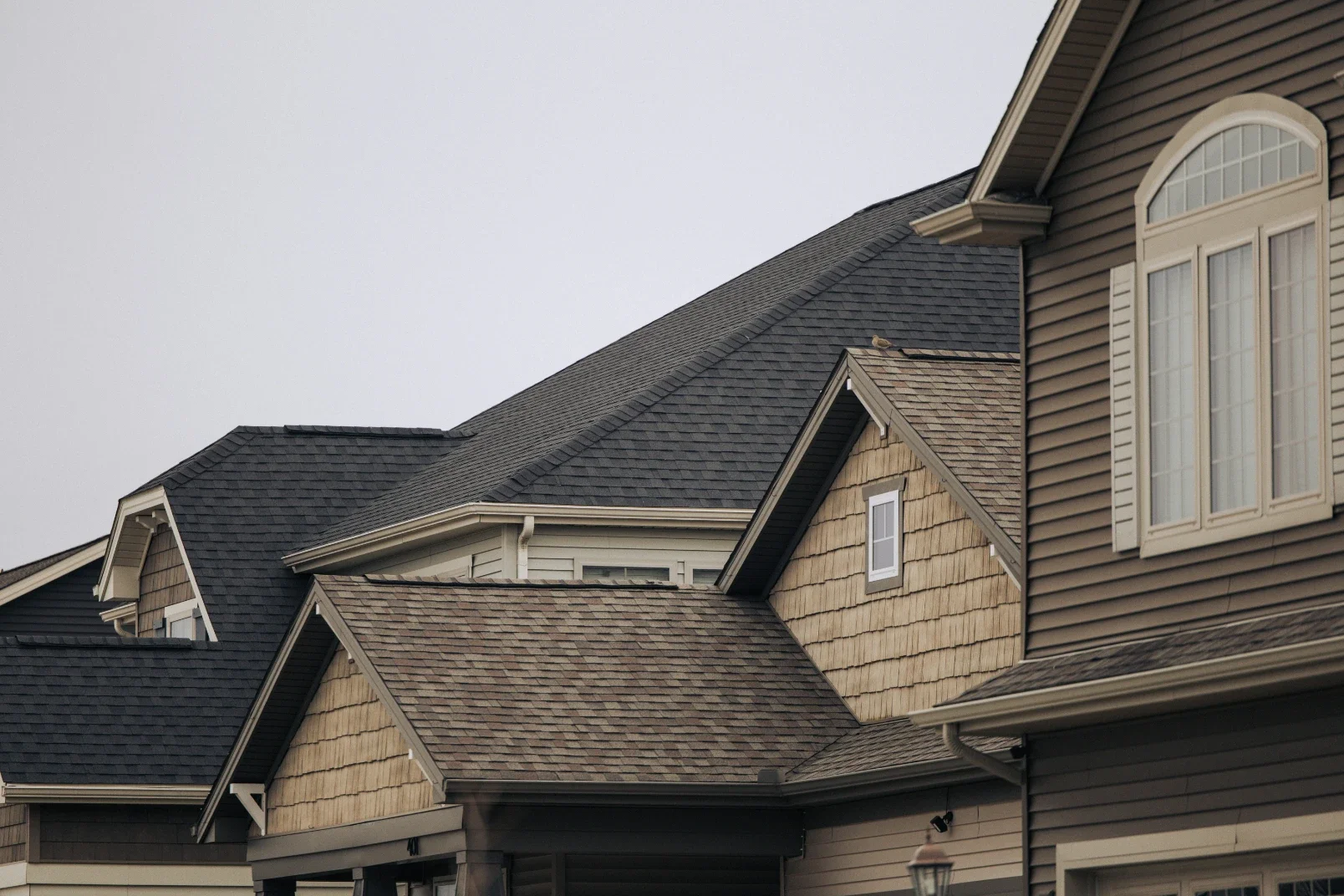
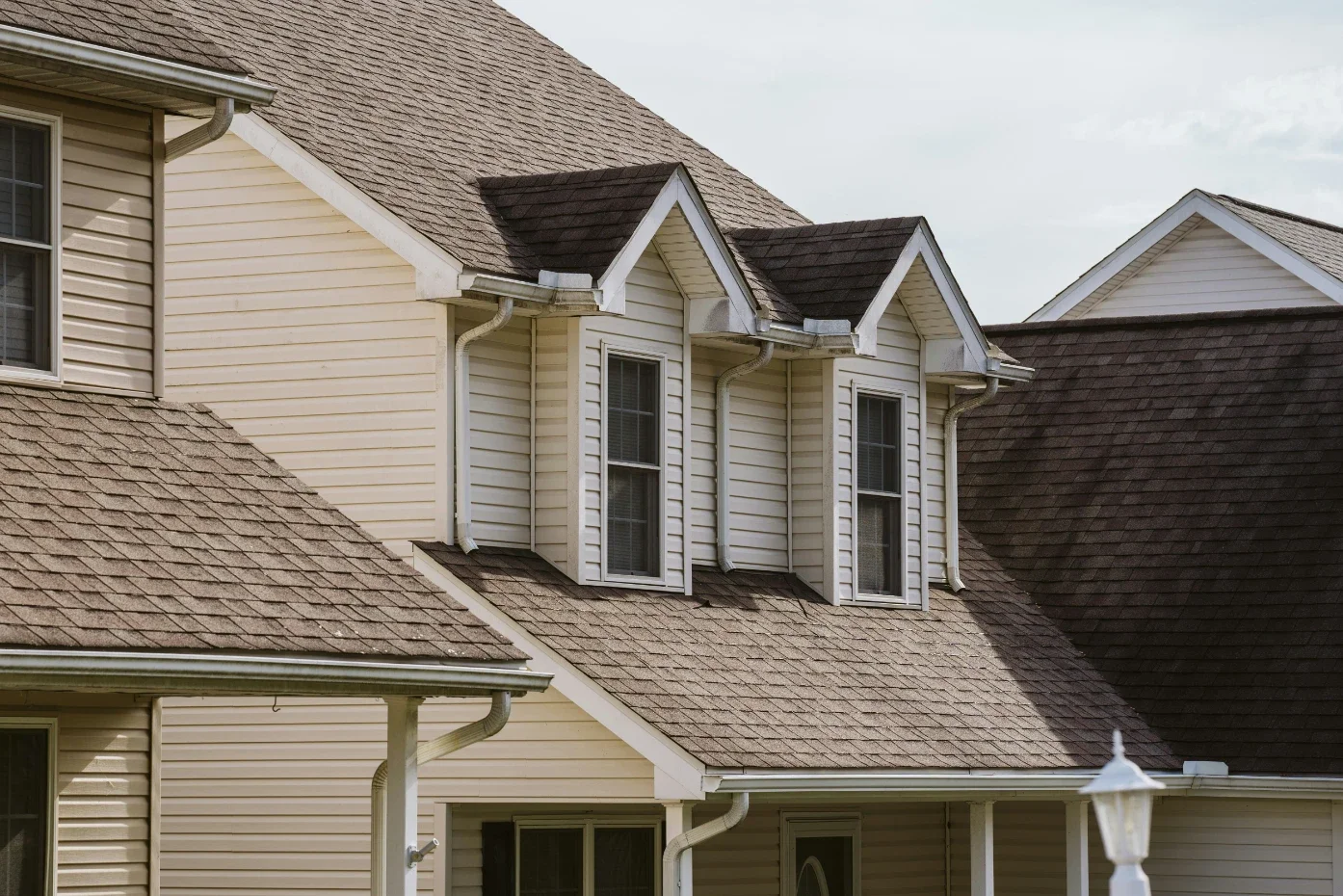
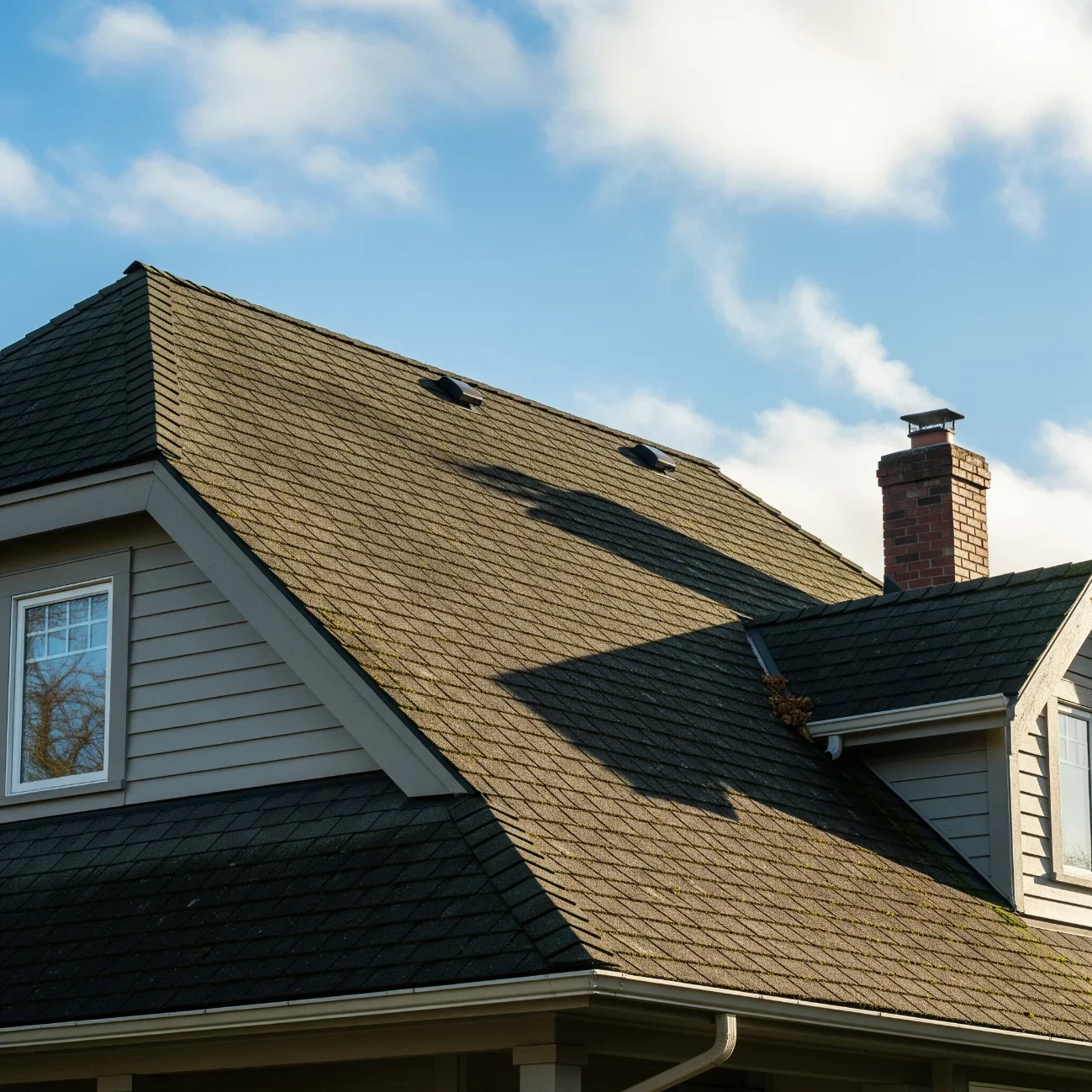
One side may receive long periods of direct sun. Another may sit beneath mature trees. A garage roof can extend beyond the main structure. Dormers interrupt otherwise simple slopes. Valleys collect runoff from two roof planes. Plumbing vents, chimneys, skylights, and wall intersections create additional transitions.
Each area experiences a different workload.
The shingles may have been installed on the same day, but they are not necessarily exposed to the same conditions every day afterward.
This is one reason broad statements such as “the roof looks fine” or “the roof is getting old” can miss important details. The more useful question is which sections are changing first and why.
Opposite Slopes May Age Differently
The orientation of a roof affects what each slope experiences.
A section exposed to stronger sunlight for longer periods may heat and cool differently from one that spends more time shaded. Shaded areas may also stay damp longer after rain, particularly where trees limit airflow or drop organic debris onto the surface.
These differences may not create immediate problems, but over years they can produce visible variation between slopes.
One side of the roof might show more surface wear while another develops darker staining or holds debris near edges and penetrations.
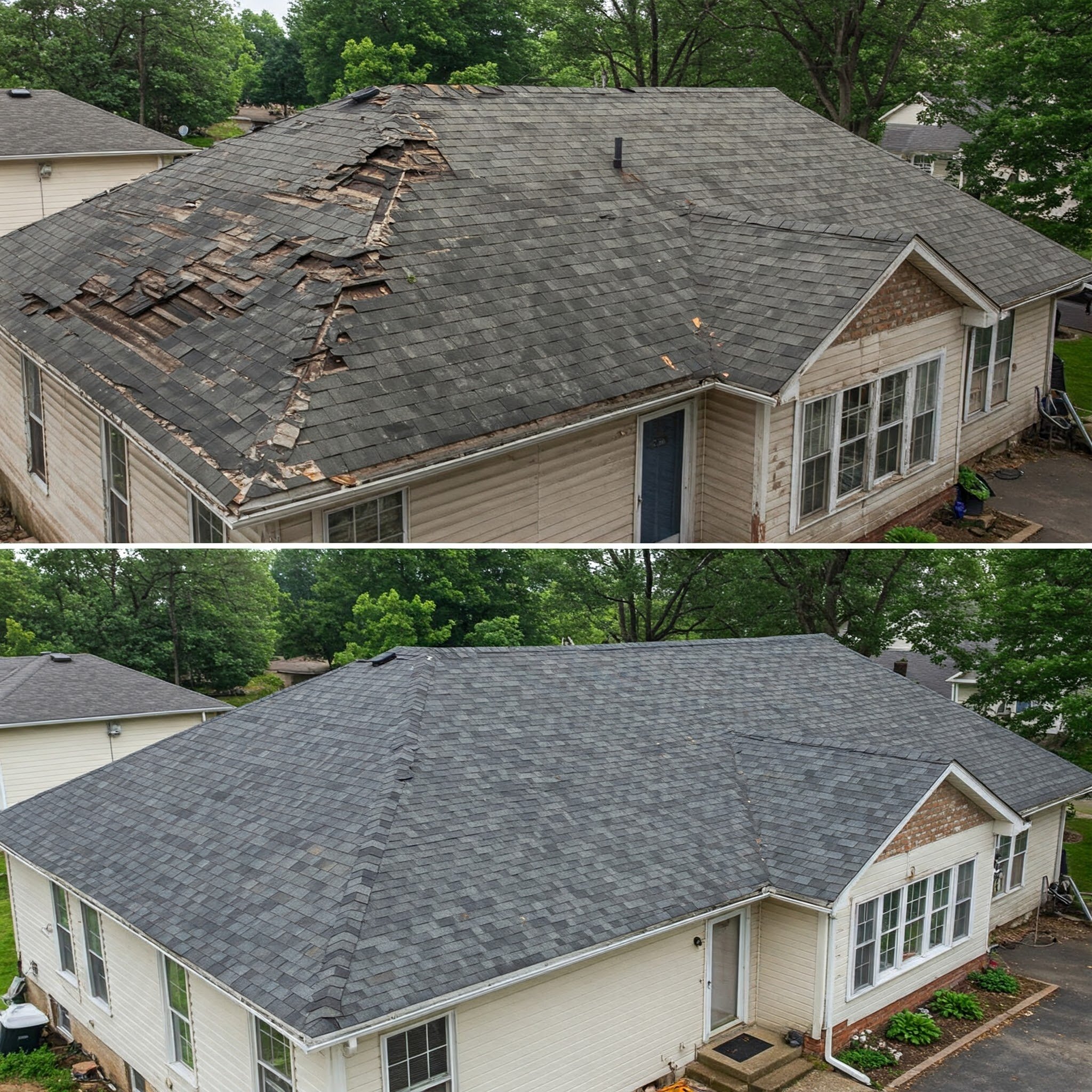
That does not automatically mean either section has failed. It does mean that treating both sides as identical simply because they are the same age can hide useful information about how the roof is performing.
Valleys Have a Heavier Job Than Open Roof Slopes
A broad roof plane sheds the water that falls directly onto it.
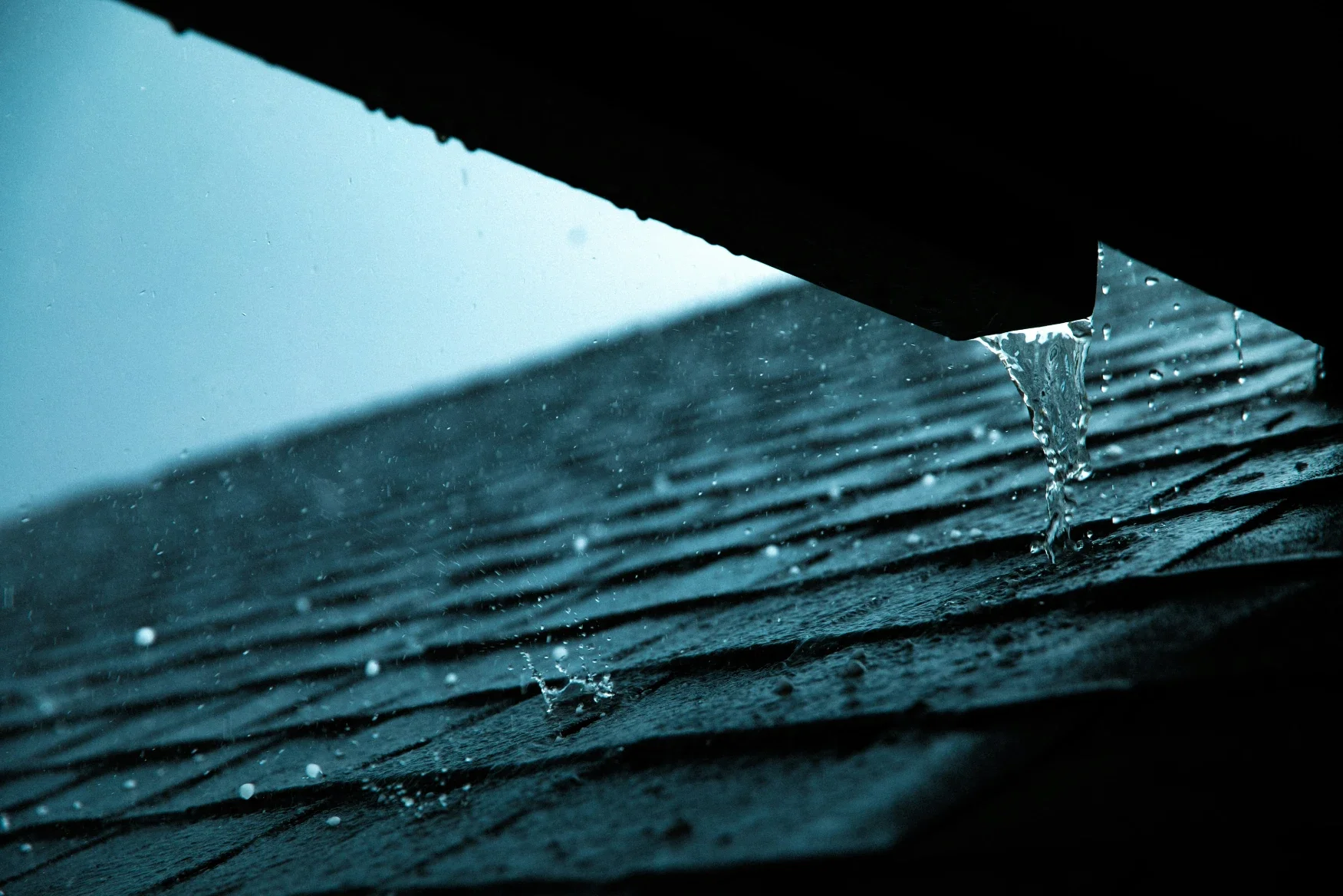
A valley receives water from multiple roof sections and funnels that runoff toward a narrower drainage path.
That makes valleys one of the areas where roof geometry changes the workload considerably.
Leaves, pine needles, and small debris can also collect there more easily than on an open slope. If material remains in place, it can interfere with normal drainage and keep portions of the roof wet longer.
The valley is therefore not just another strip of shingles.
Its condition depends on the roofing material, the underlying valley construction, flashing details where applicable, debris accumulation, and how effectively water can move toward the gutter or roof edge.
Shade Creates a Different Aging Pattern
Shade is often viewed as helpful because it reduces direct sun exposure. In reality, shaded roof sections simply experience a different environment.
The important difference is drying time.
A roof section beneath trees or beside a taller part of the structure may receive less direct sunlight and less airflow. Leaves and other organic material may also remain there longer.
Over time, this can make one portion of a roof look and behave differently from a neighboring open section.
Homeowners can often notice these contrasts from the ground. One roof plane may remain relatively clean while another regularly collects debris or develops visible discoloration.
Those differences are worth noting because they can point toward maintenance needs that apply only to part of the roof.
Trees Create Highly Localized Conditions
A large tree does not affect every part of a roof equally.
Branches may shade one corner, leaves may collect in a nearby valley, and twigs may repeatedly land on a lower roof section while the opposite side stays completely open.
Branches that grow close to the roof can also create maintenance concerns if they begin rubbing against roofing materials during movement.
This creates a useful lesson: exterior conditions around the house can matter just as much as the age of the roofing material itself.
A roof beneath heavy tree cover may need attention in places that an exposed roof does not, even if both roofs use the same material and were installed at the same time.
Lower Roof Sections Can Live a Different Life
Many homes have additions, covered porches, attached garages, or other lower roof sections connected to the main structure.
These areas may use the same roofing material but have different slopes, drainage patterns, and exposure.
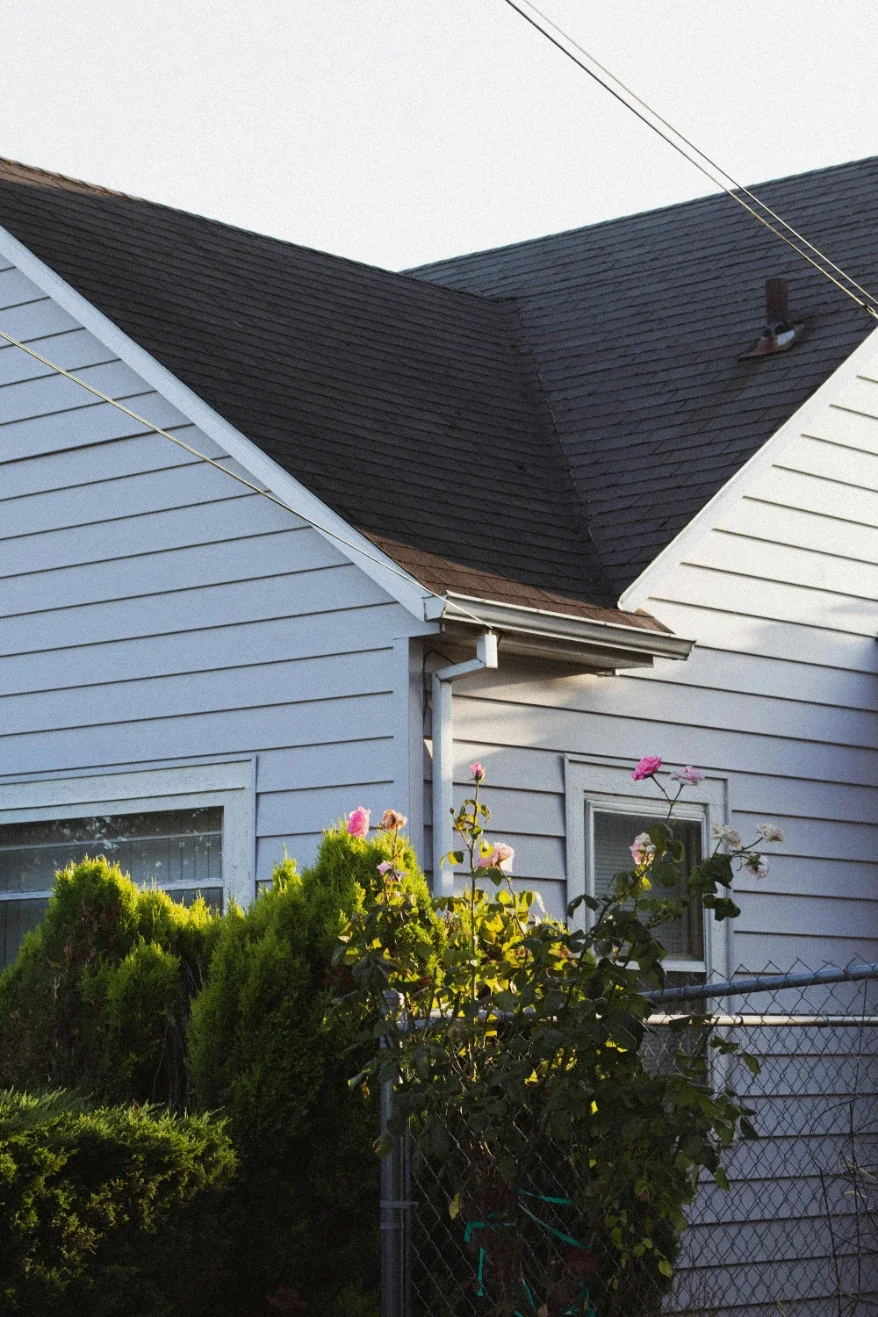
A lower roof beneath an upper wall, for example, must deal with water arriving from both its own surface and the structure above it. Roof-to-wall intersections also introduce flashing details that are absent on a simple open slope.
Porch roofs may sit beneath trees or remain shaded by the main house for much of the day.
Because of these differences, a lower section should not automatically be judged by the appearance of the main roof above it.
Penetrations Create Small Zones With More Components
An uninterrupted field of shingles is relatively simple.
The situation changes wherever something passes through the roof.
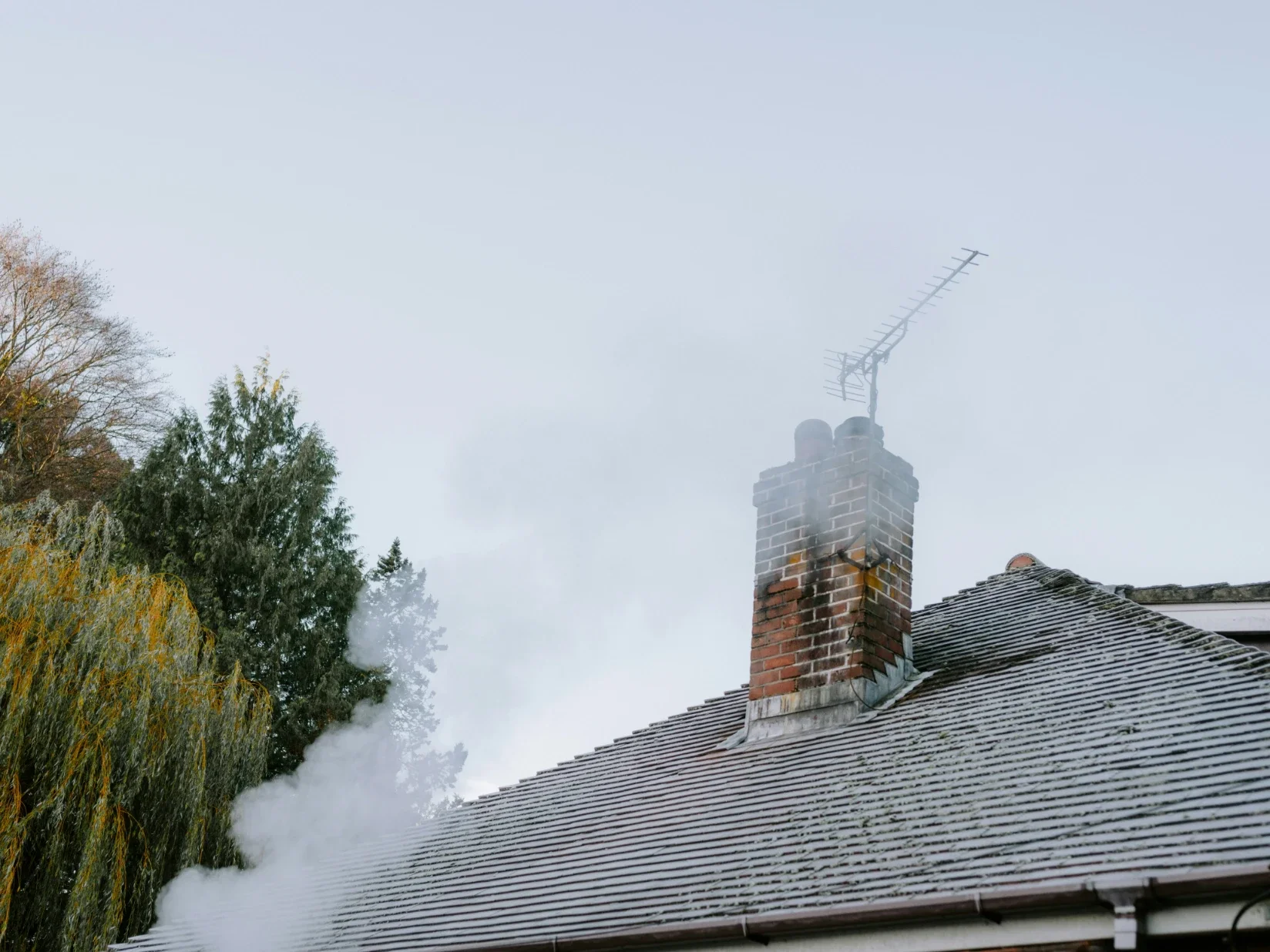
Plumbing vents, exhaust vents, chimneys, skylights, and similar penetrations require the roof covering to transition around another component. Flashing, seals, fasteners, and surrounding materials all become part of that small area.
These zones deserve attention not because every penetration is destined to leak, but because they contain more interfaces than the open field around them.
A roof inspection that looks only for obviously damaged shingles may therefore miss the broader point.
The condition of the roof includes how these transitions are performing.
The Weakest-Looking Section Does Not Always Describe the Whole Roof
Uneven aging can create an important decision problem.
Suppose one valley shows deterioration while most open slopes remain in good condition. Or perhaps one heavily shaded section appears worse than the rest of the roof.
That does not automatically mean the entire roof requires the same response.
The opposite is also true. A clean-looking section visible from the driveway should not be used as proof that every hidden slope, penetration, and roof-to-wall connection is performing equally well.
Roof condition needs context.
The location, cause, extent, surrounding materials, and condition of the remaining system all matter before deciding whether a problem is localized or part of broader deterioration.
A Roof Inspection Should Compare Zones, Not Just Search for Damage
A useful inspection is partly an exercise in comparison.
How does the shaded slope differ from the exposed slope? What is happening in the valleys? Are lower roof sections draining properly? How do transitions around vents, chimneys, and walls compare with the uninterrupted portions of the roof?
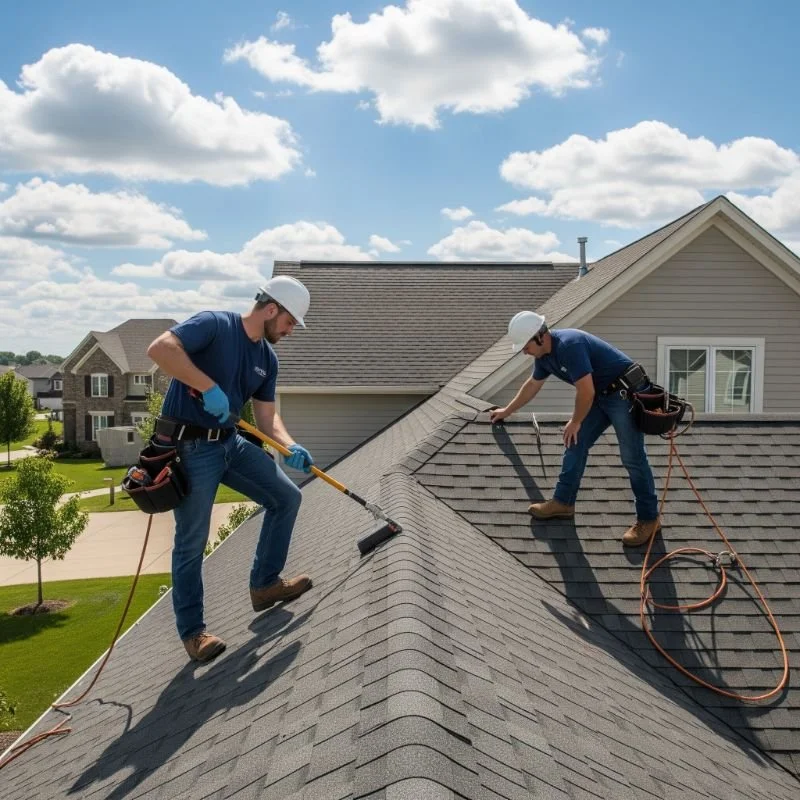
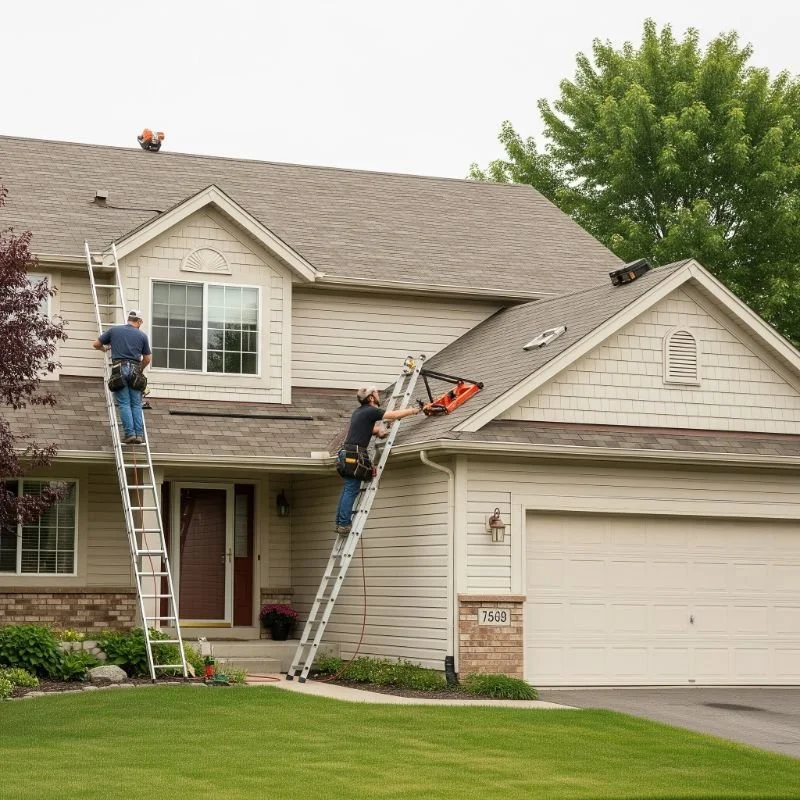
Homeowners arranging an evaluation with a Roofing Contractor Huntsville, Alabama can ask for findings to be explained by roof area rather than receiving only a general statement about the roof as a whole. Knowing which section has a concern, what conditions affect it, and whether neighboring areas show the same pattern provides far more useful information.
This approach also gives homeowners a clearer basis for discussing repair, monitoring, maintenance, or eventual replacement.
Uneven Aging Can Reveal Maintenance Priorities
The fact that roof sections age differently is not only useful during an inspection.
It can guide routine maintenance.
A valley that repeatedly fills with leaves may deserve more frequent observation than an open slope. Trees affecting one corner of the house may need trimming before branches reach the roof. Gutters beneath heavy tree cover may require attention sooner than those on a more exposed side.
These are targeted responses to specific conditions.
Homeowners do not need to treat every square foot of roofing identically when the surrounding environment clearly is not identical.
That is a more practical way to think about long-term roof care.
Roof Age Is Useful, but It Is Only One Piece of the Story
Knowing when a roof was installed matters, but installation date alone cannot describe its present condition.
Two sections that are fifteen years old may have experienced very different amounts of sun, shade, drainage, debris, foot traffic, and architectural stress during those years.
Even neighboring homes with roofs of the same age can develop different conditions because the roof shapes, trees, ventilation, and maintenance histories are not identical.
Age should therefore be treated as context rather than a diagnosis.
The roof still needs to be evaluated based on what is actually happening across its different zones.
A Roof Is One System, but It Does Not Experience One Set of Conditions
The most useful way to think about roof aging is to hold two ideas at the same time.
The roof functions as one connected system, yet individual sections of that system can experience very different conditions.
Valleys carry concentrated runoff. Shaded slopes dry differently. Lower roofs interact with walls and upper sections. Penetrations introduce additional components. Trees affect some areas more than others.
Recognizing those differences changes the way roof condition is discussed.
Instead of asking only how old the roof is, homeowners can ask which parts are aging fastest, what is causing the difference, and whether the concern is isolated or spreading.
That produces a far more accurate picture of what the roof actually needs.
Stay up to date with our latest ideas!