A Homeowner’s Guide To Roof Care And Long-Term Maintenance
Learn essential roof care and maintenance tips that protect your home, prevent costly repairs, and extend the life of your roof long term.

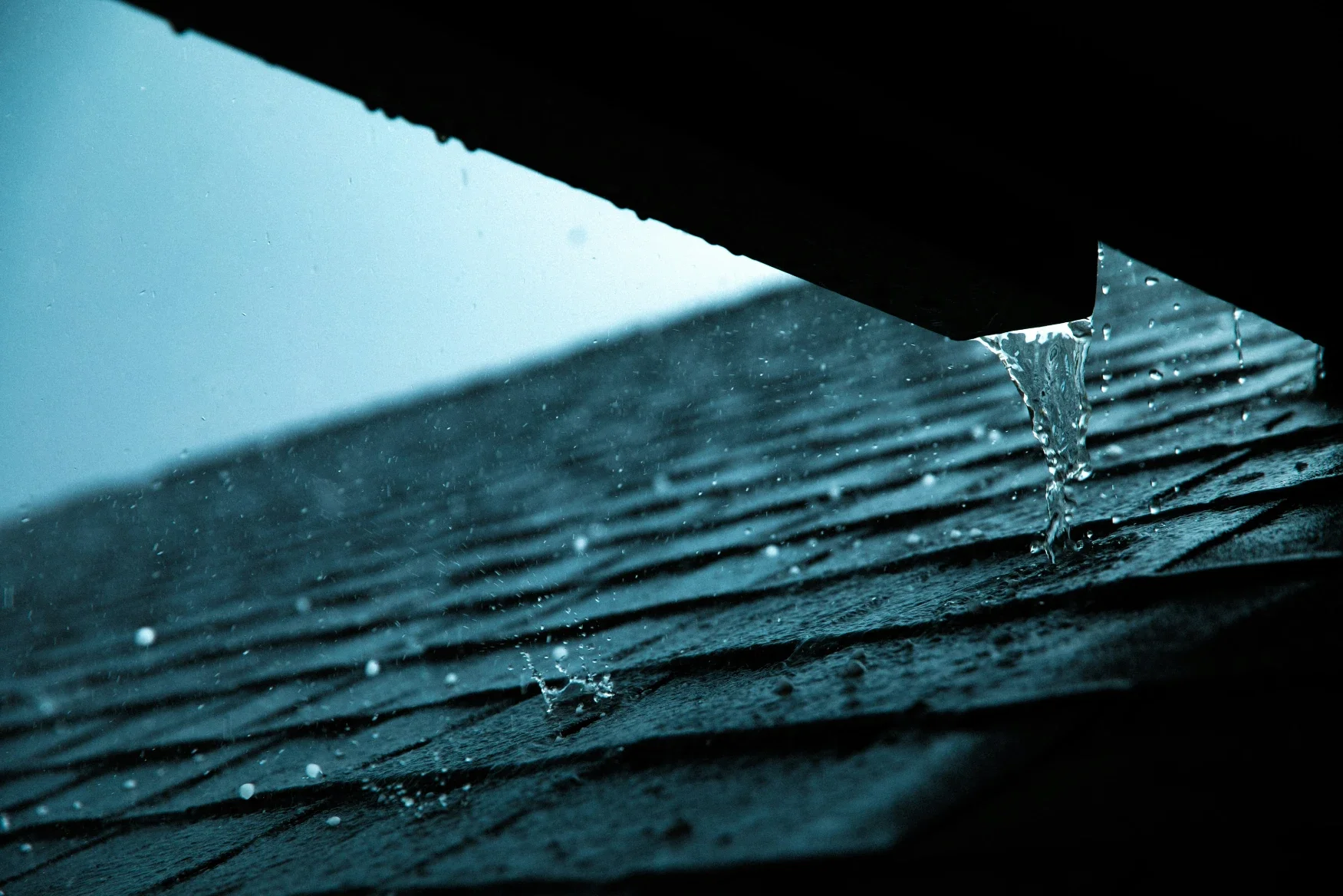
A healthy roof does more than block rain. It shields framing, insulation, and your daily life from water and weather. With a simple plan, you can catch small issues early and add years to your roof’s life.
Know Your Roof’s Material And Age
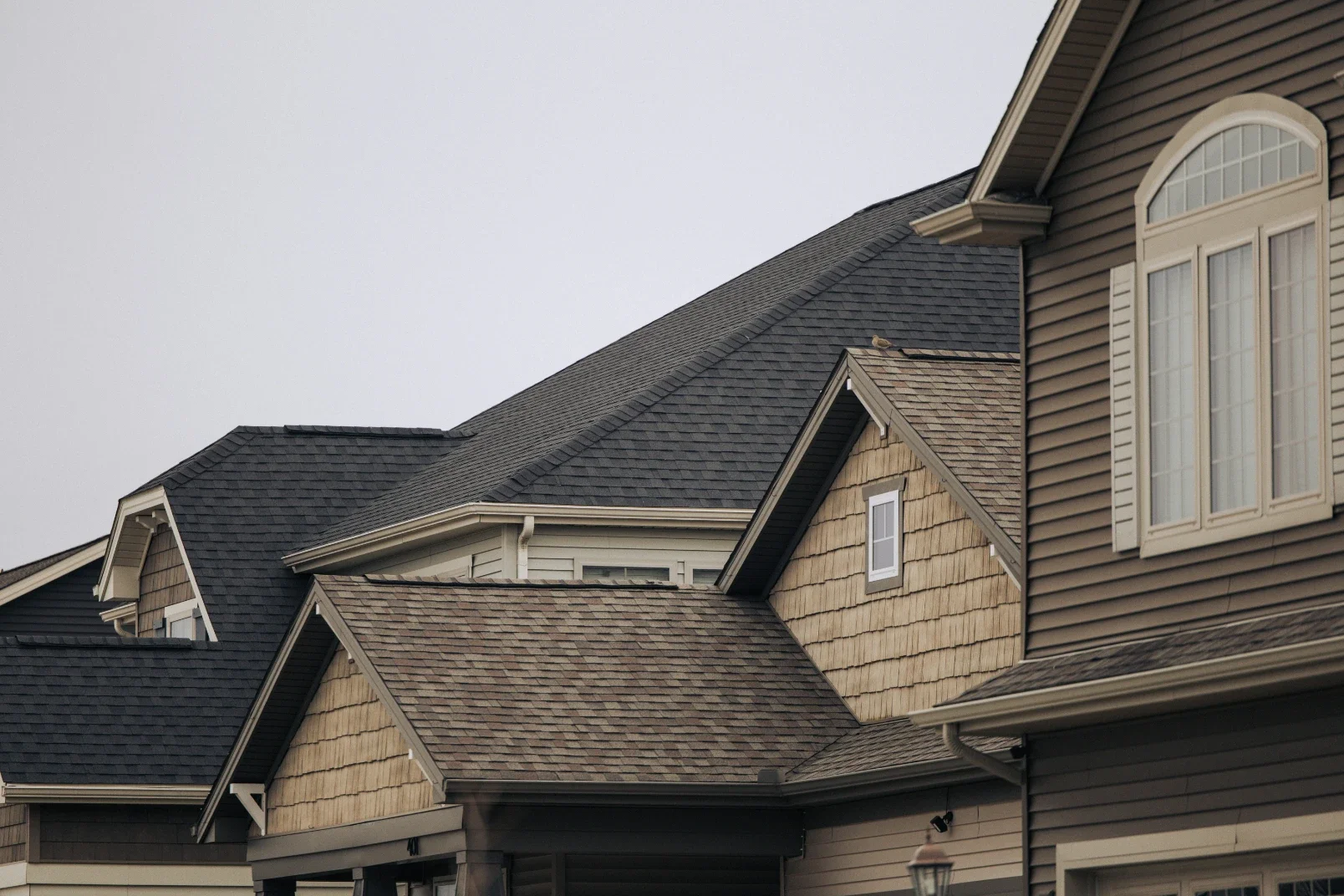
Your care plan starts with what is overhead. Asphalt, metal, tile, and wood each age in different ways and on different timelines. Keep the install year and any repair notes so you can spot patterns.
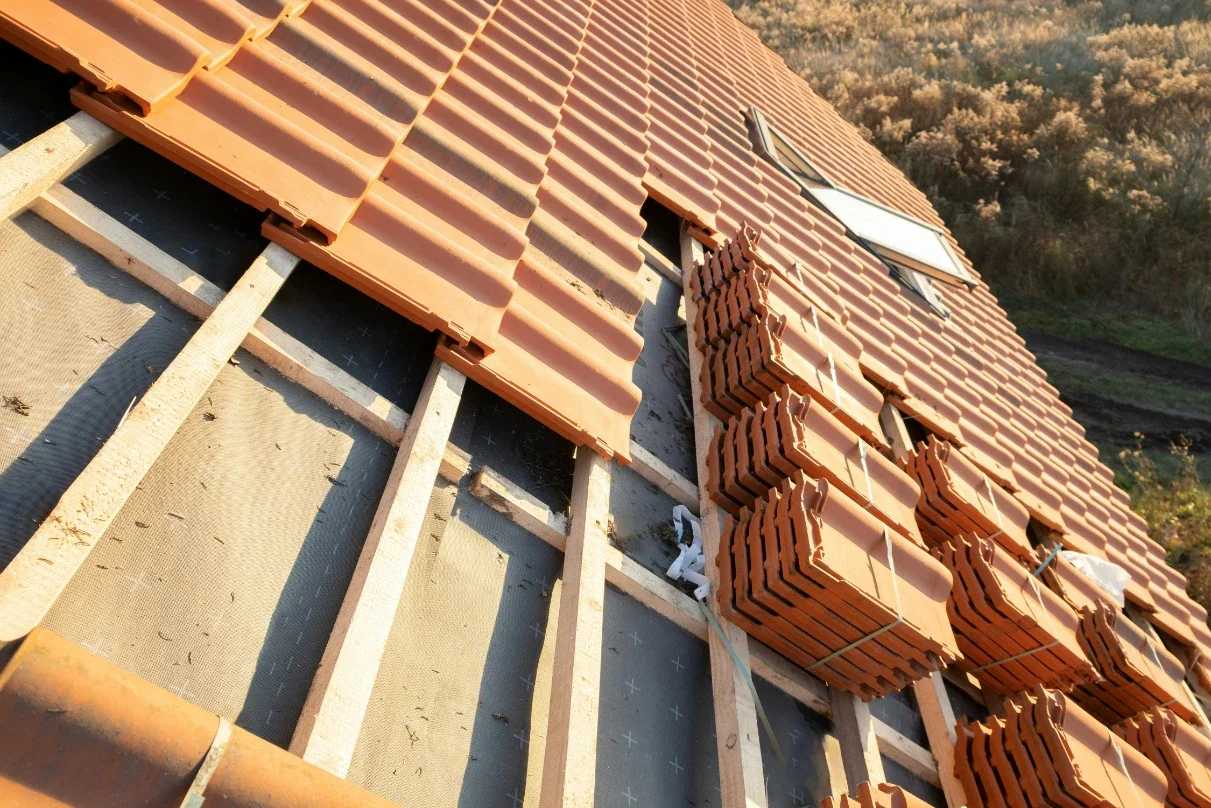
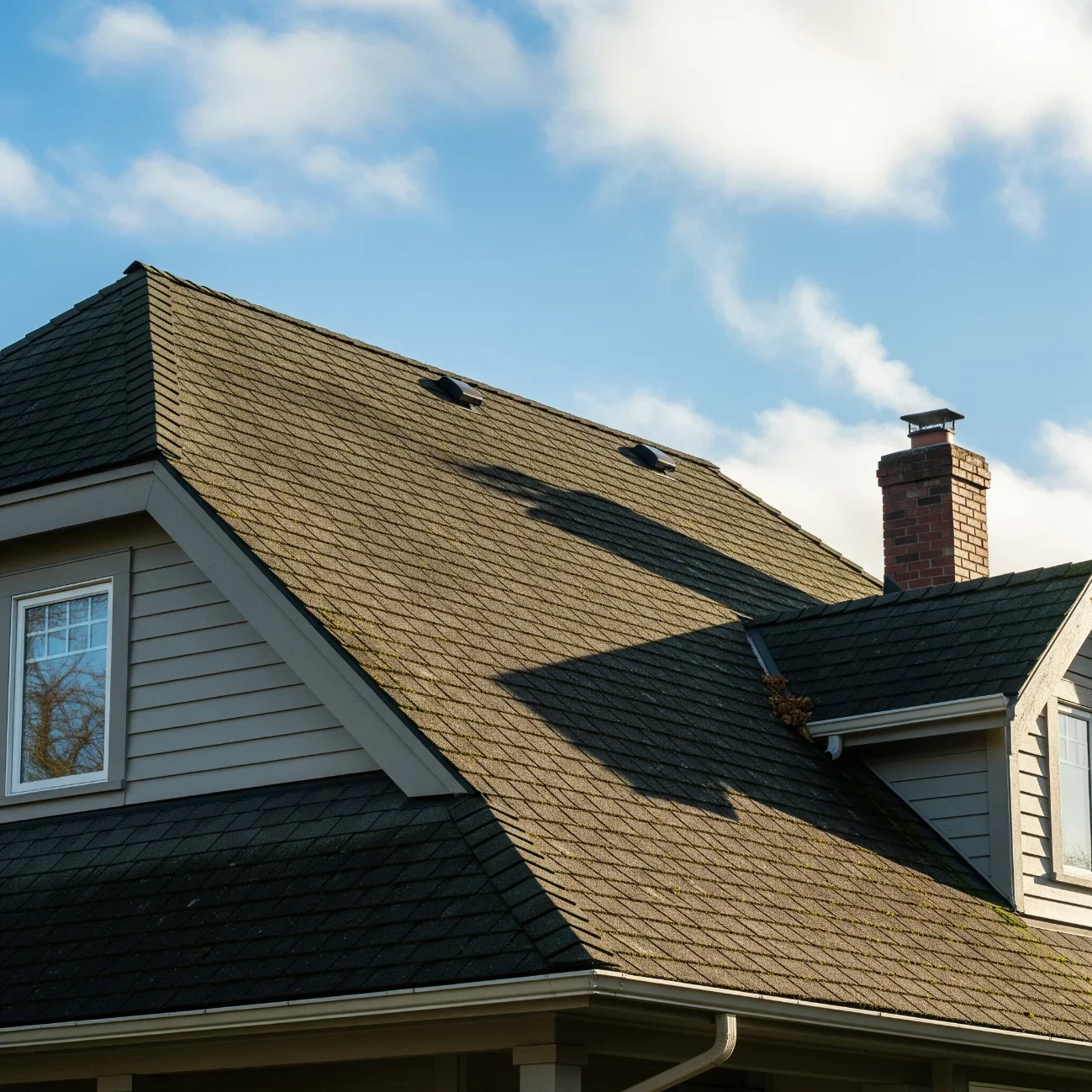
Each material shows wear differently. Asphalt sheds granules, metal can loosen at fasteners, and tile can crack from impact. When you know the signs, your quick checks are faster and safer.
Climate matters. Sun, snow, wind, and salt all change how a roof ages. If you moved from a milder region, adjust your expectations and cadence.
Set A Simple Inspection Routine
Do a quick look from the ground each season. Use binoculars if needed and take photos so you can compare changes over time. Stay off the roof unless you have proper gear.
Scan for lifted tabs, missing granules, rust at valleys, and debris piles. Note any sealant that looks cracked or dried. Mark what you see and the date.
Make storms part of your rhythm. After heavy wind or hail, walk the perimeter and look for fresh scuffs, bent metal, or loose shingles. Bag any pieces you find and label the date.
Watch High-Risk Areas
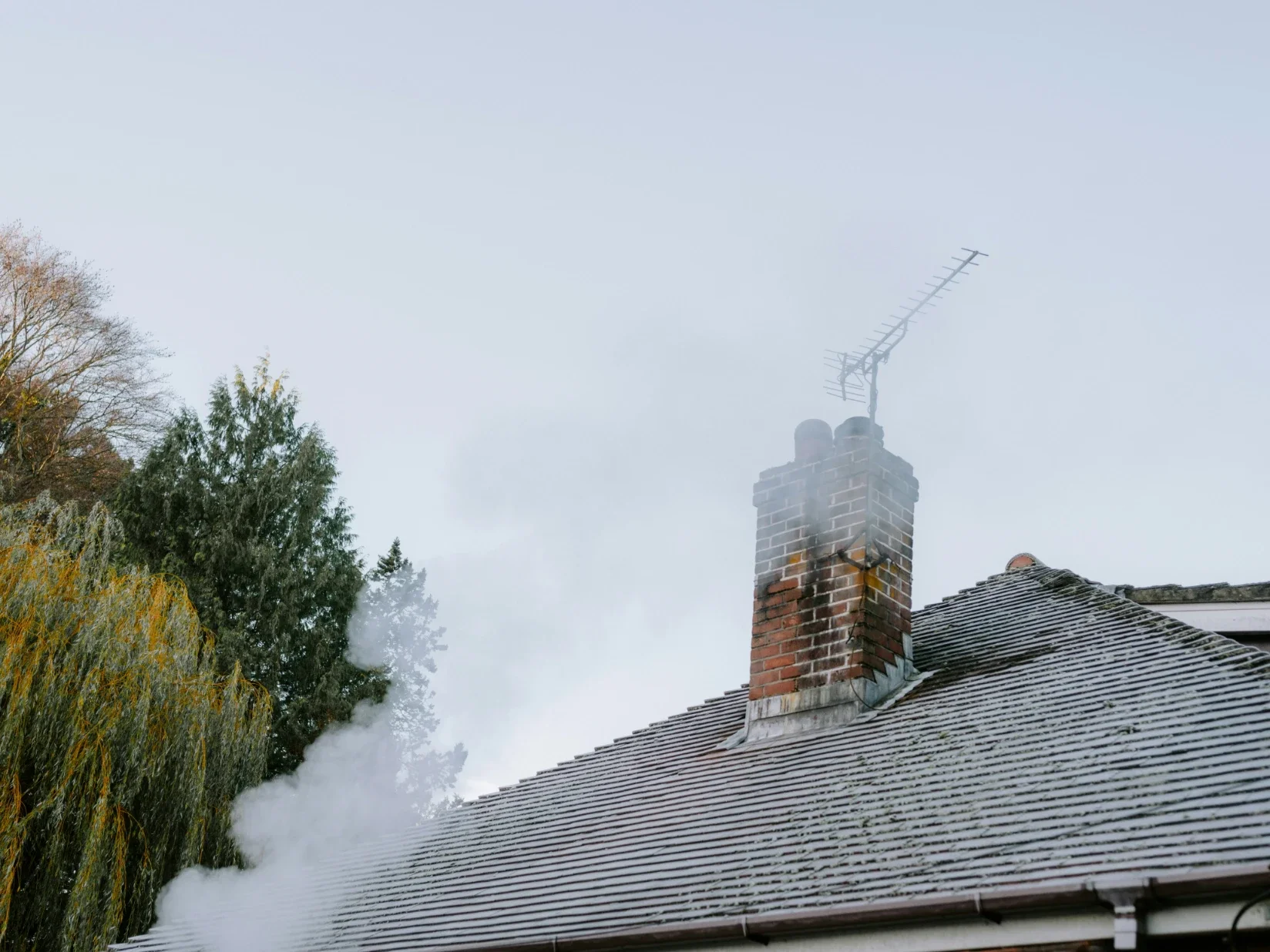
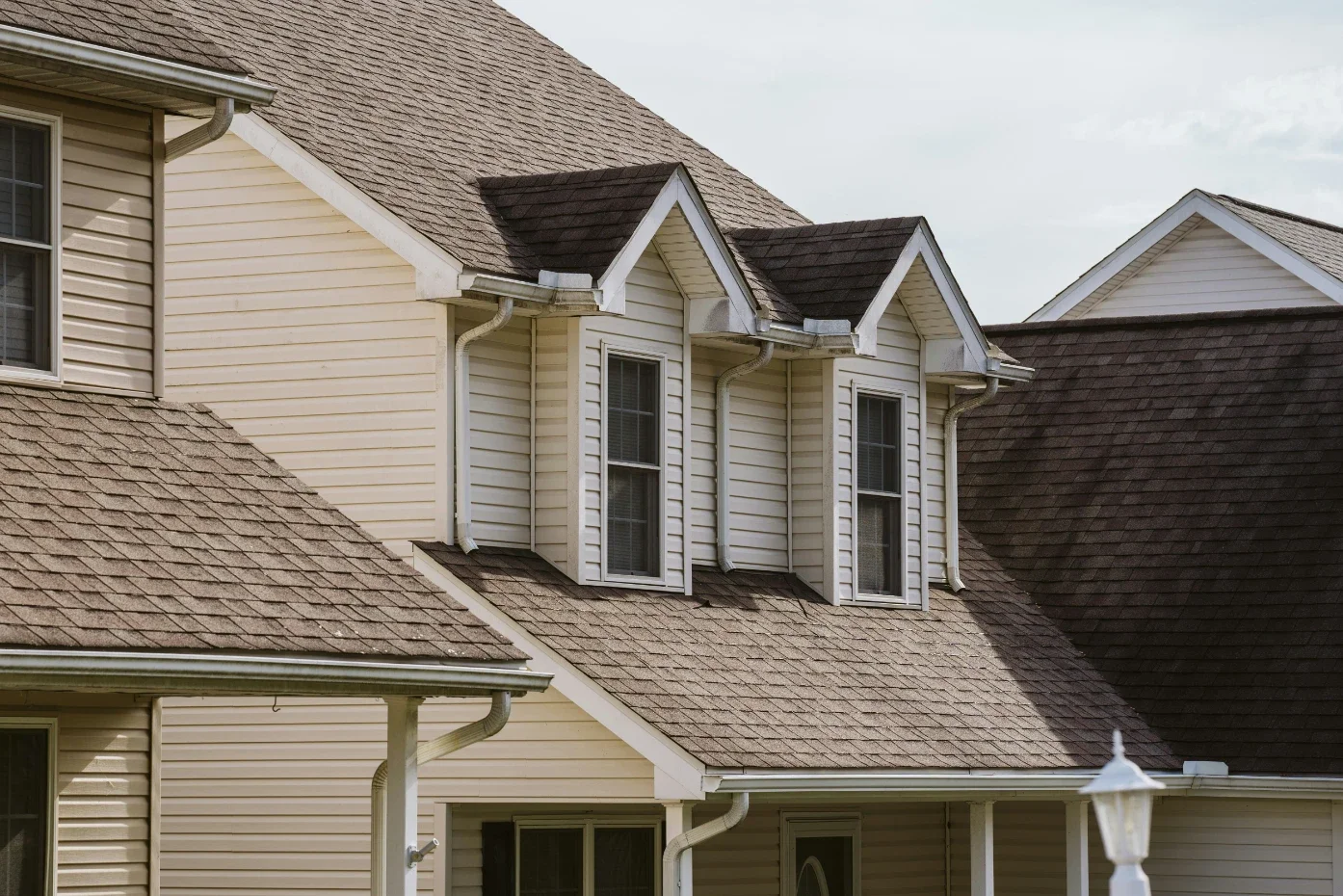
Some spots fail sooner than the open field of shingles. Valleys, skylights, chimneys, and roof-to-wall joints take more water and movement. Give these locations a closer look each season.
These areas rely on thin metal called flashing to steer water. If you notice gaps or rust, compare the cost to repair flashing to broader roof work using a trusted guide, and plan repairs before leaks spread, then document everything for your records. Small fixes now prevent soaked sheathing later.
Use light touch when checking. Do not pry or lift pieces with tools. Photograph what you see and share it with a pro if you are unsure.
Flashing 101 - Small Metal, Big Job
Flashing is the metal you see at chimneys, vent stacks, sidewalls, and step transitions. It blocks water at seams and sharp corners. When it loosens or bends, leaks can start quietly behind finishes.
Look indoors for stains on ceilings and around vents. In the attic, check insulation for damp spots and sniff for musty air after storms. Outside, watch for cracked caulk or metal pulled away from brick or siding.
Act early. Tighten or replace small sections before water finds the path of least resistance. Quick action keeps repairs simple and budgets steady.
Repair Costs And What To Expect
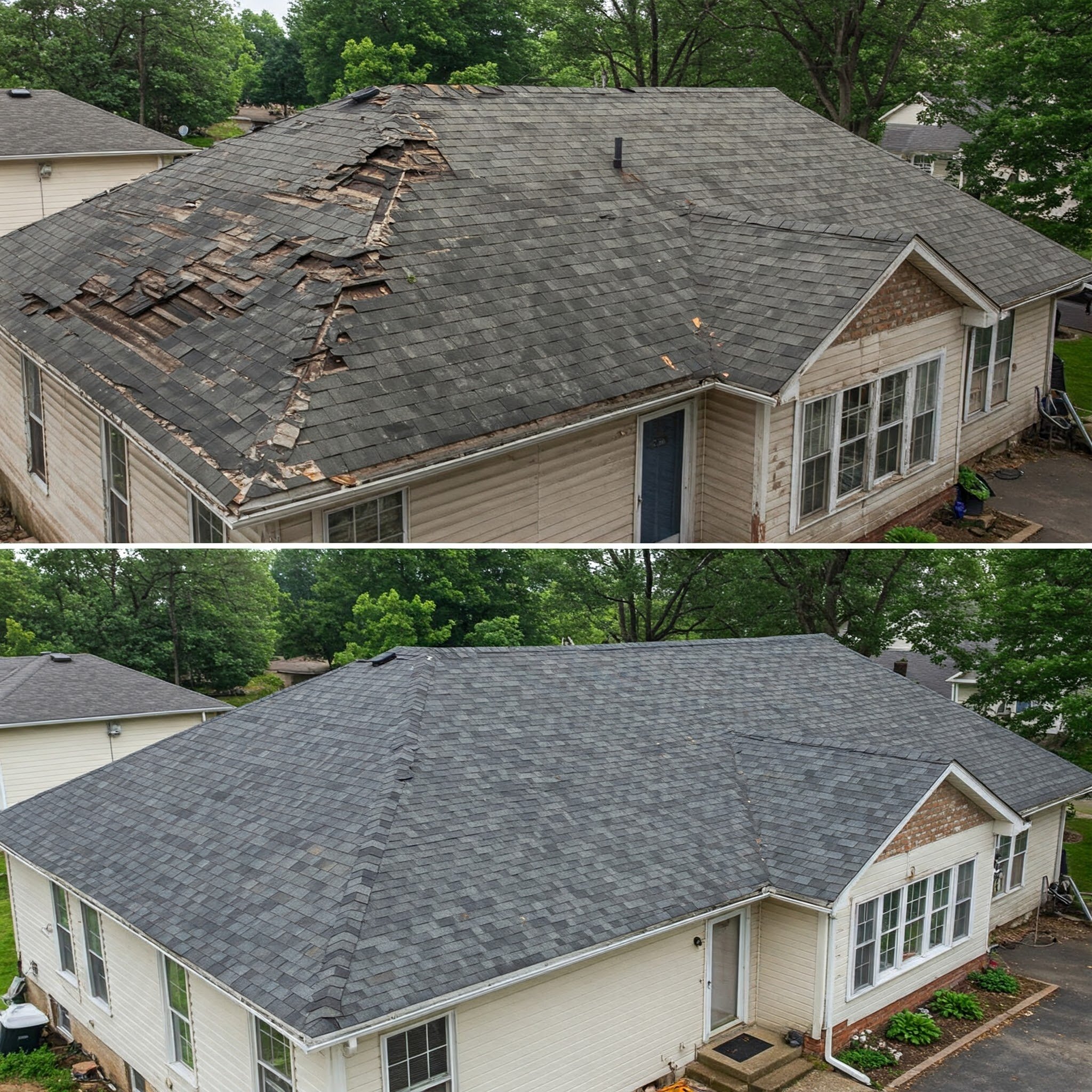
If you catch flashing issues early, repairs are often focused and affordable. A widely used price guide notes that small flashing fixes often sit in the low hundreds, while complex replacements can reach into four figures depending on access and scope. That range helps you plan and avoid surprise bills. When damage is more widespread, weighing the long-term value of roof repair or replacement helps you decide whether targeted fixes will hold up or whether a full replacement offers better protection and cost efficiency over time.
Ask what is included in the price. Clarify materials, underlayment patches, sealants, and cleanup. Request before and after photos so you can see the work.
Consider access. Chimneys, steep slopes, or tall homes increase labor time. Weather can also add setup time for safety and protection.
Maintenance Tasks You Can Plan
Set a simple recurring checklist you can follow:
Clear gutters and downspouts twice a year
Photograph the roof every spring and fall for comparison
Trim back branches that touch or hang over the roof
Check flashing at chimneys, vents, and sidewalls each season
Verify attic vents are open and insulation is dry
Book a yearly professional inspection
Schedule Professional Eyes Each Year
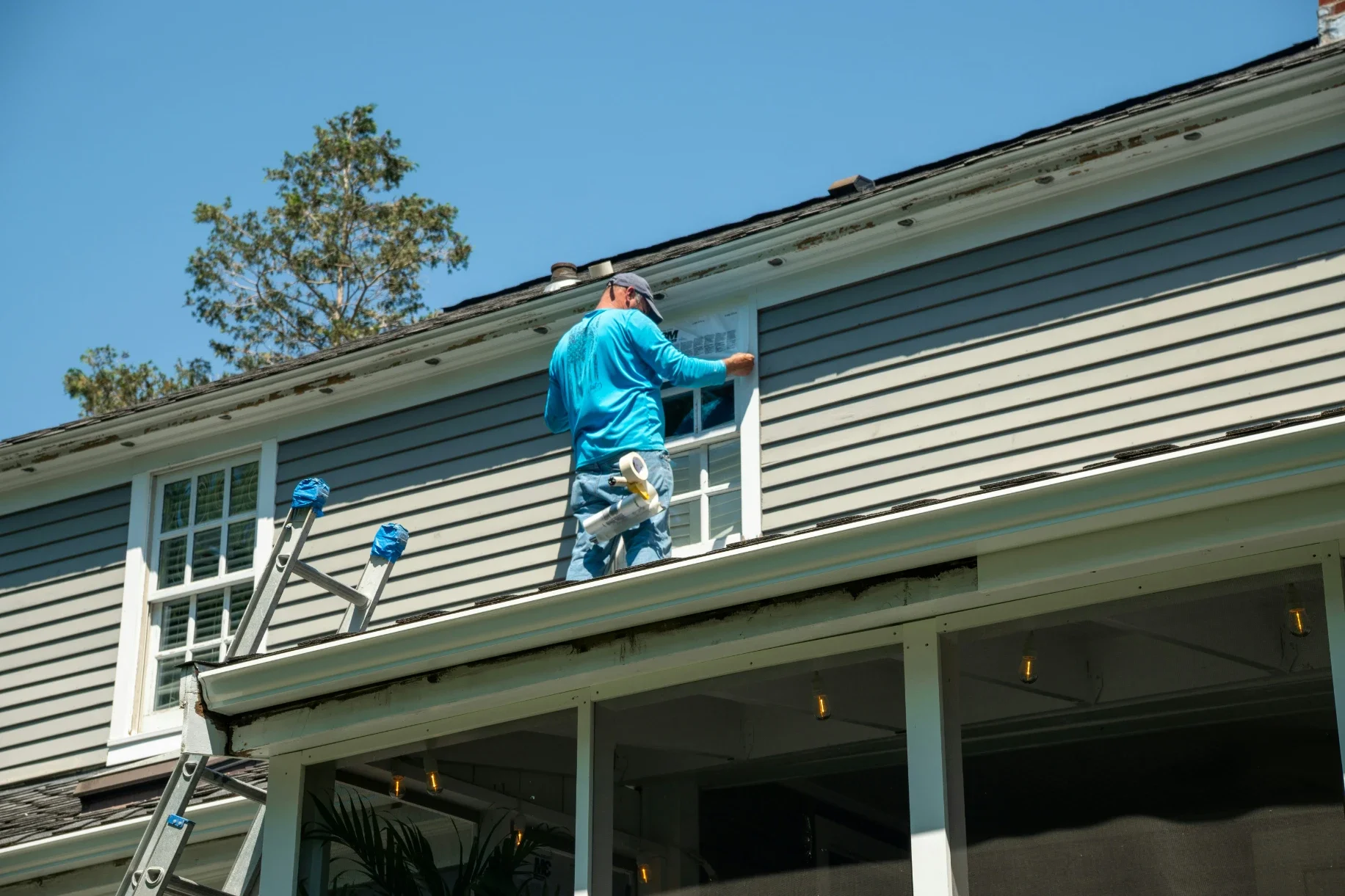
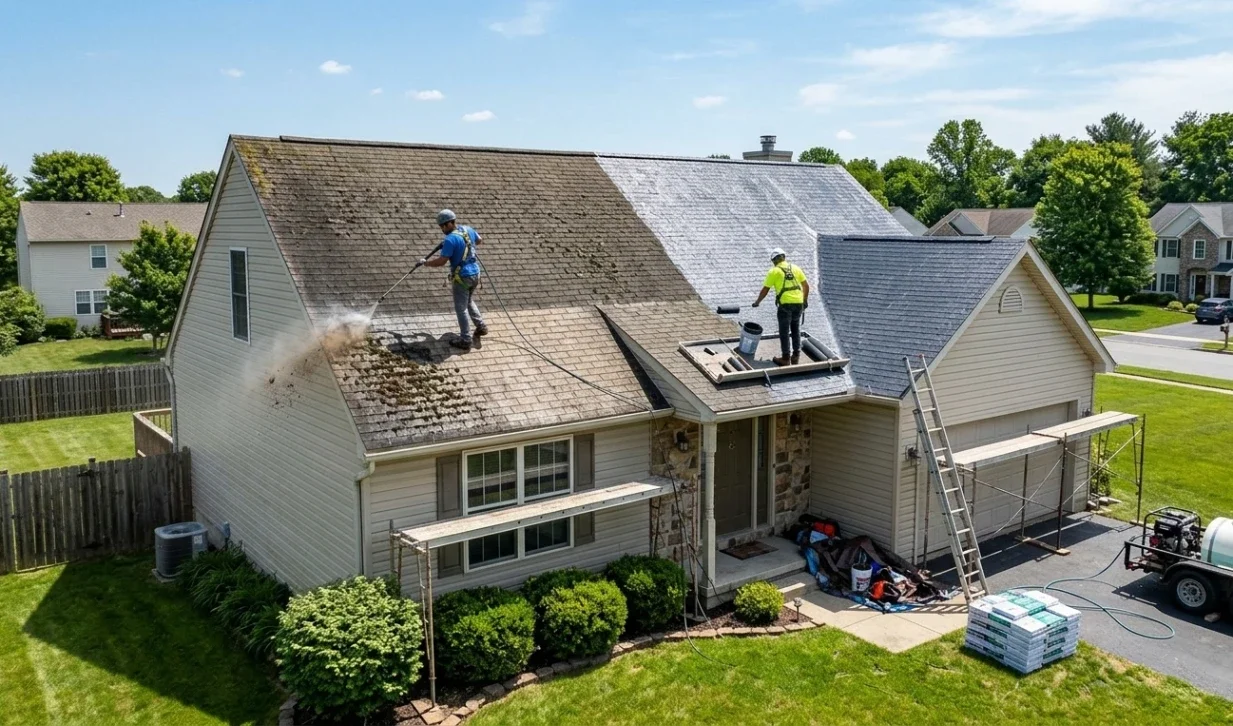
Even with regular DIY checks, a trained roofer can spot hidden issues. A respected home resource suggests scheduling a professional roof inspection once a year and notes that pro cleaning often lands in the mid-hundreds, which helps preserve shingles by removing algae and debris. That yearly visit also creates a clear maintenance record.
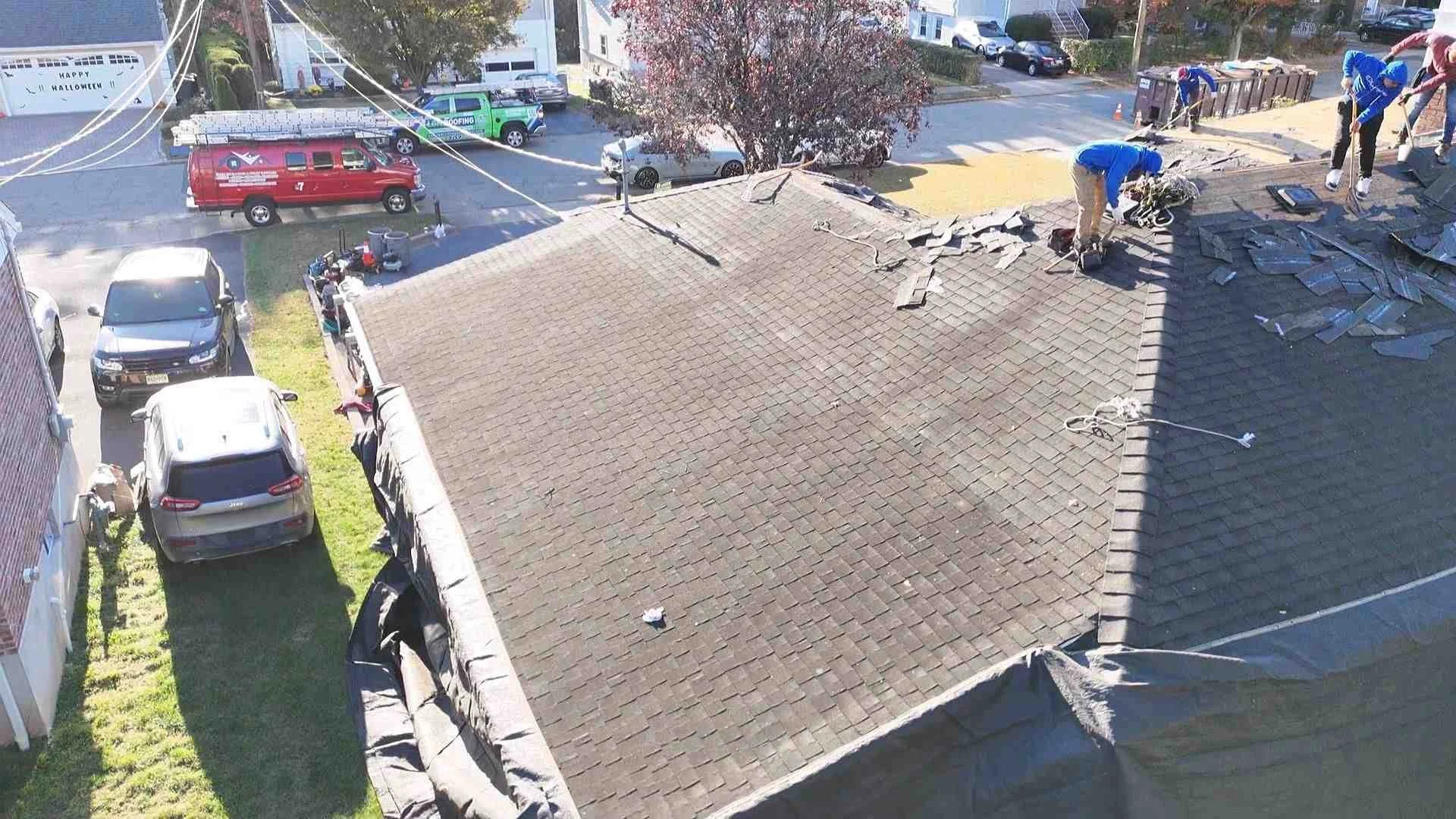
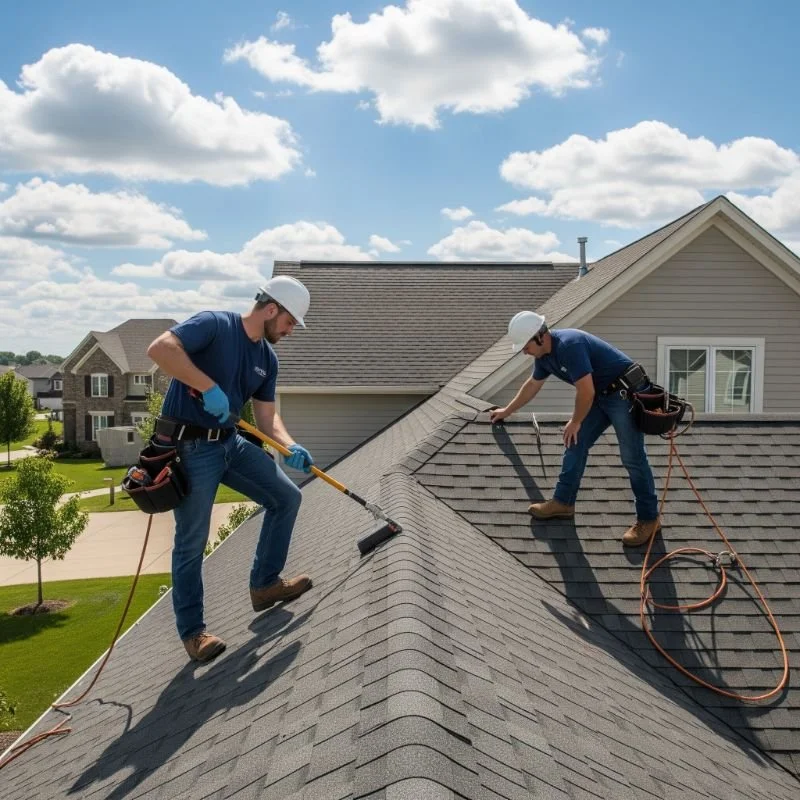
Pros trace water paths, test fasteners, and lift suspect shingles with care. They can reseal or replace flashing, patch underlayment, and secure tabs. Their photos and notes help you compare year to year.
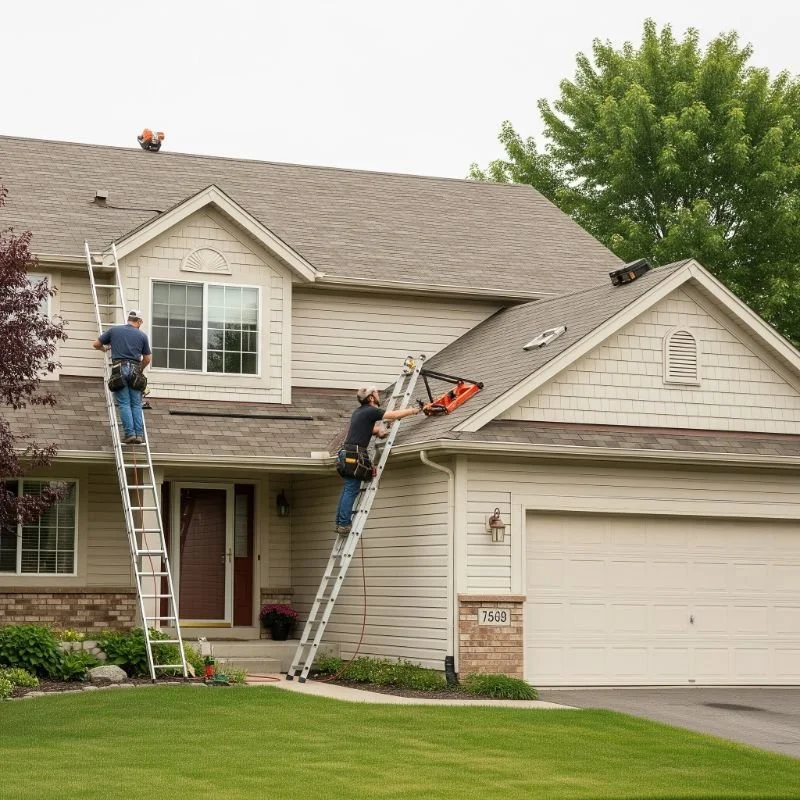
Choose licensed and insured contractors. Ask about safety systems and property protection. A tidy setup and cleanup protect landscaping and gutters.

Plan a small annual budget for inspections, cleaning, and minor fixes. Spread costs across the year so surprises stay small. With steady attention and quick flashing repairs, your roof can protect your home for the long haul.
Stay up to date with our latest ideas!