How Long Does a Roof Last on a Texas Home?
Discover how long a roof lasts on a Texas home, including factors like weather, materials, maintenance, and signs it may need replacement.
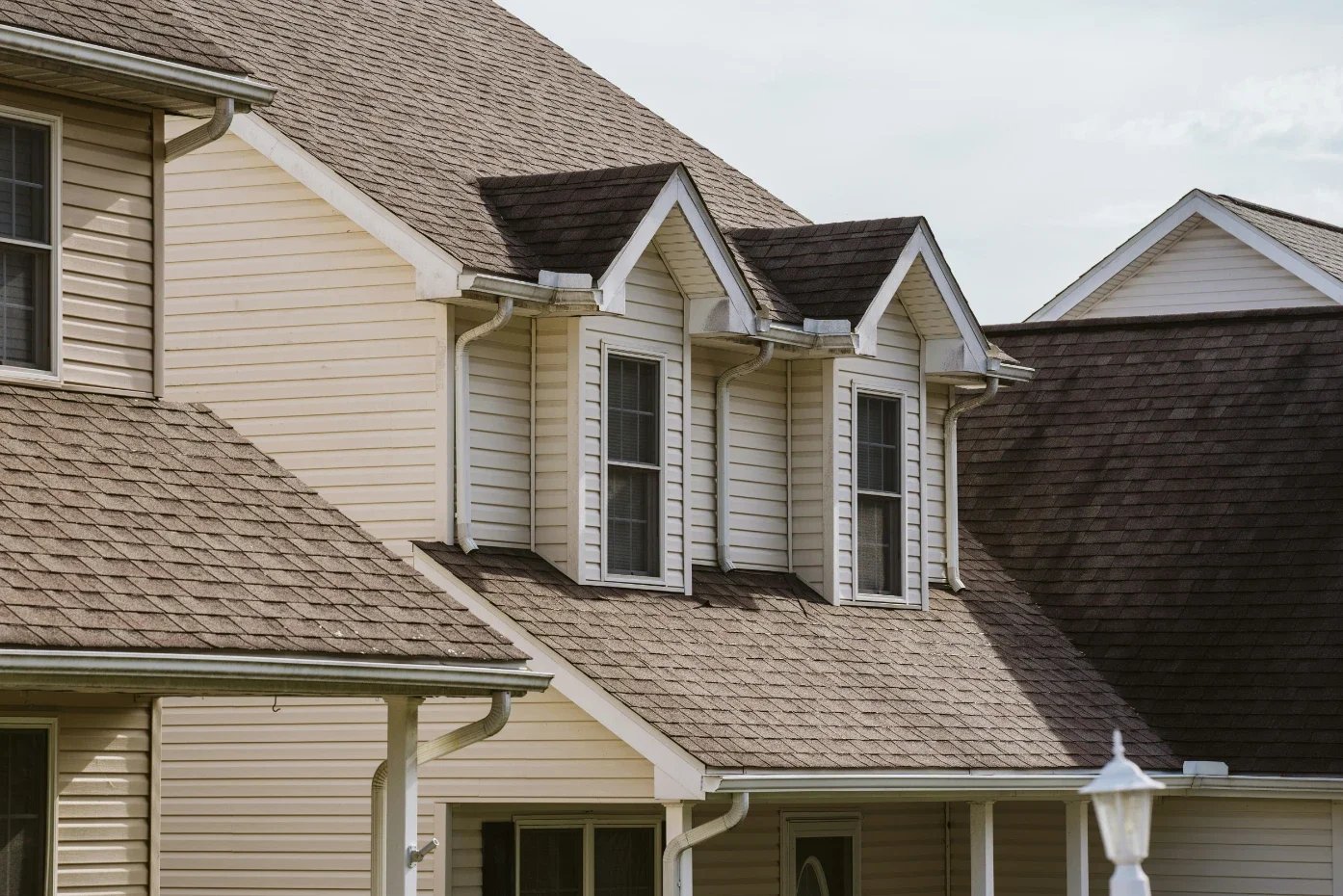
A roof’s expected lifespan depends on more than the material printed on the manufacturer’s brochure. Installation quality, attic ventilation, roof slope, tree coverage, maintenance and severe weather all influence how long a roofing system will perform.
In Central Texas, the climate is especially demanding. Prolonged summer heat, high attic temperatures, spring hailstorms and strong winds can cause roofing materials to age faster than they would in a milder part of the country.
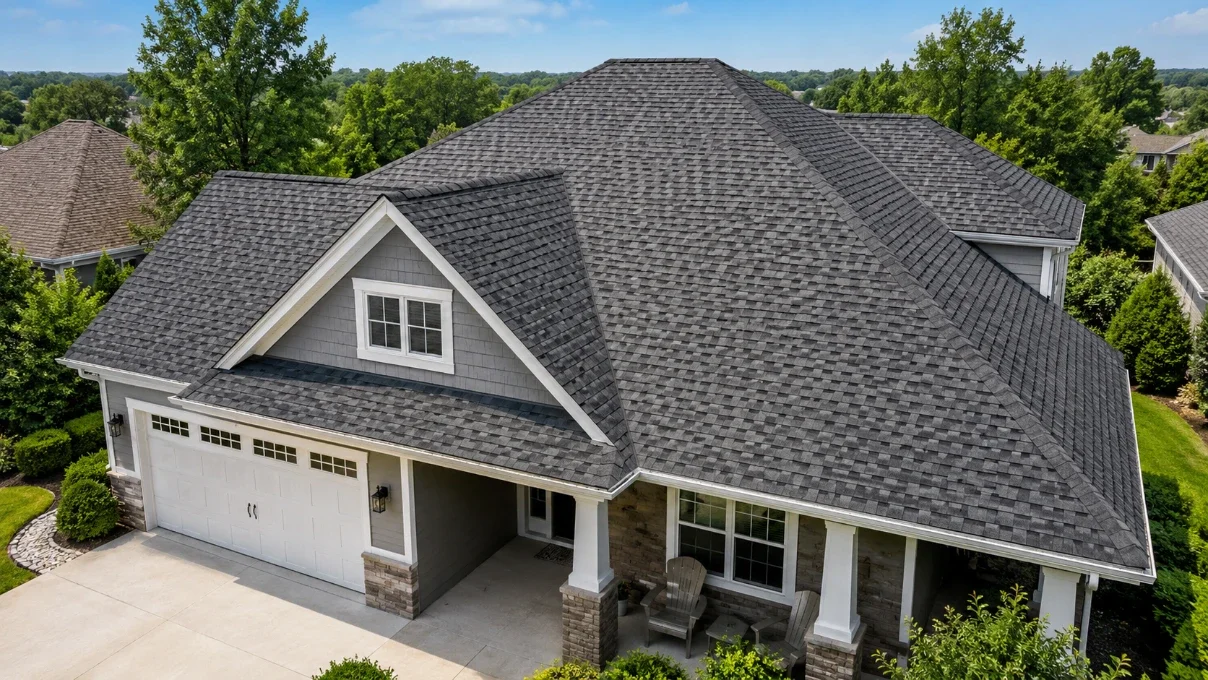
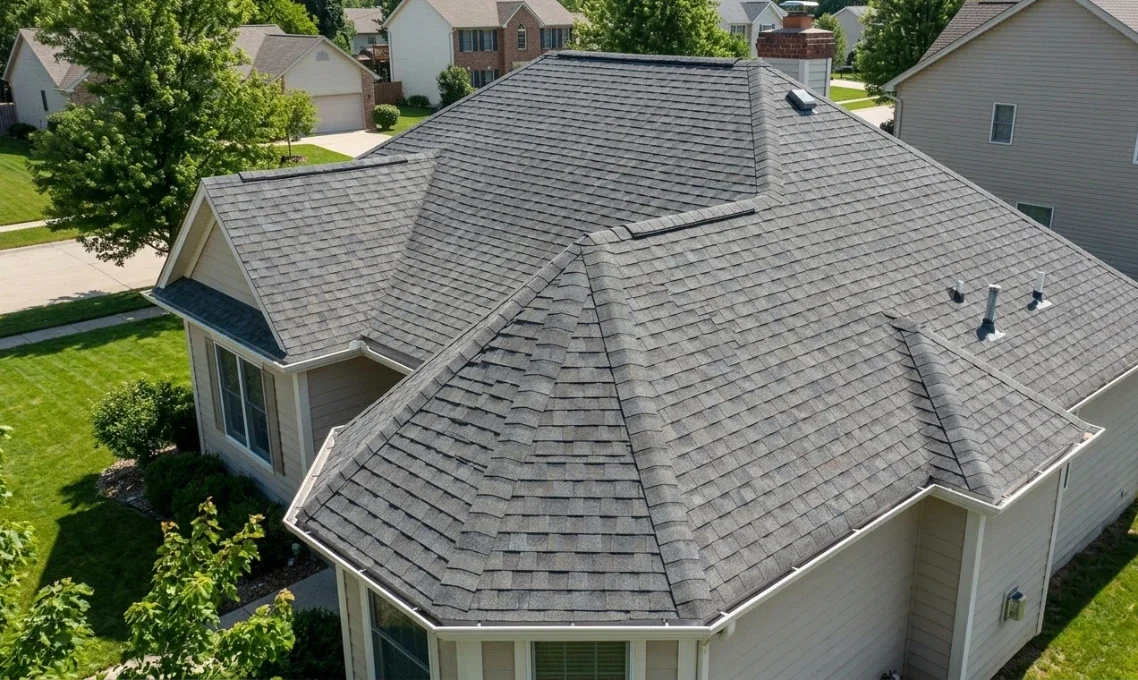
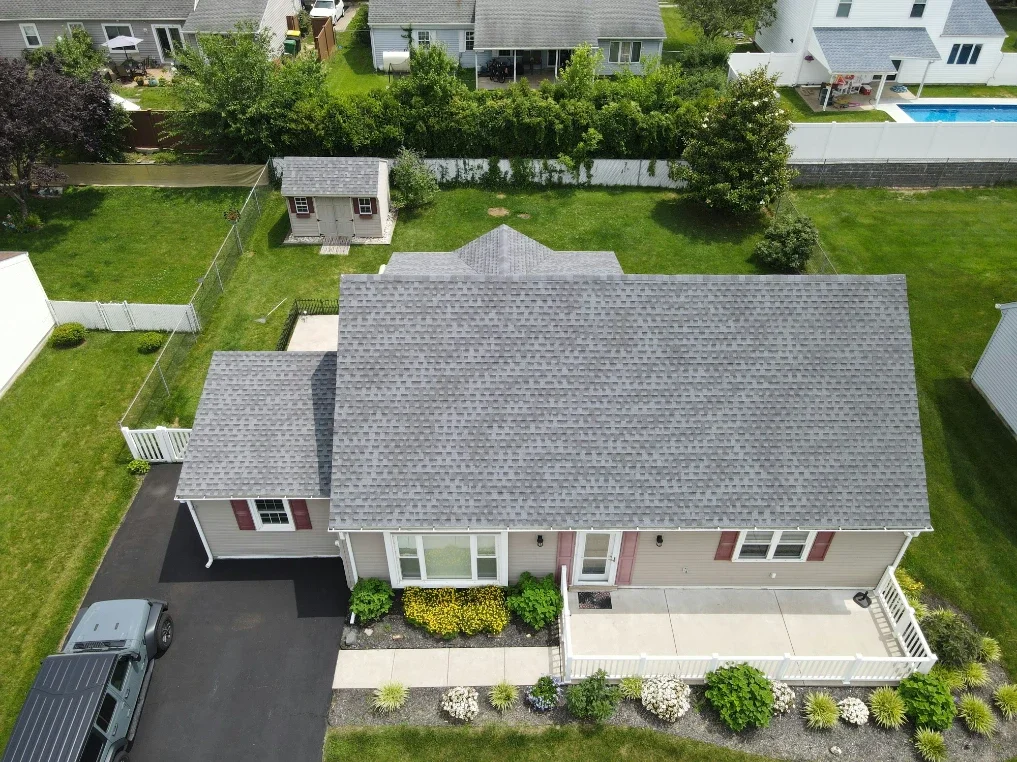
A standard asphalt shingle roof may last approximately 18 to 20 years on an Austin-area home. Upgraded architectural shingles can often last longer, while metal and tile roofing systems may remain serviceable for several decades when they are installed and maintained correctly.
Local contractors such as Driftwood Builders Roofing regularly evaluate roofs throughout the Austin area and often find that ventilation, storm exposure and installation quality matter just as much as the age of the shingles.
How Long Do Different Roofing Materials Last in Texas?
Each roofing material reacts differently to heat, moisture, hail and wind. The following ranges provide a practical starting point for Central Texas homeowners:
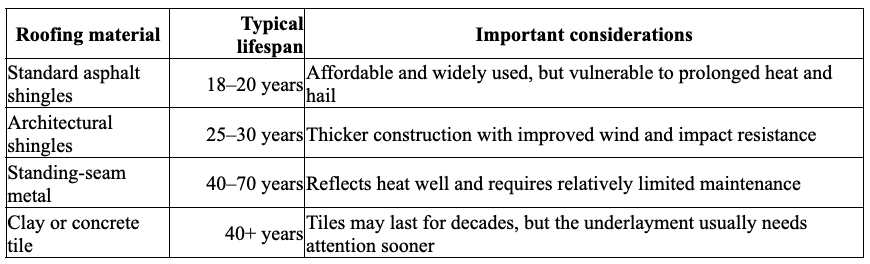
These figures are general estimates rather than guarantees. Two homes with the same shingles can experience very different results depending on attic conditions, roof design and storm history.
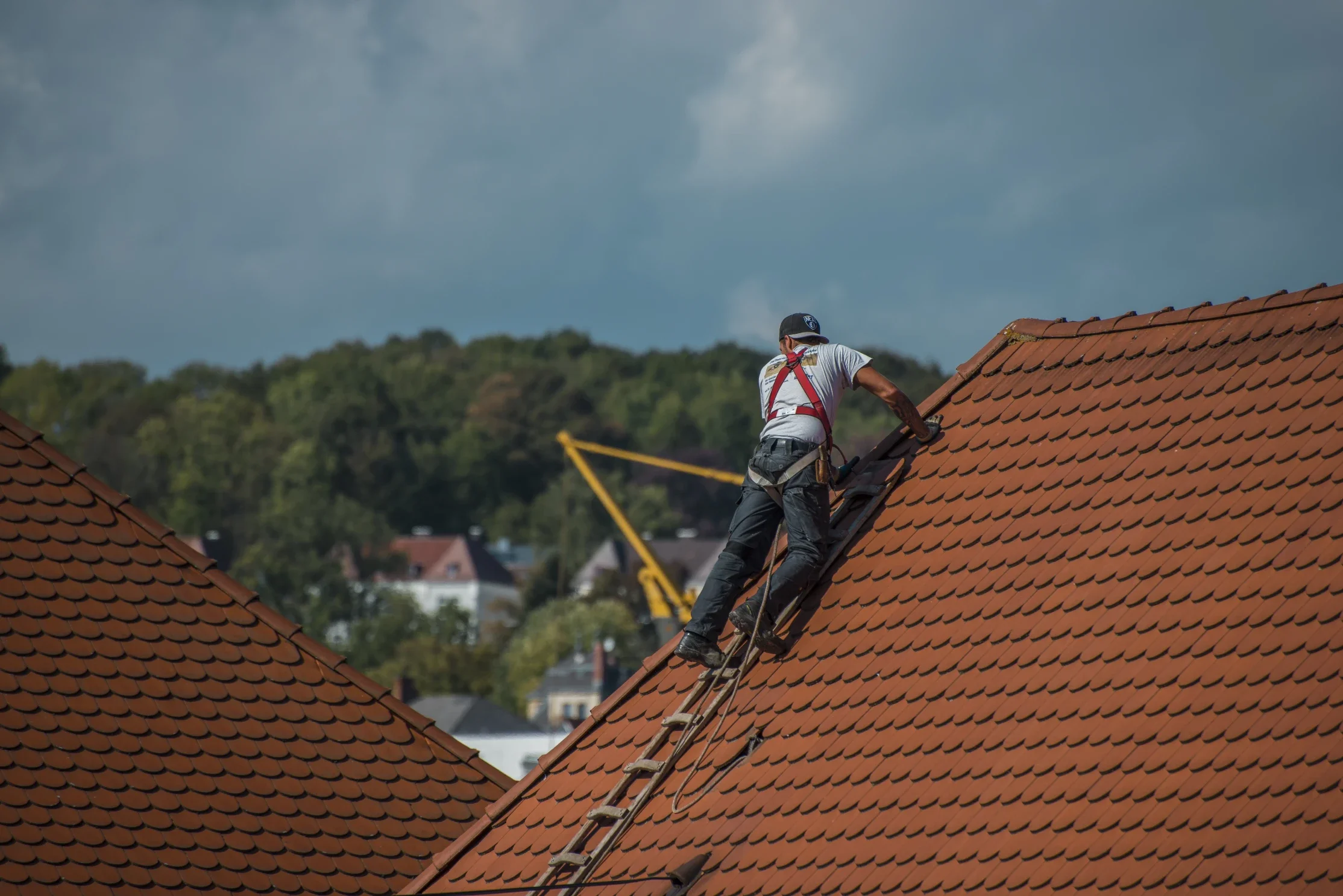
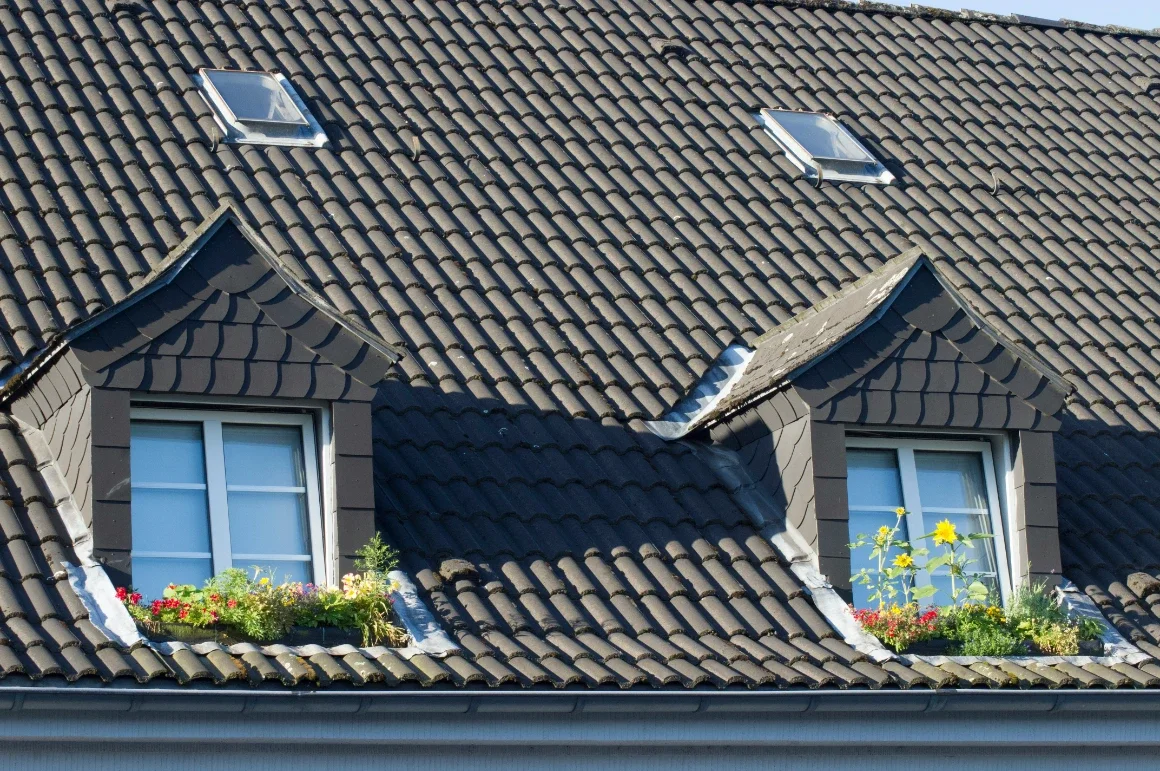
Tile roofing is a good example. The tiles themselves may remain intact for decades, while the waterproof underlayment beneath them can deteriorate after approximately 25 to 30 years. Replacing that underlayment requires removing and reinstalling the tiles, which makes it an important long-term cost to consider.
Why Do Austin Roofs Age Faster?
Central Texas roofs experience repeated cycles of extreme heat, sudden temperature changes and severe storms.
During summer, roof surfaces can become significantly hotter than the outdoor air. Heat also builds inside the attic. When an attic does not have balanced intake and exhaust ventilation, hot and humid air remains trapped beneath the roof deck.
That trapped heat can dry out asphalt shingles and accelerate granule loss. Moisture can also collect around the roof deck, insulation and framing. Over time, these conditions may reduce the service life of the roof and contribute to decking deterioration.
Spring and early summer introduce a different set of concerns. Hail can loosen protective granules, fracture shingles, crack tiles and dent metal panels. Straight-line winds may lift shingles or expose vulnerable edges, even when the roof does not appear damaged from the ground.
A roof that has survived multiple Austin storm seasons may therefore need attention before it reaches the manufacturer’s estimated lifespan.
What Determines How Long a Roof Will Last?
Several factors have a direct effect on roof longevity.
Attic ventilation
Ventilation is one of the most important variables in a hot climate. A properly designed system allows cooler air to enter near the eaves and warmer air to escape near the ridge. This reduces excessive heat and moisture beneath the roof deck.
Simply adding more exhaust vents is not always the answer. The intake and exhaust portions of the system must work together.
Installation quality
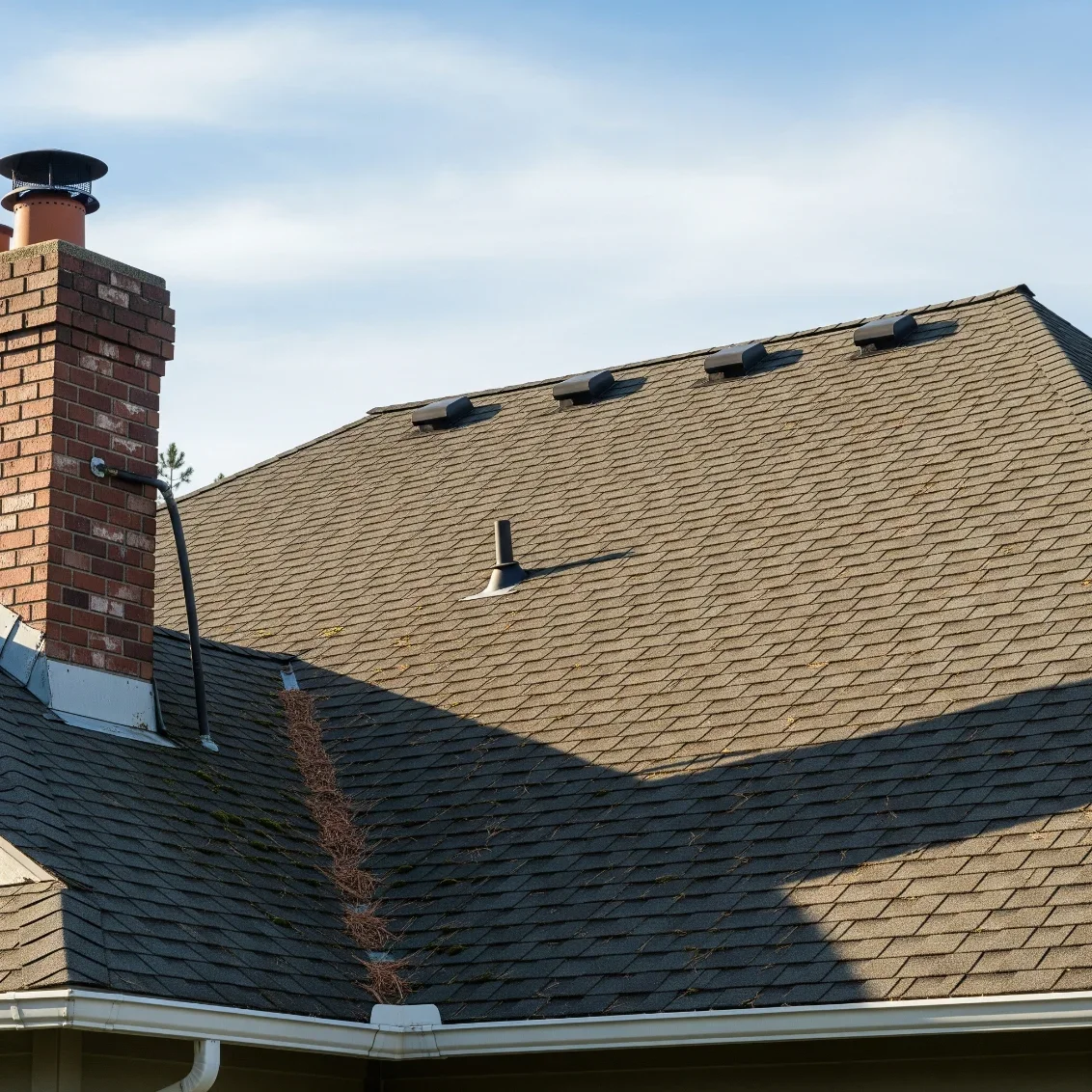
Even premium shingles can fail early when they are improperly nailed, poorly flashed or installed without the correct accessories. Valleys, roof-to-wall transitions, pipe penetrations and chimneys are common areas where workmanship affects long-term performance.
Roof slope and design
Steeper roofs generally shed water and debris more effectively. Low-slope sections may hold moisture longer and often require roofing materials specifically designed for reduced slopes.
Complex rooflines with numerous valleys, walls and penetrations also contain more potential leak points than simple roof designs.
Previous roofing work
Installing new shingles over an existing roof can conceal damaged decking and trap additional heat. A complete tear-off allows the contractor to inspect the roof deck and correct hidden problems before installing the new system.
Trees and debris
Overhanging branches may scrape roofing materials during high winds. Leaves and organic debris can collect in valleys or gutters and hold moisture against the roof. Trees also create shaded areas that dry more slowly after rain.
Maintenance and inspections
Small roofing problems are generally easier and less expensive to address before they spread. Loose flashing, damaged shingles, clogged drainage areas and failing sealants may all lead to larger repairs when ignored.
How Can Homeowners Extend a Roof’s Life?
Homeowners cannot control the weather, but they can reduce avoidable wear.
Keep gutters and roof drainage areas clear so rainwater can leave the roof properly. Trim branches that touch or hang directly over the house. After a major hail or wind event, inspect the property for missing shingles, displaced metal, damaged vents and granules collecting near downspouts.
Periodic professional inspections can also identify issues that are difficult to see from the ground. This is especially valuable as an asphalt roof approaches 15 years of age or after a significant storm.
Avoid climbing onto the roof unnecessarily. Foot traffic can damage brittle shingles, break tiles and create a safety risk. A qualified roofing professional can document the condition of the system without causing additional damage.
What Are the Signs That a Roof Is Near the End of Its Life?
Roof age is important, but visible condition matters more. Common warning signs include:
Curling, cracked or missing shingles
Large amounts of granules in gutters
Exposed fiberglass on asphalt shingles
Repeated leaks in different parts of the home
Sagging or soft areas in the roof deck
Deteriorated flashing around walls, chimneys or vents
Dark streaking combined with other signs of aging
Repairs that continue to fail or cover increasingly large areas
One isolated issue may be repairable. However, recurring leaks and widespread deterioration on an older roof often indicate that replacement will be more practical than continuing to make temporary repairs.
When Should You Consider Roof Replacement?
Replacement should be considered when a roof is approaching the end of its expected lifespan and showing widespread deterioration. It may also be appropriate after severe storm damage, significant decking problems or repeated leaks that cannot be corrected reliably with a localized repair.
Homeowners researching roof replacement in Austin should request an inspection that separates age-related wear from storm damage and installation defects. A reputable contractor should explain whether the roof can be repaired, how much useful life may remain and which parts of the roofing system require attention.
Planning replacement before widespread leaking begins can also protect insulation, ceilings, walls and personal belongings from water damage.
Frequently Asked Questions
How long does an asphalt roof last in Austin?
A standard asphalt shingle roof commonly lasts approximately 18 to 20 years in the Austin area. Architectural shingles may last around 25 to 30 years, depending on installation quality, ventilation, maintenance and storm exposure.
Which roofing material lasts the longest in Central Texas?
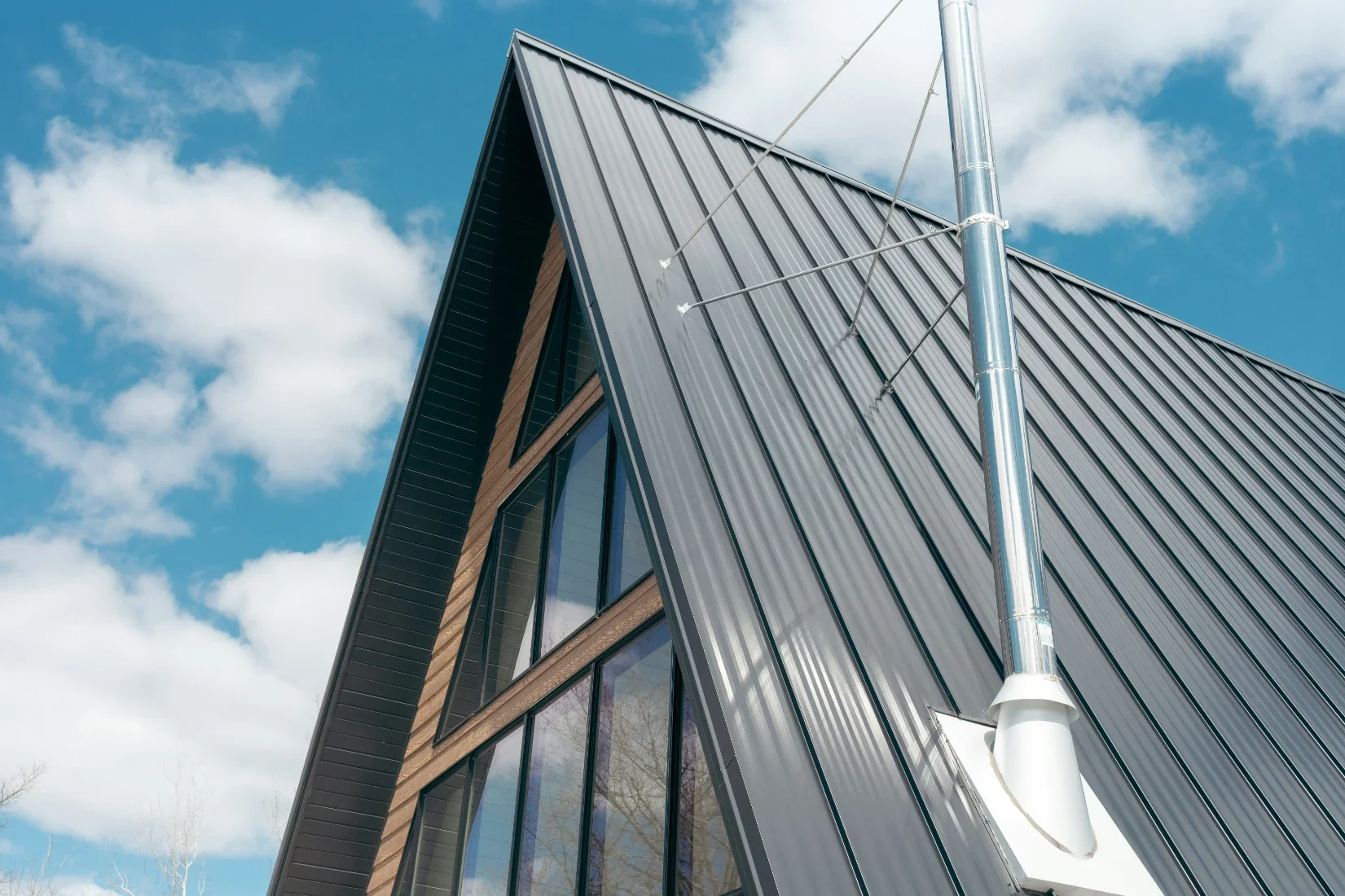
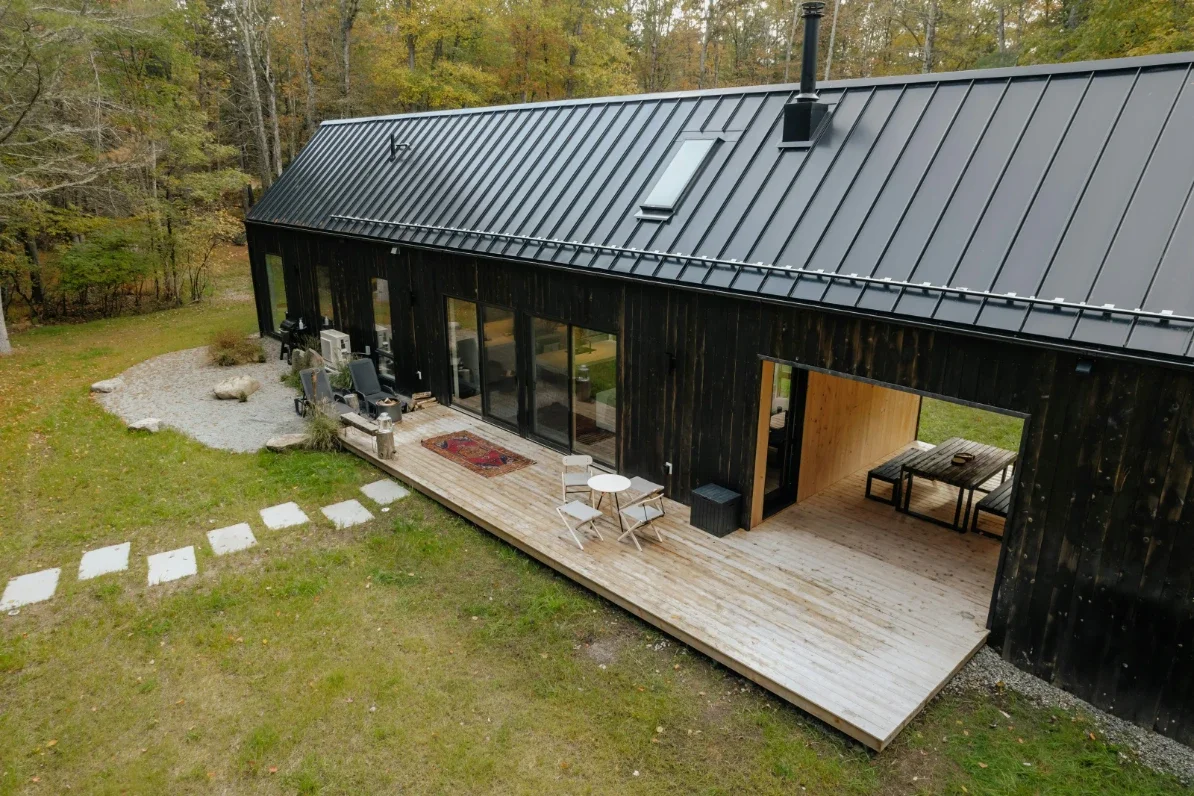
Standing-seam metal roofing is one of the longest-lasting options and may perform for 40 to 70 years with proper installation and occasional maintenance. Tile roofing can also last 40 years or longer, although its underlayment will typically require attention sooner.
Can attic ventilation extend the life of a roof?
Proper ventilation can help control excessive attic heat and moisture, which may reduce premature aging of shingles and roof decking. The system should include balanced intake and exhaust ventilation rather than exhaust vents alone.
Does hail damage always mean a roof must be replaced?
No. The appropriate solution depends on the size and density of the damage, the age of the roof and the affected materials. Some roofs can be repaired, while widespread functional damage may justify replacement.
How often should a roof be inspected?
A roof should be evaluated after major hail or wind events and whenever there are signs of leaking or visible damage. Older roofs may also benefit from routine inspections to identify maintenance needs before they become larger problems.
Stay up to date with our latest ideas!