Learn how to spot interior signs of roofing problems, including ceiling stains, peeling paint, mold growth, and moisture buildup, before damage worsens.
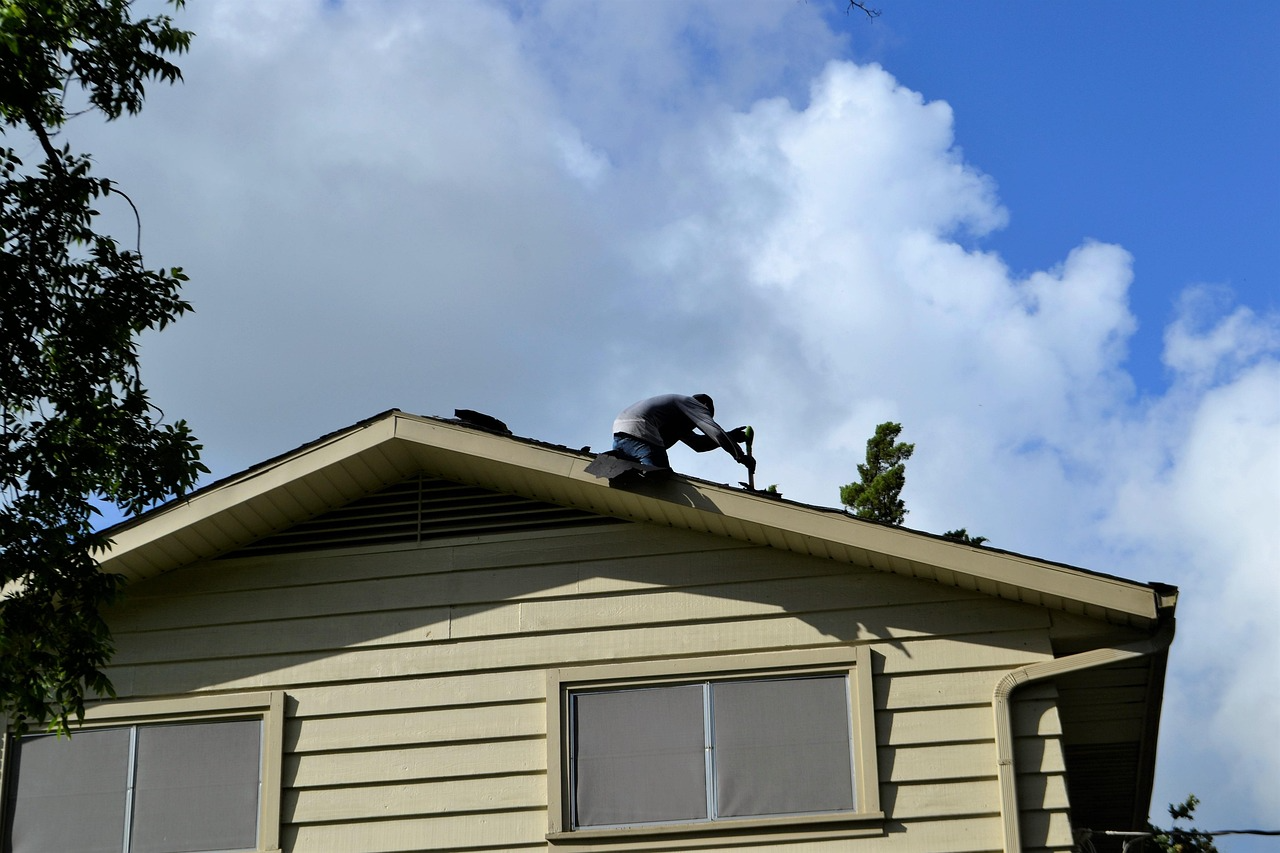
Your residential roofing is the first line of defense against harsh weather elements such as snow, rain, wind, and sun. Most homeowners usually focus on the outside when it comes to roofing issues. However, long before you notice that loose shingle from the driveway, there were other warnings of roofing issues inside your home.
The earliest signs that your roof is failing are usually found inside the house. Your upper-floor rooms, walls, ceilings, insulation, and attic can show evidence of roofing issues such as moisture intrusion, which can be hard to notice on the exterior. This article outlines three interior signs of roofing problems.
Water Stains on Walls and Ceilings
Stains on your walls and ceilings are one of the most common signs that your roofing is failing. They normally appear as yellow, brown, or gray spots that spread gradually. Most homeowners often blame plumbing problems as the culprit, but more often than not it’s a roofing issue.
When there is a leak in your roofing system, water seeps through the drywall and insulation, causing these stains. The leaks are often caused by cracked underlayment, worn shingles, or damaged flashing. When water penetrates the interior, it naturally moves downward due to gravity, often leaving visible stains on ceilings and streaks along walls.
Addressing this early can help prevent mold growth and expensive ceiling and wall repairs, which is why you want to contact this Fort Lauderdale roofing company as soon as you notice these stains.
Bulging or Sagging Ceiling Sections
If some sections of your ceiling start to bubble or sag, most likely there is moisture accumulation behind the surface. This is not merely an aesthetic problem. It indicates ongoing moisture exposure that may be compromising the ceiling's structural strength.
When the plaster or drywall retains moisture, it can weaken over time and eventually collapse, posing a safety risk to occupants. This is why you want to promptly identify and repair the source of the leak to prevent further damage and costly repairs.
In some instances, this damage may be caused by ice dams forming along the roof and gradually melting, allowing water to seep indoors without causing obvious leaks.
Bubbling Wall Finishes or Peeling Paint
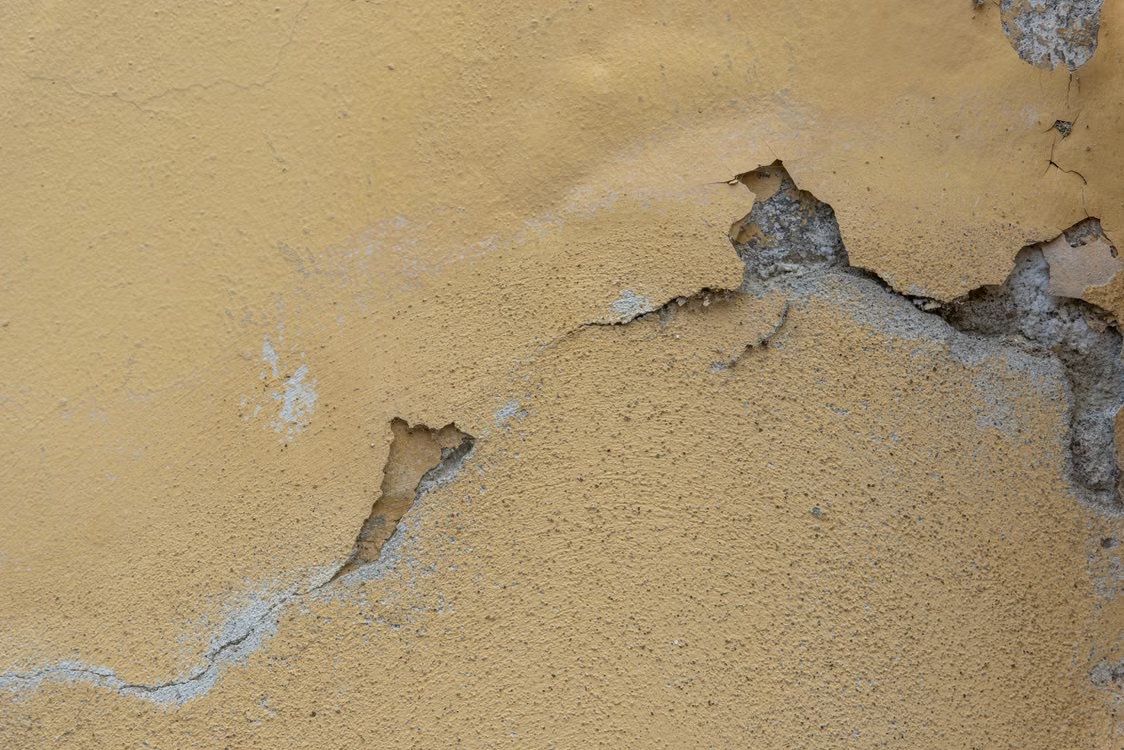
Your wall finishes and interior painting can also reveal evidence of moisture exposure. Bubbling paint, peeling finishes, and swollen drywall are common signs of moisture penetration. Wallpaper may also begin to loosen or separate as water accumulates within the building materials. These issues can affect both ceilings and the upper sections of walls.
These forms of interior damage often occur when water vapor enters through the attic and gradually moves into the living space. As moisture accumulates on surfaces, it weakens the bond between paint and walls or causes wallpaper adhesive to fail.
A damaged roof can allow moisture to penetrate insulation, reach wooden framing, and spread to interior surfaces. Identifying these warning signs early helps prevent further deterioration, wood rot, and mold growth within hidden areas of the home.
Endnote
If you notice interior damage in your home, your roofing system probably has an issue that has gone unaddressed for an extended period of time. Water stains on walls and ceilings, bulging or sagging sections of the ceiling, and peeling paint or damaged wallpaper are indications of roofing problems that require immediate attention.
Stay up to date with our latest ideas!