Make moving to a new home easier with seven practical tips for organizing belongings, simplifying packing, managing logistics, and reducing stress.
Moving to a new home is an exciting opportunity for a fresh start, but the relocation process can quickly become overwhelming without proper preparation. From packing personal belongings to transporting heavy furniture, every stage requires careful planning and organization. Fortunately, a few practical decisions can make the experience much smoother. Choosing suitable luggage, hiring professional movers, and preparing your new living space ahead of time can help reduce unnecessary stress. Here are seven ways to make moving to a new home easier and more manageable.
Pack Your Personal Essentials in the Right Bags
One of the easiest ways to simplify moving day is to choose the right bags for your personal belongings. While cardboard boxes are useful for transporting household items, luggage and travel bags offer a more convenient way to organize clothing, toiletries, electronics, and other everyday essentials.
When selecting bags, consider their size, durability, compartments, and ease of carrying. Suitcases are ideal for clothing, while backpacks and duffel bags can hold smaller items you may need throughout the moving process.
For homeowners looking for practical packing options, U.N. Luggage offers a resource for exploring different luggage and bag styles. Having suitable bags ready before moving day makes it easier to keep important belongings accessible instead of searching through multiple boxes after arriving at your new home.
Let Professional Movers Handle the Heavy Lifting
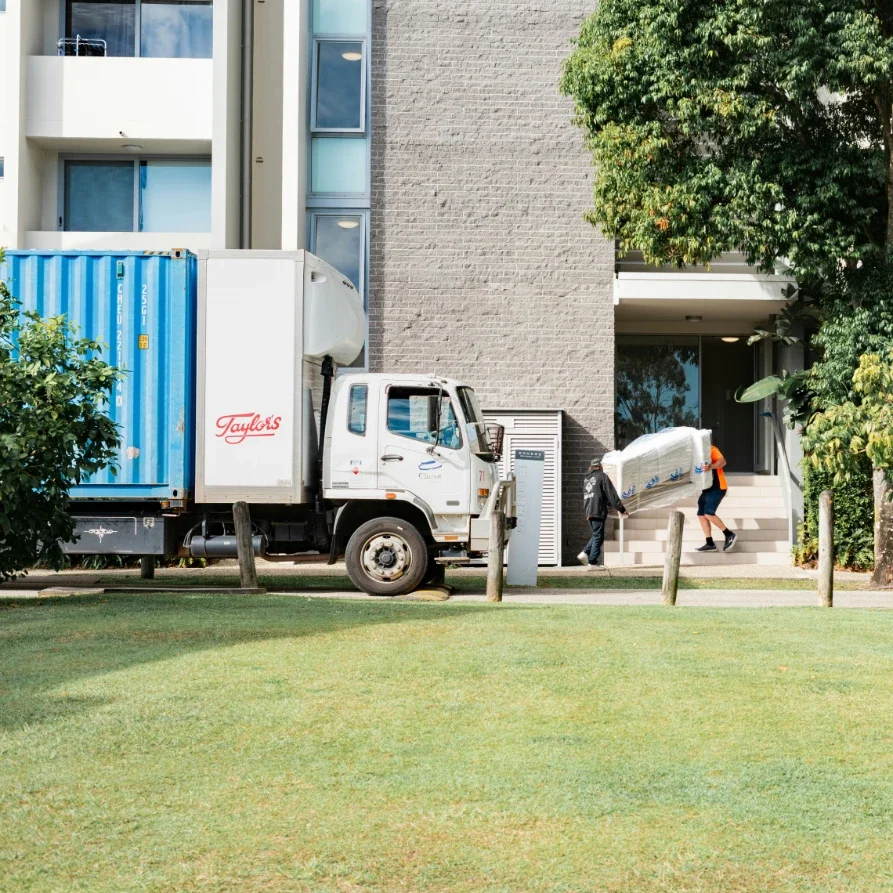
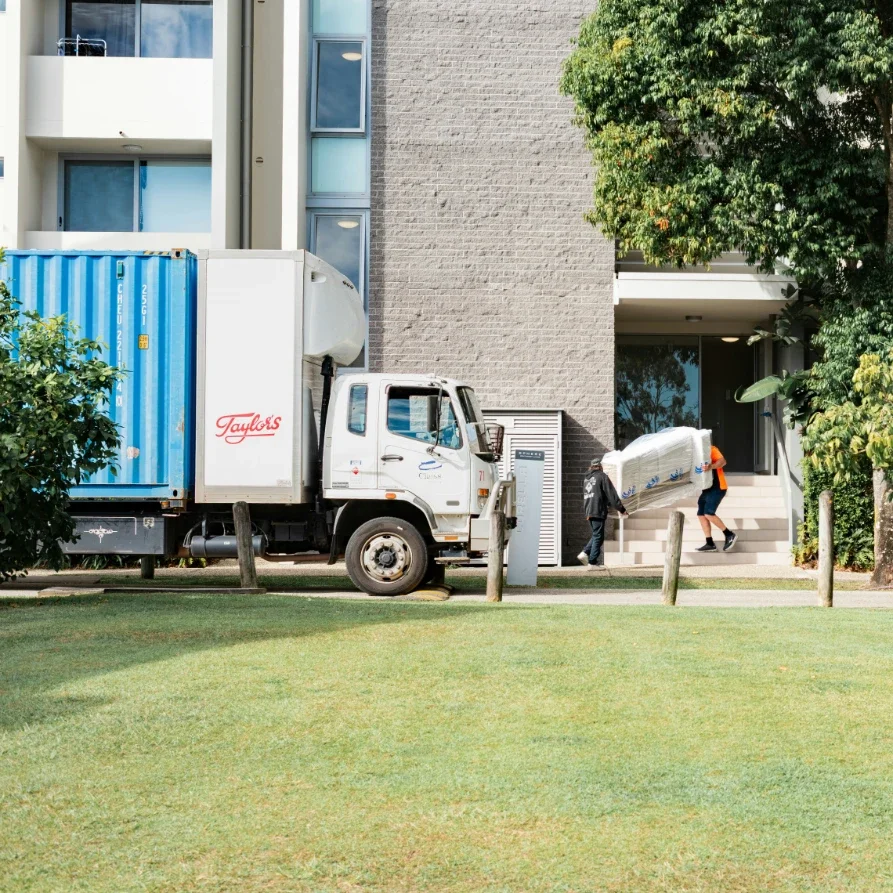
Moving furniture, appliances, and bulky household items can be physically demanding. Hiring a professional moving company can make the process more efficient while reducing the risk of injuries and accidental property damage.
Experienced movers can assist with loading, transportation, and unloading, allowing homeowners to focus on other important responsibilities. Before choosing a company, compare its services, experience, customer feedback, and pricing.
If you are relocating within Winnipeg, requesting a moving quote in Winnipeg is a practical first step toward understanding your potential moving expenses. Ask about additional charges, insurance coverage, scheduling, and the services included in the estimate. Planning your moving budget in advance can help you avoid unexpected costs and make more informed decisions.
Start Packing Early and Work Room by Room
Waiting until the last minute to pack can turn an otherwise manageable move into a stressful experience. Starting several weeks ahead gives you enough time to organize your belongings without rushing.
Begin by sorting items into categories: keep, donate, sell, or discard. This helps reduce the number of things you need to transport and makes unpacking easier later.
Work through one room at a time, placing similar belongings together in clearly labeled boxes. Include the destination room and a brief description of the contents on each label. This simple approach helps movers identify where boxes belong and prevents unnecessary confusion when you arrive.
Keep Your Everyday Essentials Within Reach
Not everything should go into the moving truck. Prepare a separate essentials bag containing items you might need during the journey and immediately after arriving at your new home.
Consider packing identification documents, chargers, toiletries, medications, snacks, water bottles, important paperwork, and a change of clothes. Families with children may also want to include toys, extra clothing, and other familiar items.
Keeping these necessities together saves time and prevents you from opening several boxes just to find something simple. It also makes the first night in your new home more comfortable while you gradually unpack the rest of your belongings.
Give Your Furniture and Fragile Items Extra Protection
Protecting household belongings should be a priority throughout the moving process. Furniture, glassware, electronics, and decorative items can easily become damaged if they are not packed properly.
Use furniture blankets, bubble wrap, packing paper, and sturdy boxes to provide adequate protection. Wrap delicate objects individually and fill empty spaces inside boxes to prevent items from shifting during transportation.
It is also helpful to label boxes containing fragile belongings clearly. If you have particularly valuable or delicate furniture, communicate special handling requirements to your movers beforehand. A little extra preparation can help prevent costly damage and make unpacking less stressful.
Get Your New Home Ready Before the Boxes Arrive
Preparing your new property before moving day can make settling in considerably easier. If possible, arrange for cleaning before furniture and household items are delivered. This gives you an opportunity to clean floors, cabinets, windows, and other areas that may become difficult to access once everything is in place.
Check essential utilities, lighting, plumbing fixtures, locks, and appliances to ensure everything is working properly. You can also plan where larger furniture pieces will go before they arrive.
Having a basic layout in mind helps movers place items in their intended rooms, reducing the need to rearrange heavy furniture later.
Unpack Gradually and Make the Space Your Own
Once you arrive, resist the temptation to unpack everything at once. Instead, prioritize the rooms and belongings you need most.
Start with the bedroom, bathroom, and kitchen so you can maintain your daily routine while organizing the rest of the house. Unpack essential furniture, clothing, cookware, and toiletries before moving on to decorative pieces and less frequently used belongings.
As you settle in, consider adding shelves, storage containers, cabinets, and organizers to maximize available space. Take your time arranging each room according to your household's needs. Moving into a new home is also an opportunity to create a more functional and comfortable environment.
Make Your Next Move a Fresh Start
A successful move begins with thoughtful preparation. Choosing practical luggage, working with professional movers, protecting household belongings, and organizing your new space can make relocation much easier. By following these steps, you can spend less time dealing with moving-day problems and more time enjoying the possibilities that come with your new home.
Stay up to date with our latest ideas!