Discover five common signs of water damage in your home, from discolored walls to musty odors, and learn how to prevent costly structural repairs.
Water damage is a serious problem that can lead to structural integrity issues and the growth of mold and harmful bacteria indoors. Unfortunately, many homeowners do not know how to spot signs of water damage and only realize there is a problem when it is too late. In this article, we’ll outline the signs of water damage in your home.
Poor Outdoor Drainage
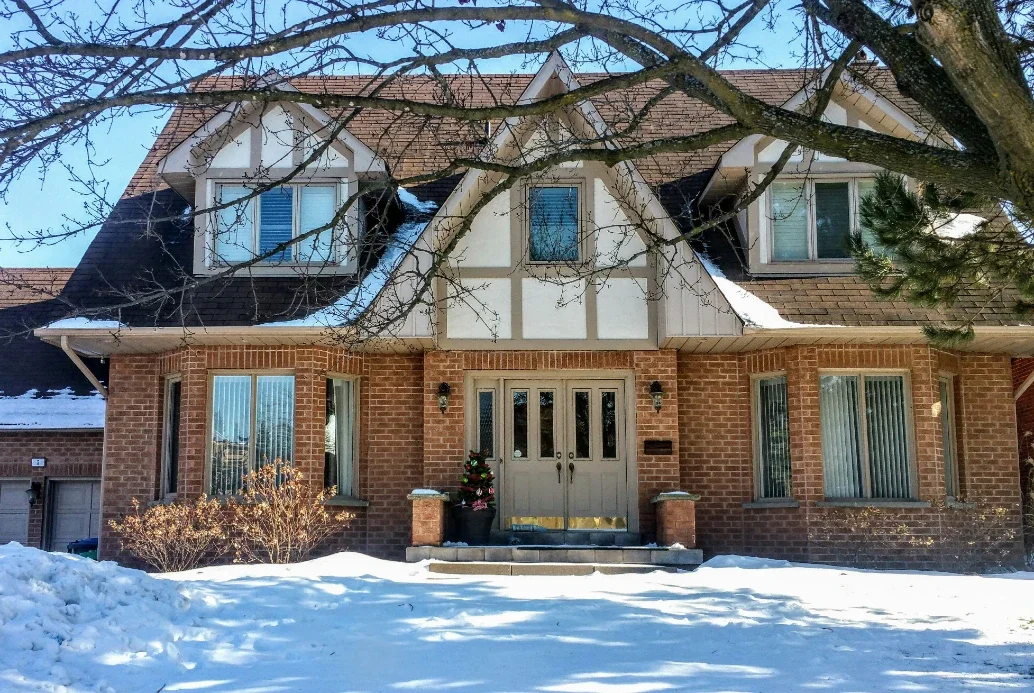
Poor outdoor drainage can cause water to accumulate around your home and pool near the foundation. When excess water is not properly directed away from the property, it can seep into the foundation, weaken structural materials, and cause cracks or other forms of damage over time.
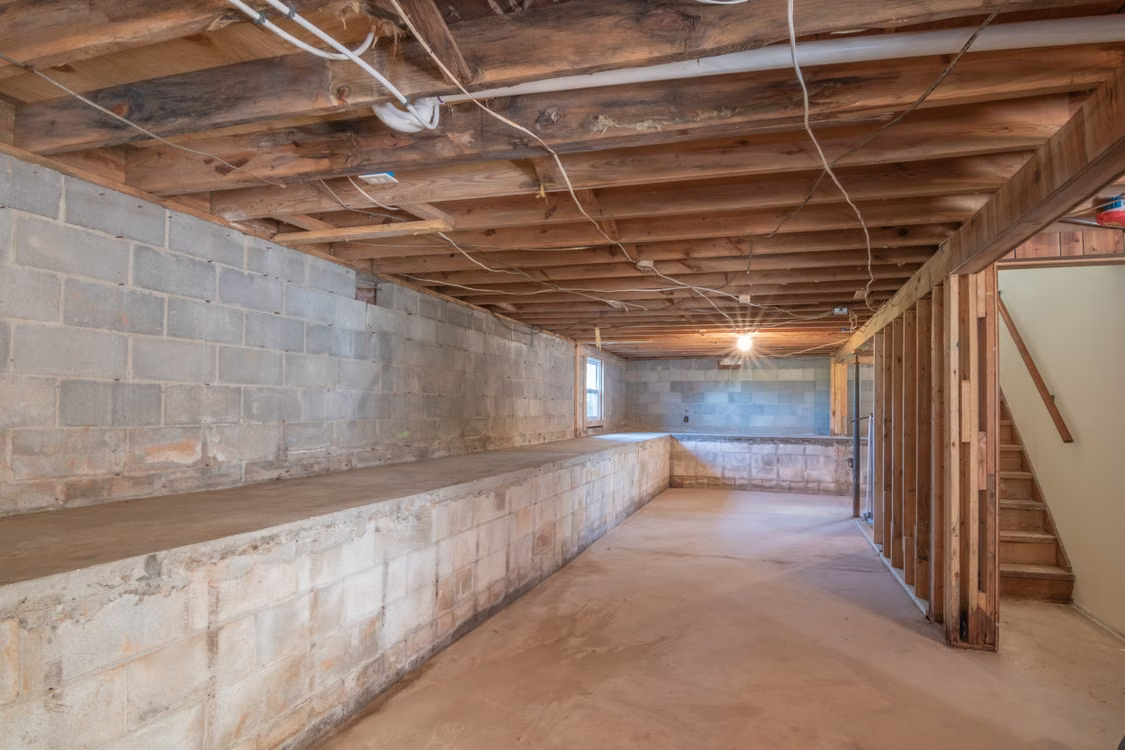
Start by inspecting the ground around your home for areas where water collects, especially after heavy rainfall. Check the foundation and exterior walls for visible cracks or signs of water damage. If your home has a basement, look for damp spots, water stains, or seepage along the walls and floor. Addressing these issues early through professional foundation repair and waterproofing can help prevent further water intrusion and protect your home's structural integrity.
Visible Mold Growth
Indoor mold growth is caused by moisture buildup and dampness, which are indications of underlying water seepage or leakage problems. Since mold can grow anywhere, including on your carpet, furniture, walls, and ceiling, you must never ignore any sign of bluish, greenish, or blackish spots.
Mold presents several dangers as they gradually destroy the surfaces they grow on and produce allergens, which could be a health hazard for your family. Quickly identifying and eliminating mold will help prevent costly property damage while protecting your loved ones from serious health concerns.
Damaged Flooring
Whenever you have a serious water leakage problem, it will eventually get to your floor and start causing damage. If you notice the following signs on your floor, you probably have a water damage problem in your home:
Dark gray or brown stains
Buckling, which is caused by the gradual detachment of your floor from the subflooring
A sagging floor that often shows repeated or long-term water damage
Cracking of your floor tiles as they start to sink into the subflooring
Warping due to water absorption, which leads to expansions that cause raised seams on your floor
Bubbling of the top protective layer of your laminate or hardwood floor
Unusual Dampness and Humidity
Excessive moisture and high humidity inside your home can create unhealthy living conditions and gradually weaken building materials. If left unaddressed, these conditions can lead to structural damage, mold growth, and costly repairs. Watch out for the following warning signs:
White, powdery deposits (efflorescence) appearing on walls or other masonry surfaces
Wooden floors, doors, and other surfaces becoming warped or buckled
Floor tiles loosening or separating from the underlying subfloor
Electrical fittings deteriorating due to prolonged exposure to moisture
Termite infestations, as these pests are attracted to damp or moisture-damaged wood
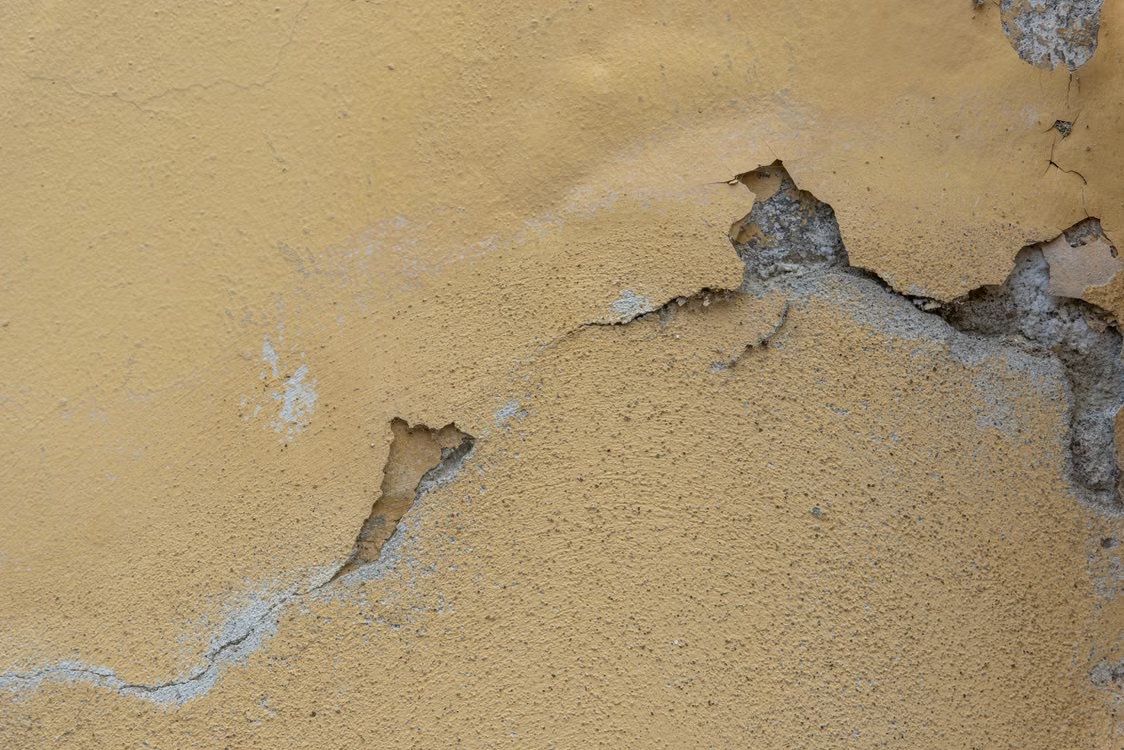
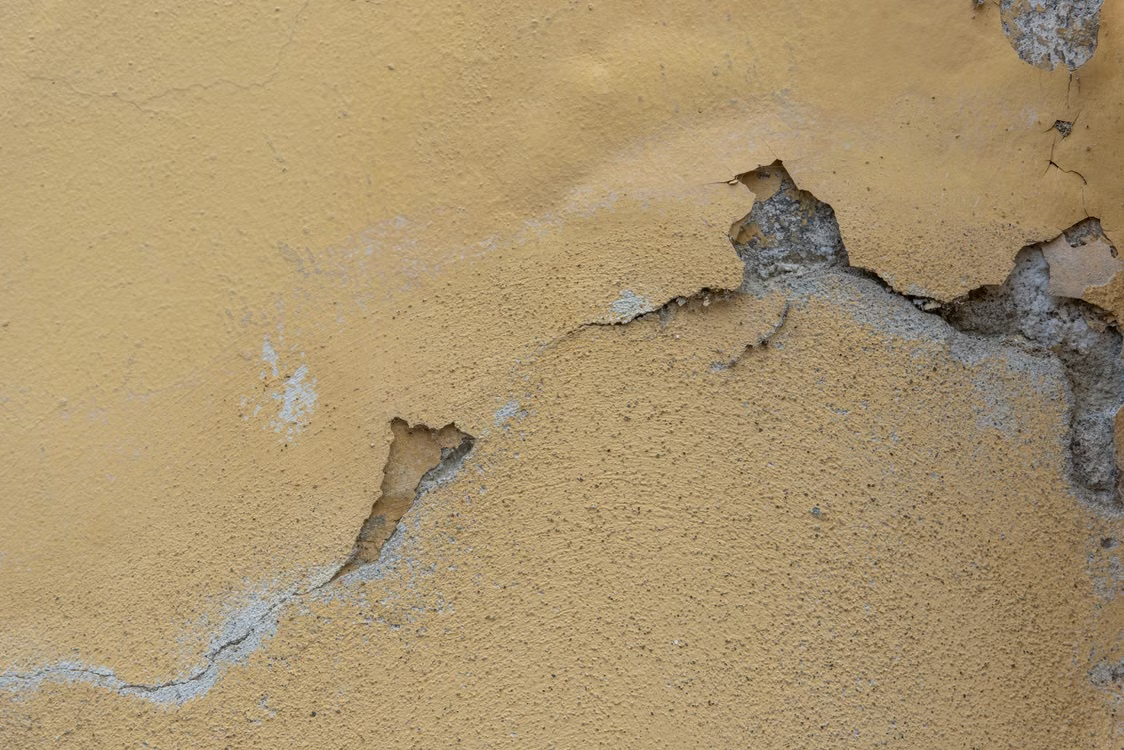
Plaster walls developing cracks, flaking, or crumbling
Peeling Paint or Wallpaper
Peeling paint or wallpaper can indicate excess moisture trapped behind your walls. This often happens when drywall absorbs water from a leaking pipe, roof leak, or moisture intrusion. As the material becomes saturated, paint may begin to bubble and peel, while wallpaper loses its adhesion and starts separating from the wall.
Do not treat these changes as merely cosmetic problems. Inspect the affected area to identify the source of moisture and address it promptly. Delaying repairs will only allow water damage to spread, weaken the drywall, and encourage mold growth.
Endnote
Fixing water damage that has spread throughout your home is costly. Be on the lookout for the above signs of water damage and address the issue promptly to avoid excessive damage to your home.
Stay up to date with our latest ideas!