How long modular homes last in the UK, what affects their lifespan, how BOPAS and warranties work, and how to keep a factory-built home in good condition.
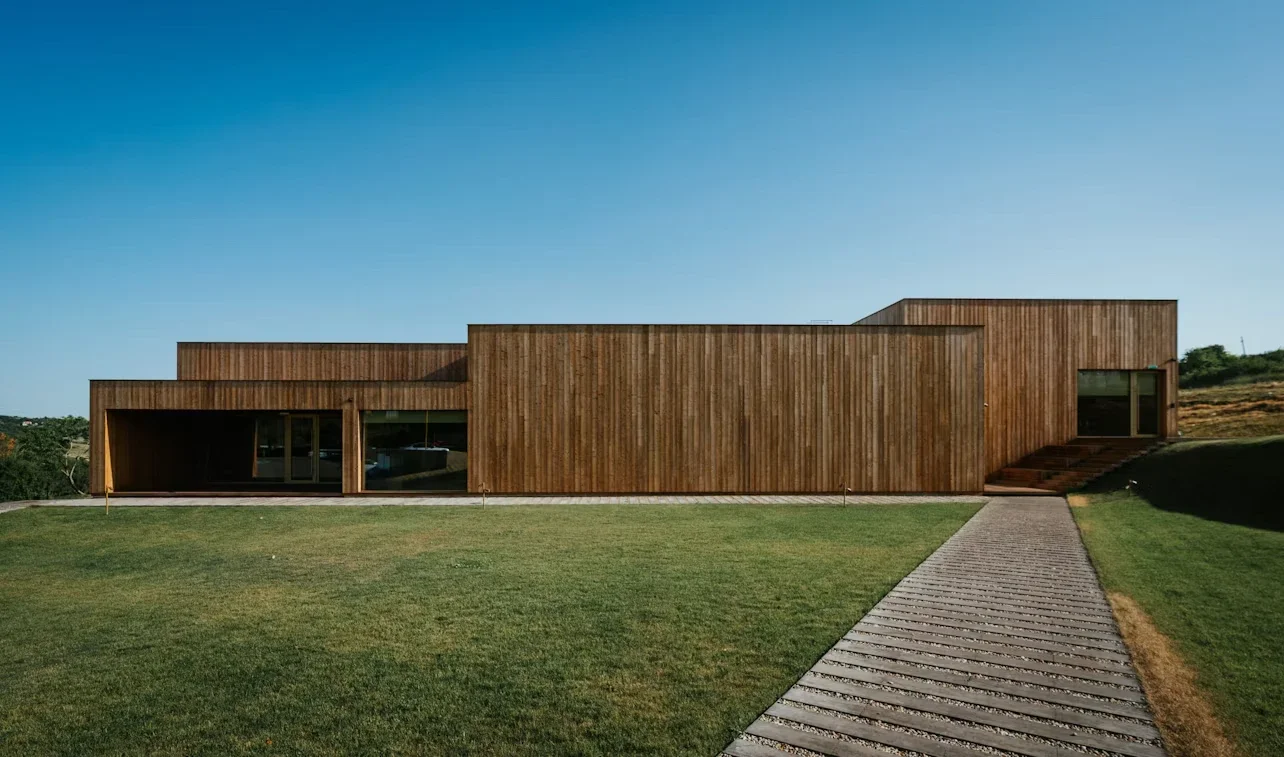
For many people considering a modular home, the first question is not about price or design but about time: will a house built in a factory stand up to decades of British weather? The short answer is that a well-designed, properly installed modular home is built to the same Building Regulations as a conventional house and is intended to last just as long. Independent schemes assess off-site building systems for durability over at least 60 years, and with proper maintenance a modular home can last much longer. How long any particular home lasts depends on its materials, how it was installed and how well it is looked after.
Why do people doubt how long modular homes last?
Much of the doubt comes from history. After the Second World War, Britain needed homes quickly, and according to the Prefab Museum, 156,623 prefabricated houses were put up across the UK between 1945 and 1948. They were meant to be dismantled and replaced after 10 to 15 years. Instead, thousands are still standing and lived in more than 70 years later.
Those post-war prefabs were designed as temporary housing, yet many far outlived their planned lifespan. Today's modular homes are a different product altogether: they are designed as permanent homes from the start.
The other source of confusion is the word itself. "Modular" is sometimes used loosely for park homes, static caravans and site cabins. These are built to their own standards and for different purposes, so comparing their lifespan with that of a modular house is misleading. A modern modular house is a permanent building placed on proper foundations and must meet the same regulations as a home built brick by brick.
How long can a modern modular home last?
A modern modular home is designed to last as long as a traditionally built house. Its structure must meet the same Building Regulations for strength, fire safety, insulation and moisture control, and lenders and insurers can assess it as a permanent home.
One useful benchmark is accreditation under BOPAS, the Buildoffsite Property Assurance Scheme. It assesses whether an off-site building system will remain durable and mortgageable for at least 60 years. That figure is a minimum assessment period, not an expiry date: like any house, a well-maintained modular home can stay in use for much longer.
Manufacturers of factory-built homes increasingly use these independent checks to show how their systems perform over time. Trident Modular, for example, states that its building system is BOPAS accredited with a 60-year durability assessment and comes with a 10-year structural guarantee, which gives buyers and lenders a clear reference point beyond the manufacturer's own claims.
What affects the lifespan of a modular home?
The way a house is built matters more than where it is built. These are the factors that make the biggest difference.
The structure and materials
Timber frame, steel frame and concrete systems can all produce long-lasting homes when they are designed correctly. What matters is the quality of the materials, how they are protected and whether the structure is engineered for its location, including wind and snow loads.
Moisture management
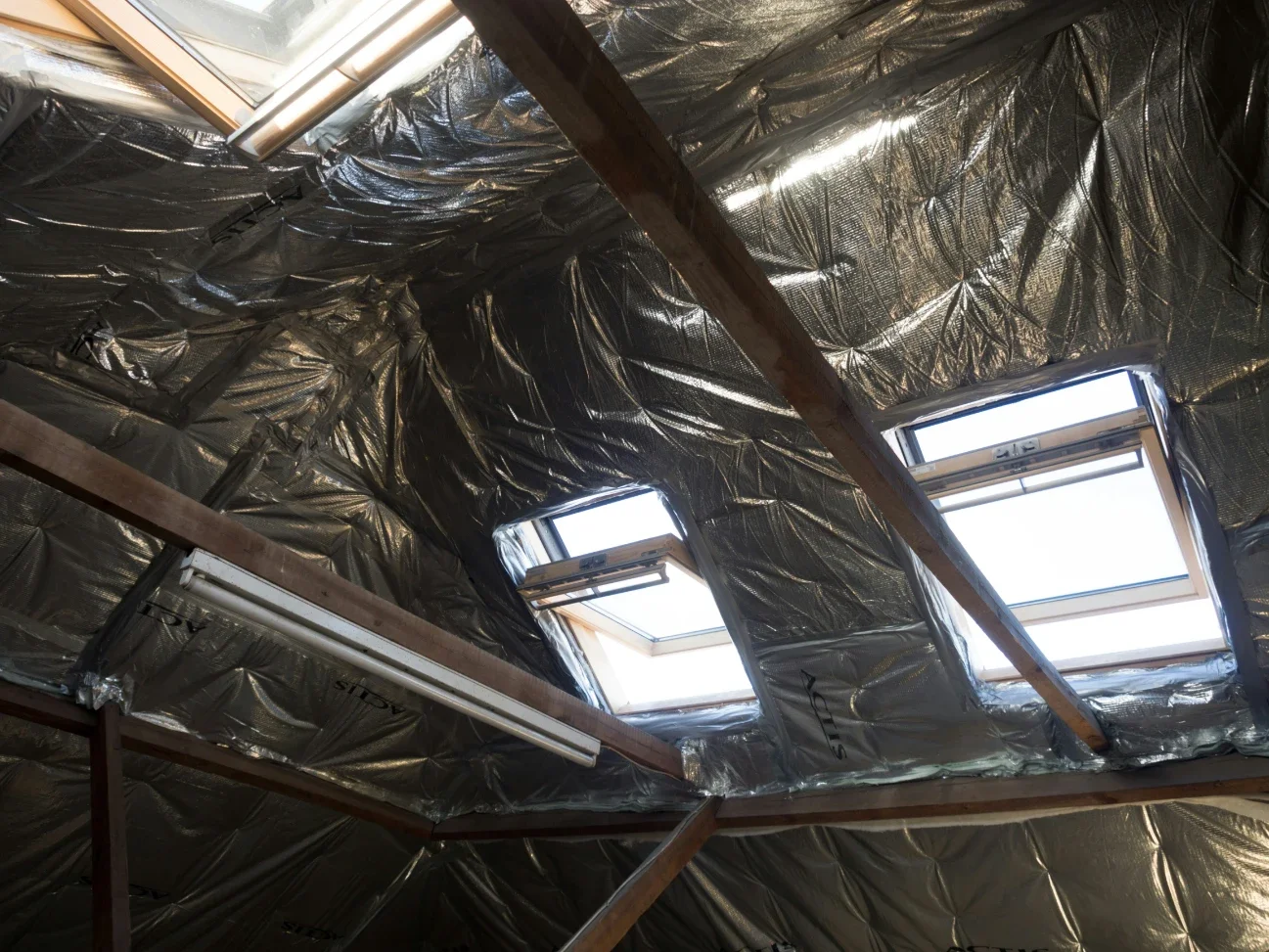
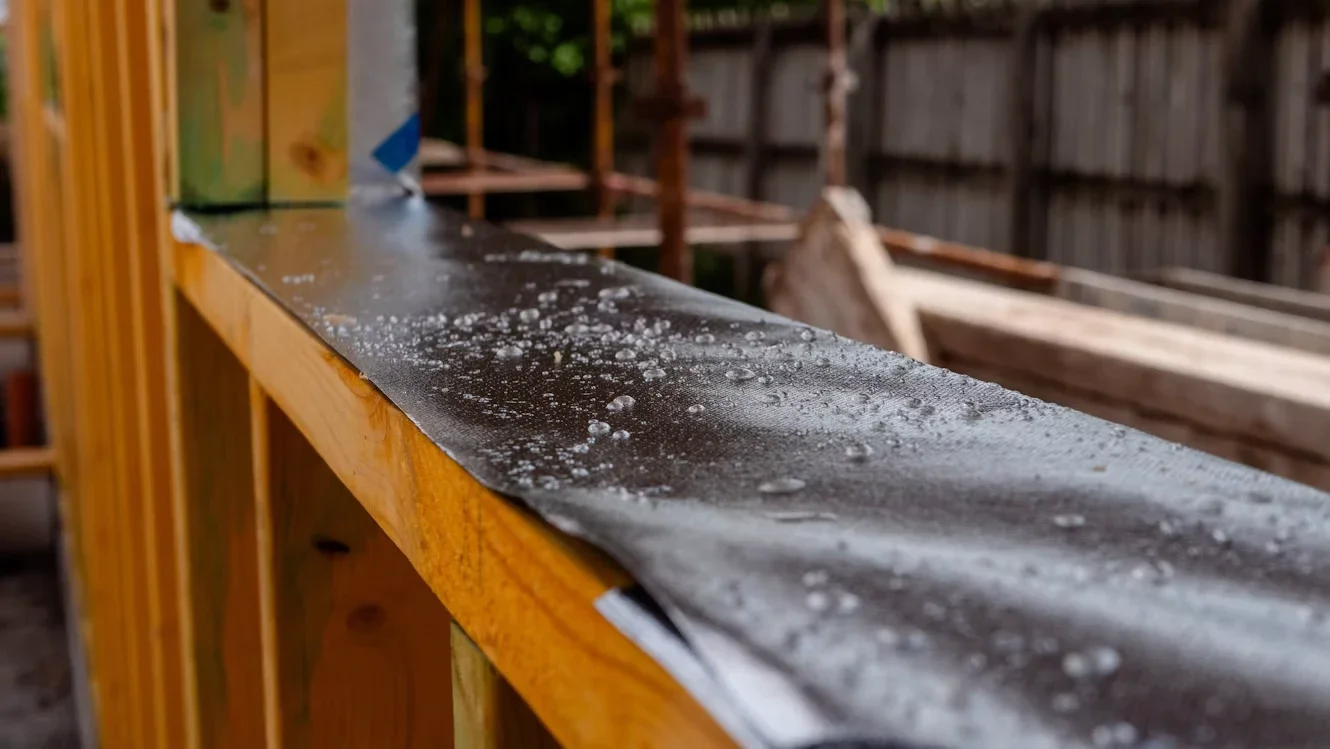
Water is the main enemy of any building. A durable modular home controls moisture in both directions: a breathable membrane on the outside lets water vapour escape, while a vapour control layer on the inside stops warm, moist air from entering the wall. When this build-up is designed and installed correctly, the structure and insulation stay dry for the life of the building.
Foundations
Even the best-built home depends on what it stands on. Foundations must suit the ground conditions and be built accurately to the manufacturer's tolerances, so the structure sits level and loads are spread evenly.
Installation on site
Factory production gives consistent quality, but the joints between modules or panels are completed on site. Careful sealing of these connections, correct roof and cladding details and proper connections to services are critical to long-term performance.
Location and exposure
A home on an exposed coastal site faces more wind, rain and salt air than one in a sheltered town garden. Choosing cladding, windows and fixings suited to the location helps the building age well.
Maintenance
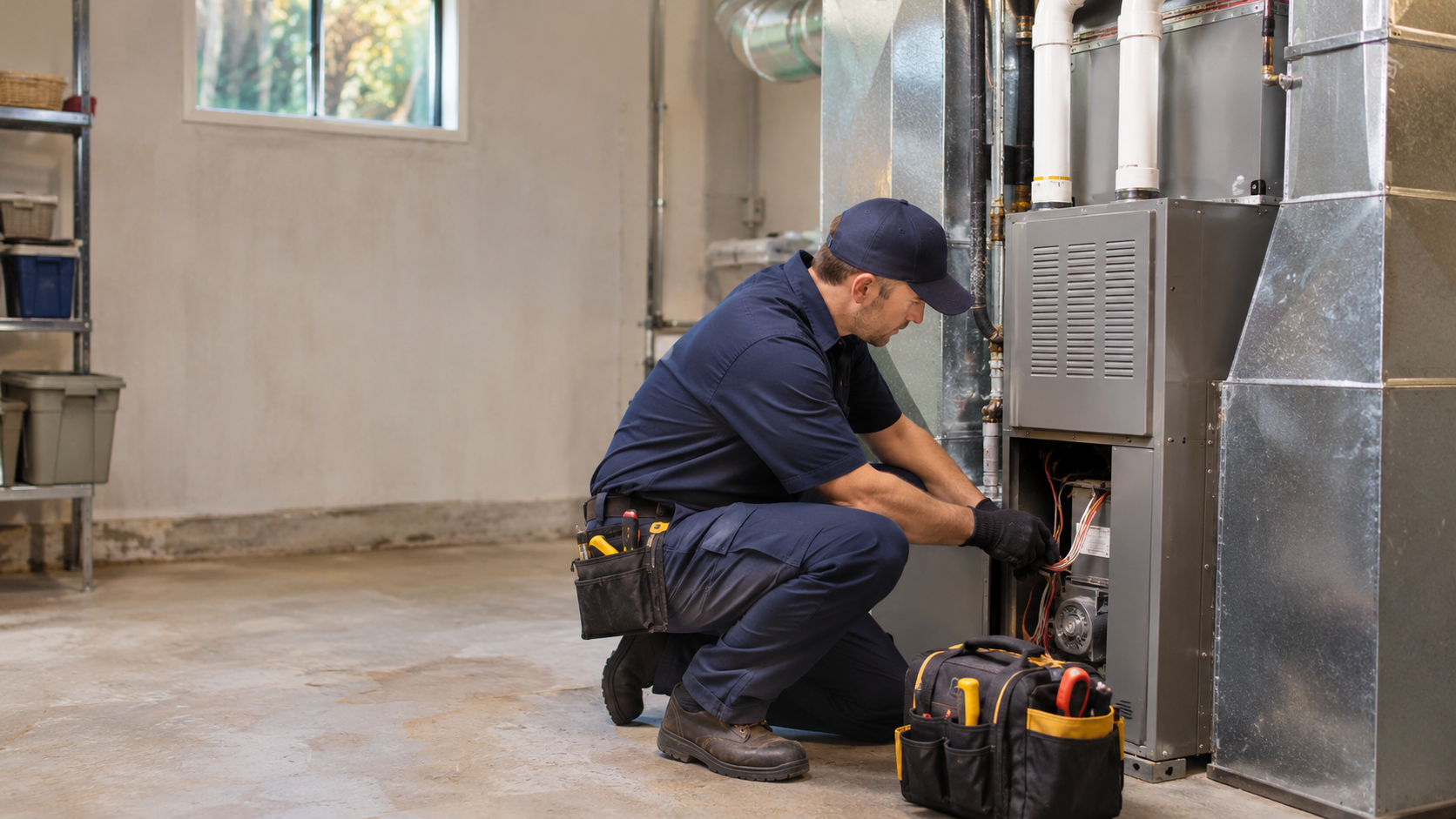
No house lasts for decades without care. Regular checks of the roof, gutters, cladding and seals prevent small problems from turning into expensive repairs.
What needs replacing over time?
Like any house, a modular home has a long-lasting structure and parts that wear out sooner and need replacing during its life. These typically include:
Roof coverings, depending on the material used.
External finishes, such as paint or stain on timber cladding.
Sealants and mastics around windows, doors and joints.
Windows and doors, which may be upgraded for better performance.
Heating and hot water systems, including boilers and heat pumps.
Kitchens and bathrooms, which are usually renewed for practical or style reasons.
None of this is unique to modular construction. The same cycle of upkeep applies to a conventionally built home.
Is a factory-built structure as durable as a traditional one?
In terms of the structure, yes. Factory production can even work in its favour: components are made under cover, so timber stays dry, and joints, insulation and membranes can be checked before they leave the factory. The key difference is where quality control matters most: with a modular build, it depends on the manufacturer's processes and the care taken during installation, so choosing an experienced, independently accredited supplier is the best safeguard.
How do warranties, BOPAS and mortgages fit together?
A structural warranty covers defects in the main structure for a set period after completion, usually backed by a warranty provider or insurer. Accreditation under the Buildoffsite Property Assurance Scheme gives lenders and valuers confidence that an off-site system will perform over the long term, which is why many of them look for it.
Together, these make it easier to get a mortgage on a modular home and to sell it later. When comparing suppliers, ask for written details of both, rather than relying on general statements about durability.
Consider a typical example. A couple choosing between two manufacturers find that the cheaper quote has no independent accreditation and only a short guarantee on materials, while the other offers an accredited system, a structural warranty and clear details of how the walls manage moisture. The second home costs more at the outset, but it is easier to finance, insure and sell, and the couple have far more confidence in how it will perform in thirty years' time.
What should you ask a manufacturer before buying?
General claims about quality are easy to make. These questions help you get specific answers:
What is the structure made of, and how are the timber or steel parts protected against moisture and decay?
How are the walls and roof built up, including membranes and vapour control layers?
Is the building system independently accredited, for example under BOPAS?
What does the structural warranty cover, for how long, and who provides it?
Who installs the home on site, and how are the joints between modules or panels sealed?
What maintenance does the manufacturer recommend, and how often?
Can you visit completed homes that have been lived in for several years?
What if you are buying an existing modular home?
If you are buying a modular home that is already lived in, the same principles apply, but you will need to check its history as well as its design.
Commission an independent survey from a surveyor familiar with off-site construction. Ask the seller for documents showing the building system and any accreditation, the structural warranty and whether any of it remains, Building Control sign-off, and records of maintenance and repairs.
During viewings, look closely at the junctions between modules or panels, the condition of the roof and gutters, the cladding finish, and the base of the external walls, where damp can show first. Signs of good upkeep are often the best indication that a home will continue to perform well.
How can you keep a modular home in good condition?
Looking after a modular home is much like looking after any other house. A simple routine goes a long way:
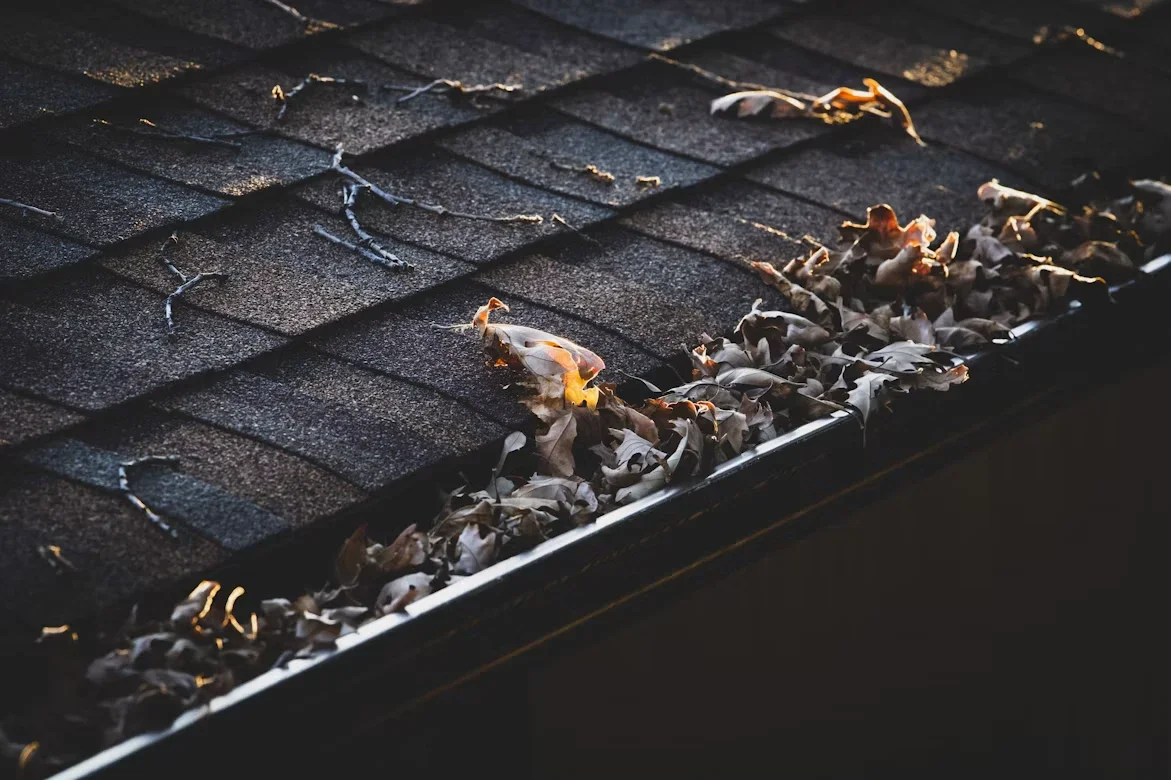
Clear gutters and downpipes at least once a year, and after autumn leaf fall.
Check the roof for damaged or loose coverings, especially after storms.
Inspect external cladding and refresh paint or stain on timber when the finish starts to wear.
Check seals around windows, doors and joints, and renew sealant if it cracks or shrinks.
Keep ventilation working by cleaning extractor fans and trickle vents, and servicing any mechanical ventilation system.
Service the heating system regularly, whether it is a boiler or a heat pump.
Keep ground levels and drainage clear around the base of the building, so water flows away from the structure.
Keep records of maintenance and any work done, which helps with warranties, insurance and a future sale.
So, how long will a modular home last?
A modern modular home is built to last as long as a traditional house, and independent schemes such as BOPAS assess durability over a period of at least 60 years. In practice, its lifespan depends on the same things as any home: sound design, quality materials, careful installation and regular maintenance. Choose an accredited manufacturer, ask specific questions, check the warranty and look after the building, and a factory-built home can serve several generations.
Stay up to date with our latest ideas!