Discover how precision diamond sawing transforms basement and concrete slab remodeling with cleaner cuts, greater accuracy, and reduced structural disruption.
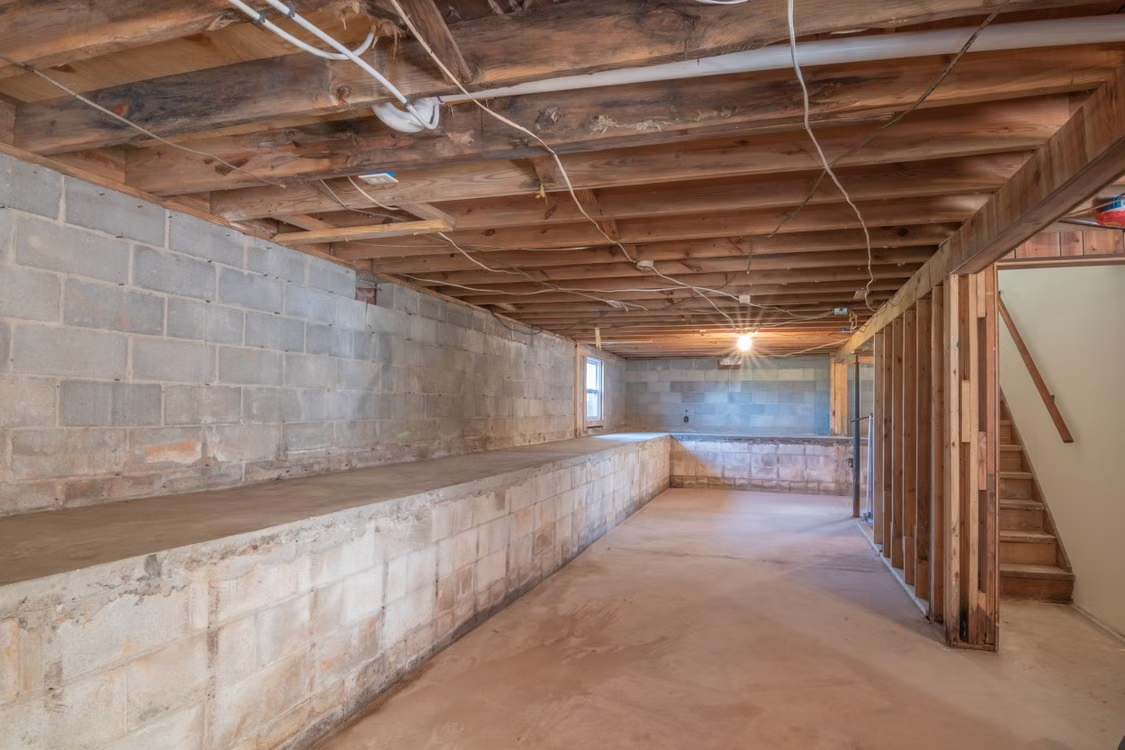
Adding basement egress windows, relocating plumbing lines, and opening load-bearing walls increasingly rely on radar-guided diamond sawing and core drilling.
Turning an unfinished basement into a livable suite or moving a kitchen island sink sounds exciting until you face thick, reinforced concrete. You want clean openings for egress windows, new drain lines, or open-concept doorways without triggering foundation cracks or coating upstairs rooms in gray dust.
Modern concrete cutting solves that dilemma by replacing brute force with surgical accuracy. When you pair non-destructive subsurface scanning with precision diamond blades, you reshape your home's lower level safely.
Why Do Jackhammers Risk Cracks in Residential Slabs?
Traditional demolition relies on percussive impact, sending violent shockwaves through concrete slabs and foundation walls. When a crew attacks a basement floor with a pneumatic jackhammer, those vibrations travel well beyond your marked trench line. You might get your plumbing line dug, only to discover hairline micro-fractures spreading across your utility room months later.
Diamond-blade flat saws and track-mounted wall saws take a gentler mechanical approach. Instead of shattering concrete through repeated blows, industrial diamond segments grind smoothly through aggregate and steel rebar along a rigid guide rail. Because the blade cuts cleanly along a straight path, surrounding concrete stays undisturbed and structurally sound.
How Does Ground-Penetrating Radar Prevent Costly Mistakes?
Cutting blindly into a residential slab or basement wall puts your home and renovation budget in immediate danger. Beneath that smooth gray surface, builders frequently embed electrical conduits, radiant heating tubes, water pipes, and dense grids of reinforcing steel. Many newer residential slabs even rely on high-tension steel cables pulled tight inside plastic sheathing.
Ground-penetrating radar (GPR) gives technicians a clear view inside the concrete before a blade touches the surface. By rolling a compact radar antenna across the floor or wall, operators map the exact depth and path of hidden utilities and tensioned cables in real time. With those hazards marked directly on the concrete, crews adjust cut lines safely.
What Should You Look for in Foundation Cutting Specialists?
Opening a load-bearing foundation wall or trenching a structural floor slab demands far more precision than standard residential carpentry. When you vet experienced concrete cutting contractors for your renovation, verify that they pair radar utility locating with track-mounted diamond wall saws and electric flat saws. Qualified specialists coordinate directly with your structural engineer and local building inspector so every lintel, header, and slab cut meets strict residential safety codes.
Ask prospective crews how they handle tight indoor access and power needs inside finished basements. Electric and hydraulic diamond saws run without exhaust fumes, making them safe for enclosed lower levels where gas-powered tools create dangerous carbon monoxide buildup.
Why Does Wet-Cutting Slurry Control Matter Indoors?
Dry-cutting concrete indoors unleashes clouds of fine silica dust that infiltrate ductwork, coat furniture, and threaten everyone's lungs. According to the Occupational Safety and Health Administration, roughly 2.3 million American workers encounter breathable crystalline silica on the job. Wet diamond sawing stops this hazard at the source by feeding a controlled stream of water onto the spinning blade, trapping dust before it becomes airborne.
Professional crews pair wet cutting with industrial wet-dry vacuums and containment barriers to capture the resulting water-and-cement slurry immediately. Technicians collect and haul away that liquid residue for compliant disposal rather than letting it wash down your basement floor drain.
How Does Core Drilling Support Egress and Plumbing Upgrades?
Adding a legal basement bedroom requires an emergency egress window that satisfies strict local building codes for opening size and sill height. A 2026 survey of 1,000 homeowners by This Old House found that installing an egress window averages $516 per unit before factoring in exterior excavation. Wall sawing creates exact rectangular foundation openings for those window frames.
For round penetrations, diamond core drilling bores clean circular pathways through thick slabs and walls without chipping surrounding masonry. You get exact holes sized for new kitchen island drain stacks, sump discharge pipes, and dryer vents while keeping structural integrity intact.
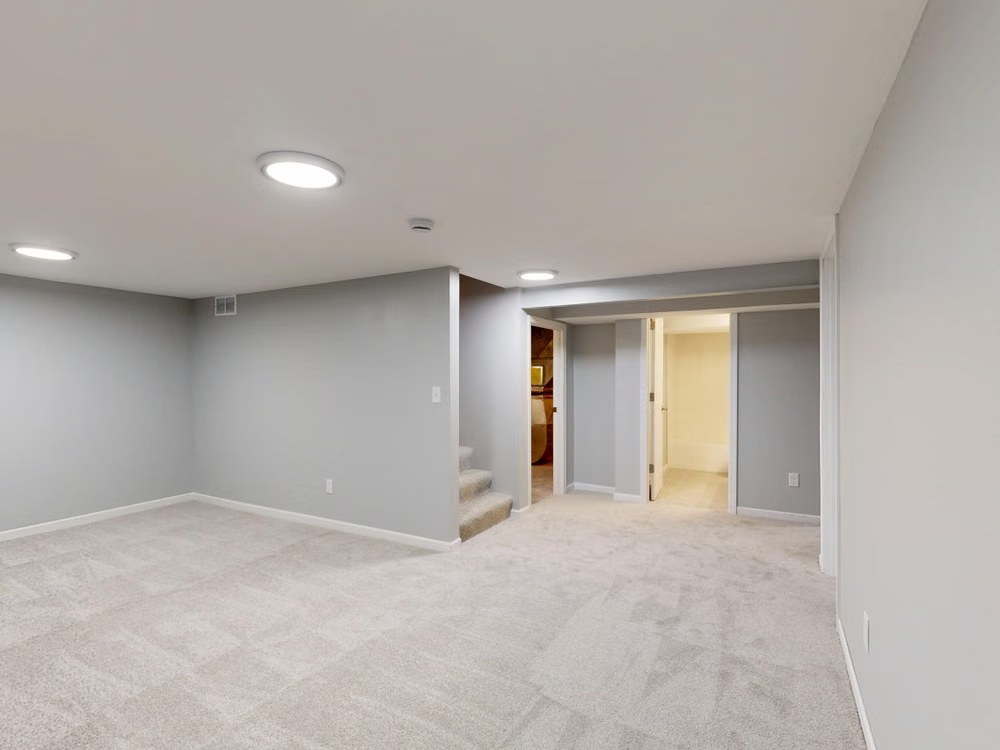
Preparing Your Basement for Structural Cuts
Pre-Cut Site Readiness
Taking a few practical steps before your crew arrives keeps your remodel moving smoothly:
Clear the work zone: Move storage bins, shelving, and fragile items at least 10 feet away from marked walls and slab trenches.
Confirm permit approvals: Verify that your local building department has approved your egress dimensions or load-bearing header plans.
Protect nearby finishes: Cover adjacent doorways and return air vents with plastic sheeting to isolate the cutting area.
Scheduling Post-Cut Inspections
Book your municipal framing and structural inspections right after the concrete openings are finished so you can close walls and pour back slab trenches without delay.
Upgrading a basement or reconfiguring a main-floor layout no longer means gambling with the structural health of your foundation. When you combine nondestructive radar scanning with specialized diamond sawing and core drilling, you preserve the strength of your concrete walls and slabs while unlocking modern floor plan possibilities.
Stay up to date with our latest ideas!