Explore the financial risks of buying a home when rental income falls short of monthly expenses, and learn how to balance affordability with long-term goals.
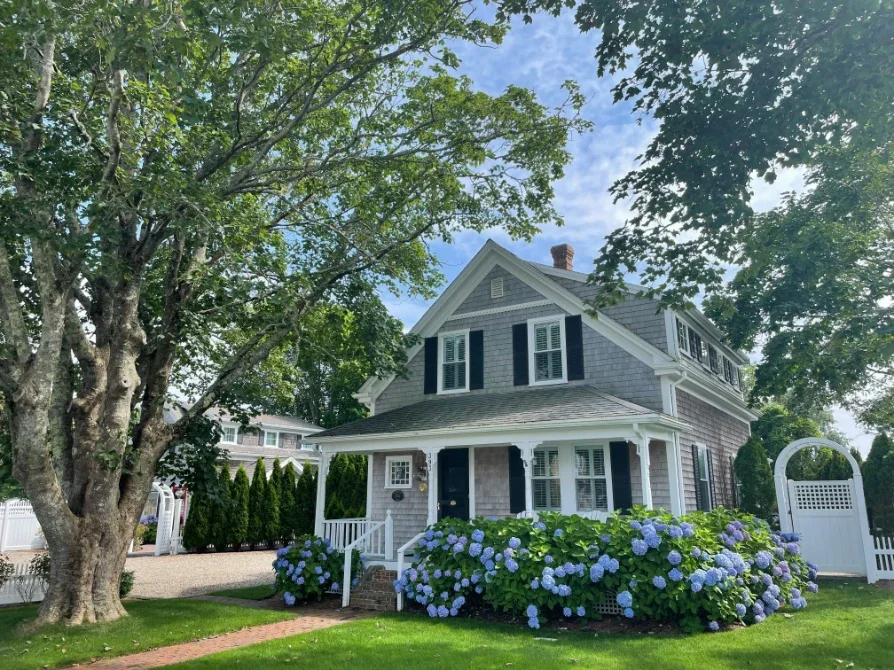
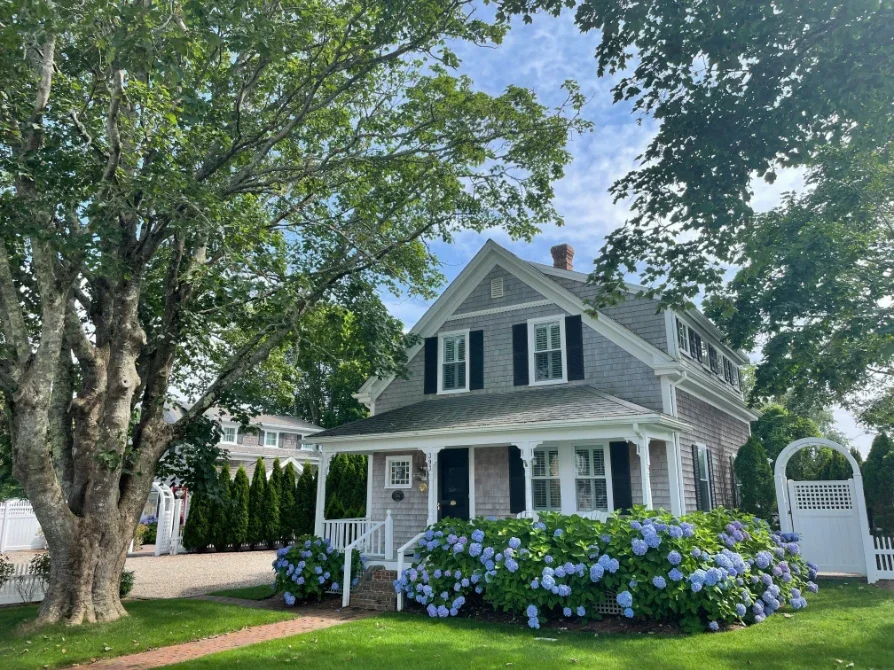
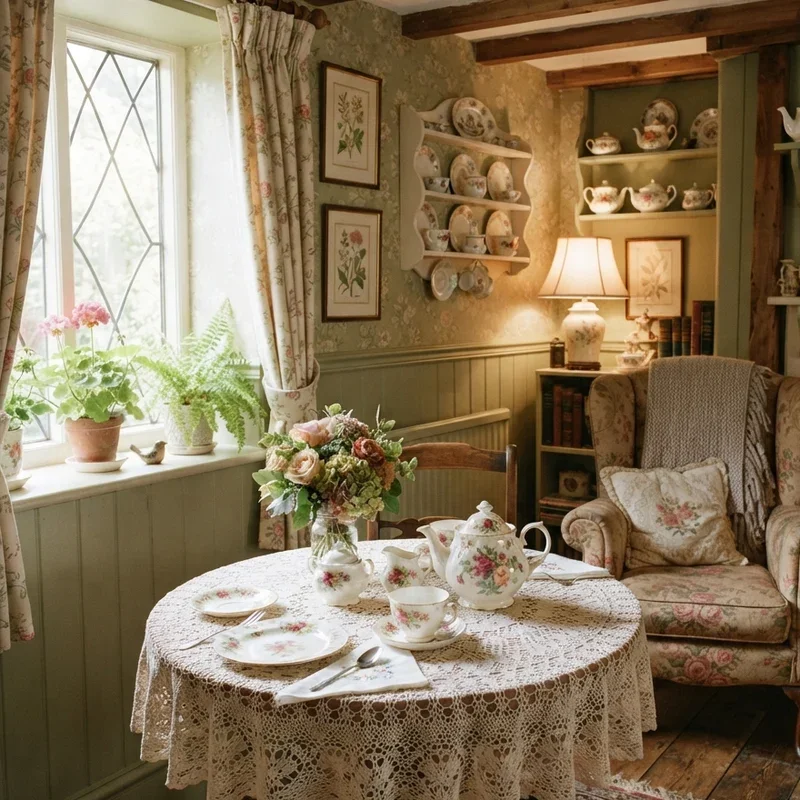
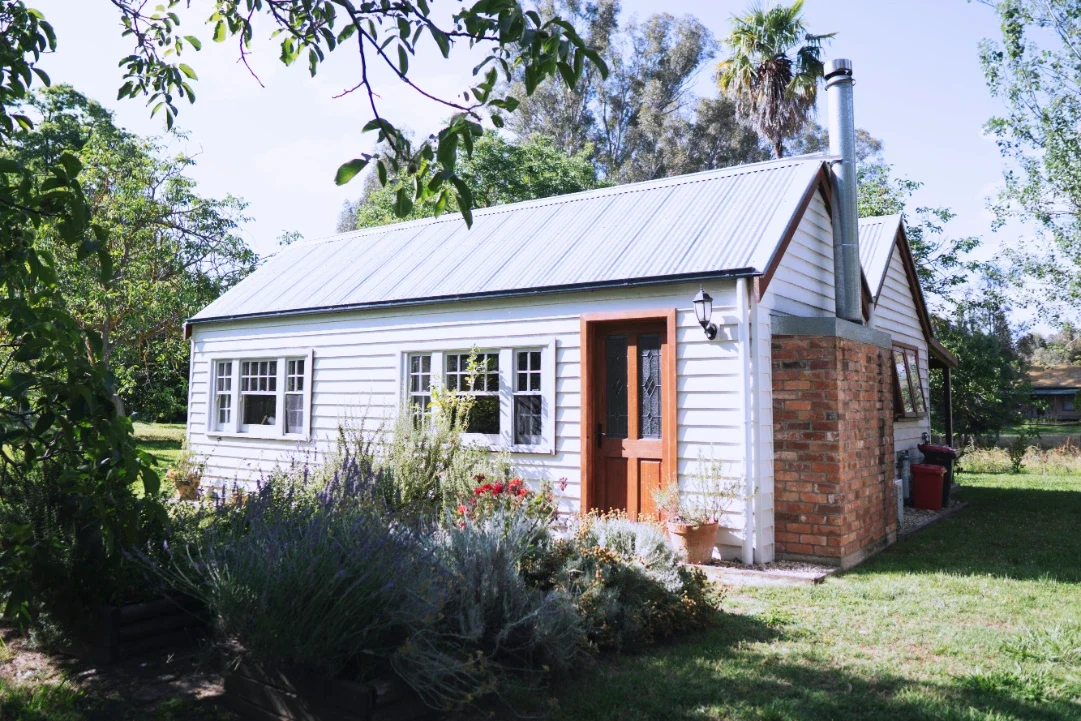
You've found a house, and you already know which parts you'd leave alone. The old floors, definitely. Probably the windows. And the kitchen hardly needs touching, which would save you having to start another project.
Then you find out what it would rent for. The amount is below what you'd owe on the mortgage each month.
You might still be able to buy it. But you'd be putting your own money into the house while someone else lives there. That could suit your plans, provided you know how much you'd be contributing and where the money would come from when something breaks.
Would Someone Pay More for the Things You Like?
You might spend half a viewing admiring the kitchen. A prospective tenant might be trying to work out whether their dining table would fit, where they'd park, or how much storage they'd have.
They could love the kitchen as well. It still doesn't tell you what they can afford.
Suppose similar houses nearby rent for about $2,400. Getting $2,900 for yours means finding someone prepared to spend another $500 every month. Before you count on that, find evidence that comparable homes actually rent at that price.
Look at properties that have recently found tenants. Compare bedrooms, layout, parking, outdoor space, and the condition of the interiors. Check how long they took to rent, if you can. An asking price on a listing that's been sitting online for weeks gives you less to work with.
Use the rent you can reasonably support, even if you were hoping for more. You'll need that figure for everything that follows.
What Would You Be Paying From Your Own Money?
Let's put some numbers to it. In this example, the mortgage payment, including property taxes and insurance, is $2,700 a month. You expect $2,400 in rent, so you'd contribute $300 yourself.
You may already have decided that $300 is manageable. But there's maintenance to allow for, and the house won't necessarily be occupied every month.
Put aside $200 for maintenance and $150 for vacancies, and your contribution becomes $650 a month. That's $7,800 over a year, including those reserves. Management fees, association dues, or major repairs could add more. These figures are only an illustration; you'd need a budget for the particular property and loan.
I'd want to know where that money would come from before making an offer. Could you comfortably cover it alongside your own bills? Would you still be comfortable if the rent stayed flat for a while?
And what happens if the tenant leaves just as the air conditioner needs replacing? You'd have the monthly payment and a repair to cover, with no rent coming in. Paying down the loan may build equity, but you'd need money you can access to pay those bills. The property's value could fall as well.
Will a Lender Finance the House?
Weak rental income can make financing harder. Many investment-property lenders use the debt service coverage ratio, or DSCR, to compare rental income with the property's monthly mortgage payment, including taxes and insurance.
Some lenders offer no-ratio DSCR loans, which may allow financing without a minimum rental-income coverage ratio. Availability and terms depend on the lender, borrower, and property. You'll still have other qualification requirements to meet.
Ask for the down payment, interest rate, closing costs, and actual monthly payment for the program available to you. Then go back to your budget with those figures. You'd still need to provide the money for any gap between the rent and the property's costs.
What Would You Change Before a Tenant Moves In?
With a house you like this much, you might already be planning the improvements. Different cabinet doors, perhaps, or new lighting throughout.
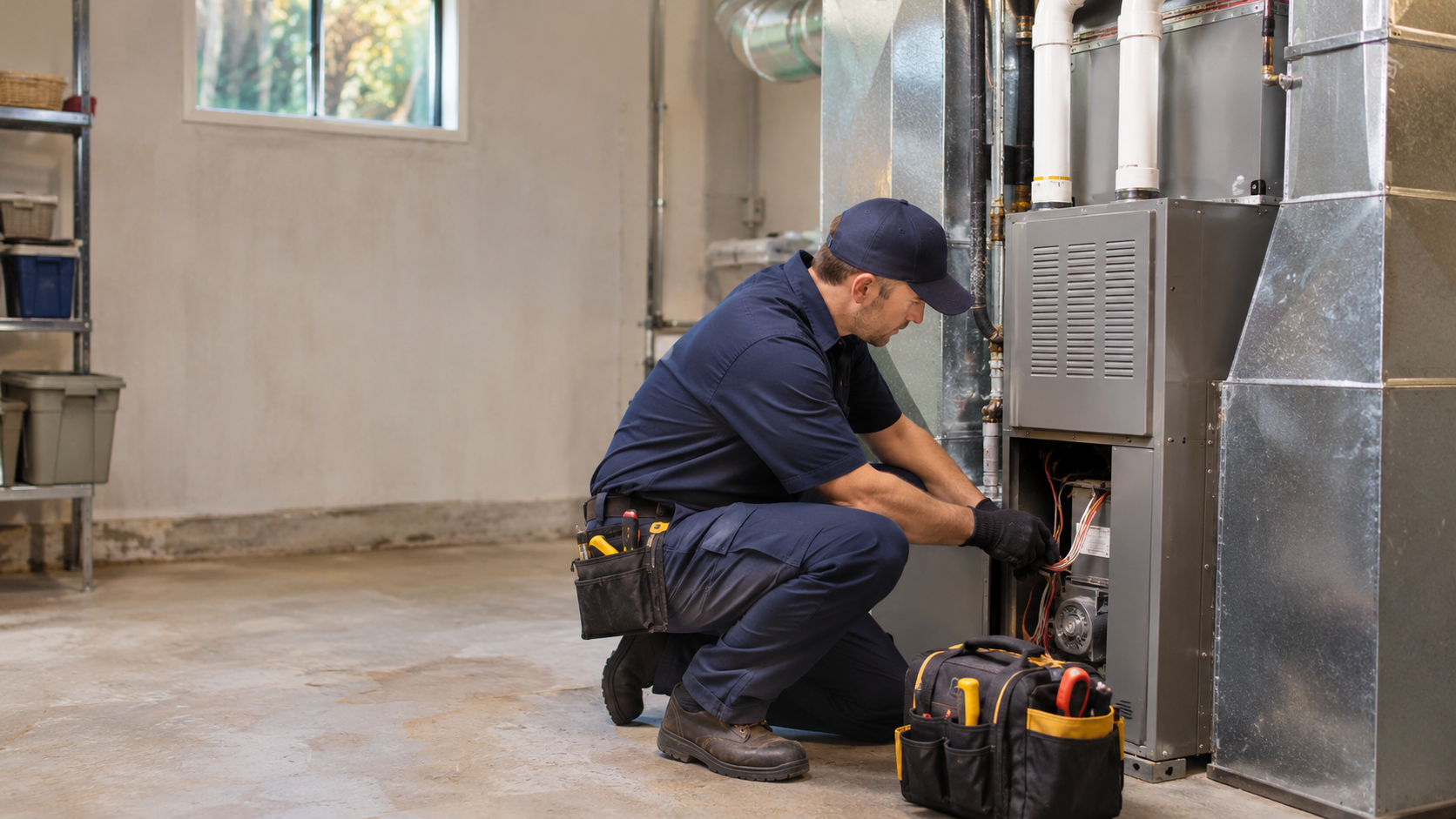
I'd get the inspection done first. Find out about the roof, heating, plumbing, and any work that may be needed soon. It's easier to postpone new cabinets than deal with a failed heating system once someone is living there.
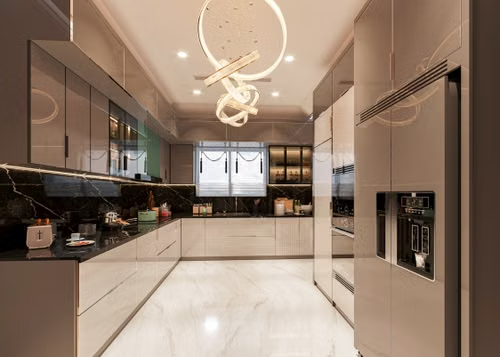
If the kitchen is already in good shape and works well, consider leaving it alone. Practical rental-friendly design choices, such as durable surfaces, useful storage, and good lighting, can make the house welcoming without a major renovation.
You can also keep the original features that attracted you. Just find out what maintaining them would involve. An unusual window may be difficult to replace, and matching a damaged section of old flooring could be expensive. Those are costs you'll want to understand before buying.
Keep records of rental property repairs and improvements as the work is done. Repairs and major upgrades can have different tax treatment, so record what you paid for and keep the supporting paperwork. You'll still need cash available to pay the contractor.
Would You Still Buy It?
Before committing, look at what would remain in your accounts after the down payment and closing costs. Then try the budget with no rent increase for a while, allowing for taxes, insurance, and maintenance becoming more expensive.
You may decide you're happy to pay extra to own this particular house. But give yourself a figure you can comfortably afford. If keeping it depends on a rent increase arriving soon, you may need to wait or look at another property.
Stay up to date with our latest ideas!