Discover common home maintenance mistakes homeowners make and learn how to avoid costly repairs, protect property value, and keep your home in good condition.

Owning a home has many benefits, but it also comes with its fair share of care. Small issues like leaks, blocked gutters, and inadequate upkeep can lead to costly repairs if not addressed promptly. To protect your investment, prioritizing routine maintenance is a must. It helps keep things running smoothly while boosting your property value. This article highlights five common home maintenance mistakes to avoid.
Ignoring Small Plumbing Leaks
Leaking pipes, dripping faucets, or loose connections may seem like a minor problem. You may be tempted to ignore them and fix them at a later date. However, over time, continuous moisture can damage cabinets, flooring, and walls. It also creates an ideal environment that encourages mold growth.
To reduce the risk, regularly check beneath kitchen and bathroom sinks, and around water heaters for telltale signs of moisture. Do not ignore unexplained water bills. It might be due to a hidden leak. Enlist the help of a professional to investigate the root cause of the damage.
Overlooking Gutter Issues
When your gutters are clogged, they won't function properly. They can cause water to overflow and collect around your home's foundation. This can contribute to serious structural damage over time. Heavy debris can also make gutters pull away from their brackets.
Regularly clean your gutters to ensure water can flow freely. Don't forget to inspect brackets, joints, and connections for signs of damage. You can install gutter guards to block leaves and debris. This will also reduce your time on a ladder. In addition, make sure downspouts direct water away from your home.
Forgetting Crawl Space Moisture
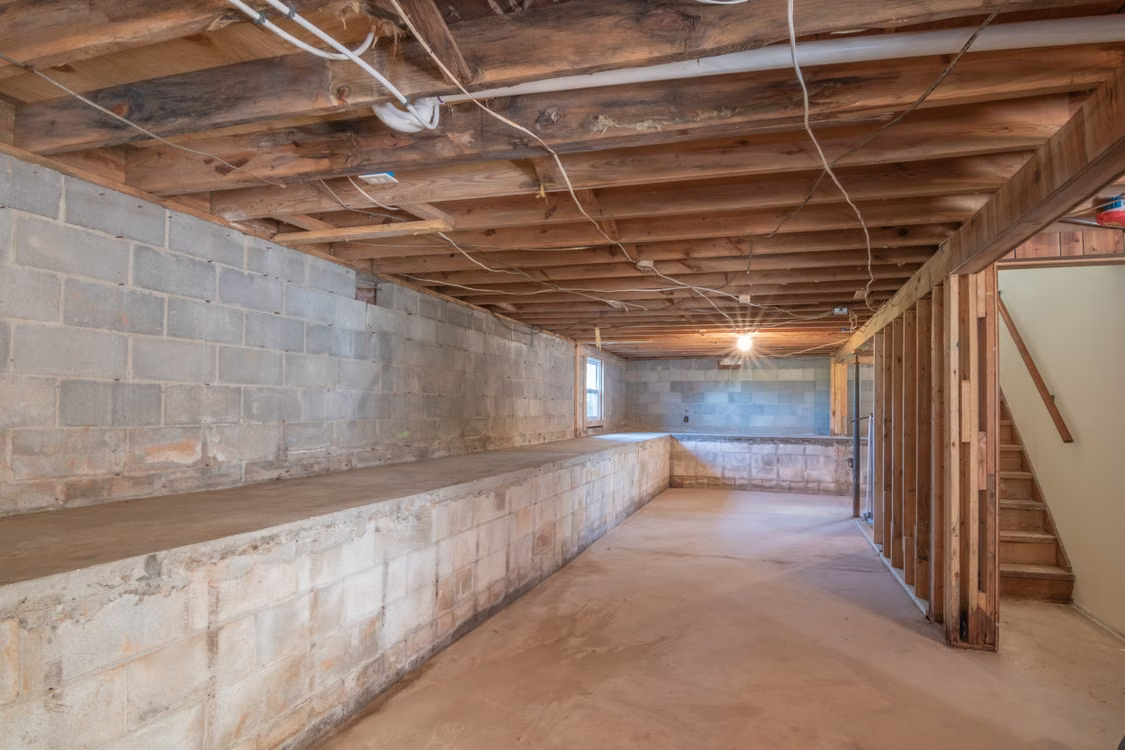
Your crawl space may be one of the last places you think about during routine maintenance. Since it is rarely accessed, it may be hard to spot a problem early. Crawl spaces can develop moisture problems due to:
Plumbing leaks
Condensation
Poor drainage
High groundwater
Inadequate moisture barrier
When the issue is not addressed in time, it can attract pests and damage wooden support structures. It can also affect home air quality. You can prevent this by ensuring proper crawl space drainage. Installing a vapor barrier and addressing ventilation issues can also be helpful.
Waiting Until the HVAC System Breaks Down
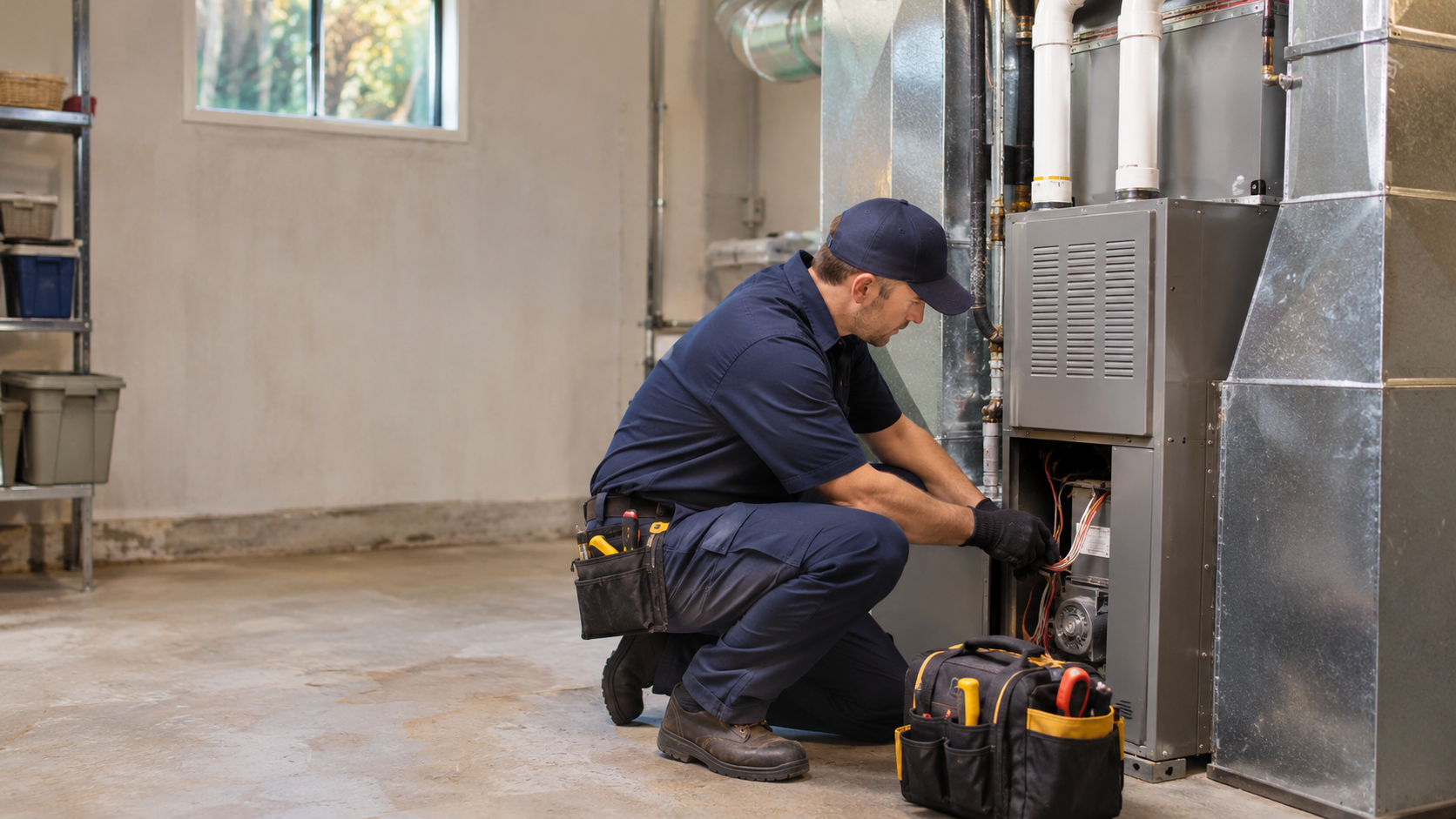
Blocked vents, unclean filters, and overall neglect can reduce HVAC efficiency. This may lead to higher energy bills and costly repairs. It may also affect indoor comfort and even shorten the system's lifespan. To avoid this, regularly change your air filters according to the manufacturer’s guidance. Ensure the vents are free from dust and debris. You should schedule a professional inspection as needed. Watch out for warning signs such as unusual noises and inconsistent temperature.
Ignoring Roof Maintenance
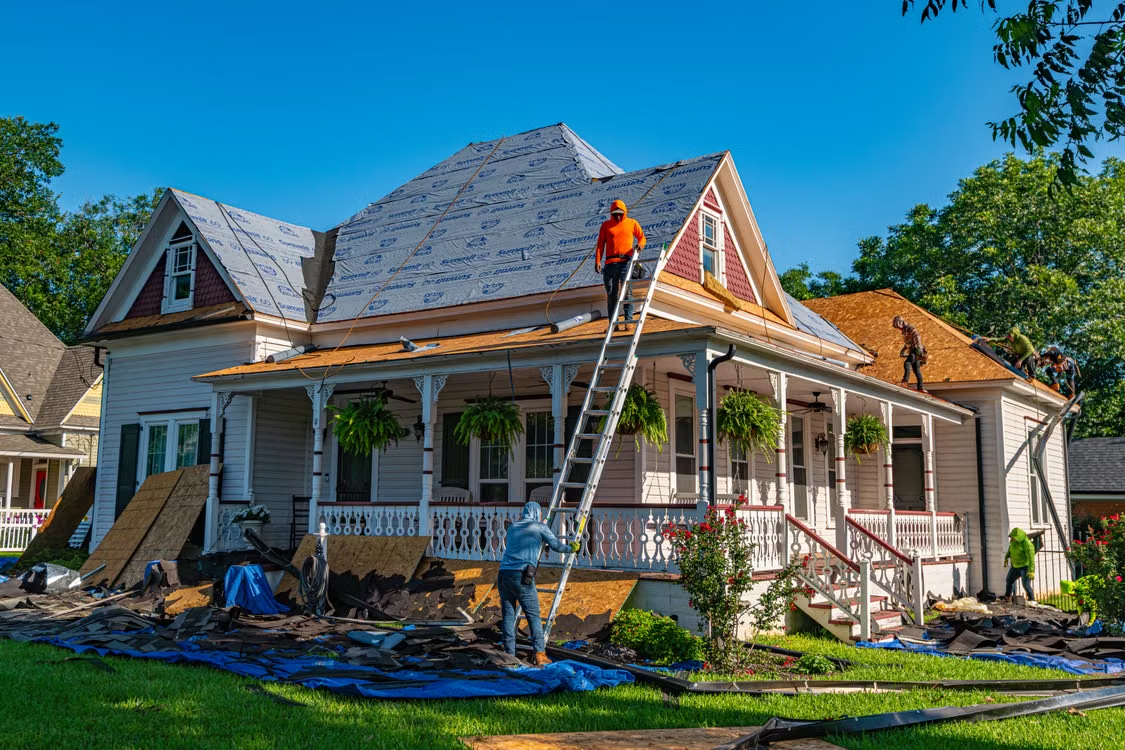
Waiting for obvious signs of roof damage is a risky mistake. By the time you notice them, minor roofing issues may have developed into costly repairs. Add roof maintenance as part of your regular home care routine. This will enable notice missing shingles, cracked tiles and damaged flashing in time. After heavy rainfall or strong wind, have your roof inspected by a professional. In addition, preventive roof maintenance will save you from the expensive costs of replacement.
Endnote
Keeping your home in good condition needs a little planning and regular maintenance. You don't have to wait for something to break before taking action. Make a habit of inspecting different areas of your property and addressing minor issues as soon as they appear. This way, you avoid unnecessary repairs and costly replacements.
Stay up to date with our latest ideas!