Discover the best Japanese joinery bed frames, combining traditional craftsmanship, minimalist design, sturdy construction, and timeless bedroom appeal.
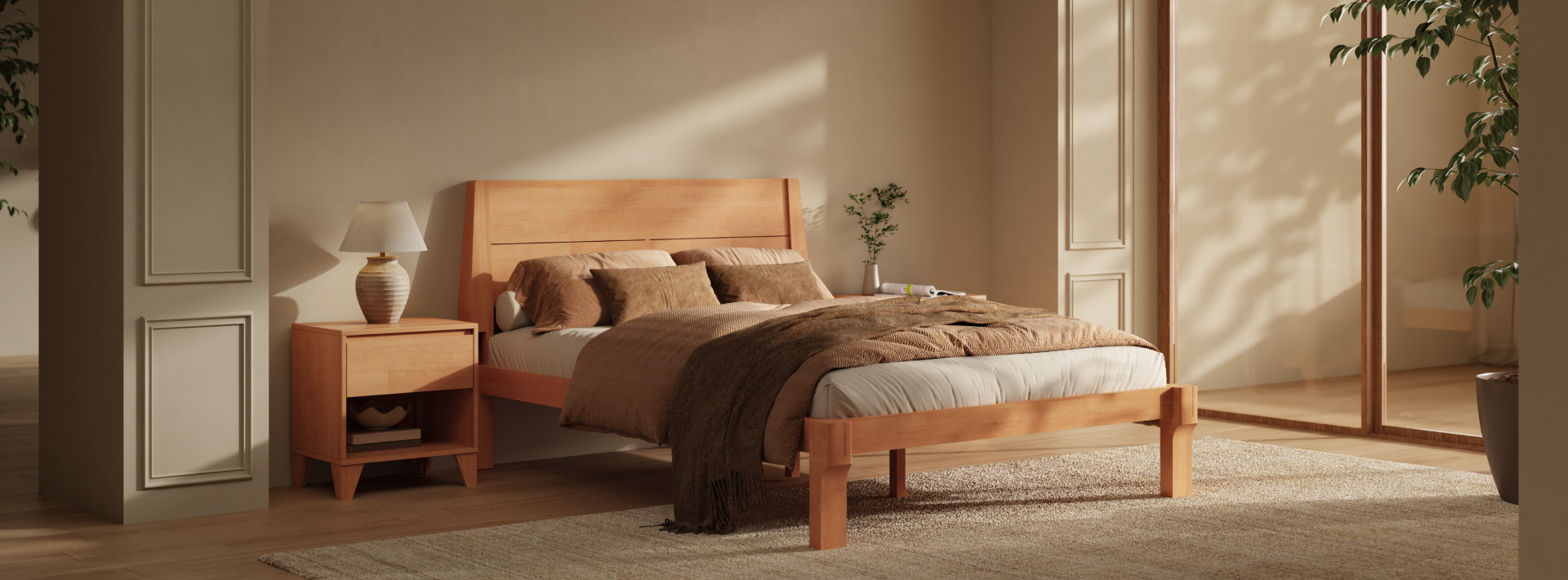
Japanese joinery bed frames are known for their wood-to-wood connections, clean lines, and relatively simple construction. By using carefully shaped joints to connect frame components, these designs can reduce the need for conventional metal fasteners while creating a distinctive look.
However, not all Japanese joinery bed frames are built in the same way. Material quality, support systems, under-bed clearance, and overall design can all affect how a frame performs in everyday use.
This guide compares four options: the FlexiSpot Kana Japanese Joinery Bed, Thuma Classic Bed, Nectar Bamboo Bed, and Silk & Snow Wooden Bed Frame. Each offers a different combination of materials, design details, and practical features.
What to Look for in a Japanese Joinery Bed Frame
When comparing Japanese joinery bed frames, consider more than whether they use traditional wood connections. The following factors can help you evaluate its overall construction and suitability for your bedroom.
Joinery and structural support: Look at how the frame components connect and whether the design includes additional support, such as center beams or support legs. Well-designed joints should fit securely and help keep the frame stable during regular use.
Wood quality: Solid wood and bamboo are common materials in this category. Consider the wood type, construction quality, and how it matches your preferences for appearance and durability.
Slat design: The spacing, width, and thickness of the slats influence mattress support. Check the frame's specifications and compare them with your mattress manufacturer's recommendations.
Height and under-bed clearance: Platform height affects how high the mattress sits, while under-bed clearance determines how much room is available for storage or cleaning.
Assembly and maintenance: Some designs use interlocking wooden components and require few or no tools. Consider how easily the frame can be assembled and whether its components are straightforward to maintain.
Warranty and trial period: A longer warranty or home trial can provide more time to evaluate the frame and understand the manufacturer's support policy.
Table of Contents
Best Overall: FlexiSpot Kana Japanese Joinery Bed
Best Minimalist Design: Thuma Classic Bed
Best Bamboo Option: Nectar Bamboo Bed
Best with a Headboard: Silk & Snow Wooden Bed Frame
FlexiSpot Kana Japanese Joinery Bed
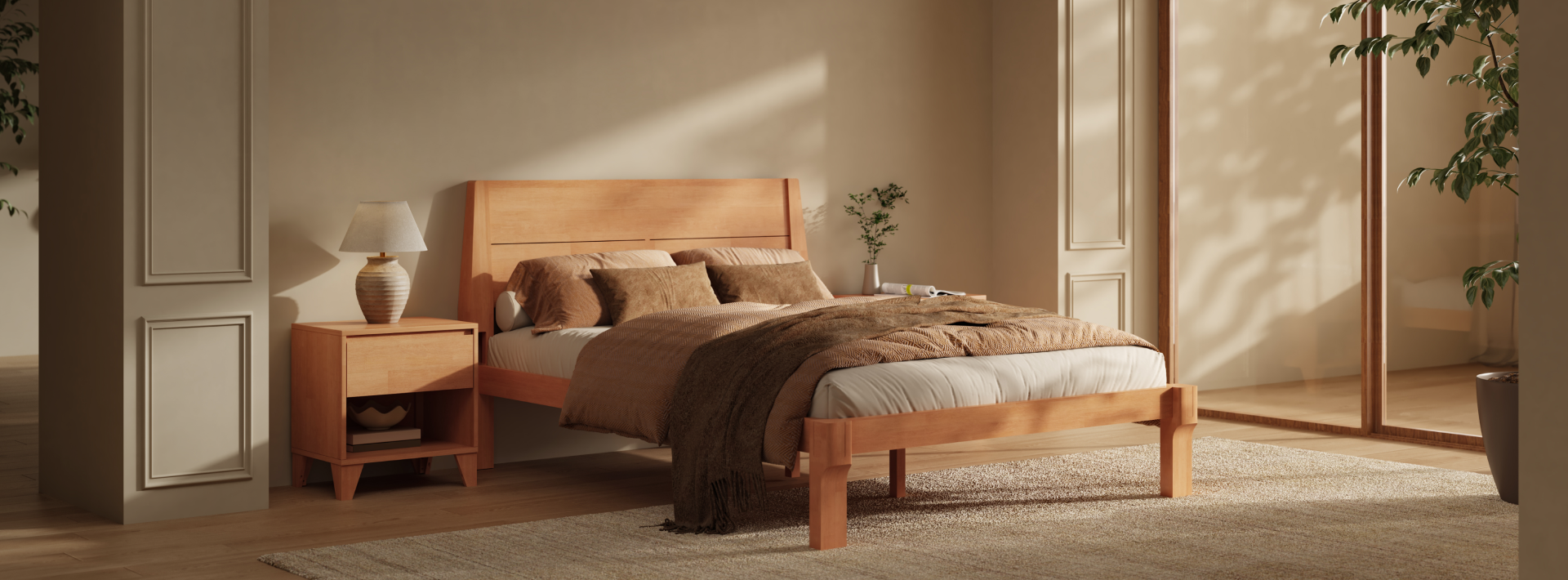
The FlexiSpot Kana Japanese Joinery Bed combines a traditional wood-joinery approach with practical details for everyday bedroom use. Its solid rubberwood construction, recessed legs, and reinforced support system make it a well-rounded option for shoppers looking for a wooden platform bed.
Key Features & Specifications
Material: Rubberwood/Acacia
Construction: Traditional Japanese joinery
Under-bed clearance: Approximately 10.5 inches
Weight capacity: 1500 lbs
Support: Reinforced center beam and two center support legs
Warranty: Lifetime warranty
Trial period: 100 nights
What Stands Out
The Kana uses traditional Japanese joinery to connect its wooden frame components, reducing reliance on conventional screws and metal hardware. Its construction also incorporates a wooden wedge to help secure the joints.
A center beam and two additional support legs help distribute weight across the frame. This provides extra structural support beyond the main side rails and corner joints. The inward-set legs create a more streamlined appearance and allow the bed to sit closer to the wall.
The Kana is worth considering if you want a Japanese joinery design with additional structural support and useful under-bed clearance. Its combination of traditional construction and practical details also makes it a best value platform bed option to compare.
Thuma Classic Bed
The Thuma Classic Bed is a minimalist platform bed that emphasizes natural materials and visible Japanese joinery. Its understated design and straightforward construction make it a recognizable option for shoppers who prefer a simple wooden bed frame.
Key Features & Specifications
Material: Natural reclaimed wood
Construction: Exposed Japanese joinery
Under-bed clearance: 9 inches
Slat spacing: Less than 3 inches apart
Weight capacity: 1,000 lbs
Warranty: Lifetime warranty
Trial period: 30 nights
What Stands Out
One of the Thuma Classic Bed's defining details is its exposed Japanese joinery. Rather than hiding the connections, the design makes the wooden joints part of the bed's overall appearance.
The frame uses solid upcycled wood, giving it a natural finish with variations in grain and appearance. The slat system includes cushioning designed to help reduce noise from movement. Its simple lines and low-profile design make it suitable for bedrooms with understated or contemporary decor.
The Thuma Classic Bed may appeal to shoppers who prioritize a clean, minimalist aesthetic and visible wood joinery. Its use of upcycled wood also gives it a different material profile from frames made with newly sourced solid wood.
Nectar Bamboo Bed
The Nectar Bamboo Bed offers an alternative to conventional wooden frames through its use of bamboo. It combines a simple platform design with traditional Japanese joinery, making it an option for shoppers interested in natural materials and straightforward assembly.
Key Features & Specifications
Material: Bamboo
Construction: Traditional Japanese joinery
Platform height: 12 inches
Warranty: 2 years
Trial period: 60 nights
What Stands Out
The Nectar Bamboo Bed uses interlocking wooden components that fit together without screws or nails. This approach keeps the construction relatively simple while giving the frame a clean appearance.
Bamboo offers a distinct look and feel compared with conventional hardwood frames. Its lighter visual character can work well in minimalist and naturally styled bedrooms. The frame uses traditional Japanese joinery, with components designed to lock into place without conventional metal fasteners. Nectar offers different headboard styles, giving shoppers some flexibility when choosing the overall look of the bed.
The Nectar Bamboo Bed is a suitable option for those who prefer bamboo over solid hardwood. Its relatively simple design and available headboard choices also make it easier to coordinate with different bedroom styles.
Silk & Snow Wooden Bed Frame
The Silk & Snow Wooden Bed Frame combines Japanese joinery with a mix of wood materials and several headboard styles. It is a practical option for shoppers who want a wooden platform bed but prefer more flexibility in the appearance of the headboard.
Key Features & Specifications
Material: Acacia and Rubberwood
Platform height: 13 inches
Under-bed clearance: 8 inches
Slat dimensions: 2.75 inches wide, spaced 3 inches apart
Weight capacity: 1,100 lbs
Warranty: 5 years
Trial period: 30 nights
What Stands Out
The Silk & Snow frame combines acacia and rubberwood in its main structure, with additional materials used for the center support and slats. This mixed-material construction is worth considering when comparing it with frames made primarily from one type of wood.
The frame uses wood-to-wood connections as part of its construction, giving it a more traditional joinery approach. A pine center beam and support structure provide additional support beneath the frame. Different headboard options, including upholstered and rattan styles, allow shoppers to choose a look that better suits their bedroom.
The Silk & Snow Wooden Bed Frame is worth considering if a headboard is an important part of your buying decision. Its range of styles offers more visual flexibility than a basic platform frame.
How to Choose the Right Wooden Bed Frame
Once you understand the construction and features of different bed frames, the next step is to consider how well each option fits your daily routine and bedroom setup.
1. Choose a Style That Fits Your Bedroom
Consider the overall look of your bedroom before choosing a frame. A minimalist platform bed with clean lines can suit modern or Japanese-inspired interiors, while a frame with a headboard may create a more defined focal point. If you prefer the natural appearance and texture of wood, a solid wood bed frame can add visual warmth without requiring elaborate decoration.
2. Consider Your Preferred Sleeping Setup
Think about how you use your bed and what you expect from its design. If you prefer a simple, low-profile setup, a basic platform frame may be sufficient. If you like sitting up in bed to read or relax, a model with an upholstered or wooden headboard may be more comfortable.
3. Measure Your Bedroom and Available Space
Check the dimensions of your room, including the space needed to walk around the bed, open drawers, and access nearby furniture. Also consider whether you want to use the area beneath the bed for storage. A frame that looks suitable in isolation may feel too large once placed in a fully furnished room.
4. Think About Long-Term Versatility
A bed frame is a long-term bedroom investment, so consider whether its design will still work if you change your mattress, bedding, or room decor. Simple shapes and natural finishes are generally easier to coordinate with different styles over time.
5. Set Your Priorities Before Comparing Models
Make a shortlist of the features that matter most to you, such as a headboard, a particular wood finish, extra storage space, or a straightforward assembly process. This makes it easier to compare different models based on your actual needs rather than choosing one simply because it has more features.
Finding the Right Fit for Your Bedroom
The four bed frames in this guide all use Japanese joinery, but their materials and design priorities differ.
The FlexiSpot Kana combines solid rubberwood construction with recessed legs, reinforced center support, and useful under-bed clearance. The Thuma Classic Bed emphasizes exposed joinery, upcycled wood, and minimalist styling. The Nectar Bamboo Bed offers a bamboo alternative with interlocking joints and headboard choices, while the Silk & Snow Wooden Bed Frame provides a mix of wood materials and several headboard styles.
Before choosing, consider which features matter most in your bedroom. Comparing the frame's construction, mattress support, height, storage space, and warranty can help you find a Japanese joinery bed frame that fits both your practical needs and preferred design.
Stay up to date with our latest ideas!