Learn how Toronto florists can compare wholesale flower suppliers based on pricing, flower quality, product variety, delivery options, and reliability.

Running a successful flower shop in Toronto requires more than creativity and an eye for beautiful arrangements. Florists also need dependable wholesale suppliers who can provide fresh flowers, competitive pricing, and consistent product availability. The right supplier can make a significant difference in daily operations, customer satisfaction, and profitability.
However, with different wholesalers offering various products and services, choosing the right one takes careful consideration. Here are seven important factors Toronto florists should evaluate when comparing wholesale flower suppliers.
1. Start With Trusted Industry Resources
Finding reliable wholesale flower suppliers begins with understanding the local floral industry. Flowers Canada Growers is a valuable starting point for florists interested in learning more about Canada's floriculture sector and connecting with industry-related resources.
As an organization supporting Canadian flower growers, Flowers Canada Growers provides insight into domestic flower production, industry developments, and the country's growing community. Florists looking to identify potential suppliers can start with a directory of Ontario flower wholesalers, then confirm which businesses meet their Toronto-area requirements.
This approach makes it easier to build a shortlist of potential suppliers before comparing their products, pricing, delivery services, and purchasing requirements. Using industry resources also provides a helpful starting point for exploring local and Canadian-grown flower opportunities.
2. Look Beyond Appearance When Comparing Flower Quality
Freshness should be one of the biggest considerations when choosing a wholesale flower supplier. Even beautifully packaged flowers may not offer good value if they arrive with damaged petals, weak stems, or limited vase life.
Toronto florists should examine the condition of flowers upon delivery, paying attention to stem strength, bloom development, leaf quality, and signs of wilting. These details can influence how long arrangements remain attractive after customers take them home.
It is also worth asking suppliers about their harvesting, storage, and transportation procedures. Proper handling throughout the supply chain helps preserve freshness and reduce product waste.
3. Make Sure the Pricing Works for Your Business
Wholesale pricing directly affects a flower shop's operating costs and profit margins. While finding affordable flowers is important, the lowest advertised price does not necessarily represent the best deal.
Compare prices across suppliers while considering additional expenses such as delivery charges, minimum order quantities, and bulk purchasing requirements. Some wholesalers may offer discounts for larger orders, while others provide more flexible purchasing options for smaller businesses.
Florists should also consider seasonal price fluctuations, particularly during busy periods such as Valentine's Day, Mother's Day, and the holiday season.
Ultimately, the goal is to find a supplier that offers a reasonable balance between product quality, pricing, and purchasing flexibility.
4. Choose a Supplier With Plenty of Floral Options
A diverse flower selection gives florists more opportunities to create arrangements that suit different occasions, customer preferences, and budgets.
When comparing wholesale flower suppliers, check whether they carry popular varieties such as roses, lilies, tulips, carnations, and seasonal blooms. Access to greenery, specialty flowers, and less common varieties can also help businesses expand their offerings.
Availability is equally important. Some flowers are naturally seasonal, while others may depend on international supply chains. Ask suppliers how frequently their inventory changes and whether they can accommodate special requests.
A supplier with a dependable selection makes it easier to prepare for weddings, corporate events, everyday arrangements, and last-minute customer orders.
5. Find Out How Reliable Their Deliveries Really Are
Even high-quality flowers lose their value if they arrive late or in poor condition. Delivery reliability is therefore an essential factor for Toronto florists, especially those managing time-sensitive orders.
Compare delivery schedules, service areas, order cut-off times, and associated fees. Ask whether suppliers offer regular delivery arrangements or accommodate urgent requests when inventory is needed unexpectedly.
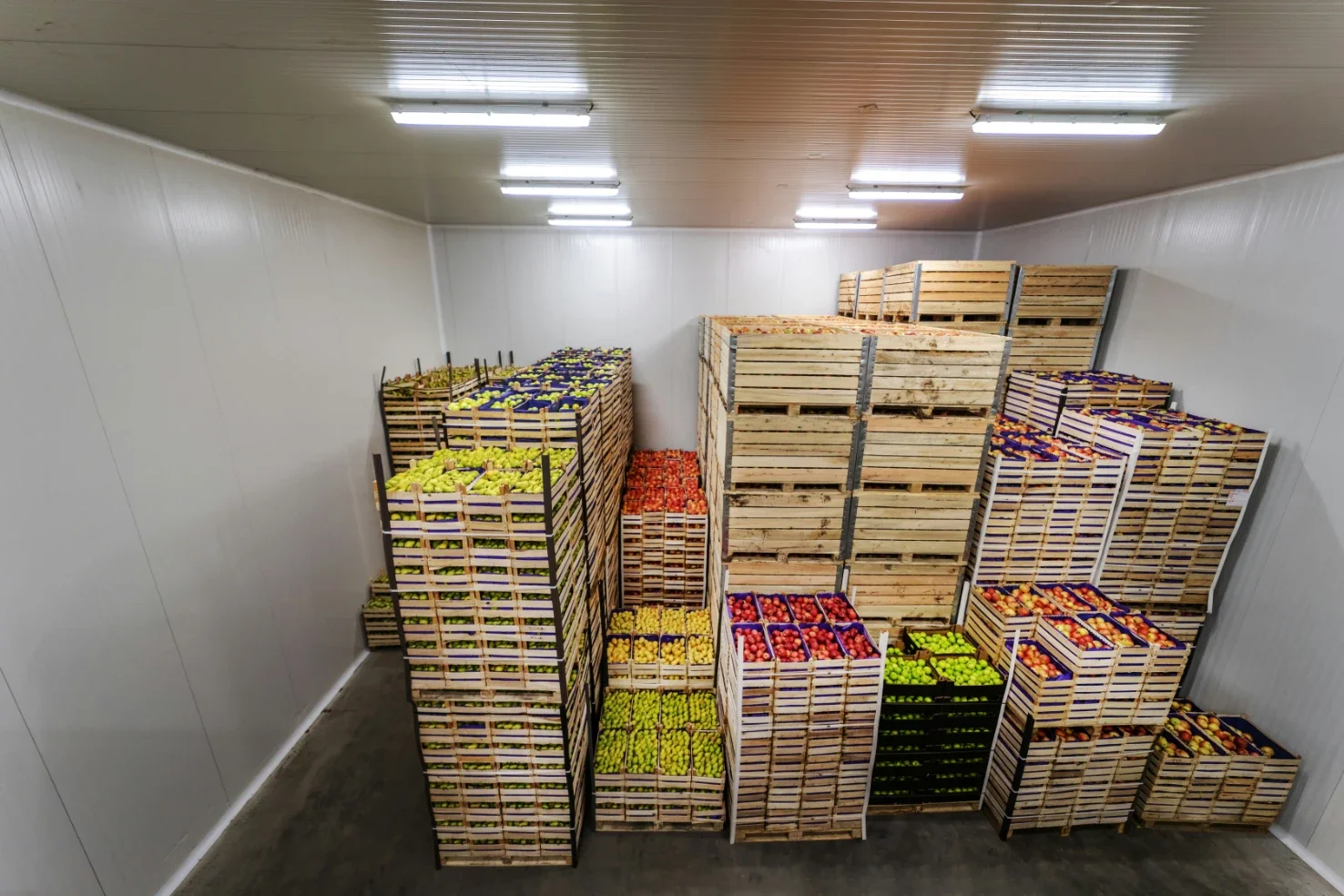
It is also helpful to understand how flowers are transported. Temperature-controlled storage and careful handling can help maintain freshness during transit.
A supplier with dependable logistics allows florists to plan inventory more effectively and avoid unnecessary disruptions.
6. Pay Attention to Customer Service and Communication
A good wholesale supplier should offer more than products. Strong customer service can make everyday purchasing decisions much easier, particularly when unexpected issues arise.
Look for suppliers who communicate clearly, respond promptly to inquiries, and provide accurate information about availability and pricing. It is also worth asking how they handle damaged deliveries, missing items, product substitutions, and order adjustments.
Florists can learn a lot from other businesses' experiences, so consider checking customer reviews and asking fellow shop owners for recommendations.
Building a positive working relationship with a supplier can also lead to smoother transactions and more consistent service over time.
7. Ask About Sustainable and Responsible Sourcing
Sustainability is becoming an increasingly important consideration for customers and businesses alike. Florists who want to make environmentally conscious purchasing decisions should understand where their flowers come from and how they are produced.
Ask potential suppliers whether they carry locally grown flowers, work with growers using responsible production methods, or offer options with reduced packaging.
Locally sourced flowers can also provide opportunities to highlight Ontario-grown products and support Canadian growers. However, it is important to evaluate sourcing claims carefully and ask for information about relevant environmental practices or certifications.
Choosing suppliers that prioritize responsible sourcing can help florists align their purchasing decisions with customer expectations.
Build Stronger Supplier Relationships for Long-Term Success
Comparing wholesale flower suppliers requires looking at several factors beyond price alone. Flower freshness, product variety, delivery reliability, customer service, and responsible sourcing all contribute to a successful purchasing relationship.
For Toronto florists, taking the time to evaluate these considerations can lead to better inventory management, less product waste, and more consistent customer experiences. The right wholesale supplier should not simply provide flowers but also support the business as it grows and adapts to changing customer demands.
Stay up to date with our latest ideas!