How To Choose Flooring That Actually Fits The Way You Live
Learn how to choose flooring that fits the way you live by balancing durability, comfort, maintenance, style, and everyday household needs.

Flooring is one of those design choices that affects a home every single day, even when you are not actively thinking about it. It changes how a room looks, how it sounds, how easy it is to clean, how comfortable it feels underfoot, and how well the space holds up to real life. The mistake many homeowners make is choosing flooring only by appearance.
A beautiful floor can quickly become frustrating if it scratches too easily, feels cold in the wrong room, traps pet hair, or demands more maintenance than your routine allows. The right flooring should support the way you live, not fight against it.
Start With Your Daily Routine, Not The Showroom Sample
The best flooring decision begins with an honest look at your household. Do you have children running through the kitchen with muddy shoes? Pets that shed, scratch, or track water inside? A busy entryway that takes the worst of the weather? A quiet bedroom where comfort matters more than extreme durability? These questions matter more than choosing the trendiest finish.
A useful real-world example can be seen in how regional flooring service pages present flooring options in Raleigh by focusing on home visits, sample comparisons, and practical categories such as carpet, hardwood, laminate, vinyl, and tile. That kind of approach is helpful because flooring is easier to judge when it is connected to the actual home, not viewed as a small sample under showroom lighting.
Before choosing anything, walk through your house and rank each room by use. High-traffic spaces need durability and easy cleaning. Bedrooms can prioritize softness and warmth. Bathrooms and laundry rooms need moisture resistance. Living rooms need a balance between comfort, style, and wear. Once you understand how each room behaves, the right material becomes much easier to narrow down.
Match Flooring To The Room’s Real Demands
Every room asks something different from the floor. Kitchens deal with spills, dropped utensils, chair movement, and constant foot traffic. Bathrooms face humidity, splashes, and cleaning products. Entryways collect dirt, grit, rainwater, and whatever comes in from outside. Bedrooms, on the other hand, usually need comfort, quiet, and a softer visual mood.
This is why one flooring type rarely works perfectly everywhere. Luxury vinyl, porcelain tile, engineered wood, laminate, carpet, and hardwood all have strengths, but they perform differently depending on the room. Tile can be excellent for water-prone areas, but it may feel cold in a bedroom. Carpet can make a bedroom feel cozy, but it is rarely the most practical choice for an entryway. Hardwood adds warmth and value, but it needs more care around moisture and scratches.
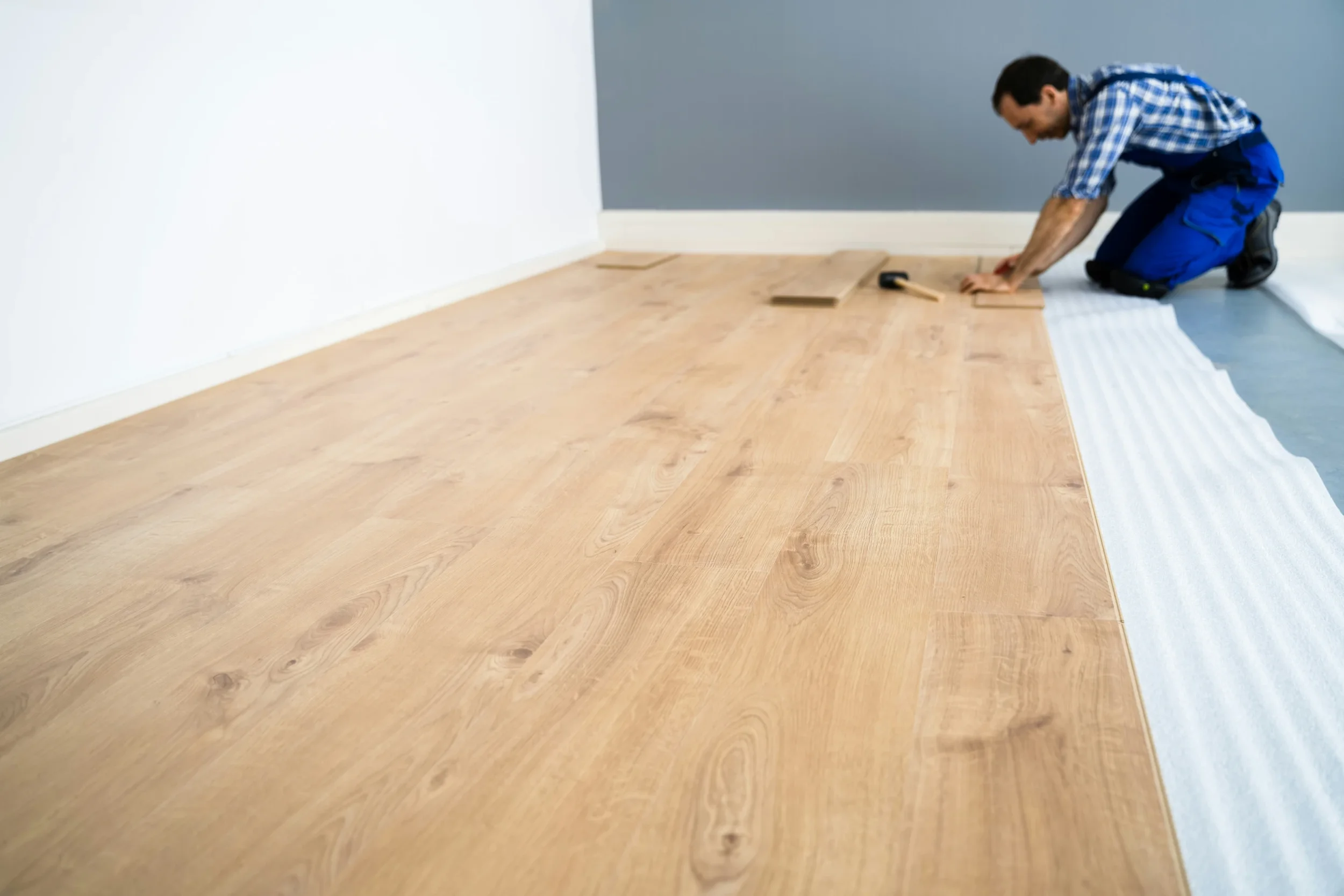
A good flooring plan does not force one material across the whole house just for consistency. Instead, it creates flow while respecting function. You might use durable vinyl plank throughout the kitchen and hallway, carpet in bedrooms, and tile in bathrooms. The key is to choose finishes that complement each other in tone and style so the home still feels connected.
Think About Maintenance Before You Commit
Some flooring looks effortless in photos, but requires more care than homeowners expect. Glossy dark floors can show dust, footprints, and pet hair quickly. Natural stone may need sealing. Hardwood can require refinishing over time. Carpet needs regular vacuuming and occasional deep cleaning. Tile is durable, but grout lines can become a maintenance issue if not sealed or cleaned properly.
Maintenance is not only about cleaning. It is about your tolerance for visible wear. If small scratches bother you, avoid floors that show marks easily. If you hate constant sweeping, think carefully before choosing very dark or very light floors in busy areas. If your home has pets, choose surfaces that can handle claws, accidents, and frequent cleaning.
There is no shame in choosing practicality. A floor that looks slightly less dramatic but stays attractive with less effort may be the better long-term design choice. Good interiors are not only about style. They are about creating a home that remains enjoyable after the first week.
Choose Color And Finish With Light In Mind
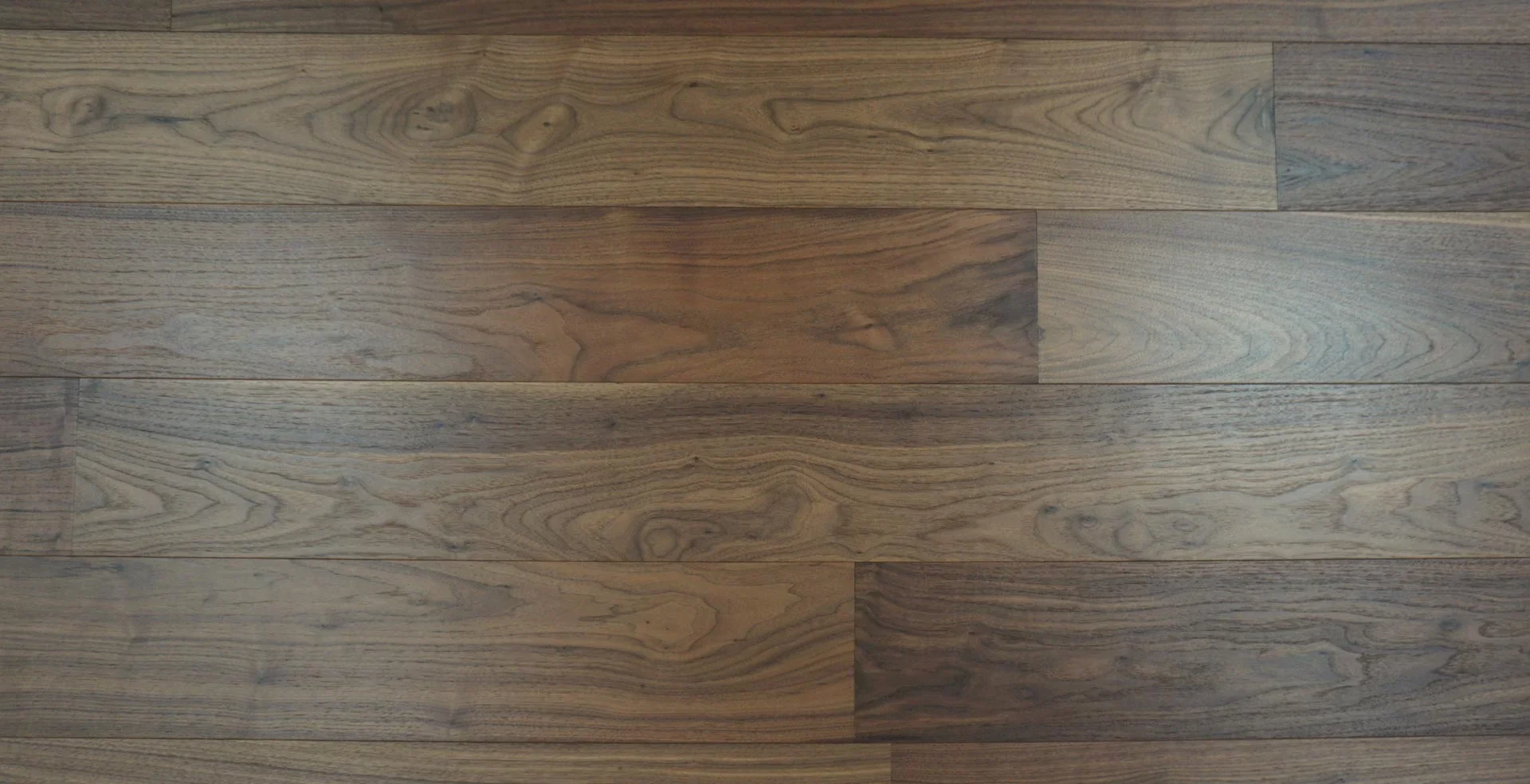
Floor color can completely change the feeling of a room. Light floors can make a space feel open, casual, and airy. Medium wood tones add warmth and flexibility. Dark floors can look rich and elegant, but they may make small rooms feel heavier and can show dust more easily. The best choice depends on the light, room size, wall color, and overall design style.
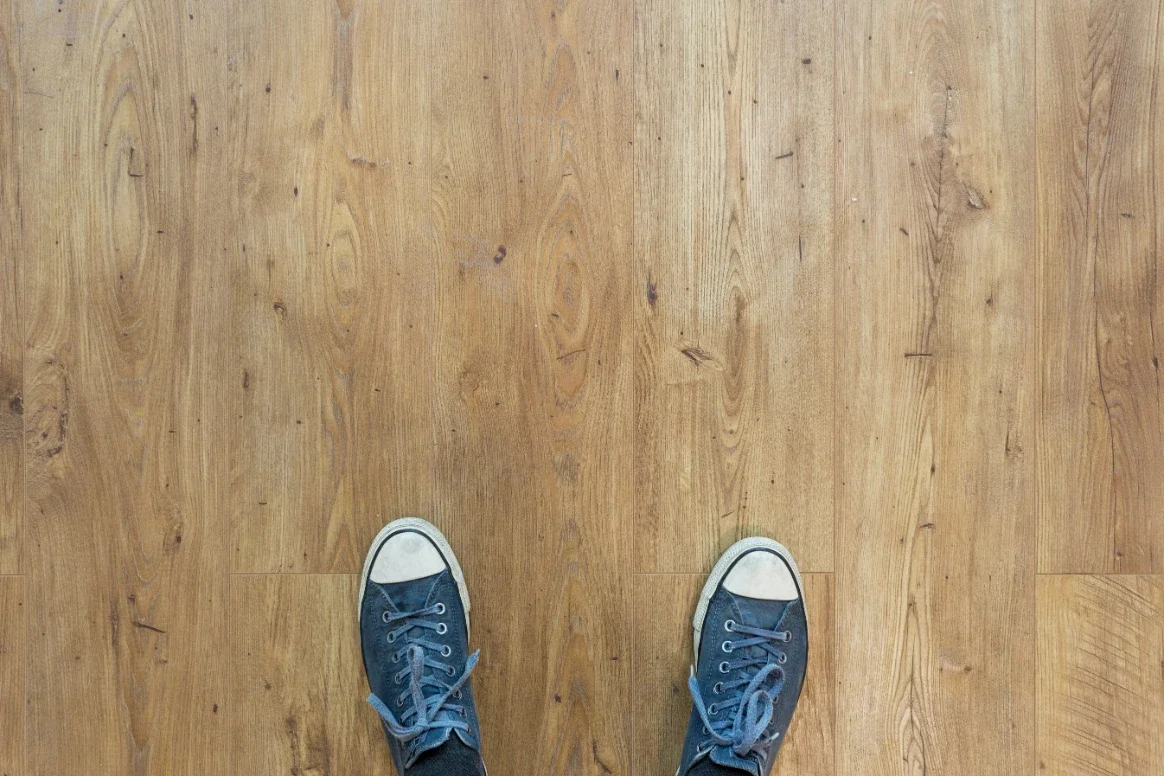
Always look at flooring samples in your own home before deciding. Morning light, afternoon light, artificial lighting, and shadows can all change how a material appears. A warm oak tone may look perfect in the store, but turn orange beside your cabinets. A gray floor may feel modern in a sample but cold across an entire room.
Finish matters too. Matte finishes are often easier to live with because they hide minor marks better than high-gloss surfaces. Textured finishes can add grip and disguise wear, especially in active homes. Smooth finishes may feel more refined, but they can show scratches more clearly.
A floor should support the mood you want while still behaving well under real conditions.
Do Not Ignore Comfort And Sound
Flooring is not only visual. It affects how a home feels and sounds. Hard surfaces such as tile, hardwood, laminate, and vinyl can be practical and stylish, but they may also create more echo, especially in open-plan spaces. Rugs, curtains, upholstered furniture, and acoustic underlayment can help soften the effect.
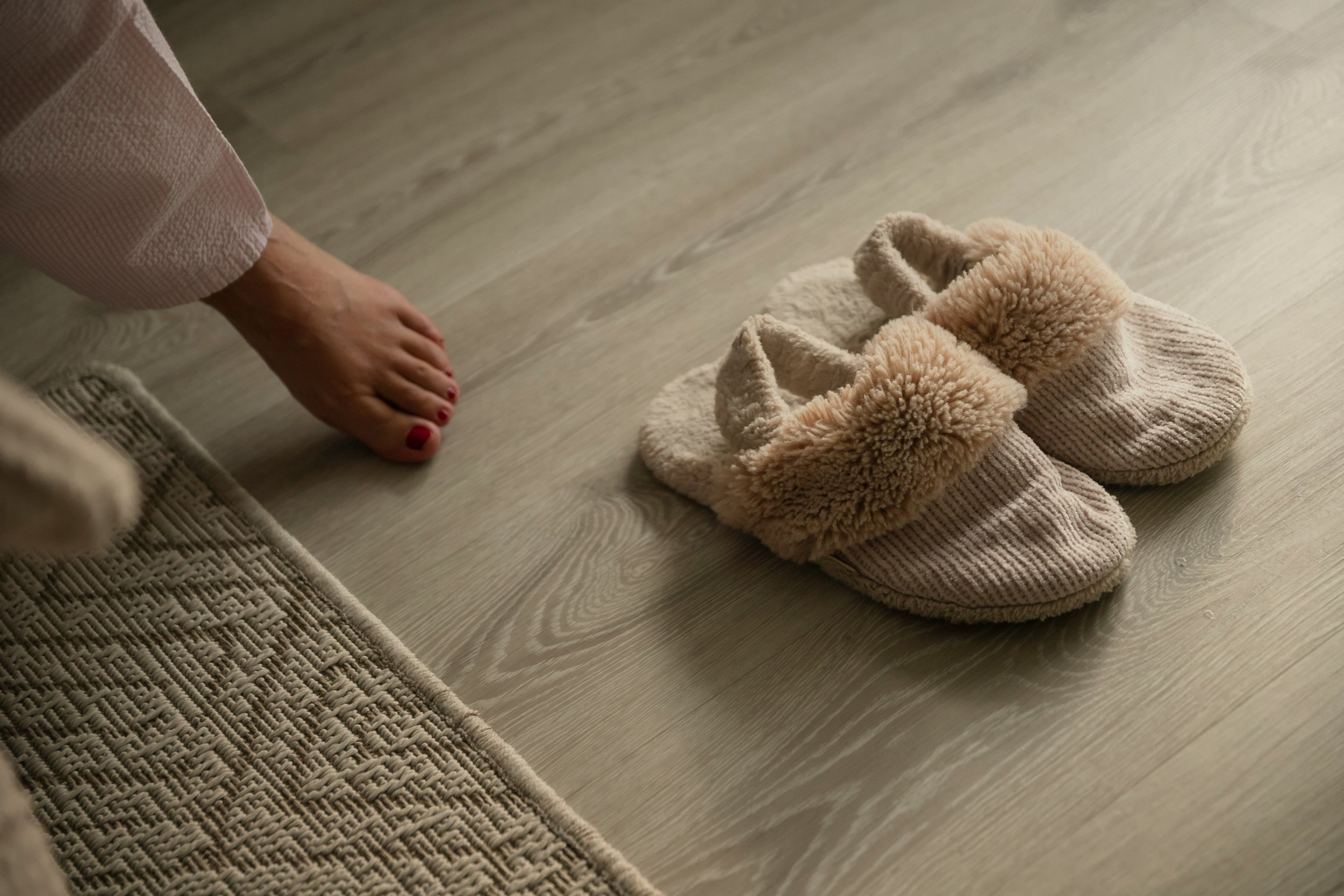
Comfort underfoot also matters. If you spend a lot of time standing in the kitchen, a slightly softer surface or well-placed rug can make a real difference. Carpet remains a strong choice for bedrooms because it adds warmth, reduces noise, and feels comfortable first thing in the morning. Cork and certain vinyl products can also feel more forgiving than harder materials.
Think about who uses the home. Young children playing on the floor, older relatives, pets, and anyone who works from home may all experience flooring differently. A floor that looks stylish but feels harsh, slippery, or loud may not be the best fit for daily life.
Endnote
Choosing flooring well means looking beyond color and price. The right surface should match your routines, room conditions, cleaning habits, comfort needs, and long-term plans. When flooring supports daily life instead of complicating it, your home feels more practical, polished, and comfortable in every season, not just on installation day.
Stay up to date with our latest ideas!