Discover how Miami Beach hotels inspire coastal interiors with breezy colors, natural textures, elegant furnishings, and relaxed seaside style.

Miami Beach became a testing ground for resort architecture during the twentieth century. Developers in the 1930s filled South Beach with compact Art Deco hotels, and the postwar boom brought grand oceanfront resorts farther north along Collins Avenue. Each wave of building faced the same challenges of intense sun and salt air. Guests also expected to feel glamorous while staying cool, which pushed designers to balance style with comfort. Over the decades, Miami Beach hotel interior design produced practical ideas that homeowners along any coastline can borrow. Those ideas have outlasted changing trends, and they still guide how designers approach warm, bright climates today. So what can a hotel lobby teach about designing a coastal home?
A Design Language Shaped by Art Deco History
Hundreds of hotels and apartment buildings rose in South Beach during the 1930s and early 1940s, creating one of the largest concentrations of Art Deco architecture in the world. Architects adapted the national style to a tropical setting, adding eyebrow ledges for shade and nautical details that echoed ocean liners. Interiors followed the same spirit. Lobbies featured terrazzo floors with inlaid patterns and geometric motifs inspired by sunbursts and waves. Pastel color schemes, now strongly associated with the district, became widespread during restoration work in later decades. For homeowners, the lesson lies in proportion and pattern. A single geometric light fixture or a patterned tile border can introduce the era's character without turning a room into a museum. Restraint keeps the look fresh rather than themed. The district joined the National Register of Historic Places in 1979, and its influence still shows up in coastal homes far beyond Florida.
MiMo Lessons in Curves and Open Lobbies
After World War II, a new generation of architects pushed hotel design toward spectacle. Miami Modern, known locally as MiMo, favored sweeping curves and bold signage meant to catch the eye of passing drivers. Inside, lobbies grew larger and more theatrical, often featuring floating staircases and walls of glass facing the ocean. Decorative concrete screens, often called breeze blocks, filtered sunlight while letting air move through. Plenty of these buildings blurred the line between inside and outside, using terraces and courtyards as extensions of public rooms. Homeowners can apply the same thinking at a smaller scale. Large sliding doors or a covered patio furnished like a living room can capture that sense of openness. Curved furniture also softens a space and nods to the period's playful geometry. Above all, MiMo shows how a home can feel connected to its setting, with light and breezes moving freely from room to room.
Materials That Hold Up to Salt Air
Flooring That Stays Cool Underfoot
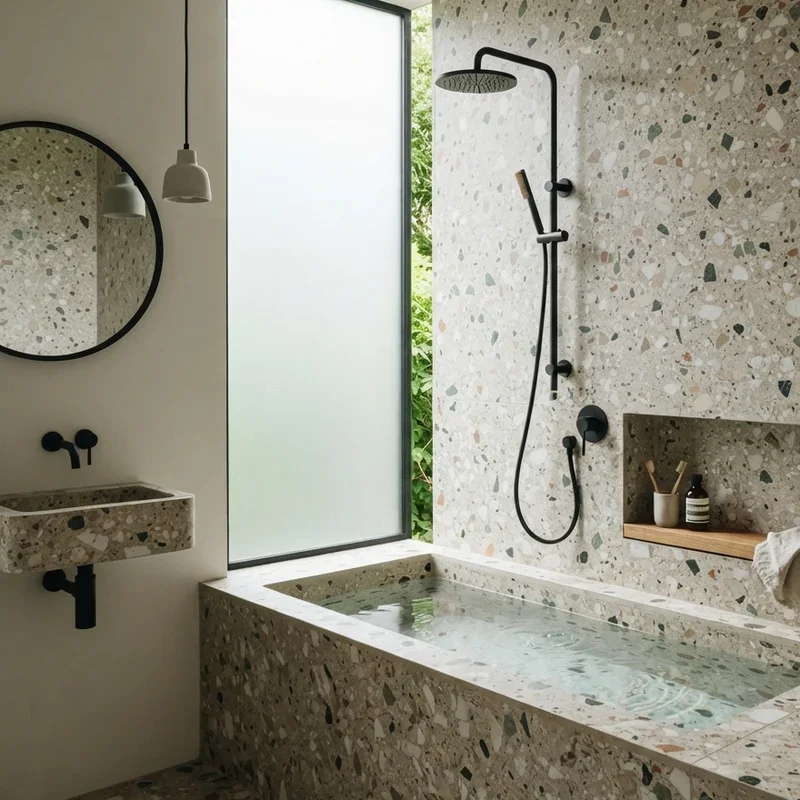
Terrazzo remains one of the most recognizable materials in coastal Florida architecture. Made from chips of marble or glass set in a binder and polished smooth, it resists moisture and stays cool on hot days. Hotels relied on it for lobbies and corridors that handled sandy feet and constant foot traffic. Porcelain tile offers a more affordable alternative with similar benefits. Its dense, low-absorption surface stands up to humidity and dripping swimsuits better than many natural stones. Large-format tiles reduce grout lines, which simplifies cleaning in sandy households. Hardwood requires more care in this climate, since constant humidity can cause boards to swell or cup. Homeowners who love the look of wood often choose wood-look porcelain instead. Light-colored floors also reflect heat and hide sand better than dark finishes. Starting with durable flooring gives the rest of a coastal room a reliable foundation to build on.
Fabrics Built for Humidity
Upholstery in a beachfront hotel faces daily exposure to sunscreen and strong sunlight. Designers often turn to performance fabrics made from solution-dyed acrylic or polyester, which hold their color well and resist mildew. Solution-dyed fibers carry pigment through the entire strand rather than only on the surface, so they fade more slowly in bright rooms. Linen and cotton blends remain popular for curtains and bedding, since they breathe well in warm air. Slipcovers add flexibility, allowing homeowners to wash or swap fabrics as seasons change. Outdoor-rated cushions can also move indoors without looking out of place, especially in sunrooms or spaces with wide windows. Lighter textures help a room feel cooler. Heavy velvets and thick wools tend to trap heat and moisture, which makes them a poor match for coastal living. Leaving a fabric sample in direct sun for a few weeks is a way to judge durability before buying.
Color and Light in a Bright Climate
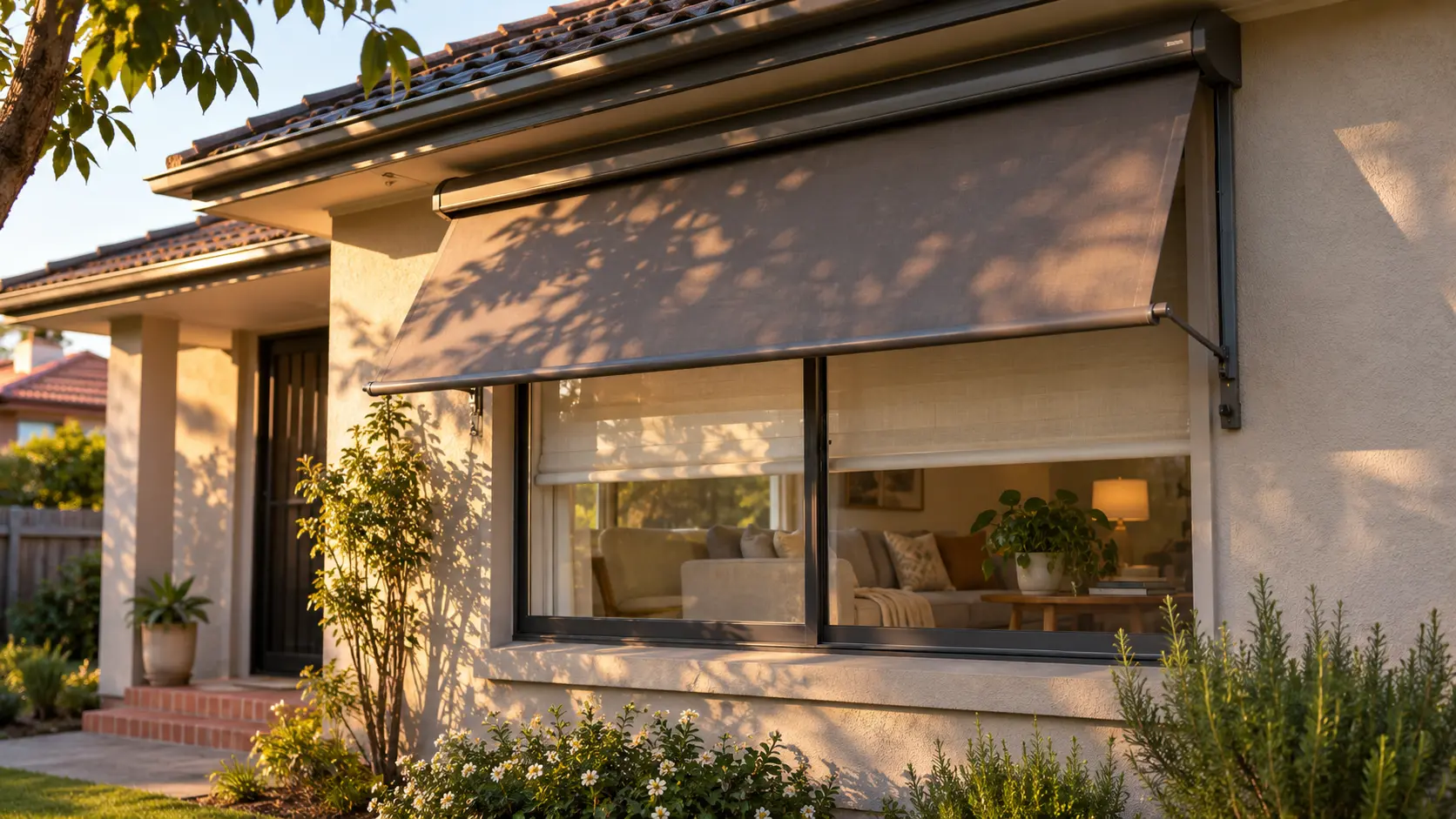
Strong sunlight shapes every color decision near the ocean. Shades that look soft in a showroom can appear washed out under intense midday light, while very saturated tones may feel overwhelming. Hotel designers often build palettes from the surrounding landscape, pairing sandy neutrals with ocean blues or coral accents. Window treatments carry equal weight. Sheer curtains diffuse glare without blocking views, and louvered shutters let air pass while cutting direct sun. Building codes in Miami-Dade County's high-velocity hurricane zone require openings to resist wind-borne debris, and the impact-rated glass that owners often choose can include coatings that reduce heat and UV exposure. Layered lighting keeps rooms comfortable after dark, with warm lamps replacing harsh overhead fixtures. Homeowners can test paint colors at different times of day before choosing a final shade. A palette that works at noon and at sunset will feel right all year.
Hotel interiors along Miami Beach evolved under constant pressure from sun and salt air. Each generation of designers answered those pressures in its own way, yet the strongest rooms always shared one trait. They looked effortless while quietly working hard to stay cool and comfortable. That balance is the real lesson for homeowners. A coastal room succeeds when its beauty and its practicality support each other, so neither feels like a compromise.
Applying the idea does not require a lobby budget. Small decisions, such as choosing a washable fabric or a lighter floor, gradually shift a space toward the relaxed ease that defines the shoreline. Borrowing from these buildings also connects a home to a design history that still shapes Miami Beach today. Nearly a century of hotels has shown that comfort and style can share the same room without competing for attention.
Stay up to date with our latest ideas!