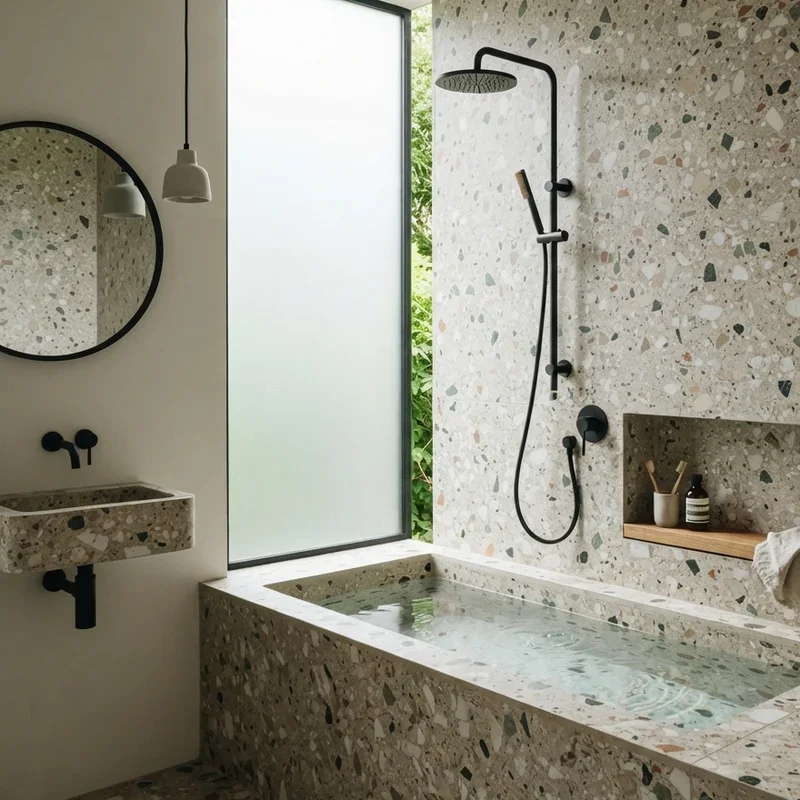
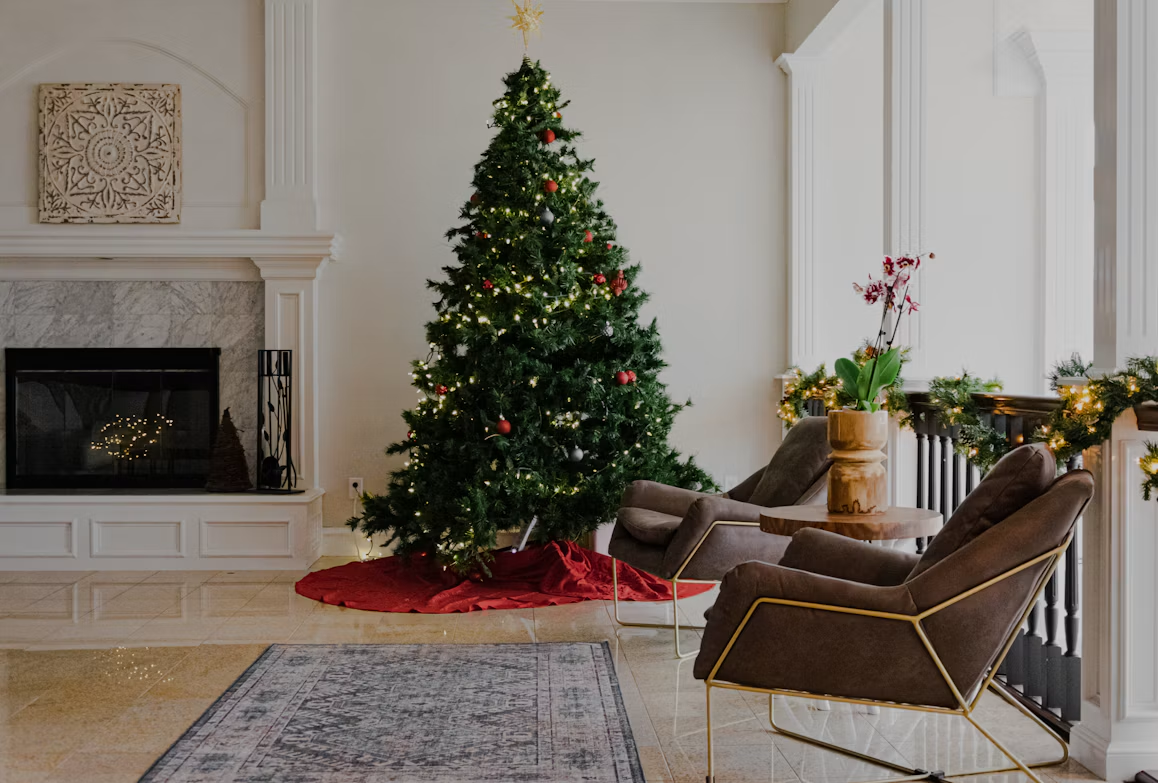
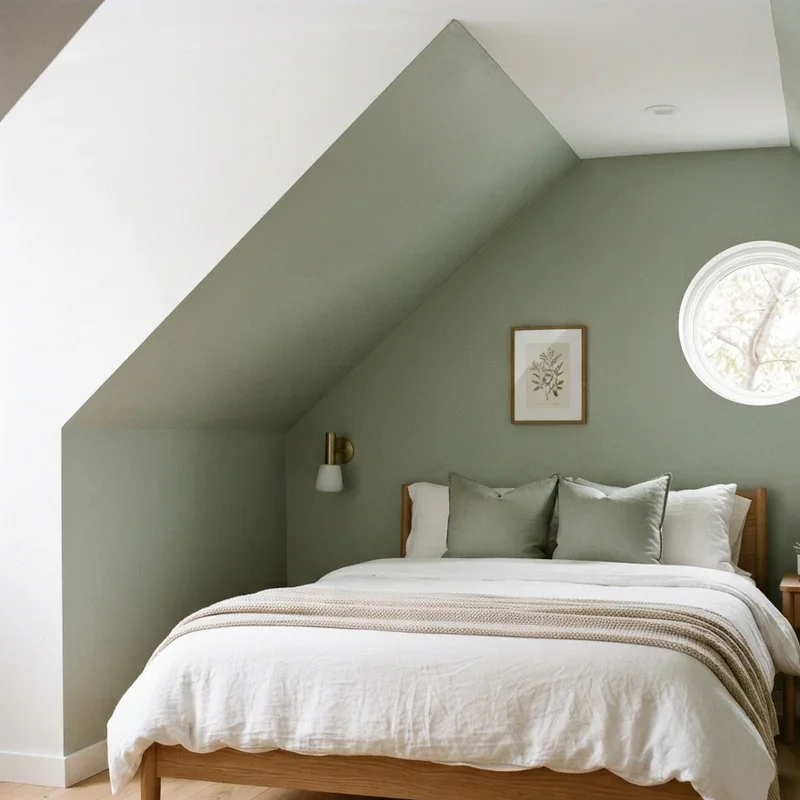
Discover how statement lighting fixtures can elevate your décor, create striking focal points, and define the atmosphere and personality of any room.
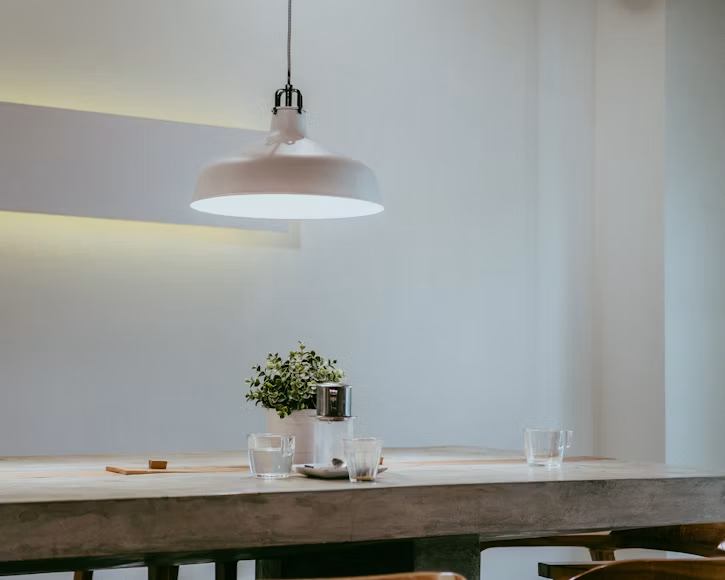
There will come a time when all the right pieces of furniture aren't enough, and a room will benefit from more. Often, the answer will be above you!
An interesting pendant or wall light will add character and individuality to a room, and this is why many people choose to use their lighting as a form of decoration. It will add interest to a room even with the light off.
It's no surprise, therefore, to learn from NKBA's 2027 Kitchen Trends Report that 78% of respondents agreed lighting is increasingly used as a key design feature, rather than solely for function. All respondents to this survey worked in the kitchen market.
Of course, you want the light to be attractive, but you don't want to compromise usability. Here's some advice to help:
What you will learn from this article:
Identify the focus of the room
Select an interesting shape
Ensure the size and location are appropriate
Use other lights to supplement
Consider material choices
Consider the quality of the emitted light
Summary
Identify the focus of the room
It will help to know which area of the room you would like to draw the eye to. It could be a table, the kitchen worktop, or simply an area with seating.
Stand at the main access point into the room and see where you look first. Ideally, an eye-catching light would complement and enhance what you already see.
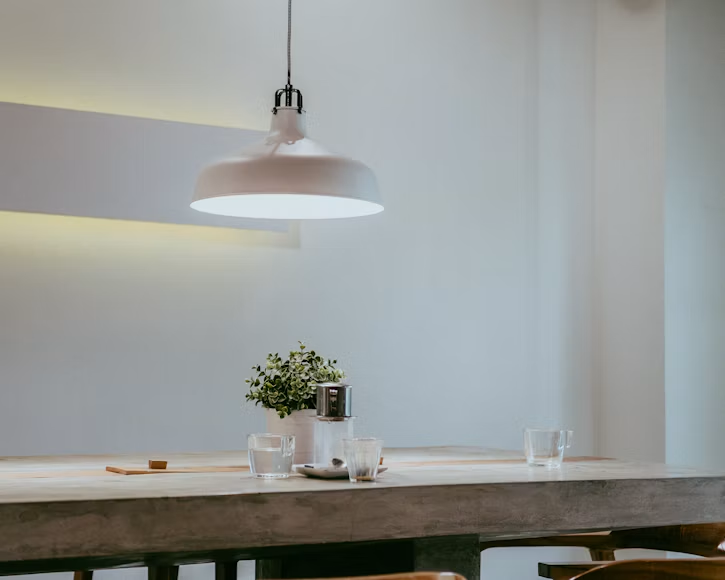
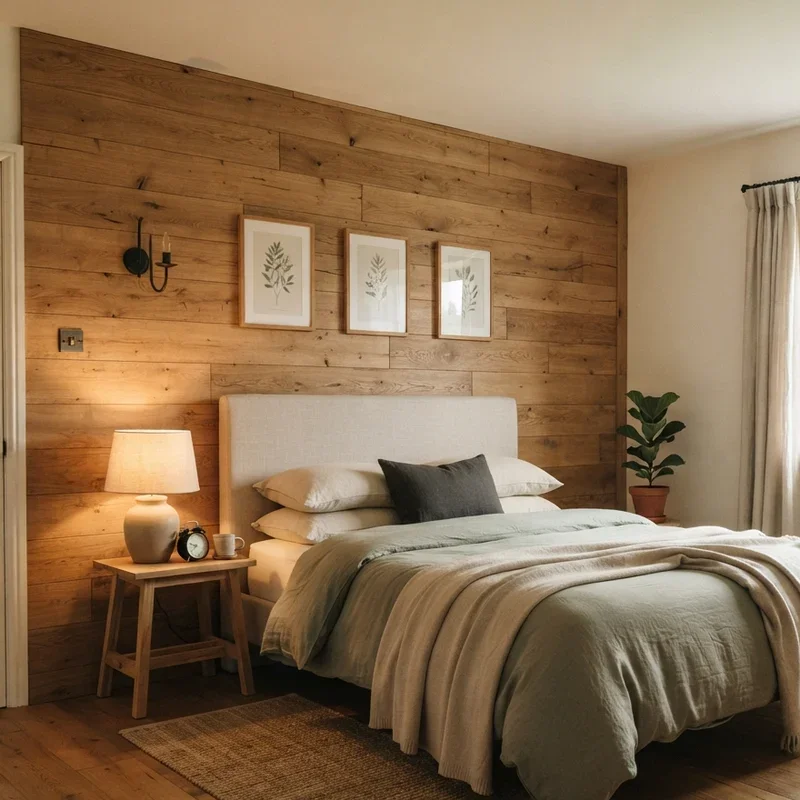
Positioning a statement light over a table can define this area within a larger open space, or a striking lamp next to an armchair would create an attractive feature around a single seat. Both are relatively simple changes that can transform a room.
Equally important is considering the other features in the room. An intricately patterned wallpaper or impressive feature may benefit from a plain, shaped fitting, whereas a plainer scheme would allow a more elaborate light.
Select an interesting shape
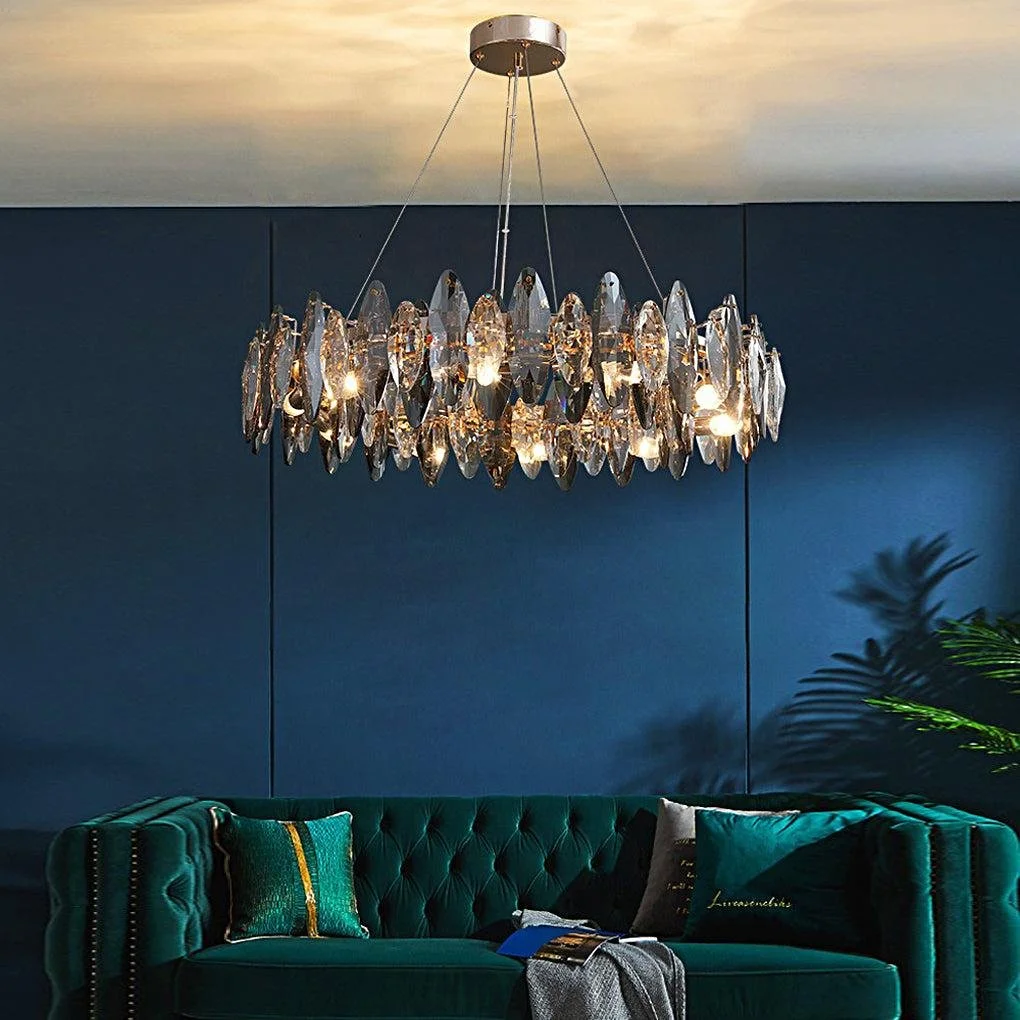
Many beautiful lighting fittings are attractive enough to be considered works of art, and so can be a valuable addition as decoration. As mentioned, you want to consider the outline and shape of the fitting.
There are plenty of options to create different effects. Multiple spherical glass shades create an informal feel over a table. Several straight pendants are ideal over a long table, and a wall light molded from ceramic could be attractive in place of a work of art.
As a guide to the many shapes available, take a look at the range of Pendants, Chandeliers and Wall Lights available at Lightopia. Focus initially on the general shape and form of each.
As a rule of thumb, switch the light off and imagine it in the room during the day. Is it still a desirable addition? If it's only attractive when illuminated, you may prefer to have this elsewhere in a less prominent way.
Ensure the size and location are appropriate
Obviously, a light will look out of place if disproportionately oversized or small for its surroundings.
As a starting point, consider whatever item is positioned underneath. The width and length of a table can help guide your choice of light, alongside ceiling height and room proportions. Measure the full drop from the ceiling mounting point to the lowest part of the fitting, including its suspension. You don't want to obscure people sitting around the table from each other's view. Similarly, ensure adequate clearance above heads where lights may hang over a path.
To visualize a particular fitting in position, cut out its dimensions from the card and suspend it at the correct level. Inspect this from various angles, for example, standing at the door and seated.
As always, be aware of any special installation considerations, such as additional support to carry a heavier light, or the need to create a new ceiling point.
Use other lights to supplement
You will probably want additional sources of light to serve other purposes within the room. These generally cover three useful roles:
general ambient lighting
lighting for a particular task
highlighting objects or areas
So it makes sense to direct these other sources to perform these roles, leaving the decorative light to be the centerpiece. For example, a directed light can be positioned over a work of art, aimed at an interesting feature, or fitted within shelving.
Avoid directing too much light at all objects and features, as this removes any variation and emphasis. Direct light carefully to highlight chosen objects, and inspect in the evening to ensure adequate focus.
Consider material choices
You'll want to select a material, or combination of materials, to coordinate with other elements in the room, as discussed above. There are many possibilities to choose from.
Transparent glass will appear less obtrusive in smaller spaces, metals can provide crisp lines, molded plaster or ceramic can have an organic appearance, and natural materials will add texture.
Naturally, you can combine various materials, for example, a metal pendant over dark colored units. There may well be other features within the room sharing similar colors, although it doesn't need to extend to all details.
Also consider the level of maintenance required. Shiny surfaces may require regular polishing, and textured surfaces may be difficult to dust. Practical considerations may dictate a choice of material, particularly over a kitchen worktop.
Consider the quality of the emitted light
Obviously, you want to ensure satisfactory levels of light from a decorative fitting as well as its appearance.
Warm white bulbs around 2700 to 3000 K can be suitable for many seating and dining areas. Lumens can be compared to determine relative brightness.
You don't want any lights shining directly into people's eyes. Be mindful of the height of any exposed lamps, and whether the fitting itself is designed to project light upwards or downwards, or whether a more diffused bulb is appropriate.
It may also be desirable to vary the level of illumination, so ensure suitable bulbs, fitting and switch can all be dimmed.
Consider whether it would be straightforward to replace any burned-out bulbs, or whether the lamp is built-in, and what provision there is if it fails.
Summary
There are many options available to create an attractive focal point within a room using lighting. As discussed, decide where in the room this should be located, select a suitable size and interesting design, and utilize other lights as appropriate. Then ensure satisfactory levels of usable light from the fitting itself.
Stay up to date with our latest ideas!