Explore the suitability of radiant barrier foil for new and existing homes, its installation options, and how it can help reduce heat gain and cooling costs.

Radiant barrier foil is often discussed as though it belongs exclusively in one kind of project: either a carefully planned new build or a difficult retrofit job. In reality, it can work well in both. The difference lies less in the age of the home than in the installation conditions, climate, roof design, and the homeowner’s broader energy-efficiency goals.
At its core, radiant barrier foil is designed to reflect radiant heat rather than absorb it. That distinction matters most in hot, sunny climates, where roof surfaces can become extremely warm and transfer heat into attic spaces. By reflecting a significant portion of that radiant heat away from the attic, the material can help reduce the thermal load placed on insulation and air-conditioning systems.
Still, it is not a universal fix for every comfort or energy problem. A poorly sealed attic, inadequate insulation, or an undersized HVAC system may limit the benefits. The strongest results come when radiant barrier is treated as part of a complete building-envelope strategy rather than a standalone upgrade.
Why Radiant Heat Matters in Attics
Most homeowners are familiar with conductive heat transfer: heat moving through a solid material, such as a roof deck or ceiling. Radiant heat behaves differently. It travels in waves from hot surfaces to cooler ones, much like the warmth felt when standing near a campfire.
During summer, roof decking can radiate substantial heat downward into an attic. Even where insulation is present on the attic floor, that heat can build up above it, raising attic temperatures and making cooling equipment work harder. In some regions, attic air temperatures can climb well beyond outdoor temperatures on clear, sunny days.
Radiant barriers address that specific type of heat movement. They are typically installed with an adjacent air space, allowing the reflective surface to perform as intended. If the foil is pressed tightly between materials with no air gap, its ability to reflect radiant energy is reduced.
That principle applies whether the house is still on the drawing board or has been occupied for decades.
New Construction: More Design Flexibility
New builds offer the simplest path for installing radiant barrier foil because the material can be incorporated before ceilings, roof finishes, and mechanical systems are in place. Builders can decide whether the foil will be installed beneath roof decking, across rafters, or as part of a planned attic assembly.
This flexibility makes it easier to preserve air gaps, avoid interference with ventilation, and create clean, continuous coverage. It also allows the radiant barrier to be coordinated with insulation levels, duct placement, and attic ventilation from the beginning.
For example, a home being built in a hot climate may benefit from placing a radiant barrier beneath the roof deck while keeping ductwork within a more controlled attic environment. The goal is not simply to make the attic cooler; it is to reduce the amount of heat that reaches building components and HVAC equipment.
New construction also gives builders an opportunity to think beyond minimum code requirements. Code-compliant insulation is important, but combining it with proper air sealing and radiant control can support better comfort during peak summer conditions.
Existing Homes: A Practical Retrofit Option
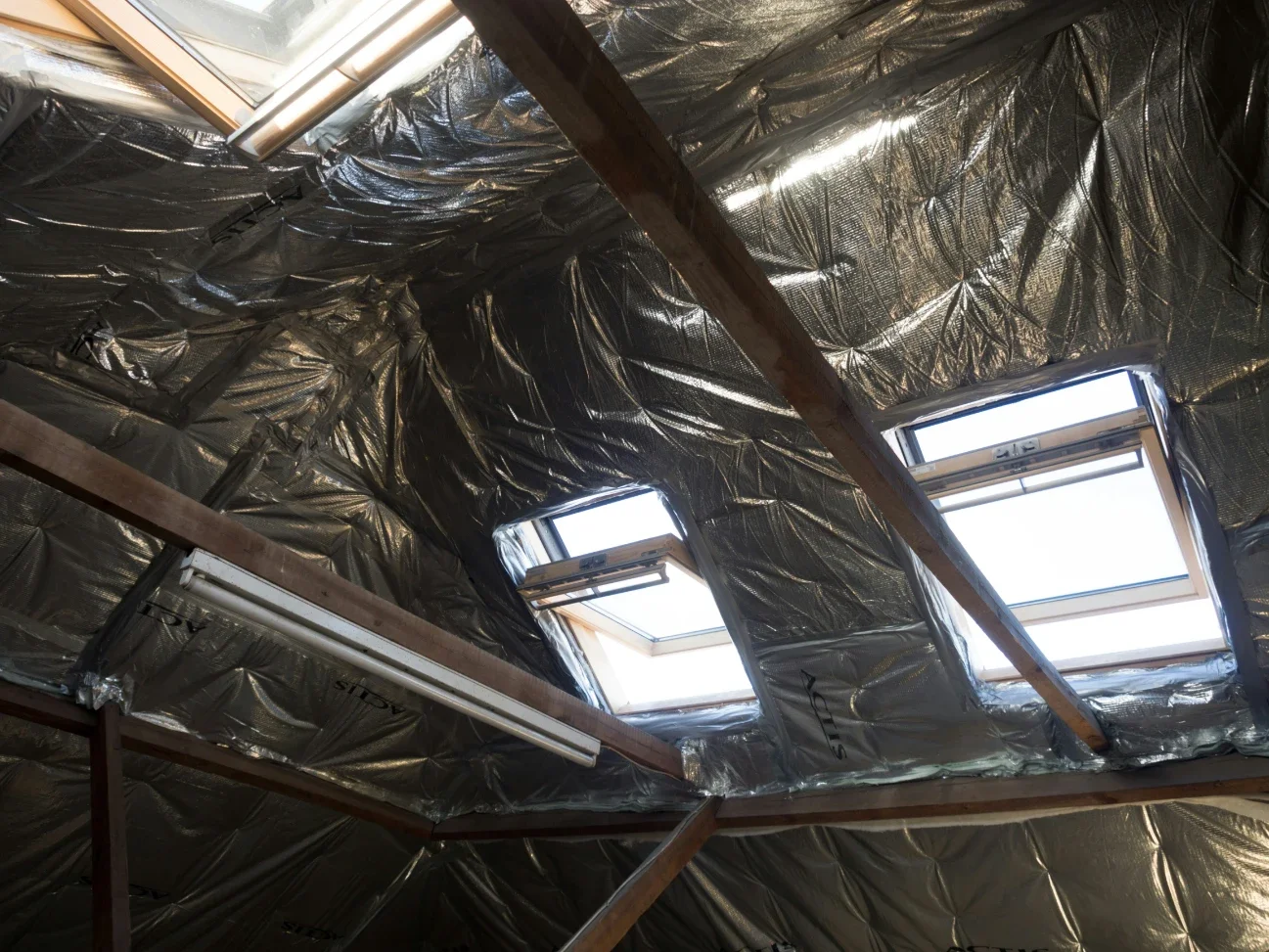
Retrofitting an existing attic requires more attention to access, ventilation, and safety, but it is often entirely feasible. In many homes, the most practical approach is to install foil along the underside of rafters or roof framing from inside the attic. This can be done without removing roofing materials or opening finished ceilings.
For retrofit work, material selection matters. Homeowners and contractors often look for products designed to allow attic moisture to move appropriately while still reflecting heat. A perforated radiant barrier for attics can be particularly relevant where vapor permeability and attic conditions are part of the installation decision.
The key question is not simply, “Can foil be added?” It is, “What is happening in this attic already?” Before installation, assess insulation depth, signs of roof leaks, existing ventilation paths, duct condition, and electrical hazards. Radiant barrier should never cover or block soffit vents, ridge vents, gable vents, or other features intended to manage attic airflow.
What Makes a Retrofit Successful?
A successful retrofit starts with a realistic diagnosis. If warm air is leaking from the house into the attic through recessed lights, plumbing penetrations, or attic hatches, air sealing should be addressed first. Likewise, insulation that is thin, compressed, or uneven may need improvement before radiant foil is expected to deliver meaningful comfort gains.
Installers should also avoid treating the attic as a storage-free void. Existing homes may have wiring, junction boxes, flues, bath-fan ducts, or low-clearance roof sections that complicate coverage. Careful planning matters more than speed.
In general, a retrofit is most attractive when:
The attic is accessible and has adequate working clearance.
The home is located in a cooling-dominated or mixed climate.
Ductwork or HVAC equipment sits in the attic.
The roof receives prolonged direct sun.
Insulation and air sealing have already been evaluated.
Climate, Roofing, and Expectations
Radiant barrier foil tends to offer the greatest potential benefit in climates with long cooling seasons and intense solar exposure. It can also be useful in mixed climates, though the return on investment may be less dramatic where heating demand dominates for much of the year.
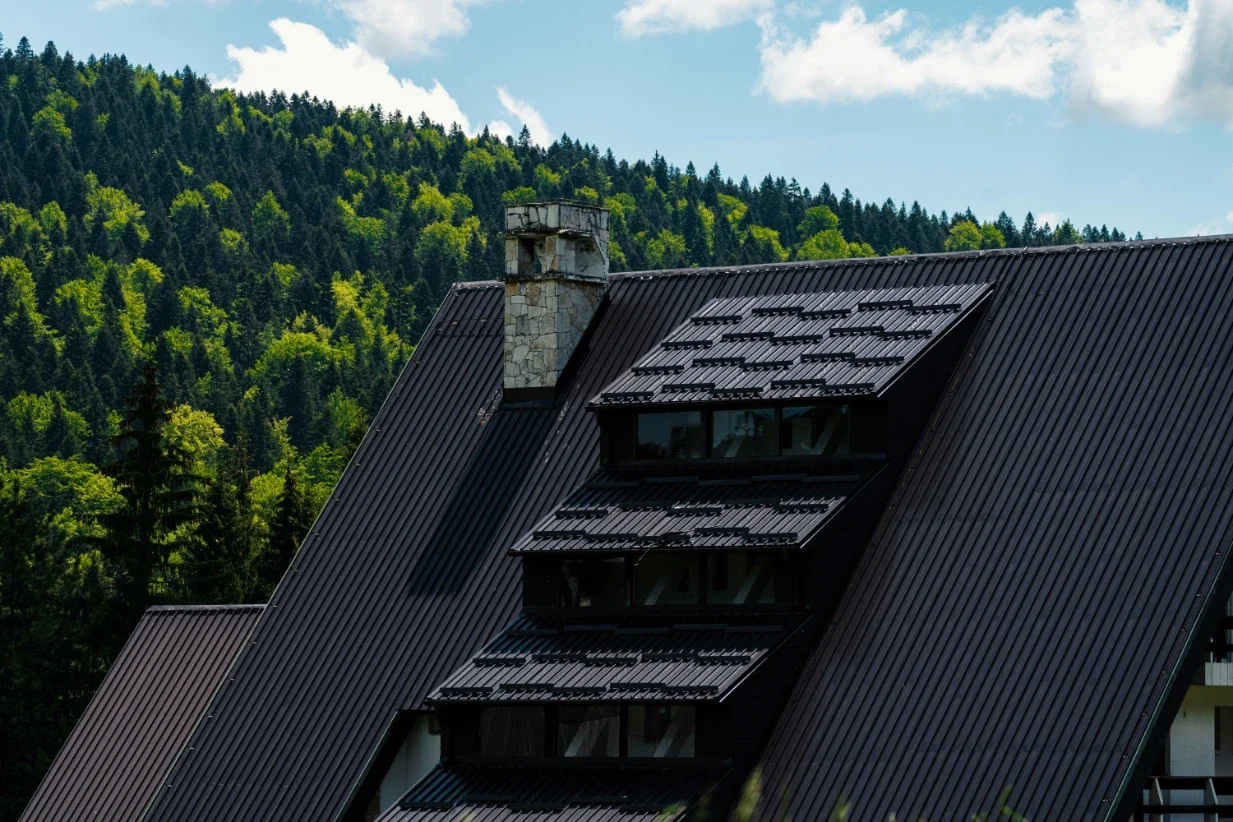
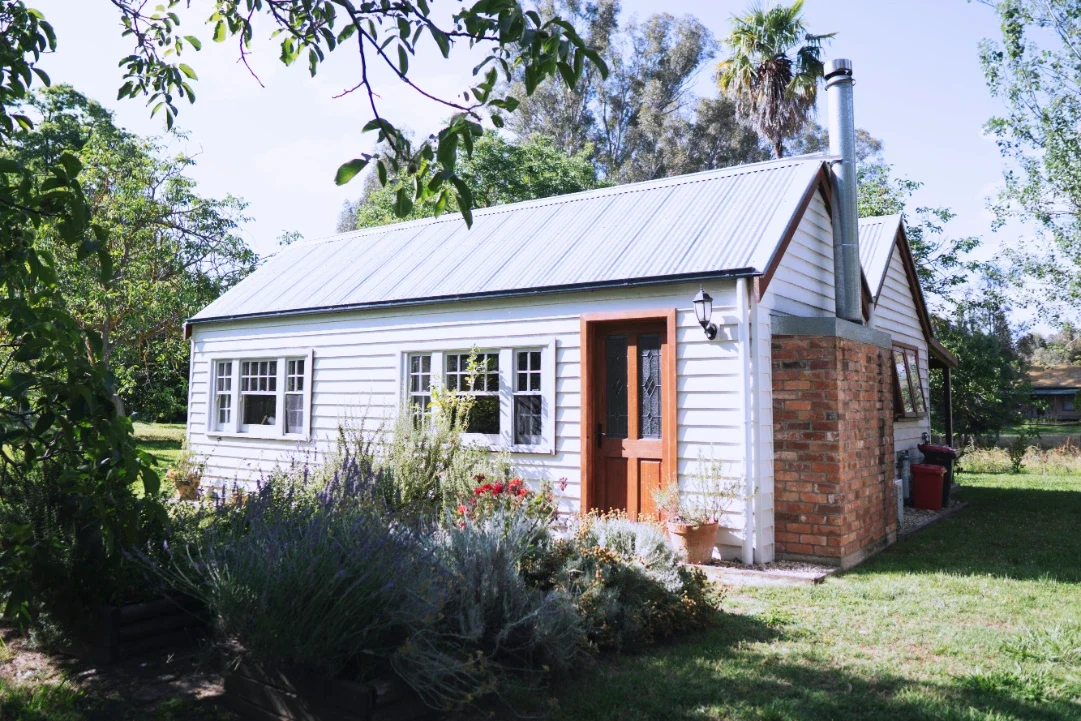
Roof color, orientation, and material influence attic heat gain as well. A dark asphalt-shingle roof exposed to afternoon sun will behave differently from a light-colored metal roof shaded by mature trees. That does not make radiant barrier irrelevant in either case; it simply means performance should be considered in context.
Homeowners should also set sensible expectations. Radiant barrier foil does not replace insulation, repair air leaks, or solve moisture problems. It is best viewed as a heat-management layer that complements those fundamentals. In a well-designed attic, that added layer can reduce summer heat buildup and help create more stable indoor conditions.
The Bottom Line
Radiant barrier foil can be suitable for both new builds and existing homes, provided it is selected and installed with the building’s specific conditions in mind. New construction offers more design freedom, while retrofits require careful attention to access, ventilation, and existing attic performance.
The most effective projects begin with the basics: seal air leaks, confirm insulation is adequate, protect ventilation, and address any roof or moisture issues. From there, radiant barrier can become a useful addition—not a magic solution, but a practical tool for reducing unwanted heat before it works its way into the living space.
Stay up to date with our latest ideas!