Discover how architectural shingles and standing seam metal roofing enhance modern home curb appeal with distinctive styles, durability, and visual depth.
Architectural shingles and standing seam metal panels are transforming residential curb appeal. Together, these systems shield Oklahoma homes from intense summer heat and hail.
Living in central Oklahoma means your home faces a constant tug-of-war between sharp exterior style and relentless spring storms. You want a roofline that turns heads from the street without worrying every time dark clouds roll across the plains. Balancing visual appeal with heavy-duty weather engineering is now easier than ever for local homeowners.
Pairing dimensional architectural shingles or standing seam metal with FORTIFIED installation standards gives your property lasting protection. Modern roofing systems upgrade your home's appearance while standing strong against intense heat, high winds, and severe hail.
How Do Dimensional Shingles Create Deeper Curb Appeal?
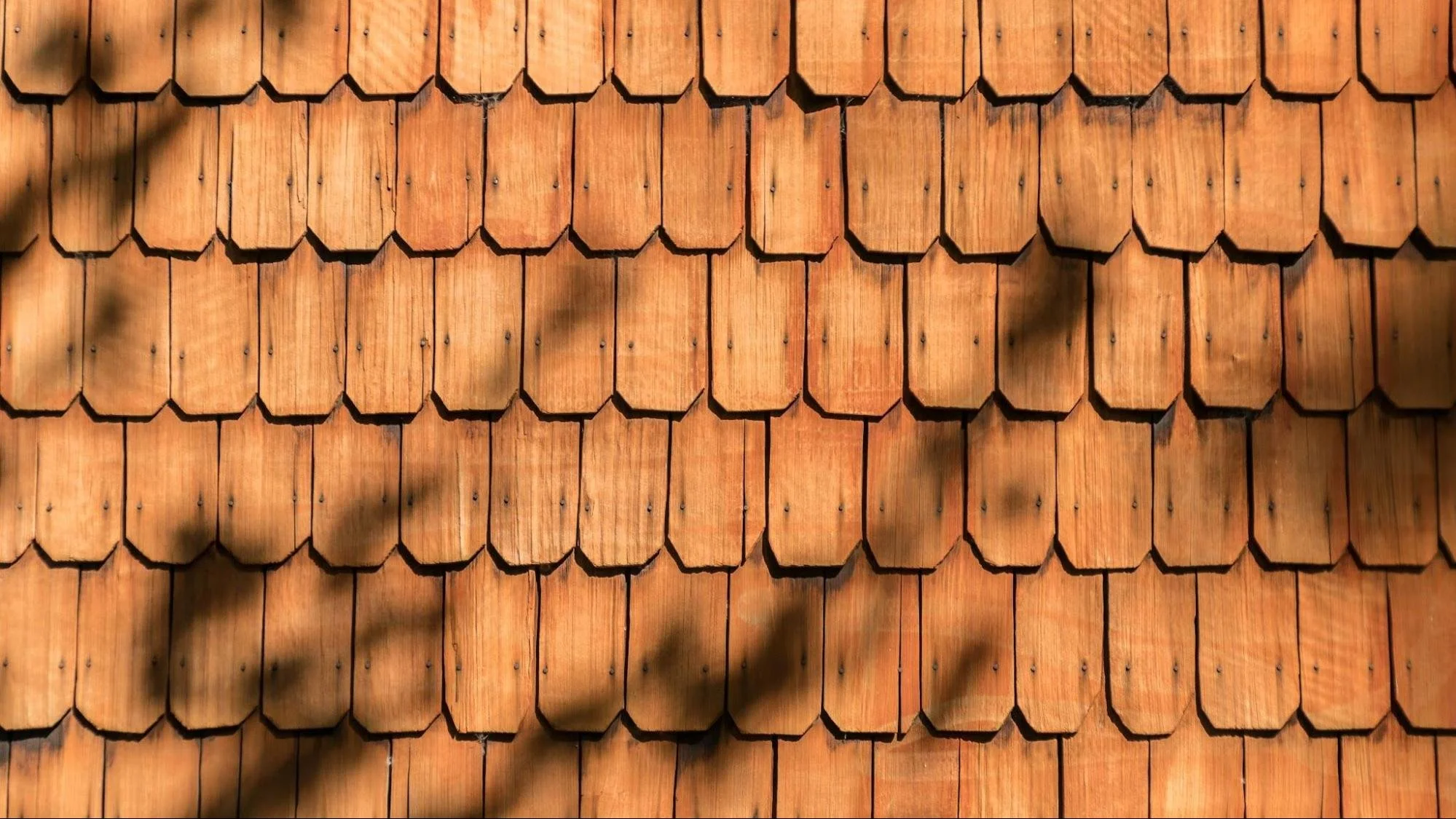
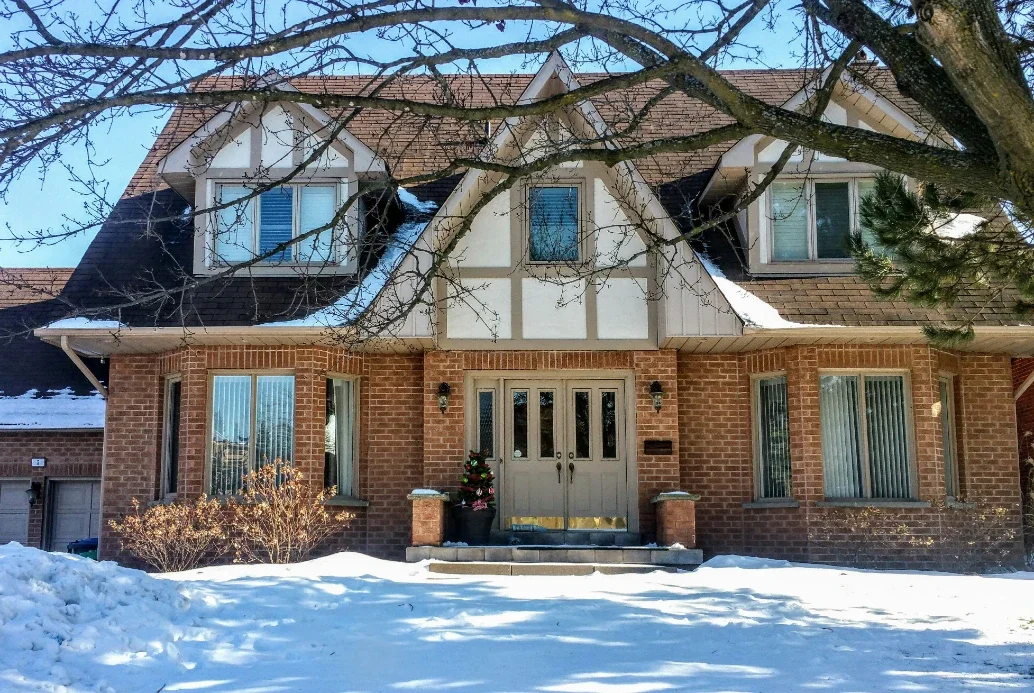
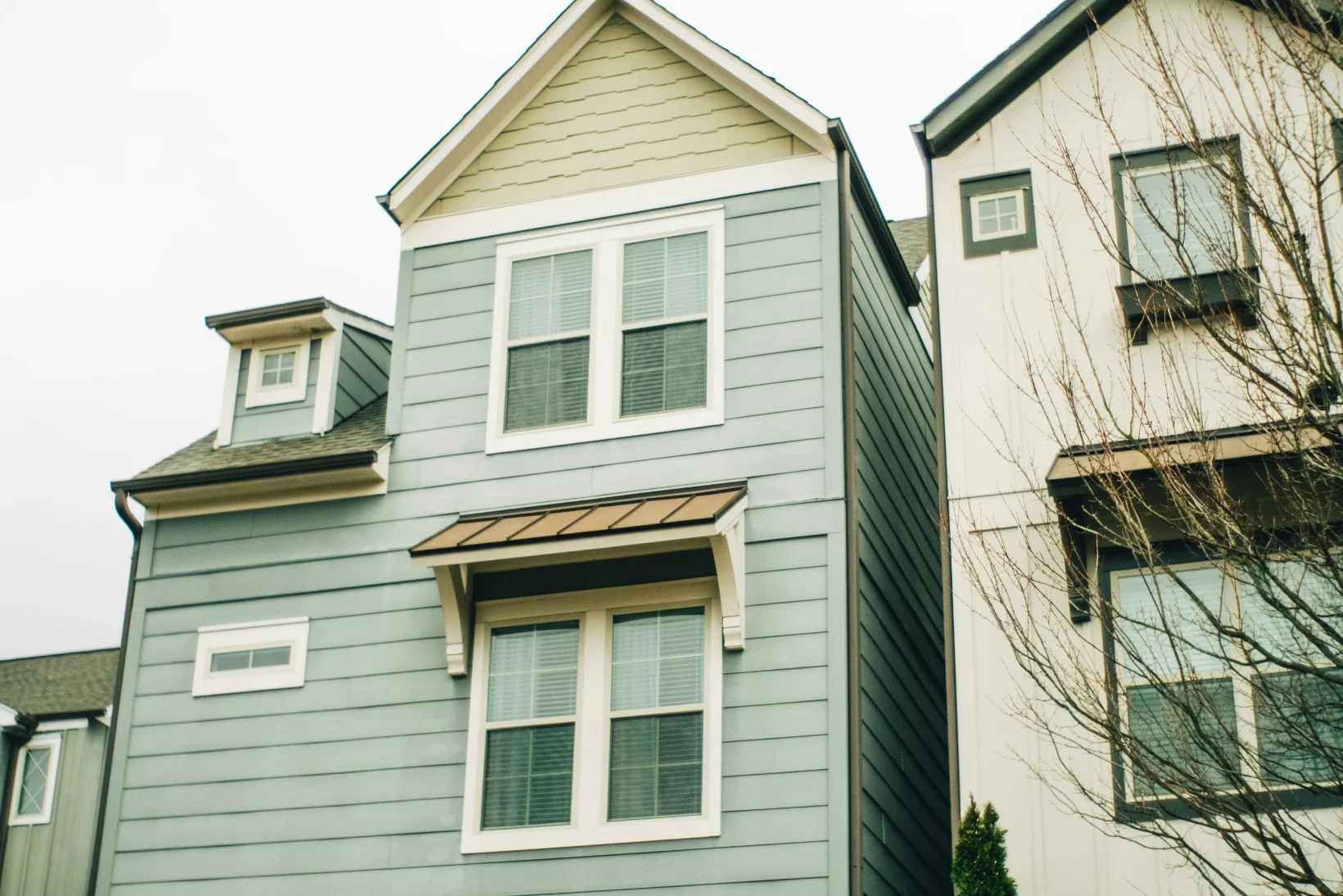
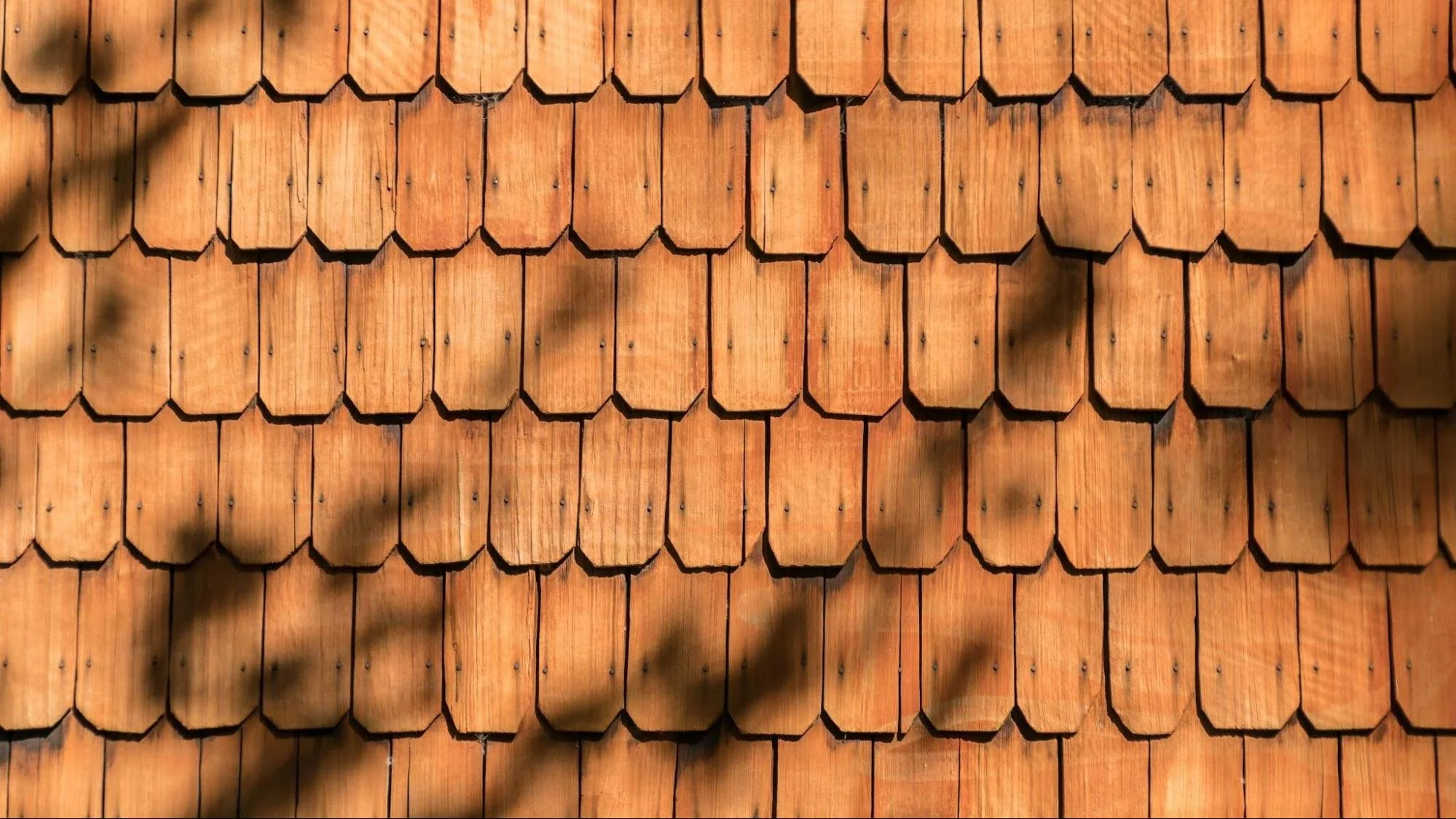
Traditional three-tab shingles often leave a roof looking flat and dated from the curb. Architectural shingles solve the visual problem by layering multiple fiberglass mats coated in ceramic-mineral granules. That thicker construction creates rich shadow lines that mimic natural wood shake or quarried slate. Your home immediately gains depth, texture, and architectural character without the heavy maintenance demands of organic materials.
Color blends play an equally big role in modernizing your exterior facade. Manufacturers now craft multi-tone palettes that tie together brick, stone, and painted siding effortlessly. Choosing weathered wood, charcoal, or warm earth tones helps your roof anchor the entire exterior design while hiding minor dust or weather wear between cleanings.
Why Are Homeowners Choosing Standing Seam Metal Profiles?
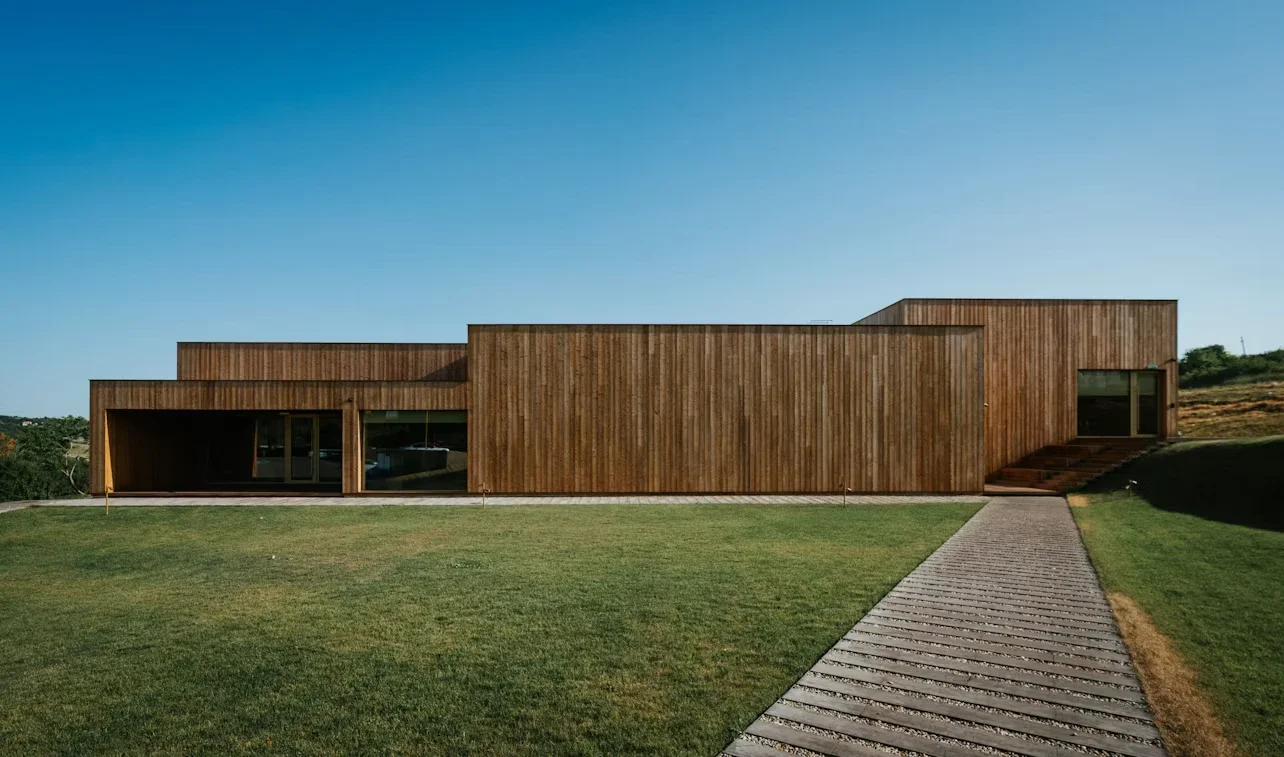
Clean vertical ribs and concealed fasteners give standing seam metal roofs a crisp, contemporary silhouette. Unlike exposed-fastener panels used on agricultural barns, residential standing seam systems hide every screw beneath raised interlocking seams. Those continuous lines draw the eye upward and complement modern farmhouses and classic ranch homes. You get a sleek, tailored finish that resists warping or streaking across decades of intense sun exposure.
Budget and long-term value often guide the choice between metal panels and dimensional asphalt. Data compiled by This Old House for 2026 indicates that architectural asphalt shingles typically cost around $7 per square foot, while standing seam metal runs closer to $28 per square foot, with 93% of polled homeowners expressing satisfaction after upgrading their roofs. Both options deliver strong visual returns when matched to your home's architectural style.
Why Does Certified Installation Matter for Severe-Weather Resilience?
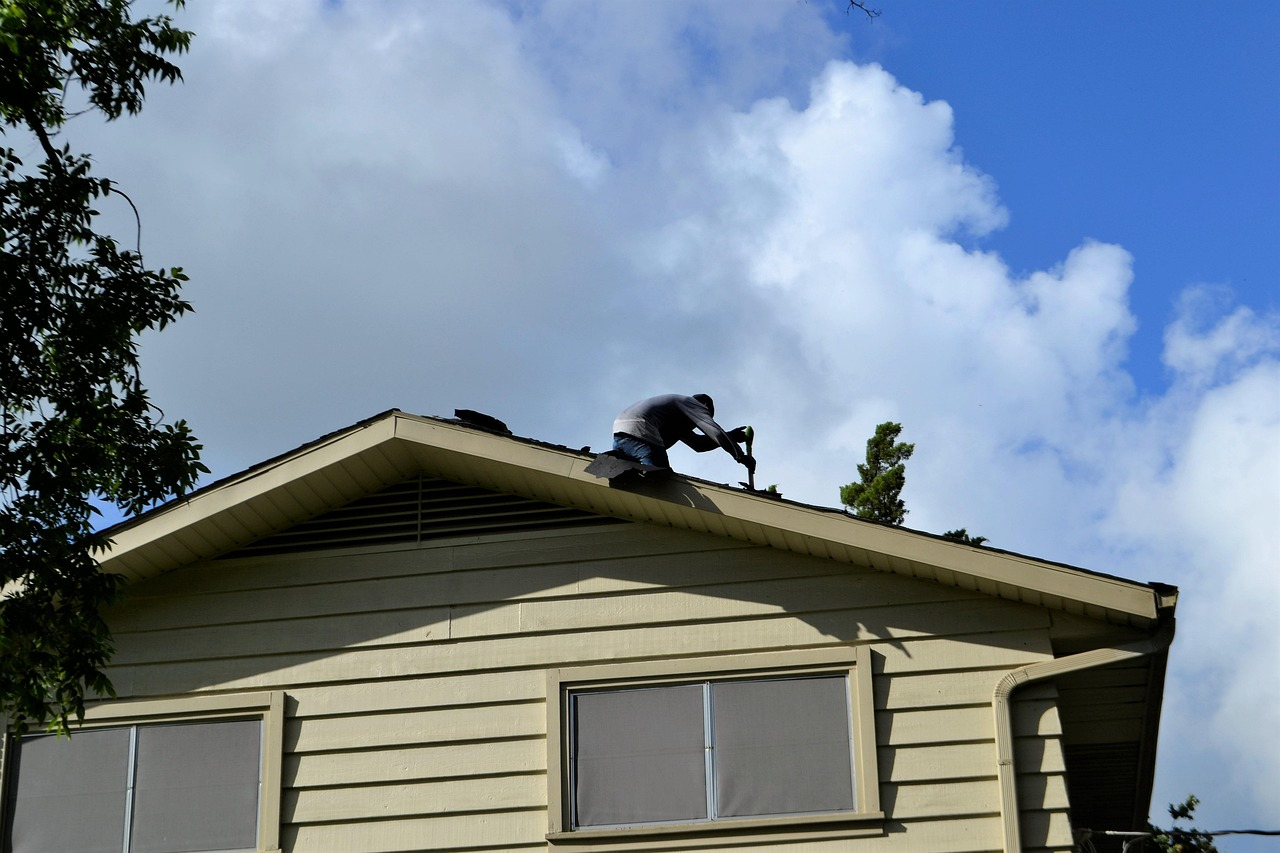
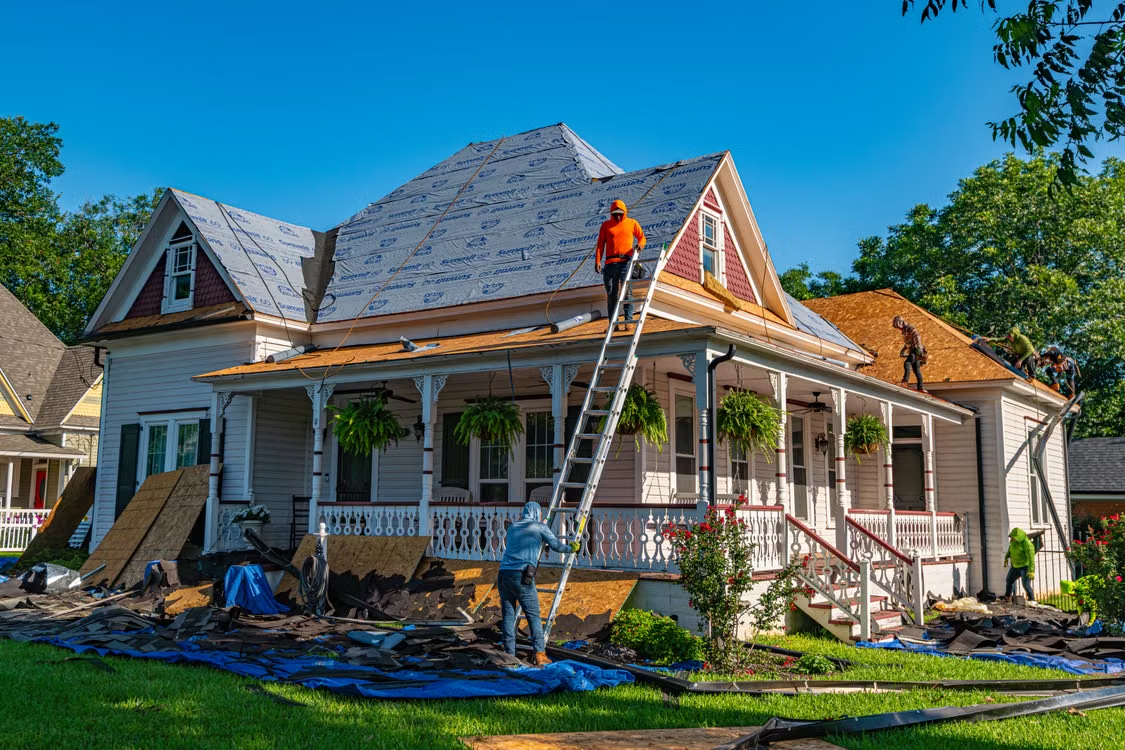
Even the highest-rated roofing materials fail prematurely when a crew cuts corners on fastening patterns or underlayment sealing. When you compare roofing services in Moore, prioritize certified local installers who follow strict FORTIFIED building standards rather than bare-minimum code requirements. Certified crews lock down perimeter edges, seal roof deck seams against wind-driven rain, and use heavy-duty ring-shank nails to prevent uplift. Working with experienced regional specialists protects your manufacturer warranty and keeps your home dry during violent Oklahoma squalls.
Proper flashing around chimneys, valleys, and skylights separates an average roof from a storm-ready system. Skilled technicians custom-bend metal flashing to channel heavy downpours away from vulnerable roof joints.
What Protects Your Roof From Oklahoma Hail and High Winds?
Central Oklahoma sits squarely in the path of severe spring supercells that bring golf-ball-sized hail and straight-line gusts. Standard roofing materials crack, bruise, or peel back when subjected to repeated impacts. Upgrading to engineered storm-resistant assemblies dramatically reduces your risk of sudden leaks and costly interior repairs.
Select Class 4 shingles: Polymer-modified asphalt absorbs hailstone energy without cracking or losing protective surface granules.
Reinforce perimeter drip edges: Heavy-gauge metal edging blocks high winds from lifting the first row of shingles or panels.
Seal roof deck seams: Self-adhering waterproof membranes prevent water intrusion if severe gusts ever dislodge outer materials.
How Can Modern Roofing Materials Beat Extreme Summer Heat?
Triple-digit summer afternoons punish traditional roofs and send attic temperatures soaring well past 140 degrees. That trapped radiant heat forces your air conditioner to run nonstop from June through September. Modern cool-roof technologies reflect solar infrared radiation before it ever reaches your attic decking.
Standing seam metal panels naturally shed heat quickly once the sun goes down, preventing overnight thermal buildup. Reflective granules embedded in newer architectural shingles offer similar cooling benefits for asphalt roofs. Lower attic temperatures keep your living spaces more comfortable while trimming monthly summer utility bills.
How Does Attic Ventilation Extend Your Roof's Lifespan?
Balanced airflow beneath your roof deck prevents trapped heat and moisture from baking shingles from the inside out. Without steady circulation, excessive attic warmth accelerates granule loss and warps wooden decking boards.
Balancing Intake and Exhaust Airflow
Effective ventilation relies on continuous air movement from the lowest roof eaves up to the highest peak. Pairing unobstructed soffit vents with a continuous ridge vent allows cool outside air to push hot, humid air out naturally.
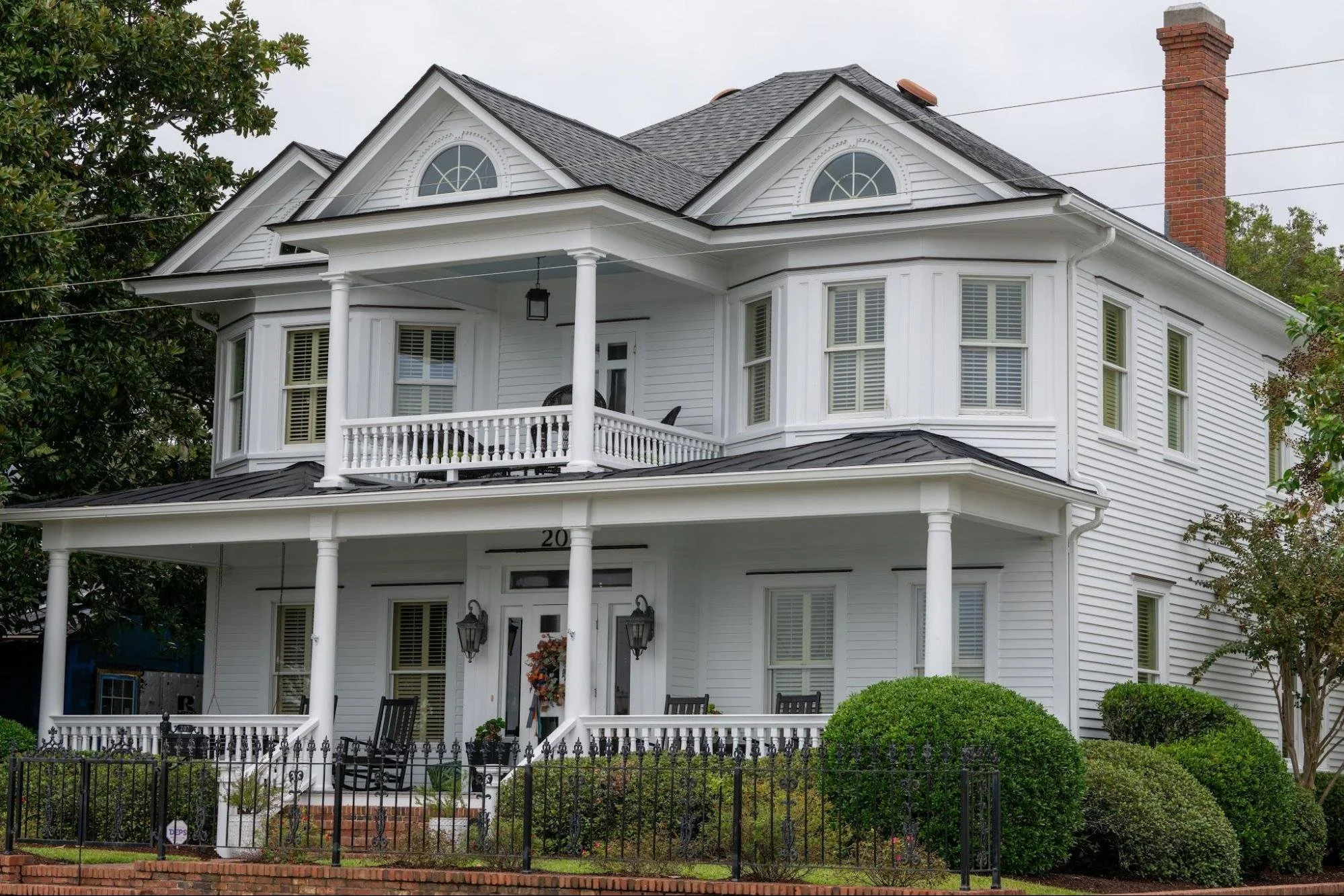
Upgrading your roof is one of the smartest investments you can make in your Oklahoma home. Pairing architectural shingles or standing seam metal with certified installation boosts your property's market value while delivering multi-decade weather resilience. When you combine thoughtful exterior design with proven storm engineering, you protect your curb appeal and your family's comfort for years to come.
Stay up to date with our latest ideas!