Which Trades You Need for a Home Renovation
Learn which trades you need for a home renovation, from builders and electricians to plumbers, carpenters, painters, and specialist contractors.
Most renovations do not fail on design. They fail on sequence.
The mood board is fine. The tile selection is fine. What goes wrong is that the electrician arrives to find the walls already lined, or the flooring goes down before the painters, or the plumber is booked for a week when the plasterer is still three days from finishing.
Every one of those is a scheduling problem rather than a skill problem, and every one of them costs money. Here is the order things actually need to happen in, and which trades you need at each stage.
The principle underneath the sequence
There is one rule that explains most of the ordering, and once you have it, you can work out the sequence for almost any job yourself.
Work moves from inside the wall to outside it, and from rough to fine.
Anything that lives inside a wall or floor cavity goes in before the surface closes. Anything that marks or damages a finished surface goes before that surface is finished. Anything delicate goes last.
That gives you the broad shape: structure, then services, then linings, then surfaces, then fittings, then finishes.
Where people go wrong is treating the sequence as a set of independent bookings rather than a dependency chain. Each trade depends on the one before it being complete, not nearly complete, and "nearly" is where schedules die.
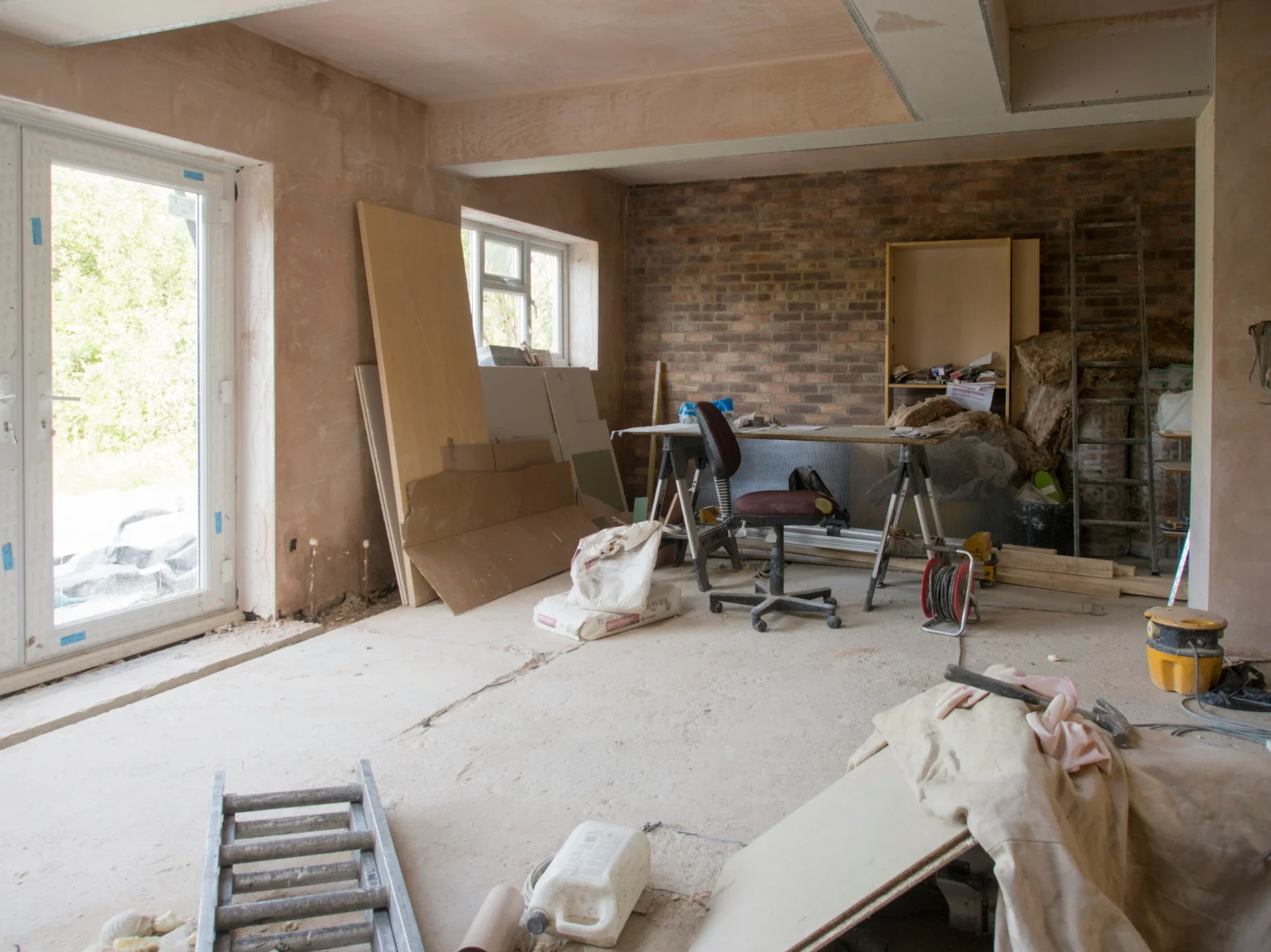
Stage one demolition and structure
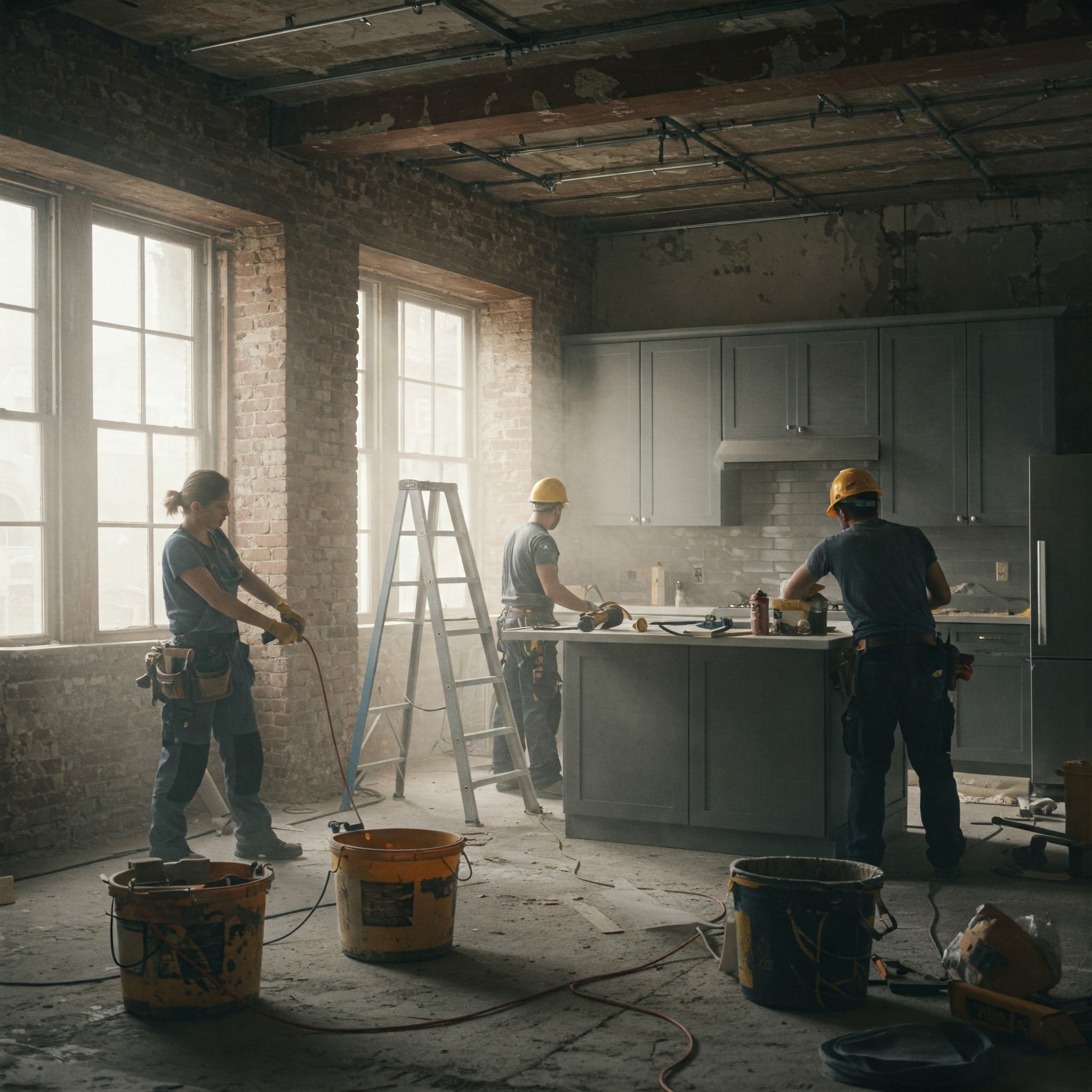
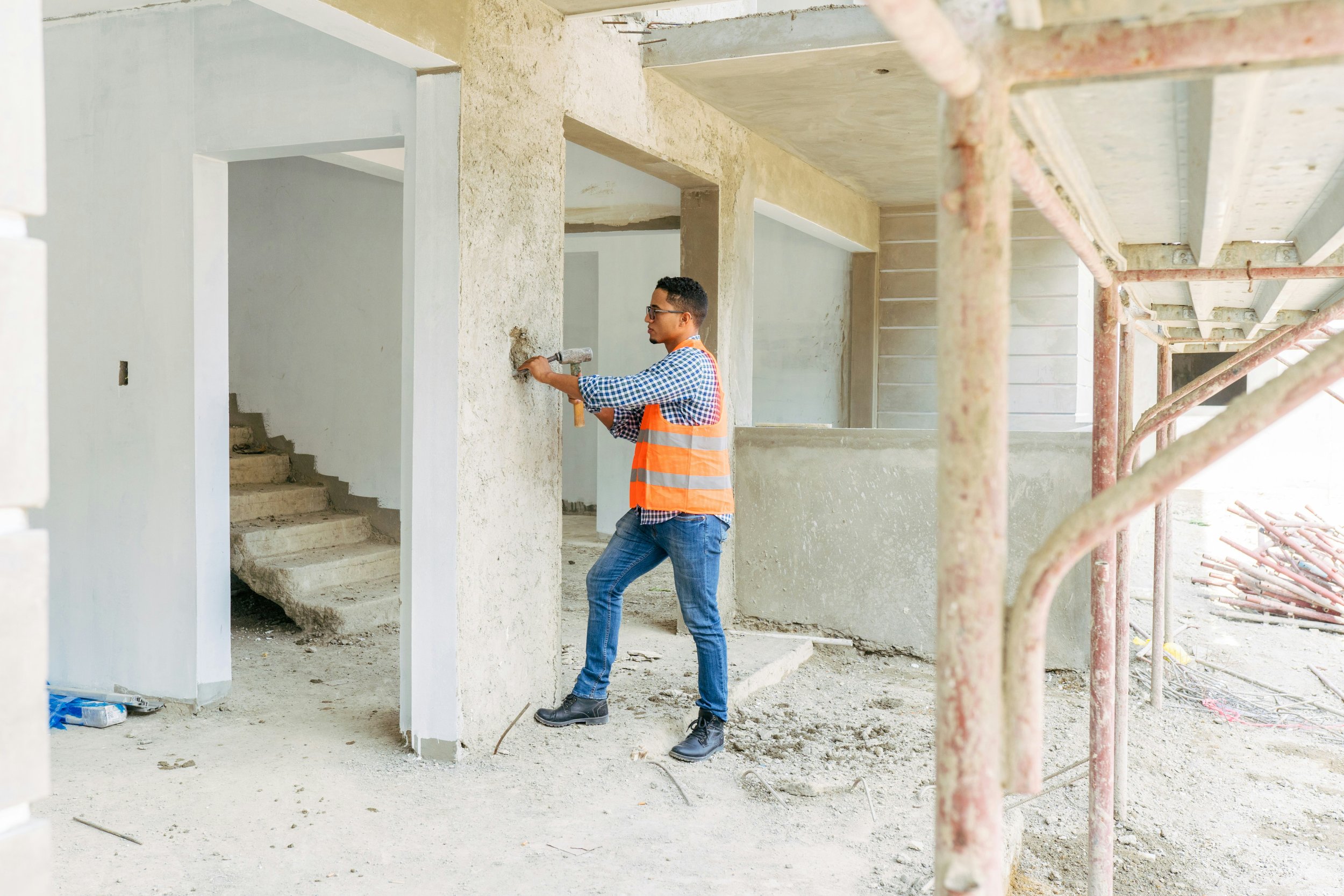
Trades: demolition, asbestos removal if required, builder or carpenter, structural engineer if you are removing anything load bearing.
This is where the unwelcome discoveries happen, which is why your contingency belongs here rather than at the end.
If your house predates the late 1980s, assume asbestos until tested. It is commonly found in eaves, wet area sheeting, vinyl floor backing and fencing. Removal is licensed work above minimal quantities and it is not a corner to cut. Getting a test done before demolition starts is cheap and it prevents a project stopping dead.
Removing a wall requires knowing whether it is load bearing, which requires someone qualified to say so. This is not a judgement call to make from the roof space with a torch.
Common failure: demolition reveals rot, termite damage, old wiring or non-compliant plumbing, and the budget has no room for it. Carry a contingency of at least 10 to 15 per cent and expect to spend some of it here.
Stage two rough-in services
Trades: electrician, plumber, gas fitter, air conditioning installer, data or security installer.
Everything that runs inside the wall goes in now, while the frame is open. This is the stage with the least visible progress and the highest consequence for getting it wrong, because changing your mind afterwards means opening walls again.
The decisions you need to have made before this stage starts are more numerous than people expect. Where every power point goes. Where switches go and what they control. Whether you want data cabling. Where the lights go and whether they are on separate circuits. Where taps, wastes and the toilet sit, to the millimetre in a bathroom. Whether you are adding a rangehood and where it vents. Where the air conditioning head units go and where the condensate drains.
Common failure: the client has not finalised the appliance selection, so the electrician guesses at the oven circuit and the plumber guesses at the dishwasher position. Both guesses are wrong and both are expensive to correct later. Choose your appliances before rough-in, not after.
Electrical and plumbing work is licensed in every Australian state and territory. Check the register. This is not the stage for saving money on credentials.
Stage three linings and waterproofing
Trades: insulation installer, plasterer, waterproofer.
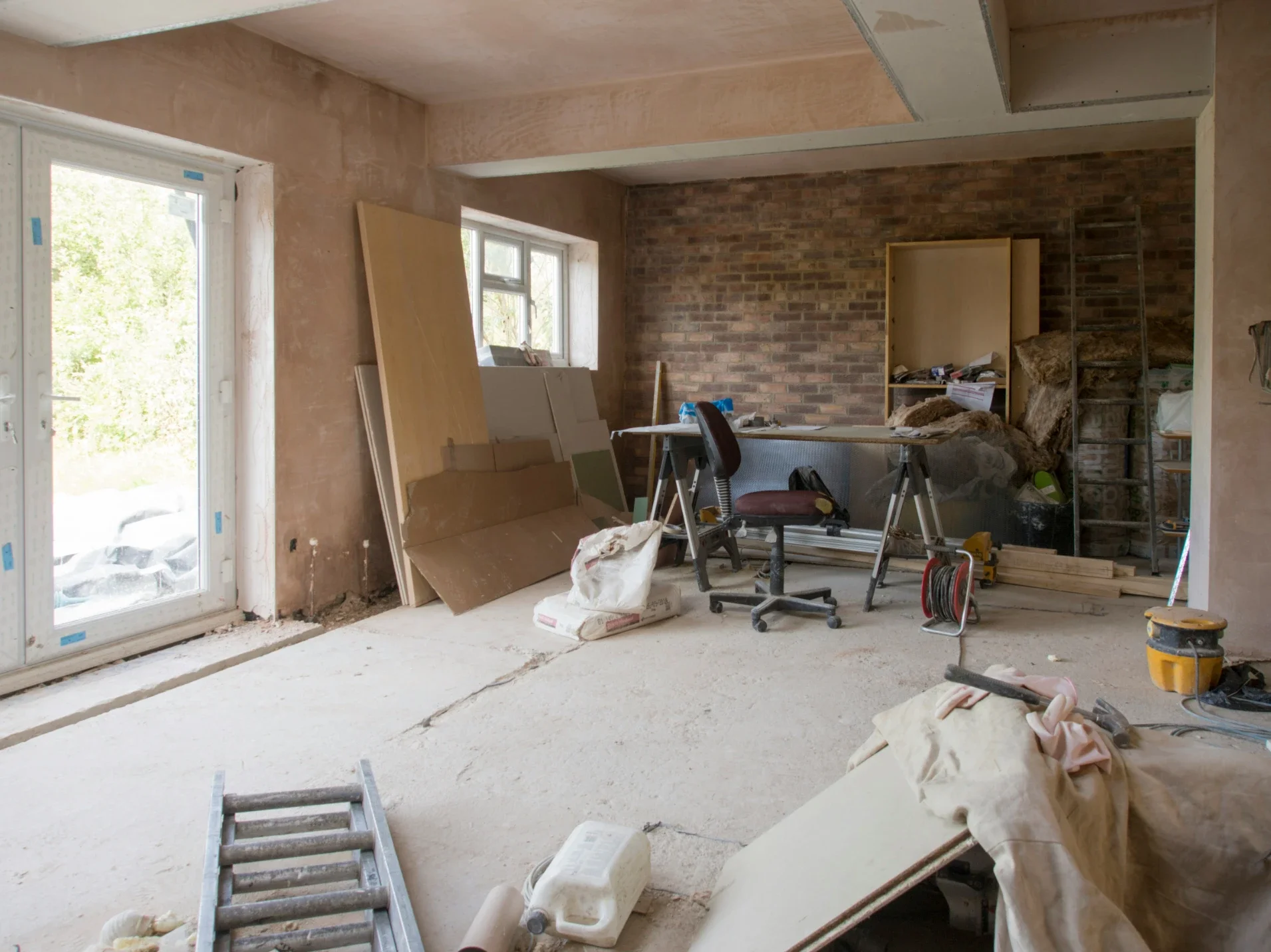
Insulation goes in, walls get lined, and wet areas get waterproofed.
Waterproofing deserves particular attention because it is the single most common source of expensive defects in Australian residential work. It is buried under tile, so it is invisible once complete, and a failure does not show up for months or years. By then the repair involves removing everything above it.
Get it done by someone who does it specifically, get the certificate, and photograph the membrane before it is covered. That photograph is worth more than most of the paperwork on the job.
Common failure: the waterproofing and the tiling are done by the same person on a tight schedule, and the membrane is not given the manufacturer's specified cure time before tiling starts. Ask about cure time and hold the schedule to it.
Stage four surfaces
Trades: tiler, flooring installer, carpet layer, stone or benchtop fabricator, cabinetmaker.
Now the finishes go on, and the ordering within this stage matters more than people realise.
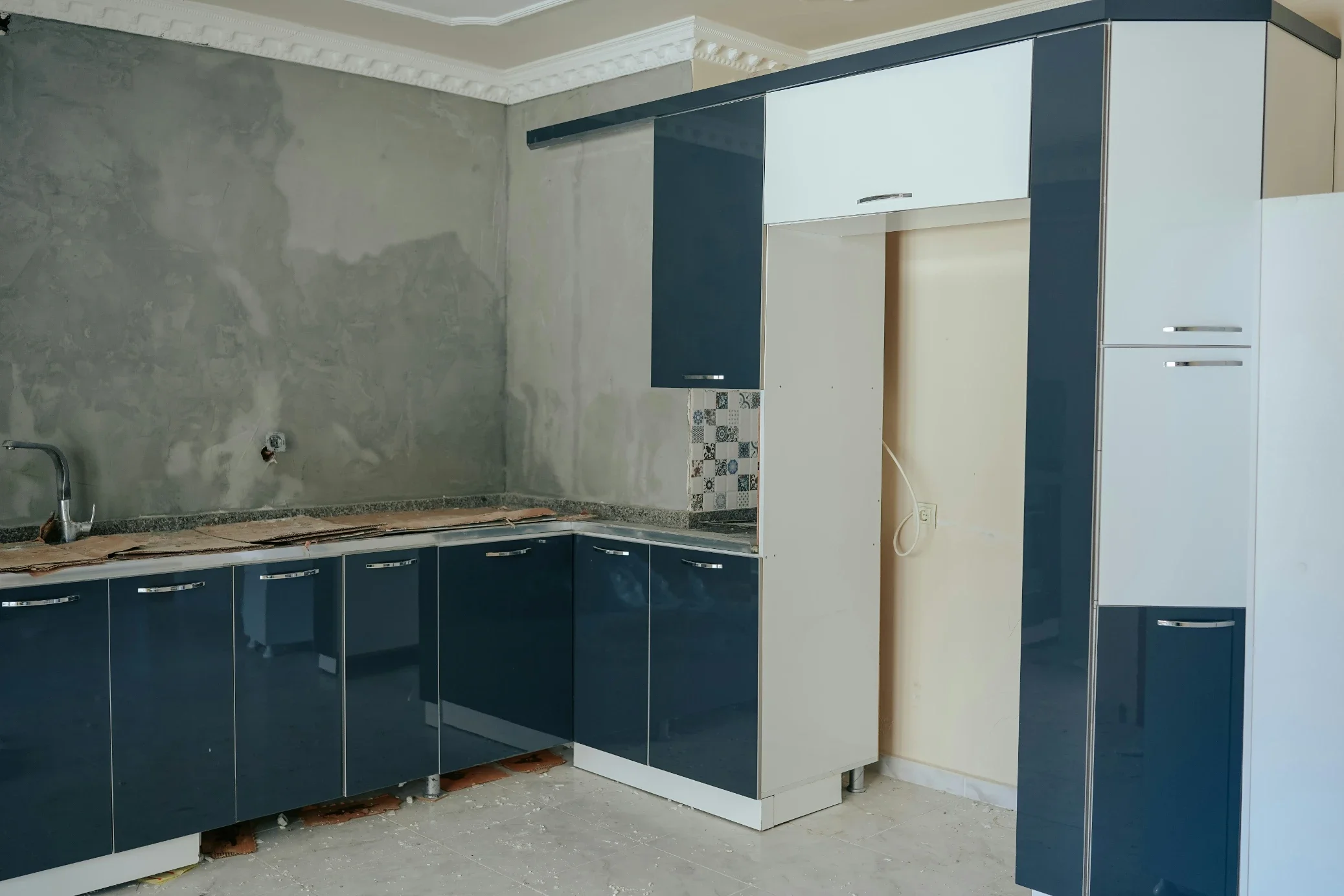
Wall and floor tiling in wet areas generally goes before cabinetry. Cabinetry goes in before benchtop templating, because the template is taken off the installed cabinets rather than from a drawing. Stone fabrication then takes one to two weeks, which is a gap in the programme that needs planning around rather than discovering.
Hard flooring timing depends on the material. Timber and engineered boards frequently go down before final painting, with the painters protecting them. Carpet almost always goes last, after painting, because nothing good happens when carpet meets a paint roller.
This stage is also where material lead times bite. Tile ranges go out of stock. Stone slabs need to be selected from an actual slab yard. If you are working to a fixed completion date, order surfaces early and store them.
Because tiling and flooring sit on the critical path and are difficult to repair badly, this is worth spending time on. Tilers and flooring specialists vary enormously in standard, and the difference between competent and excellent shows in exactly the places you look every day: the grout lines, the corners, the junction where two materials meet. For soft flooring the same applies, and browsing Trade Heroes or an equivalent directory by category at least lets you compare businesses that do this specific work rather than general trades who will take it on.
Stage five fit-off
Trades: electrician, plumber, gas fitter returning for second fix.
The same trades from stage two come back to install the visible items: light fittings, power points, switches, taps, sinks, toilets, the oven and cooktop, the extraction fan.
Two practical points.
Book these returns when you book the rough-in. A trade who did your rough-in three months ago and is now booked out for six weeks will hold your entire project. Lock the return date in advance.
Have every fixture on site before fit-off day. A plumber who arrives to find the tapware has not been delivered has lost a day, and so have you.
Stage six painting and finishing
Trades: painter, then carpet layer, then any final trades.
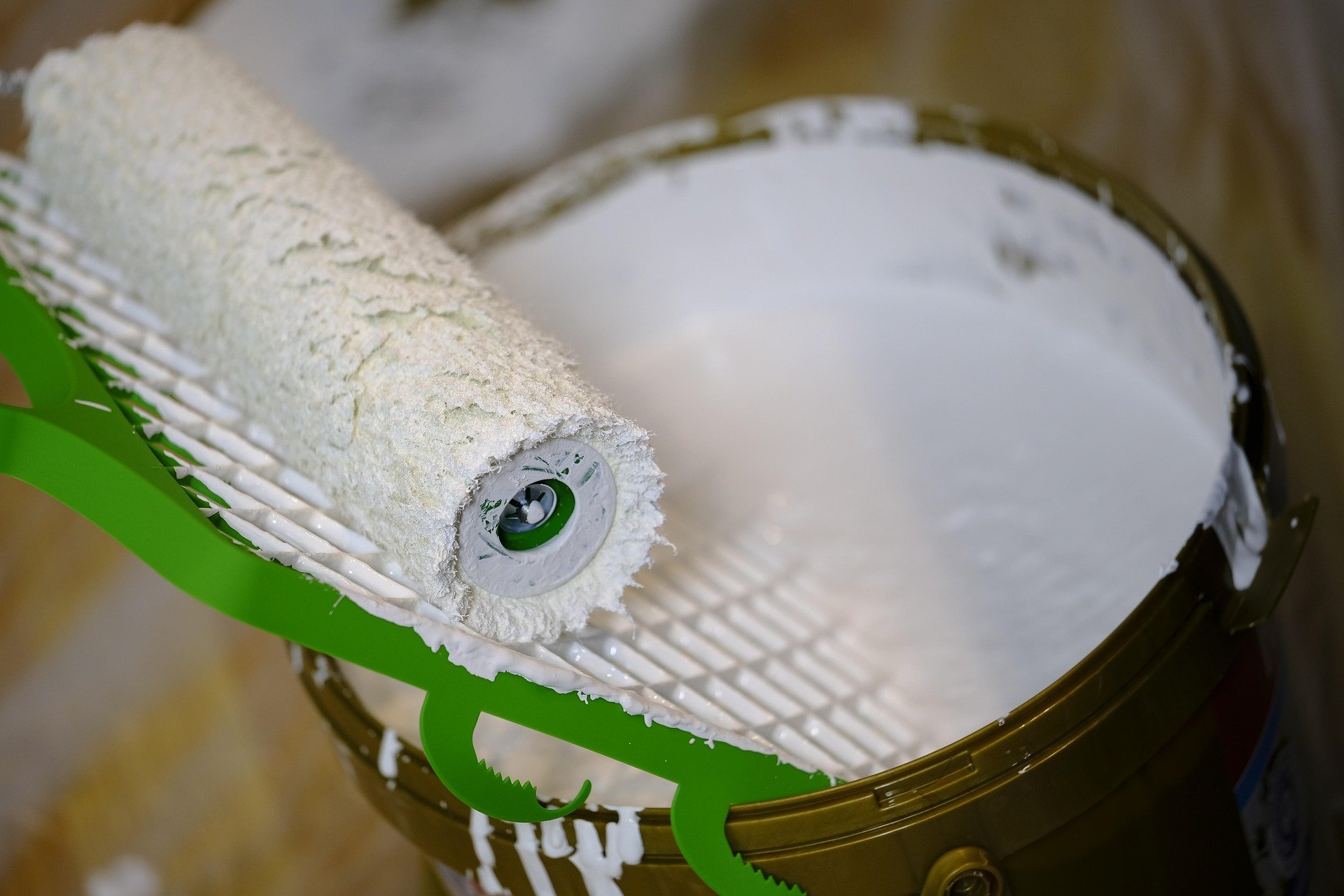
Painting goes near the end but before soft flooring. Final clean follows.
Common failure: the painter is booked for the week the plasterer is still patching. Plaster needs to be complete and dry, and paint over damp patching fails visibly. Build a buffer.
The trades that sit outside the sequence
Several trades are not part of the internal chain but need slotting in at the right moment.
Roofing and gutters. If the roof is part of the scope, it goes early, because everything inside depends on the building being weathertight.
Concreting. Driveways, paths and slabs go early if they are structural, and late if they are cosmetic, because heavy vehicle access across new concrete is a problem.
Landscaping. Last. Always last. Nothing survives a renovation site.
Glazing and windows. With the structural stage if you are changing openings, since it affects the frame.
Garage doors, blinds and window furnishings. After painting, measured after the openings are finished rather than from plans.
Budgeting by stage
A useful mental model: a renovation budget is not one number, it is six, and they behave differently.
Demolition and structure is the most volatile line and the one your contingency exists for. Assume it will exceed the estimate.
Services rough-in is relatively predictable once the scope is fixed, and highly expensive to change afterwards. Spend time on the decisions, not on shopping the price.
Linings and waterproofing is modest in cost and enormous in consequence. This is the worst possible place to economise, because the failure mode is invisible for years and then requires removing everything above it.
Surfaces is where most of the discretionary money sits and where the budget is most elastic. It is also the stage most affected by material lead times.
Fit-off is largely determined by the fixtures you selected months earlier. The labour is predictable, the fittings are whatever you chose.
Finishing is modest and visible, which is why it tends to get rushed when the budget is tight. Rushing the painter is the most visible false economy in the whole project.
A common error is allocating proportionally across all six. In practice, protecting the waterproofing and services budgets while flexing on surfaces produces a far better outcome than the reverse, which is what most people do because surfaces are the fun part.
Working with a builder versus managing it yourself
For a renovation involving more than about three trades, the question of who coordinates becomes the most consequential decision in the project.
A builder takes responsibility for the sequence, holds the relationships with subcontractors, absorbs the scheduling risk and carries the statutory warranty obligations. You pay a margin for this, typically a meaningful percentage of the project value, and the margin buys you someone whose job it is to be on the phone when a trade does not turn up.
Owner-managing saves that margin and transfers the risk to you. It works when you have time during business hours, existing relationships with trades, and the temperament to chase people. It fails when any of those are missing, and the failure mode is a project that drifts for months.
There is also a regulatory dimension. Owner-builder permits are required above state-set thresholds, they carry obligations around disclosure on resale, and in several states you must arrange warranty cover for a buyer if you sell within the warranty window. These are not obstacles, but they are worth understanding before choosing the path.
The honest test: if you cannot take a phone call at 10am on a Tuesday, engage a builder.
Building the schedule
A few habits that make the difference between a renovation that runs and one that drifts.
Book the whole chain before the first trade starts. Not as you go. The trades you need in week eight are booking week eight now.
Put buffers between stages, not at the end. A single week of contingency at the end protects nothing. Two days between each stage absorbs the small overruns that actually happen.
Make one person responsible for sequencing. A builder, a project manager, or you. What does not work is everyone assuming someone else is coordinating.
Confirm the day before, every time. A two minute call the afternoon before saves the day lost to a trade who forgot.
Decide everything upfront. Every selection made late costs money, and the cost rises the later it is made. Appliances, tapware, tiles, paint colours, flooring, handles. All of it before the first wall opens.
Keep a written record. Photographs at every stage, particularly of anything about to be covered. Waterproofing, rough-in, insulation. That record is your evidence if a defect emerges later, and statutory warranty periods run for years.
The honest summary
A renovation is a logistics exercise wearing a design costume.
The aesthetic decisions feel like the important ones and they are the ones people spend time on. The decisions that determine whether the project finishes on time and on budget are all about order, dependency and lead time, and they are usually made in a rush because nobody found them interesting.
Stay up to date with our latest ideas!