How to Renovate an Older Home the Right Way From Safety Prep to Finishing Touches
Learn how to renovate an older home the right way, from safety preparation and planning to quality finishes that improve comfort and value.
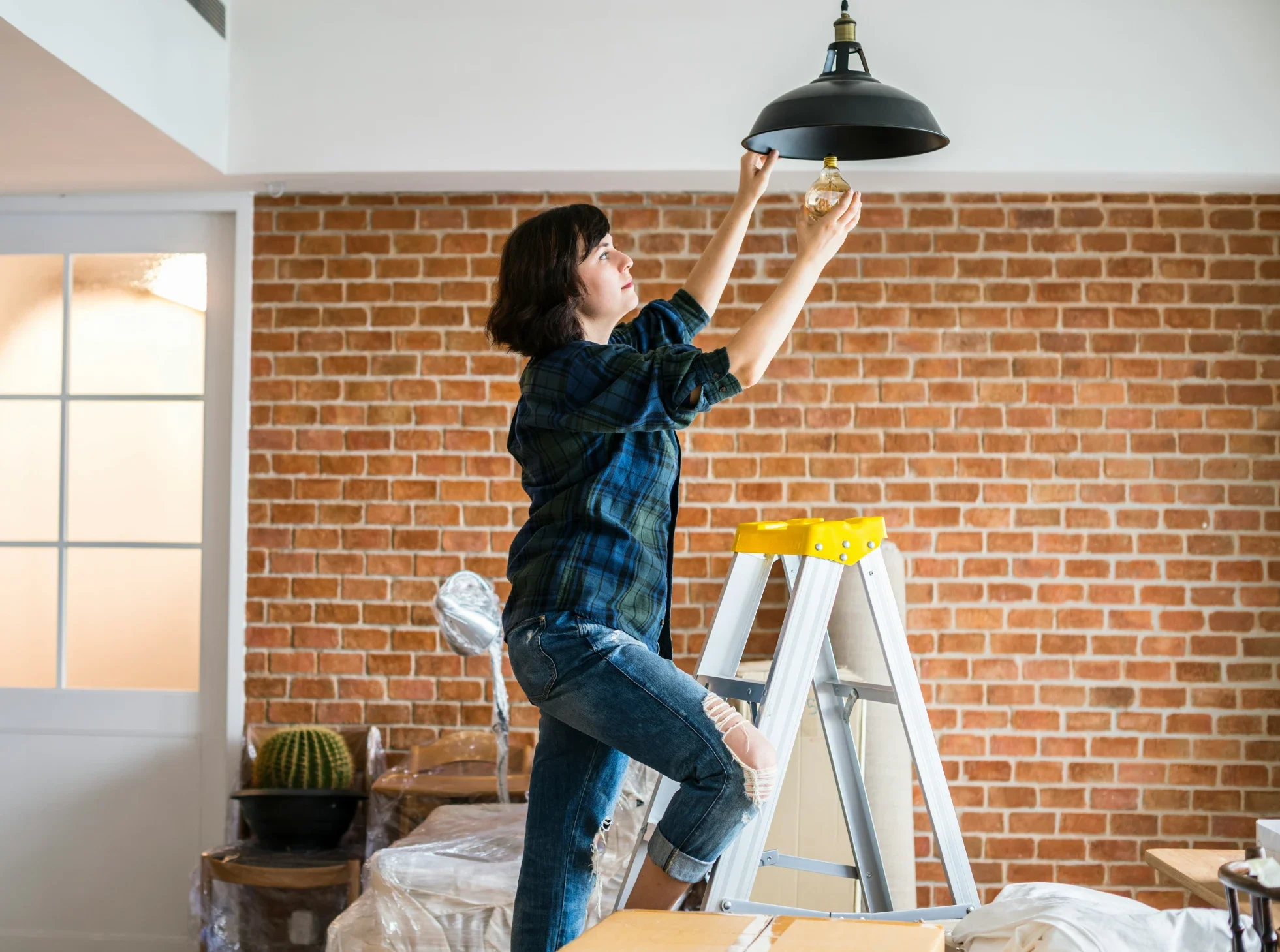
Older homes offer charm, character, and unique architectural details that are difficult to find in newer properties. However, renovating an older home requires careful planning and attention to safety. Hidden structural issues, outdated systems, and hazardous materials can quickly turn a renovation into a costly project if they are not addressed properly. By following the right steps, homeowners can preserve the home's character while improving its safety, comfort, and value.
1. Start With a Thorough Home Inspection
Before beginning any renovation project, schedule a comprehensive home inspection. Older homes often contain hidden problems that are not immediately visible.
Areas that should be evaluated include:
Foundation and structural integrity
Roofing condition
Plumbing systems
Electrical wiring
HVAC equipment
Moisture and water damage
A professional inspection helps identify potential issues early, allowing homeowners to create a realistic renovation plan and budget.
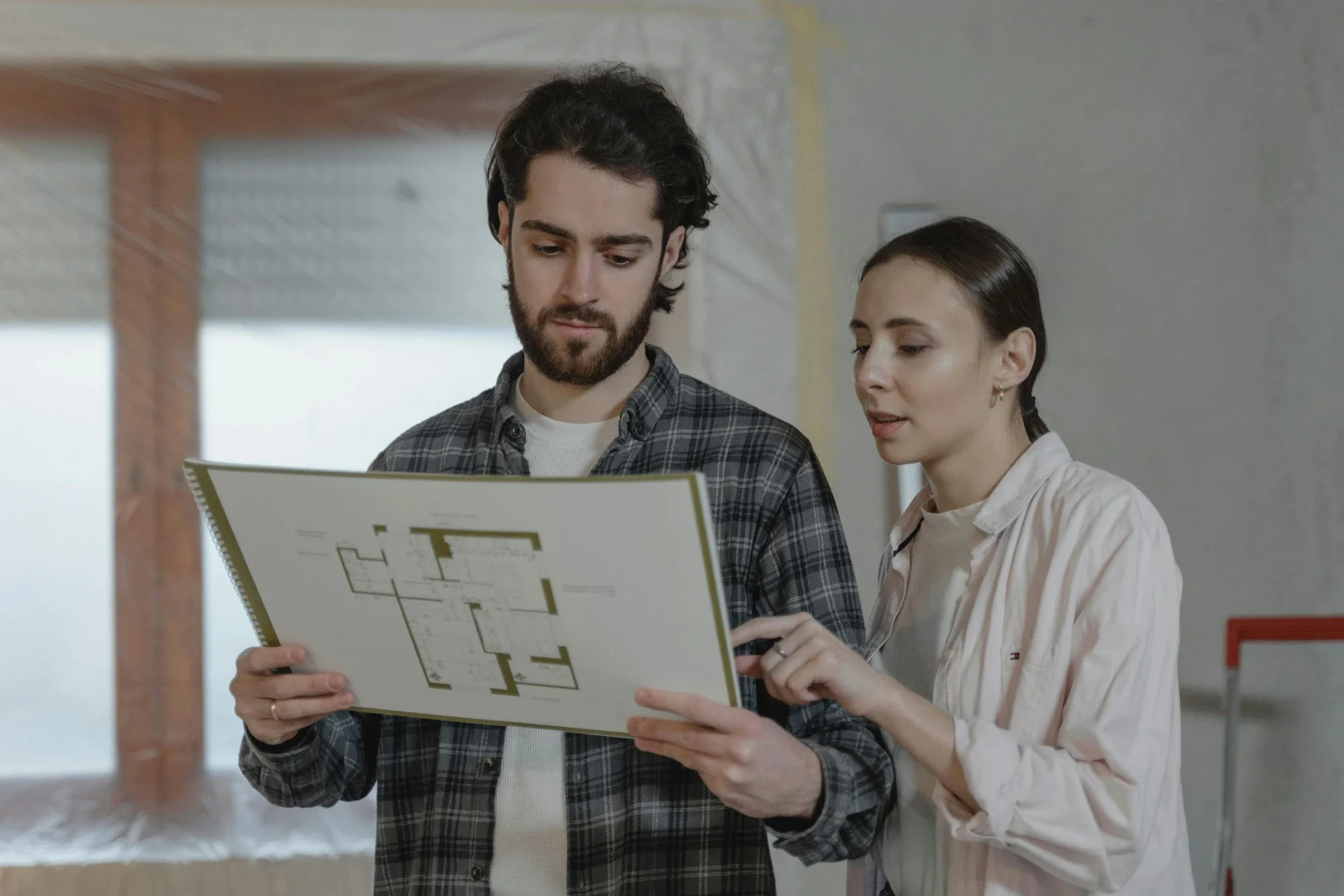
2. Create a Detailed Renovation Plan and Budget
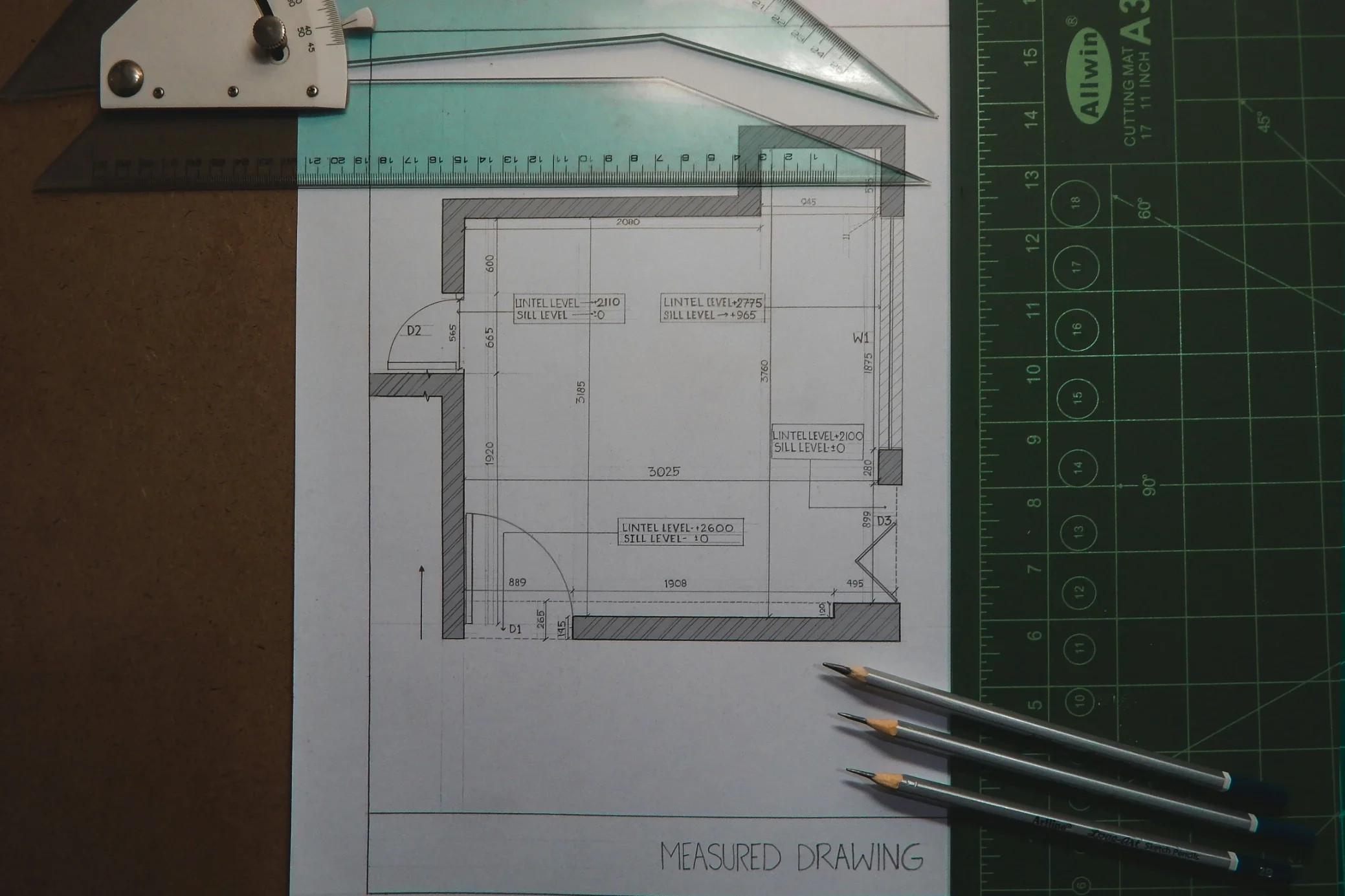
A successful renovation begins with clear goals. Determine which upgrades are necessary for safety and functionality and which improvements are primarily cosmetic.
When creating a budget, include room for unexpected expenses. Older homes frequently reveal hidden challenges once walls, floors, or ceilings are opened up.
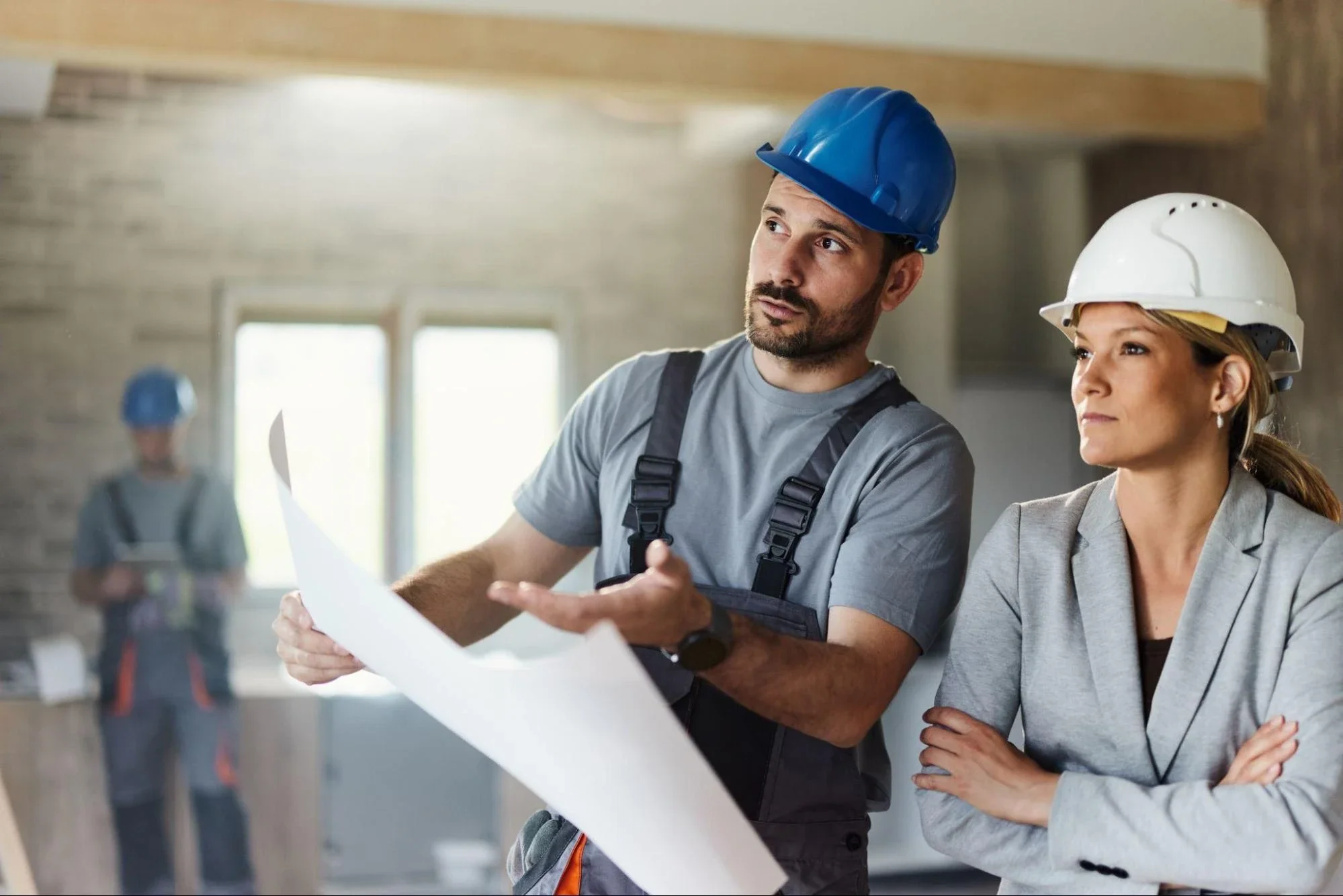
Working with experienced contractors and designers can help ensure your renovation plan remains organized and achievable while minimizing costly surprises.
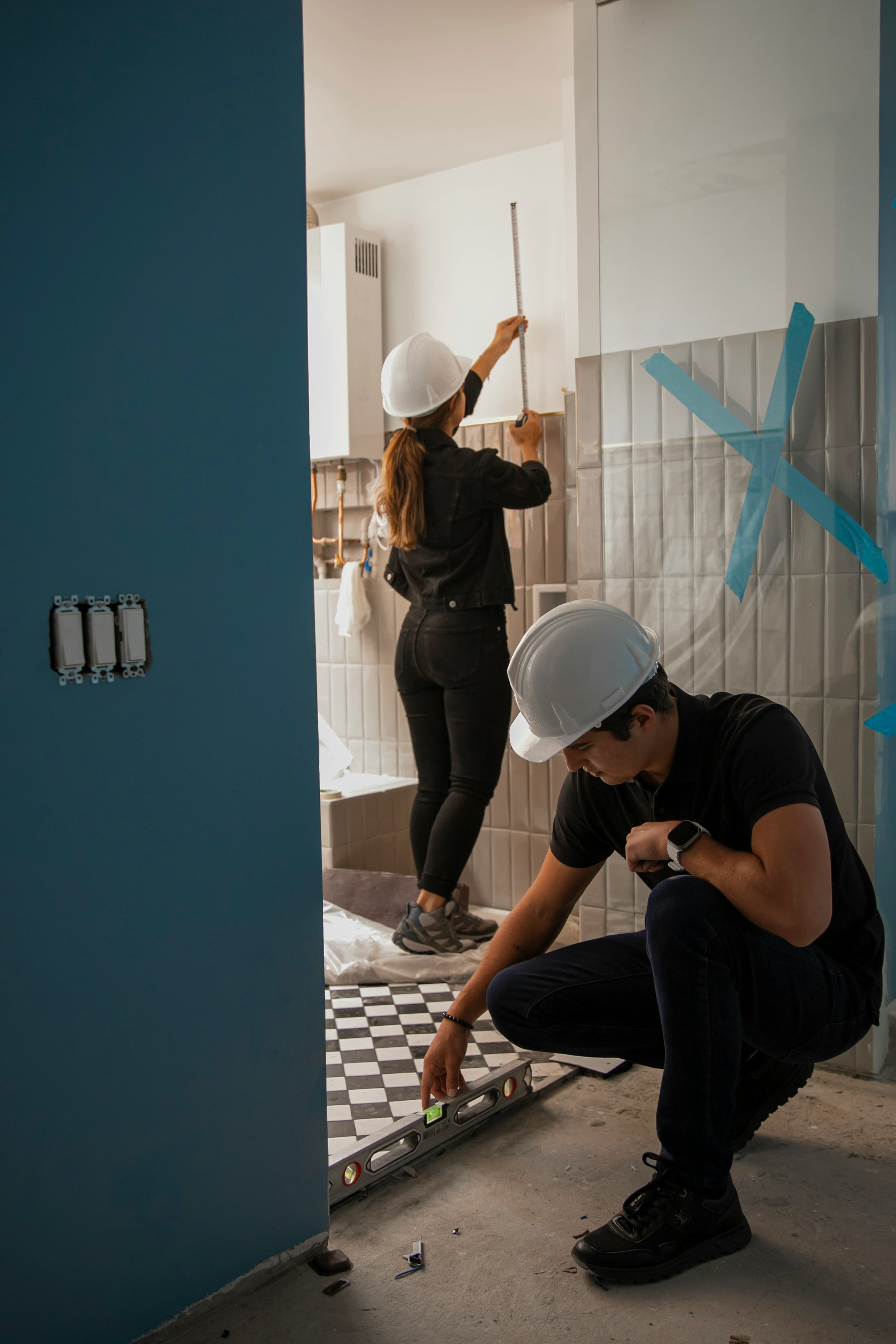
3. Prioritize Safety Before Demolition Begins
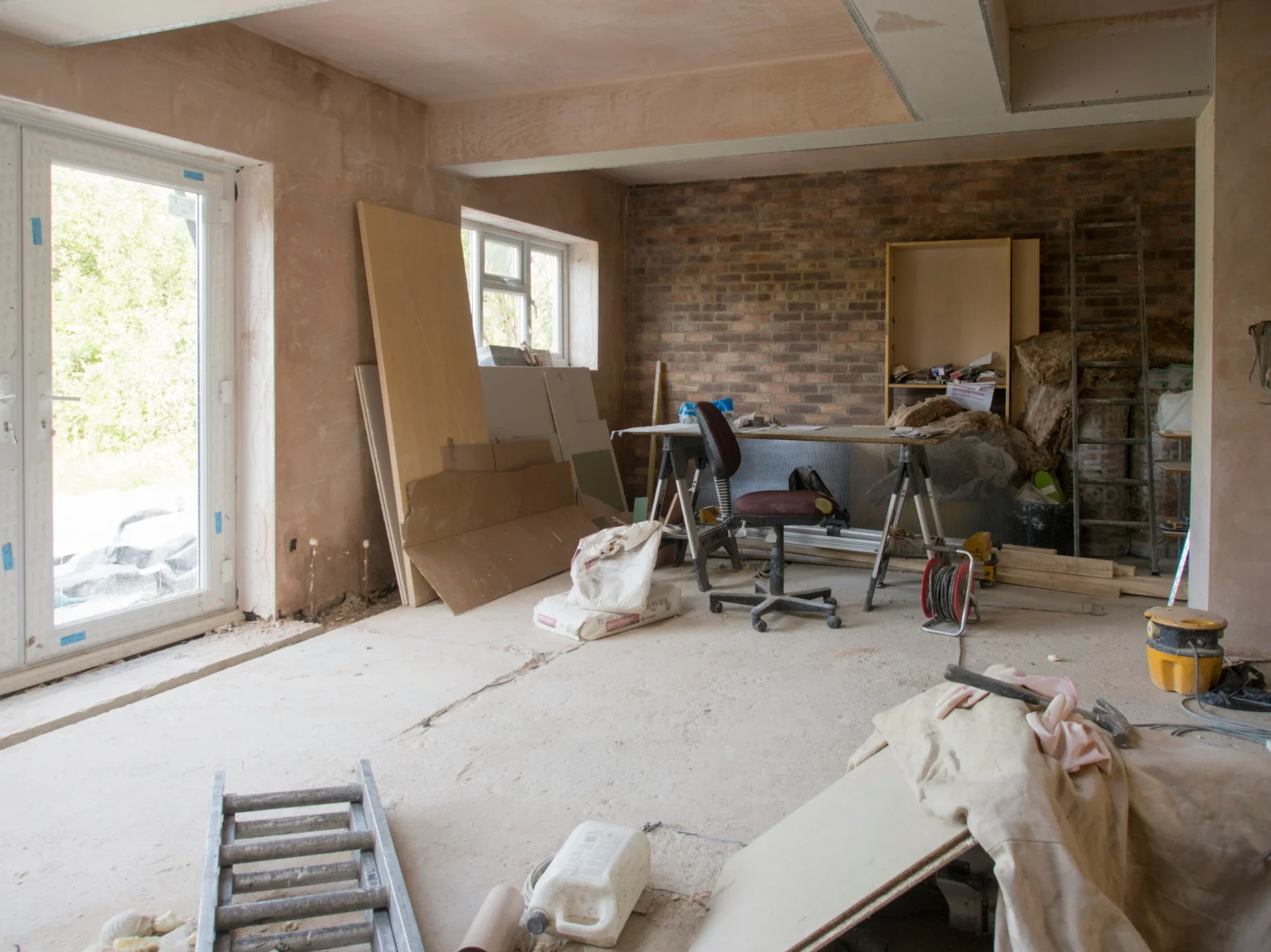
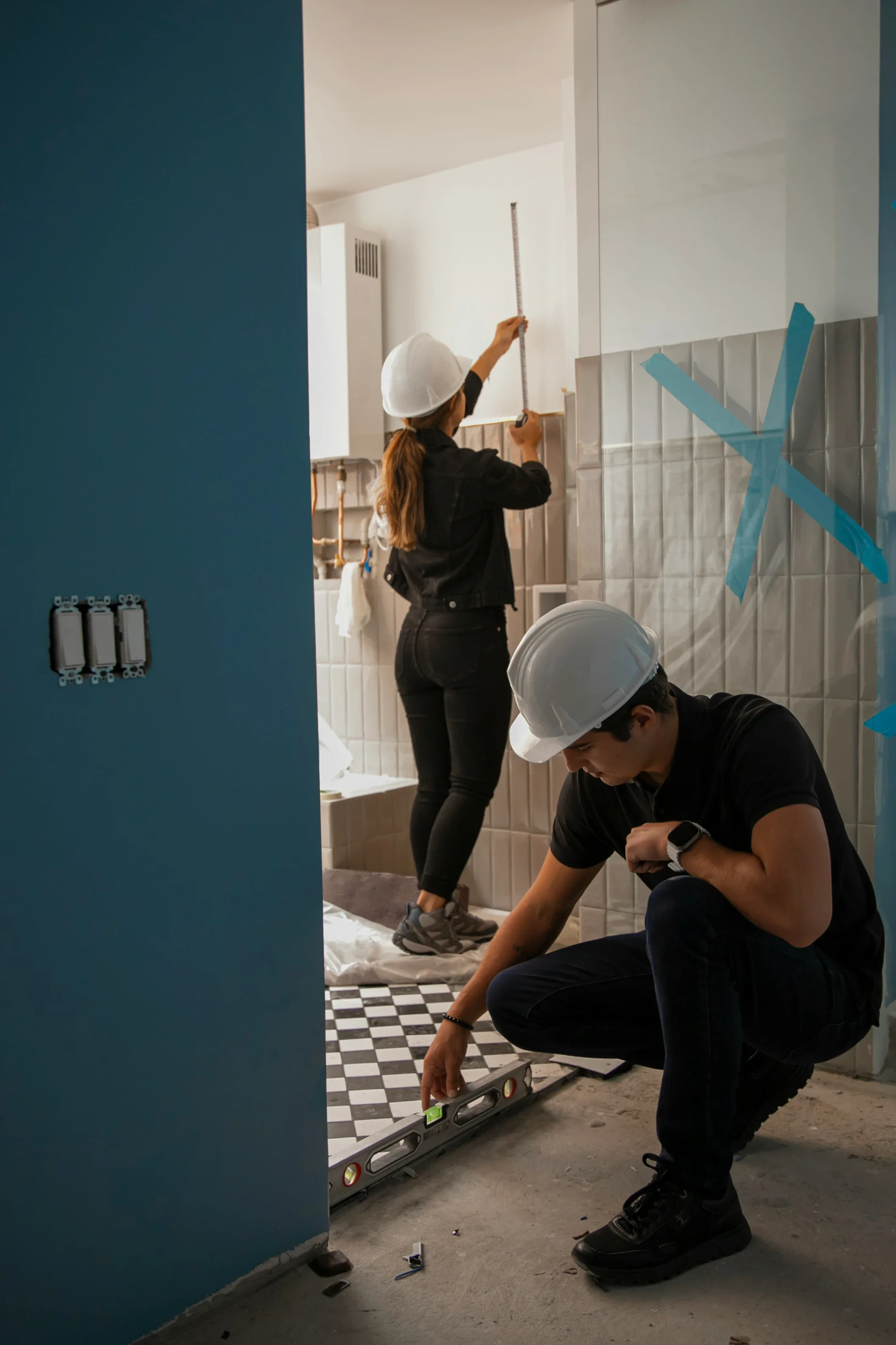
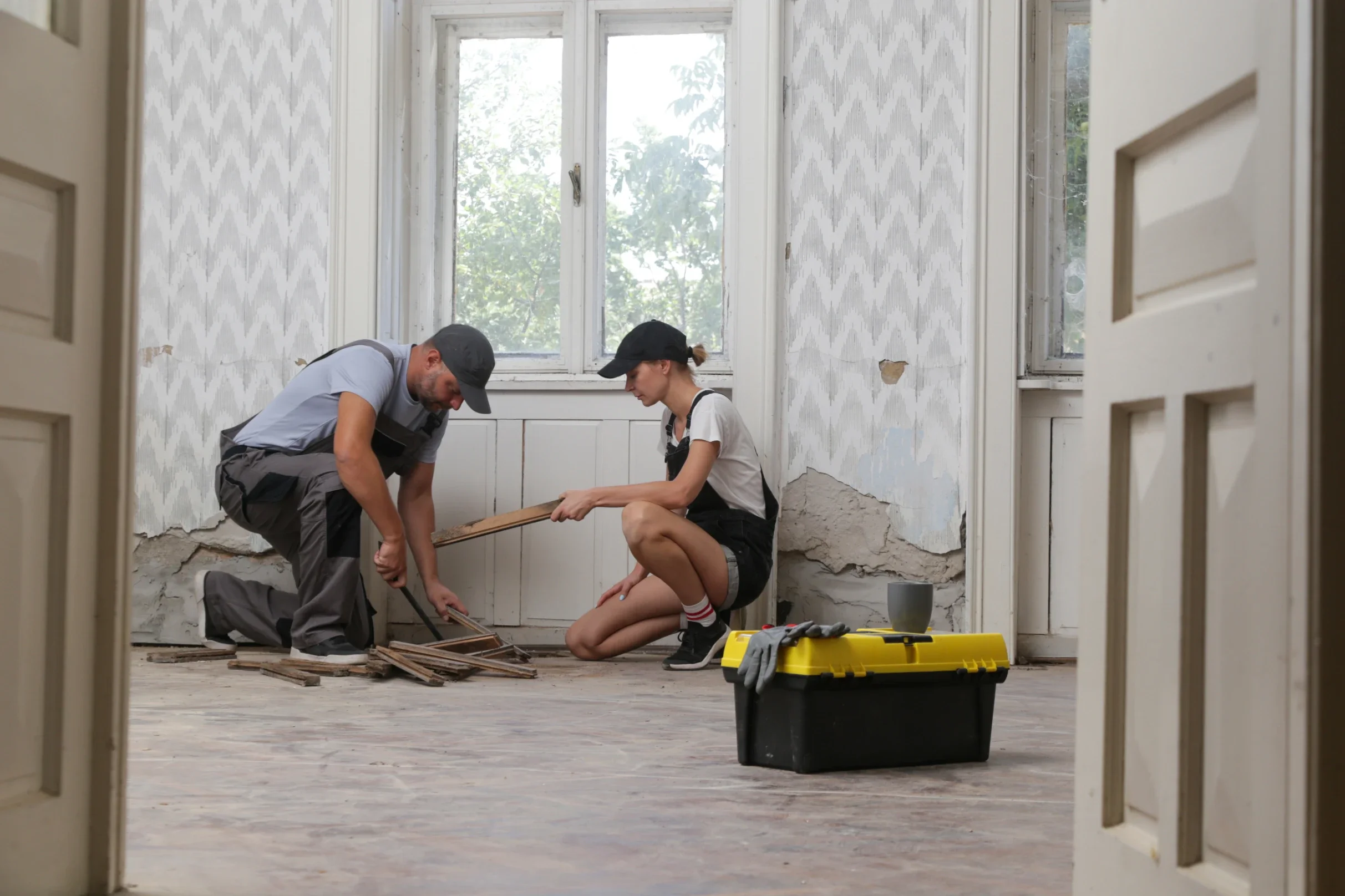
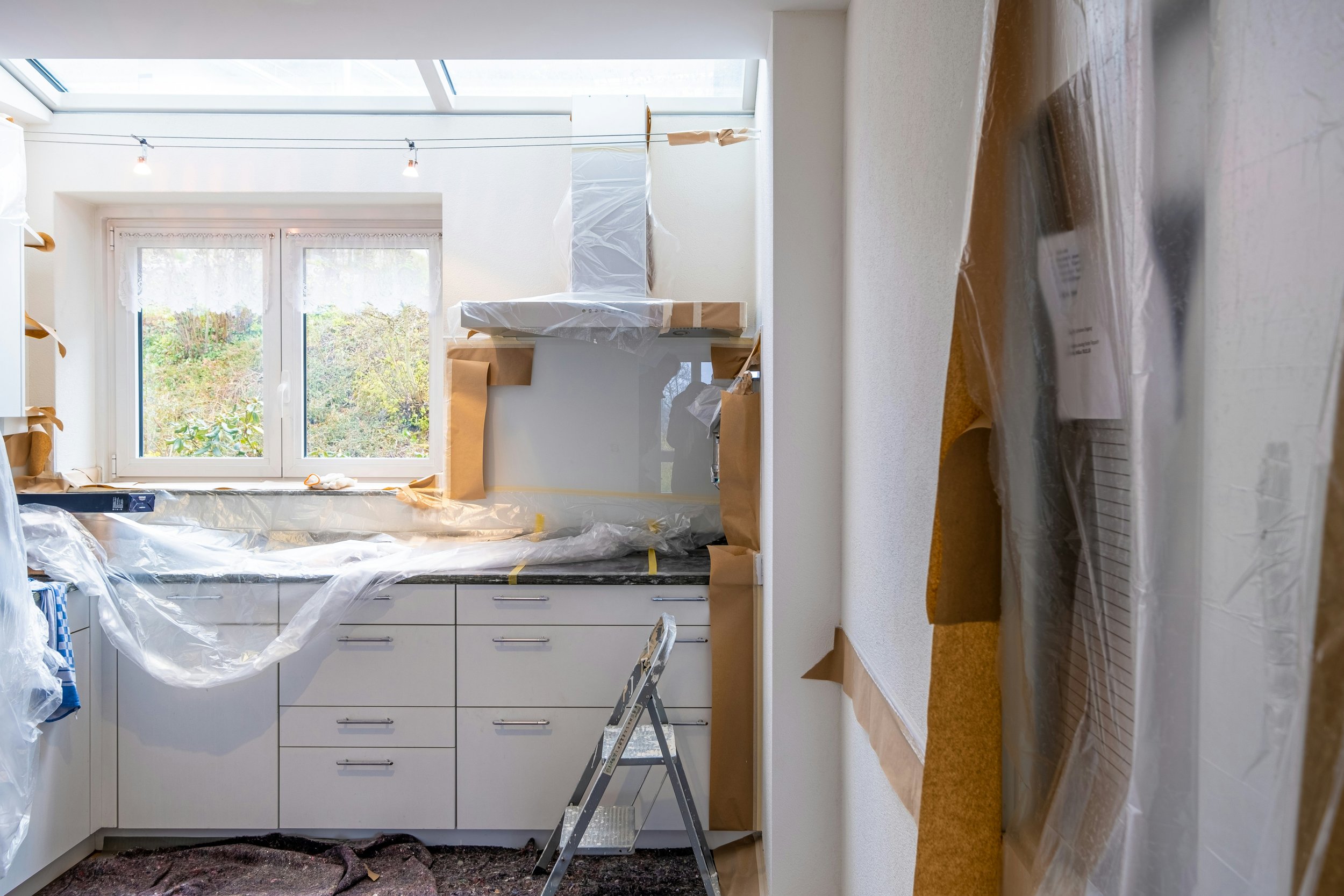
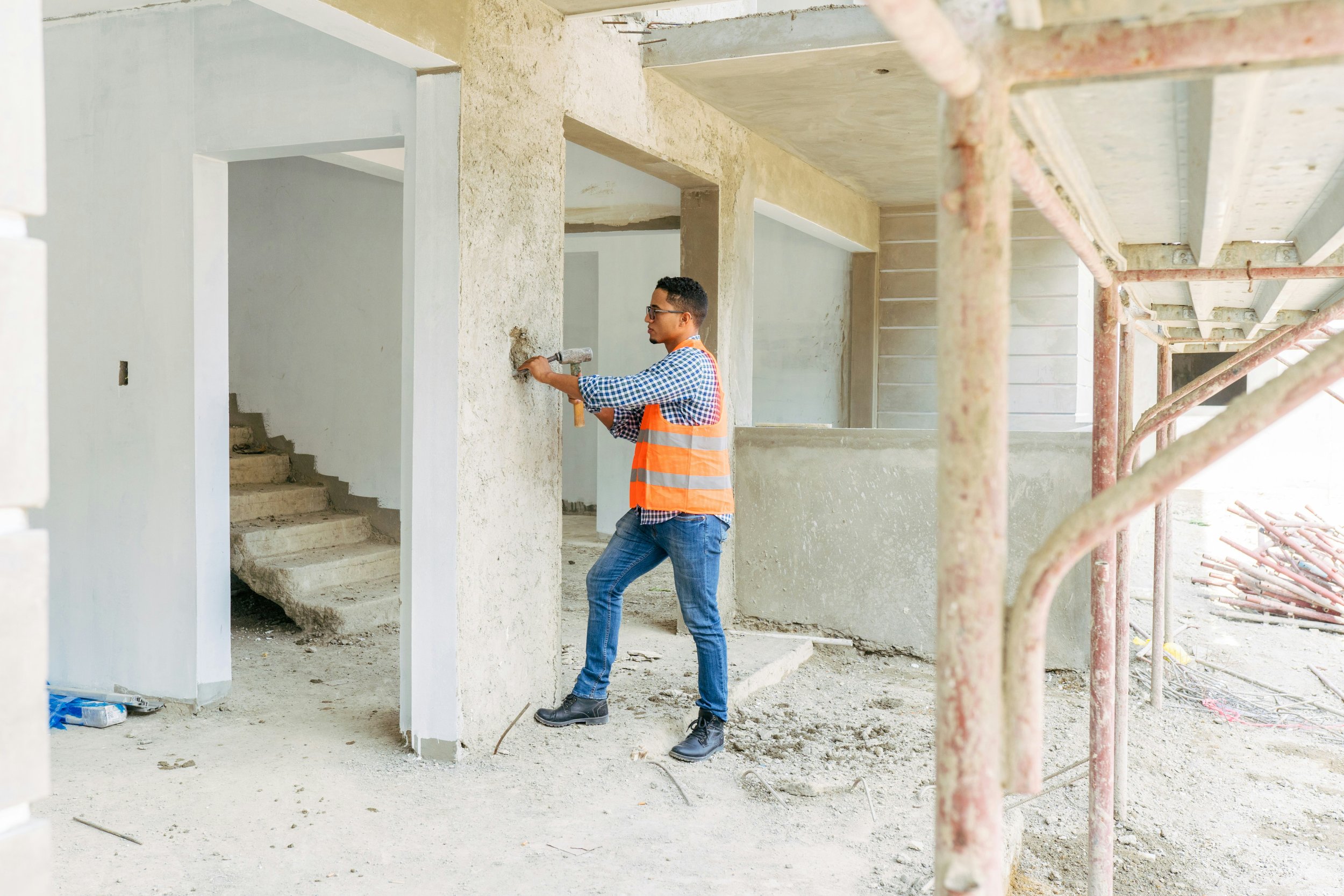
Demolition may seem like the exciting first step of a renovation, but safety should always come first. Older homes can contain hazards that require special handling before construction begins.
Common concerns include outdated electrical systems, weakened structural components, lead paint, and hazardous building materials. Following proper safety procedures protects both workers and homeowners throughout the renovation process.
Addressing these issues early helps create a safer work environment and prevents delays later in the project.
Finally, don't overlook personal protective equipment before any work begins. Stock up on essentials like safety glasses, dust masks, and a reliable pair of work gloves—keeping something durable like Maxiflex gloves as a mainstay in your safety gear stash means you'll always have dependable hand protection within reach.
4. Address Asbestos Removal Early in the Process
Many homes built before modern building regulations may contain asbestos in insulation, flooring materials, ceiling textures, roofing products, and other construction components.
Professional asbestos removal should be completed before major demolition or remodeling begins. Disturbing asbestos-containing materials can release microscopic fibers into the air, creating serious health risks when inhaled.
Hiring qualified professionals to inspect and remove asbestos helps ensure regulatory compliance and protects everyone involved in the renovation. Removing hazardous materials early also allows the rest of the project to move forward safely and efficiently.
5. Upgrade Essential Systems First
Once safety concerns have been addressed, focus on upgrading the home's essential systems. Electrical, plumbing, and HVAC improvements should take priority before cosmetic work begins.
Modernizing these systems offers several benefits:
Improved safety
Better energy efficiency
Enhanced comfort
Reduced maintenance costs
Increased property value
Completing infrastructure upgrades first prevents the need to remove newly finished surfaces later to access underlying systems.
6. Repair and Strengthen Structural Elements
Structural issues should never be overlooked during a renovation. Foundation movement, damaged framing, and weakened support structures can compromise the home's long-term stability.
Professional contractors can assess structural concerns and recommend appropriate repairs. Correcting these problems early creates a solid foundation for the remainder of the renovation.
Investing in structural improvements also helps preserve the home's value and reduces the likelihood of future repair expenses.
7. Use the Right Drywall Sander for Smooth Interior Finishes
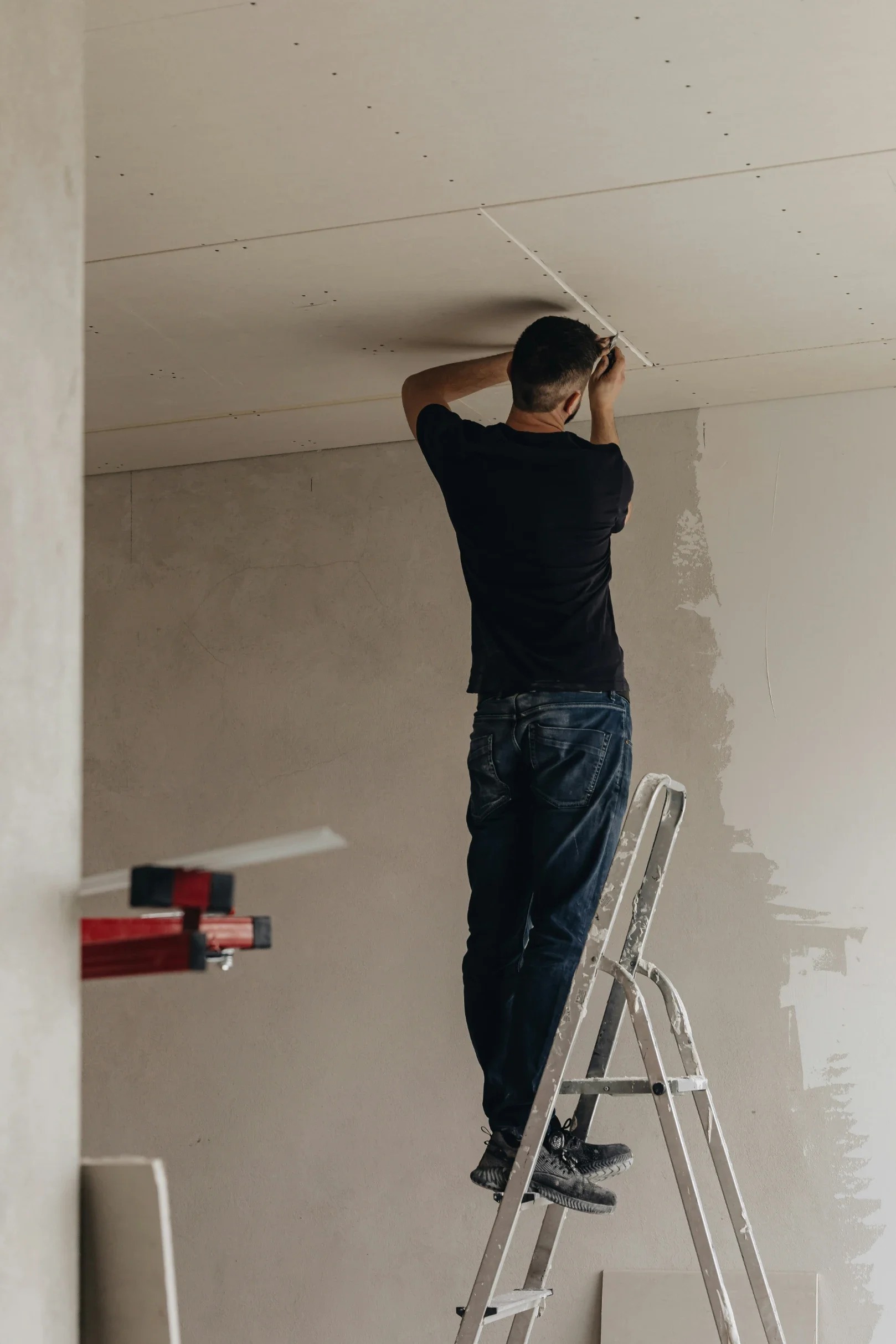
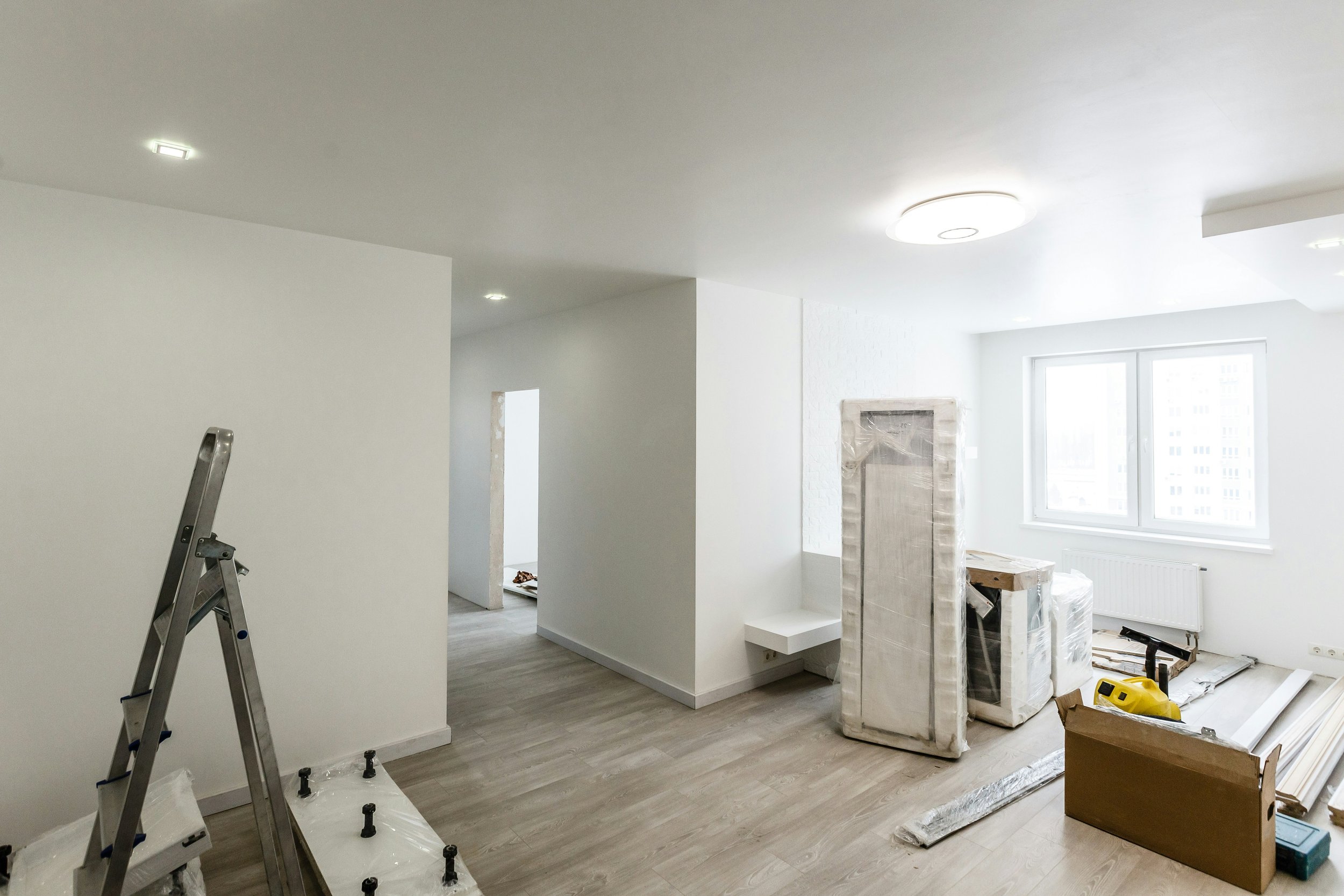
Achieving professional-quality interior walls requires proper preparation. After drywall installation and joint compound application, sanding creates the smooth surface needed for painting and finishing.
Using the right equipment can dramatically improve efficiency and results. Many contractors rely on the planex drywall sander from Festool because it helps produce smooth finishes while reducing dust and labor requirements.
Benefits of using a quality drywall sander include:
More consistent wall surfaces
Faster project completion
Improved paint adhesion
Reduced physical strain
Better overall appearance
Selecting the proper tools helps ensure the finished renovation looks polished and professional.
8. Preserve Character While Updating Design Features
One of the greatest advantages of renovating an older home is the opportunity to preserve its unique character. Original architectural details often add value and personality that cannot easily be replicated.
Features worth preserving may include:
Hardwood flooring
Decorative trim
Built-in cabinetry
Historic moldings
Original doors and hardware
Combining these elements with modern upgrades allows homeowners to enjoy the best of both worlds: historic charm and contemporary functionality.
9. Focus on Energy Efficiency Improvements
Energy efficiency upgrades can significantly improve comfort while lowering utility costs. Older homes often lack proper insulation and may contain outdated windows and doors.
Consider improvements such as:
Adding insulation
Replacing drafty windows
Installing energy-efficient doors
Upgrading HVAC systems
Sealing air leaks
These enhancements help create a more comfortable living environment and can generate long-term savings on energy bills.
10. Add the Finishing Touches That Complete the Transformation
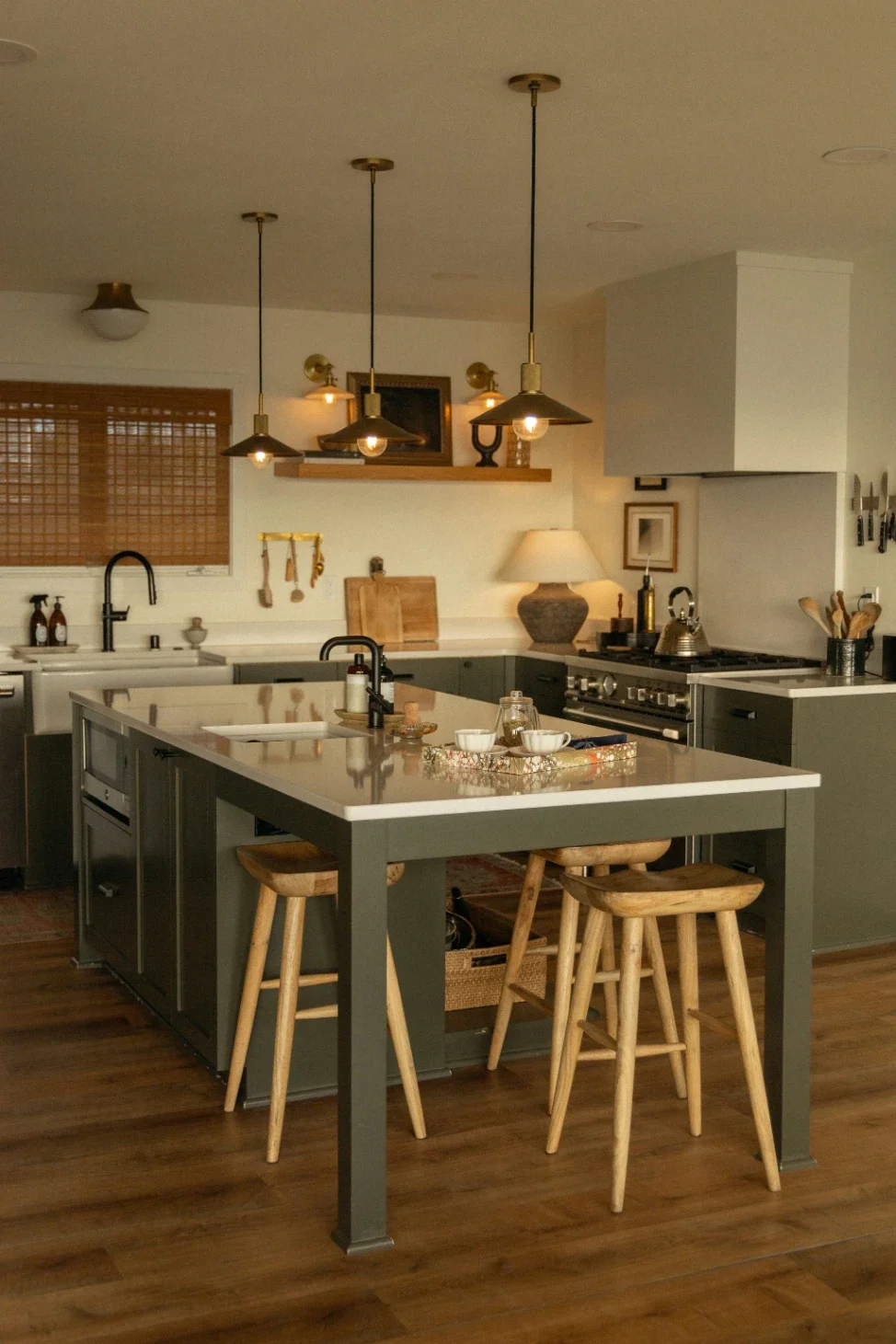
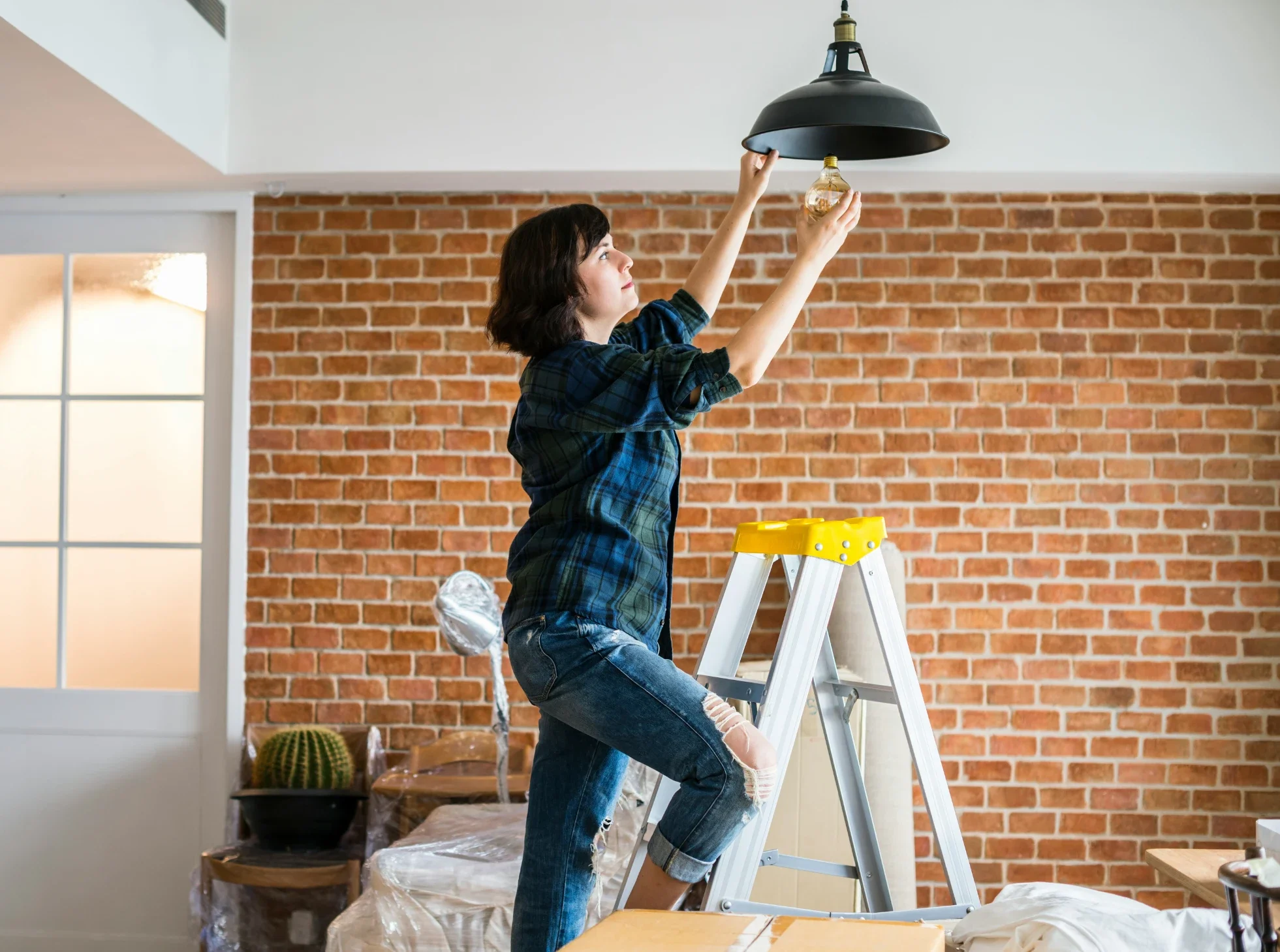
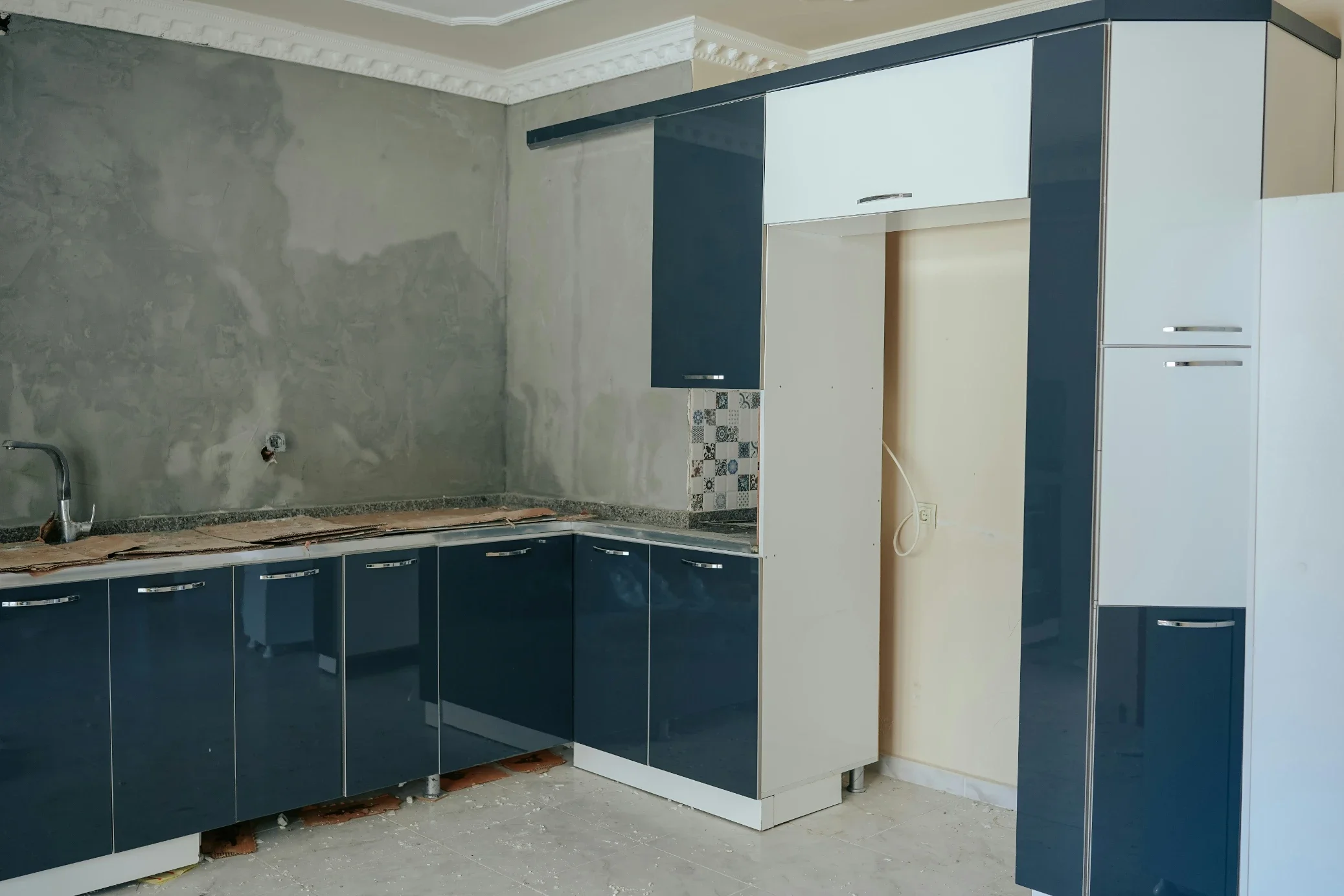
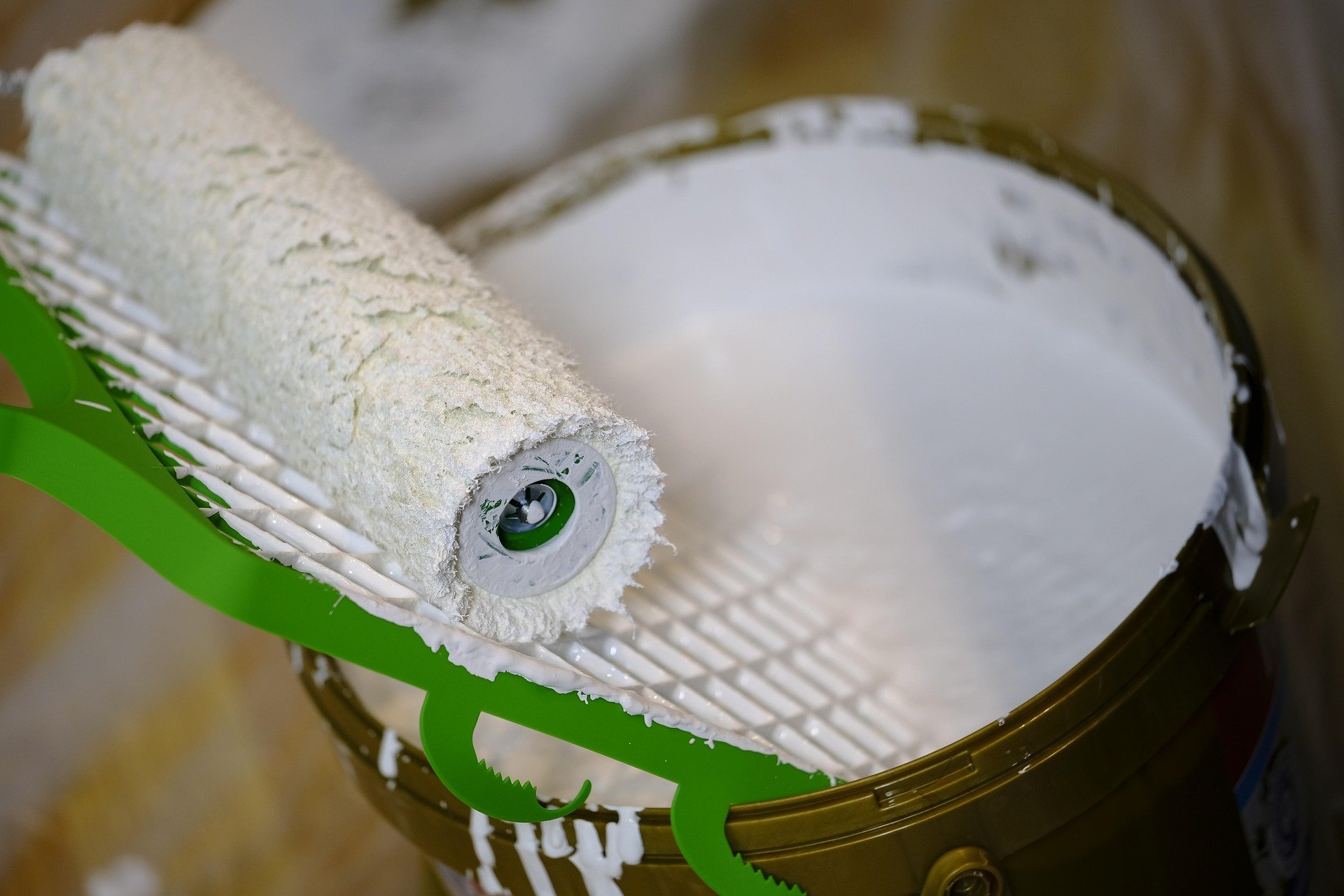
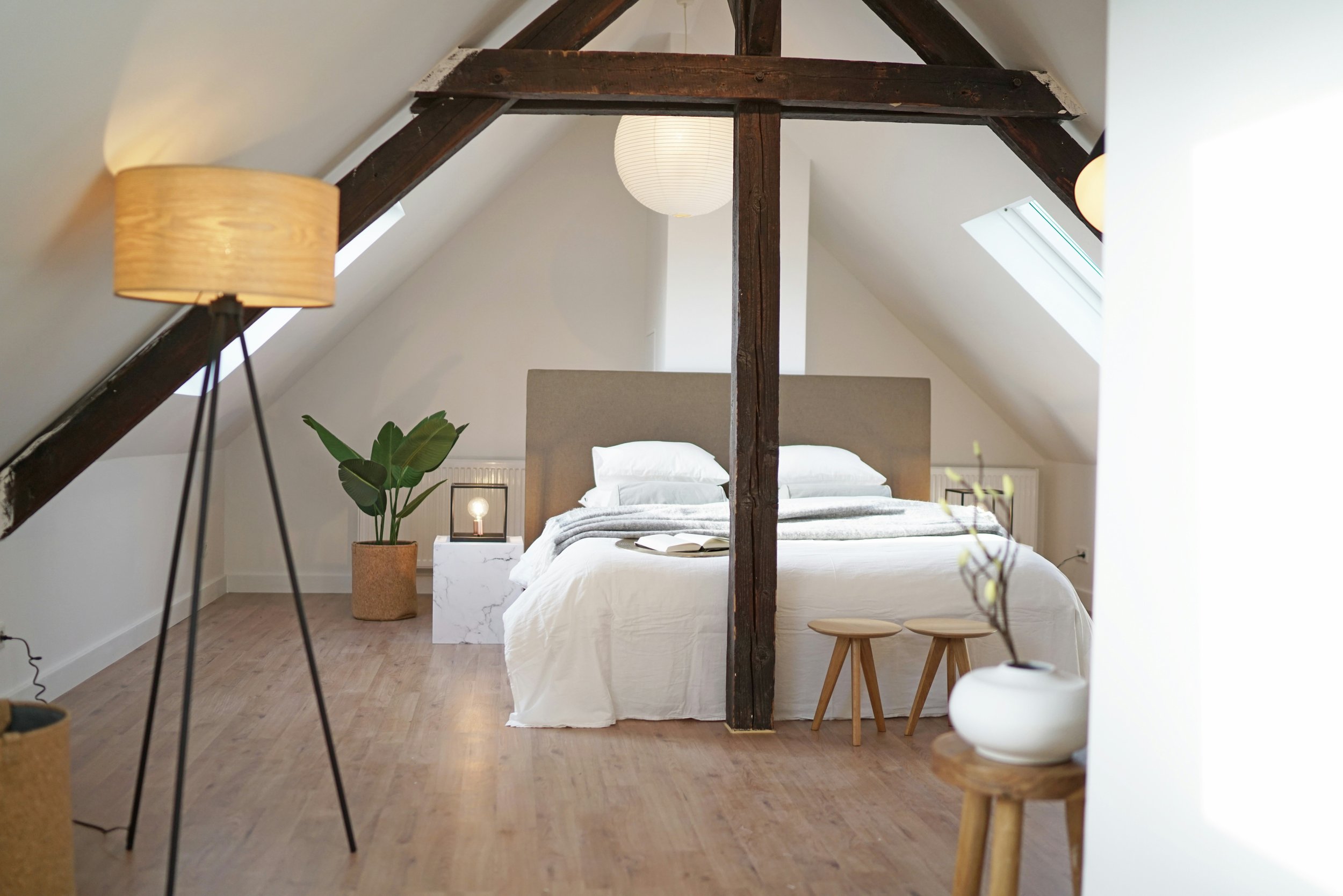
The final stage of a renovation focuses on aesthetics and personalization. Fresh paint, updated lighting, modern fixtures, and thoughtful décor choices help bring the project together.
Pay attention to details that create a cohesive design throughout the home. Final inspections should also be completed to verify that all work meets safety and quality standards.
The finishing touches transform a construction project into a comfortable, functional, and beautiful living space.
Bringing New Life to an Older Home
Renovating an older home requires a balance of planning, safety, and craftsmanship. By starting with inspections, addressing hazards, upgrading essential systems, and preserving valuable architectural features, homeowners can successfully modernize their property without sacrificing its character.
A thoughtful renovation approach helps create a safer, more efficient, and more attractive home that can be enjoyed for years to come.
Stay up to date with our latest ideas!