Plumbing Considerations to Plan Before a Bathroom Renovation
Learn key plumbing considerations to plan before a bathroom renovation, helping you avoid costly mistakes and ensure smooth installation and long-term performance.
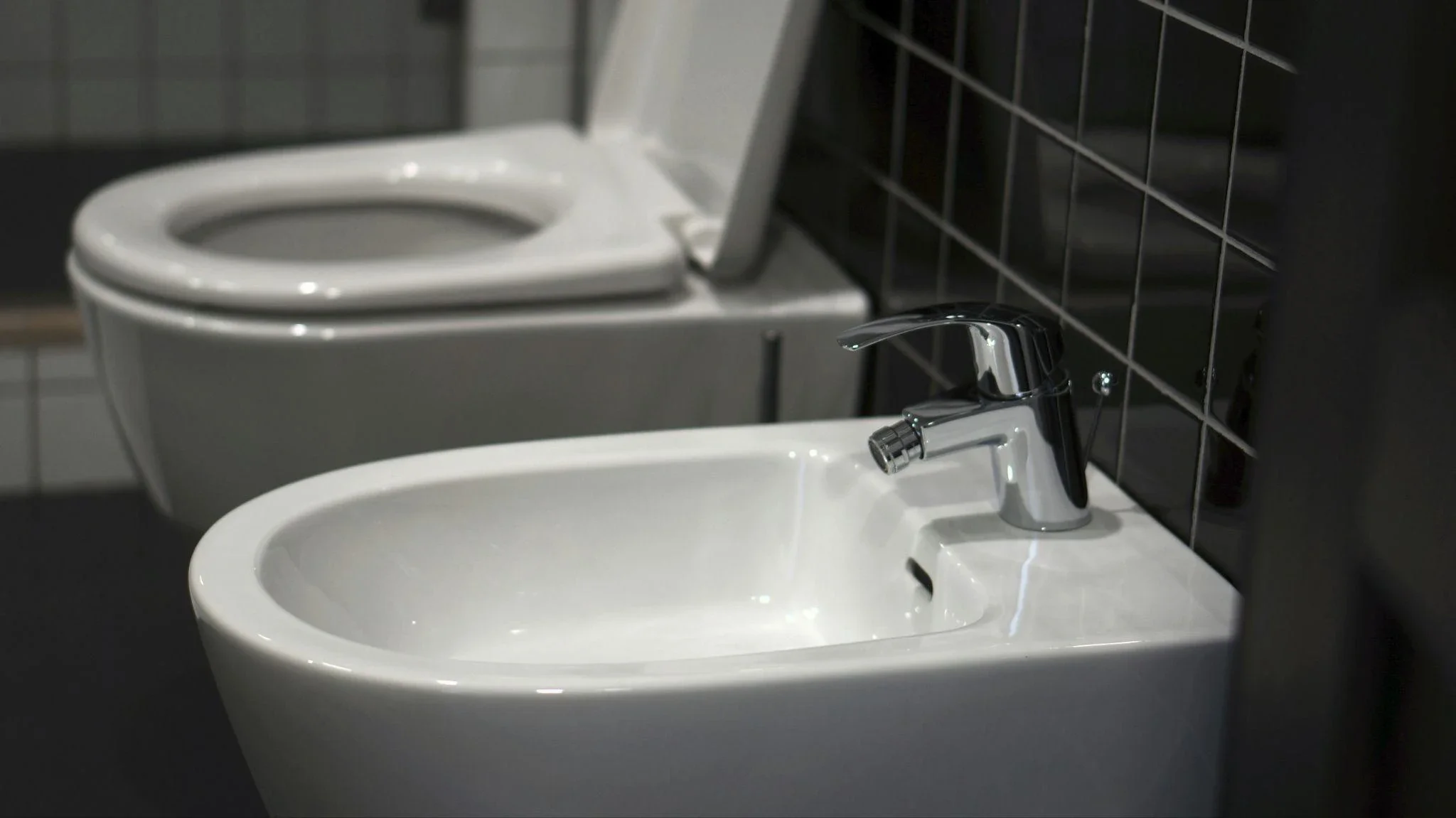
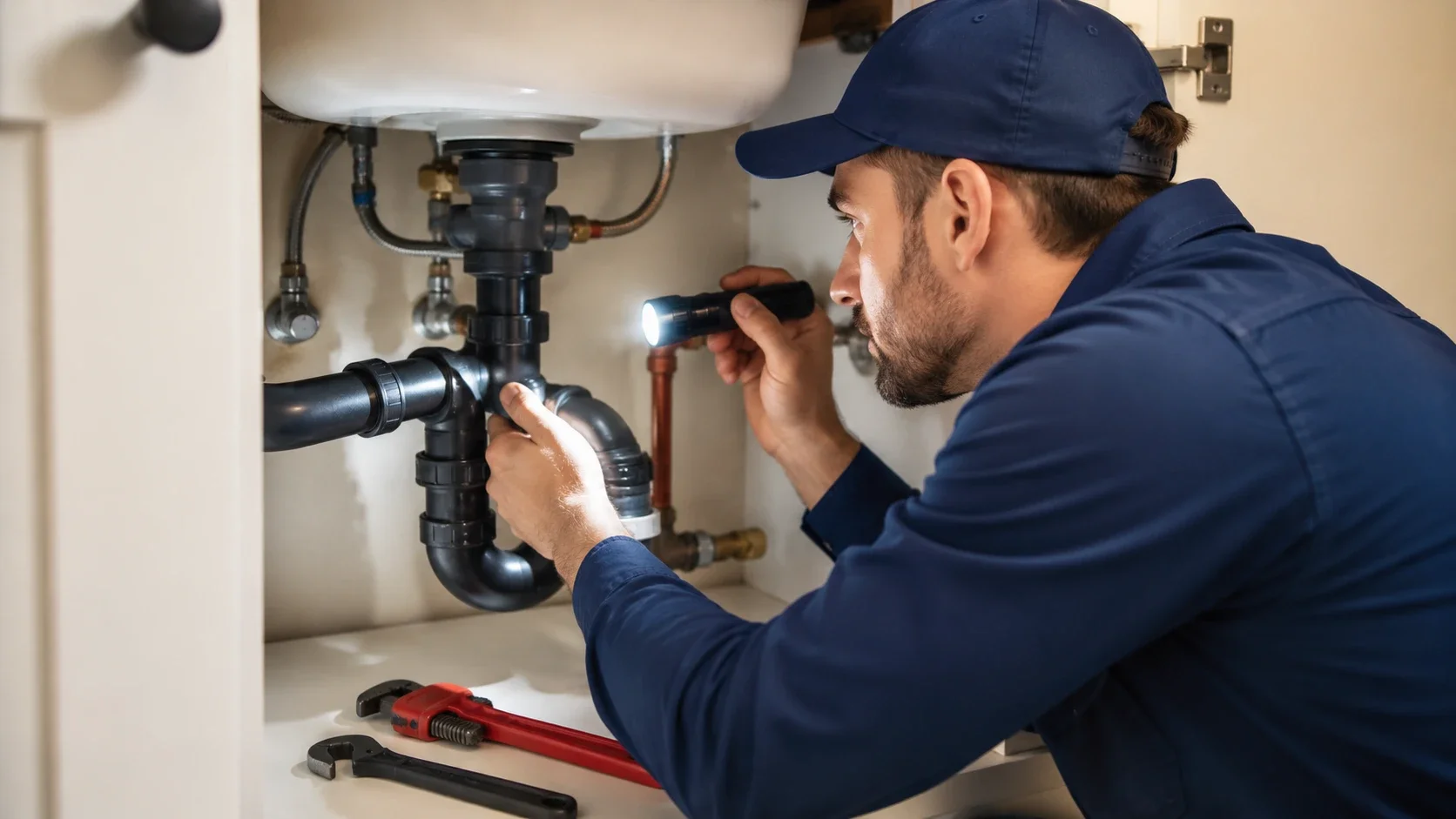
Renovating a bathroom is one of the most effective methods of enhancing comfort as well as the worth of your house or property. Even though bathroom components such as tile installations, plumbing, and lighting appear to receive the most major focus, plumbing plays a very essential role in ensuring that your house renovation process turns out successful, which is why property owners often seek expert advice from professionals like Koala Plumbing Adelaide.
Planning or consideration for plumbing, prior to embarking on a renovation of a bathroom, is highly beneficial in harmonizing design intentions with reality to achieve an optimized end-result for functionality.
Understanding Your Current Plumbing Configuration
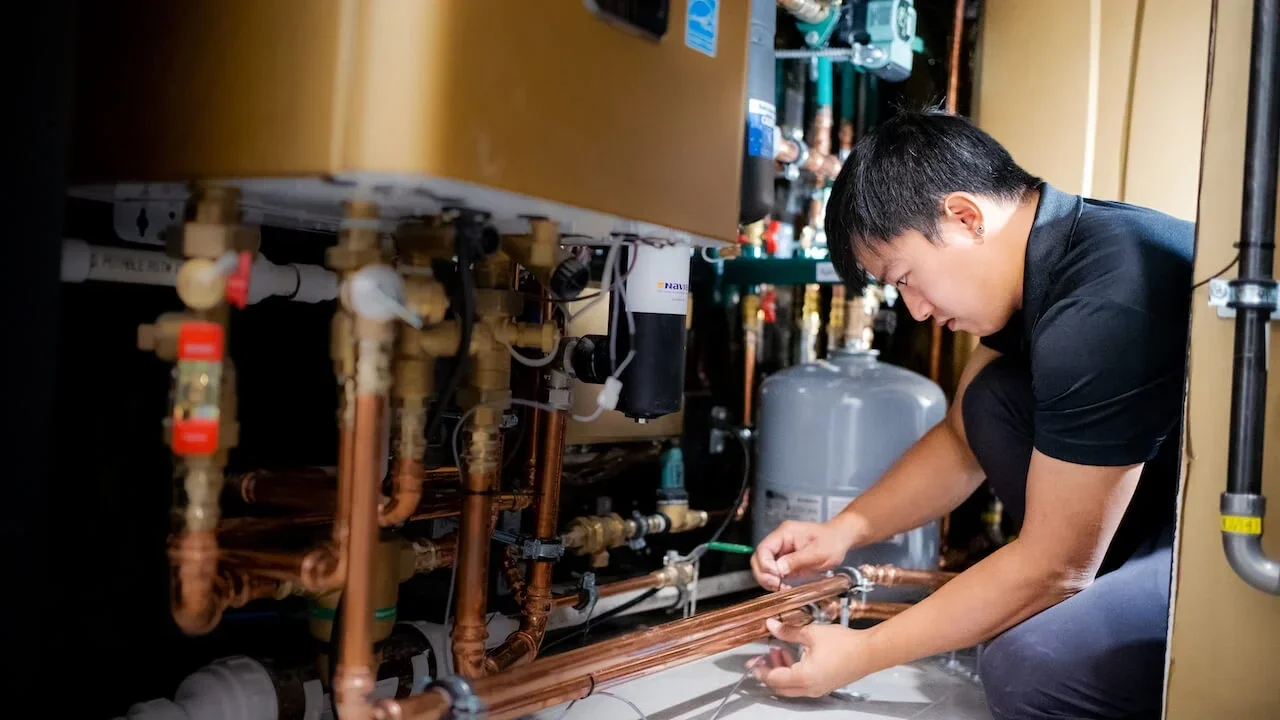
It is important to be aware of the existing plumbing system that is present within the house before any final design decisions can be made.
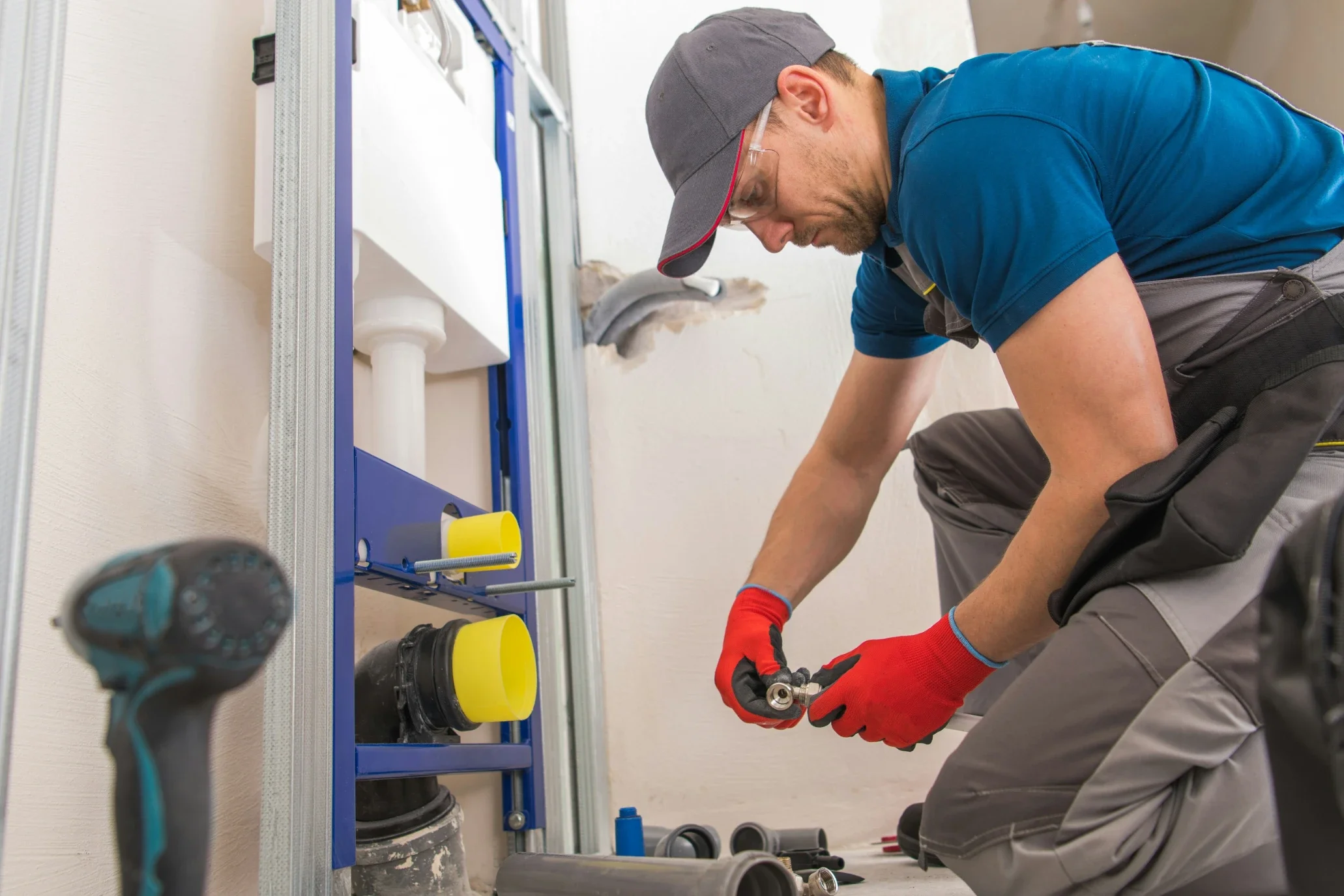
Areas where the plumbing is already in the walls and floorspaces are considered to be significant factors in making decisions on the relocation of functions and those to keep in the new environment. The relocation of any plumbing feature, such as restrooms and shower facilities, involves a great deal of floor/wall work.
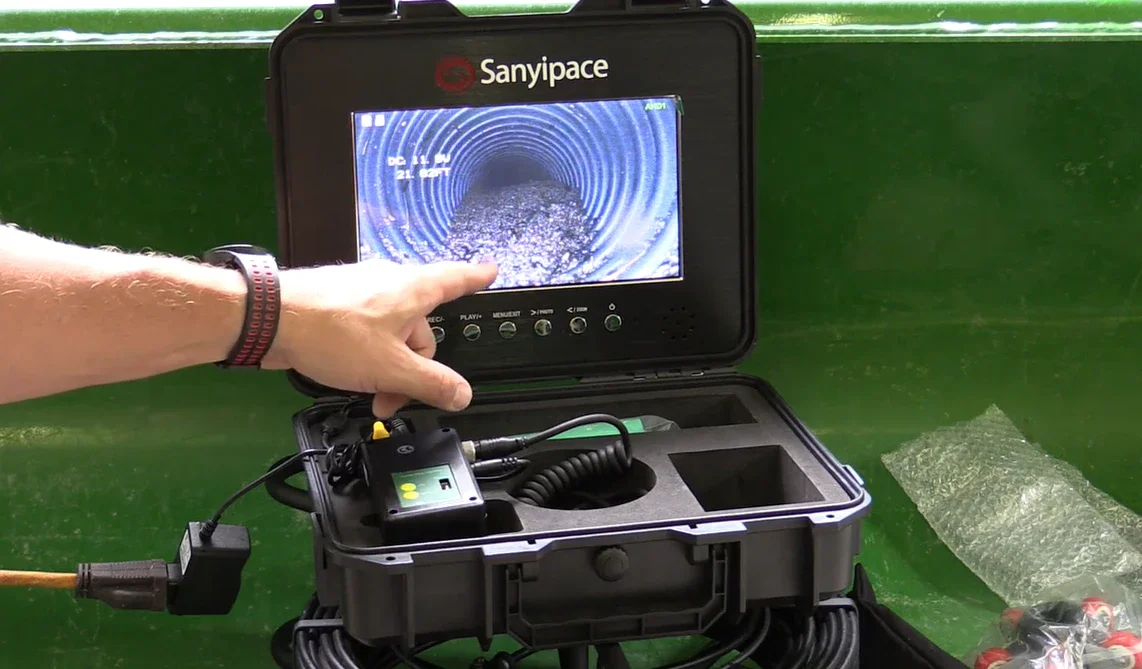
Determination of the Condition of Existing Pipes
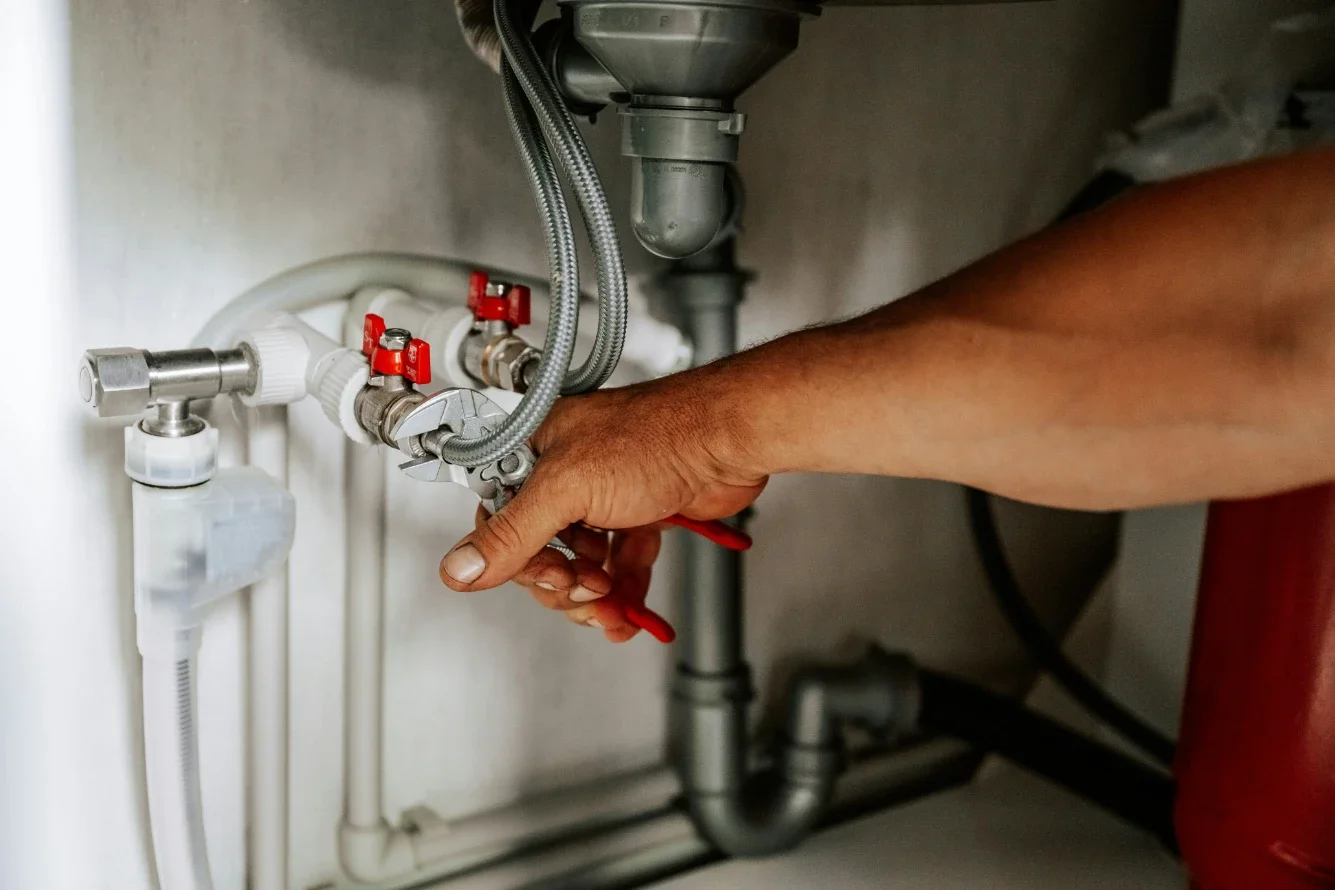
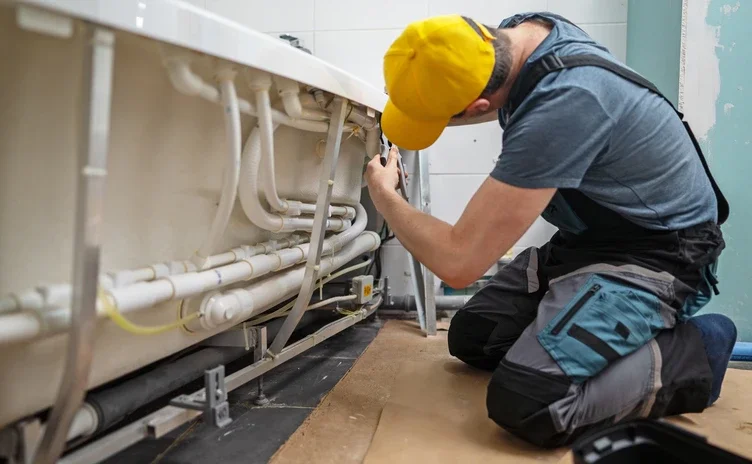
Renovation works undertaken on the bathroom within the home can thus present an excellent opportunity for the inspection of plumbing. Within old buildings, copper, galvanized, or obsolete plumbing lines that are close to the end of their lifespan owing to corrosion, buildup, and joints may exist.
Fixtures Planning
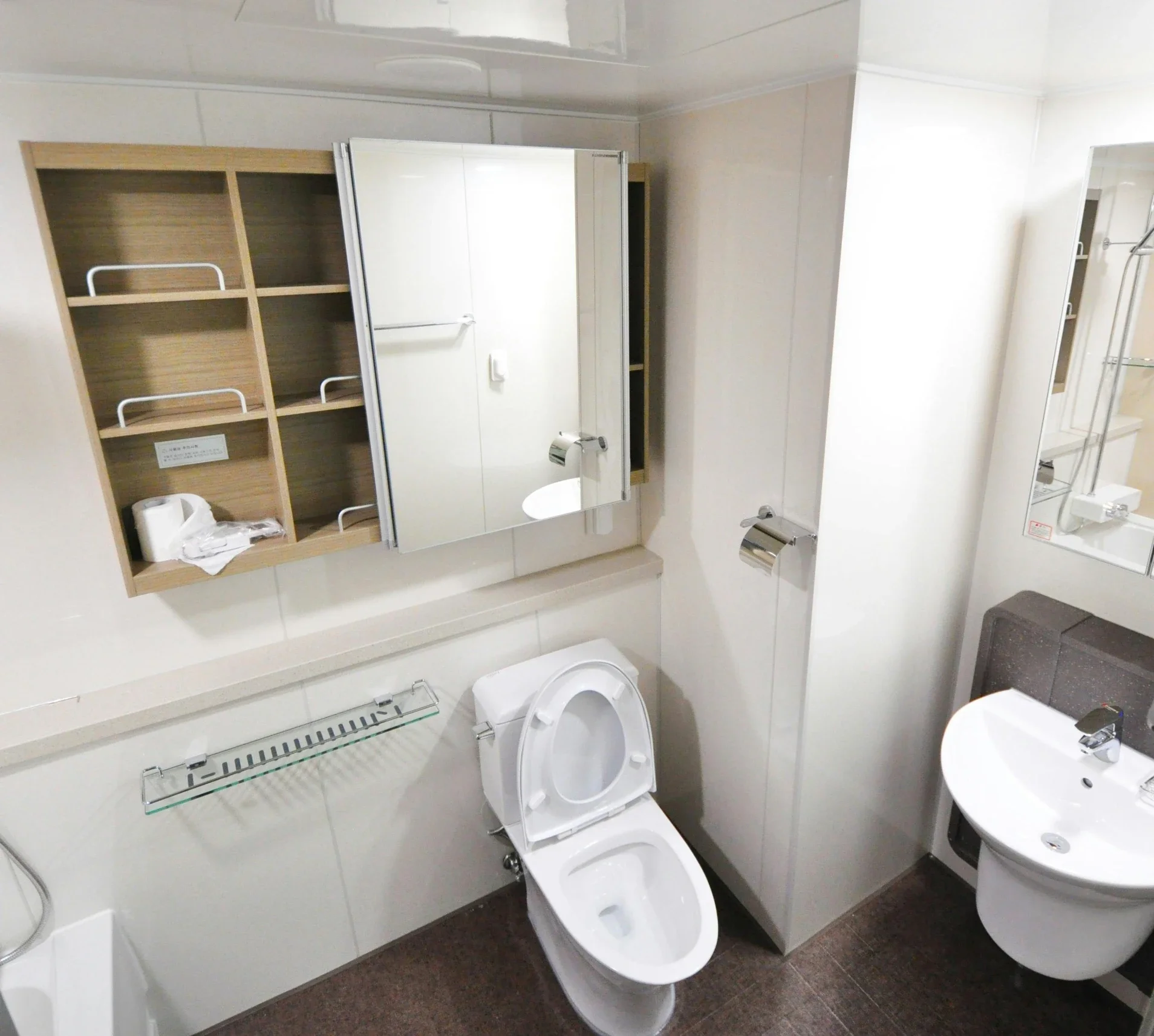
Where mounting fixtures like toilet, vanity, shower, or bathtub are installed, this will directly affect complexity related to plumbing. Even though present designs for bathrooms suggest shifting these fixtures for optimized flow, all these processes will have different plumbing arrangements.
It is often cheaper and simpler to keep plumbing fixtures at a similar location. There may be renovations that need to be done; therefore, planning must be carefully made.
Drainage & Waste Disposal Positioning
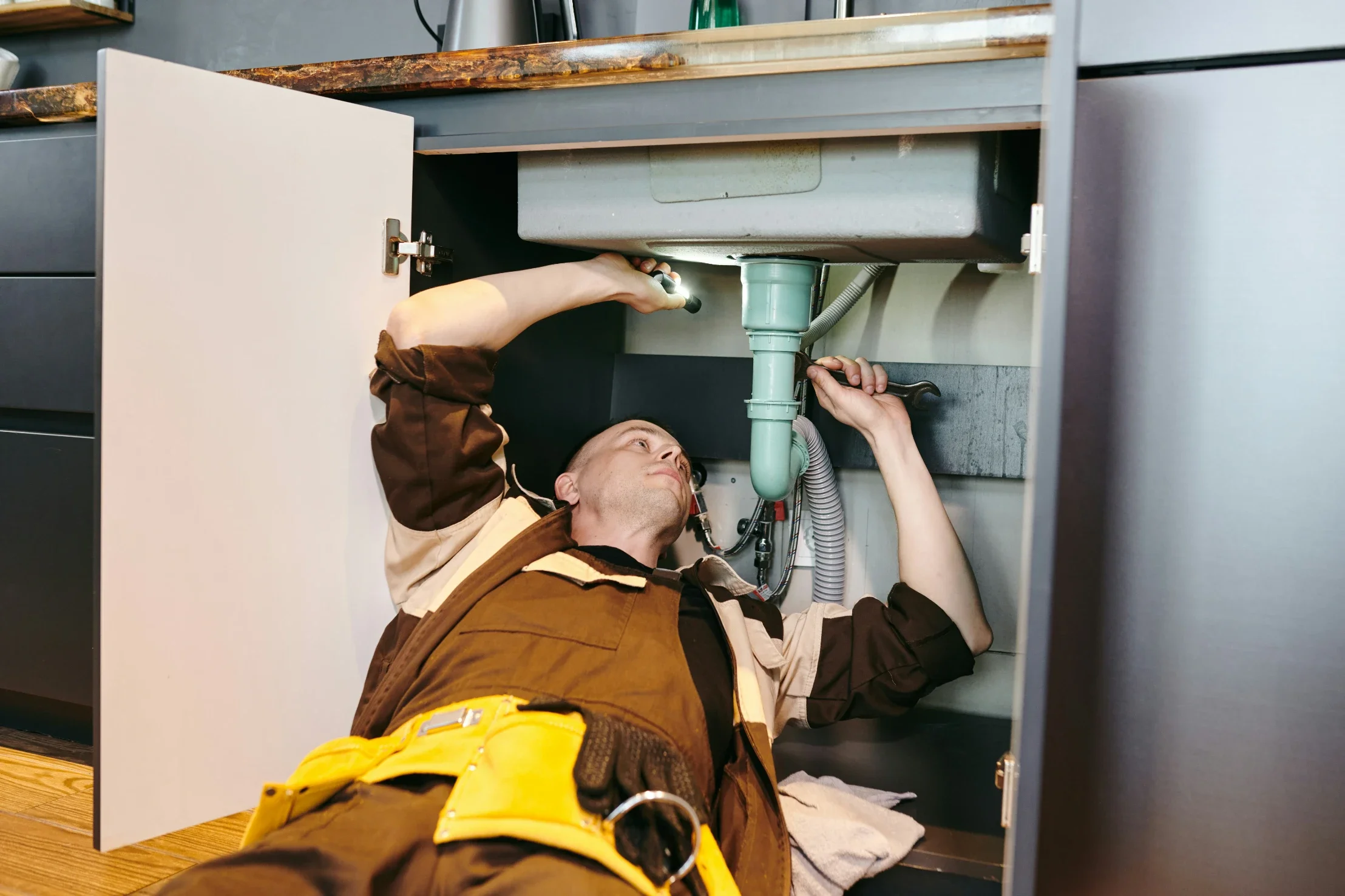
Drainage is one of the most important considerations to be made in bathroom renovation plumbing jobs. The installation of the waste shower or the floor drain has to be carried out in accordance with the design of the bathroom and existing structure in place.
In situations where renovations of the floor involve level changes and walk-in shower renovations, matters related to drainage systems become even more important and/or crucial. For example, in renovations, coordination at an earlier stage can ensure that floor wastes are located correctly.
Water Pressure & Flow Requirements
Contemporary bathrooms may also feature elements that use higher water flow rates, for example, rainfall showerheads, double showers, or freestanding baths. Such elements may pose higher burdens on standard plumbing fixtures if the plumbing pressure/size does not meet the standard.
Before the final arrangements of the fittings for domestic installation can be settled, it has to be verified that the domestic water pressure can support the fittings. In some cases, adjustment of the diameter of the pipes at home may also be needed.
Hot Water System Capacity
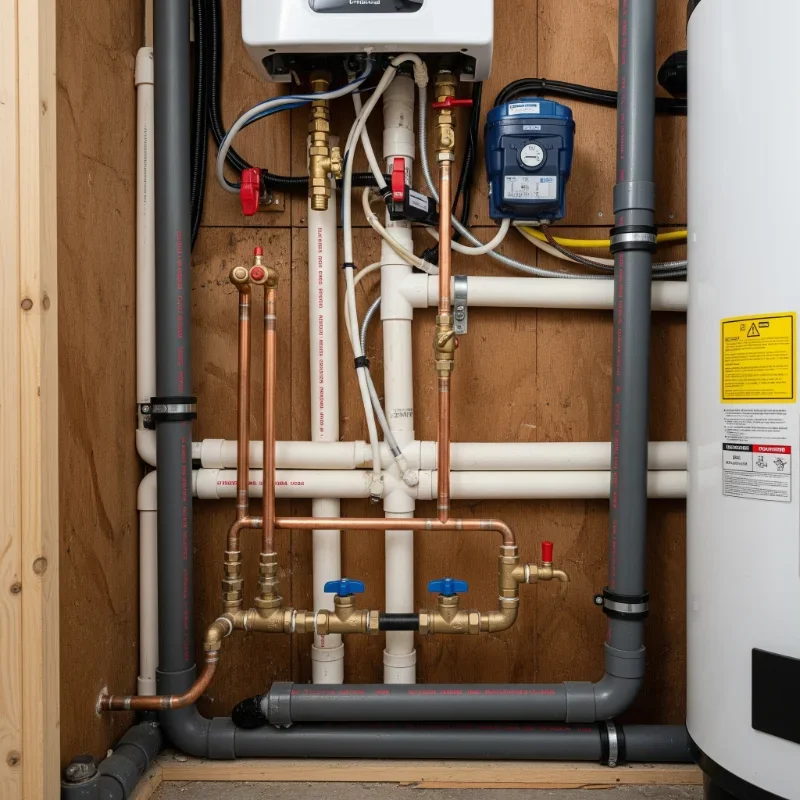
Bathroom renovation can be a reason why there will be increased demand for heated water, especially when a larger bathtub or multiple shower heads have been installed. The existing water heating system that served to meet the domestic demand may not be sufficient following a bathroom renovation.
This will aid in determining whether renovation or the overall replacement of the system for the supply of hot water will be required. In effect, during the renovation program, this will not be a concern in the new bathroom, and comfort will be ensured.
Venting and Sewer Connections
Sufficient venting is required to achieve efficiency in both drainage and smell regulation mechanisms. Vent pipes allow air entry into the plumbing system to prevent balance pressures, which can slow down the draining process and cause the water to siphon into traps. Modifications are required in terms of fixture positioning and venting when renovating.
If the venting concept is overlooked, plumbing system failures can occur, which might prove difficult to identify once the walls are closed. Planning in terms of proper vent connections will ensure success in plumbing renovations.
Waterproofing & Plumbing Coordination
Although waterproofing can be viewed as solely concerning tile work, it has to be effectively coordinated with plumbing work. Areas where plumbing pipes meet, where floor wastes are, or where bathing fixtures rest all either concern areas where waterproofing membranes are located or would affect said membranes adversely in case there is improper coordination.
The plumbers and the waterproofing team should work one after another. This will help them avoid causing damage to the bathroom structure.
Future-Proofing & Accessibility
The ideal bathroom renovation project has both present and future considerations. The bathroom plumbing can be installed to incorporate elements of accessibility in the future. Such include grab rails, walk-in shower base, and height-adjusted bathroom fixtures.
Adherence to Norms and Regulations
A bathroom plumbing task requires strict observance of the Australian standards and the relevant rules in the country. It could lead to issues arising from the insurance process, passing or failing the inspection process, or even safety.
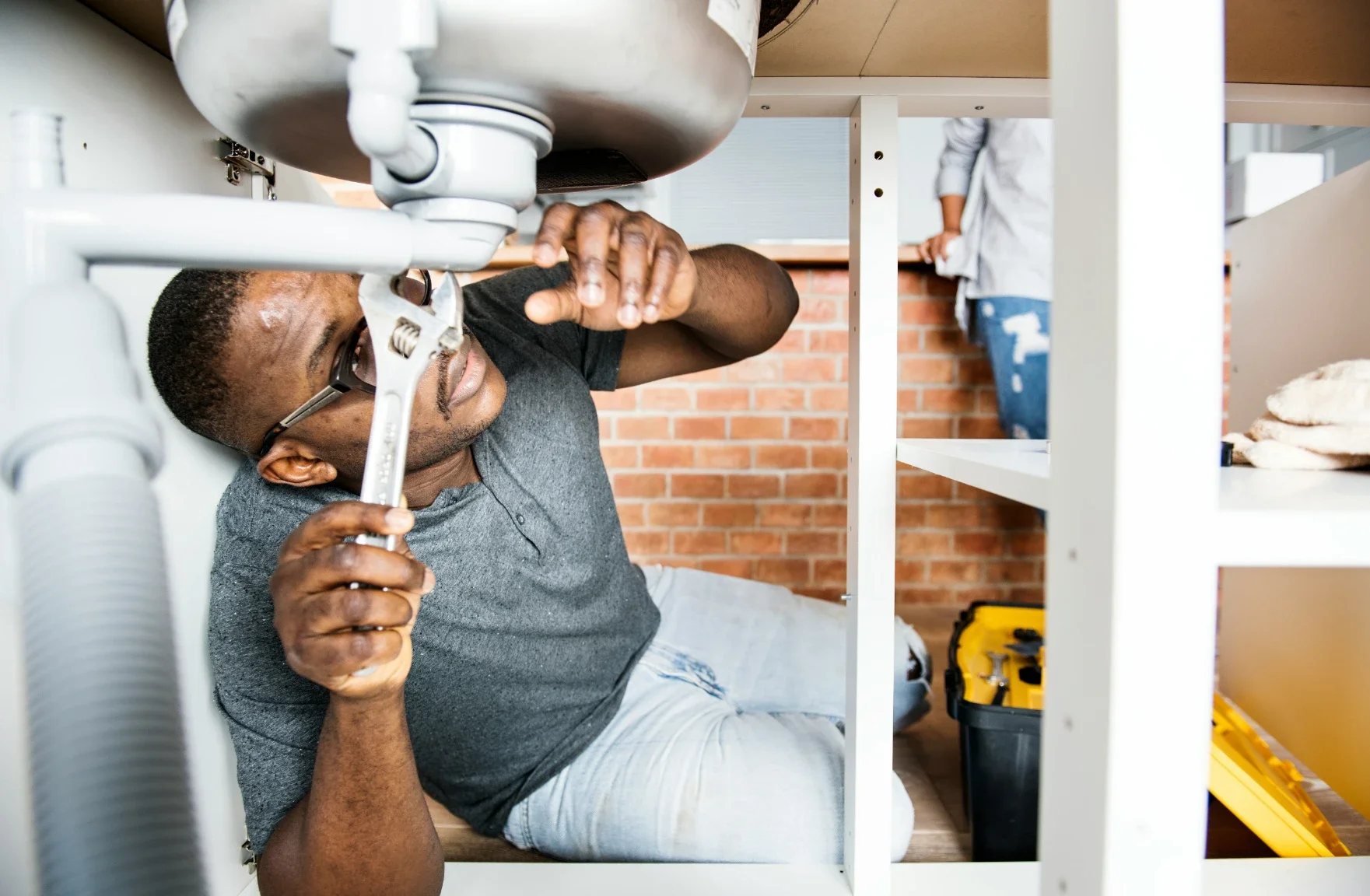
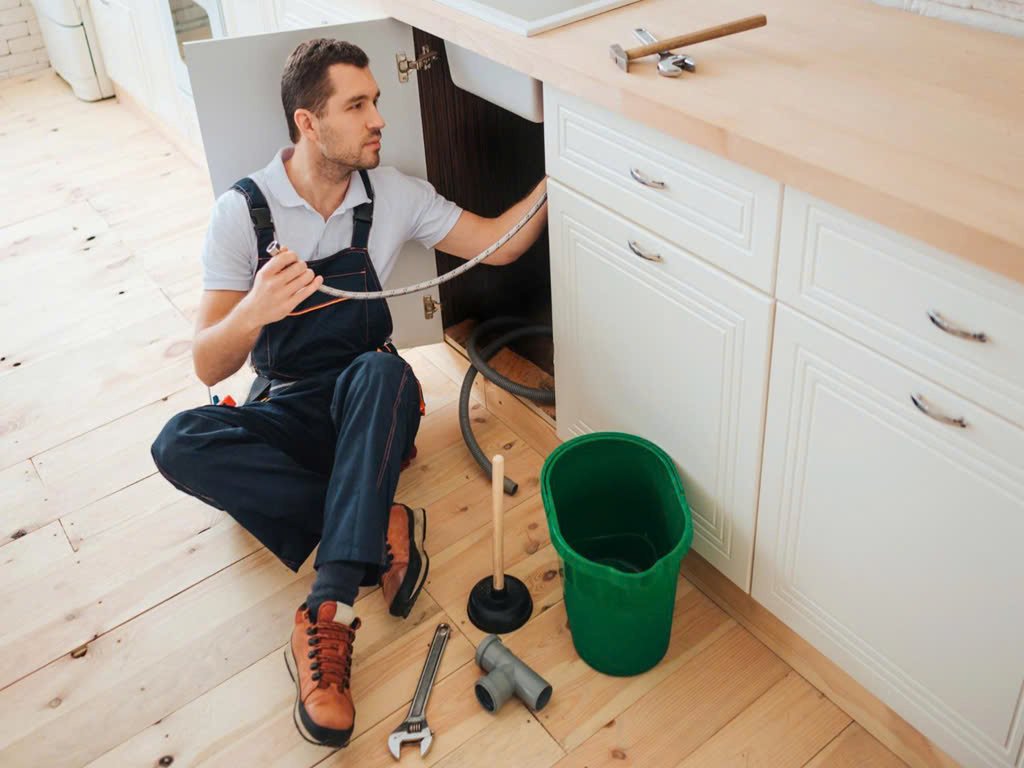
Hiring professional services will make sure that all plumbing is completed as required, thus ensuring that the renovation process is also smooth.
Minimizing Disruptions in Renovation Works
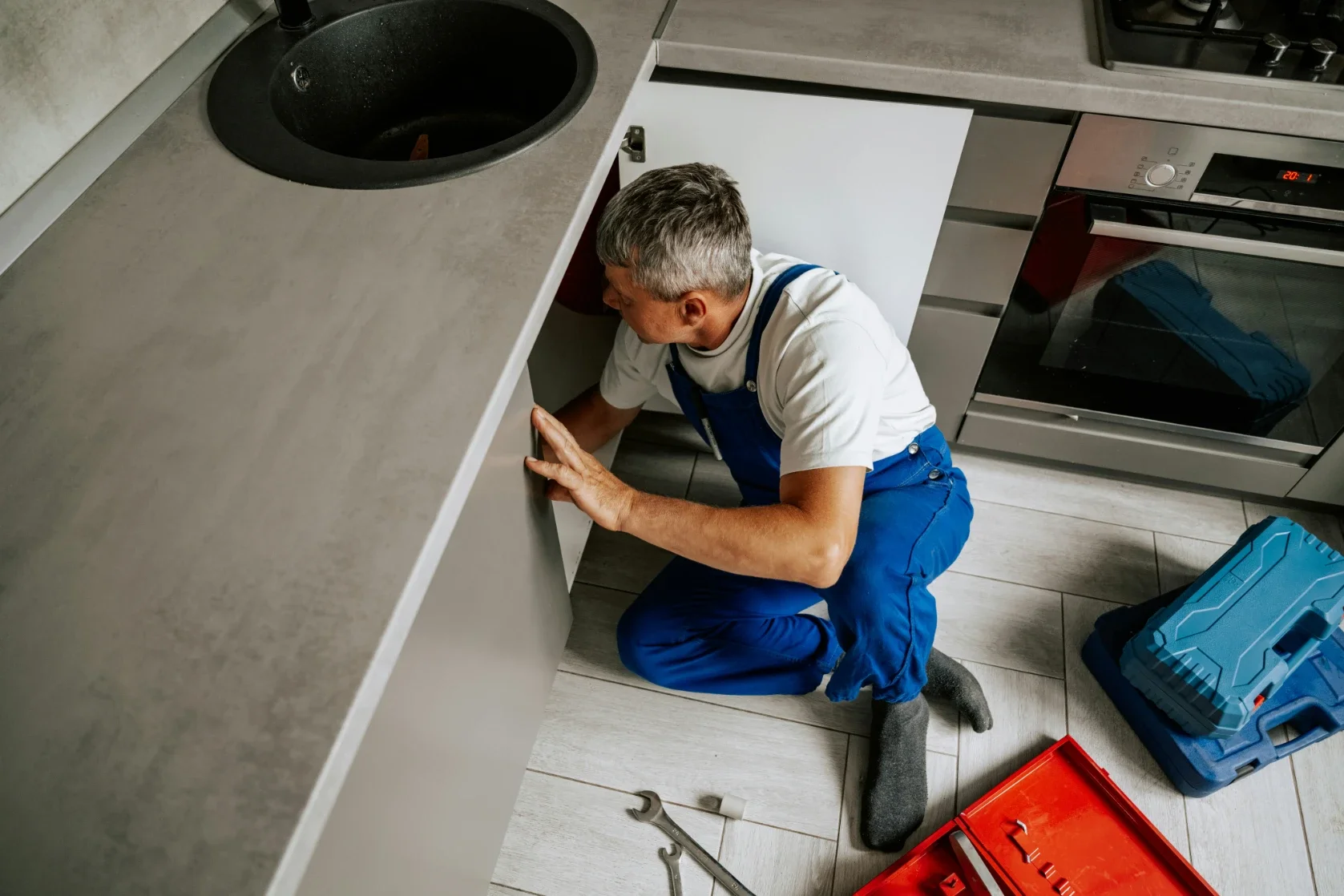
Bathroom renovation is quite disruptive, especially in a single-bathroom dwelling. Planning takes place before the plumbing aspect of renovation processes in order to limit the disruption by ensuring that all the plumbing materials needed are readily available among other factors. Even temporary plumbing facilities may be considered to ensure basic operations.
Stay up to date with our latest ideas!