Reduce renovation stress by following key steps that improve planning, communication, budgeting, and timelines for a smoother home upgrade experience.

Renovating a home can be exciting, but stress can creep in fast. The key is to turn a messy, open-ended project into a clear, step-by-step plan. With a few smart moves, you can cut surprises, feel in control, and actually enjoy seeing your space come together.
Set A Stress-Smart Game Plan
Start by writing down your must-haves and nice-to-haves. This simple list sets boundaries and gives you a reference when choices pile up. Share it with your contractor so everyone is working from the same playbook.
Build a week-by-week timeline that maps major tasks to real dates. Pad the schedule where trades overlap so delays do not ripple through every step. Post the calendar on the fridge - then update it as plans change.
Control The Mess And Logistics
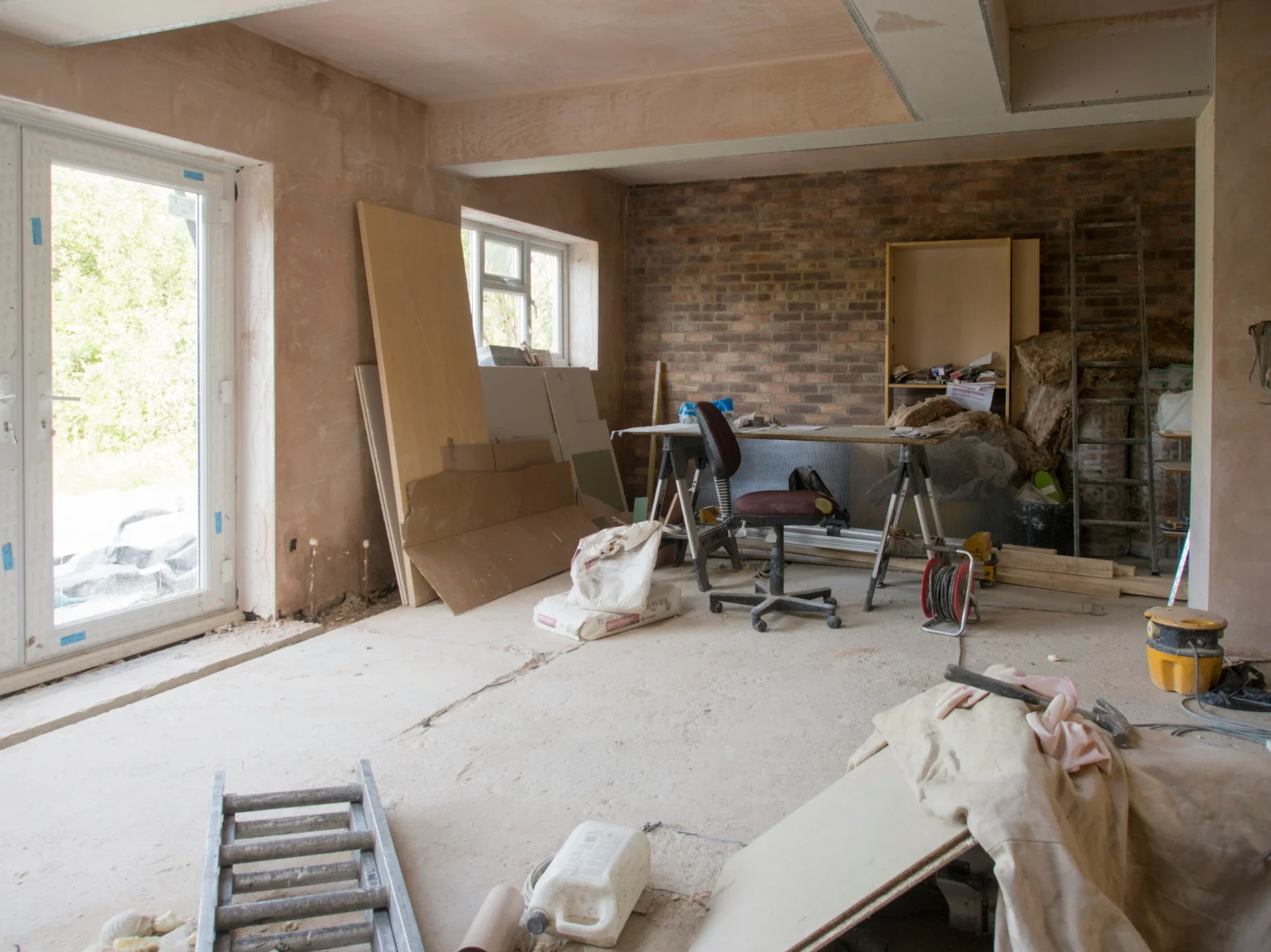
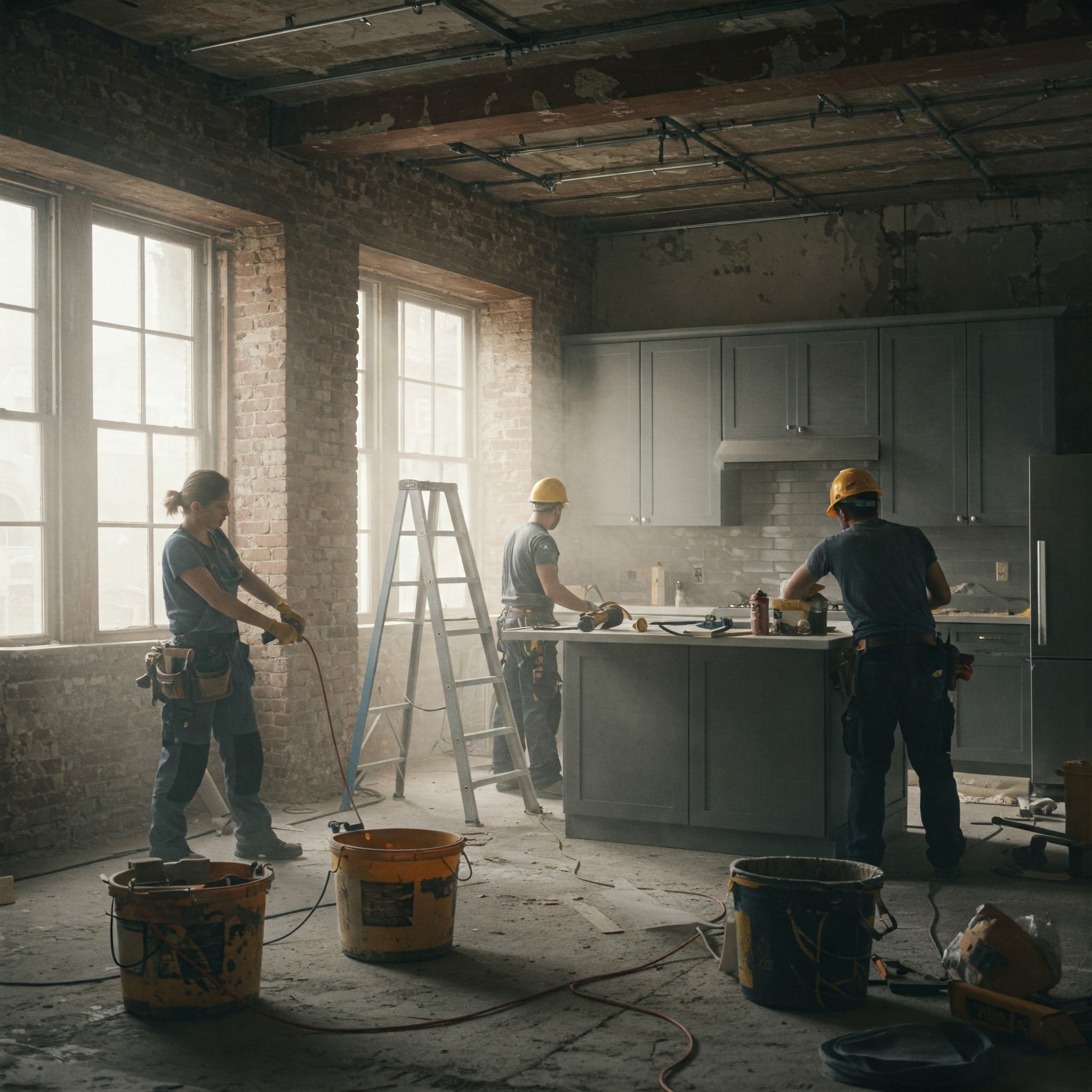
Dust, debris, and clutter raise stress quickly. Plan where the waste goes and how it leaves your property. Many projects run smoother when you schedule a 20 yard dumpster rental for the messy middle, since it keeps driveways clear and trims extra dump runs. Place the unit where crews can load it without blocking your routine.
Lay down floor protection in walkways and seal off work zones with plastic and tape. Set up one clean room for meals and laptop time so your day still feels normal. Give neighbors a heads-up about timing and parking to avoid surprises.
Budget With A Real Cushion
Renovations rarely match the first number you imagine. Prices climb when materials shift, or hidden issues show up behind walls.
A remodeling industry report recently noted that Americans spent hundreds of billions on upgrades in 2024, which points to demand and cost pressure you should account for in your plan.
Quick Budget Guardrails
Set a core budget, then add a 15 to 20 percent buffer for unknowns.
Split funds into buckets for labor, materials, fixtures, and permits.
Hold a tiny reserve for last-mile items like extra paint or hardware.
Track spending in a simple spreadsheet with dates, vendor names, and amounts. Update it after every purchase so you catch drift early. If you overspend in one category, move money on paper before it becomes a problem on site.
Lockdown Permits And Timeline
Permits matter since they affect money and momentum. A policy analysis observed that permitting requirements can raise housing costs by adding soft costs, administrative steps, uncertainty, and delays.
That means the sooner you confirm what is required, the less likely you are to stall once work begins.
Call your local building office and ask which permits match the scope of your project. Get the expected review times and inspection steps in writing. Build these checkpoints into your schedule so your team is not idle, and you don't have to wait.
Choose Pros And Clarify Communication
Vet contractors with references, a license check, and proof of insurance. Ask how they handle change orders and timeline slips. If a candidate offers vague answers, keep looking.
Set communication rules before the demo starts. Decide who gives approvals, how often you will meet, and which channel you will use for updates. A short daily text thread can clear blockers and keep decisions moving.
Protect Your Routine And Sanity
Renovation stress is real, and it shows up in the body. One national stress snapshot found that a large majority of people reported physical or emotional symptoms tied to stress. You can lower that load by keeping basics steady, and the house is in flux.
Create backup plans for cooking, bathing, and sleeping if key rooms go offline. Use white noise or headphones when saws and hammers get loud. Step outside for short walks, even 10 minutes can reset your mood and focus.
Simple Routine Savers
Stock a mini pantry with grab-and-go meals and a dish bin.
Make a weekly noise calendar to plan calls and quiet tasks.
Keep a small tool kit handy so you are not hunting for a screwdriver.
Decide Fast, Document Faster
Endless choices drain energy. Preselect fixtures, finishes, and paint colors before demo day, then store links, SKU numbers, and quantities in one shared document. When a question pops up, you can answer in minutes instead of spiraling through options.
Confirm every change in writing. Label messages with a clear title like Tile Change or Door Swing so you can find them later. Snap photos of measurements and placements - a quick image can prevent costly misunderstandings.
Expect Curveballs Without Losing Momentum
Old houses hide surprises, and even new builds throw curveballs. Treat issues as decisions, not emergencies. Ask for the root cause, the simplest fix, and the true cost in time and money.
If something must give, return to your must-have list. Protect function first, then trim extras that do not change how you live in the space. Keep your buffer intact until the final third of the project so you can handle late surprises.
Keep Perspective With Milestones
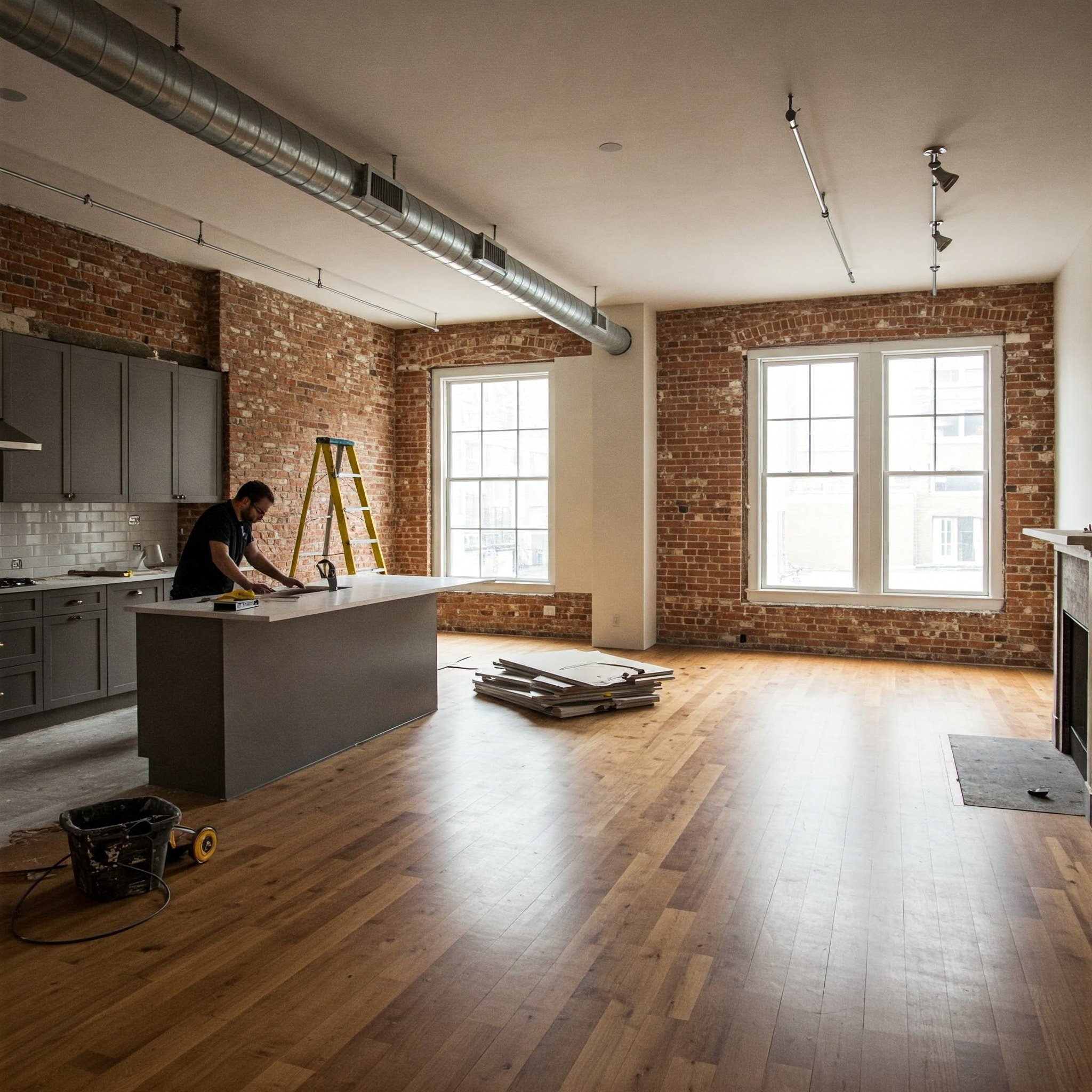
Break the work into visible wins. Celebrate when framing is complete, when rough-in passes inspection, and when the first coat of paint goes up. These markers prove progress and help you trust the plan.
Take weekly photos from the same spot to see how far you have come. Share them with family or friends who are cheering you on. When tension rises, looking back at the timeline and pictures can bring your stress down to size.
Troubleshoot With A Calm Checklist
When stress spikes, do not guess. Use a short checklist to get back on track. First, confirm the schedule and scope with your contractor. Next, review budget lines for any drift. Then, decide the next step that moves the job forward.
If conflict flares, return to what the contract and messages say. Focus on facts, not blame, and ask for two or three options you can approve today. Small, steady decisions are how big projects finish.
Know When To Pause And Reset
Sometimes the right move is to stop for a day. If materials are late or a permit is pending, use the break to clean the site, reorder tasks, and prep the next phase. A short pause now can save days later.
Use the downtime to confirm deliveries, check punch lists, and prep tools. When work resumes, your crew can hit the ground running instead of sorting chaos first.
Why These Steps Work
They lower uncertainty and protect your bandwidth. Planning, clear roles, and simple tools reduce the number of urgent choices you face each day. Money buffers and documented changes cut conflict and rework.
Public data supports this approach. A remodeling association’s report highlighted how large the home improvement market has become, which can tighten supply and raise costs in ways you can plan for.
A national stress report underscored how common stress symptoms are, which makes routines and boundaries important. And a policy brief pointed to permitting as a real cost driver, which is why handling it early pays off.
Keep your eyes on the life you are building inside the home, not just the checklist. When you treat your renovation like a project manager would, you protect your time, energy, and budget. A steady plan turns a stressful season into a transformation you can actually enjoy.
Stay up to date with our latest ideas!