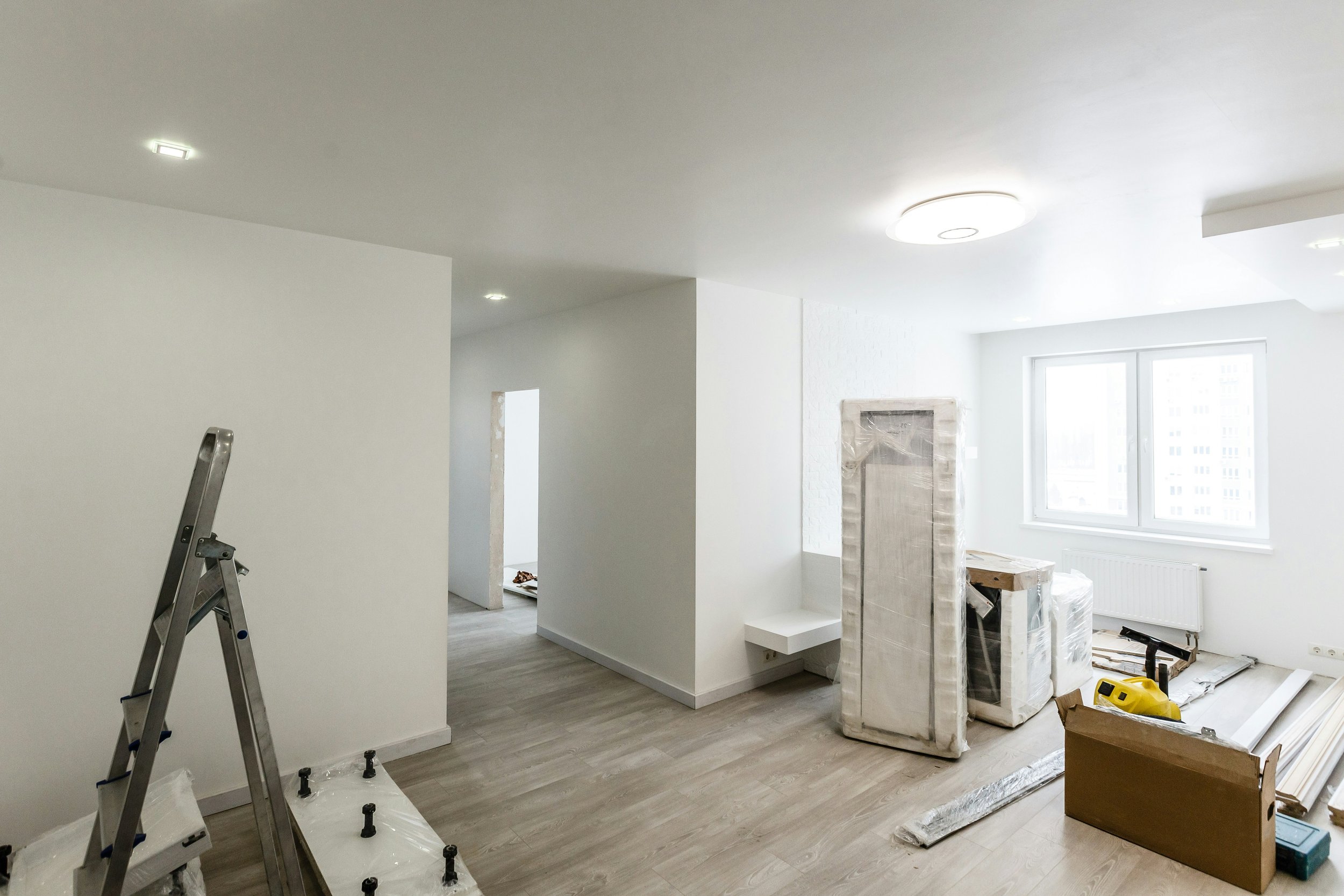
Learn how to plan a major home renovation without draining your savings by budgeting wisely, prioritizing projects, and avoiding costly mistakes.

A major home renovation can change how a house looks, feels, and functions. A dated kitchen can become a practical gathering space. An unused basement can become a guest suite, office, or family room. A cramped layout can become easier to move through and more comfortable for daily life. The challenge is that large projects often come with large costs, and without a clear plan, they can put pressure on savings quickly.
The smartest approach is to treat the renovation as both a design project and a financial decision. Before choosing tile, cabinets, flooring, or fixtures, homeowners should understand the purpose of the work, the likely cost, and the safest way to pay for it.
Start With the Real Reason for the Renovation
Every successful renovation begins with a clear purpose. Some homeowners renovate because the home no longer fits their lifestyle. A growing family may need more bedrooms, better storage, or a larger kitchen. Others may want to repair aging systems, improve comfort, or make the home easier to maintain.
There is also a difference between renovating for daily use and renovating for resale. A family planning to stay for ten years may choose features that suit their habits and routines. A homeowner preparing to sell may focus on upgrades with broader buyer appeal, such as refreshed bathrooms, improved curb appeal, neutral finishes, or better lighting.
Defining the goal early helps prevent impulsive spending. Premium countertops will not solve a cramped layout, and new décor will not fix outdated wiring or poor insulation. The main problem should guide the budget before visual upgrades enter the conversation.
A clear goal also improves communication with contractors, designers, and lenders. When the purpose is specific, it becomes easier to control scope, compare estimates, and avoid changes that stretch the budget.
Know What You Can Pay for Before Choosing Finishes
Before selecting materials, homeowners should look closely at how much cash they can comfortably use. This includes savings, monthly income, emergency reserves, existing debt, and upcoming expenses. A renovation should improve the home without leaving the household exposed to unexpected costs.
Paying entirely in cash can be appealing because it avoids borrowing costs, but using too much cash at once can create risk. Renovations can uncover hidden water damage, electrical problems, or structural issues that require extra funds. A job loss, medical bill, or car repair during the project can also make a depleted emergency fund stressful.
For smaller projects, savings may be enough. Painting, fixture updates, minor landscaping, and simple room refreshes can often be handled without financing. Larger renovations, such as kitchen remodels, additions, bathroom expansions, basement conversions, and major repairs, may require more money than a household wants to pull from savings alone.
At that point, homeowners may compare several funding routes. Some phase the project. Some use savings for part of the work and financing for the rest. Others consider whether they can access your home equity to help fund improvements that support long-term comfort, function, or property value.
The funding decision should happen before contracts are signed and materials are ordered. Waiting until work has started can lead to rushed choices, higher costs, or delays.
Separate Essential Work From Cosmetic Upgrades
A renovation budget should separate essential improvements from visual upgrades. Essential work includes repairs or updates that affect safety, structure, efficiency, or durability. This may include roofing, plumbing, electrical systems, insulation, foundation repairs, drainage, ventilation, mold remediation, or aging windows.
Cosmetic upgrades include paint, flooring, hardware, decorative lighting, backsplashes, trim, furniture, and surface finishes. These details shape the final look of the space, but many can be adjusted later if the budget becomes tight.
A common mistake is spending heavily on visible finishes while underestimating hidden work. A bathroom renovation, for example, may begin as a design update and reveal old plumbing, water damage, or poor ventilation. If too much of the budget has already gone to luxury tile and custom fixtures, there may be little room left for necessary repairs.
Homeowners can avoid this by ranking every part of the project. Must-have items should solve the core problem or protect the home. Nice-to-have items can remain on the list, but they should be flexible if costs rise.
Build a Budget With a Contingency
A renovation budget should never rely only on the first contractor estimate. Large projects often include several cost categories beyond labor and materials, such as permits, design fees, inspections, demolition, waste removal, temporary housing, storage, delivery charges, and cleanup.
A strong budget should also include a contingency for unexpected costs. Older homes can hide problems behind walls, under floors, or above ceilings, and even newer homes can reveal surprises once demolition begins.
The right contingency depends on the age of the home, the complexity of the renovation, and the amount of structural or mechanical work involved. A simple cosmetic update may need a smaller cushion. A full kitchen remodel, addition, or basement conversion may need a larger one.
It also helps to create two versions of the budget. The first includes preferred materials and design choices. The second identifies where costs can be reduced if needed, such as choosing stock cabinets, selecting mid-range fixtures, keeping plumbing in the same location, or delaying nonessential décor purchases.
Compare Funding Options Before You Commit
Once the estimated cost is clear, homeowners should compare funding options carefully. The right choice depends on the size of the renovation, the household’s financial position, repayment comfort, and how long the homeowner plans to stay in the property.
Savings can work well for smaller upgrades or partial project costs. A phased renovation can also reduce financial strain by spreading work over time. For example, a homeowner might complete structural repairs first, renovate the kitchen the following year, and update flooring later.
Personal loans may suit homeowners who want predictable payments and do not want to use the home as collateral. Credit cards may work for very small purchases, but they can become expensive if balances are carried for long periods. Home-backed financing may be considered for larger renovations, especially when the work meaningfully improves the property.
Before borrowing, homeowners should understand interest rates, repayment terms, fees, monthly payment changes, and the total cost over time. It is also wise to review home improvement borrowing rules, since tax treatment can depend on how borrowed funds are used and whether the project substantially improves the home.
The funding option should support the renovation plan rather than control it. If a payment would create stress, it may be better to reduce the scope, delay part of the work, or choose more affordable finishes.
Avoid Renovating Beyond the Home’s Long-Term Value
Major renovations should be planned with the home’s long-term value in mind. This does not mean every decision must be based on resale, but the cost should make sense for the property, neighbourhood, and homeowner’s future plans.
Over-improvement happens when a homeowner spends far more on upgrades than the home or area can reasonably support. Ultra-luxury finishes in a modest neighbourhood may not return much value when selling. A large addition may improve comfort, but it should still be reasonable compared with nearby properties.
Some improvements tend to have broad appeal. Functional kitchens, updated bathrooms, better storage, energy-efficient windows, improved lighting, durable flooring, and outdoor living areas can make a home easier to enjoy and easier to market. Highly personal design choices can be beautiful, but they may be less valuable to future buyers.
A balanced renovation combines personal comfort with practical judgment. The goal is to improve daily living while avoiding decisions that make the project unnecessarily expensive.
Phase the Renovation When It Makes Financial Sense
Phasing can help homeowners complete a major renovation without using too much money at once. Instead of doing the entire project at the same time, they divide the work into stages and spread costs over a longer period.
This approach works well when parts of the renovation can stand alone. A homeowner may replace aging windows one season, update insulation later, then remodel the living area after that. A basement may be framed and waterproofed first, with flooring, lighting, and built-ins added later.
However, phasing is not always cheaper. Some work becomes more expensive when crews have to return multiple times. Repeated demolition, permits, inspections, deliveries, and labor setup can increase the total cost. If a kitchen renovation requires plumbing, electrical, flooring, and cabinetry, doing it in one coordinated phase may be more efficient than stretching it across several years.
Contractors can help identify which tasks should be grouped together. Work that affects the same walls, floors, systems, or permits may be better handled at the same time, while cosmetic details and furnishings can often wait.
Homeowners should also consider disruption. Living in a partially finished home can create dust, noise, storage problems, and temporary room closures. The financial benefit should be weighed against the practical inconvenience.
Look for Savings Without Cutting Corners
Saving money on a renovation does not mean choosing the cheapest option at every step. Cutting the wrong corners can lead to repairs, replacements, and frustration later. The goal is to reduce waste while protecting quality where it matters most.
Skilled labor is one area where homeowners should be careful. Electrical, plumbing, roofing, structural changes, and waterproofing should be handled by qualified professionals. Poor workmanship in these areas can create safety issues and expensive damage.
Materials often offer more room for adjustment. Mid-range finishes can provide a strong balance between durability and cost. Simple design choices can also reduce expenses. Keeping plumbing in the same location, using standard cabinet sizes, choosing readily available materials, and limiting layout changes can make a major difference.
Comparing estimates is equally important. Homeowners should request detailed quotes from more than one contractor and make sure each quote includes the same scope of work. A cheaper quote may leave out important items, while a higher quote may include better materials, stronger warranties, or more complete service.
Planning ahead can also help homeowners maximize your home renovation budget. Ordering materials early, watching for seasonal sales, reusing existing features, and avoiding last-minute changes can all help control costs.
One of the biggest budget risks is changing direction after work begins. Every new finish, layout adjustment, or added feature can affect labor, materials, and timing. Homeowners should make as many decisions as possible before construction starts.
Keep the Renovation Liveable and Controlled
A major renovation affects daily routines, privacy, noise levels, and access to important rooms. Planning for everyday life during the project can reduce stress and prevent avoidable spending.
Homeowners should ask how long each phase will take, which rooms will be unavailable, and whether water, electricity, or heating will be interrupted. For kitchen renovations, setting up a temporary cooking area can reduce the cost of takeout. For bathroom renovations, access to another bathroom should be planned before work begins.
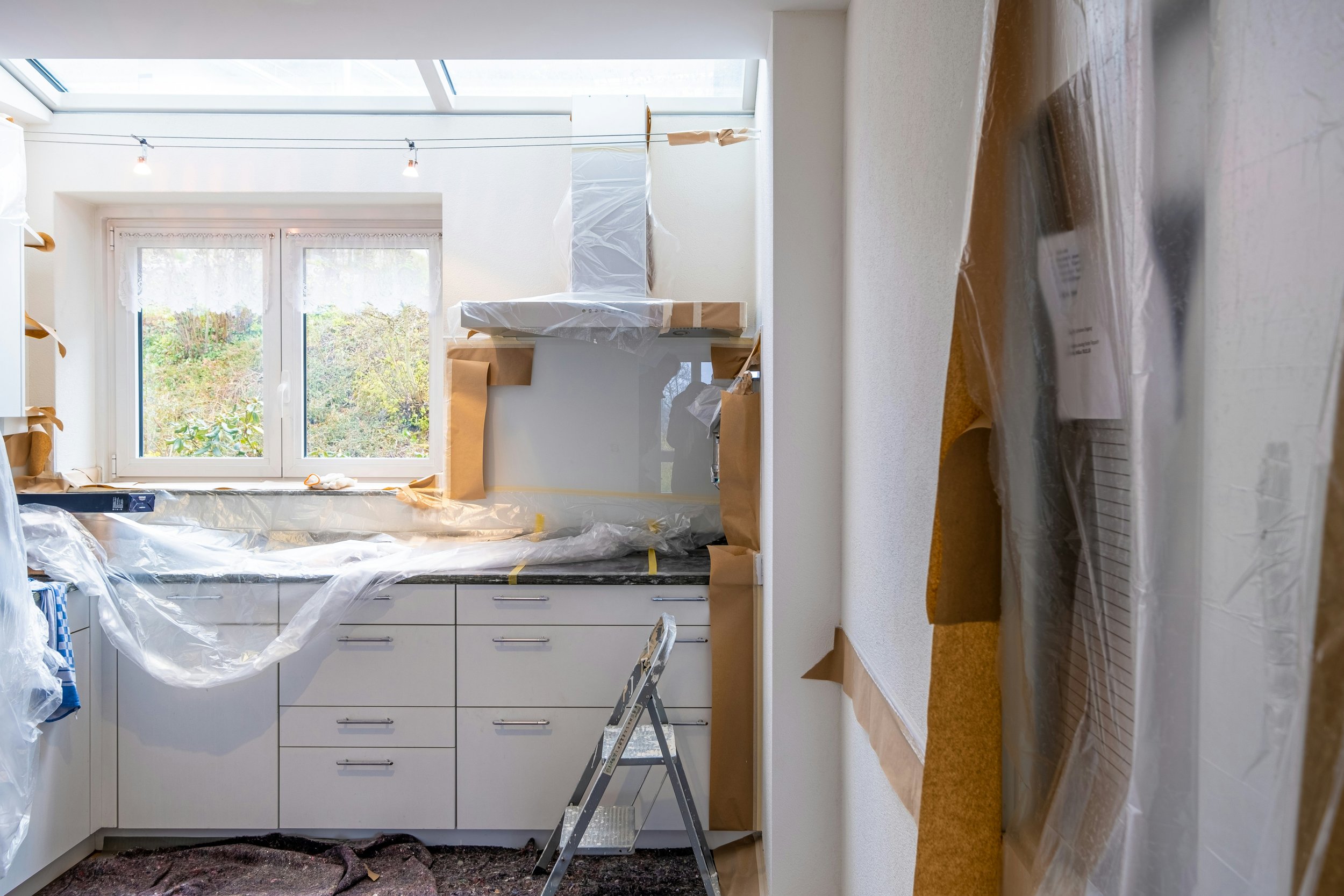
Dust control is another practical concern. Sealing off work zones, covering furniture, changing air filters, and protecting floors can help keep the rest of the home cleaner. Families with children, pets, or remote workers may need extra planning around noise and safety.
Good communication with contractors is essential. Homeowners should know who to contact, how updates will be shared, and how decisions will be approved. Written agreements help prevent misunderstandings about scope, cost, materials, and timelines.
A controlled renovation is easier to manage financially because clear expectations reduce confusion, delays, and surprise expenses.
Final Thoughts
Planning a major renovation without draining savings comes down to preparation. Homeowners need a clear goal, a realistic budget, a sensible funding plan, and enough flexibility to handle surprises.
A renovation should make the home more comfortable, functional, and valuable without creating unnecessary stress. By prioritising essential work, comparing costs carefully, protecting emergency savings, and choosing upgrades with long-term purpose, homeowners can improve their space while keeping their finances steady.
Stay up to date with our latest ideas!