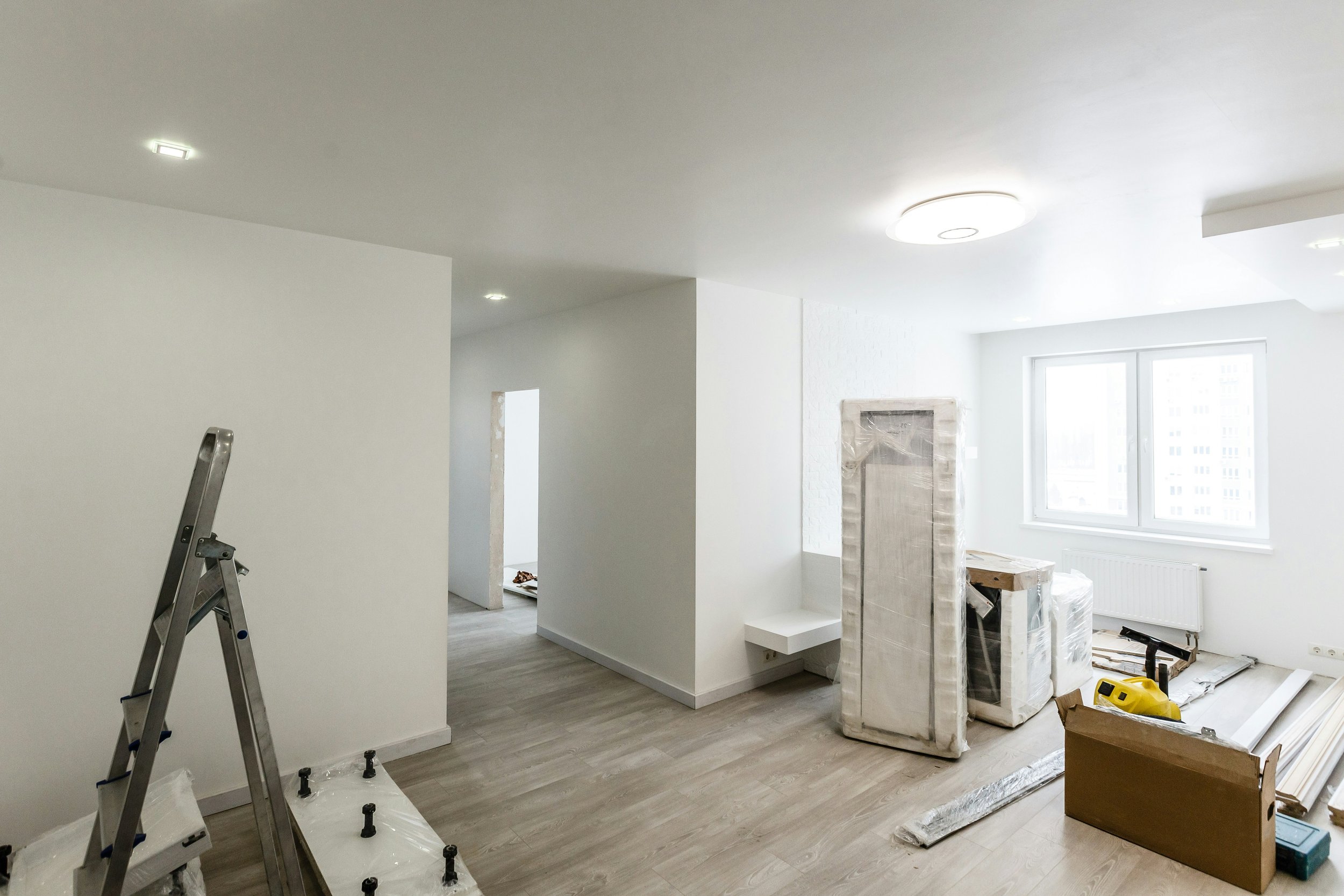
Do I Need an Architect for Home Renovation? A Complete Guide for Homeowners
Learn whether you need an architect for a home renovation, with insights on project planning, design expertise, permits, and maximizing your remodel results.

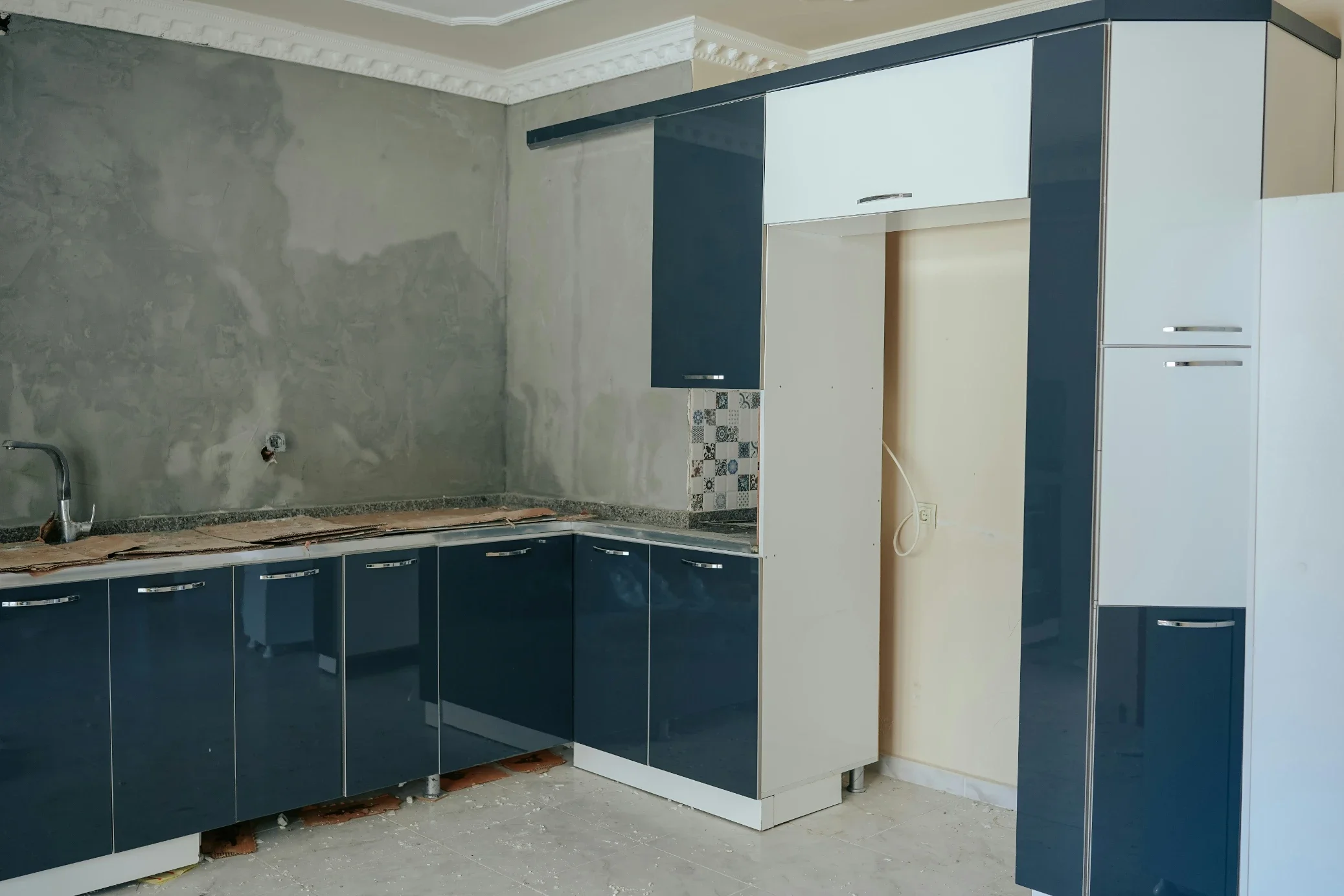
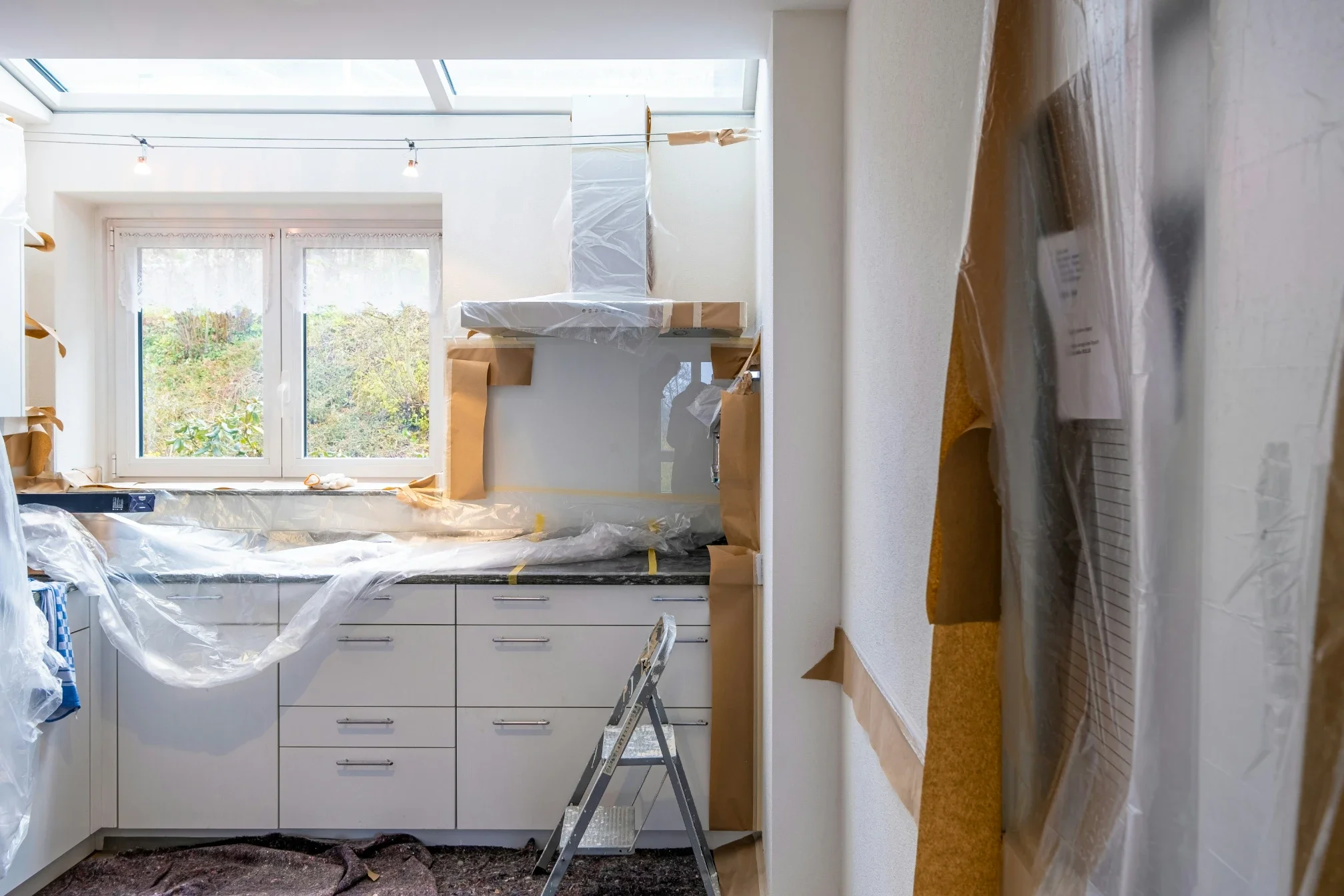
Many homeowners go through home renovations at least once in their lives. Structural issues aside, personal tastes can change, and families can grow. While many prefer to do things their own way, a considerable number still need professional help. Architects are often the go-to, but is hiring them truly necessary or just an added expense?
The answer to that depends on the type of renovation, your budget, building codes, and your long-term goals. When you care more about the design, the architects will help with problems like permits, structural planning, and resale value.
If you're at the point where you're asking, 'Do I need an architect for home renovation?,' this guide is for you. Keep reading to learn if your home remodel project requires a pro's touch and expertise.
Small Changes vs. Major Work
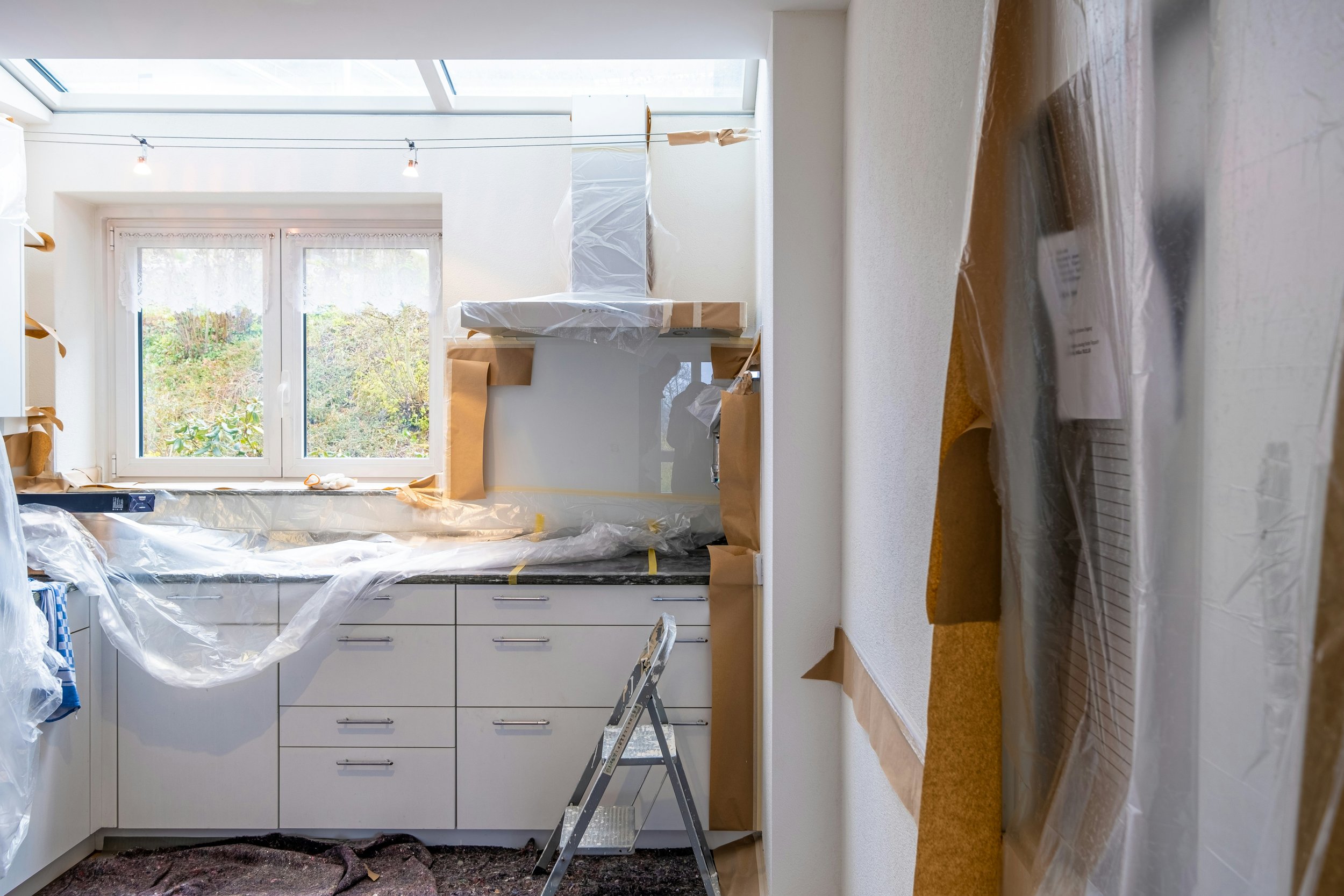
Many commonly done residential renovations typically don't need help from an architect. That's because they're mostly cosmetic changes. These projects include:
Painting
Flooring replacement
Cabinet refacing
Fixture upgrades
Simple landscaping
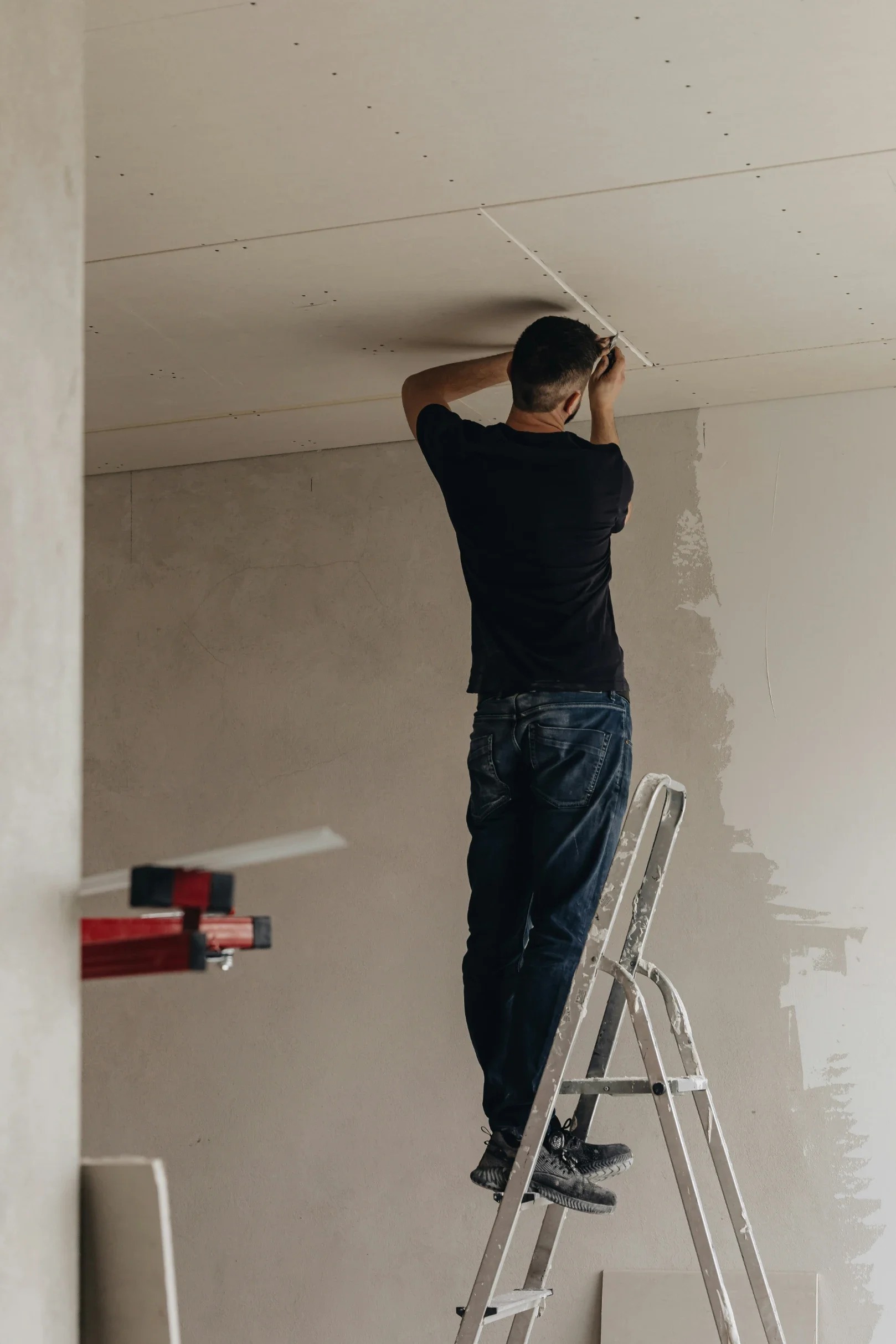
Contractors or interior designers are often enough for these visual upgrades. When homeowners plan a home remodeling project, small upgrades look easier than they are after putting up walls.
If you're unsure whether your project needs professional design input and you keep asking, 'Do I need an architect for a remodel?,' guides could help. Knowing the scope matters, too. Remodeling projects that have complex design features and require extensive construction work would benefit from a professional architect.
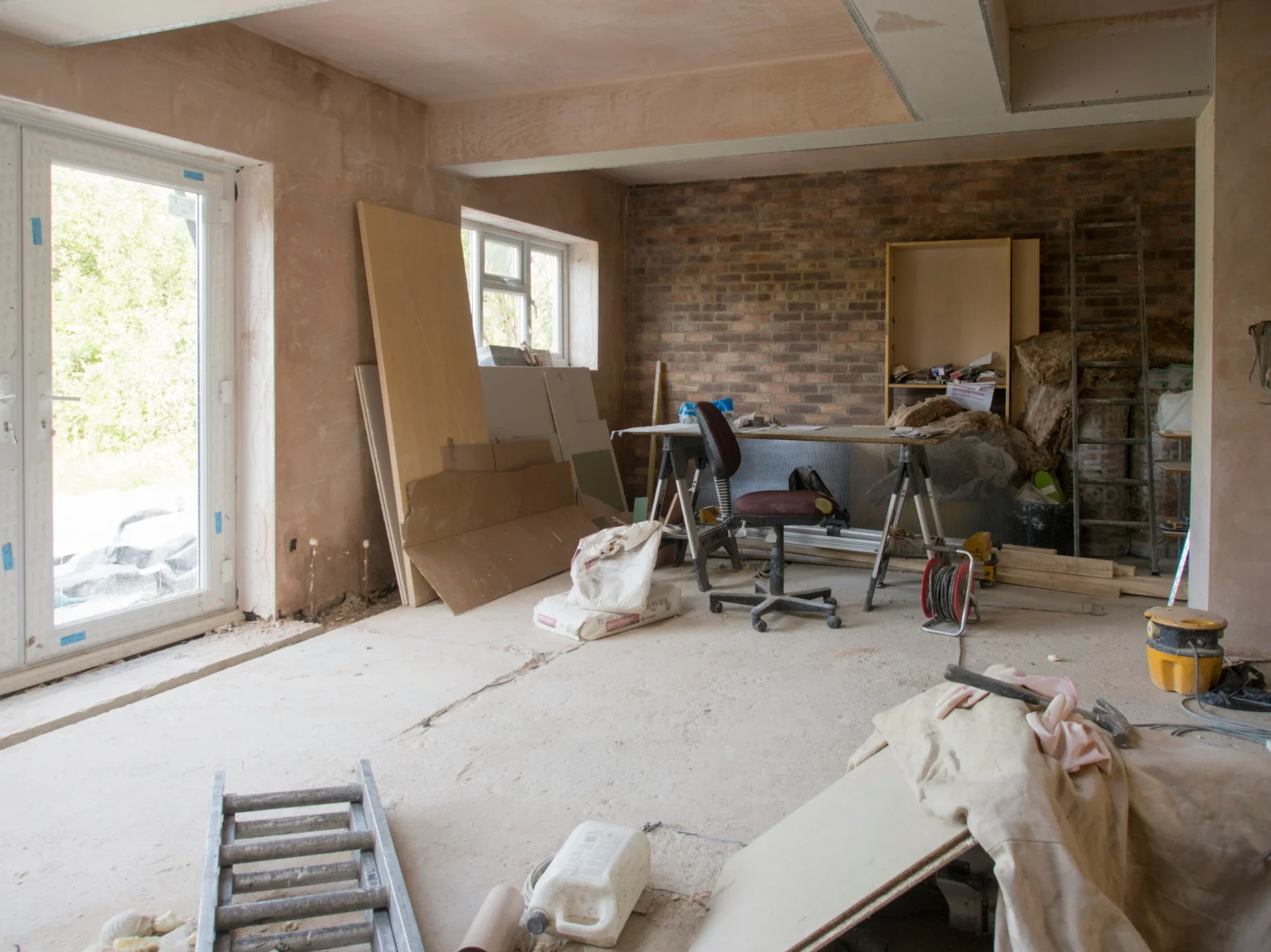
You'll need an architect if you're planning the following projects:
Removing walls
Building extensions
Second-story additions
Garage conversions
Basement finishing
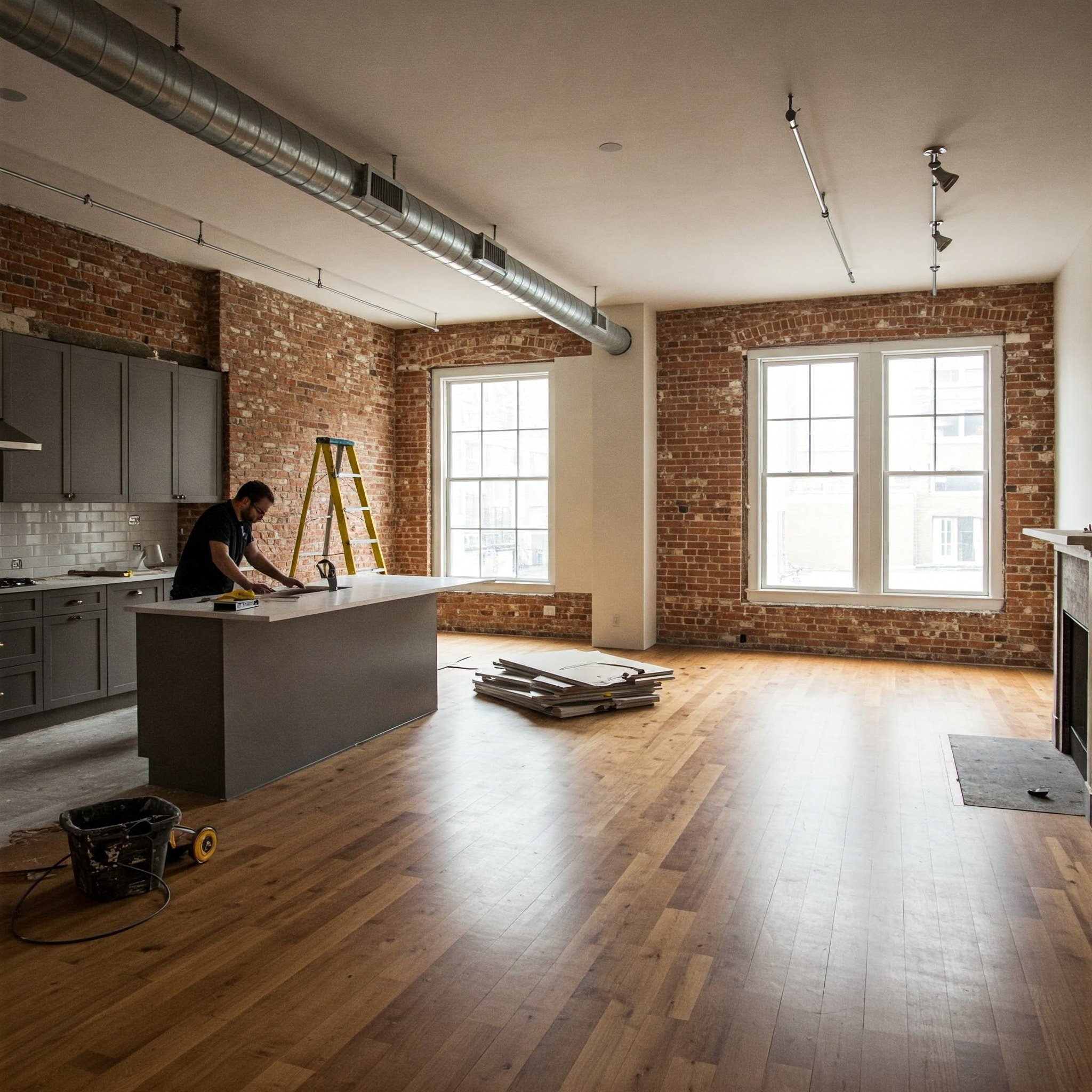
Whole-home remodels
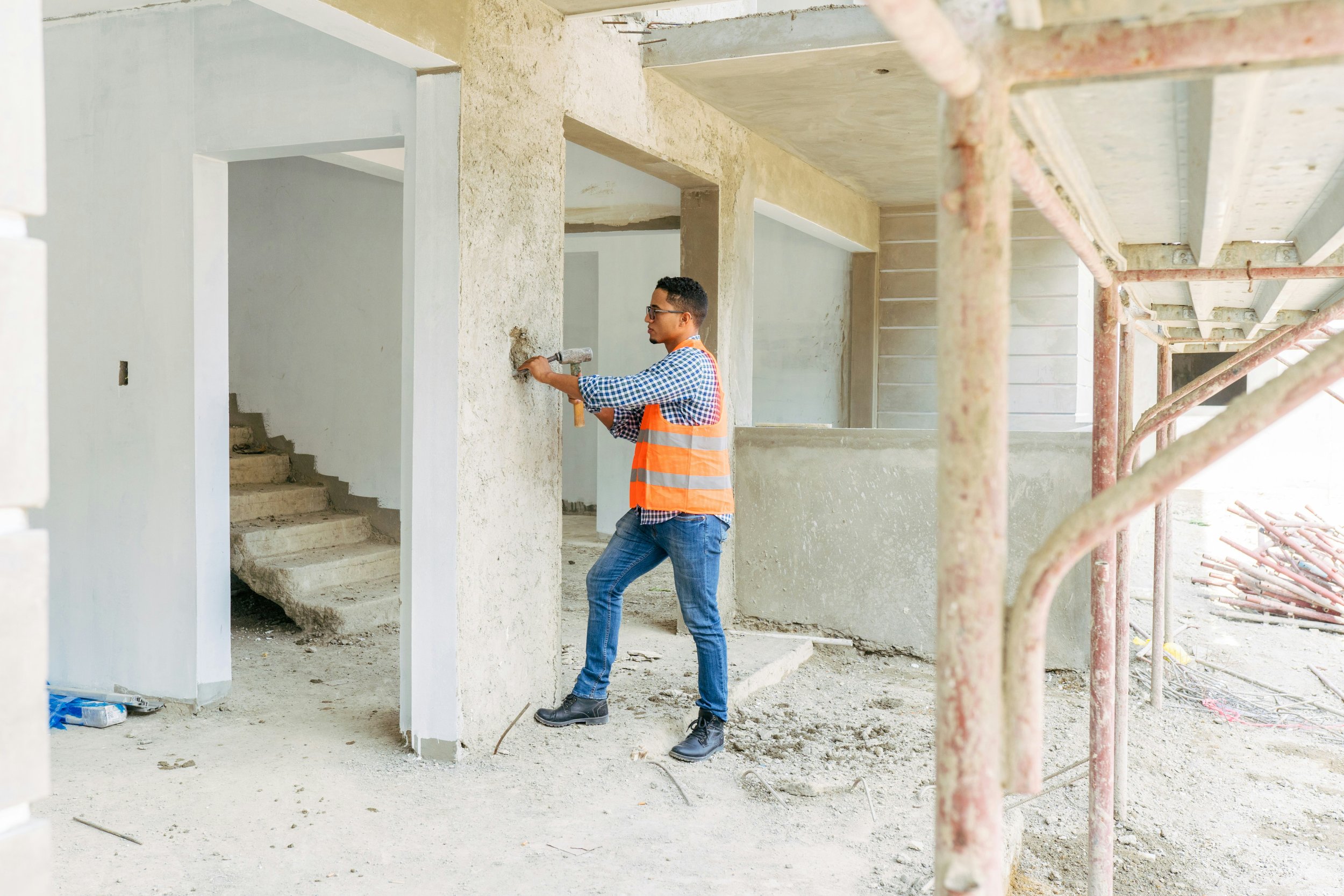
Significant structural changes will almost always require professional help. Major additions and custom builds must follow local regulations, which an architect in your area would know.
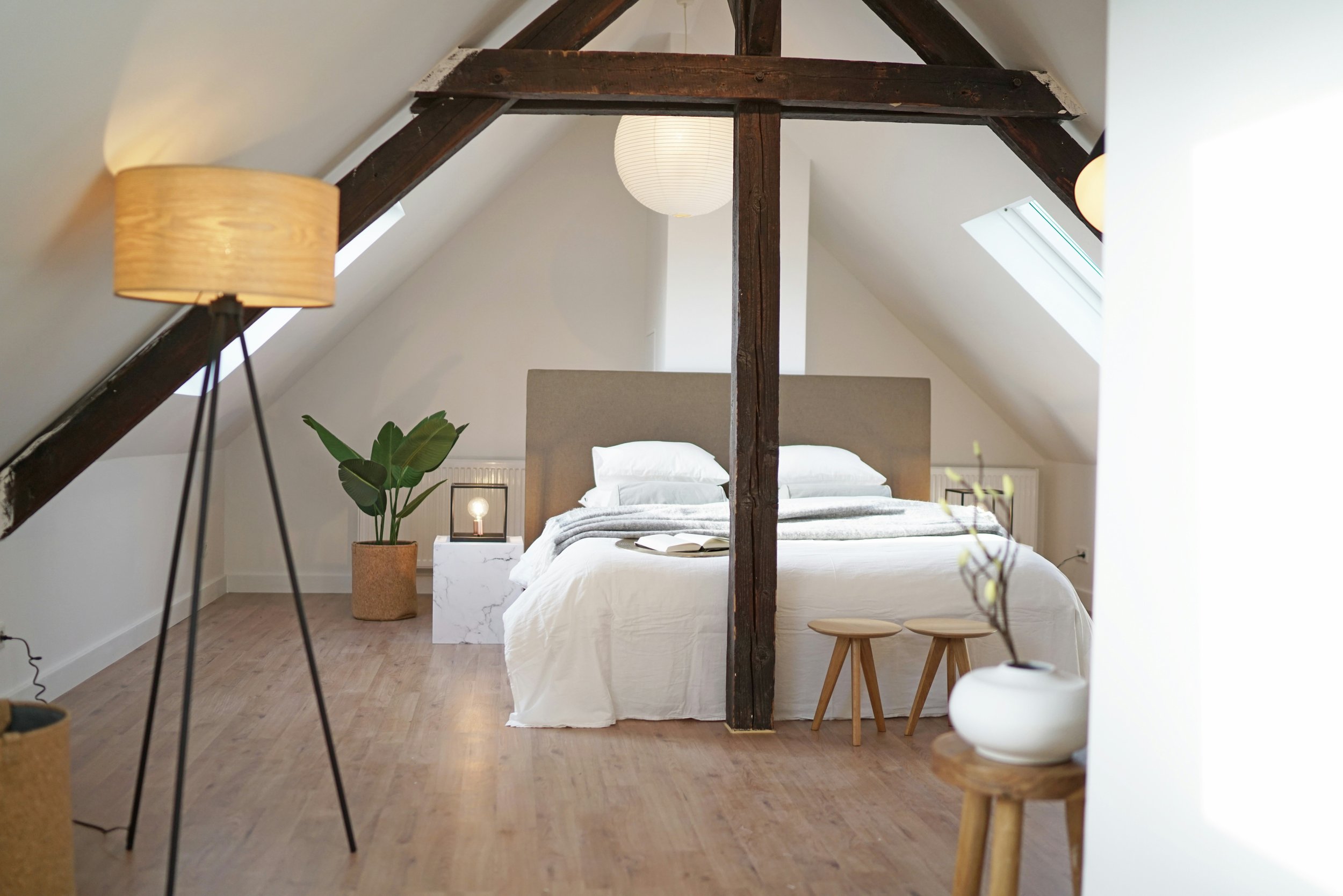
Homeowners remodeling older homes also need assistance from an architect. Some of these structures may be subject to historic home renovations. Architects are careful in noticing issues that contractors and homeowners might miss. They'll help keep properties structurally sound and maintain architectural integrity.
The decision between hiring an architect or just an interior designer often comes down to how much structural work you need.
When Architects Save Money

Home remodels don't always go smoothly. Unexpected occurrences can cost a lot of money, too.
Even when the project's done, you could encounter mistakes that'll have you starting from scratch. Issues like doors hitting cabinets and bad lighting placement will cost thousands to reset and repair.
Architects often think beyond the appearance of the results and focus more on the functionality of a structure. They can help improve smarter space planning and find solutions to overlooked details, such as:
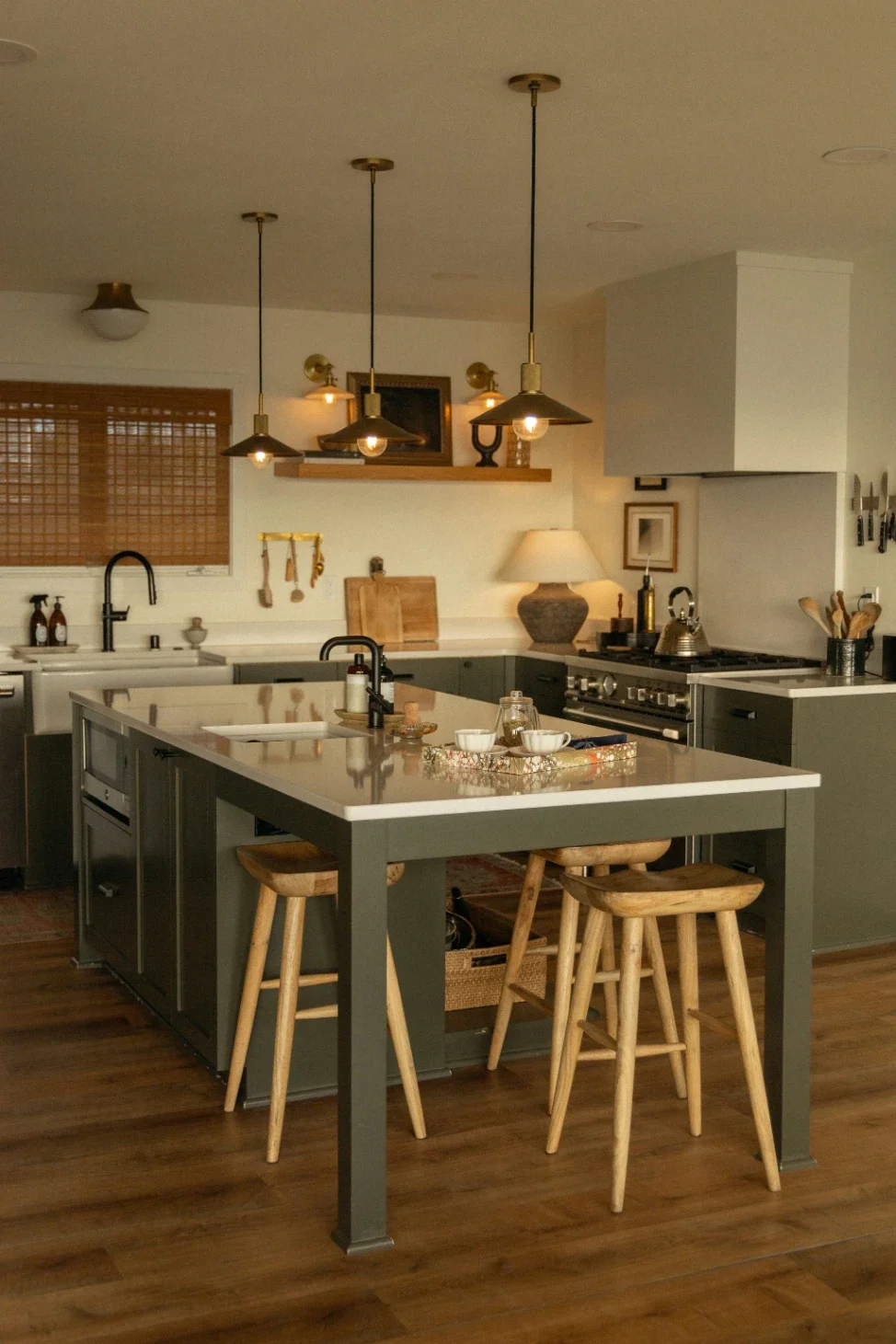
Walking paths through kitchens
Noise transfer between rooms
Morning and evening sunlight
A good architect will help you future-proof your home effectively. Their expertise-guided choices account for life changes like aging parents, growing kids, and remote work needs.
Homeowners may also renovate beyond what their neighborhood can support in resale value. Local architects can balance your investment with the market reality. That way, you can avoid making oversized luxury additions that may reduce buyer appeal due to maintenance needs and energy costs.
When You May Not Need One
When asking yourself, 'Do I need an architect for home renovation?,' check who's already in your team for the project. If you've already hired a design-build firm to help out, you'll have both design and architectural services in one team. In this situation, you may not need an architect.
Design-build firms offer faster communication, simpler budgeting, and ideally, fewer collaboration problems. However, you have less independent oversight for the project, and your design flexibility may be limited. Some firms may even prioritize construction efficiency over creativity.
If you've partnered with a general contractor, you also may not need an architect around. Experienced contractors can handle straightforward remodels without architectural plans.
Homeowners with pre-drawn plans don't always need an architect either. Stock renovation plans are increasingly popular for sunrooms and backyard studios. They help lower costs but still require local adaptation. Local building codes and lot conditions may still create problems for home remodeling projects.
Permits and Regulations
Many homeowners ask, 'Do I need an architect for home renovation?' once permits enter the conversation. Cosmetic upgrades rarely need formal plans, but structural changes often do. Removing walls or rerouting plumbing usually requires approved drawings and proper building permits.
Historic districts and HOA communities often enforce strict renovation rules. Exterior changes may require approval before construction even starts. Architects help prepare compliant plans that avoid rejected applications and costly revisions caused by local zoning laws.
Modern renovation codes now focus heavily on efficiency and safety standards. Even smaller remodels can trigger upgrades involving insulation, ventilation, or electrical systems. Older homes struggle with those requirements more than newer properties. Architects often spot energy issues early and suggest changes that reduce utility costs.
Working With General Contractors
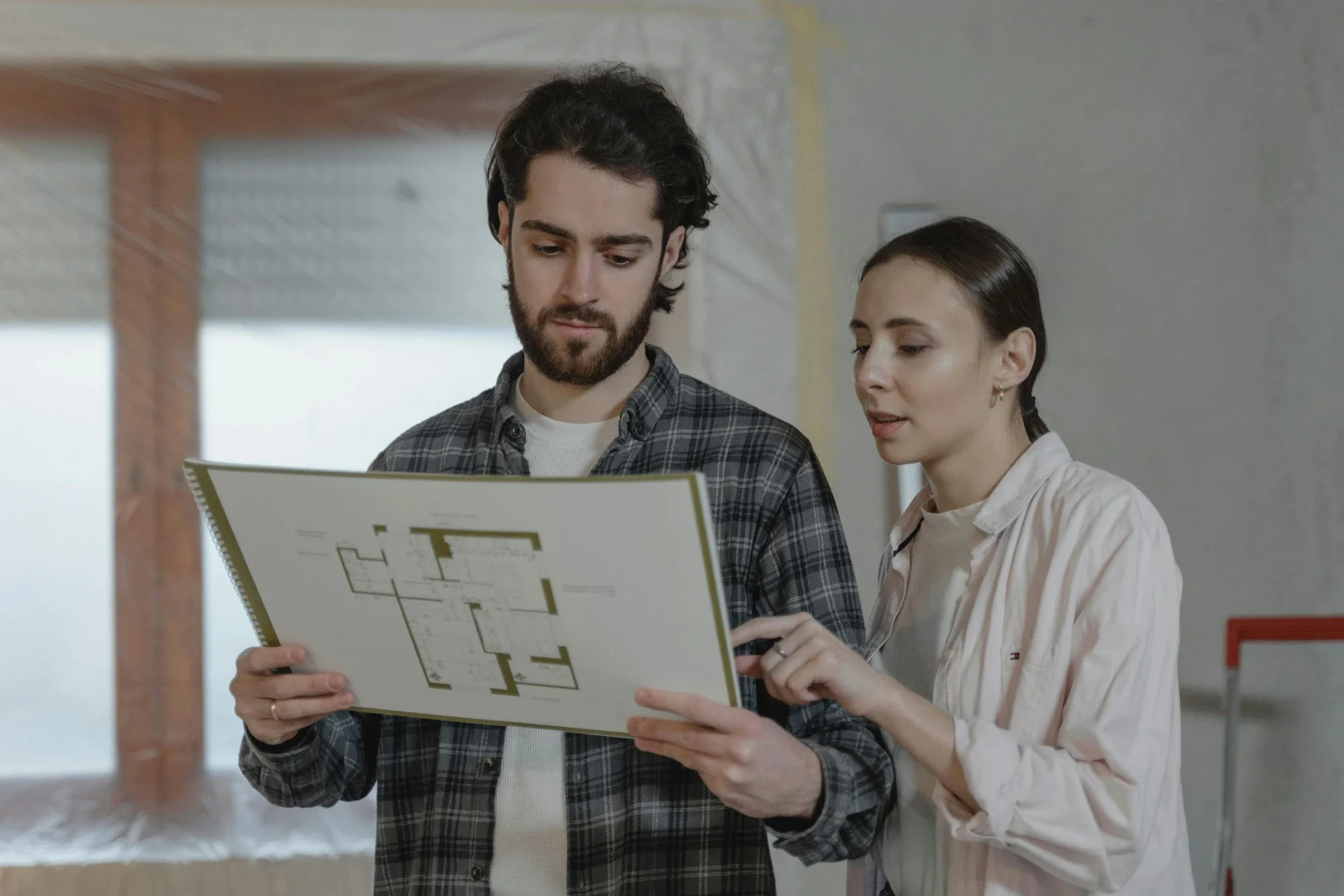
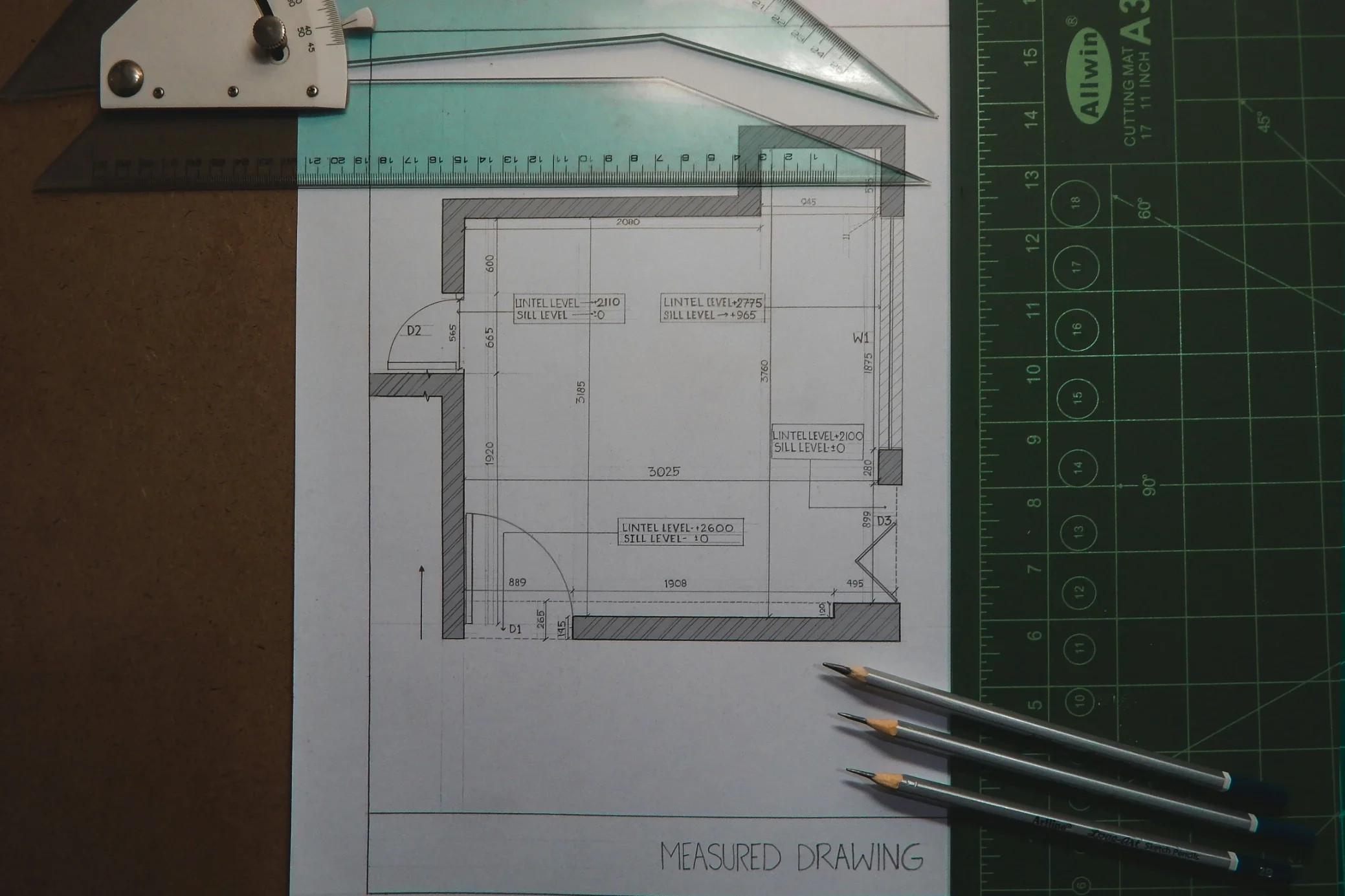
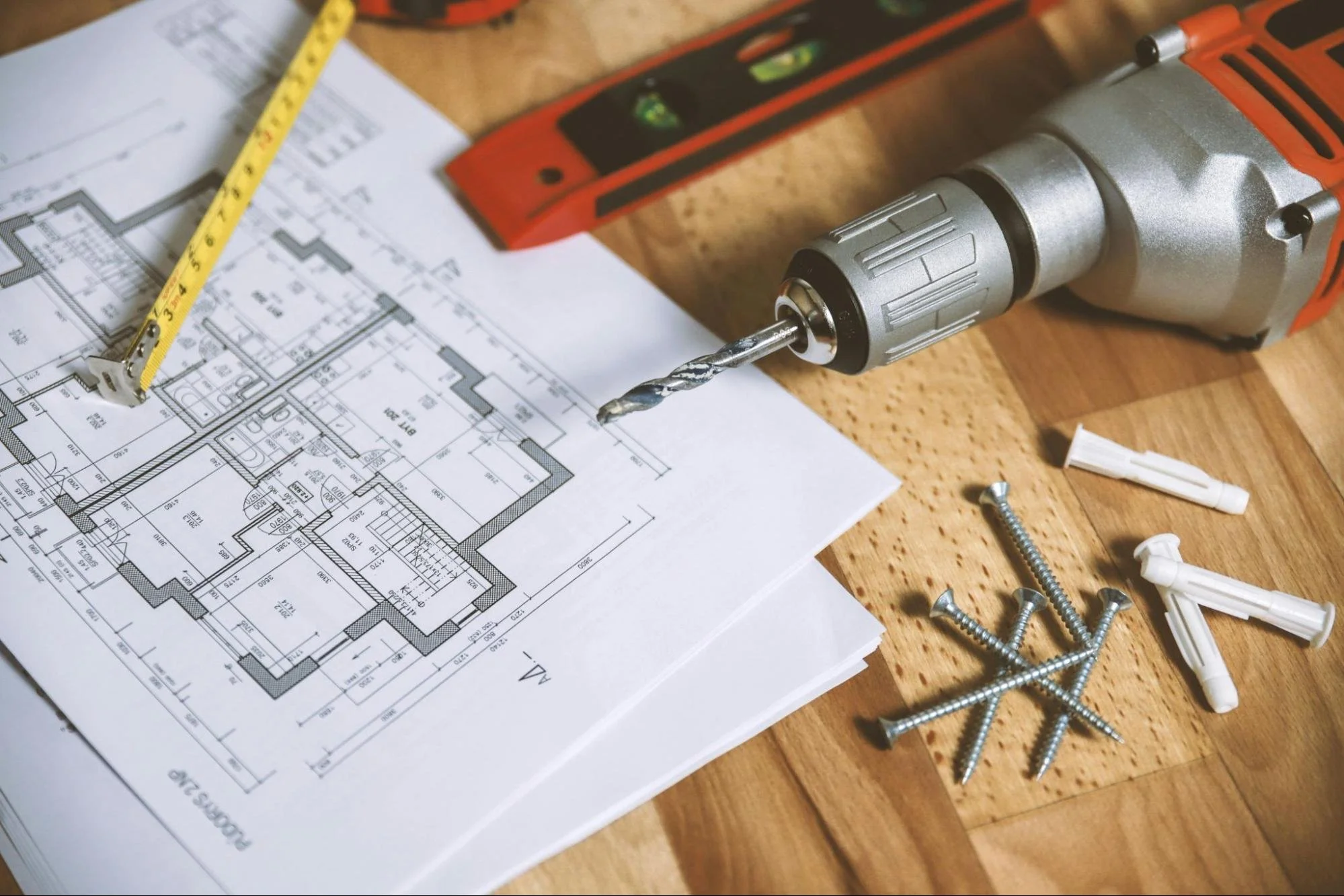
Contractors work more efficiently when plans outline the renovation. Accurate drawings reduce confusion around measurements, layouts, and materials before demolition starts. Many homeowners underestimate how fast miscommunication spreads during construction once trades work simultaneously.
Detailed plans make contractor estimates easier to compare fairly. Without them, contractors may calculate completely different scopes, materials, or construction costs. Cheap bids sometimes leave out demolition, permit fees, or cleanup expenses that appear later.
Some architects stay involved after construction begins and review progress periodically. They help catch framing mistakes, layout issues, or installation problems before crews finish the work. Busy homeowners often appreciate having another professional monitor important stages during renovation.
Wrapping Up
The answer to 'Do I need an architect for home renovation?' depends on the renovation itself. Cosmetic updates rarely need architectural involvement. Structural work, complicated layouts, and strict permit requirements usually benefit from professional planning.
Architectural services won't suit every home remodel project. Still, the right renovation support can prevent months of frustration and expensive mistakes.
Stay up to date with our latest ideas!