Grey Is Out: Britain Is Falling Back in Love with the Classic Kitchen
Explore why classic kitchens are making a comeback in Britain, with timeless colors, traditional details, warm materials, and practical modern touches.

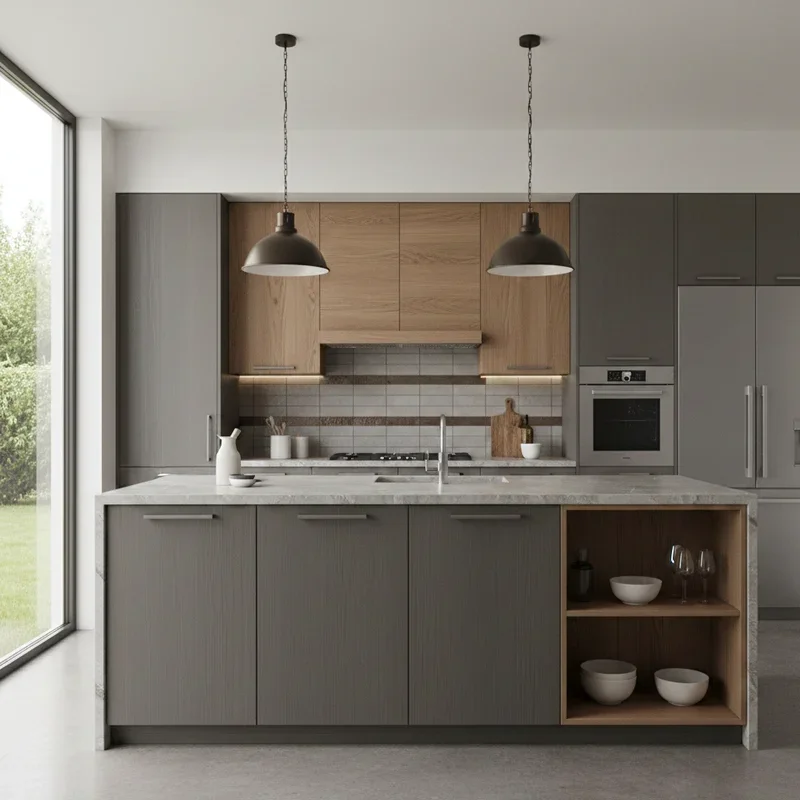
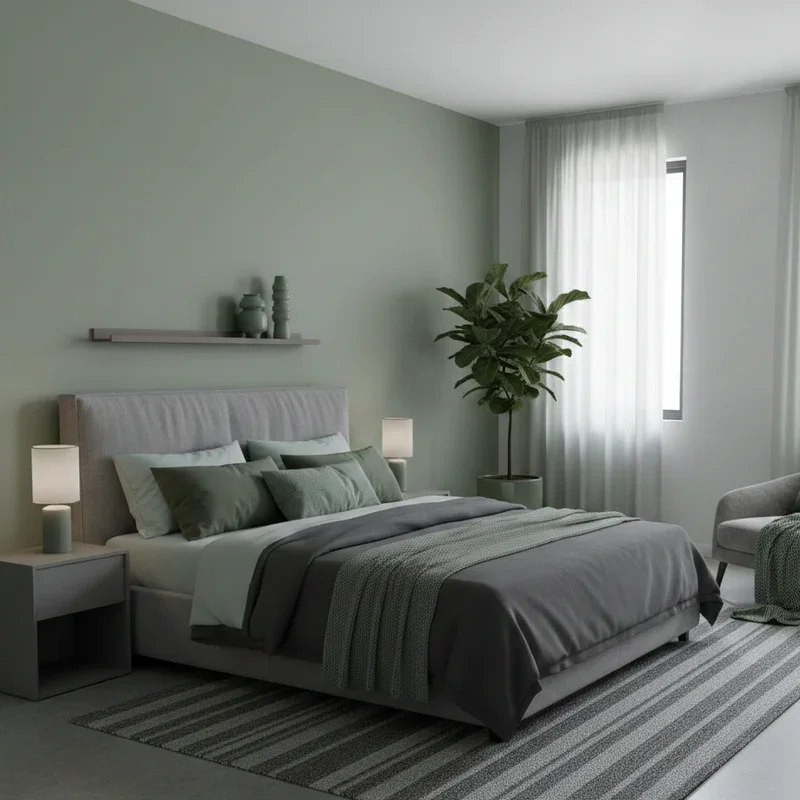
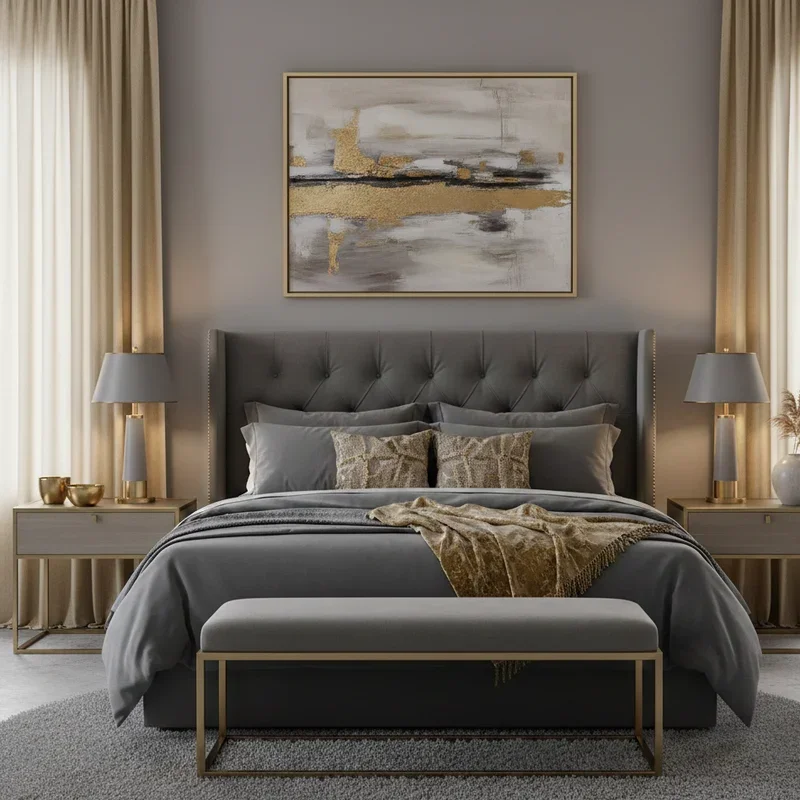
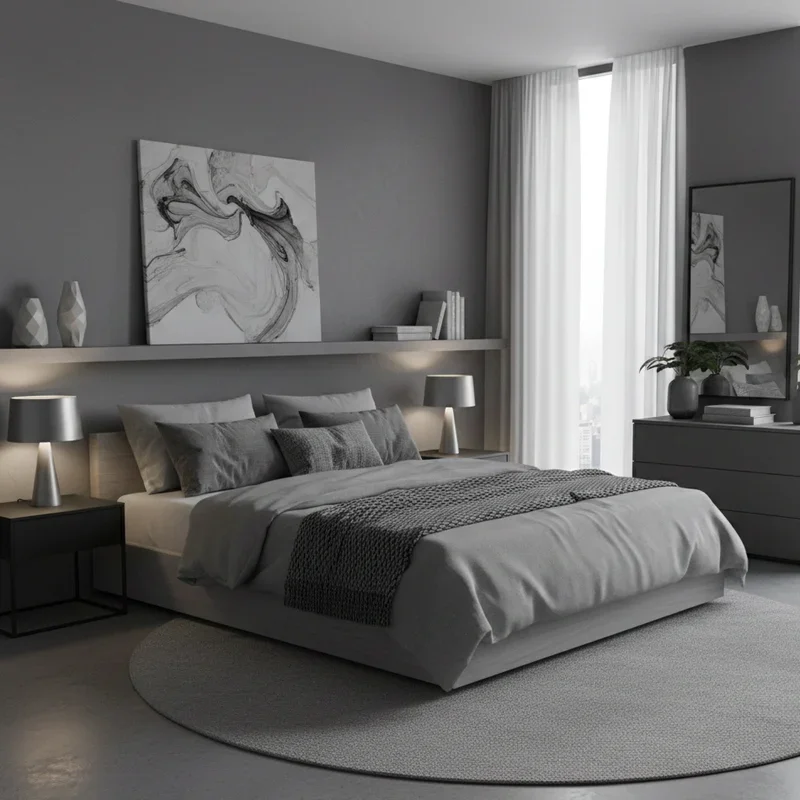
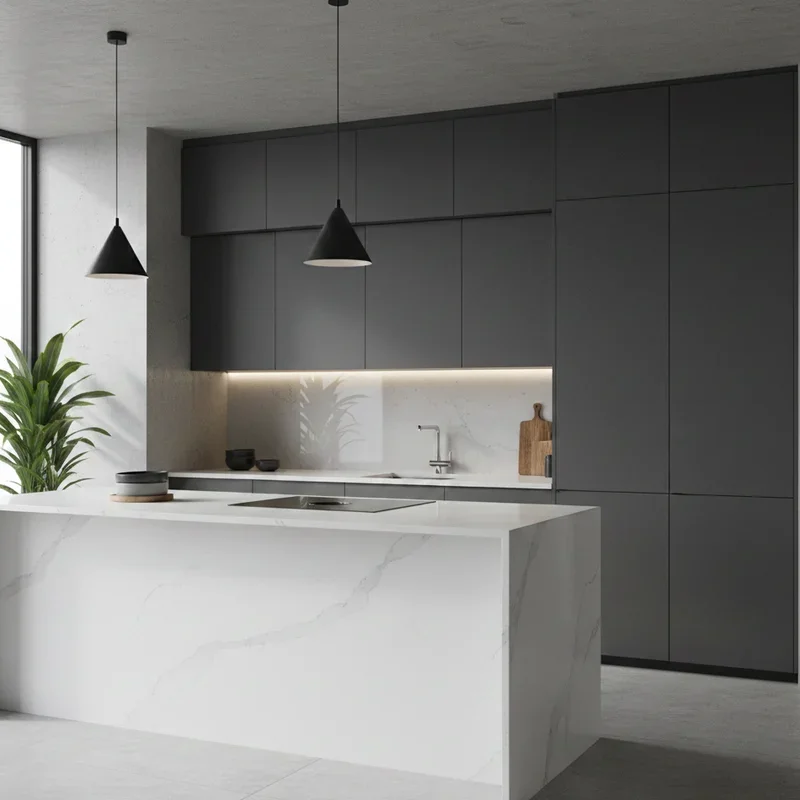
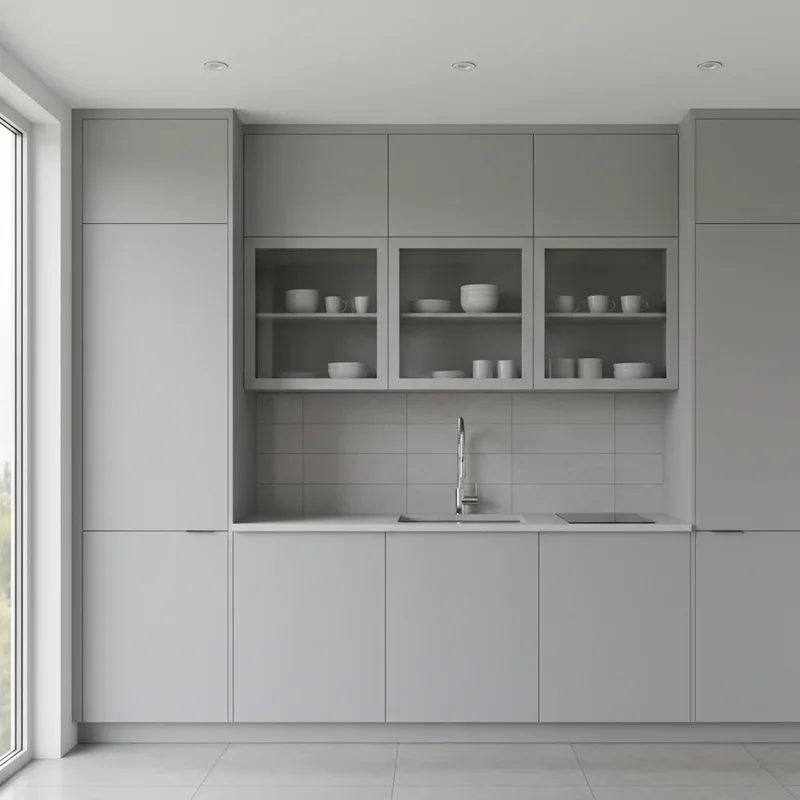
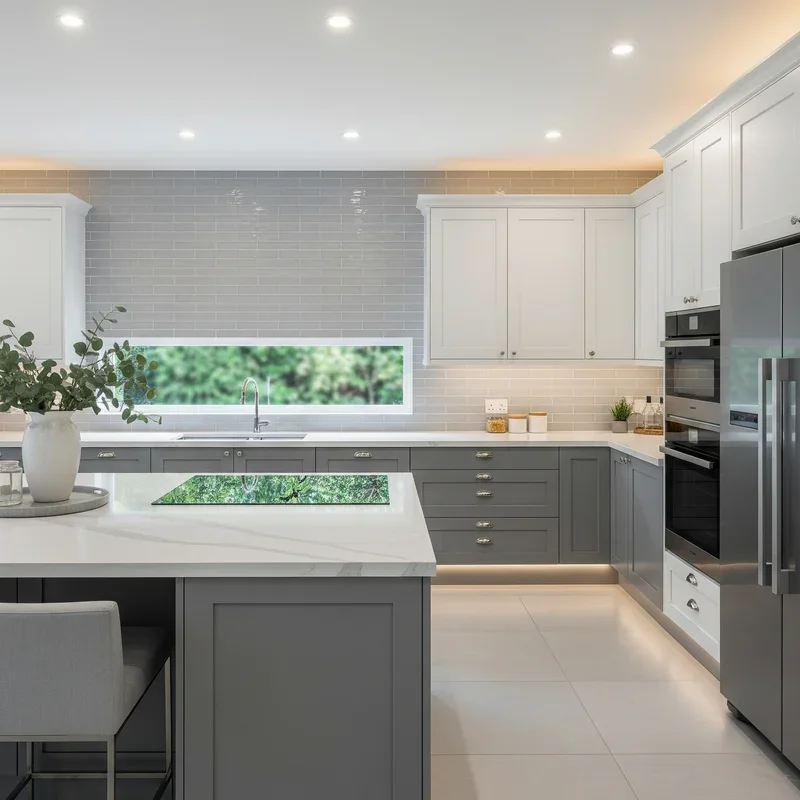
For more than a decade, the British kitchen went grey. Cool greys, flat doors, handleless fronts and a palette that made every kitchen in every new-build look broadly like every other one.
While grey is still popular, this approach to kitchen design is losing favour with the public, and the numbers behind it are more interesting than the usual trend-report guesswork.
Kitchen retailers across the UK are reporting a marked rise in customers asking for oak doors in natural and stained finishes, a request that barely registered five years ago. The shift has been significant enough that manufacturers are changing what they make.
Masterclass Kitchens, the British manufacturer that has been making kitchens in South Wales since 1975, launched six new ranges this summer directly in response to showroom feedback, including Blonde Oak finishes across two of its existing collections.
"The demand came from the showroom floor rather than from a trend forecast," said Cassie Jones, Brand Manager at Masterclass Kitchens. "Retailers were telling us the same thing independently of each other, which is usually the clearest signal you get. People want warmth and grain back in the room. They want a kitchen that looks like it was made from something."
The colour data tells the same story
The retreat from cool tones shows up in search behaviour as well as sales.
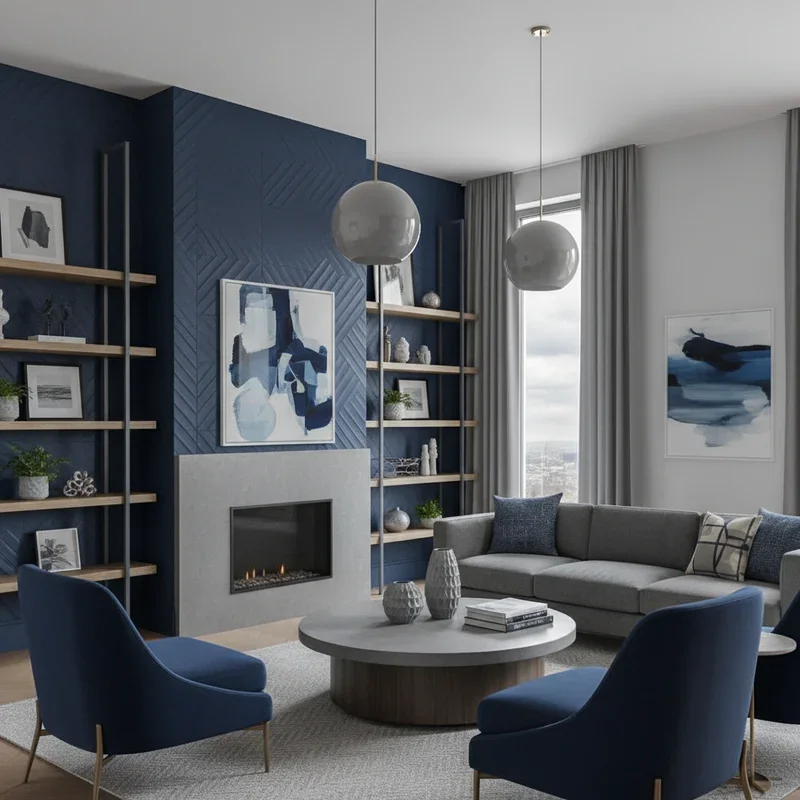
Searches for blue kitchens, the statement choice that dominated the late 2010s and early 2020s, are down around 19% year on year. Deep navy in particular has fallen away.
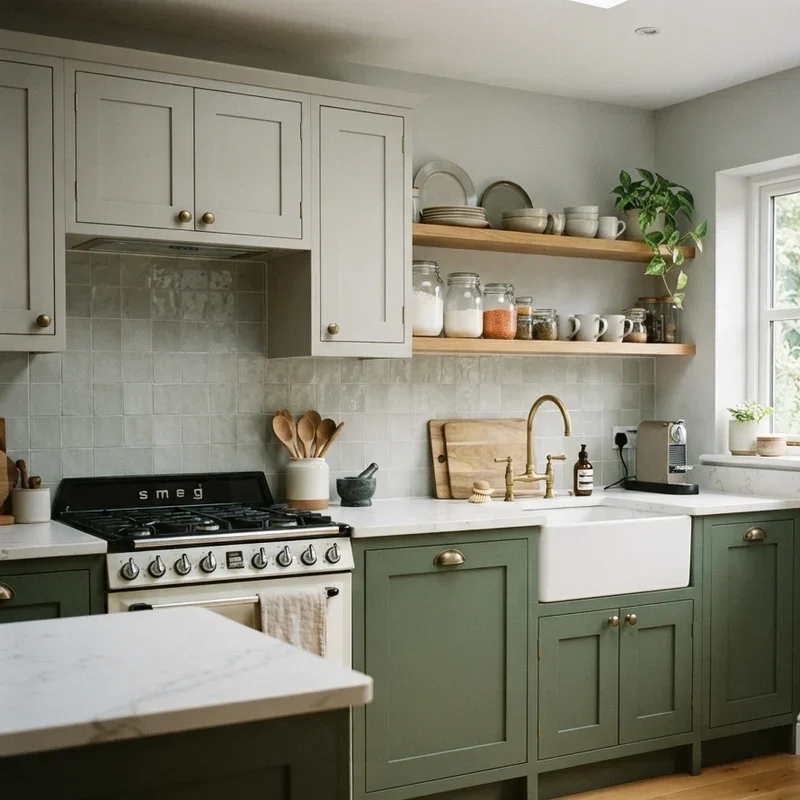
What has replaced it is warmer and quieter. Greige finishes, the soft grey-beige tones that sit between the two, are now the strongest sellers, chosen for longevity rather than impact.
"The best-selling colours now are warmer and more neutral when compared to previous ones. Homeowners are indicating a return to organic-looking craftsmanship," said Jones.
Why classic is winning
The return to classic kitchens is not simple nostalgia. Four things are driving it.
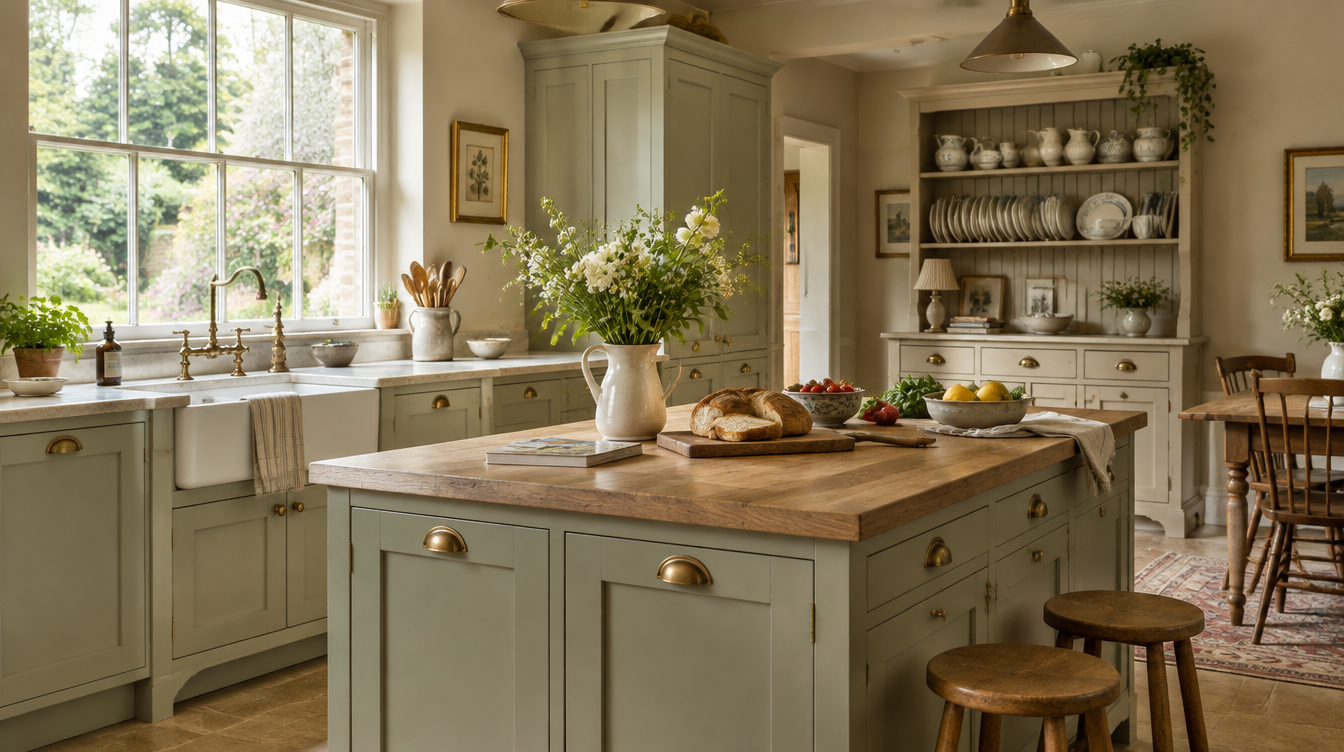
Britain’s housing stock. The UK has one of the oldest housing stocks in Europe, and a large share of kitchen renovations happen in Victorian, Edwardian and interwar homes. Classic cabinetry sits comfortably against period detail in a way a flat grey slab never quite managed.
Longevity over fashion. Kitchens are bought roughly once a decade. Homeowners who watched the all-grey scheme date within ten years are choosing designs less likely to repeat the experience.
Texture is back. After years of flat, uniform surfaces, wood grain, painted finishes, reeded glass and stone have returned. Classic cabinetry carries texture naturally.
Resale. A classic kitchen appeals to a broader pool of buyers than a strongly trend-led one. Estate agents consistently rank kitchen quality among the biggest factors in saleability.
What people are actually choosing
The classic kitchen of 2026 is not the cream and oak country kitchen of twenty years ago.
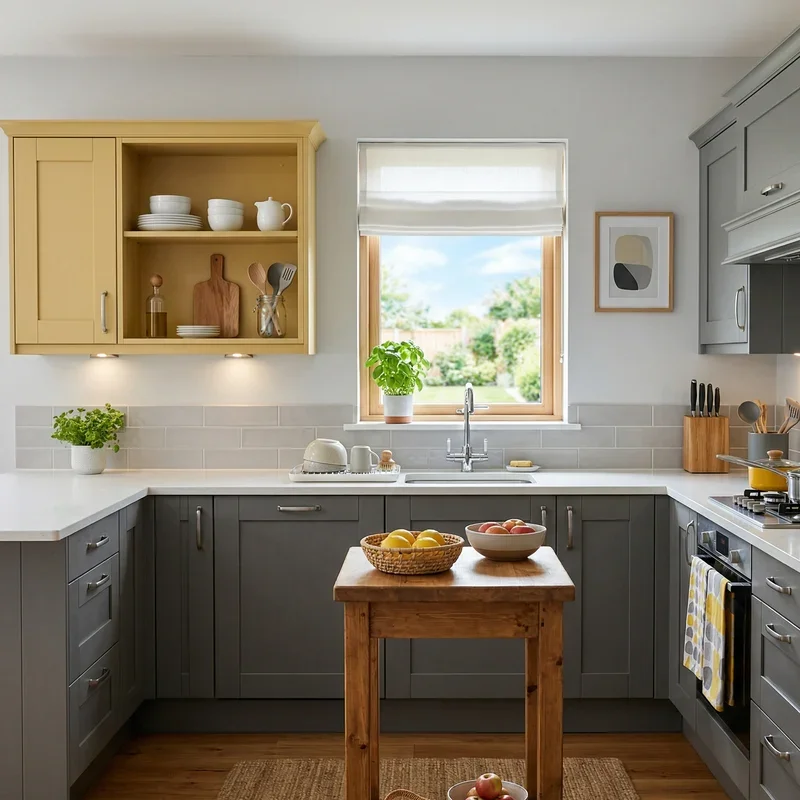
Current schemes tend to combine painted classic cabinetry with an oak element, usually on an island, a dresser or a run of tall units. Handles have moved towards aged brass and bronze rather than chrome. Worktops are lighter, offsetting the depth of the cabinetry colour.
The other change is inside the cupboards. Walk-in and corner pantries, once assumed lost to modern design, are among the most requested features in classic schemes, along with wine storage, dressers and integrated lighting behind cabinet doors.
"A classic kitchen now has to work like a modern one," said Jones. "People want the character on the outside and the storage engineering on the inside. Those two things used to be treated as opposites."
The manufacturing behind it
The move towards warmer, more textured finishes has implications for how kitchens are made, and where.
Masterclass manufactures at two sites in South Wales totalling 210,000 square feet, following a £20 million investment in a second facility at Bridgend. The business employs over 250 people and supplies more than 140 independent kitchen retailers across the UK, alongside its own Sigma 3 Kitchens showrooms, producing over a thousand kitchens a year.
Cabinets are built from FSC-certified board, fitted with Blum hardware carrying a lifetime guarantee on moving parts, and backed by a ten-year warranty. The Llantrisant factory operates a zero-to-landfill policy.
"Fifty years ago this business started in a barn in Barry with second-hand machinery," said Jones. "The philosophy hasn’t changed. Good materials, honest craft, and a kitchen built to last twenty years rather than five."
What to do if you are planning one
Three things worth knowing before you start.
Decide the layout before the finish. The positions of the sink, hob and fridge are costly to move and are what makes a kitchen feel right or wrong. Colour and hardware are far easier decisions to revisit.
Buy the best quality you can and plan it with someone who knows what they are doing. A kitchen bought once and kept for fifteen years costs less across its life than one replaced twice. Working through the plan with a kitchen design expert, and choosing for longevity rather than for whatever is current, is what produces a kitchen that lasts a generation.
Plan the lighting with the cabinetry, not after it. Layered lighting is consistently the most under-invested part of a kitchen and the one that changes daily use most.
The grey kitchen had a long run, and it is not finished yet. But what is gaining on it looks a great deal more like what British homes had before it, and is rather more likely to still look right in 2036.
Stay up to date with our latest ideas!