The Cost Planning Mistakes Homeowners Make Before Renovation
Avoid common cost planning mistakes homeowners make before renovation, from underestimating expenses to overlooking permits and contingency budgets.

Renovating a home is often an exciting venture, offering homeowners the opportunity to transform their space into a dream haven. However, this excitement can quickly turn into stress and financial strain if cost planning is overlooked or done poorly. Many homeowners approach renovations with enthusiasm but without realistic budgeting or professional guidance, which often leads to overspending, delays, or compromised results.
In this article, we explore the most common cost planning mistakes homeowners make before renovation and provide guidance on how to avoid them. Understanding these pitfalls can save time, money, and frustration, while ensuring your renovation project achieves its intended outcome.
1. Underestimating the Full Cost of Renovation
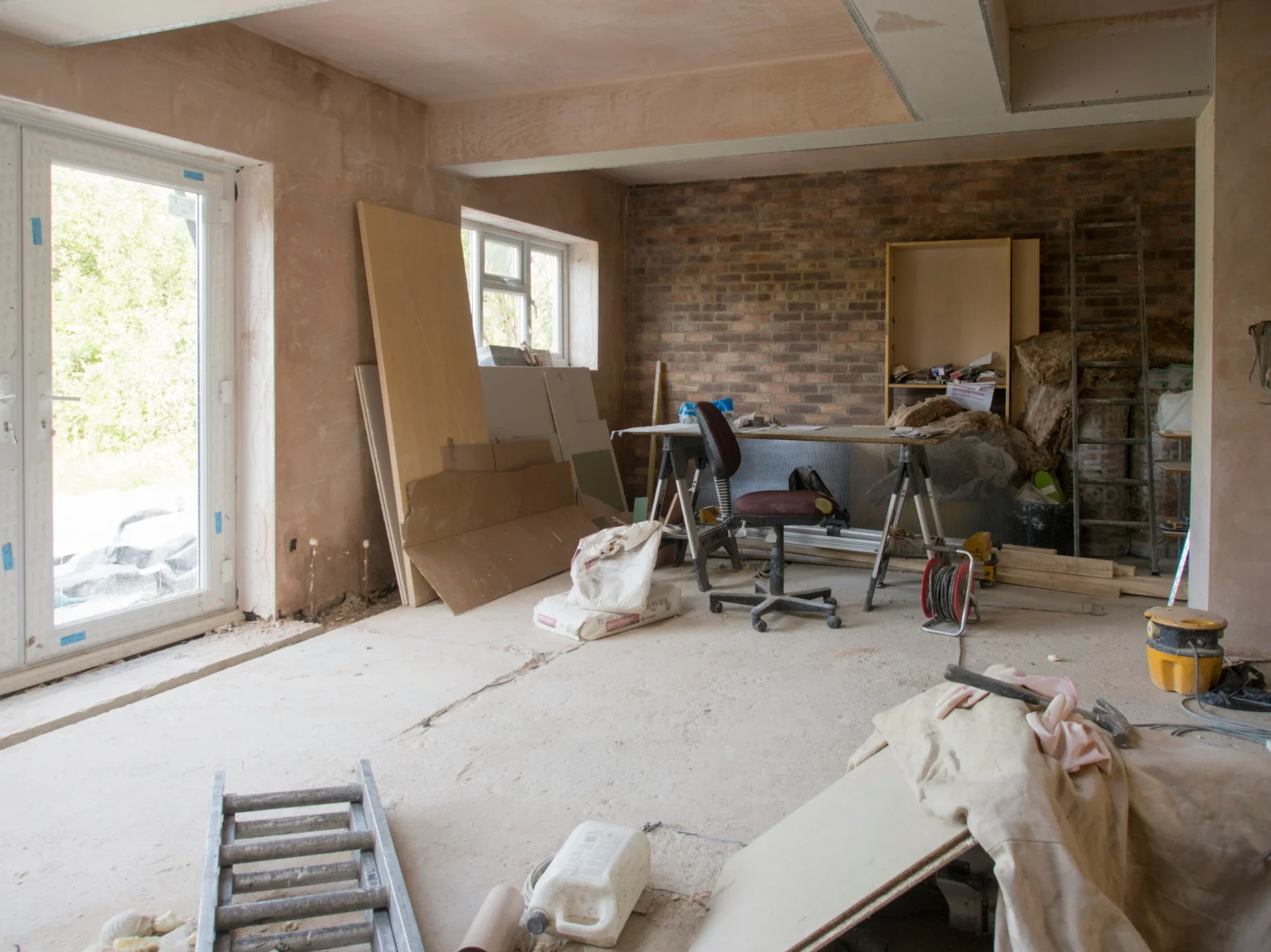
One of the most frequent mistakes homeowners make is underestimating the total cost of a renovation project. Many focus only on visible elements like paint, flooring, or cabinetry, while ignoring hidden or indirect costs such as structural repairs, plumbing or electrical updates, permit fees, and waste disposal.
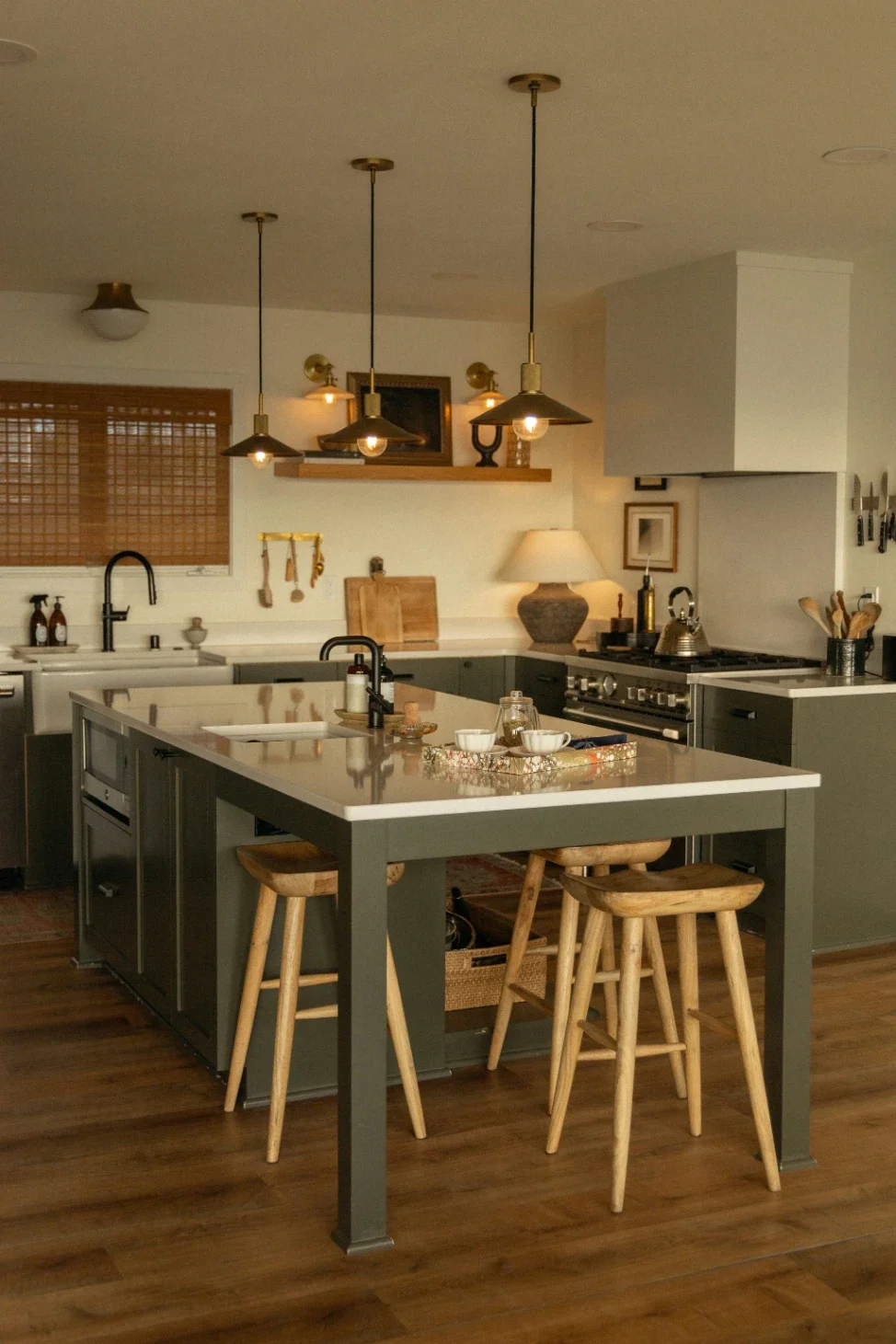
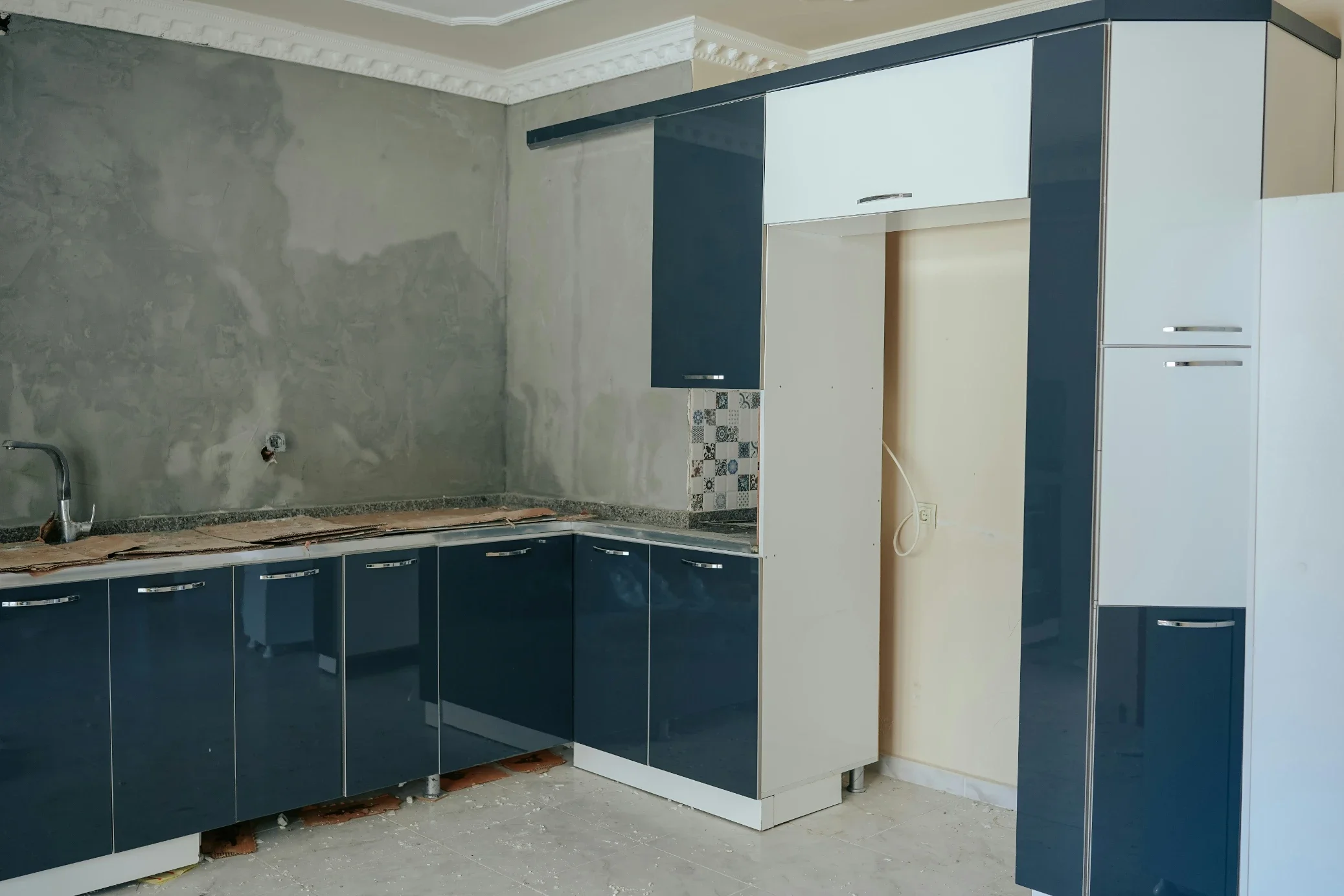
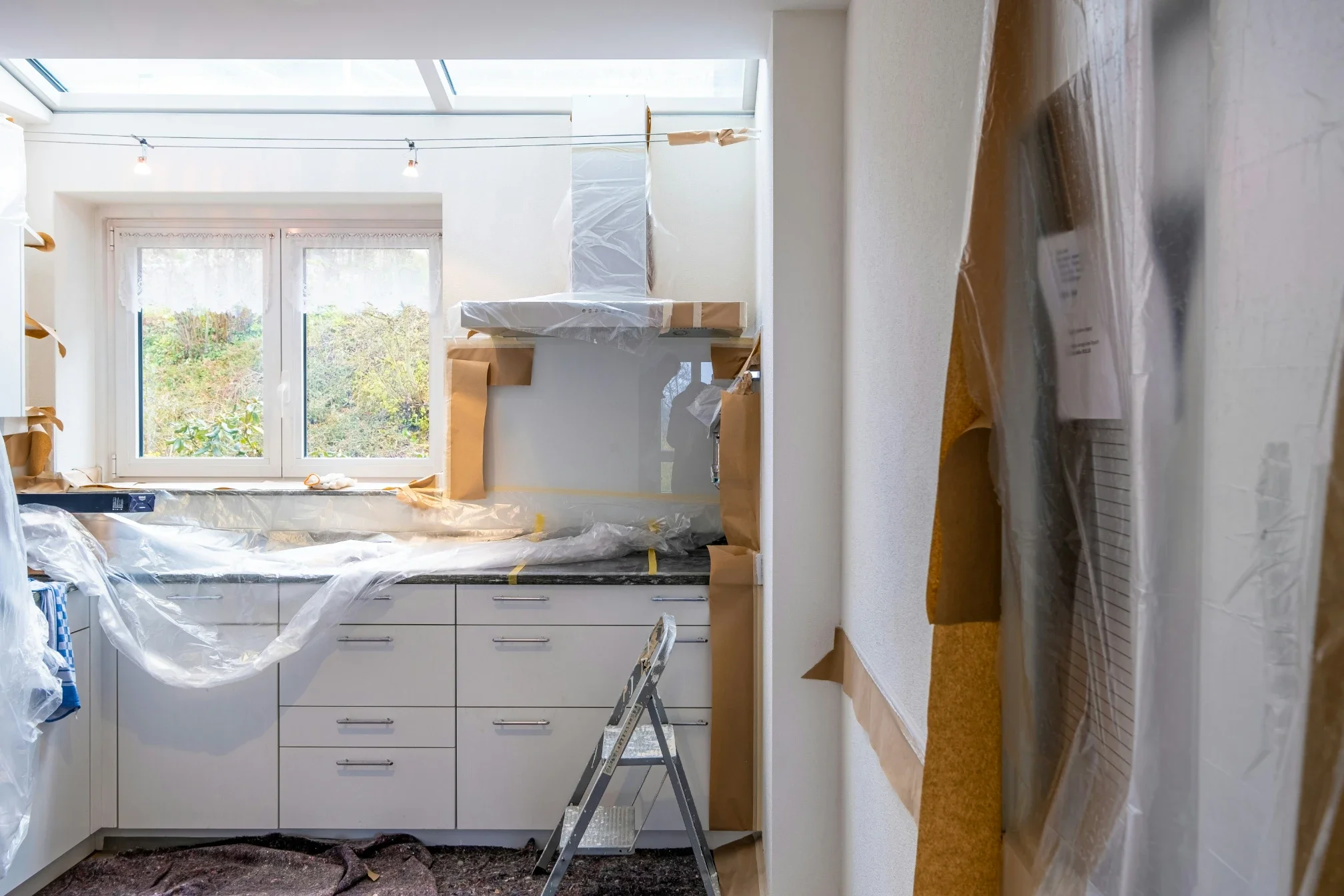
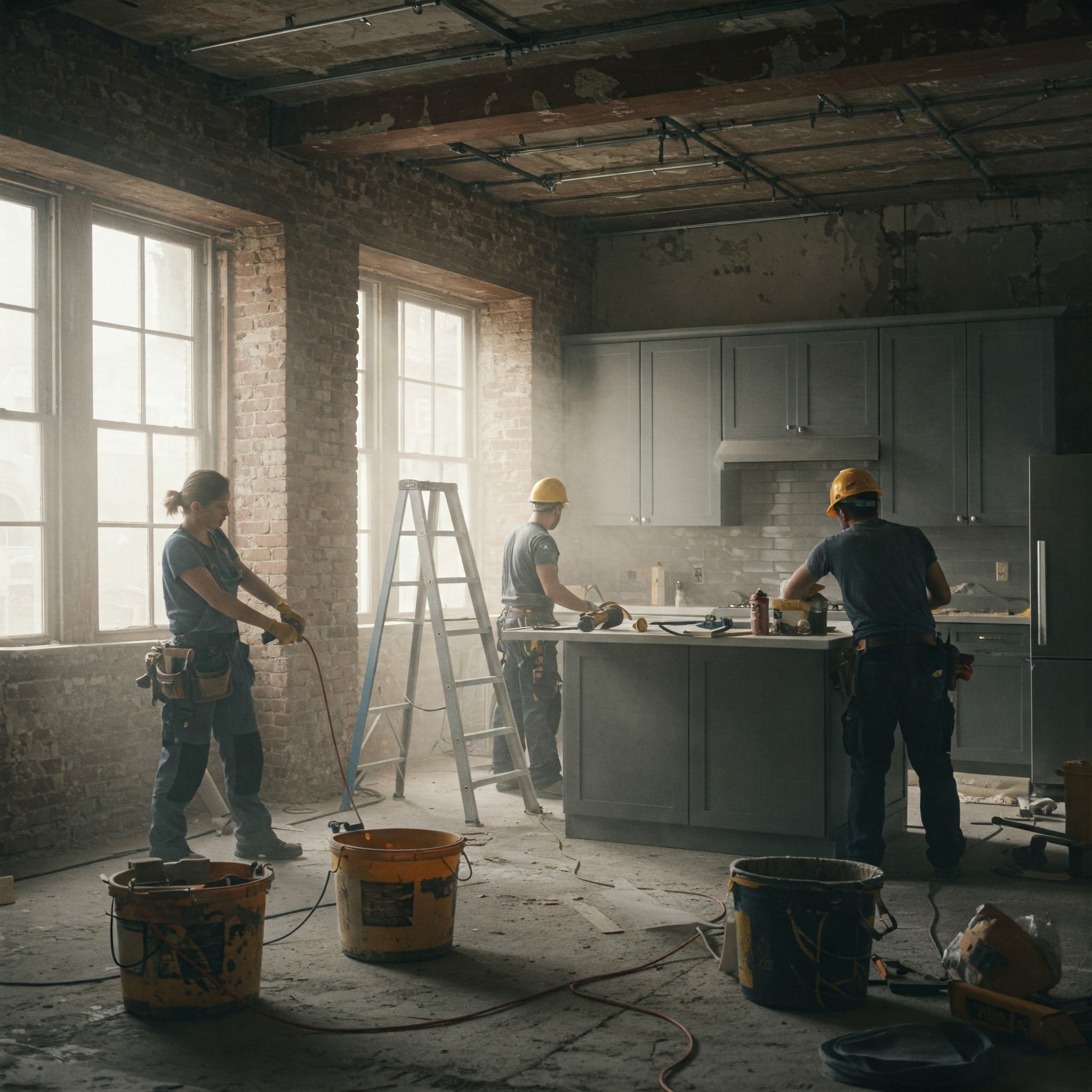
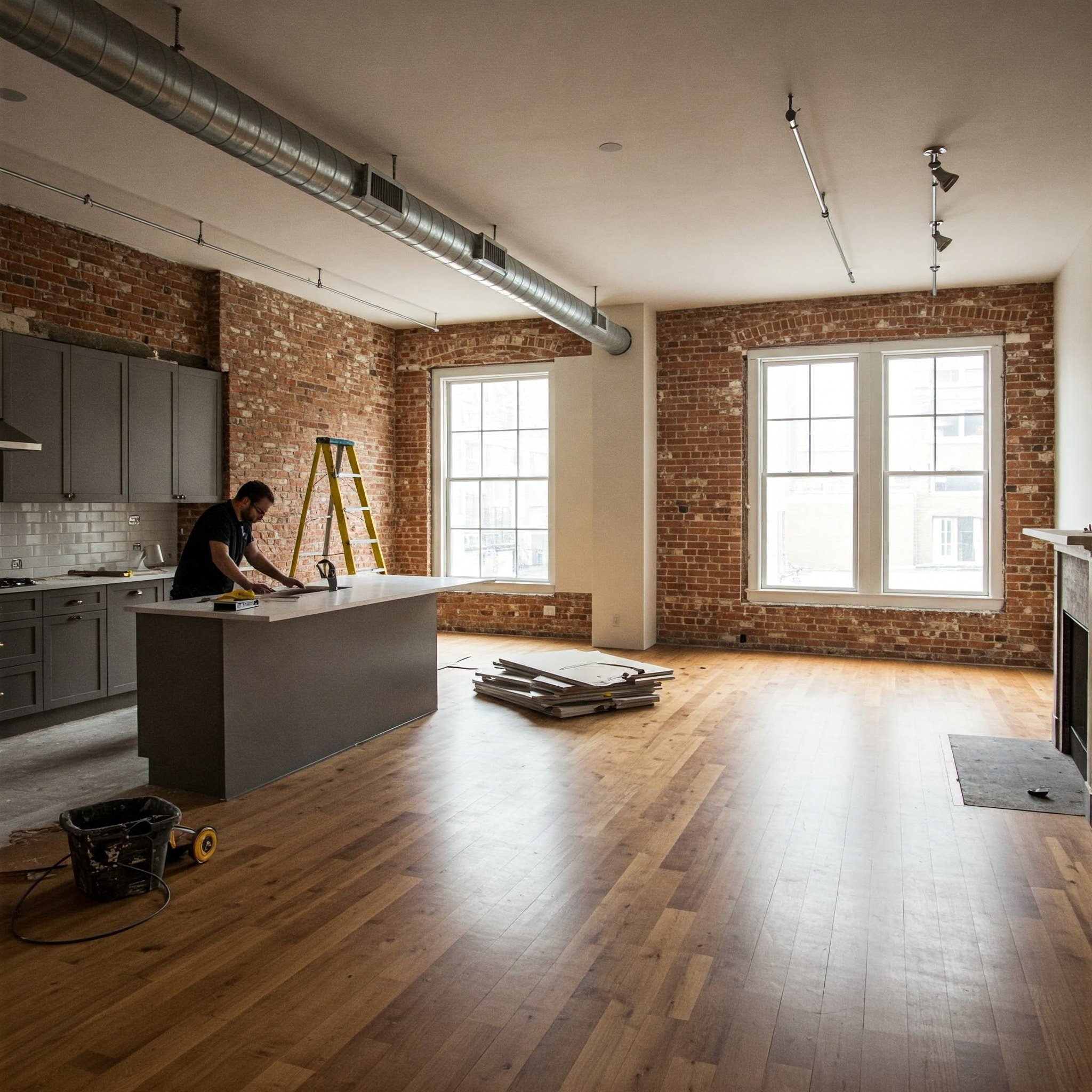
A typical scenario is a homeowner planning a kitchen remodel. They budget for new cabinets, countertops, and appliances, yet fail to consider costs for rewiring outdated electrical systems, replacing old plumbing, or fixing water damage discovered once walls are opened. These overlooked expenses can quickly escalate the budget beyond expectations.
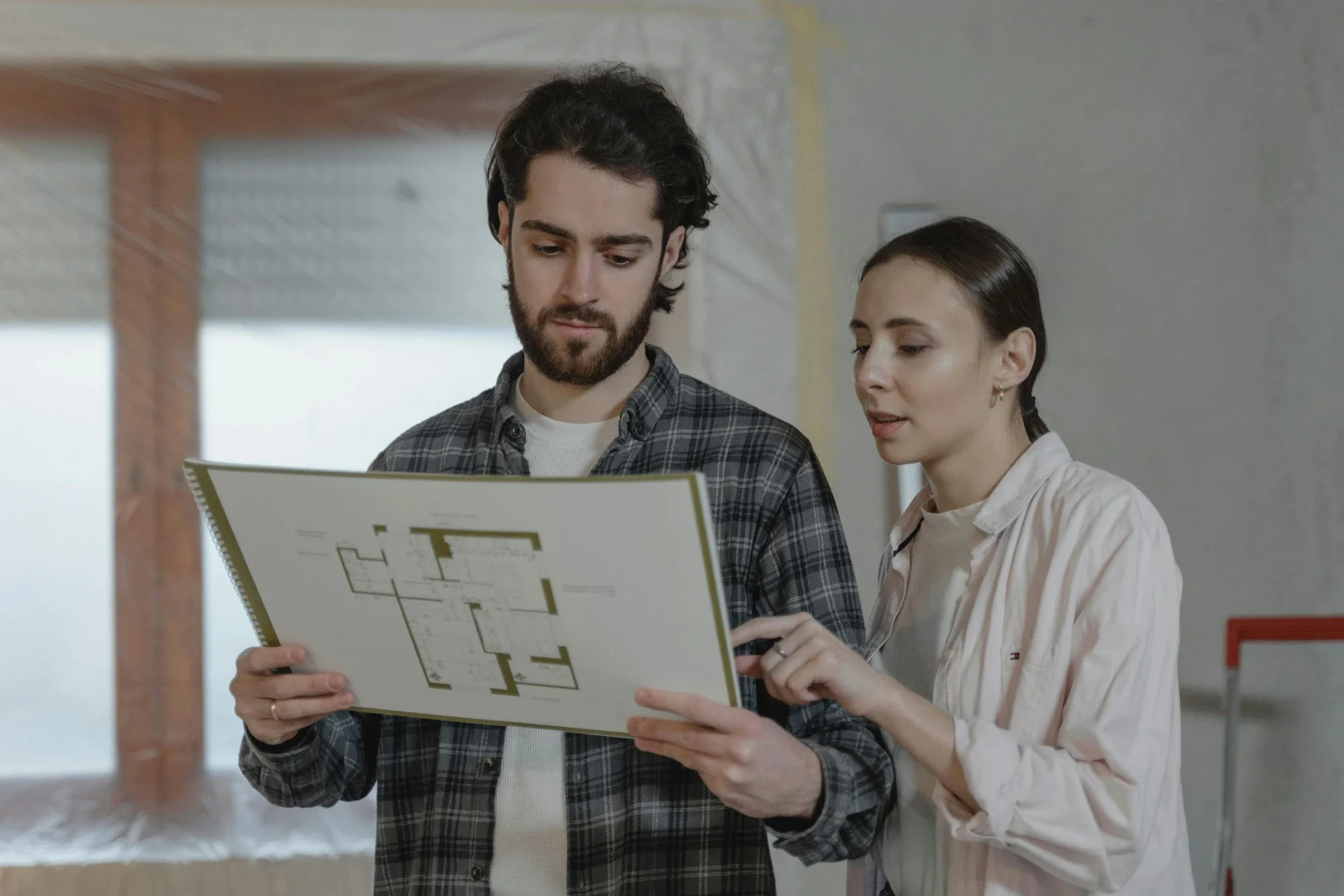
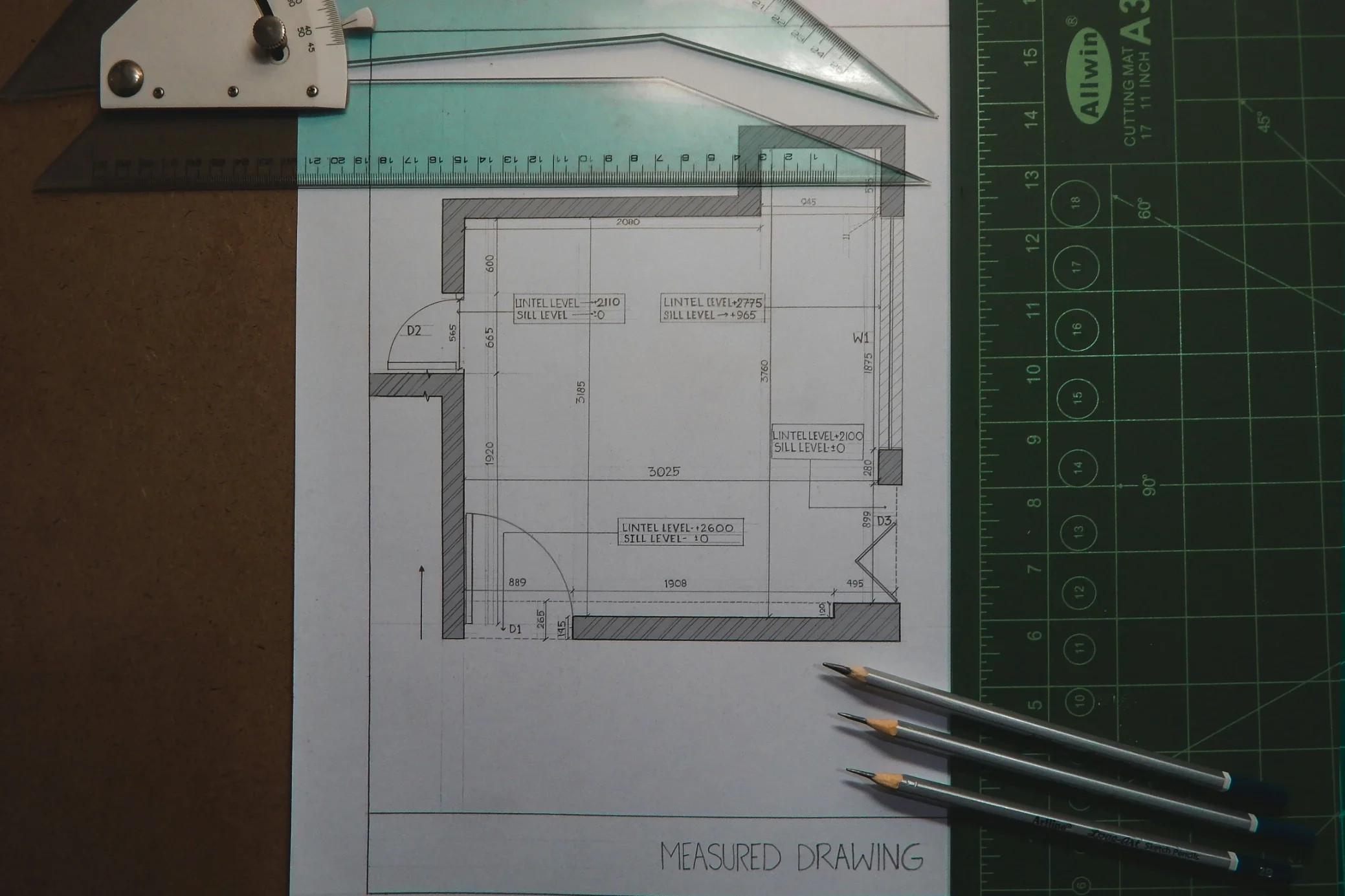
To avoid such surprises, connecting with the construction estimating services providers is highly beneficial. These professionals evaluate every aspect of a renovation project, including materials, labor, potential complications, and contingency planning. By working with experienced estimators, homeowners gain a clear understanding of the true cost of their renovation, making it easier to plan finances realistically and avoid unwelcome surprises once work begins.
2. Neglecting Contingency Planning
Even the most meticulously planned renovations can encounter unexpected challenges. Failing to include a contingency fund in your budget is a common mistake that can lead to financial strain and project delays. Contingencies cover unforeseen issues such as hidden mold, structural weaknesses, or sudden price increases for materials.
Experts recommend setting aside at least 10-20% of your total budget for contingencies. While it may feel like an unnecessary extra at first, this buffer can be a lifesaver when unexpected issues arise. Homeowners who skip this step may be forced to compromise on quality, delay projects, or even borrow money to cover costs.
Professional construction estimating services emphasize contingency planning as a critical component of successful renovation budgeting. By identifying potential risks and setting aside appropriate funds, homeowners are prepared to tackle surprises without derailing the entire project.
3. Relying on Inaccurate or Informal Estimates
A frequent pitfall among homeowners is relying on rough guesses, online calculators, or advice from friends instead of obtaining accurate cost estimates. While such methods may offer a preliminary idea of expenses, they rarely capture the full complexity of a renovation project. Inaccurate estimates often result in budget overruns, delays, and frustration.
This is where a reputable construction estimating firm becomes invaluable. These firms specialize in producing detailed, reliable cost projections for home renovations. They consider material costs, labor, timelines, and potential risks to provide a comprehensive estimate tailored to your project. By consulting a construction estimating firm, homeowners gain clarity on the true cost of the renovation, which helps with financing decisions, contractor negotiations, and project planning. An accurate estimate serves as the foundation for a smooth and successful renovation.
4. Choosing Materials Without Comparing Costs
Homeowners often select materials based purely on aesthetics or brand reputation, without evaluating cost-effectiveness or alternatives. While it’s natural to want a stylish, high-quality finish, neglecting to compare costs can unnecessarily inflate your budget. For example, opting for premium hardwood flooring throughout the home instead of mixing high-quality alternatives with more affordable options may push the budget beyond limits.
A construction estimating firm can help homeowners assess material options, comparing durability, cost, and aesthetic value. Professional guidance ensures that choices balance quality and affordability, allowing homeowners to achieve their vision without financial strain. Smart material selection is a critical part of cost planning that homeowners often overlook.
5. Underestimating Labor Costs and Scheduling
Labor costs often represent the largest portion of a renovation budget, yet homeowners frequently underestimate them. Miscalculating how long tasks will take or assuming certain jobs can be completed quickly can lead to budget overruns and project delays. Even small tasks that require skilled labor can accumulate significant costs if not planned correctly.
An accurate labor cost estimate should include contractors’ wages, subcontractor fees, potential overtime, and project delays. Consulting a construction estimating firm ensures homeowners receive realistic labor projections and schedules. This foresight prevents unexpected expenses and helps maintain the project timeline.
6. Failing to Account for Long-Term Expenses
Many homeowners focus solely on upfront costs, neglecting the long-term financial implications of their renovation choices. Cutting corners or selecting low-quality materials might save money initially but can result in higher maintenance costs, repairs, or early replacements in the future.
For instance, choosing inexpensive roofing or plumbing fixtures might reduce initial expenses but could necessitate costly repairs within a few years. Construction estimating services not only provide insight into immediate costs but also help homeowners consider durability and long-term value. Factoring in ongoing costs ensures the renovation is financially sustainable and beneficial over time.
7. Ignoring Permit and Regulatory Fees
Many renovation projects require permits, inspections, and compliance with local building codes. Overlooking these requirements is a costly mistake. Homeowners who fail to obtain proper permits risk fines, forced removal of completed work, and legal complications.
Accurate cost planning must incorporate permit fees, inspection costs, and any legal obligations. Construction estimating firms can ensure that all regulatory requirements are included in the budget. This proactive approach avoids last-minute financial surprises and keeps your renovation project compliant and stress-free.
8. Relying Solely on a Single Contractor
Choosing a single contractor without seeking multiple quotes or reviewing past work can lead to significant cost planning mistakes. Contractors may provide inaccurate estimates based on their own assumptions, potentially causing budget overruns or disputes.
Consulting a construction estimating firm helps homeowners gain an objective perspective on fair pricing and realistic project costs. Multiple estimates from reputable sources allow for informed decisions, reducing the risk of financial surprises and ensuring the contractor delivers quality work within the agreed budget.
9. Ignoring Seasonal and Market Trends
Home renovation costs are not static; they fluctuate depending on seasonal trends, material availability, and labor demand. For example, prices for lumber, tiles, or appliances may increase during peak construction periods. Ignoring these factors can result in unexpected expenses and delays.
Construction estimating services monitor market trends, providing homeowners with insights on optimal timing for purchases and project execution. By accounting for seasonal and market variations, homeowners can plan strategically, reducing costs and avoiding disruptions caused by price fluctuations or supply shortages.
10. Attempting Renovation Without Professional Guidance
Perhaps the most critical mistake is attempting a major renovation without consulting professionals. Even enthusiastic DIYers or homeowners with some experience may underestimate costs, mismanage resources, or make poor design and material choices.
Engaging professional construction estimating services or a construction estimating firm ensures accurate budgeting, expert advice, and realistic timelines. These professionals help identify risks, recommend cost-effective alternatives, and maintain accountability throughout the project. Proper guidance transforms a potentially overwhelming renovation into a structured, manageable, and financially sound process.
Conclusion
Cost planning is the foundation of any successful home renovation. Underestimating expenses, neglecting contingencies, relying on informal estimates, and ignoring professional guidance are mistakes that frequently derail projects. By utilizing construction estimating services and consulting a construction estimating firm, homeowners can achieve accurate budgets, informed material choices, realistic labor projections, and a smooth, stress-free renovation process.
Investing time and resources in proper cost planning not only ensures that your renovation stays within budget but also protects your home’s long-term value, quality, and aesthetic appeal. A well-planned renovation is not just about creating a beautiful space it is about securing peace of mind, financial stability, and lasting satisfaction with your investment.
Stay up to date with our latest ideas!