Is your roof ready for solar? Check condition, shade, asbestos and your switchboard before you install, plus 2026 Australian costs and rebate changes.

Thinking about solar panels? "Don't ask for quotes before you look up. Your roof will bear the system for 25 years or more, so it needs to be in good condition. Is your roof solar-ready? The good news is that over four million Australian homes have rooftop solar. We’ll show you what to look for first and what to fix.
Quick answer: is your roof ready for solar?
Yes, if it’s in good repair, gets plenty of sun and doesn’t have any surprises lurking inside like asbestos. Repair leaks, cracked tiles or rust first. Check shade, roof material, space and your switchboard. The rest will be verified in a professional examination.
Sign 1: Your roof is in good condition
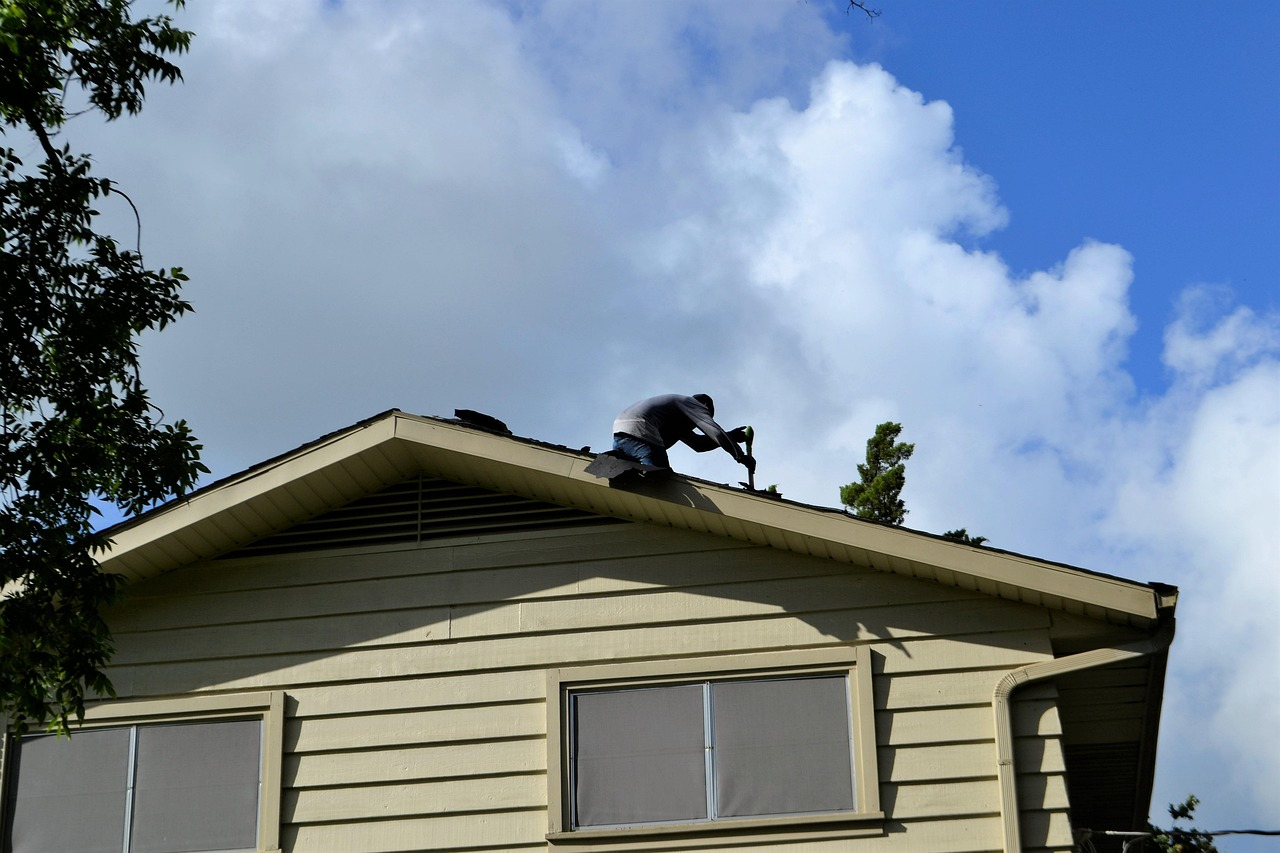
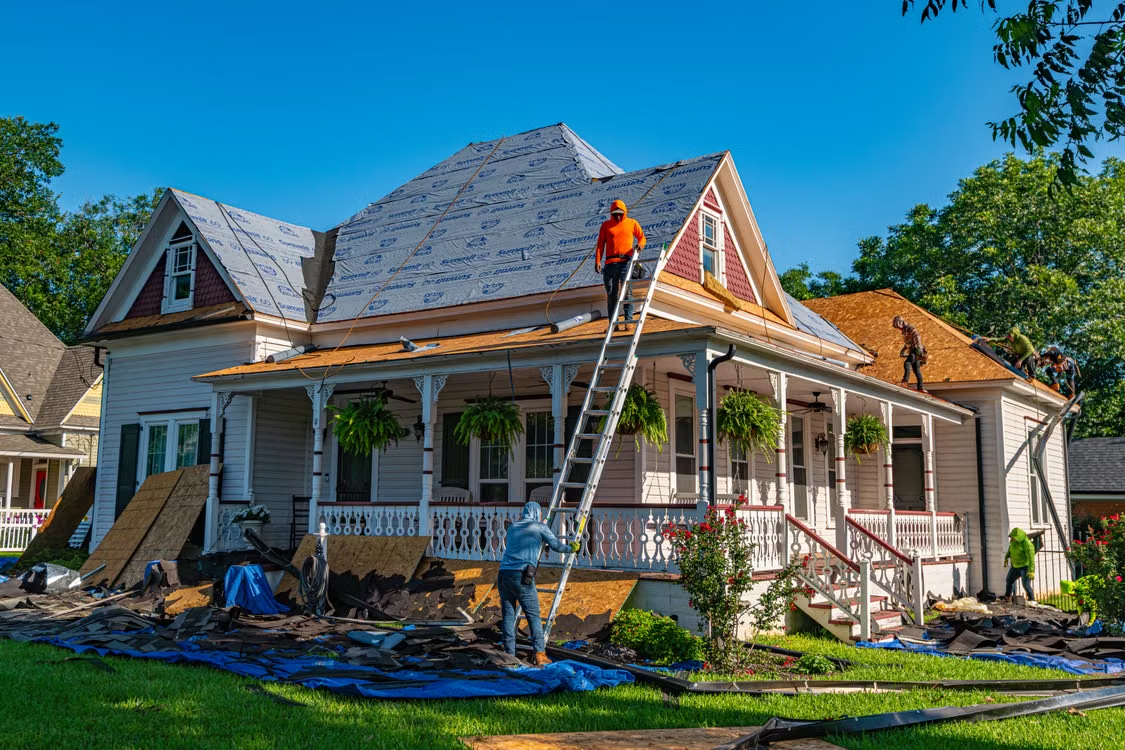
Panels can last 25 years or more, and taking them off later to fix the roof is costly. So repairs come first. RACV lists these warning signs:
Cracked or broken tiles.
Rusted or damaged metal sheets.
Sagging roof sections.
Recurring leaks or water damage.
Worn flashing or gutters.
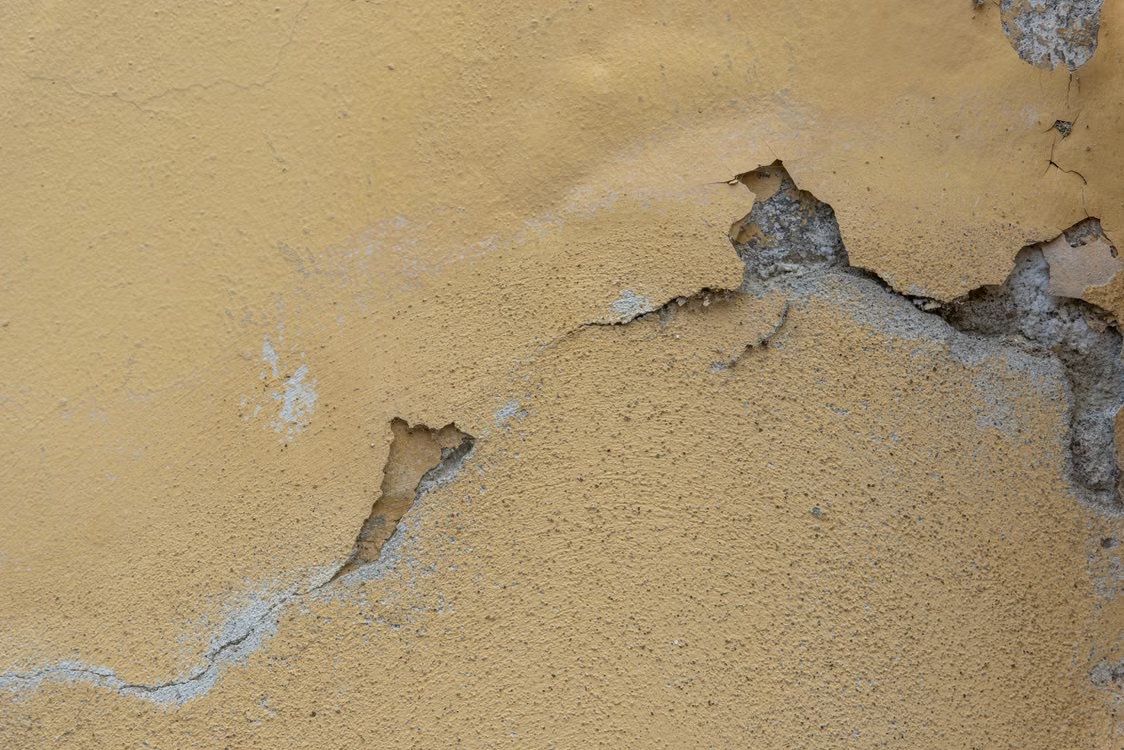
Ceiling stains are often the first clue, and our guide o how to find a roof leak shows how to trace one back to its source. If your roof needs repairs or replacing within the next decade, do it before the panels go up. Not sure whether it is time to call in a roofer? These six signs you should call a pro can help you decide.
Sign 2: Your roof gets enough sun
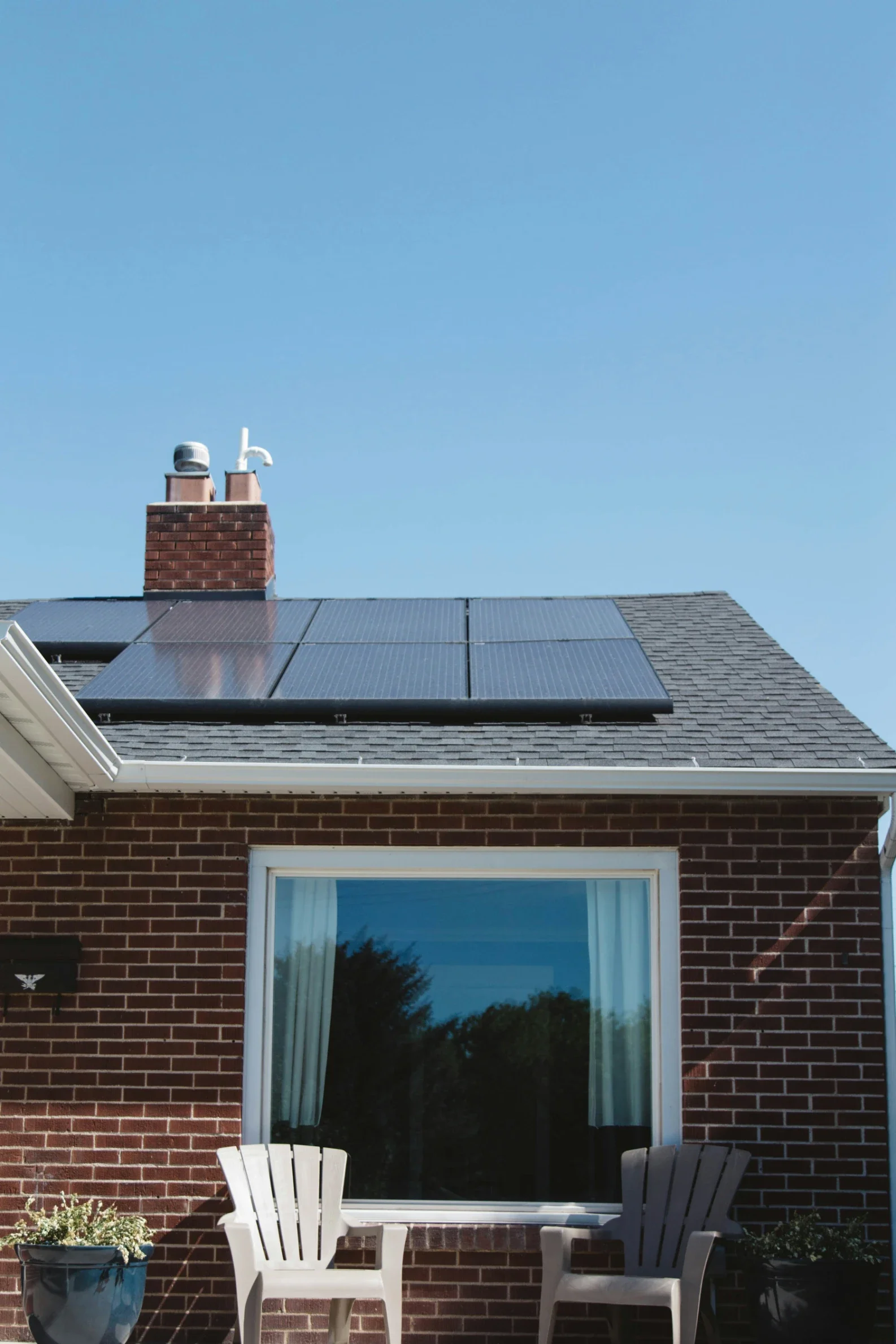
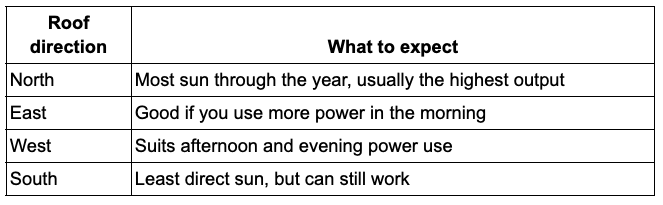
Shade can be created by trees, chimneys, neighboring buildings, skylights and all. Modern panels are better with partial shade than older ones but heavy shade still reduces output. Consider the whole year, since deciduous trees offer less shade in the winter. Direction matters too:
Sign 3: Your roof has enough space
The average system is 6.6kW which is 17 to 20 panels so you need clear roof space. Vents, skylights and awkward angles can limit layout. Tilt frames can also be used on flat roofs.
Sign 4: Your roof material suits solar
Most roofs work, but some are easier than others:
Metal (Colorbond or corrugated steel): among the easiest
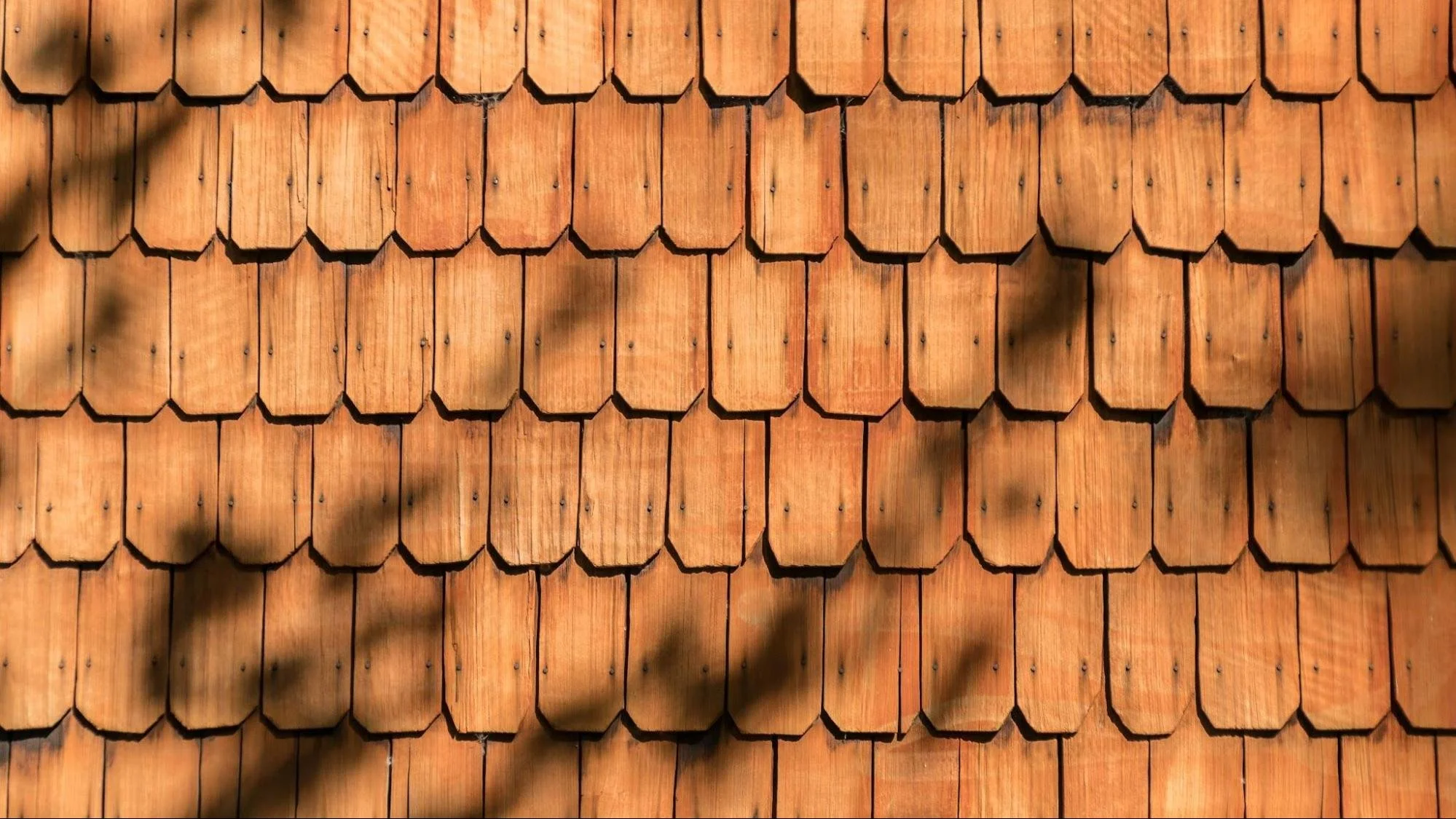
Concrete tiles: suitable, but installers must lift and replace tiles carefully
Terracotta tiles: suitable, but more fragile
Slate: costlier and needs specialist skills
Local know-how helps here. Ask any installer who works on solar power perth homes every week how they handle older tiles and tin roofs.
Sign 5: Your roof is asbestos-free or safely managed
But there’s the catch. Asbestos was phased out by 1990 and banned in 2003 but is thought to be sitting in up to one in three Australian homes. It’s almost certain to be found in houses in WA built before the mid-1980s.
WA Health says asbestos cement that is in good condition is generally safe if left undisturbed. Drilling or cleaning is a different story and solar often avoids asbestos roofs. If your home is older get it assessed by a licensed assessor before any work starts.
Sign 6: Your switchboard can cope
Older switchboards may not meet current standards or have the capacity. More expensive for the upgrade but safer. If you plan on adding a battery or an electric vehicle charger, let your installer know so they can leave room to grow.
What it costs, and why timing matters?
Prices vary, so here is a range rather than one number. Most 6.6 kW systems, the most common household size, cost roughly $4,000 to $9,500 installed after the federal rebate. Premium equipment can add 20 to 30 per cent. Whether you are pricing solar panels in Perth or Brisbane, get at least three quotes and compare the cost per watt. If a quote sits far below the range, ask what has been left out.
The rebate is shrinking too. The deeming period behind it shortens by a year every 1 January until the scheme ends in 2030, so each system earns fewer certificates. Our breakdown of what solar panels cost and what they give back covers the wider numbers.
Planning ahead: batteries and virtual power plants
You do not need a battery on day one. But ask your installer about a switchboard and inverter that can add one later.
More than 400,000 homes added a battery between July 2025 and May 2026 under the Cheaper Home Batteries Program. Each one can join a virtual power plant, which is a network of home batteries that software links so they act like one power station. Joining is optional. Choice reports that only about 4 to 10 per cent of battery households have signed up, though in WA the state battery rebate requires it.
A simple checklist: is your roof ready for solar?
Roof in good repair, with no leaks.
Little shade across the day.
North, east or west roof space for panels.
Roof material checked, and asbestos ruled out for pre-1990 homes.
Switchboard checked.
Quotes from Clean Energy Council accredited installers.
Your next step
If you are unsure about your roof, book an inspection before you ask for solar quotes. Fix what needs fixing now, and you will not pay twice later. When the quotes arrive, this guide to selecting the perfect solar installer explains what to check, from credentials to warranties.
For a second opinion, a company such as Solar 365 can run a site check and talk you through your options.
Stay up to date with our latest ideas!