What Solar Panels Cost in 2026, and What They Give Back
Discover what solar panels cost in 2026, including installation expenses, incentives, energy savings, and long term financial benefits.

Solar has quietly become a mainstream home upgrade. What was once a statement about your values is now, for a lot of households, a straightforward decision about bills, sustainability and the long-term value of the property. If you are weighing it up, the first question is almost always the same: what does it actually cost in 2026, and is it worth it? Here is a clear picture of the numbers, the timing that matters this year, and what you get back over the life of a system.
What a typical installation costs in 2026
Solar pricing depends on the size of the system, but there are useful ballparks. A modest panel-only array suited to a three-bedroom home tends to land somewhere around £7,000. Add battery storage, which most households now choose so they can use their own power in the evening rather than exporting it cheaply, and a typical installation runs closer to £10,000 to £16,000 depending on roof size and battery capacity. Larger homes with bigger arrays sit higher again.
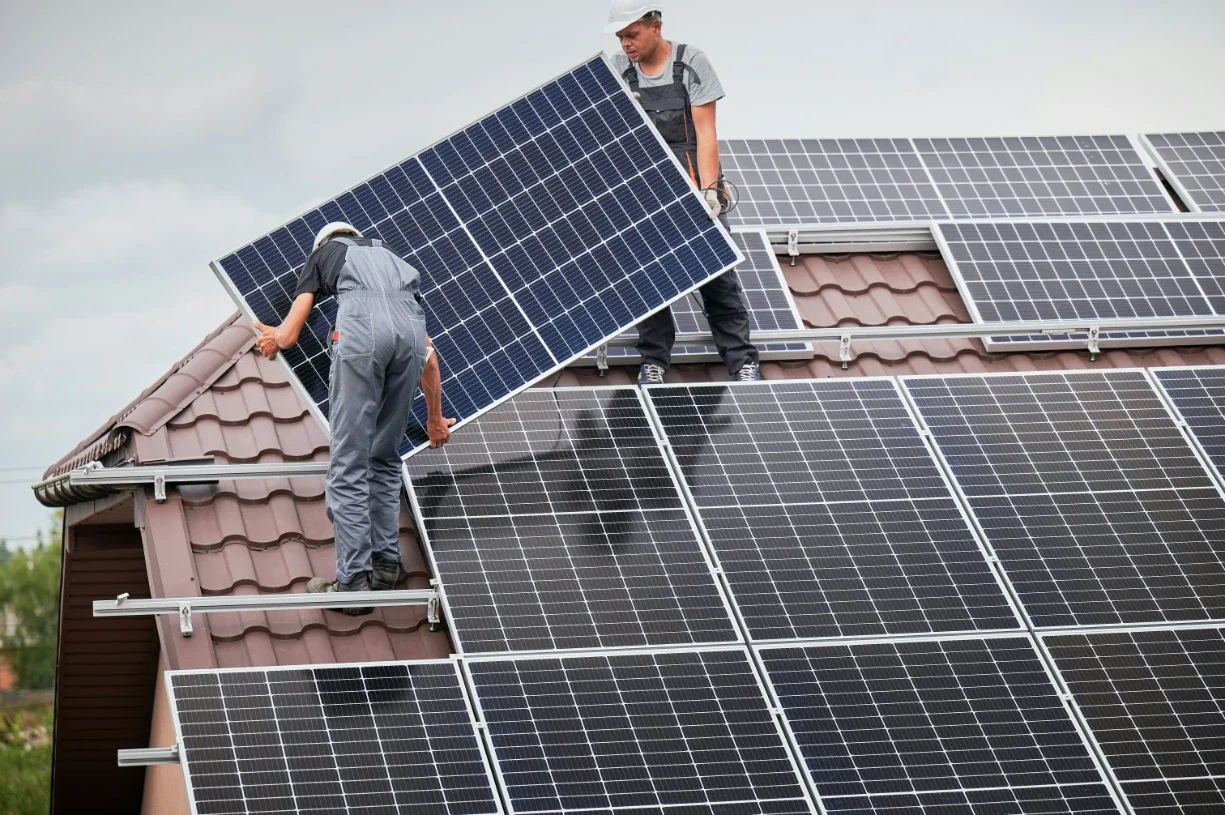
What sits inside that figure is the panels, the mounting, the inverter that converts the power for your home, any battery, the electrical work and the scaffolding. Because so much of it is specific to your roof and your electricity use, a headline price only tells you so much; a proper quote should break it down line by line. For anyone who wants to see how the costs are built up across different system sizes, this detailed breakdown of what solar panels cost is a good place to understand where the money goes before you start gathering quotes.
The 0% VAT window worth knowing about
There is one piece of timing that genuinely affects the price in 2026. Solar panels and home battery storage currently carry a zero per cent VAT rate, and your installer applies it automatically with no form to fill in. That rate is set to run until 31 March 2027, after which it is expected to rise again.
In practical terms that takes a meaningful amount off the total cost of a system installed within the window. It is not a reason to rush a badly planned installation, but it is a real saving that rewards getting organised this year rather than drifting into 2027.
What pushes the price up or down
If two quotes look very different, the reasons usually come down to a handful of factors. Roof complexity is a big one: a simple, accessible pitched roof is quicker and cheaper to work on than a steep, multi-faceted or hard-to-reach one. Array size obviously matters, as does the choice of inverter and whether you include a battery, which is often the single largest line after the panels themselves. Scaffolding, cabling runs and any switchboard upgrades all feed in too.
This is also where the cheapest quote can be misleading. A low price often hides an undersized system, optimistic generation figures, or a battery too small to be useful. The point of understanding the cost build-up is to compare like for like, so you are judging quotes on what they actually deliver rather than the headline number alone.
Keeping it looking good
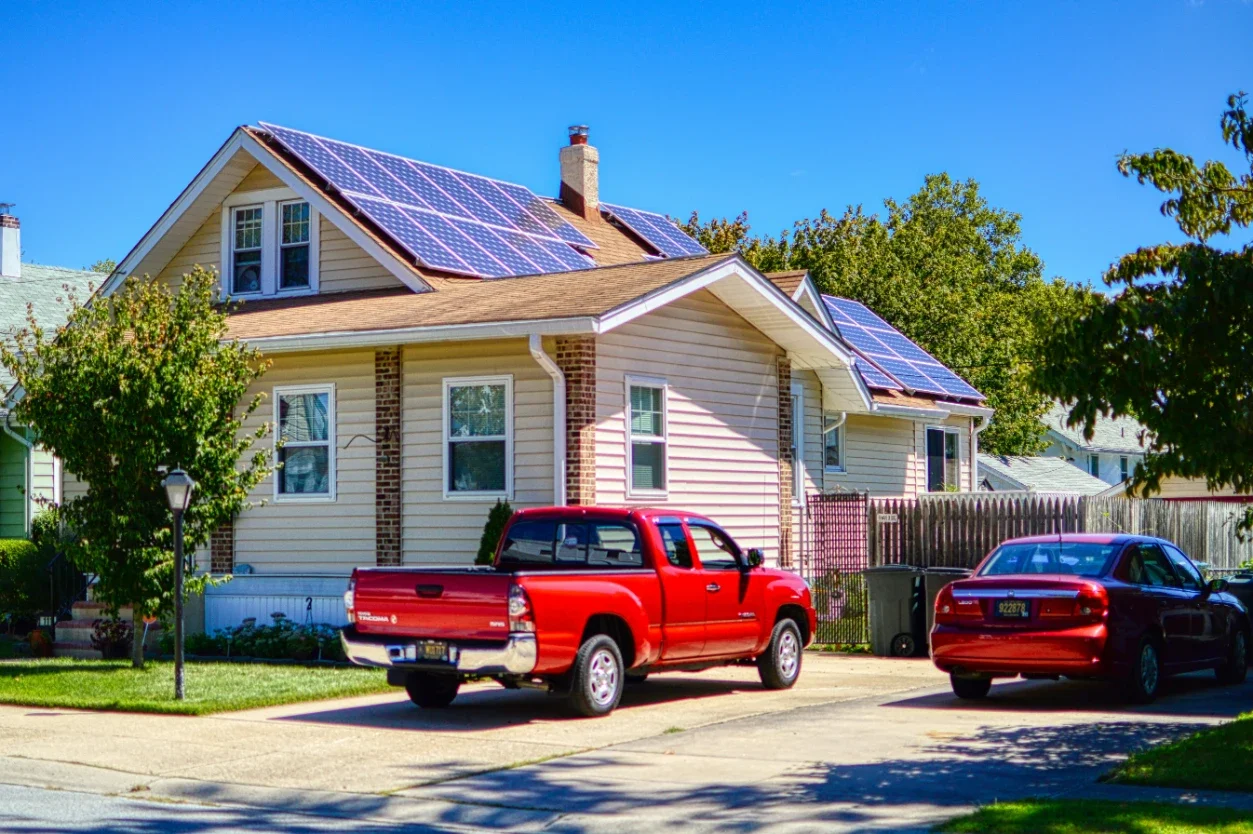
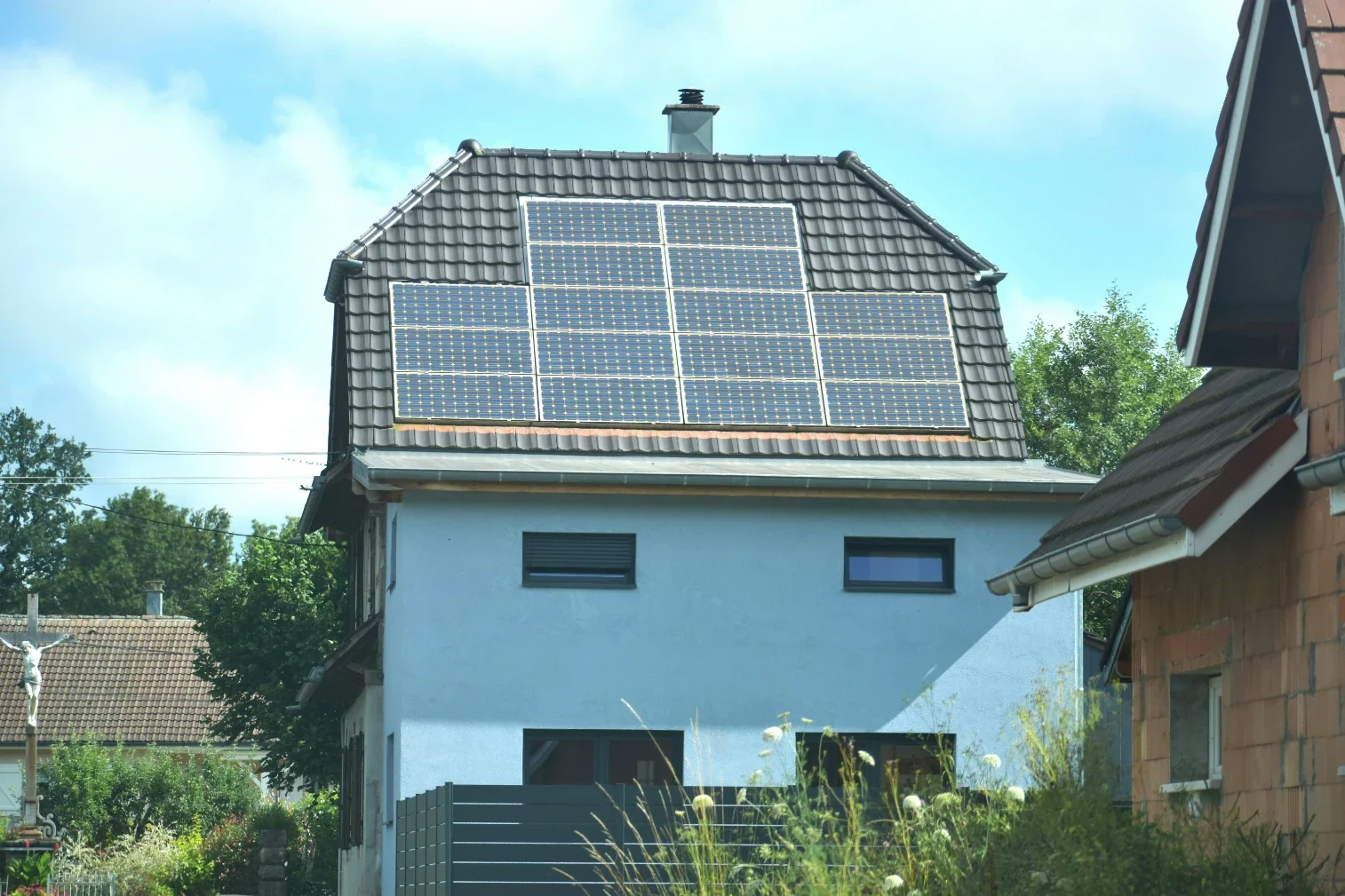
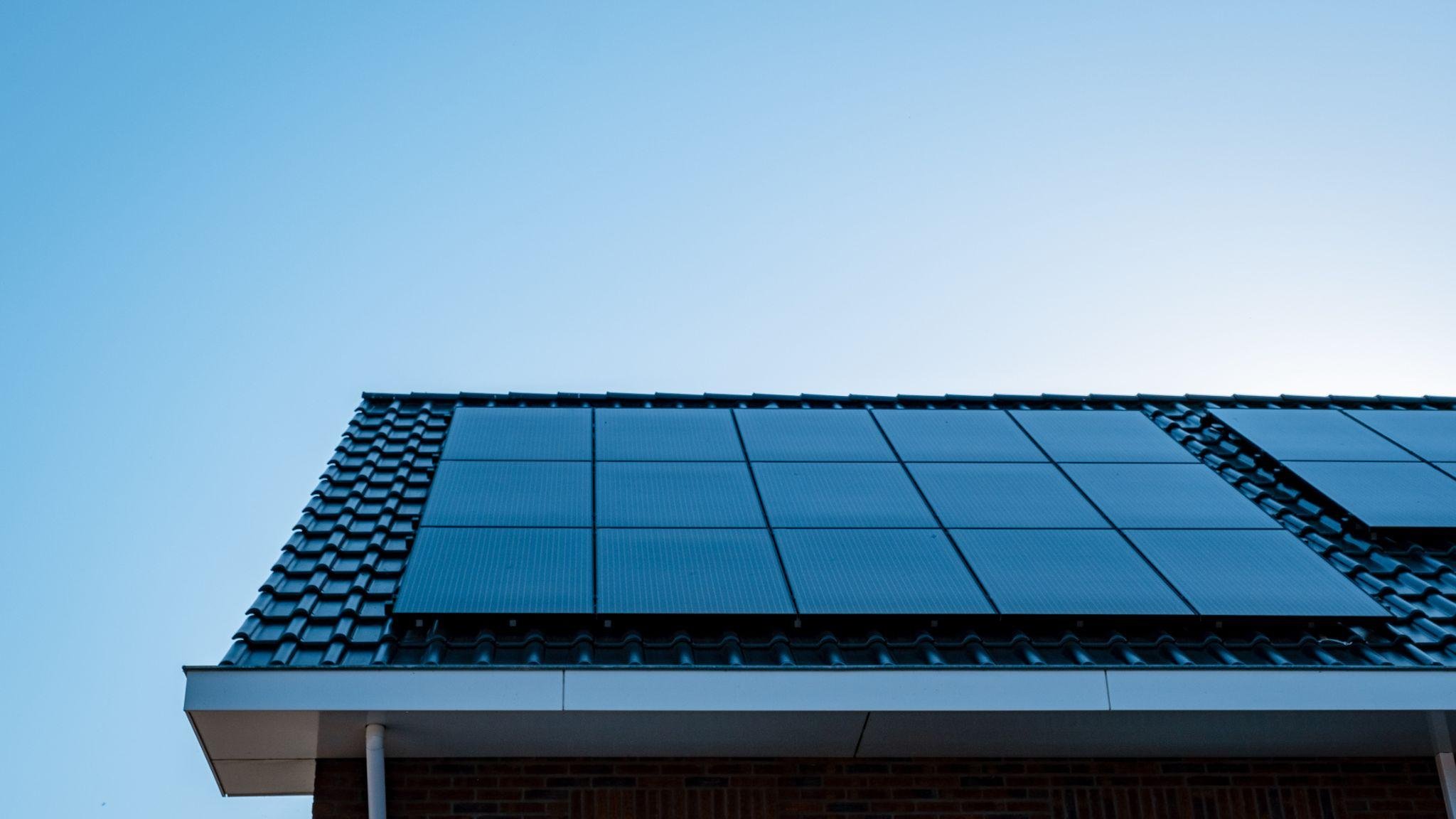
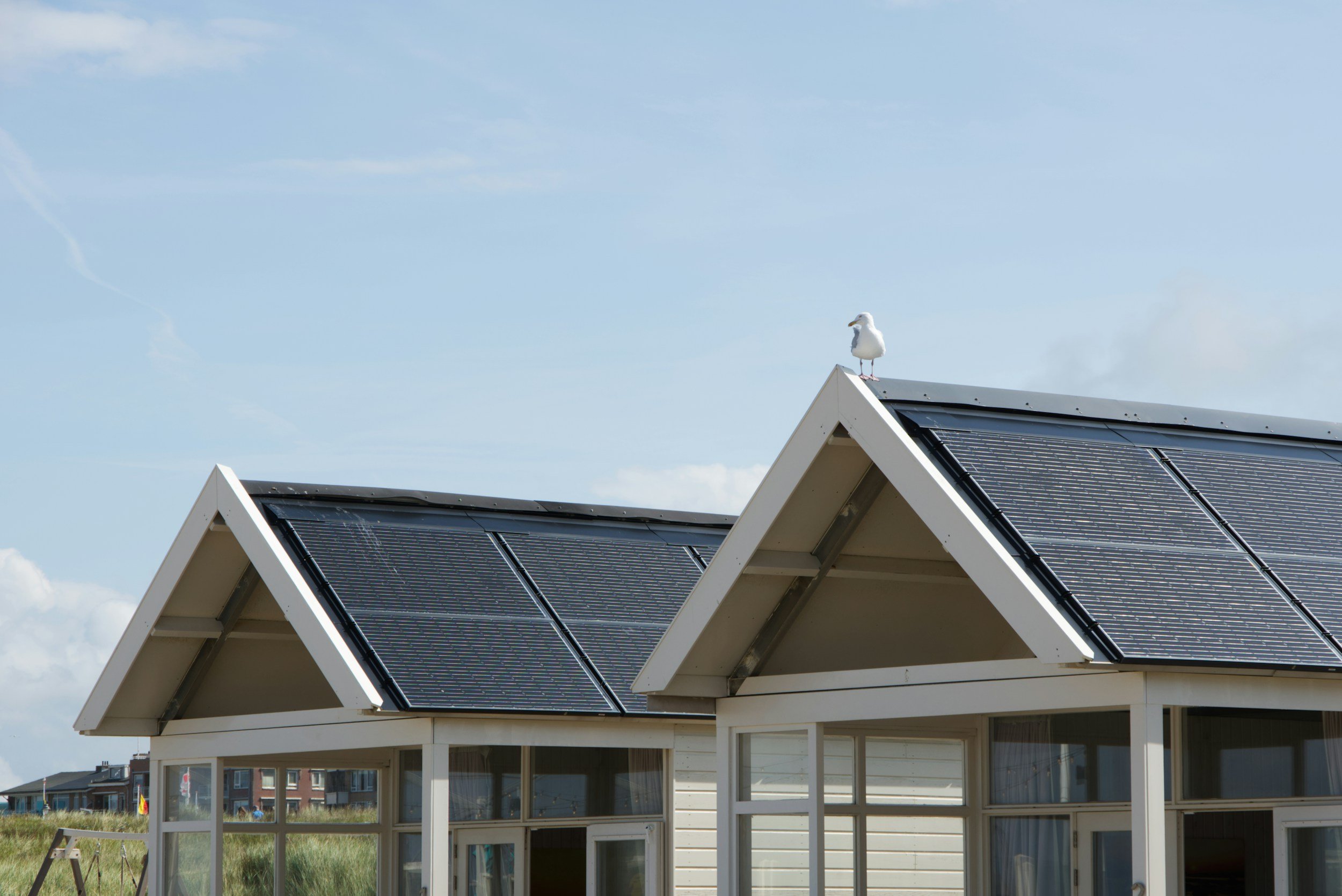
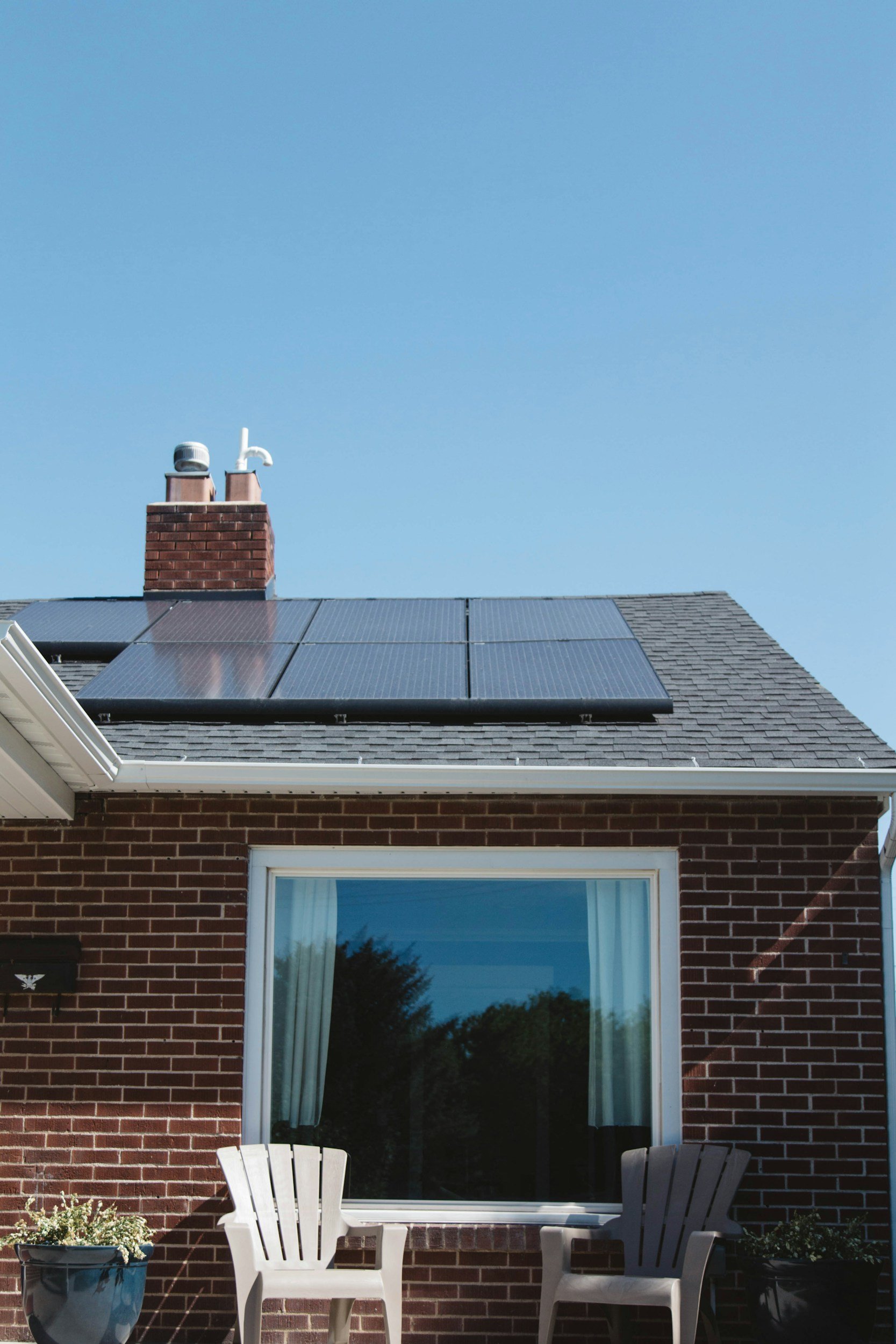
For a lot of homeowners the sticking point is not the technology, it is the look of panels on the roof. The good news is that modern solar is far easier on the eye than the blue-tinted panels of a decade ago. All-black panels have become the default for a reason: they sit far more discreetly on a roof and read as a deliberate, tidy feature rather than an add-on.
If appearance really matters, integrated or in-roof mounting sets the panels flush within the roofline rather than on brackets above it, which gives the cleanest finish on a prominent elevation. It costs a little more and suits some roofs better than others, but for a period property or a front-facing roof it can be the difference between living with solar and loving it. Sustainability and kerb appeal are not mutually exclusive.
The return: bills, export and home value
The reason solar still adds up, even without a grant, is the return. The first part is the electricity you generate and use yourself, which is power you no longer buy from the grid at ever-rising prices. The second is the Smart Export Guarantee, under which your supplier pays you for the surplus you send back, typically around 12p per unit on the better tariffs, for the life of the system. Pair the panels with a battery and you use more of your own power and export less, which is usually where the bigger saving sits.
Most well-designed systems pay for themselves in roughly 8 to 12 years and then run effectively for free across a working life of 25 years or more. On top of that, a home that generates its own electricity and carries a better energy rating tends to be a more appealing prospect when it comes to sell, which adds a value most cost calculations leave out. Between the bills you avoid, the income you earn and the appeal at resale, solar in 2026 is less a green gesture and more a sensible long-term investment in the home.
Worth doing, worth doing properly
Solar in 2026 costs less than many people expect, the 0% VAT window makes the timing favourable, and the return holds up well over the life of a system. The one thing that decides whether it is worth it for your home is the design: a system sized properly to your roof and how you actually use electricity will pay back, while a cheap, off-the-shelf one may not. Understand the costs, get a proper quote that breaks them down, and solar becomes one of the more rewarding upgrades you can make to a home.
Stay up to date with our latest ideas!