Eco-Friendly Solutions: Interior Corrugated Panels
Discover eco-friendly interior corrugated panels that combine sustainability, durability, and modern design to enhance residential and commercial spaces.
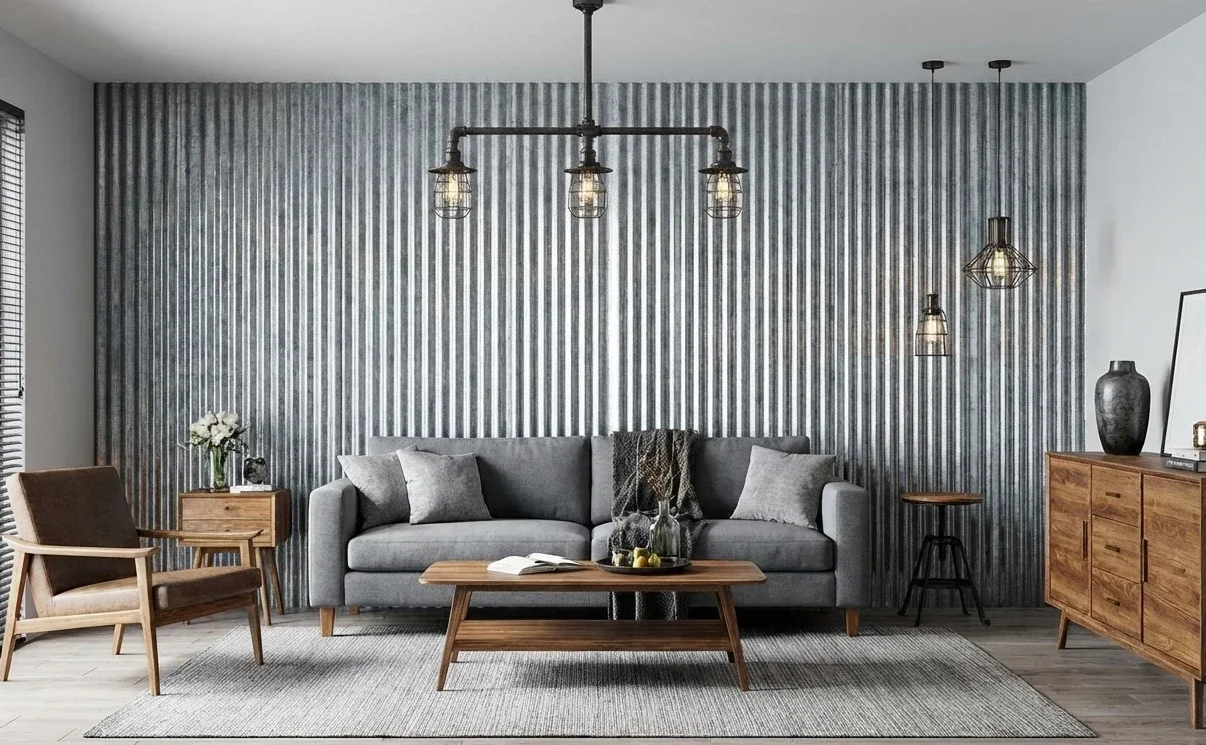
Interior corrugated panels have emerged as a versatile and sustainable solution for modern architectural design. These innovative wall coverings combine aesthetic appeal with practical functionality, making them increasingly popular in residential, commercial, and industrial spaces. Originally associated with industrial settings, corrugated panels have evolved into sophisticated design elements that offer far more than visual interest.
The growing emphasis on environmentally responsible building practices has positioned interior corrugated panels as a leading choice for eco-conscious designers and property owners. These panels deliver exceptional performance across multiple dimensions, from sound absorption and thermal regulation to durability and ease of maintenance. Their ability to be customized in various profiles, finishes, and colors allows architects to achieve unique design visions while maintaining sustainable building standards. As we explore the multifaceted benefits of interior corrugated panels, it becomes clear why they represent a forward-thinking approach to interior wall solutions that balance environmental responsibility with practical performance and timeless style.
Introduction to Interior Corrugated Panels
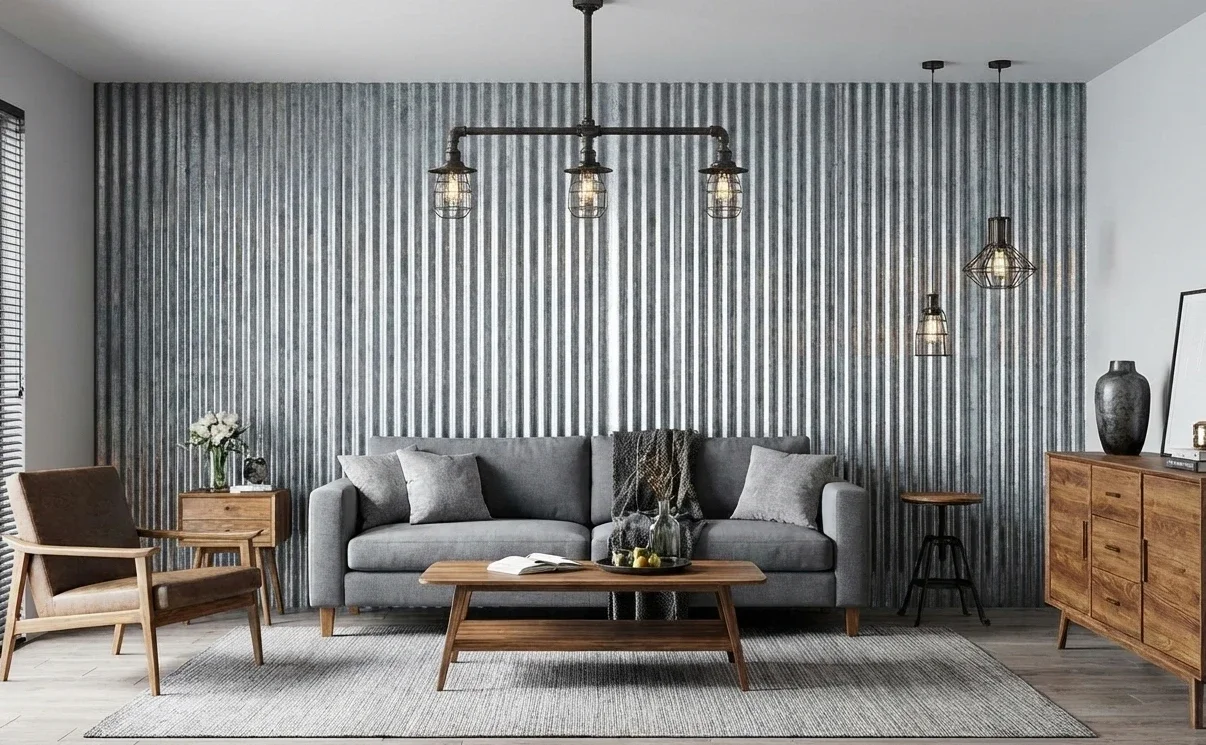
Interior corrugated panels represent a transformative approach to wall surfacing that merges industrial heritage with contemporary design sensibilities. These panels feature distinctive wave-like patterns that create visual depth and textural interest, transforming ordinary walls into architectural statements. Originally developed for exterior applications and warehouse environments, corrugated panels have been refined for interior use through advanced manufacturing techniques and expanded material options including steel, aluminum, fiber cement, and recycled composites.
The versatility of interior corrugated metal wall panels extends across diverse applications, from accent walls in boutique hotels to full-scale installations in corporate offices, restaurants, retail spaces, and residential interiors. Their corrugated profile serves multiple functional purposes beyond aesthetics: the ridged structure enhances structural rigidity while reducing material weight, the three-dimensional surface effectively diffuses light to create dynamic shadow play throughout the day, and the contoured design contributes to improved acoustic properties. Modern manufacturing allows these panels to be finished in countless ways, including powder coating, natural patinas, wood grain textures, and metallic sheens, enabling seamless integration with any design palette while supporting sustainable building objectives through material efficiency and longevity.
Hygiene and Safety
Interior corrugated panels excel in hygiene and safety standards, making them particularly suitable for environments where cleanliness and health considerations are paramount. The non-porous surfaces of metal and fiber cement corrugated panels prevent moisture absorption, eliminating the risk of mold, mildew, and bacterial growth that commonly plague traditional porous materials like drywall or fabric coverings. This inherent resistance to microbial colonization makes these panels ideal for healthcare facilities, commercial kitchens, food processing areas, educational institutions, and hospitality spaces where sanitation is critical.
The smooth, sealed surfaces of corrugated panels facilitate thorough cleaning and disinfection protocols. Unlike textured wallpapers or porous substrates that trap contaminants in microscopic crevices, corrugated panels can be easily wiped down with standard cleaning solutions without degrading the material or compromising its protective finish. This ease of sanitization reduces maintenance labor while ensuring consistently high hygiene standards. Many corrugated panel finishes incorporate antimicrobial coatings that actively inhibit pathogen survival on surfaces, providing an additional layer of protection in sensitive environments.
From a safety perspective, corrugated panels manufactured from non-combustible materials like steel, aluminum, and fiber cement contribute significantly to fire safety strategies. These materials do not support flame spread and emit minimal smoke when exposed to fire, helping buildings meet stringent fire code requirements. Additionally, the rigid structure of properly installed corrugated panels resists impact damage better than conventional wall finishes, reducing maintenance needs and preventing the creation of damaged areas where contaminants could accumulate. The absence of volatile organic compounds in metal and fiber cement panels also supports superior indoor air quality, protecting occupant health from chemical off-gassing common in many conventional building materials.
Acoustic Performance
Interior corrugated panels provide significant acoustic benefits that address common sound management challenges in contemporary spaces. The corrugated profile creates a three-dimensional surface that disrupts sound wave patterns, reducing echo and reverberation more effectively than flat wall surfaces. When sound waves encounter the ridged geometry, they scatter in multiple directions rather than reflecting directly back into the room, diminishing harsh echoes that compromise speech intelligibility and create uncomfortable acoustic environments. This natural sound diffusion makes corrugated panels particularly valuable in high-traffic areas, open-plan offices, restaurants, lobbies, and entertainment venues where controlling ambient noise levels directly impacts user experience and functionality.
The acoustic performance of corrugated panels can be further enhanced through strategic installation methods and material selection. Installing panels with an air gap behind them creates a cavity that absorbs low-frequency sound energy, significantly improving overall sound attenuation. Adding acoustic insulation materials like mineral wool or fiberglass batts within this cavity transforms the wall assembly into a highly effective sound barrier. Perforated corrugated panels take acoustic control to another level by allowing sound waves to penetrate the panel surface and become trapped in backing materials, converting sound energy into minimal heat through friction. This approach achieves noise reduction coefficients that rival dedicated acoustic treatments while maintaining the distinctive aesthetic appeal of corrugated design.
Beyond technical performance metrics, corrugated panels contribute to acoustic comfort through their ability to define spatial zones within larger areas. By strategically placing corrugated panel installations, designers can create visual and acoustic separation between functional areas without erecting solid barriers, maintaining open sightlines while reducing sound transmission between adjacent spaces. This zoning capability proves especially valuable in modern workplace design, educational facilities, and hospitality environments where balancing openness with acoustic privacy remains a persistent challenge.
Thermal Performance
Interior corrugated panels contribute meaningfully to thermal regulation within buildings, offering insulation properties that enhance energy efficiency and occupant comfort. The corrugated profile itself creates an inherent air space between the panel surface and the wall substrate, and this trapped air layer functions as a thermal buffer that reduces heat transfer. While the insulating value of this air gap alone is modest, it represents a foundational advantage over flat panel systems. Metal corrugated panels, despite their conductive properties, can be specified with factory-applied insulation backing or foam core construction that dramatically improves their thermal resistance, transforming them into effective barriers against heat loss in winter and heat gain in summer.
The installation method significantly influences the thermal performance of corrugated panel systems. Creating a ventilated cavity behind panels by mounting them on furring strips allows air circulation that prevents condensation buildup while accommodating additional insulation materials. Rigid foam boards, spray foam, or batt insulation installed within this cavity can achieve R-values that meet or exceed building code requirements for climate-controlled spaces. Fiber cement corrugated panels offer superior thermal mass compared to metal alternatives, absorbing heat during peak temperature periods and releasing it gradually, which helps moderate indoor temperature fluctuations and reduces HVAC system cycling.
Beyond insulation value, corrugated panels support thermal comfort through their reflective properties. Light-colored or metallic finishes reflect radiant heat rather than absorbing it, keeping wall surfaces cooler and reducing the thermal load on cooling systems. This reflectivity proves particularly beneficial in spaces with significant solar exposure or high internal heat generation. By integrating corrugated panels into a comprehensive thermal management strategy that includes proper insulation, air sealing, and strategic placement, building designers can achieve substantial energy savings while maintaining the aesthetic and functional benefits these distinctive panels provide.
Custom Panel Designs
Interior corrugated panels offer exceptional customization potential that empowers designers to realize specific aesthetic visions while maintaining functional performance. The fundamental corrugated profile itself comes in multiple configurations, from shallow ripples with gentle undulations to deep, dramatic waves that create bold shadow lines and pronounced texture. Panel width, corrugation pitch, and ridge height can be specified to achieve desired visual impact, whether subtle sophistication or striking industrial character. This geometric flexibility allows corrugated panels to complement architectural styles ranging from minimalist contemporary to rustic farmhouse, urban loft to coastal modern.
Surface finish options expand design possibilities exponentially. Metal panels accept powder coating in virtually any color, enabling precise color matching to brand identities or existing design palettes. Specialized finishes include brushed metals for understated elegance, high-gloss lacquers for vibrant impact, weathered patinas that evoke aged authenticity, and textured coatings that mimic natural materials like wood grain or stone. Perforated patterns can be incorporated into corrugated panels, creating visual interest while enhancing acoustic performance. Manufacturers experienced in metal fabrication, such as AnsusMetal, offer expertise in creating perforated designs that balance aesthetic appeal with functional requirements. Some producers offer printed graphics or custom imagery applied directly to panel surfaces, transforming functional wall coverings into branded environments or artistic installations.
Installation orientation further personalizes corrugated panel applications. Horizontal installation emphasizes width and creates visual calm, while vertical orientation accentuates height and adds dynamic energy. Diagonal placement introduces unexpected movement, and mixed orientations within a single space generate complex visual narratives. Panels can be installed as full-wall coverage, strategic accent features, wainscoting, or ceiling applications, with trim profiles and edge treatments tailored to achieve seamless integration or deliberate contrast with surrounding materials.
Durability and Maintenance
Interior corrugated panels deliver exceptional durability that translates into long-term performance and cost-effectiveness across their service life. Metal panels constructed from steel or aluminum resist physical damage, denting, and scratching far better than conventional drywall, plaster, or decorative finishes. Their rigid corrugated structure distributes impact forces across the panel geometry, preventing localized failures that compromise appearance and function. High-quality factory-applied finishes, including powder coating and advanced protective layers, shield underlying materials from corrosion, UV degradation, and chemical exposure, ensuring panels maintain their appearance and structural integrity for decades even in demanding environments. Fiber cement corrugated panels offer similar longevity with added resistance to moisture, termites, and rot, making them suitable for high-humidity applications where organic materials would deteriorate.
The maintenance requirements for interior corrugated panels remain remarkably minimal compared to alternative wall treatments. Routine cleaning involves simple wiping with damp cloths or mild detergent solutions to remove dust and surface contaminants, with no need for repainting, refinishing, or specialized treatments. The non-porous surfaces resist staining and do not absorb spills, allowing quick cleanup of accidental marks without permanent damage. Unlike painted drywall that shows scuffs and requires periodic repainting, corrugated panels maintain consistent appearance with minimal intervention, reducing lifecycle maintenance costs substantially. Damaged individual panels can be replaced without disturbing adjacent sections, providing repair flexibility unavailable with monolithic wall systems.
The dimensional stability of corrugated panels prevents common maintenance issues associated with organic materials. Metal and fiber cement panels do not warp, swell, or shrink with humidity fluctuations, eliminating joint separation and finish cracking that plague wood products and gypsum board. This stability ensures installations remain visually consistent and structurally sound throughout seasonal environmental changes, preserving design intent while minimizing callbacks and warranty claims that burden conventional wall systems.
Sustainable Design Solutions for Modern Spaces
Interior corrugated panels represent a compelling convergence of environmental responsibility, functional performance, and design versatility that addresses the evolving demands of contemporary architecture. Their sustainable credentials stem from material efficiency, recyclability, and exceptional longevity that reduces replacement cycles and resource consumption. The multifaceted benefits these panels deliver—from superior hygiene and safety standards to enhanced acoustic and thermal performance—make them practical solutions for diverse applications across residential, commercial, and institutional settings.
The customization possibilities inherent in corrugated panel systems empower designers to achieve distinctive aesthetic outcomes while maintaining rigorous performance standards. Combined with minimal maintenance requirements and outstanding durability, these panels offer lifecycle value that surpasses conventional wall treatments. As building industry priorities continue shifting toward sustainable practices without compromising design quality or functional excellence, interior corrugated panels stand as proven solutions that fulfill multiple objectives simultaneously. Their transformation from utilitarian industrial materials to sophisticated architectural elements demonstrates how innovative thinking can reimagine existing technologies to meet contemporary needs, positioning corrugated panels as enduring choices for environmentally conscious spaces that prioritize both beauty and performance.
Stay up to date with our latest ideas!