Do I Need an Interior Designer for my Remodeling Project?
See why interior design should guide a remodeling project from the start. It shows how early design decisions improve how a space functions, feels, and adapts over time while preventing costly construction changes.
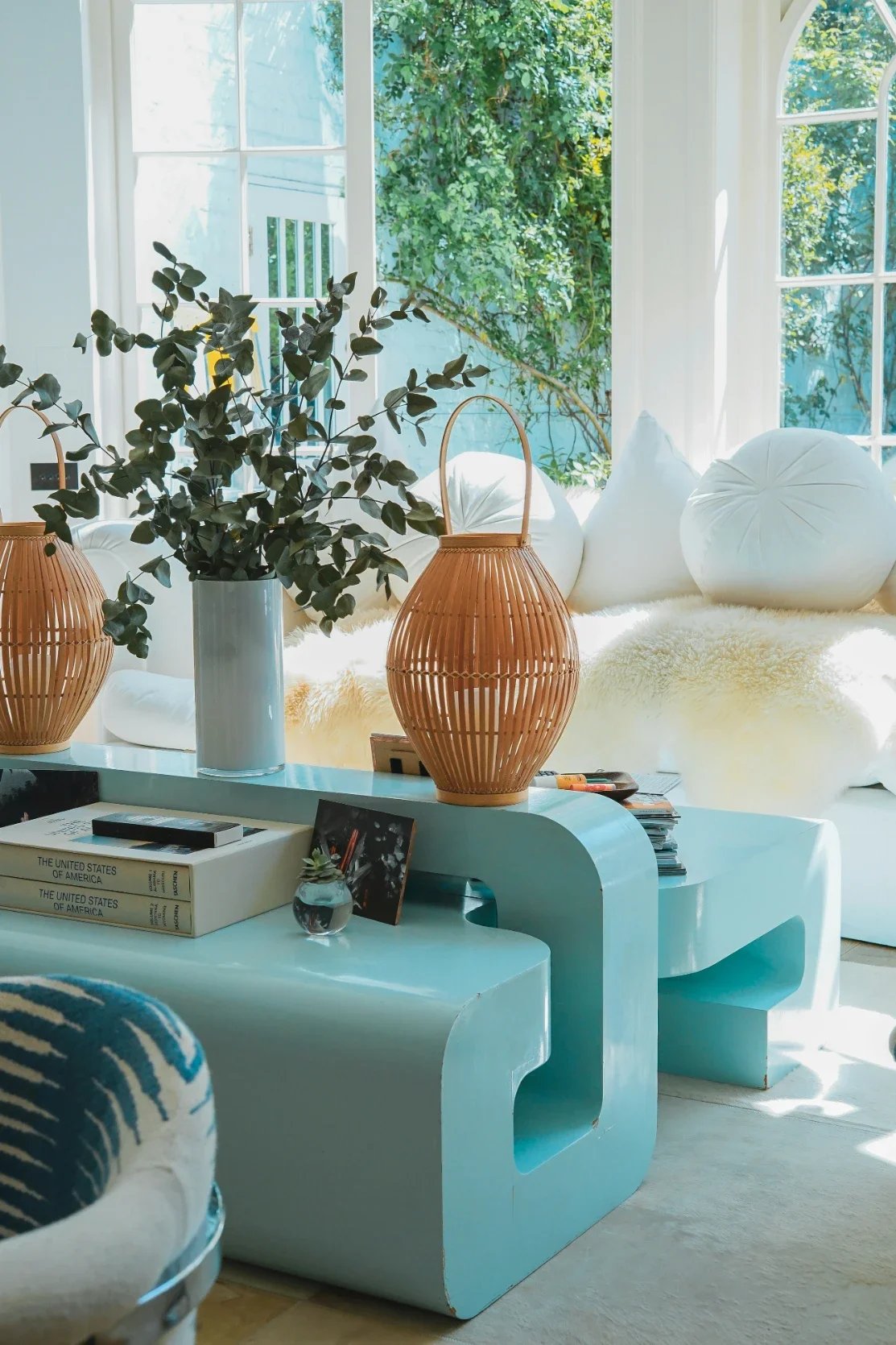
A successful remodel isn’t just about new finishes or more space; it’s about how a home feels when the work is done. Too often, homeowners focus on construction logistics first and interior design decisions later, only to realize the finished space doesn’t flow, function, or feel the way they imagined.
The most successful remodeling projects integrate interior design thinking from the very beginning. When design and construction move together, the result is a home that feels intentional, cohesive, and genuinely livable.
Here’s why interior design belongs at the center of the remodeling process, and how early design thinking shapes better outcomes.
How Interior Design Shapes How a Space Is Used (Not Just How It Looks)
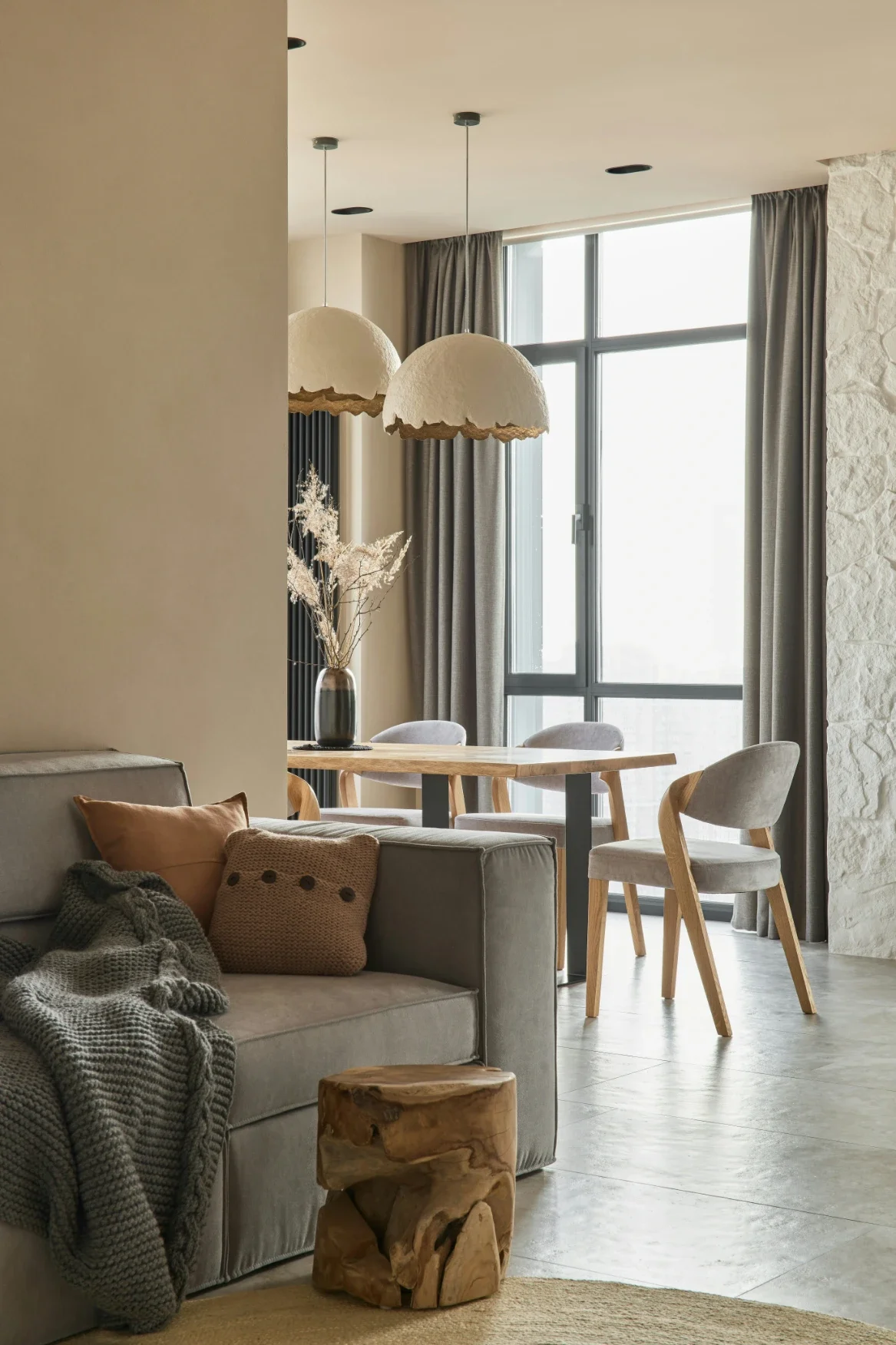
Interior design is often mistaken for decoration, but in remodeling, its impact runs much deeper. Design decisions influence how people move through a space, where they gather, and how comfortably they live day to day. Layout, scale, lighting, and material choices determine whether a space supports real life — long before furniture or décor are added.
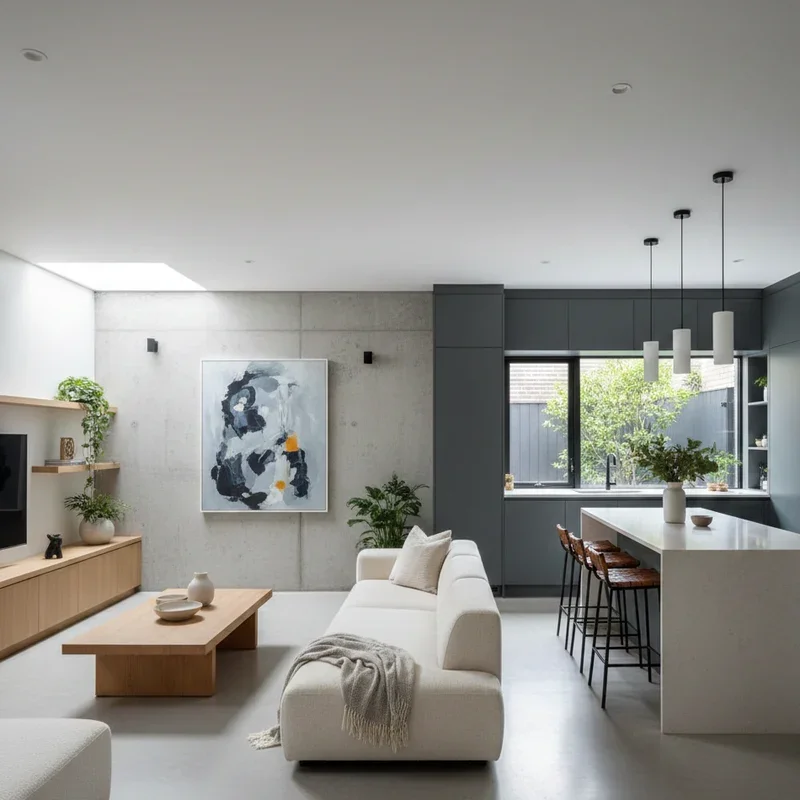
Consider a kitchen remodel that technically adds square footage but skips thoughtful design. An island might look impressive on paper, yet block circulation between the sink and range. Appliances may compete for the same walkway. Seating might photograph beautifully but feel awkward or cramped once people actually sit down.
By contrast, a design-led approach looks at how the kitchen will be used hour by hour. The island is positioned to support prep and conversation without congestion. Clearances are adjusted so multiple people can move comfortably. Seating aligns with natural light and sightlines, making the space feel welcoming instead of tight.
The difference isn’t cosmetic. It’s experiential.
Early Design Decisions Can Prevent Costly Mid-Project Changes
One of the most overlooked benefits of early interior design involvement is risk reduction. When design decisions are delayed until construction is underway, conflicts are almost inevitable.
Lighting is a common pain point. Without a furniture plan, recessed lights might be placed directly over where a sofa or dining table needs to sit. Floor outlets can end up exactly where an area rug should go, forcing homeowners to cut into finished flooring or compromise the layout. Cabinetry may be selected before ceiling heights, ductwork, or soffits are fully coordinated, leading to last-minute redesigns and reorders.
These aren’t minor inconveniences. They result in change orders, delays, and budget creep — all avoidable with proper early planning.
When interior design is integrated from the start, furniture layouts, lighting plans, millwork, and finishes are coordinated with structure and systems before construction begins. Conflicts are resolved on paper instead of on site, protecting both timeline and investment.
Cohesive Design Preserves Architectural Integrity
One of the biggest challenges in remodeling is maintaining architectural integrity. Without a cohesive design vision, additions and renovated rooms can feel disconnected, as if they were “tacked on” rather than thoughtfully integrated.
This often shows up in subtle but important ways: trim profiles that don’t match, flooring transitions that feel abrupt, ceiling heights that shift awkwardly, or window alignments that disrupt sightlines. Even when finishes are new, the home can feel disjointed.
Interior design provides the throughline that ties everything together. A design-forward remodel considers proportions, materials, and details holistically, ensuring that old and new spaces speak the same architectural language. Trim depths align. Flooring flows naturally. Window placement respects both exterior rhythm and interior experience.
The result is a home that feels cohesive, not pieced together — a critical consideration in markets like Arlington and DC, where homeowners value both character and longevity.
How Design Shapes Emotional Experience
Homes aren’t just functional environments; they’re emotional ones. Interior design influences how spaces feel: calm or chaotic, warm or sterile, energizing or restorative. Remodeling offers a rare opportunity to shape that experience intentionally.
Take a primary bathroom remodel. On the surface, it may seem like a straightforward update of fixtures and finishes. But with thoughtful design, it becomes something more. Layered lighting shifts from bright and energizing in the morning to soft and calming at night. Materials are chosen for warmth and tactility rather than shine alone. Storage is designed to reduce visual clutter, creating a sense of ease the moment you walk in.
The result isn’t just a new bathroom; it’s a daily retreat that supports wellbeing.
These emotional considerations are often what homeowners appreciate most after the dust settles, even if they’re harder to articulate at the start.
Design Thinking Can Help Homes Adapt Over Time
The best remodels don’t just solve today’s problems; they anticipate tomorrow’s needs. Interior design plays a critical role in creating spaces that can evolve without requiring another major renovation.
A basement, for example, can be designed with flexible lighting, movable furniture zones, and thoughtful storage so it transitions naturally from playroom to teen hangout to guest suite. A home office might be planned with built-in flexibility, allowing it to serve as a nursery, study space, or hobby room down the line.
Without this foresight, spaces can feel outdated or constrained far sooner than expected. With it, a home remains functional and relevant as life changes.
Interior Design Is Not an Add-On — It’s the Foundation
Keeping interior design at the center of a remodeling project leads to better outcomes: fewer surprises, stronger cohesion, and spaces that genuinely support how people live.
For homeowners, the takeaway is simple: interior design isn’t something to “layer on” after construction decisions are made. It’s the framework that ensures those decisions actually work — aesthetically, functionally, and emotionally.
When design leads the conversation, remodeling becomes more than construction. It becomes an opportunity to create a home that feels intentional, balanced, and deeply livable; one that not only looks good when it’s finished, but feels right for years to come.
Stay up to date with our latest ideas!