How Smart Site Planning Supports Healthier Landscapes
Learn how smart site planning supports healthier landscapes by improving drainage, soil conditions, plant growth, and long term environmental sustainability.
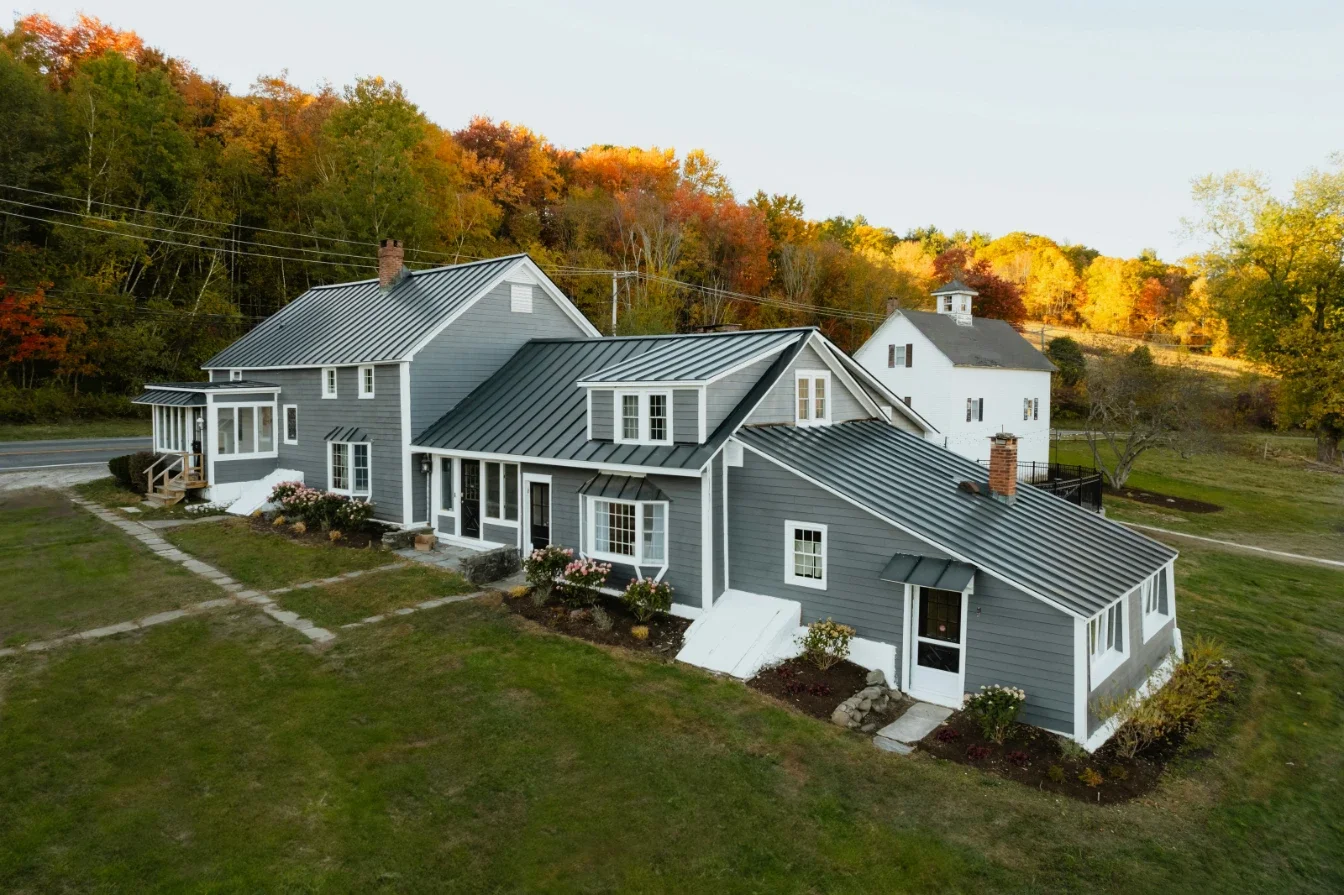
Most people think about their yard in terms of what they want it to look like. A patch of lawn here, some garden beds there, maybe a paved area for entertaining. And that is a fine starting point. But the yards that actually thrive long term, the ones that stay lush without demanding constant intervention, are almost always the product of something that happened before a single plant went in. They were planned with the land itself in mind, not just the wishlist.
Smart site planning is one of those things that sounds technical until you realise it just means paying attention to what is already there and working with it rather than against it.
Starting With What Is Already Growing
Before anything else, look at your trees. Not just whether you like them or where they are sitting relative to your envisioned garden layout. Look at whether they are actually healthy, whether their root systems are competing with the soil your plants will need, and whether their canopy is doing useful work like shading a hot wall or, alternatively, blocking light from a space that desperately needs it.
This is where a lot of homeowners stall out. They know a tree is probably not helping the situation but removing one feels enormous, both physically and emotionally. Calling in proper tree removal services in Melbourne is genuinely worth it for anyone managing an established block. A qualified arborist does not just take the tree down safely, they assess the whole picture. What is this tree doing to the soil? Is the root structure a problem for drainage or for any future planting? That kind of knowledge shapes every decision that follows.
Getting the existing vegetation right before you plant anything new is one of those things that saves you enormous headaches three years down the track.
Soil and Sun Mapping Matter More Than Style
Once you know what you are working with above ground, the next step most people skip entirely is mapping the actual conditions of the site. Where does the sun fall at different times of day? Which corners stay damp after rain? Where does the soil compact or crust over in summer? These are not abstract questions. They determine which plants will genuinely thrive versus which ones will survive for a season and quietly give up.
If you want to save yourself a lot of guesswork, the approach covered in this guide on planning a backyard landscape without hiring a designer walks through exactly this kind of observation-first thinking. Before the aesthetics come in, the site conditions set the rules. Work with those rules and the landscape practically looks after itself.
Understanding How Water Moves Across Your Land
Here is where site planning gets genuinely interesting, and also where most homeowners underestimate the complexity of what they are dealing with. Water does not just fall and stay where it lands. It moves, it pools, it finds low points, it follows the contours of the land in ways that are not always obvious from looking at a flat yard on a dry day.
Poor water management is behind most of the persistent problems in residential landscapes: boggy patches, dry spots that never recover, erosion along garden edges, plant losses that seem random but actually track with drainage patterns. The field of hydrologic and hydraulic modelling solutions exists precisely because water behaviour across a site is genuinely complex to predict and plan for. At a residential scale, understanding even the basics of how runoff flows, where it collects, and where it exits your property gives you a meaningful advantage when it comes to placing garden beds, choosing plant species, and deciding where not to put a lawn.
Grading, swales, and permeable surfaces are all tools available to the thoughtful homeowner. But they only work properly if you understand the water movement they are meant to address. It is also worth checking local requirements before you start reshaping the land, since significant drainage or grading work often calls for approved site plans for permits, and having accurate documentation ready keeps your project compliant and avoids costly rework later.
Connecting the Outdoors to How You Live
Smart site planning is not purely about solving problems. Done well, it creates a yard that connects seamlessly to the way you actually use your home. Shaded seating that catches the afternoon breeze. Garden beds are positioned so they are easy to tend without trampling other plants to get there. A water feature or irrigation system that actually makes sense given where water naturally wants to go on your block.
There is also real value in thinking about energy efficiency as part of the outdoor picture. The way trees and structures are positioned directly affects heating and cooling loads inside the house. In that sense, the work explored in this piece on how solar pump inverters support home water systems and outdoor living is part of the same conversation. The outdoor environment and the home's systems are not separate things. They interact constantly.
Patience Pays Off Here
The temptation when you start on a garden or yard project is to skip the planning and get to the planting. Watching things grow is satisfying. Digging and measuring and testing soil is less so. But the yards and gardens that genuinely age well almost always have that unhurried foundation behind them. The ones that look like they belong, like they grew from the land rather than being imposed on it. That is not an accident. It is what happens when the planning comes first.
Stay up to date with our latest ideas!