How to Maintain a Commercial Ice Machine for Reliable Performance
Learn how to maintain a commercial ice machine, prevent common problems, improve efficiency, and keep ice production safe and reliable.

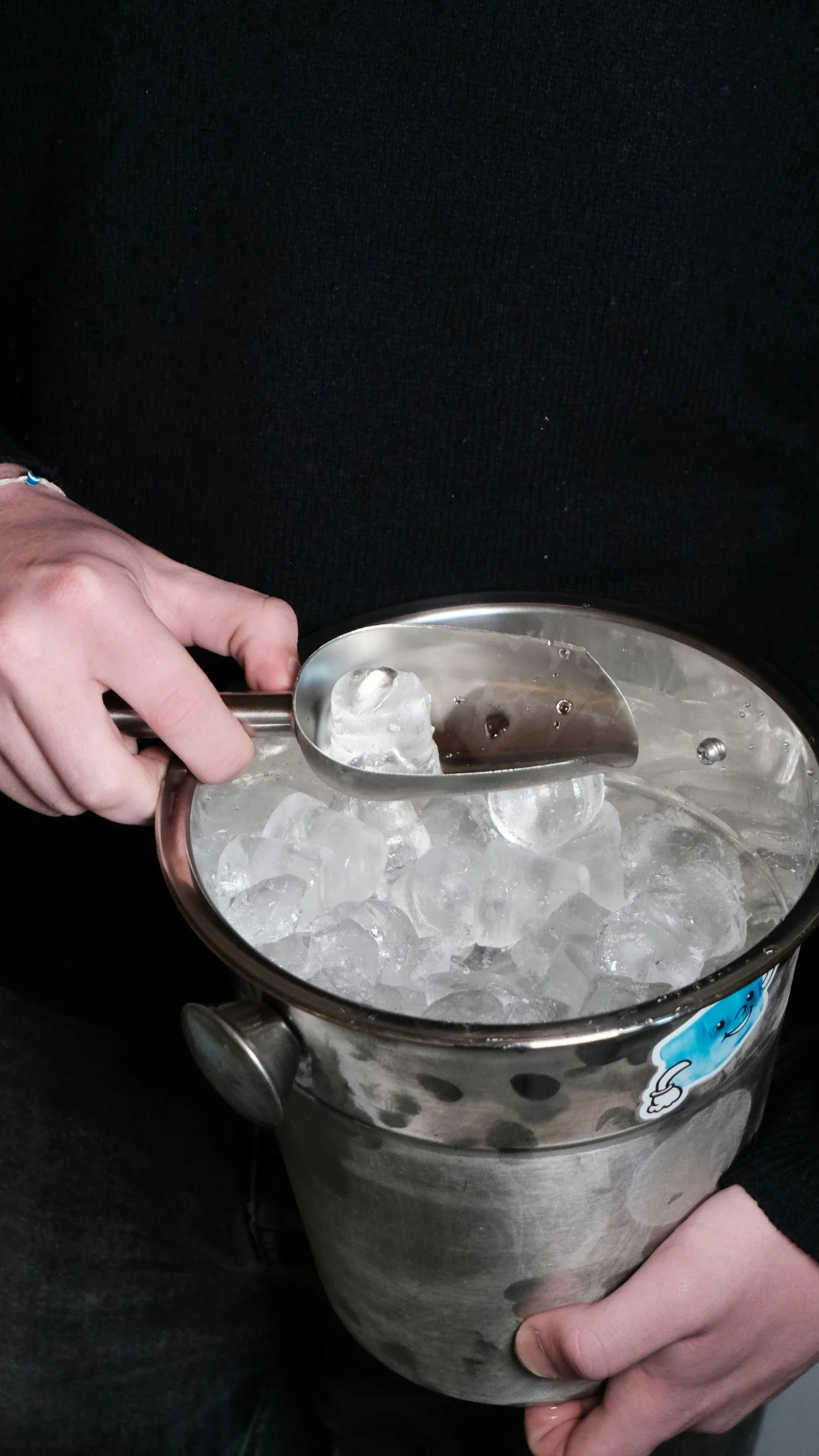
Reliable ice production is essential for restaurants, hotels, bars, healthcare facilities, and other businesses that serve or store chilled products. When equipment starts producing less ice, develops unusual odors, or stops working completely, timely Commercial Ice Machine Repair may be necessary. However, regular maintenance can prevent many problems and help commercial ice machines operate efficiently for longer.
Why Commercial Ice Machine Maintenance Matters
Commercial ice machines operate continuously in many busy environments. Unlike residential appliances, they may produce hundreds of pounds of ice every day, placing considerable demands on their components.
Without proper maintenance, mineral deposits, scale, dirt, and biological buildup can accumulate inside the machine. These issues can affect ice quality, production speed, water flow, and overall equipment performance.
Regular maintenance also gives businesses an opportunity to identify developing mechanical problems before they result in an unexpected shutdown during a busy service period.
Keep the Machine Clean
Cleaning is one of the most important parts of ice machine maintenance. Water and moisture create an environment where mineral deposits and unwanted buildup can develop over time.
The ice-making components, water distribution system, storage bin, and other accessible surfaces should be cleaned according to the manufacturer's instructions. Using inappropriate cleaning products can damage internal components or leave unwanted residues.
The exterior should also be wiped regularly, particularly in restaurants and food service environments where grease, dust, and food particles can accumulate.
A proper cleaning schedule should be based on equipment usage, water quality, and the manufacturer's recommendations rather than simply waiting until visible buildup appears.
Check Water Quality
Water quality can have a significant impact on ice machine performance. Hard water contains minerals that can accumulate on internal components and restrict water flow.
Over time, scale buildup can reduce efficiency and contribute to problems with ice production. In areas with particularly hard water, filtration may help reduce mineral accumulation.
Businesses should monitor the condition of their water filtration system and replace filters according to the recommended schedule. A clean water supply can contribute to better ice quality while reducing unnecessary stress on the equipment.
Inspect Airflow and Ventilation
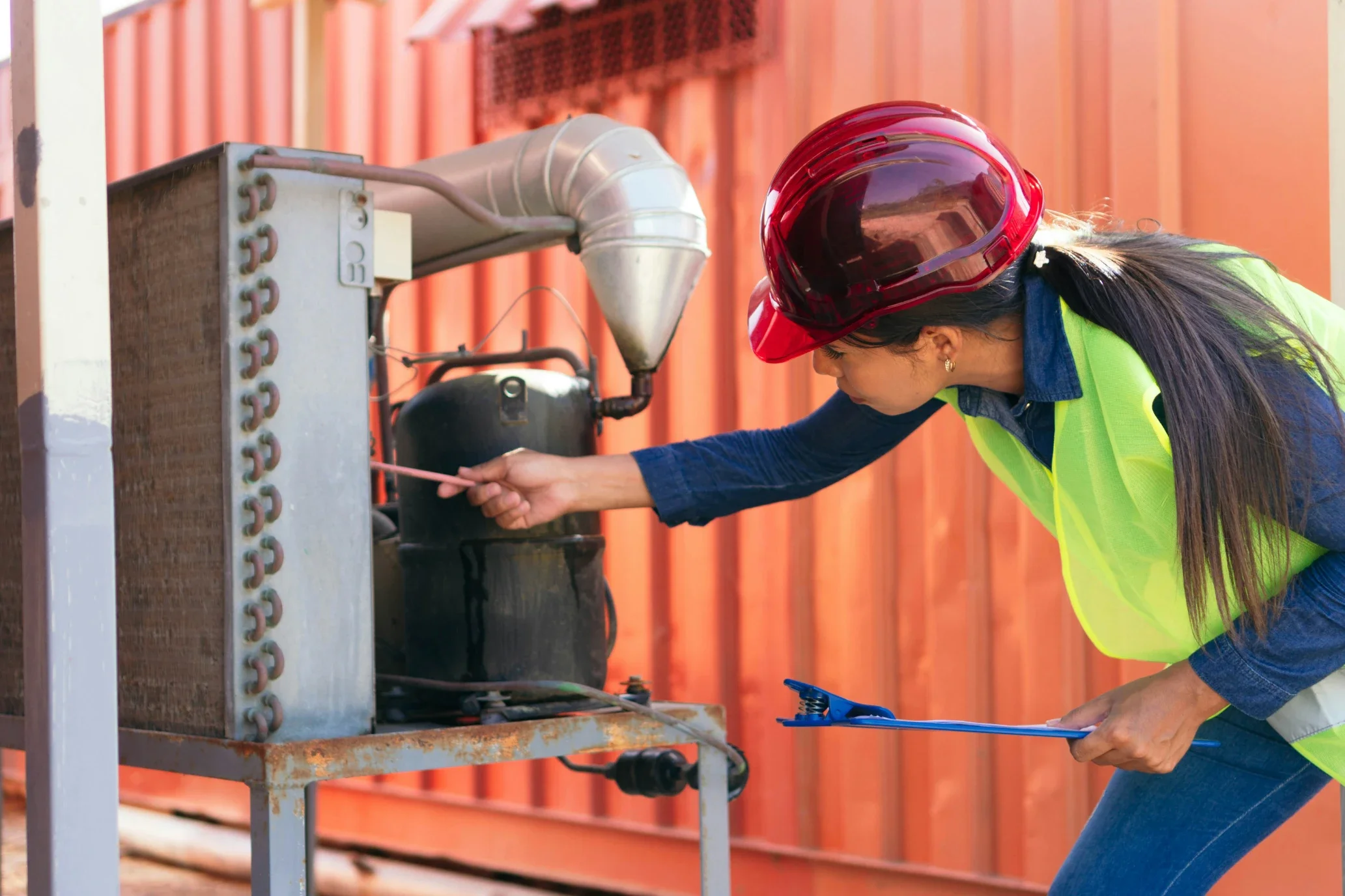
Air-cooled ice machines require adequate airflow to release heat. If the surrounding area is too confined or the condenser becomes clogged with dust, the machine may struggle to maintain the appropriate operating temperature.
Check that vents are not blocked by boxes, furniture, or other equipment. Condenser surfaces should also be inspected and cleaned according to manufacturer guidelines.
Poor ventilation can increase energy consumption and place additional strain on the refrigeration system. Maintaining adequate clearance around the machine is a simple step that can make a meaningful difference.
Watch for Warning Signs
Commercial ice machines often provide warning signs before a major failure occurs. Reduced ice production, smaller-than-usual cubes, unusual noises, water leaks, excessive condensation, and longer production cycles can all indicate potential problems.
Unusual odors or changes in ice appearance should also be investigated. Ice intended for food and beverages should be produced and stored under appropriate sanitary conditions.
Instead of repeatedly resetting the machine when something goes wrong, businesses should identify the underlying cause. Continuing to operate equipment with a developing mechanical or electrical problem can potentially lead to more extensive damage.
Follow a Preventive Maintenance Schedule
A written maintenance schedule makes it easier for staff to keep track of cleaning, filter replacement, inspections, and professional servicing.
Daily tasks may include checking the machine's general condition and keeping surrounding areas clean. Regular tasks can include cleaning accessible components, inspecting water connections, and checking ventilation.
Professional inspections may be appropriate at intervals recommended by the equipment manufacturer or based on the machine's workload. High-volume businesses may need more frequent attention than facilities that use relatively little ice.
Protect Ice Quality and Business Operations
Ice machines should be treated as important food-service equipment rather than simply another appliance. Proper sanitation, water quality, airflow, and mechanical maintenance all contribute to reliable operation.
Businesses should also keep manufacturer documentation available so employees and technicians can quickly identify the correct maintenance procedures and replacement components.
By combining routine cleaning with preventive inspections and prompt attention to warning signs, businesses can reduce avoidable downtime and maintain more consistent ice production. A well-maintained machine is not only more reliable, but can also support efficient daily operations and better standards for food and beverage service.
Stay up to date with our latest ideas!