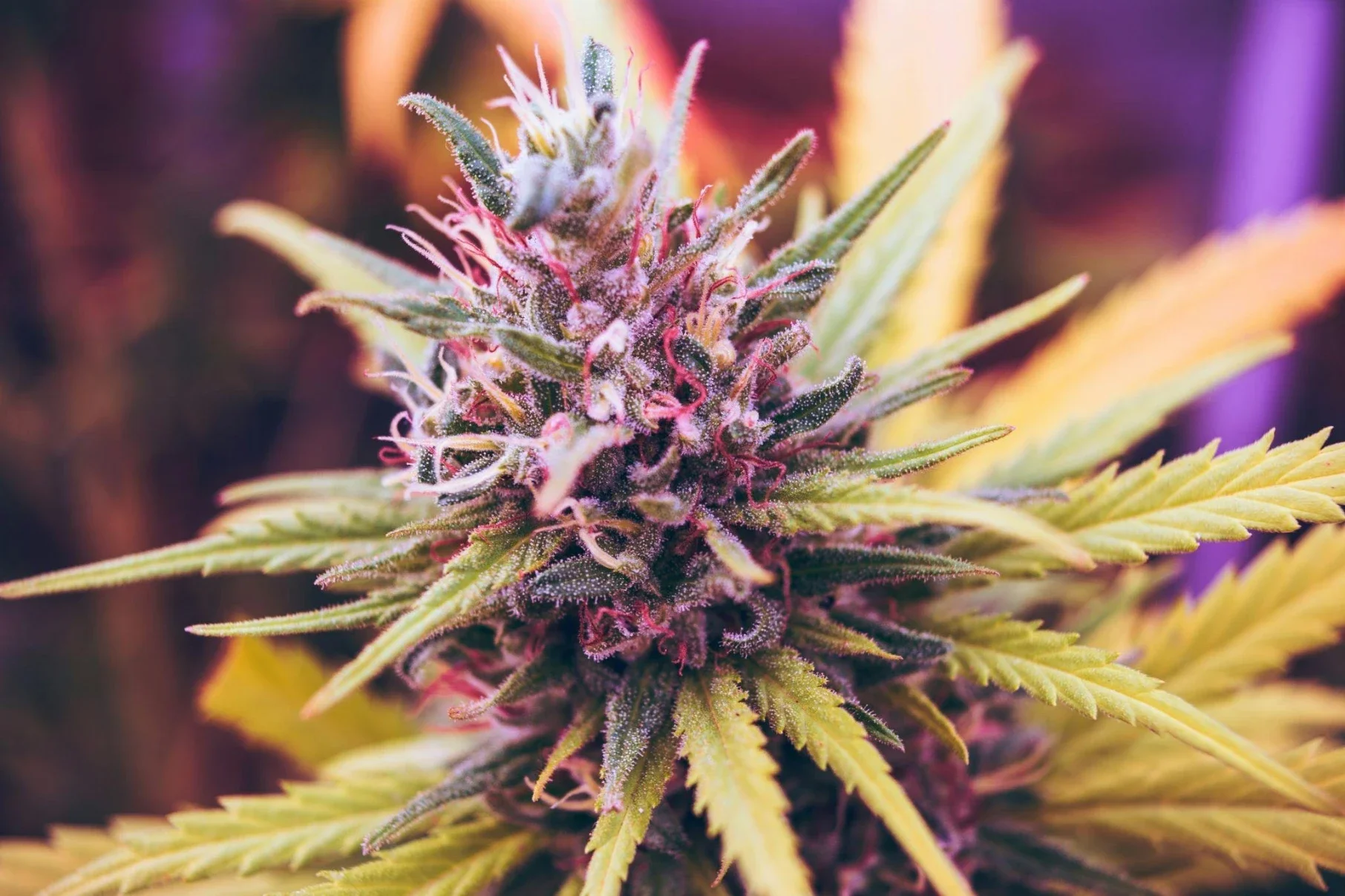
Learn how to properly cure and store flowers with a simple home routine that preserves freshness, protects quality, and extends their shelf life.
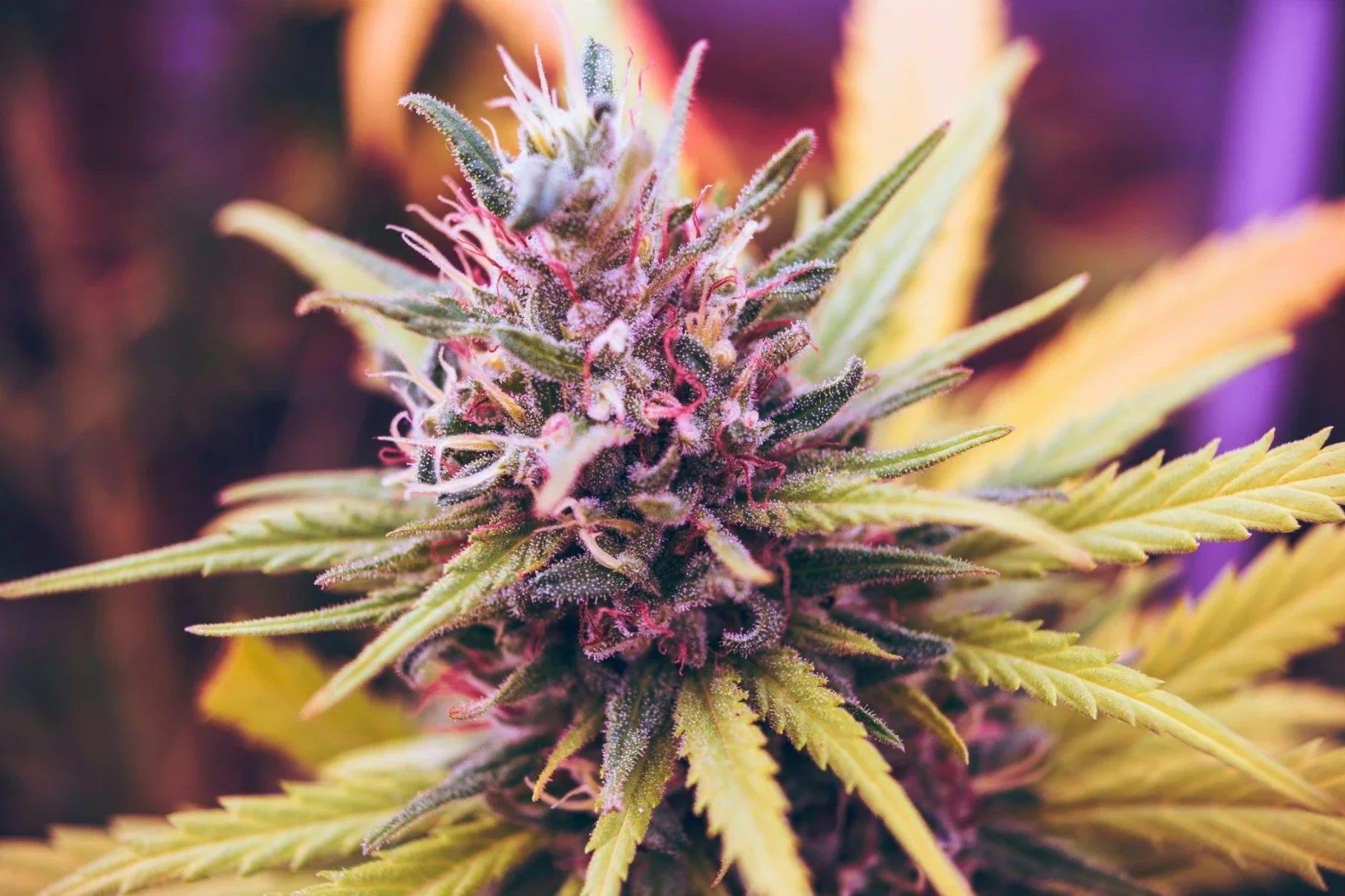
Growing flower at home can be satisfying, but harvest day is only one part of the process. What happens afterward affects how the finished flower holds up in storage. Even flower purchased from a dispensary needs a sensible place to live once you bring it home.
If you are an adult in a place where home cultivation is permitted, it helps to think of drying, curing, and storage as three separate steps. Each has a different job, and each deserves a little attention. The same practical storage habits can help whether you grew the flower yourself or bought it already cured.
Know where curing ends and storage begins
Drying removes much of the moisture from freshly harvested flower. Curing follows drying and is meant to help the flower settle before longer storage. According to Oregon State University Extension's guide to post-harvest hemp flowers, temperature, humidity, light, and air exposure can all affect the quality of flower after harvest. The guide also notes that research on the best curing methods is still developing.
That is a good reason to avoid assuming that one container or one humidity pack can do every job. Follow reliable guidance for the plant you are handling, pay attention to its condition, and keep your workspace clean. Flower that is still too damp should not simply be sealed for long-term storage. If you notice visible mold or an unusual musty smell, do not treat a storage product as a fix.
Choose the right product for the right stage
If you want to cure and store with Vivi Fresh, it helps to know that the brand uses two different products. Vivi Cure is designed for the curing stage. Vivi Fresh is designed to help manage humidity once flower has already been cured and placed in an airtight storage container. Check the product instructions before moving from one stage to the next.
For dispensary flower, you can skip the home curing routine and focus on storage. For homegrown flower, wait until the curing process is complete before treating it as a stored supply. Keeping those stages distinct makes your routine easier to follow and helps you notice when something needs attention.
Set up a storage space that makes sense
Choose a clean, airtight container that is suitable for the amount of flower you have. Close it properly after each use. Store it away from direct sunlight, heat sources, and places with big temperature swings. A windowsill or a shelf above the stove may be convenient, but neither is a good location for a container you want to keep cool and out of the light.
Label containers so you know what they hold and when they were packed. This is especially helpful if you have several varieties or small batches. Make a habit of checking the container and its contents when you open it. A quick look can tell you whether a lid has loosened or something about the flower has changed.
Keep it secure in a family home
Storage is also a household safety issue. The Maryland Cannabis Administration's safe-storage guidance recommends keeping cannabis locked, out of sight, and away from children and pets. A high shelf alone does not provide the same protection as a locked container or cabinet.
Keep cannabis separate from snacks, baking ingredients, and other everyday pantry items. If children visit your home, think about what they can reach or open, even if they do not live there. Return the container to its locked location after every use rather than leaving it on a counter while you do something else. A routine that is easy to repeat is more reliable than one that depends on remembering later.
Check your setup as the seasons change
Home conditions shift throughout the year. Summer heat, winter heating, and frequent opening of a container can change the environment around stored flower. If you use a humidity pack, follow its sizing and replacement instructions. An airtight container and a pack can help manage storage conditions, but neither replaces an occasional check of the contents. This matters when a container is opened several times weekly.
You do not need an elaborate tracking system. A label with the date and a brief note on your phone can help you remember when you packed a batch or last checked a humidity pack. If the container has been left open, reseal it and review your routine so it does not happen again.
The goal is a storage habit that fits your home: finish curing before long-term storage, use suitable supplies, keep the container away from heat and light, and lock it away from children and pets. A few consistent steps are easier to maintain than a complicated system you abandon after a week.
Stay up to date with our latest ideas!