What You Can Do to Make Your Home More Energy Efficient
Discover practical ways to make your home more energy efficient with smart upgrades, better insulation, and everyday habits that reduce utility costs.

High energy bills can make living in your own home feel incredibly stressful. Splurging on random gadgets rarely fixes the underlying issue of thermal loss. True efficiency requires a strategic approach to how your property manages heat, light, and power.
Transforming your living space into an eco-friendly haven is entirely doable with the right roadmap. Small adjustments combine with structural upgrades to yield massive savings over time. You can easily take control of your utility costs while creating a much more comfortable environment for your family.
Upgrade Structural Insulation
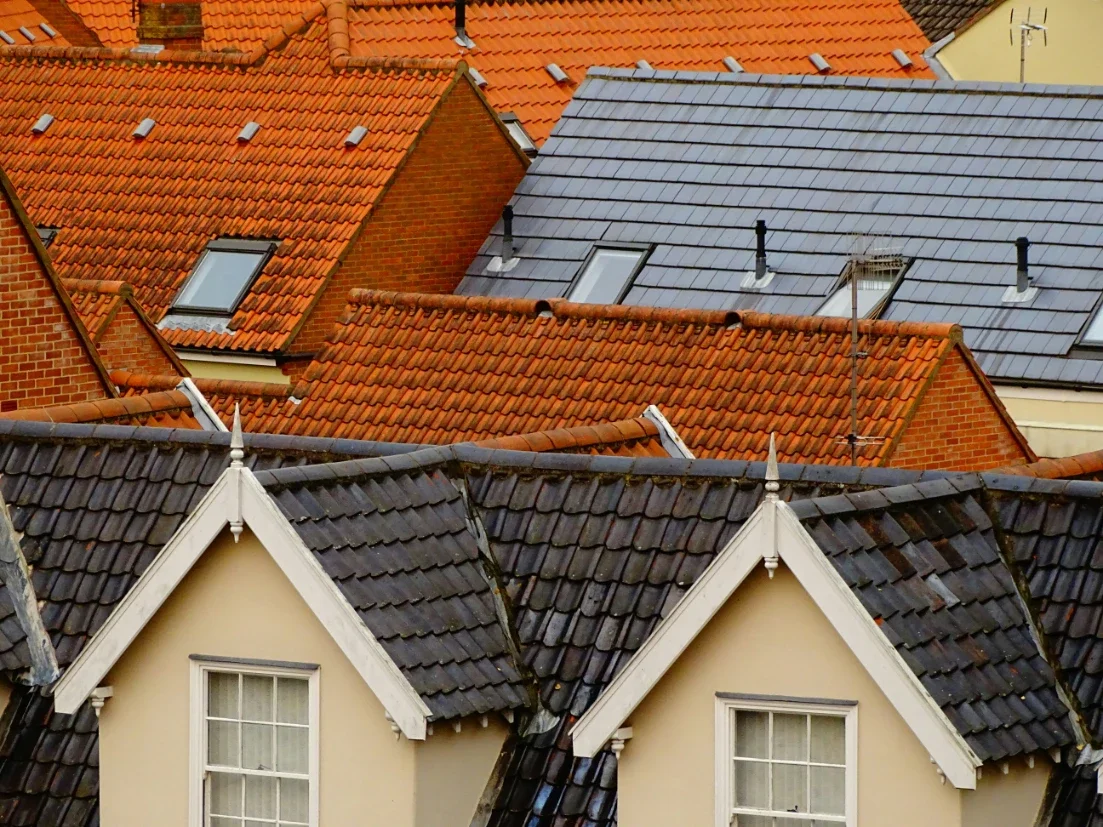
Heat naturally escapes through the highest points of a building during winter. Roofs are the most common place to find spray foam insulation. Adding high-quality materials to your attic stops this thermal drift immediately.
Many homeowners overlook the financial benefits of addressing structural vulnerabilities early. When managing a deteriorating property, you might find yourself deciding between roof repair and re-roofing to fix leaks and improve efficiency. Taking care of these structural issues prevents conditioned air from escaping through cracks. Upgrading your thermal boundaries keeps your indoor climate stable.
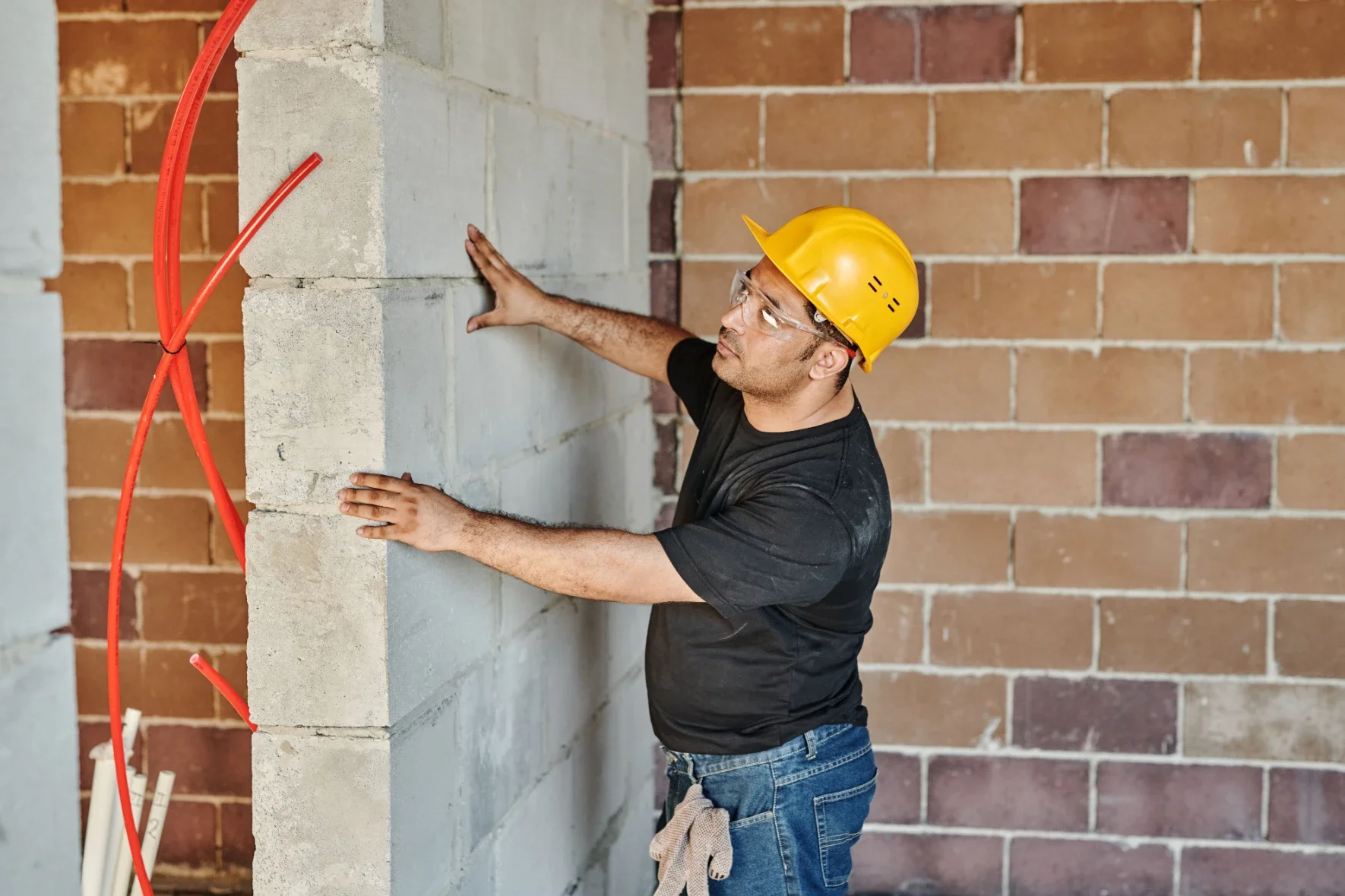
A complete strategy addresses every corner of the property. Achieving peak efficiency requires full insulation in the floor, walls, and roof. Skipping any of these zones creates a weak point where energy drains away. Investing in comprehensive coverage pays off through lower monthly power bills.
Install High-Performance Windows
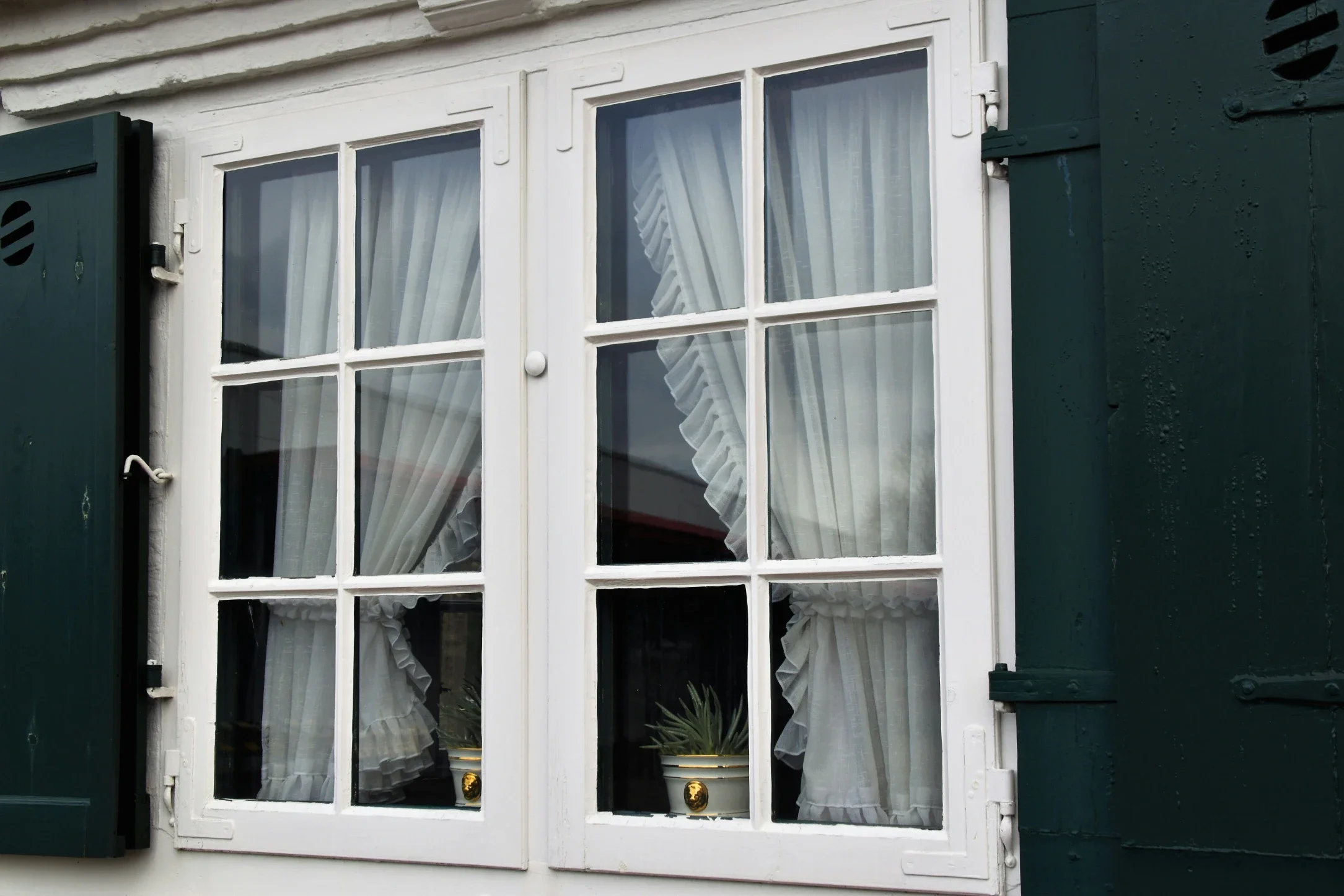
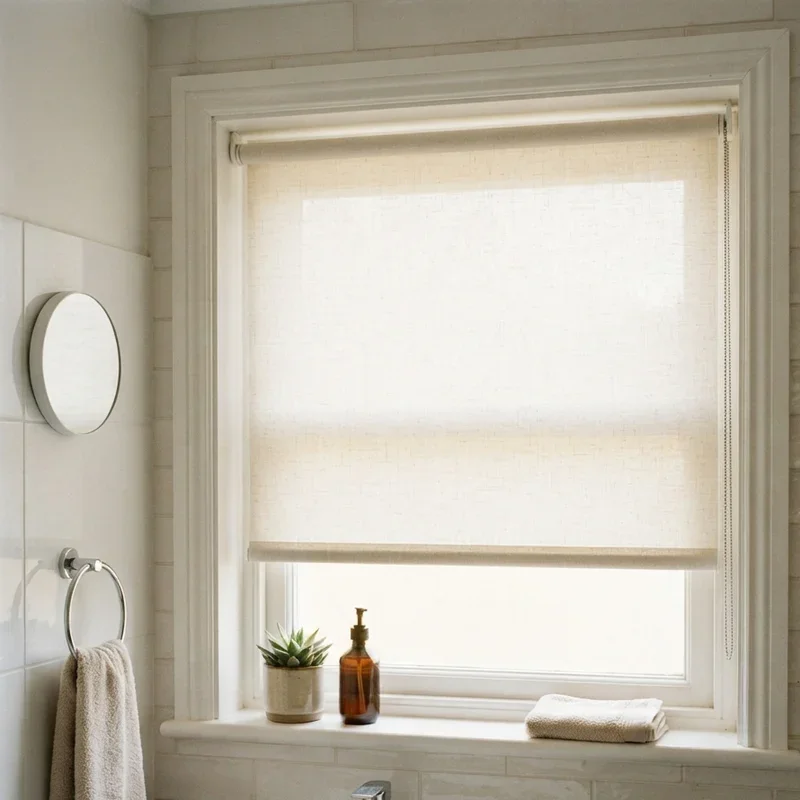
Single-pane glass offers almost no protection against outdoor temperatures. Upgrading your windows keeps your home sealed tight against harsh weather elements.
Replacing single glazing with double or high-performance glazing improves thermal performance and reduces drafts.
Modern window frames prevent air leakage around the edges of the glass.
Specialized coatings reflect infrared light to keep summer heat outside.
Transition to LED Lighting
Lighting accounts for a significant portion of daily electricity usage. Traditional incandescent bulbs waste most of their energy by generating unnecessary heat. Switching to LED bulbs can cut lighting energy use by up to 75%.
These modern options last for years without needing a replacement. Swap out the bulbs in your high-use areas first to see immediate results.
Implement Advanced Heating Controls
Old thermostats often misread indoor temperatures and waste fuel. Modern systems give you precise authority over when your climate control operates.
Heating controls alone account for 49% of ECO4 measures. Using these tools prevents you from warming an empty house while you are away at work. You can set specific schedules that match your daily routine perfectly.
Invest in Solar Technology
Generating your own electricity reduces your reliance on local power grids. Rooftop panels capture clean energy directly from the sun to run your appliances. Recent data shows solar PV resulted in an estimated median electricity saving of 9%.
This setup protects your household from unpredictable utility rate hikes. Any excess energy produced can sometimes be credited back to your account.
Choose Reflective Roofing Materials
The color and composition of your roof affect how much heat your home absorbs. Dark shingles act like a sponge for solar radiation during hot summer days. Cool roofs use highly reflective materials to reflect more light and absorb less heat from sunlight.
This choice lowers the demand on your air conditioning unit. Your cooling systems will not have to work nearly as hard to maintain a chill environment.
Align With Regional Efficiency Standards
Governments worldwide are pushing for lower energy footprints across all residential sectors. Keeping up with these shifting guidelines helps maintain your property value. The 2025 revised directive raises the EU energy efficiency target, making it binding for EU countries to collectively ensure an additional 11.7% reduction in energy consumption by 2030.
Following these frameworks ensures your home remains modern and compliant. Upgrading now prepares your household for stricter future environmental regulations.
Seal Air Leaks Around Openings
Tiny gaps around doors and baseboards create quiet energy drains. Cold drafts force your heater to run continuously to compensate for the loss. Using simple weatherstripping fixes these problem areas for very little cost.
Check the perimeters of your exterior walls for hidden openings. Sealing these minor cracks makes a noticeable difference in your daily comfort.
Maintain Major Appliances Regularly
Dirty filters and worn-out parts force appliances to draw extra electrical current. Scheduling annual tune-ups keeps your HVAC system running at peak performance. Clean machinery utilizes fuel far more effectively than neglected hardware.
Simple maintenance protects your wallet from sudden breakdown expenses. Taking care of your equipment extends its operational lifespan by several years.

Lowering your daily power consumption does not mean sacrificing your comfort. Focus on sealing structural gaps and upgrading outdated components to build a resilient household. Tracking your utility bills will show the direct impact of these physical upgrades.
Every smart modification safeguards your budget against rising global resource costs. Taking these steps transforms your home into a model of modern sustainability.
Stay up to date with our latest ideas!