Is Your Siding Ready for Extreme Weather? How to Spot Damage That Requires a Full Replacement
Learn how to spot siding damage caused by extreme weather and recognize the signs that mean a full replacement is the safest and most cost effective option.

Severe weather puts any house through a tough test. Freezing winter blizzards, scorching summer heat, heavy rainstorms, and destructive hail beat down on a building's exterior year-round. Siding is engineered to serve as a protective barrier, but relentless exposure to the elements eventually wears out even the most durable materials.
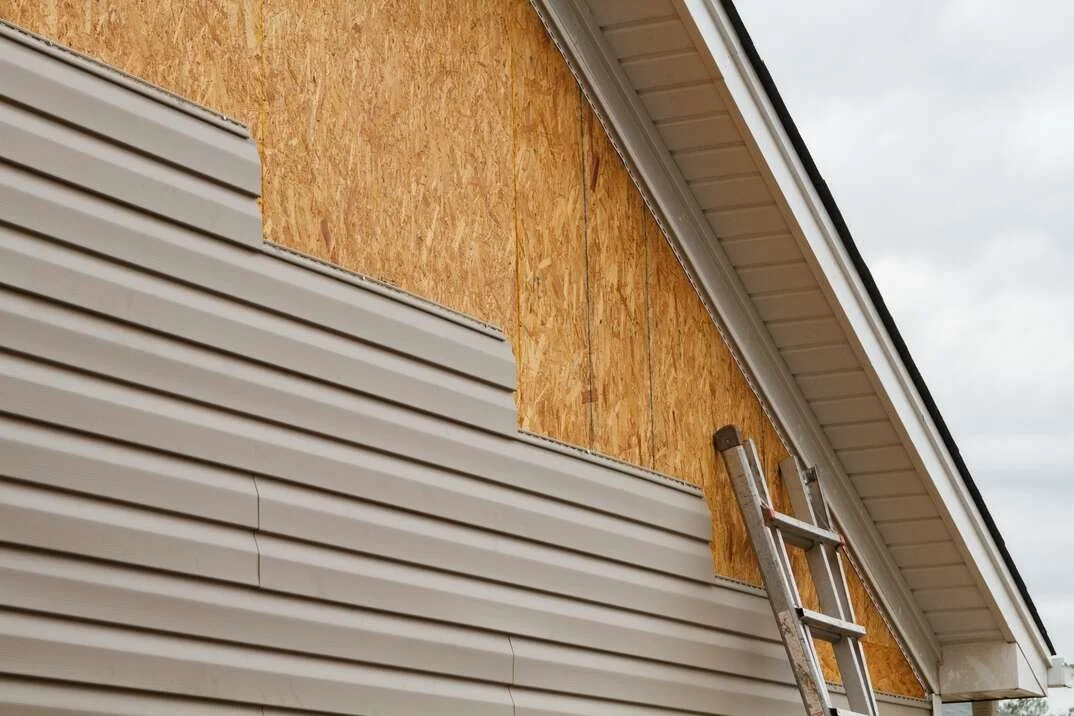
Fixing minor cosmetic scuffs or a few isolated cracks works fine as a temporary holdover. Letting structural breakdown slide, on the other hand, leads to heavy water penetration, toxic mold, ruined insulation, and spiking utility bills. When the protective outer envelope fails, investing in a complete home siding replacement makes the most sense financially while protecting the property and restoring curb appeal.
The Hidden Toll of Extreme Weather on Your Exterior
Extreme weather breaks down siding in ways you might not catch right away. Depending on local climate conditions and building materials, specific weather events create distinct weak points across an exterior wall system:
Hail and Airborne Debris: Fast-moving hail cracks and shatters vinyl siding, leaves dents in aluminum, and strips protective finishes off painted wood or fiber cement. These micro-fractures break the outer watertight seal, allowing moisture to breach the backing material.
Gale-Force Winds: Severe windstorms produce strong pressure drops that pull panels away from the wall sheathing. Once a single panel loosens, wind easily peels back large sections, leaving underlying wooden framing exposed to rain and air.
Freeze-Thaw Expansion Cycles: In cold climates, meltwater seeps into hairline cracks and seams. When temperatures drop below freezing, trapped water expands, forcing small cracks wider and snapping metal fasteners hidden inside the wall assembly.
Intense UV Radiation and Heat Waves: The relentless sun breaks down chemical bonds in vinyl and exterior paint, causing chalky residue, heavy fading, and heat warping. Warped panels lose their interlocking grip, leaving open gaps for wind-driven rain.
5 Critical Warning Signs You Need a Full Home Siding Replacement
Catching exterior damage early saves thousands of dollars in hidden framing repairs down the road. Minor surface issues can take a quick spot repair, but these five warning signs indicate that simple patches will not cut it anymore and a full home siding replacement is necessary.
1. Widespread Cracking, Buckling, or Thermal Warping
Temperature shifts force siding panels to stretch and contract, causing older or improperly installed boards to lose flexibility. Noticing wavy lines, buckling sections, or deep cracks spanning across multiple walls means the material has reached the end of its functional lifespan. Trying to match new panels to faded, weathered siding leaves an uneven look while failing to restore thermal protection.
2. Moisture, Mold, and Rot Behind the Panels
Water breaks down houses quickly. When moisture gets behind failing siding, it sparks hidden rot that spreads fast into structural wall studs and insulation. Warning signs include:
Fungi, mold, or mildew growing along panel seams and corners.
Soft, spongy, or crumbling wood under the exterior boards.
Peeling paint, bubbling wallpaper, or water stains on interior living room or bedroom walls.
After water crosses the moisture barrier, spot repairs trap water inside the wall, speeding up structural decay.
3. Unexplained Increases in Heating and Cooling Bills
Siding operates directly alongside house wrap and wall insulation to keep indoor temperatures stable. If heating and cooling costs jump after a rough storm season, the siding weather seal or backing insulation took a hit. Modern siding choices offer engineered insulated backing that cuts out thermal bridging, dropping monthly power bills noticeably.
4. Frequent Need for Painting and Maintenance
Quality wood or composite siding usually holds paint or stain finishes for 8 to 10 years. Needing a fresh paint job every 2 to 3 years due to continuous peeling, blistering, or flaking means the boards are holding far too much moisture. The material can no longer hold protective coatings, which signals that replacement is past due.
5. Loose, Rattling, or Missing Panels After Heavy Winds
Replacing a single missing panel after a storm is simple enough, but widespread loose or clacking boards point to a deeper issue. It usually means original nails, fasteners, or underlying sheathing have rusted out or rotted away. Putting new panels onto damaged backing means they will tear off again during the next storm.
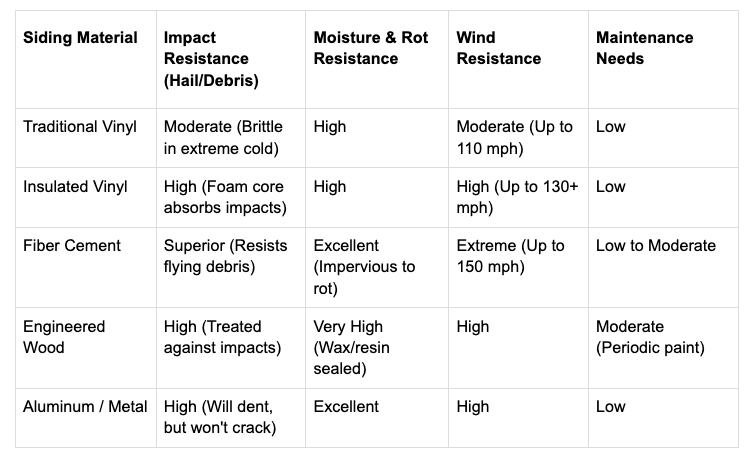
Comparing Siding Materials for Harsh Climates
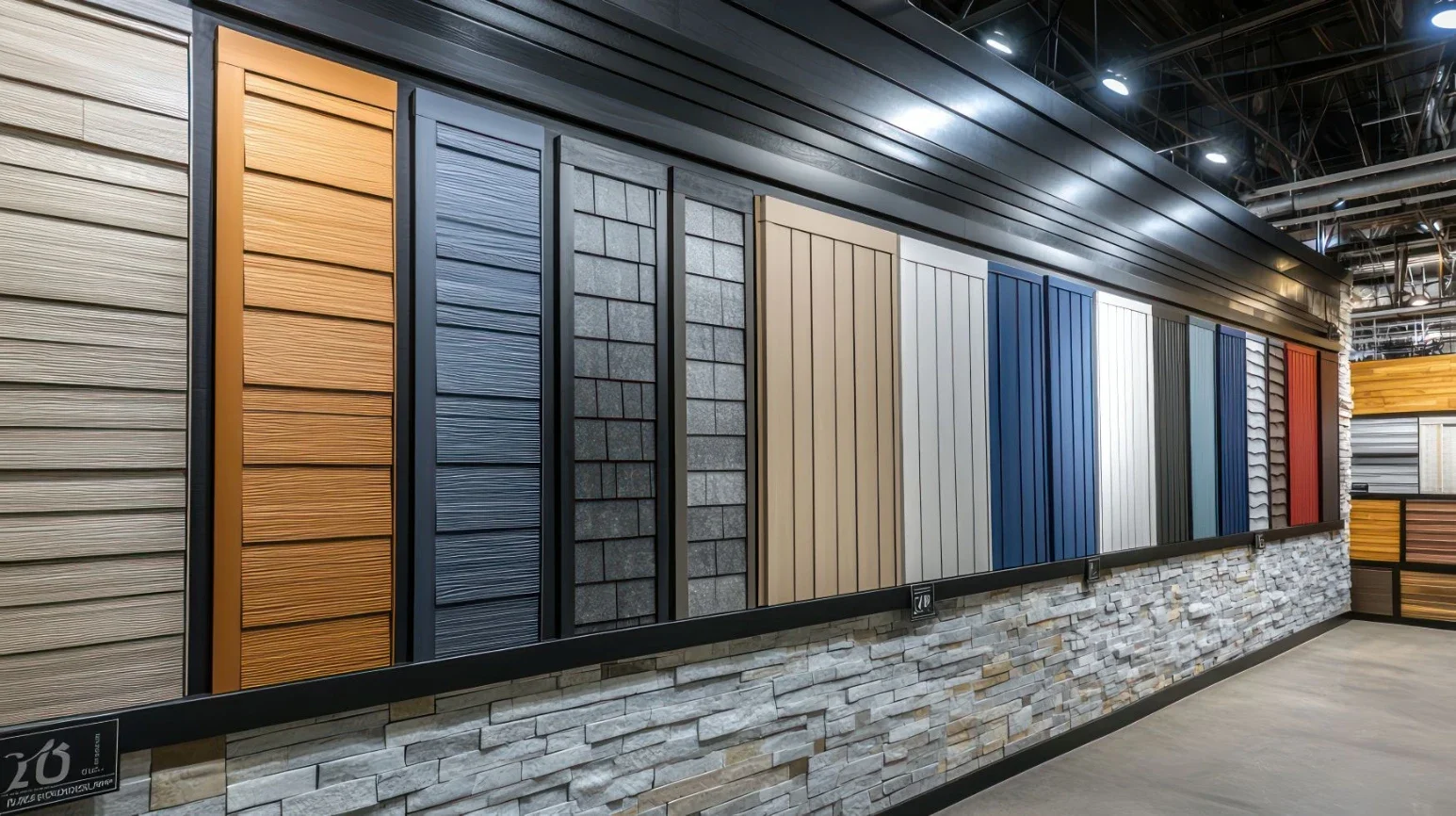
Selecting the right material during replacement matters when living in areas prone to rough weather. Here is how popular siding options hold up under tough conditions:
Repair vs. Full Replacement: Making the Decision
Deciding between localized repairs and a total overhaul comes down to evaluating a few practical factors.
When assessing the extent of damage, if damage covers less than 15% to 20% of a single wall, targeted repairs are usually enough. However, damage spreading across multiple sides calls for replacement.
The age of the system is equally critical. Siding over 20 years old has generally reached the end of its useful lifespan, and putting money into repairing aged siding delivers poor returns compared to a full system upgrade.
Finally, keep color fading and availability in mind. Older siding profiles and colors are frequently discontinued, meaning patchwork fixes tend to leave a home looking mismatched with uneven shades.
Step-by-Step Post-Storm Siding Inspection Protocol
After a severe storm moves through your neighborhood, run through this practical walkthrough of your property.
Begin by performing a ground-level perimeter walk. Walk around the foundation looking for loose trim, broken panel fragments, or nails backing out of the wall.
Next, inspect high-risk exposure zones. Pay close attention to gables, roof-to-wall seams, and spots under gutters where overflowing water damages siding joints.
From there, use the screwdriver test. Press a flathead screwdriver gently against any discolored or suspicious wood panels. Soft, yielding wood means dry rot has settled in.
To finish, check interior surfaces. Walk through perimeter rooms inside your home, checking exterior-facing walls for damp spots, peeling paint, or cold drafts.
The Long-Term ROI of Replacing Your Siding
A full siding replacement stands out as one of the highest-value home improvement projects you can take on. Outside of protecting your property from future storms, it offers immediate practical benefits.
First, it brings boosted resale value. Industry remodeling reports show that siding replacement consistently recovers a major portion of its cost at resale by improving curb appeal.
It also results in lower maintenance costs. Modern materials like fiber cement and engineered vinyl require minimal upkeep, removing expensive repainting schedules.
Finally, homeowners enjoy enhanced home comfort. Modern weather barriers and insulated panel backings stop indoor drafts and keep interior temperatures steady regardless of outdoor conditions.
Protect Your Home Before the Next Big Storm
Your home's siding acts as the front line of defense against nature's harshest elements. Minor scratches or replacing single boards can buy a little time, but severe structural fatigue, trapped moisture, and heavy storm damage demand a complete solution. Investing in a timely home siding replacement keeps your house safe, energy-efficient, and attractive for decades to come.
Stay up to date with our latest ideas!