Converting Your Garage Into an Indoor Golf Practice Space: A Complete Guide
A practical guide to converting your garage into an indoor golf practice space, covering ceiling height, insulation, lighting, netting, safety, and budget.

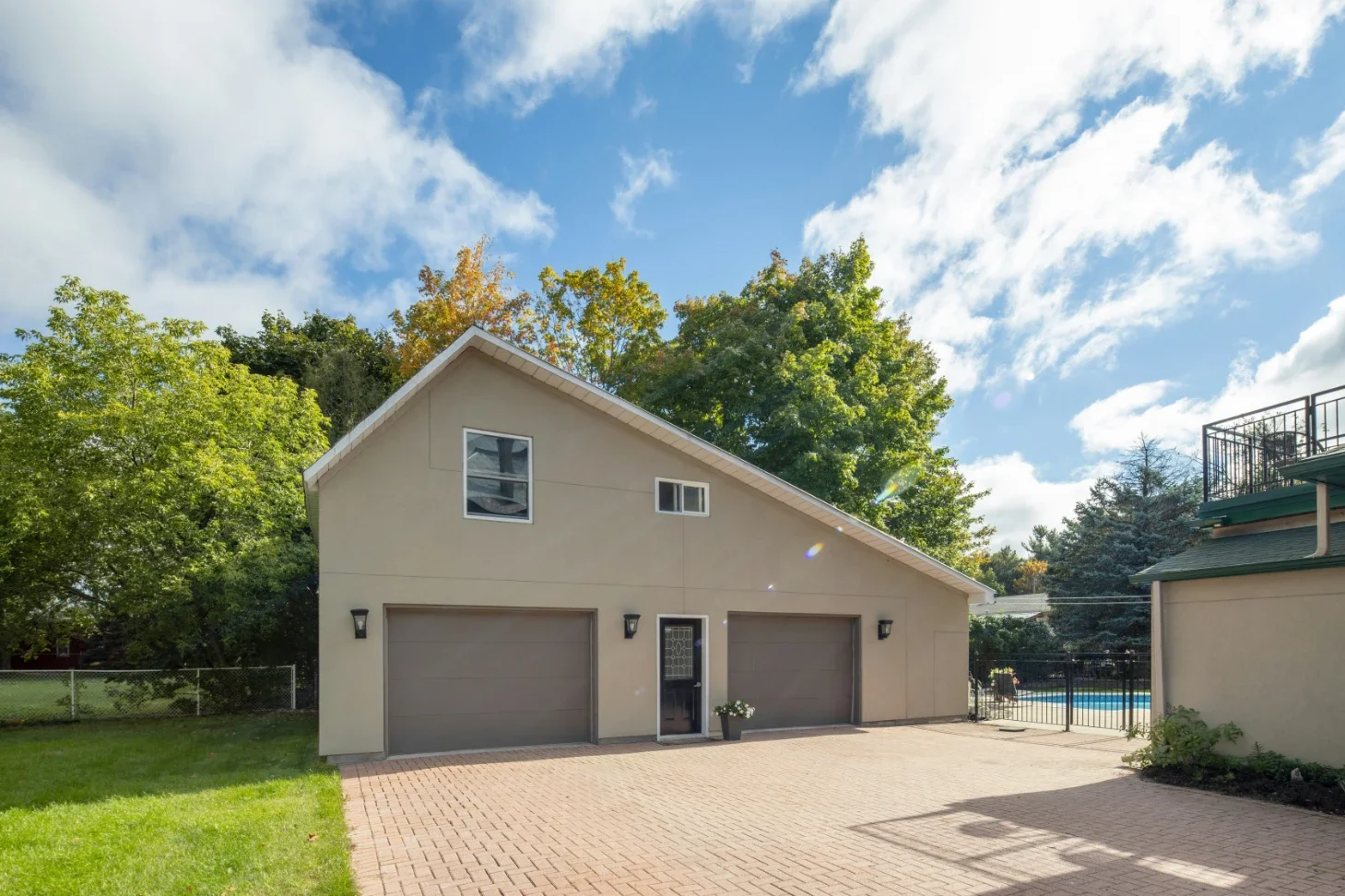
For most homeowners, the garage is where good intentions go to gather dust. Half of it stores the car, while the other half holds boxes nobody has opened in years. Meanwhile, keeping a golf game sharp gets harder every winter, every rainy week, and every season when the course feels too far away. Turning that garage into an indoor golf practice space fixes both problems at once if you plan it around the room you actually have.
Why the Garage Became Golf's Favorite Room
Home golf is not a niche hobby anymore. A growing share of the game now happens away from the course, and screen and simulator golf sit right at the center of that shift. The simulator niche is now one of the fastest-growing sectors in the game, and it is not only younger players driving it. The number of users aged 50 and up has climbed sharply in the last few years.
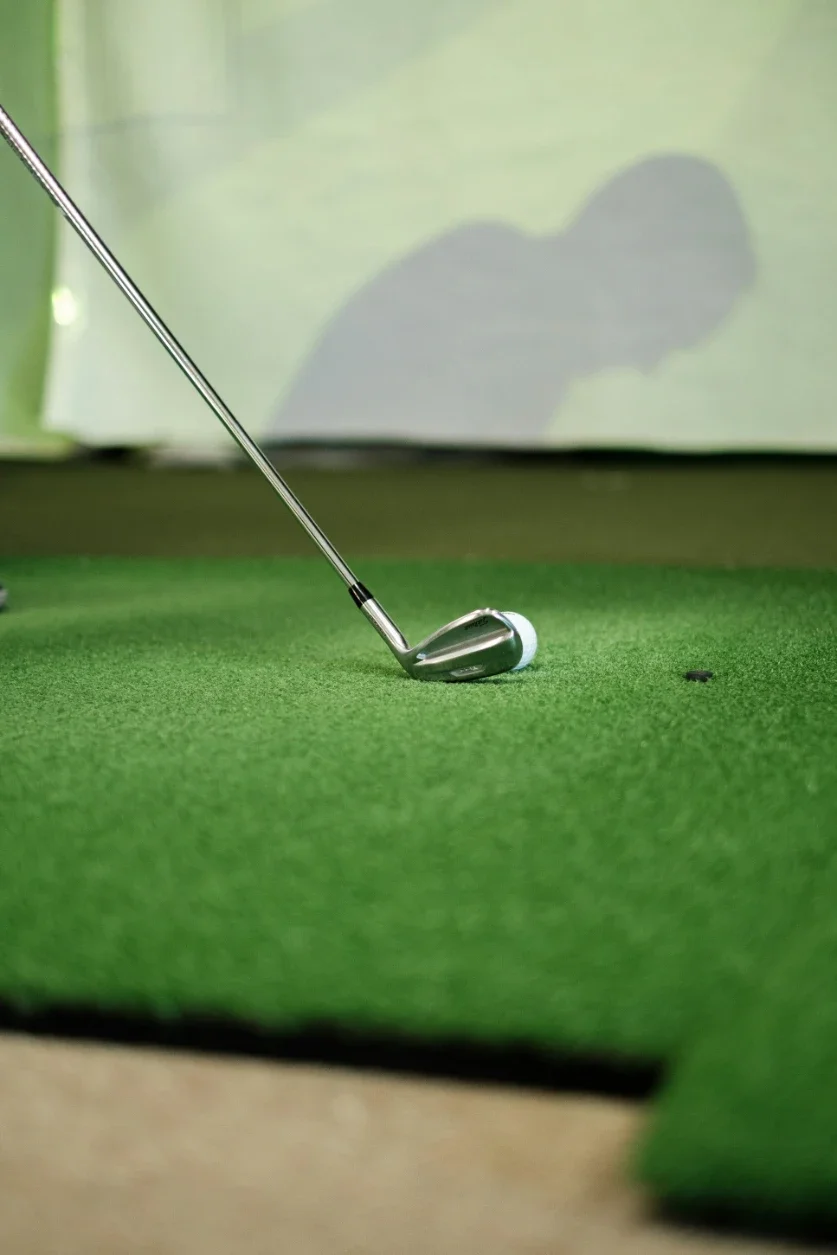
The appeal is easy to understand once you have tried it. A garage bay gives you a place to hit real balls with real clubs on a full swing, in any weather, at any hour, without booking a tee time or driving anywhere. The work is in building it so the space cooperates with a golf swing instead of fighting it.
Start With the Space You Actually Have
The single biggest factor is ceiling height. Most players need somewhere between nine and ten feet of clearance to swing a driver without clipping the ceiling, and taller golfers need more. Before buying anything, stand where you plan to hit and take a few slow practice swings with your longest club. If the clubhead has room, the space can work. If it does not, you can still build an iron and short-game room, which covers most of what actually lowers scores anyway.
Width and depth come next. You want enough room to stand comfortably to the side of the hitting area, plus space behind the ball for a screen or net, and space in front for a mat and tee line. A single-car bay is usually enough for one hitting station, while a double bay leaves room for seating or a putting area.
Approaching the conversion like any other room makeover helps here: decide how you want to use the room first, then design backward from that. A well-planned golf simulator setup starts with the dimensions of the room and the height of your swing, not with the gear you are planning to buy on day one. Get the space right, and every other decision gets easier. Budgeting the Build Without Overspending
A garage golf room can cost as little as a few hundred dollars or climb into five figures, depending on how far you take it:
Entry level (a few hundred dollars). A hitting mat, a net, and a few alignment aids get you swinging real clubs at real balls.
Mid-range (low four figures). Add a launch monitor and a proper hitting bay for shot data and a more course-like feel.
Full simulator (five figures). An enclosure, projector, screen, and software turn the bay into a room that plays full courses.
The smart move is to build in stages. Start with the mat, net, and flooring, live with the space for a few weeks, and add the tech once you know how you actually use the room. That discipline matters more than it sounds. In a 2026 Houzz & Home study, roughly 37% of renovating homeowners went over their planned budget, most often because of higher-than-expected costs and mid-project scope creep. Spreading the cost this way also keeps the project from turning into a runaway spend. The same discipline that helps homeowners plan a renovation without draining their savings applies here. Set a ceiling, prioritize the pieces you will use most, and resist buying the flagship simulator before you have hit a single ball.
It also helps to remember that the expensive gear is the part you can upgrade later. The room itself, meaning the space, insulation, lighting, and safety, is the foundation, and that is the part worth getting right the first time.
Climate, Insulation, and That Cold Concrete Floor
Garages are built to shelter a car, not to be comfortable. Most are uninsulated, which means they bake in summer and freeze in winter, and neither makes for a room you will actually use. Before adding heat or air conditioning, insulate.
The wall shared between the garage and your living space deserves the most attention. Building-science guidance from the U.S. Department of Energy's Building America program notes that this shared wall should be air-sealed and insulated, both to hold temperature and to keep exhaust and other contaminants from drifting into the house. That second point matters if you will still park a car in part of the space. Add insulation to the garage door and any exterior walls while you are in there.
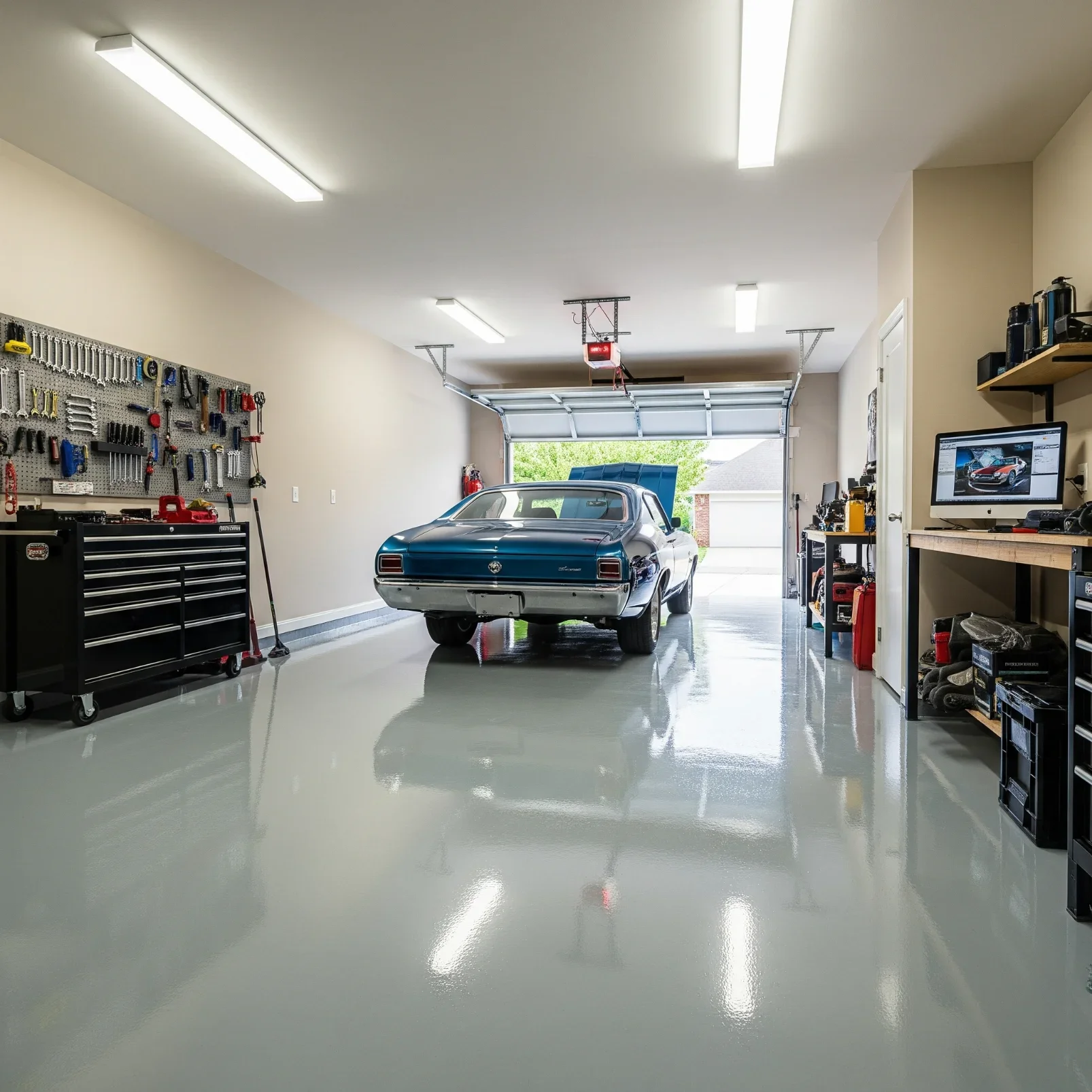
Then deal with the floor. Bare concrete is hard on your back over a long session, and it holds cold. A layer of foam or rubber flooring under your hitting mat softens the surface and takes the chill out of standing on a slab for an hour.
Lighting, Power, and Protecting the Room
Good light does more than help you see. Camera-based launch monitors and simulator sensors read the ball and clubhead better in bright, even lighting, so flat, glare-free overhead fixtures beat a single bulb in the corner. Aim for even coverage across the hitting area with no harsh shadows falling over the ball.
Power is the quiet requirement people forget. A simulator, a projector, a launch monitor, a computer or tablet, and a space heater can pull more than one aging garage circuit wants to handle. If you plan to run much of that at once, have an electrician confirm the circuit can take the load or add a dedicated one.
Then protect the room from yourself. A mishit off a driver carries real speed, so a proper impact screen or a heavy-duty net, plus side netting, keeps stray balls away from your car, your walls, and your windows. This is not the place to cut corners, since netting is a lot cheaper than drywall repair or a new windshield.
Making It a Room You Want to Use
A practice space only pays off if you spend time in it. That means making the garage somewhere you want to be, not a bare box you visit out of obligation. The same comforts that turn a basement into a cozy hangout space work here too: a comfortable chair, a small speaker, a spot to set a drink, and decent storage for clubs and balls all go a long way.
If the space has to stay flexible, plan for it. Retractable nets, a mat that rolls up, and a wall-mounted screen let the garage flip back to storage or a workshop when you need it. Plenty of homeowners run a setup that folds away in twenty minutes, so the car still fits on the weekend.
Build it around how you actually live, and the room stops being a novelty that gets ignored by February. It becomes the reason your game holds up all year.
The Payoff
Converting a garage into a golf practice space is less about the flashiest simulator and more about the room underneath it. Get the dimensions, climate, lighting, and safety right, spend in stages, and finish it as a place you genuinely want to spend time in. Do that, and a half-used garage turns into one of the most-used rooms in the house, with your game no longer at the mercy of the weather.
Stay up to date with our latest ideas!