Planning a New Hot Water System Installation: What Homeowners Should Consider
Learn what homeowners should consider before a new hot water system installation, from choosing the right system to improving efficiency and long term savings.

Hot water is one of those household essentials that is easy to overlook until the existing system stops working. When replacement becomes necessary, it can be tempting to simply install the same type and size of system again.
However, replacing a hot water system is also an opportunity to consider whether the existing setup still suits the property. Household size, energy use, available space and the age of the plumbing can all influence which system is most appropriate.
Taking the time to assess these factors before installation can help homeowners avoid poor water pressure, insufficient hot water, unnecessary running costs and another premature replacement.
Start With the Household’s Hot Water Demand
The number of people living in the home is one of the most important considerations when selecting a hot water system.
A small household may use relatively little hot water each day, while a larger family may have several showers running close together, along with dishwashers and washing machines. Installing a unit that is too small can result in the household regularly running out of hot water.
On the other hand, choosing a storage tank that is significantly larger than necessary may mean heating and storing more water than the household actually uses.
Homeowners should consider:
How many people live in the property
How many bathrooms are used regularly
Whether showers are commonly taken one after another
When the dishwasher and washing machine are normally used
Whether the household is likely to grow in the coming years
A plumber can use this information to recommend a system with suitable capacity and recovery time.
Understand the Main System Options
Different hot water systems operate in different ways. The right choice will depend on the property, available energy connections and the homeowner’s priorities.
Electric storage systems
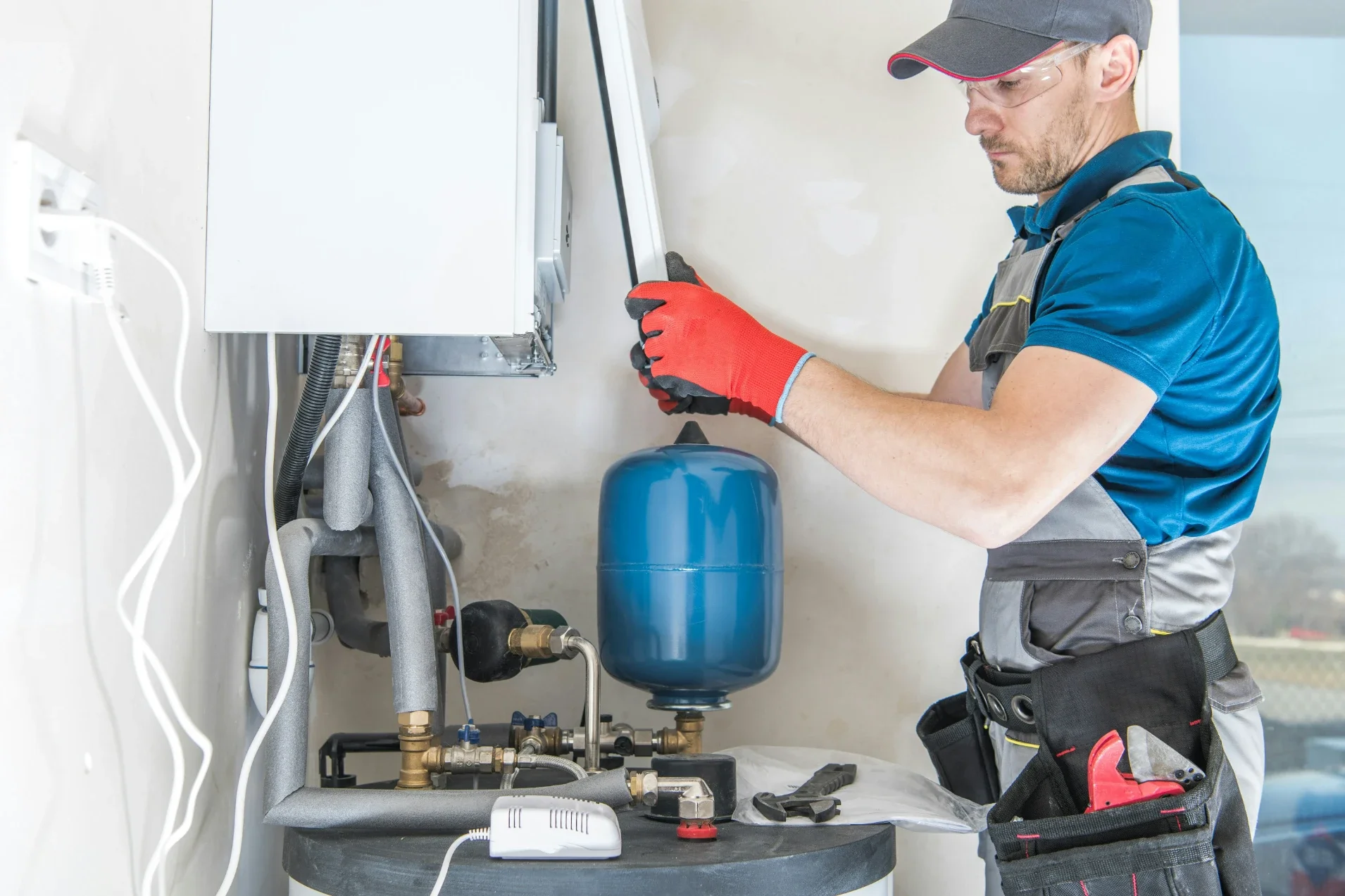
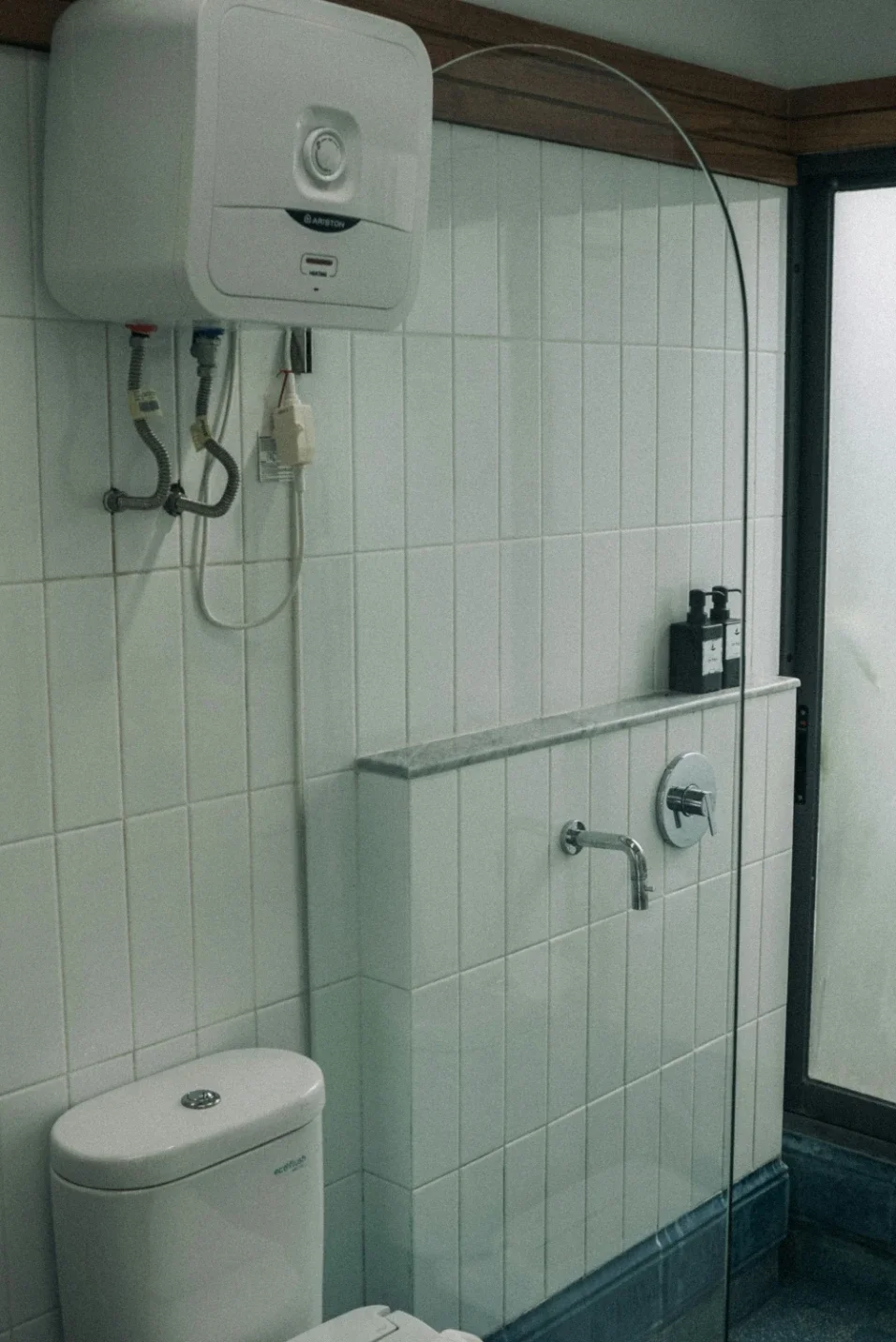
Electric storage systems heat water inside an insulated tank. They are common in Australian homes and can be a straightforward replacement when an existing electric unit fails.
These systems are available in various sizes, making correct sizing particularly important. Some households may also be able to take advantage of off-peak electricity tariffs, depending on their electrical setup and energy plan.
Gas storage systems
Gas storage systems also keep heated water in a tank, but use gas rather than electricity as the energy source. They can provide relatively quick reheating and may suit homes that already have an appropriate gas connection.
The condition and location of the gas supply must be assessed before installation.
Continuous-flow systems
Continuous-flow units heat water as it is required instead of storing it in a tank. Their compact design can be useful where outdoor or indoor space is limited.
Because they do not rely on stored water, they must be correctly sized for the number of outlets that may be used at the same time. An undersized unit may struggle when multiple showers or taps are running.
Consider the Installation Location
The position of the new hot water system can affect installation costs, performance and future maintenance.
In many cases, placing the replacement system in the same location is the simplest option. However, relocation may be worth considering when the existing unit is difficult to access, exposed to damage or occupying valuable space.
A plumber will need to assess matters such as:
Access to water, gas and electrical connections
Drainage requirements
Ventilation and clearance around the unit
Protection from weather
Distance between the system and frequently used taps
Access for future servicing or replacement
Moving a system can require changes to pipework and other services, so homeowners should understand the full scope before making a decision.
Check the Condition of the Surrounding Plumbing
A new hot water system will not automatically solve problems caused by old or damaged plumbing.
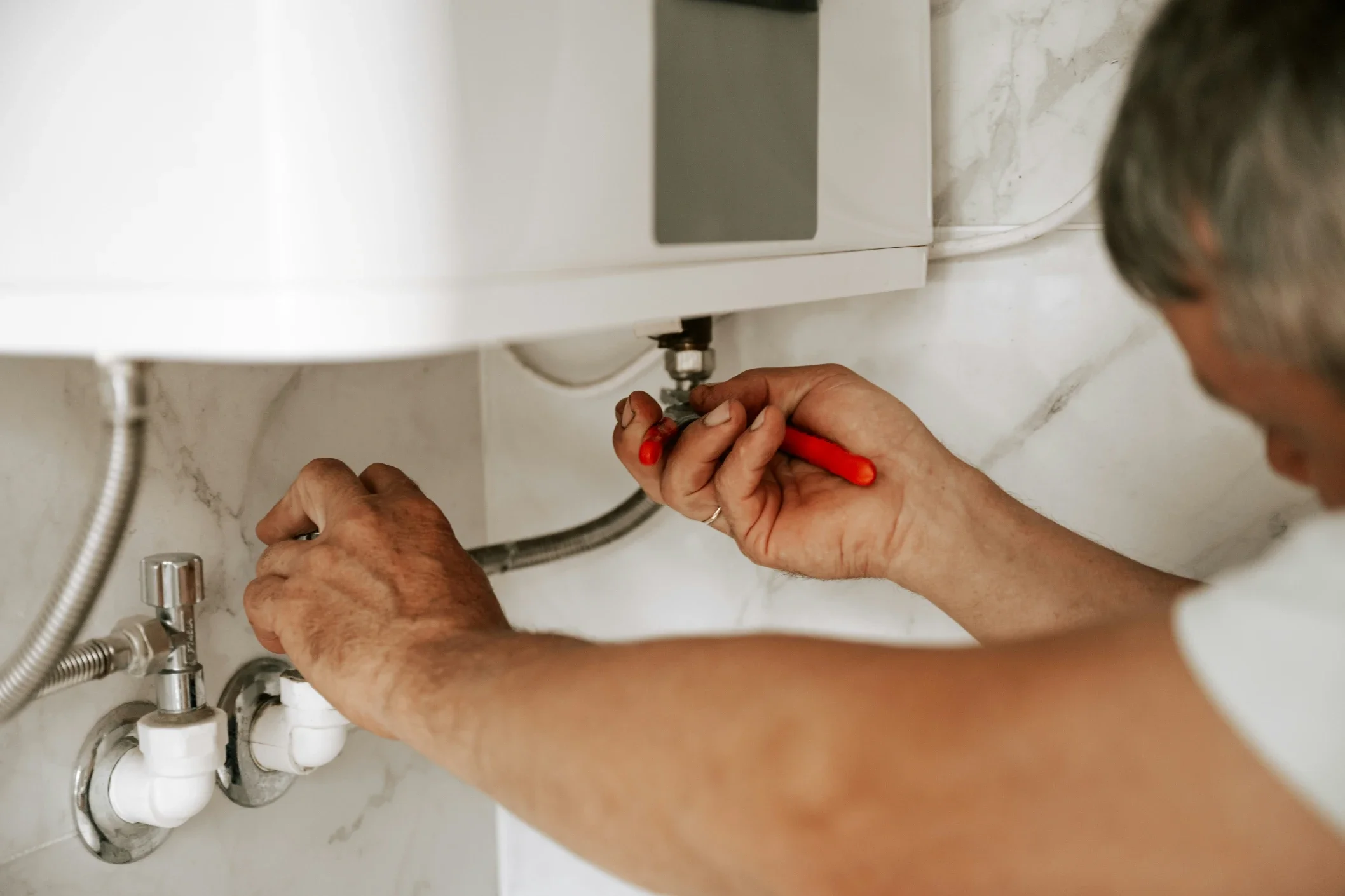
Corroded pipes, leaking valves, poor water pressure and ageing fittings should be identified before the installation is completed. Connecting a new unit to deteriorated pipework may lead to leaks or performance problems later.
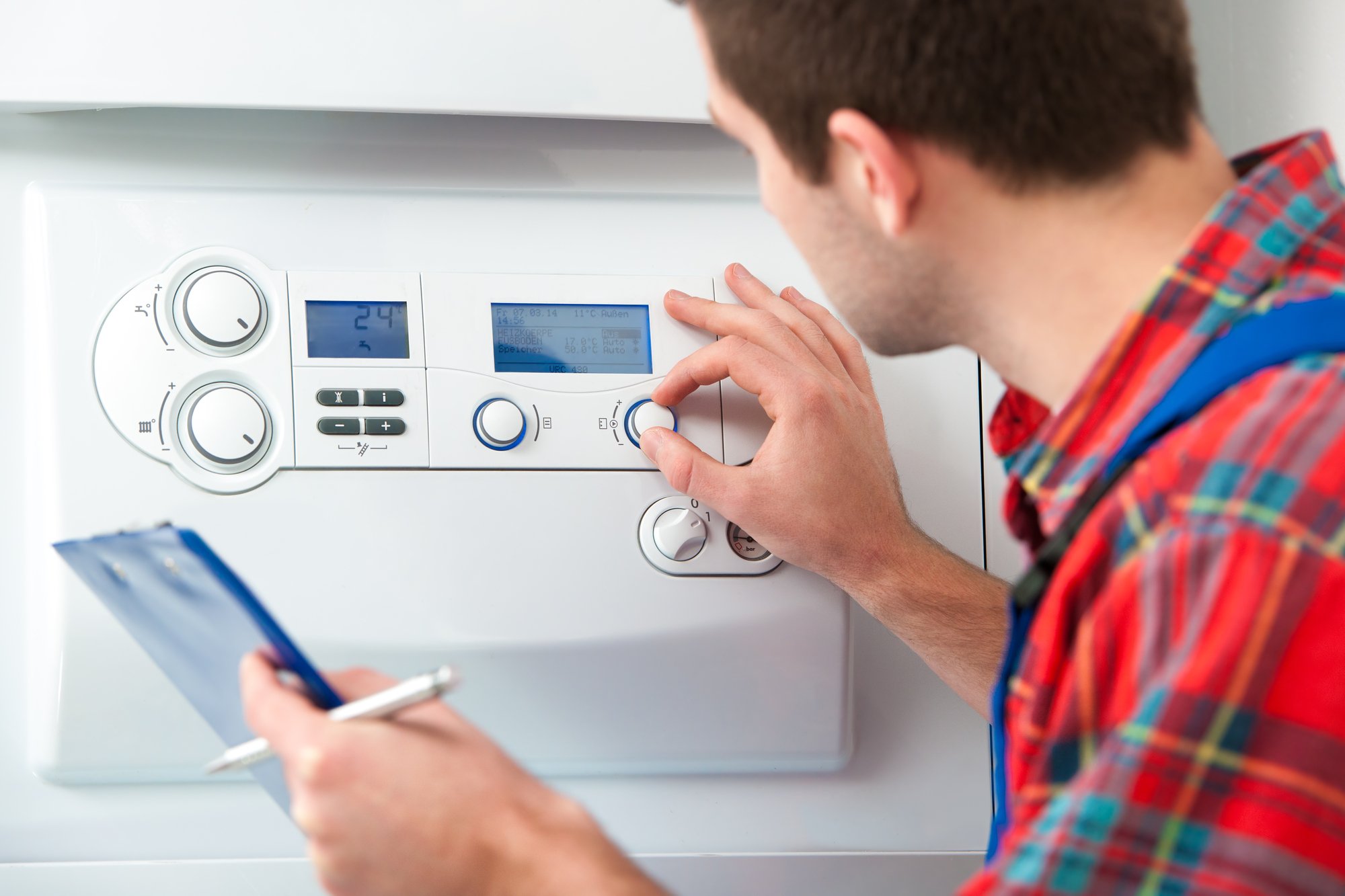
It is also important to check that pressure-control and temperature-control components are appropriate for the new installation.
Homeowners planning a replacement can click here for hot water installation in Canberra and arrange for the existing setup to be assessed by a licensed plumber.
Ask What Is Included in the Quote
Hot water installation quotes can vary depending on what is included.
Before accepting a quote, homeowners should clarify whether it covers:
Removal and disposal of the old system
Supply of the new unit
Plumbing materials and valves
Electrical or gas-related work
Changes to existing pipework
Testing and commissioning
Site clean-up
Manufacturer and workmanship warranties
A detailed quote makes it easier to compare options and reduces the likelihood of unexpected charges.
Avoid Waiting for Complete System Failure
Not every hot water system provides clear warning immediately before it fails. However, recurring leaks, rust, unusual noises, inconsistent temperatures and declining hot water capacity may indicate that the unit is approaching the end of its useful life.
Planning a replacement before a complete breakdown gives homeowners more time to compare systems and prepare for the work. It can also prevent the stress of making a rushed decision when there is suddenly no hot water in the home.
Make the Installation Fit the Property
There is no single hot water system that suits every household.
A suitable installation should account for the number of occupants, daily water use, available energy sources, property layout and the condition of the existing plumbing. Correct sizing and professional installation are just as important as the brand or model selected.
By having the property assessed before purchasing a unit, homeowners can choose a system that provides dependable hot water without paying for capacity or features they do not need.
Stay up to date with our latest ideas!