Learn whether you need planning permission for a garden room in Scotland and understand the key rules, exemptions, and requirements before you build.
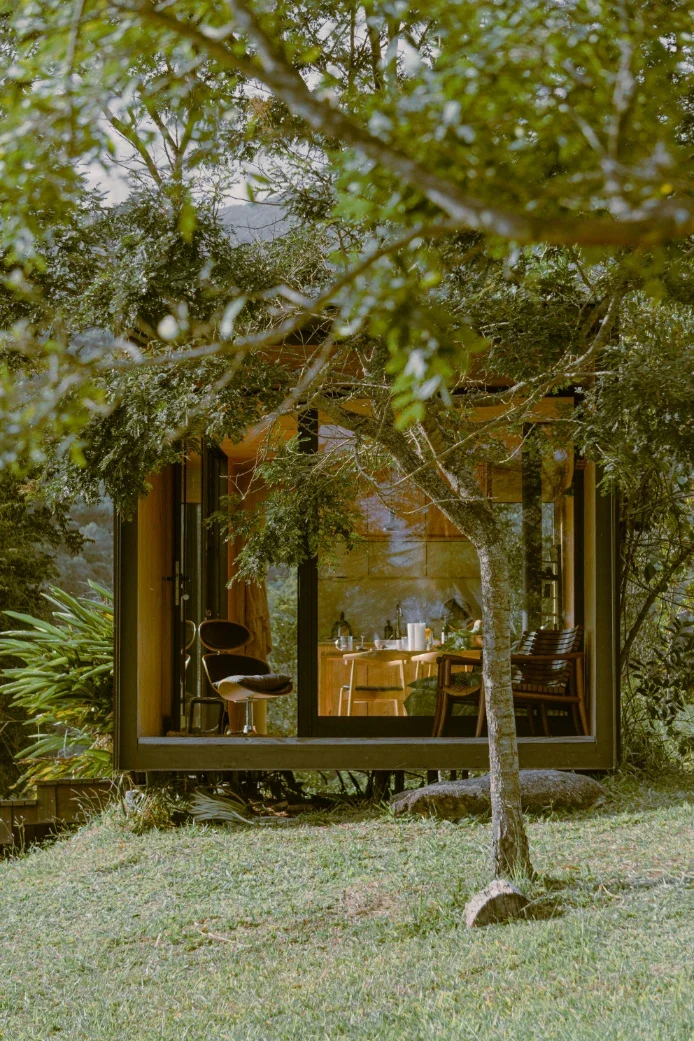
If you're planning to build a garden room in Scotland, one of the first questions you'll probably ask is whether you need planning permission. The answer depends on several factors, including the size of the building, its location within your garden, its intended use and whether your property benefits from permitted development rights.
Homeowners often assume every garden building requires planning approval, but most garden rooms can be built without planning permission provided they meet the relevant permitted development rules. Understanding the Scottish planning regulations before starting your project can save time, avoid unexpected costs and help ensure your new structure complies with the latest planning rules.
Working with experienced specialists such as Designer Garden Rooms Glasgow can also make the entire process much simpler. An experienced company will understand the Scottish permitted development rules, advise whether your specific project is likely to require planning permission and explain when a planning application may be necessary.
Do You Need Planning Permission for a Garden Room in Scotland?
In many cases, you can build a garden room in Scotland without planning permission because permitted development rights allow certain types of development without submitting a formal planning application.
However, permitted development rules only apply when specific conditions are met. If your proposed garden room falls outside these development rules, you'll need to apply for planning permission before work begins.
Whether permission for a garden room is required depends on factors such as:
The maximum height of the building.
Its distance from the property boundary.
The roof design.
The total size of the structure.
The intended use.
Whether your property is within a conservation area or national park.
Whether your house is a listed building.
Before beginning any project, it's always sensible to check with your local council or local planning authority if you're unsure how the rules apply to your property.
Understanding Permitted Development Rights in Scotland
Permitted development rights allow homeowners to build certain types of structures without obtaining full planning permission, provided the development meets the required location criteria and complies with Scottish planning regulations.
Most garden buildings used for incidental use, such as a garden office, gym, studio or hobby room, are normally covered by permitted development rights.
However, permitted development rules apply only where the building remains secondary to the main house and is not used as a separate dwelling or self contained living space.
If your proposal includes sleeping accommodation or is intended to be used as a separate home, it will usually require planning permission.
The Scottish rules also include restrictions relating to building height, roof design and location within the garden, so ensuring compliance before construction begins is essential.
Permitted Development Rules for Garden Rooms in Scotland
Understanding the permitted development rules is the key to deciding whether you need planning permission before you build a garden room. While many homeowners can benefit from permitted development, the rules are not automatic and must be followed carefully.
Under Scottish permitted development rules, most garden rooms and other types of garden building can be constructed without planning permission if they meet specific development rules relating to size, height, location and intended use.
One of the most important considerations is the maximum height of the structure. If the building has a pitched roof, the highest point must not be higher than 4 square metres above ground level. Where the wall meets the roof, the eaves height should not exceed 2.5 metres. If the building sits within 2.5 metres of a property boundary, additional height restrictions apply, making compliance even more important.
For a dual pitched roof, careful measurement is essential, particularly if the structure is positioned close to neighbouring land. If any part of the building is higher than 3 metres where the rules limit its height, or exceeds the maximum height permitted for its roof design, it may fall outside permitted development rights and require planning permission.
The location of your garden room is equally important. The location criteria within the Scottish planning regulations determine whether permitted development rules apply. Factors such as proximity to boundaries, the position of the building within the garden and the amount of surrounding garden space can all influence whether planning permission is required.
Although permitted development offers flexibility, every property is different. The development rights attached to one house may not apply in exactly the same way to another, particularly where previous planning conditions exist. If you're unsure, check with your local council before starting work.
Building Regulations and Building Standards
Planning permission and building regulations are often confused, but they serve different purposes.
Planning focuses on how development affects the surrounding area, while building regulations and Scottish building standards ensure the building itself is safe, structurally sound and suitable for its intended use.
Many small garden buildings used for incidental use will not require building regulations approval, but this depends on the size of the structure, the construction methods and how the space will be used.
For example, a simple garden office used during the day may have different requirements from a building that includes plumbing, electrical work or facilities intended for overnight occupation.
If the building is designed as sleeping accommodation or could function as self contained living space, it may no longer be considered an ancillary building. Instead, it could be treated as a separate dwelling, meaning full planning permission, building regulations approval and additional consents may all be required.
Where electrical work is being installed, it should always comply with the relevant building standards regardless of whether planning permission is needed.
Before construction begins, it's also worth checking whether your specific property has planning conditions that remove certain development rights. Some newer housing developments include restrictions that prevent homeowners from relying on permitted development without first obtaining approval.
Taking the time to understand both planning requirements and building standards at the beginning of your project helps avoid delays, unexpected costs and the possibility of receiving an enforcement notice after the building has been completed.
When Will You Need Planning Permission?
Although most garden rooms can be built under permitted development rights, there are situations where you'll require planning permission before work begins.
You'll usually need to apply for planning permission if your proposal:
Does not comply with the permitted development rules.
Exceeds the permitted maximum height.
Is positioned too close to the property boundary where height restrictions apply.
Is designed to be used as a separate dwelling.
Includes sleeping accommodation.
Is located on a listed building or within certain conservation area locations where additional restrictions apply.
Falls outside the Scottish permitted development rules for your property.
If you're planning to build a garden building that will be used as more than an incidental space, it's important to seek advice before construction starts. Every specific property has its own planning considerations, and the local authority may assess proposals differently depending on the surrounding area and previous developments.
Checking with your local council before committing to the project can prevent unnecessary costs and delays. A simple conversation with the planning team can confirm whether permission for a garden room is required and whether a planning application will be needed.
Conclusion
Building a garden room in Scotland is often simpler than many homeowners expect. Thanks to permitted development rights, many projects can proceed without planning permission, provided the structure complies with the relevant development rules and building standards.
Before you build a garden room, consider the proposed height, roof design, intended use and location within your garden. If the building will remain an ancillary building used for incidental use, such as a garden office, gym or studio, it may qualify as permitted development.
However, if the proposal is intended to create a separate home, includes self contained living space or falls outside the permitted development rules, you'll normally require planning permission before work begins.
Every property is different, so it's always worth checking with your local council or local planning authority if you're uncertain. Taking the time to understand the planning process helps avoid delays, supports ensuring compliance with Scottish planning regulations and gives you confidence that your project can move forward successfully.
Frequently Asked Questions
Can I build a garden room without planning permission in Scotland?
Yes, most garden rooms can be built without planning permission if they comply with the Scottish permitted development rules. The proposal must satisfy the relevant requirements relating to size, height, location and intended use. If you're unsure, check with your local council before work begins.
Does a garden office need planning permission?
A garden office is normally treated as incidental use and often falls within permitted development rights. However, if the building exceeds the permitted limits or does not meet the required development rules, you may need planning permission.
Does building regulations approval apply to garden rooms?
Planning permission and building regulations are separate requirements. Even where planning permission isn't needed, some projects may still require building regulations approval depending on the design, structure and intended use of the building.
What is the maximum height for a garden room?
Under the current Scottish rules, a garden building with a pitched roof or dual pitched roof can generally reach 4 metres, while lower limits apply in certain circumstances, particularly where the building is within 2.5 metres of a property boundary. Measurements are taken to the highest point of the roof, with some limits referencing where the wall meets the roof.
What happens if I build without planning permission?
If planning permission is required and you proceed without it, the local planning authority may investigate. In some cases, the local authority can issue an enforcement notice requiring changes to the building or, in more serious situations, its removal. Checking the planning requirements before construction begins is always the safest approach.
Do Building Warrants Apply to Garden Rooms?
Planning permission is only one part of the approval process. Depending on the size and design of your project, you may also need to obtain a building warrant before construction begins.
In Scotland, a building warrant is generally required for structures over 8 square metres. Building warrants are issued by the local council's building standards department and are separate from planning permission. The process typically takes between four and eight weeks, although this can vary depending on the complexity of the proposal and the local authority's workload.
Once construction has been completed, the building is inspected and, where it complies with the approved plans and relevant building standards, a completion certificate is issued.
Scotland vs England Planning Rules
While many planning principles are similar, there are important differences between Scotland and England.
In Scotland, permitted development is governed by the Town and Country Planning (General Permitted Development) (Scotland) Order 1992. England follows the Town and Country Planning (General Permitted Development) Order, meaning the detailed planning rules and permitted development rights are not identical.
For example, garden rooms in Scotland can generally reach a maximum height of 4 metres where the relevant conditions are met, whereas the permitted height limits in England differ depending on the circumstances.
Another important point is that permitted development rights do not normally apply to flats in either Scotland or England. If your property is a flat rather than a house, you'll usually need to discuss your proposal with the local planning authority before work begins.
The latest planning guidance is available through mygov.scot, although you should always check how the current rules apply to your own property before starting any development.
Additional FAQ
Are there limits on the size of a garden room?
Yes. Under the Scottish permitted development rules, a garden room must be positioned to the rear of the house and cannot cover more than half of the rear curtilage. In practice, this means the combined footprint of all outbuildings, including sheds, garages and other garden structures, must not exceed 50% of the available garden area.
Where can I find official planning guidance?
The latest planning guidance for garden rooms in Scotland is available on mygov.scot. If you have any doubts about your proposal, it's always advisable to check with your local council before starting your project.
Stay up to date with our latest ideas!