Construction Site Inspection Checklist: A Practical Guide to Safer, Higher Quality Projects
Use this construction site inspection checklist to improve safety, ensure quality, identify risks early, and keep your building project on track.

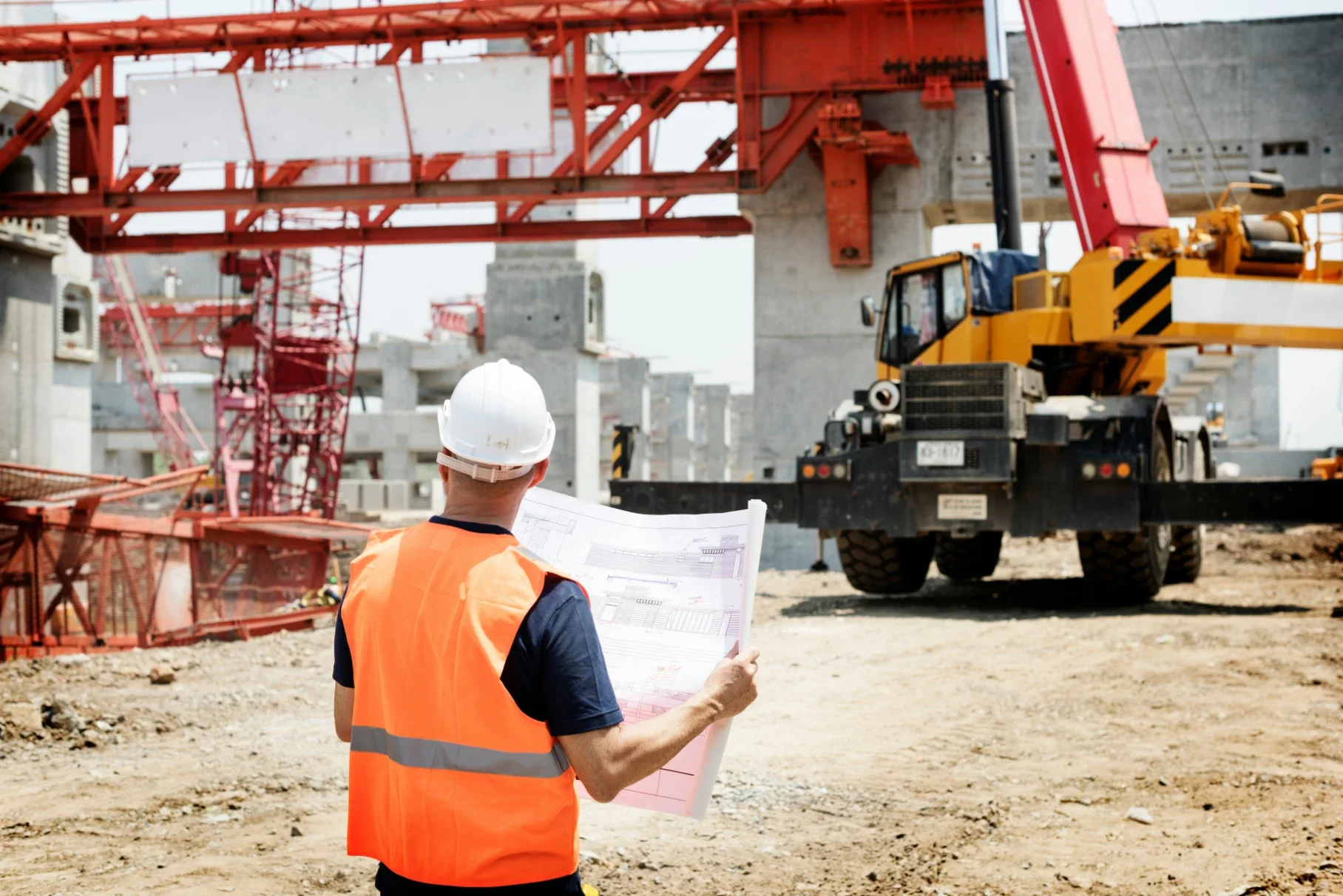
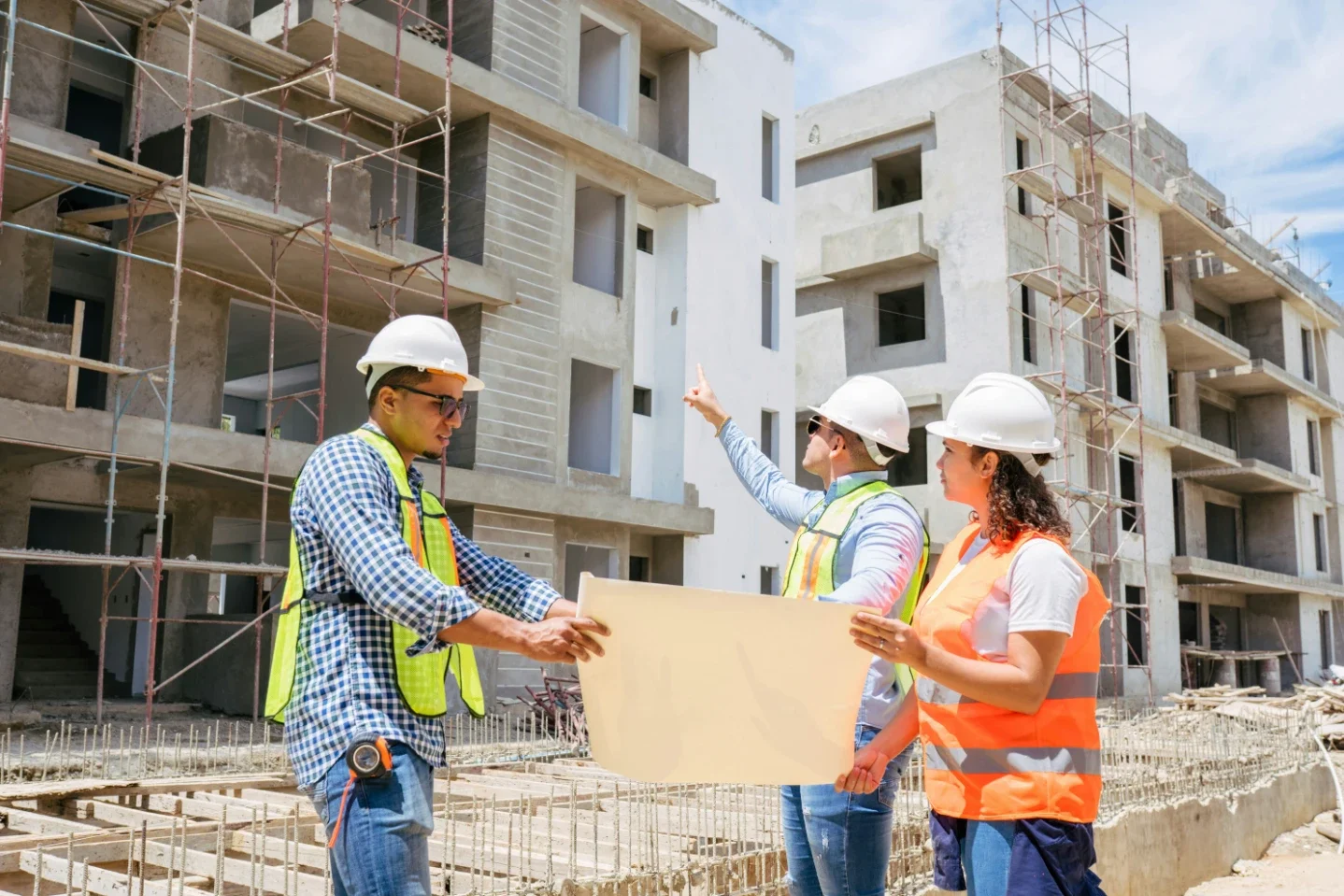
A construction site inspection checklist is one of the most effective tools for maintaining safety, improving quality control and ensuring compliance throughout a construction project. Whether you're managing a small refurbishment or a large commercial development, carrying out regular inspections helps identify potential hazards, reduce costly rework and keep work progressing to the required standard.
Many organisations now use digital solutions such as qms-software to standardise inspections, document findings and improve follow up across multiple construction sites. Digital inspection records also make it easier to share information between contractors, site managers and clients while creating a clear audit trail.
Rather than treating inspections as a box-ticking exercise, they should form part of a proactive quality management strategy that protects workers, improves project outcomes and helps ensure legal and contractual obligations are met.
What Is a Construction Site Inspection Checklist?
A construction site inspection checklist is a structured document used to assess the condition, safety and quality of a construction site.
Instead of relying on memory, inspectors follow a consistent process that ensures every important area is reviewed. This creates a standard approach across projects while reducing the chance of important issues being overlooked.
A comprehensive checklist should include:
PPE compliance
Site access and security
Housekeeping
Plant and machinery
Temporary electrical installations
Working at height
Excavations
Fire safety
Structural work
Environmental controls
Quality defects
Corrective actions
Using a standardised checklist also provides valuable evidence during audits, client inspections and compliance reviews.
Why Construction Site Inspections Matter
Every inspection presents an opportunity to identify issues before they become expensive problems.
Small defects identified early often require simple corrective actions. If left unresolved, they can delay multiple trades, increase costs and create unnecessary rework later in the project.
Construction site inspections also play a critical role in protecting the health and safety of everyone working on site. They help identify hazards, verify safe working practices and ensure work is being completed in accordance with project requirements.
Industry statistics continue to demonstrate why inspections remain essential. Construction accounted for 20.3% of workplace fatalities in the United States during 2023, with OSHA reporting 1,075 construction fatalities. While regulations differ internationally, the importance of regular inspections remains the same across the industry.
Daily visual inspections combined with more detailed scheduled inspections provide the best opportunity to identify issues before they affect safety, quality or programme delivery.
What Should a Construction Site Inspection Checklist Include?
Every project is different, but most construction site inspections should cover the same core areas.
Health and Safety
Health and safety should always be the first priority.
Inspectors should verify that:
Personal protective equipment (PPE) is being worn correctly.
Hard hats, eye protection and suitable footwear are being used.
Emergency exits remain unobstructed.
First aid facilities are available.
Fire extinguishers are accessible.
Workers have received appropriate training.
Welfare facilities remain clean and operational.
Good housekeeping is equally important. Removing waste materials, securing walkways and reducing trip hazards helps maintain a safer working environment.
Working at Height
Falls continue to represent one of the biggest risks on construction sites.
Every inspection should confirm:
Guardrails are secure.
Ladders are suitable for their intended use.
Mobile towers are correctly assembled.
Harnesses are inspected and worn correctly.
Scaffolding inspections remain up to date.
Inspectors should also confirm that any previously identified issues have been resolved before work continues.
Plant, Equipment and Electrical Safety
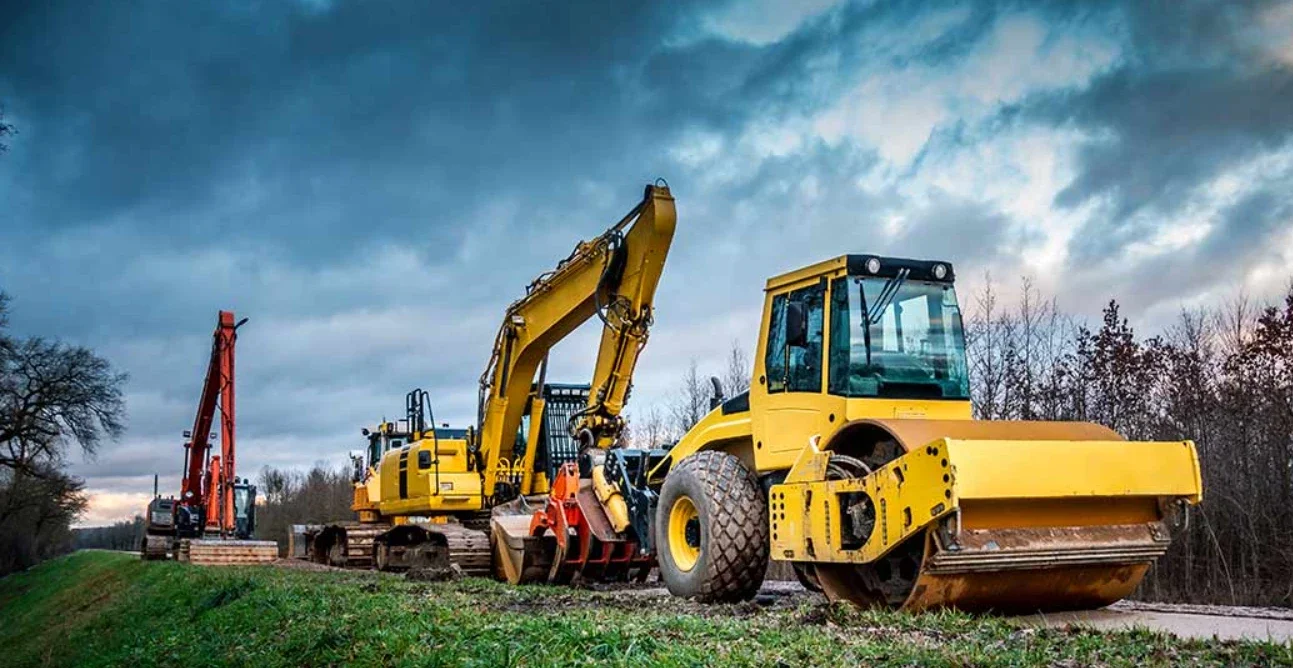
Machinery should be inspected regularly by competent individuals.
Checks should include:
Equipment condition
Safety guards
Emergency stop functions
Warning alarms
Hydraulic or fuel leaks
Maintenance records
Temporary electrical installations should also be inspected. Damaged cables, overloaded extension leads and exposed wiring should be addressed immediately to reduce the risk of injury.
Excavations
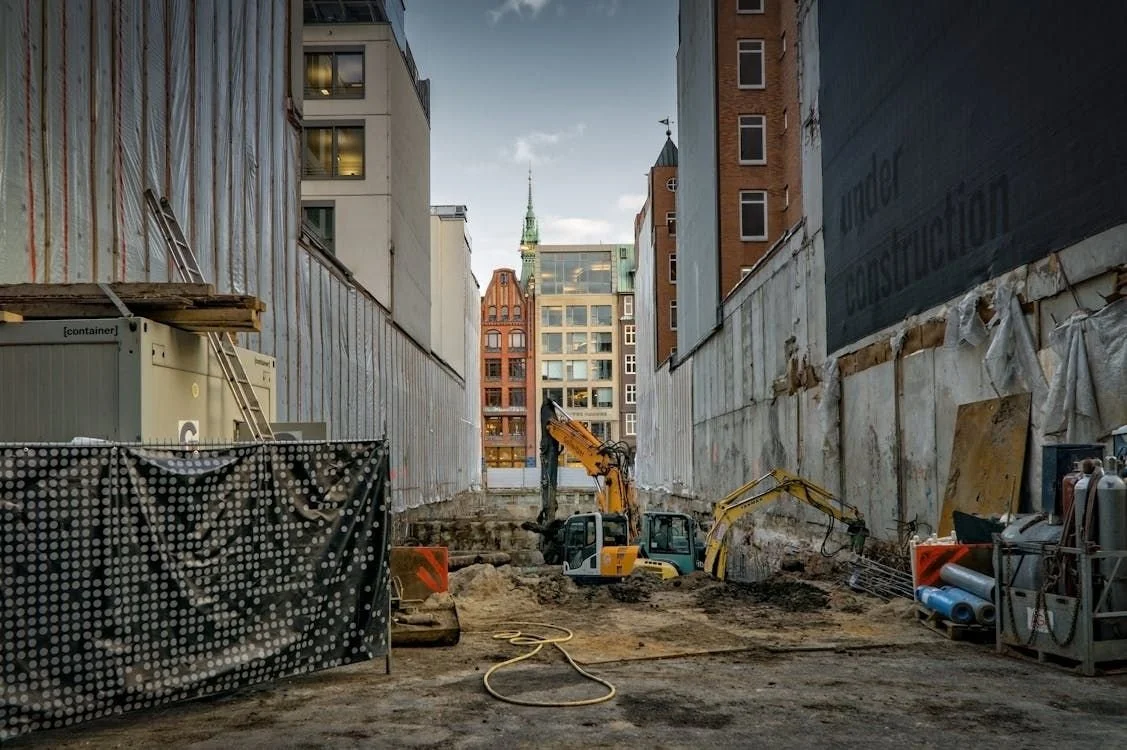
Excavation work requires careful monitoring throughout the project.
Inspection points include:
Ground stability
Protective systems
Safe access and egress
Water accumulation
Barriers
Signage
Protective measures should always be inspected before workers enter an excavation.
Quality Control
Construction inspections are equally important for maintaining quality.
Inspectors should review:
Workmanship
Material quality
Installation accuracy
Structural elements
Finishes
Outstanding defects
Recording issues early helps reduce rework and prevents defects being carried into later stages of the project.
Alongside structural inspections, contractors should also verify that fire stopping, compartmentation and fire doors have been installed correctly. Working with specialists such as Adaston helps ensure passive fire protection measures are installed and maintained to the required standard.
Best Practices for Construction Site Inspections
An effective inspection process relies on consistency rather than occasional reviews.
Creating scheduled inspections, assigning clear responsibilities and recording findings immediately helps ensure issues are resolved quickly.
Using digital inspection software can improve communication between teams by allowing photographs, notes and corrective actions to be captured in one place. This makes it easier to monitor progress, demonstrate compliance and identify recurring issues across multiple projects.
Inspection reports should also be reviewed regularly so trends can be identified before they develop into larger quality or safety concerns.
Common Problems Found During Site Inspections
Although every project is different, inspectors frequently identify similar issues.
Common findings include:
Poor housekeeping
Inadequate PPE
Unsafe access routes
Damaged equipment
Missing edge protection
Temporary electrical defects
Incorrect material storage
Incomplete documentation
Poor workmanship
Outstanding corrective actions
Addressing these issues promptly helps improve site safety while reducing delays and unnecessary costs.
Conclusion
A construction site inspection checklist provides far more than a record of completed checks. It supports safer working practices, improves quality control and helps ensure projects remain compliant throughout every stage of construction.
By carrying out regular inspections, documenting findings and resolving issues promptly, construction teams can reduce risk, minimise rework and deliver higher quality projects. Combining structured inspections with digital tools and specialist expertise where required creates a more efficient process that benefits contractors, clients and everyone working on site.
Frequently Asked Questions
How often should construction site inspections be carried out?
Daily visual inspections are recommended, with more detailed inspections taking place at planned intervals or before high-risk activities begin.
What should every construction site inspection include?
Every inspection should cover health and safety, housekeeping, working at height, plant and machinery, electrical safety, excavations, fire safety, environmental controls and quality of workmanship.
Why use digital inspection software?
Digital inspection software improves consistency, allows photographs and evidence to be captured instantly, simplifies reporting and helps track corrective actions from identification through to completion.
Who should carry out site inspections?
Construction site inspections should be completed by competent individuals with the knowledge and authority to identify hazards, record findings and ensure corrective actions are implemented.
Can inspections improve project quality?
Yes. Regular inspections identify defects early, reduce rework, improve communication between contractors and help maintain consistent quality throughout the project lifecycle.
Stay up to date with our latest ideas!